
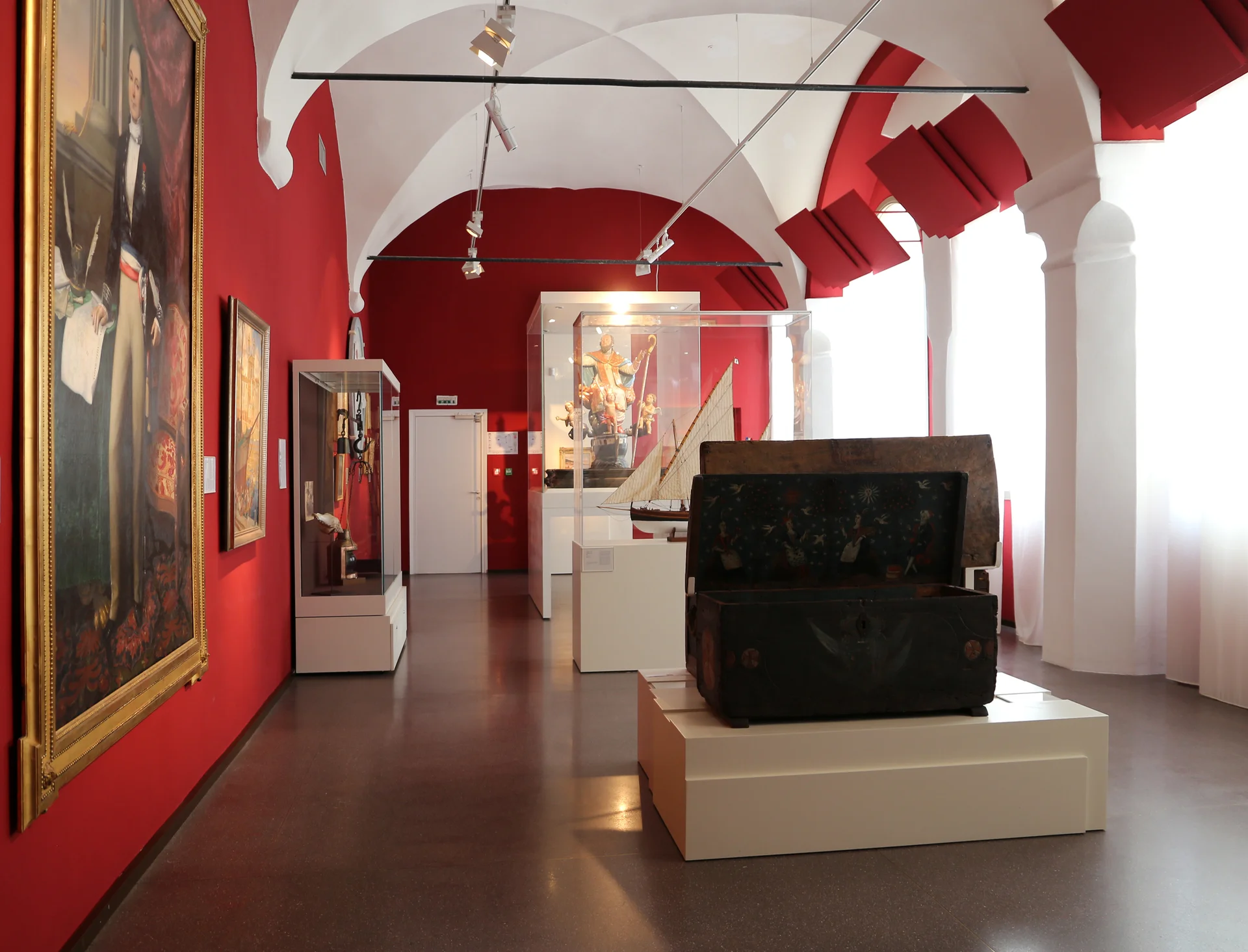
Visiting the Bastia Museum
Up in the citadel neighborhood in Bastia, on the island of Corsica, the Bastia Museum occupies the heart of the Palais des gouverneurs (Governor's Palace). Tracing the history of the city, this site also regularly hosts visiting exhibitions.
History
This municipal museum dates back to the early 20th century. Local scholars gathered around the chanoine Letteron (Canon Letteron) to get the project off the ground.
The first museum set up shop in the hall of the current theater, right next to the library. Following its opening in 1908, the collections grew quickly, and by 1922 the museum moved into the ancienne chapelle du couvent des missionnaires Lazaristes (former chapel of the Lazarist Missionary Convent).
Looting during World War II took a heavy toll, leaving only 584 works out of the entire collection.
After that period, the museum finally found its permanent home in the Governor's Palace. Once the military moved out, the space was loaned to the city, and the French state officially handed it over to the municipality in 1990.
The building housing the current museum has been listed as a historic monument since 1977.
The Bastia Museum
The museum focuses on the history of the city, its connections with other towns on the island, and the wider Mediterranean basin. Spanning 19 rooms, the permanent exhibits blend history, anthropology, and sociology across 4 main themes.
The galleries cover "The birth and growth of a Corsican city", "A capital and a center of power", "A cultural hub", and "The major collections". It is a cornerstone of the island's history.

Located in the former Governors' Palace, this is a magnificent and very rich museum, with a splendid garden as a bonus. I learned a lot about the founding of Bastia and particularly enjoyed the Italian painting section. More unusual, the museum also presents a private collection of small objects from the First Empire (letters, crafts, fashion accessories) that is also worth a look. On the other hand, the signage is not always very clear.