
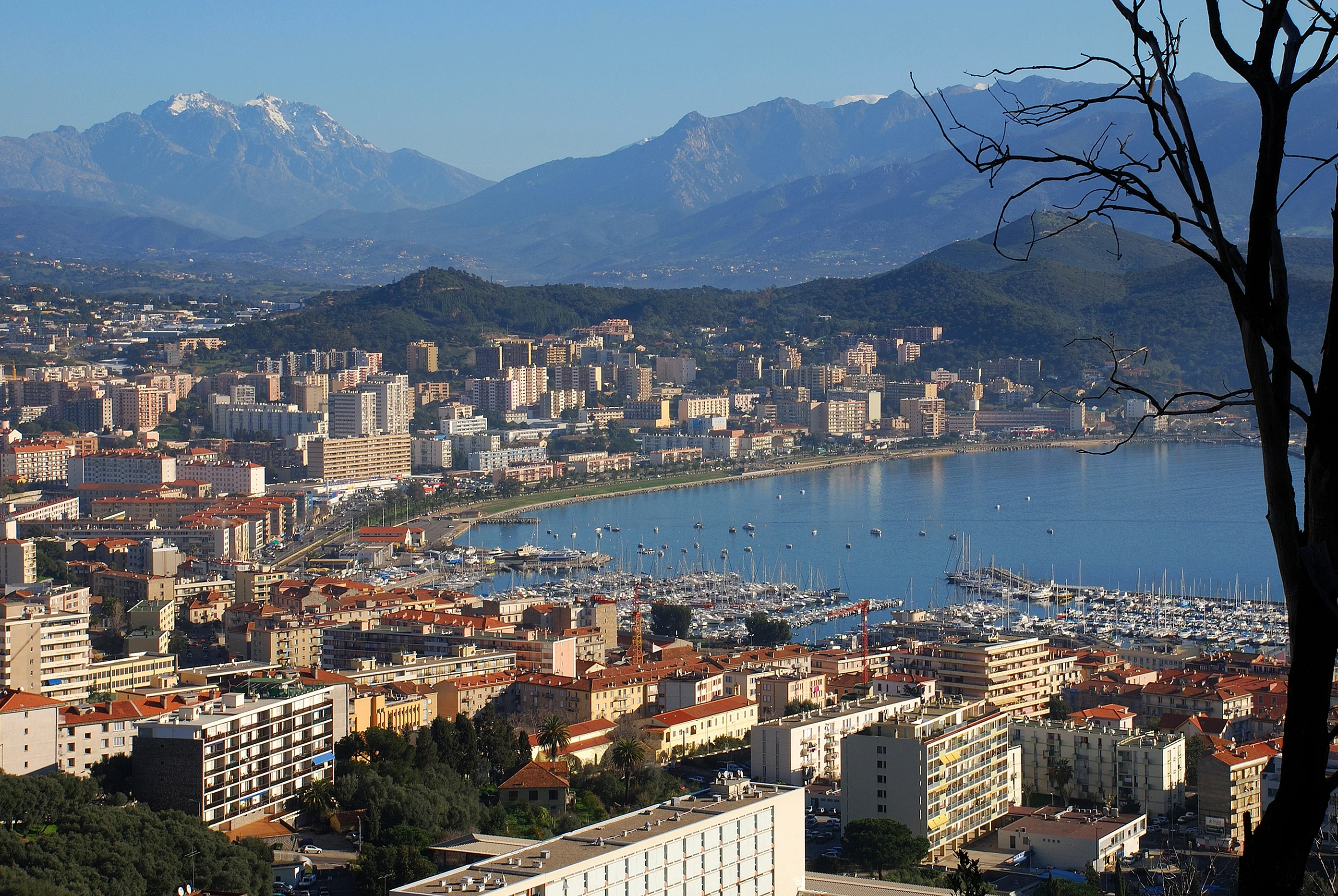
Visiting Ajaccio, Between Sea and Mountains
Ajaccio, the regional capital of Corsica, is a pastel-colored seaside town ringed by hills that smell of wild herbs and scrub. It's easygoing, a little contrasted, and a good fit for a trip built around slowing down: history, culture and Mediterranean warmth within walking distance of each other.
Following Napoleon's Footsteps

Ajaccio is tied to Napoleon Bonaparte, who was born here. The Maison Bonaparte, the house where he was born, now operates as a museum tracing his youth and his family's story. Inside you'll find period furniture, intimate portraits and objects that belonged to the Emperor.
A few steps away, the Cathedral of Notre-Dame-de-l'Assomption is worth a quiet detour: Napoleon was baptized here, in a restrained but harmonious Baroque interior typical of the Genoese era.
A Lively, Picturesque Old Town
The historic heart of Ajaccio is easy to explore on foot. The Place Foch market fills the mornings with stalls of Corsican cheeses, handmade cured meats and sun-ripened citrus. Around it, narrow lanes open onto colorful facades, artisan shops and small shaded squares that are made for wandering.
The palm-lined waterfront invites a relaxed stroll past busy cafés, with beaches just a few minutes' walk away, perfect for a cooling break.
Coastline and Landscapes Worth the Trip

From Ajaccio, it's an easy drive out along the road to the Sanguinaires Islands. This string of small islets delivers spectacular sunsets over unspoiled seascapes. A Genoese tower overlooks the whole scene, a reminder of the old coastal watch system.
If you like hiking, the first foothills of the Corsican maquis (the island's dense, fragrant scrubland) are quick to reach. Coastal trails and ridge paths open up sweeping views over the Gulf of Ajaccio and the mountainous interior.
A Cuisine Split Between Land and Sea
In Ajaccio, eating well is a way of life. Fiadone, a lemon-scented brocciu cheesecake, caps off a meal built on local products. Corsican charcuterie, especially lonzu and figatellu, goes with the island's well-regarded wines, such as those grown on the hillsides of the Comte Abbatucci estate. Along the water, look for grilled fish and fresh spiny lobster.
Where to eat
- A Cantina di Ghjulia (town center): a friendly spot for Corsican charcuterie, cheeses and wines.
- Le 20123 (historic center): set inside a re-created Corsican village, with authentic flavors guaranteed.
- U Fanale (road to the Sanguinaires): Mediterranean specialties with a sea view.
- Le Roi de Rome (town center): home-style cooking in an intimate, warm setting.
When to go
The best window for visiting Ajaccio runs from May to September, with mild temperatures and sea water that's comfortable for swimming. June is especially good if you want summer weather without the biggest crowds.
How to get there
There are no nonstop flights from the US, so plan on connecting through mainland France. Ajaccio has direct flights from the main French cities, including Paris and Marseille. The flight from European hubs like Paris takes about 1 hour and 30 minutes. Ferries also run to Ajaccio from Marseille or Toulon.
How to get around
You can cover central Ajaccio easily on foot. To explore the surrounding area, car rental is the most flexible option, especially for reaching the more distant beaches and the road to the Sanguinaires.


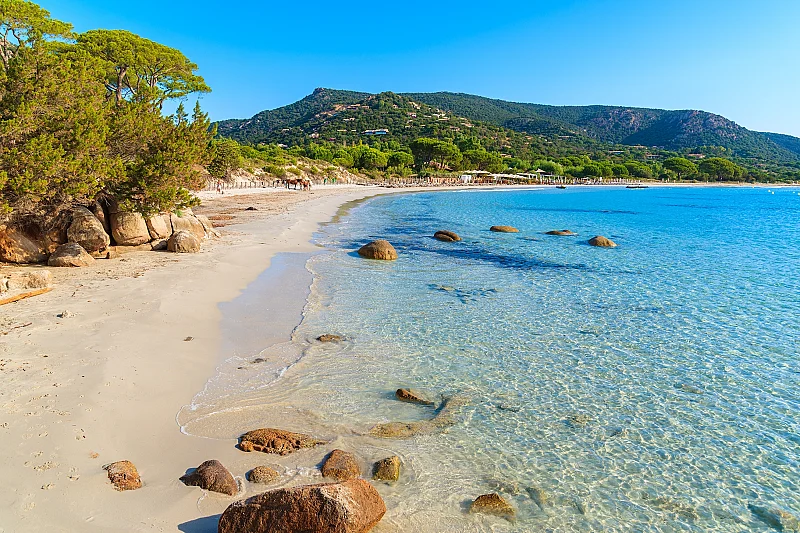
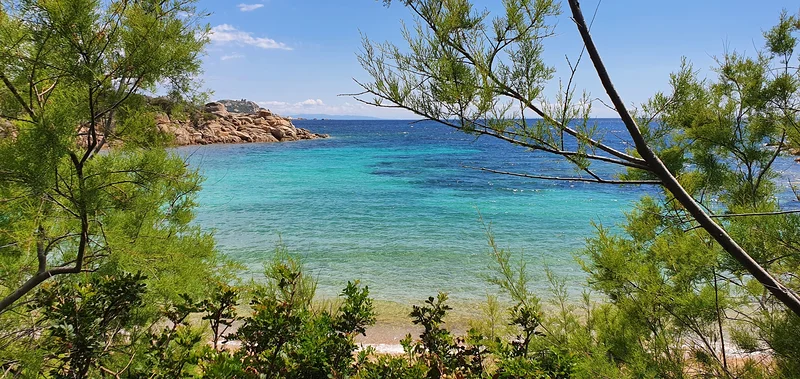


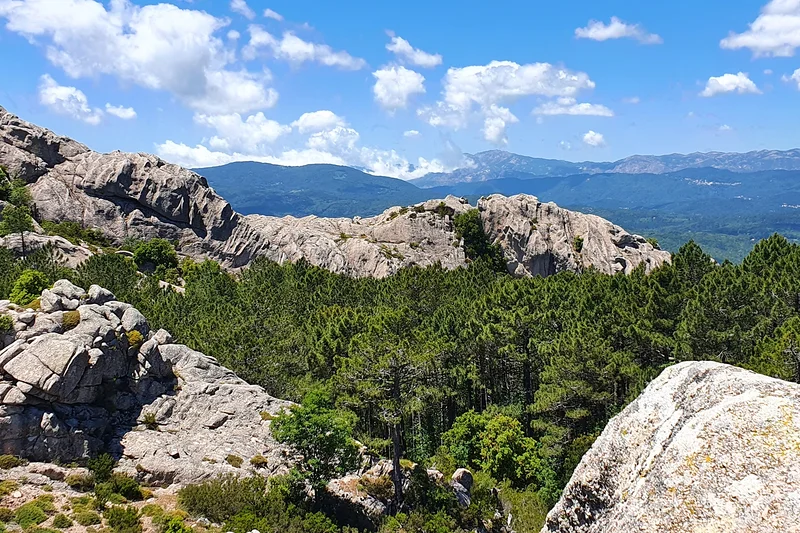
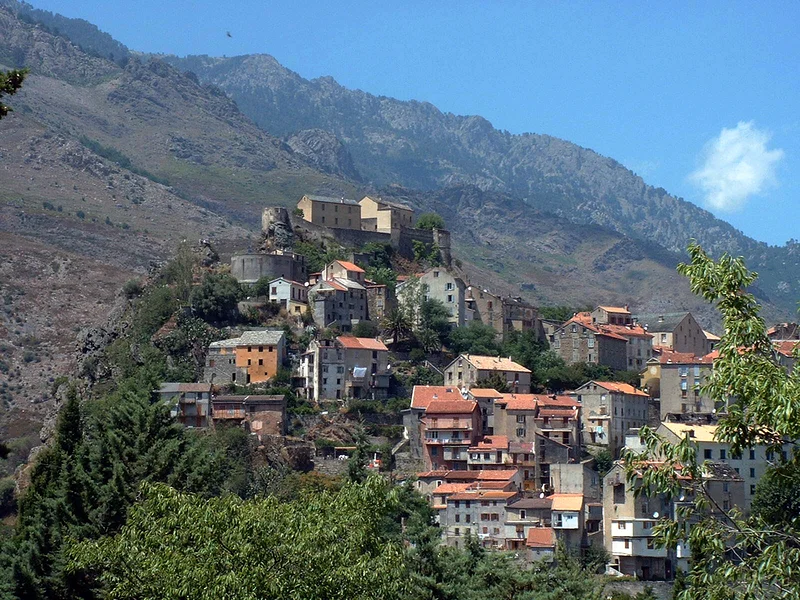
I am not a fan of Ajaccio. Napoleon Bonaparte's hometown is packed in high season. We had to camp at a site very far from the city center and it was also a pain to find parking. Despite everything, Ajaccio has a certain appeal with its Mediterranean charm, accessible beaches, and laid back vibe. But compared to all the beauties of Corsica, do not linger here. Head for the mountains or the beaches in the south.