
Visiting Piana
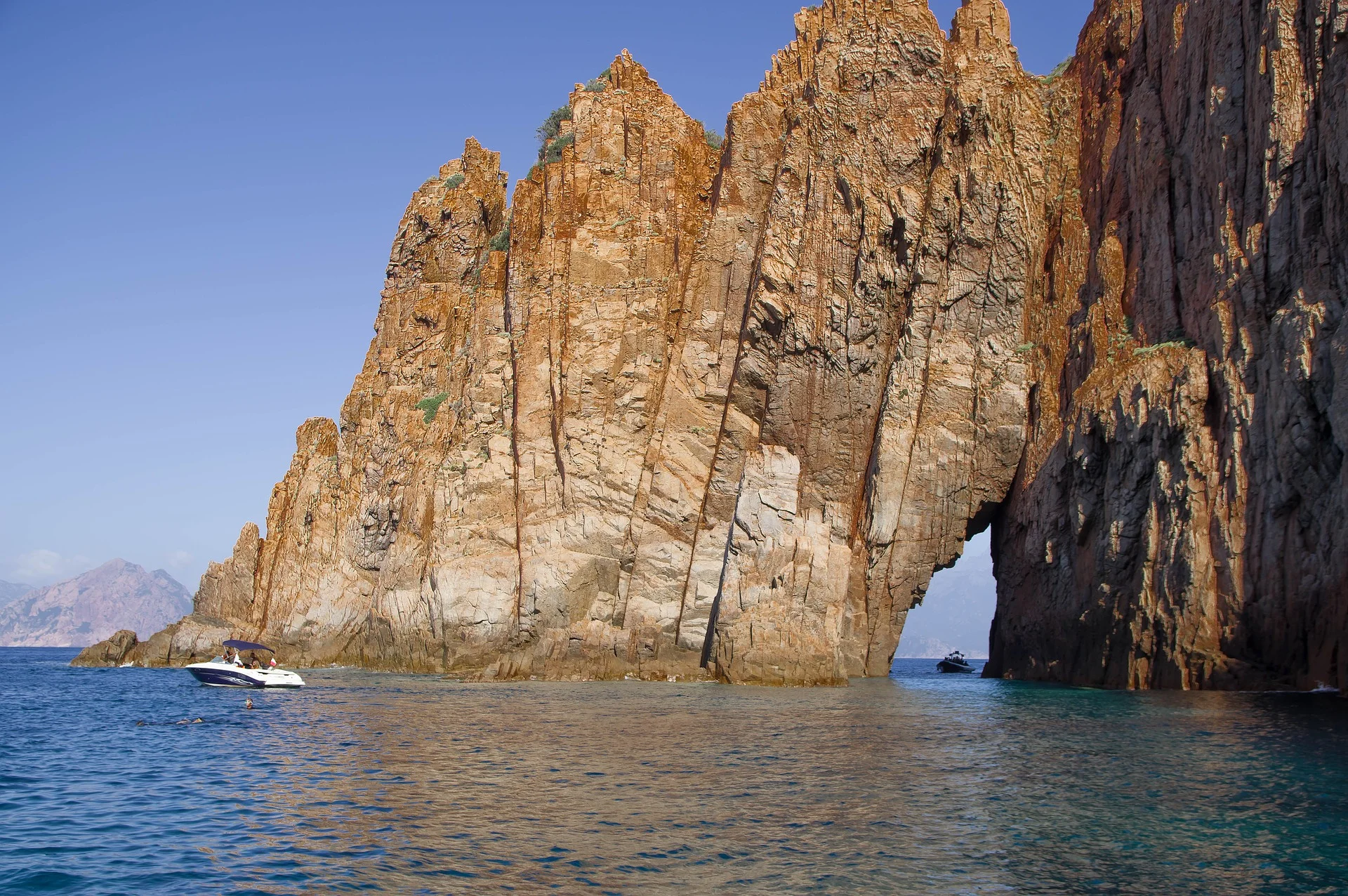
Piana sits on the west coast of Corsica. Built in an amphitheater layout at an elevation of 438 meters above the Gulf of Porto, the village is defined by its calanques, or calanches in the local Corsican dialect. These are striking pink granite cliffs shaped by wind and sea into complex, rugged formations. The D81 road winding along the coast offers clear vantage points of this wild, jagged landscape, which has been a UNESCO World Heritage site since 1983. You can also explore by foot, such as on the old trail from Piana to Ota, an ancestral mule path lined with historic dry-stone walls.
One of the most beautiful villages in France
Tucked away along the west coast of Corsica, Piana has a year-round population of about 400 that swells with thousands of visitors during the summer months. The area was under Genoese rule until the 18th century. The Republic of Genoa constructed a series of watchtowers to defend the Corsican coast against invasions. A few miles from Piana, you can find the Turghju Tower, built in 1608 at the top of Capu Rossu, sitting 331 meters above the water.
The village features a parish church dedicated to the Assumption, the Santa Maria Assunta Church, which houses two protected works of art: a 17th-century painting of Saint Hugh of Lincoln and a polychrome carved wooden statue of the Assumption. The Roches Rouges Hotel, a historic hotel built in 1912, still stands in Piana as a testament to the early tourism boom on the island and is recognized as a 20th-century heritage site.
Discovering Corsican treasures
Piana is defined by the landscape surrounding the village, a mix of calanques, pine forests, and the deep blue of the Mediterranean. The cliffs of Piana protect an extremely rare endemic plant that grows in the cracks of the granite rocks: Madame de Gysperger's pink, a small white flower found only in this specific part of Corsica.
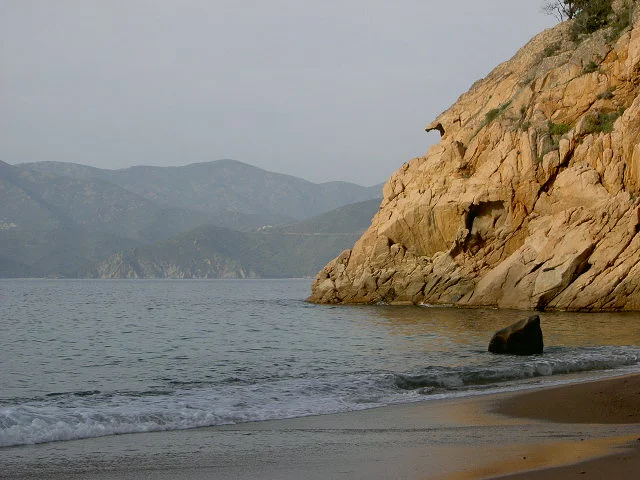
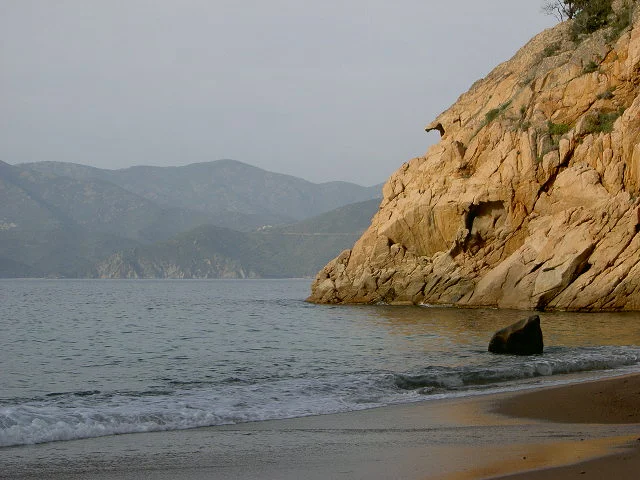
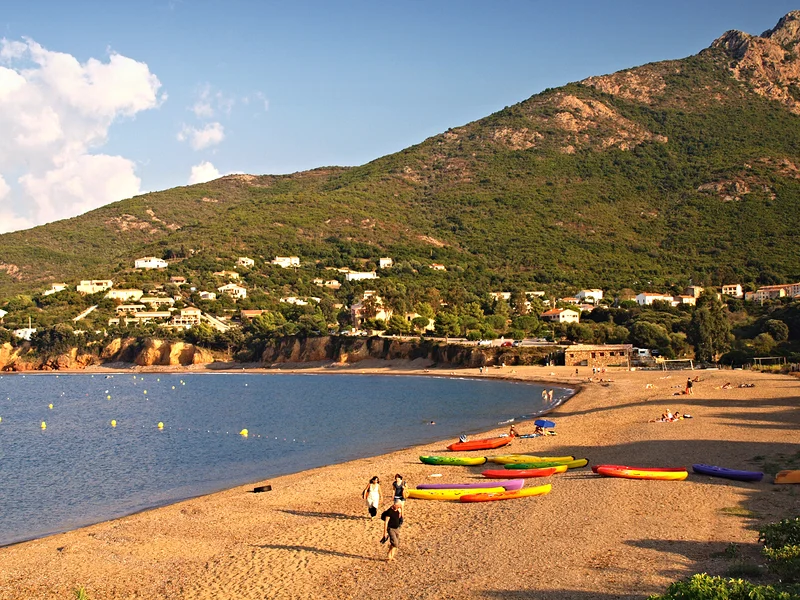
To explore the surroundings, take the road leading to Ficajola Cove. This former fishing port is a cove surrounded by small stone fishing cabins and is a popular spot for diving. For swimming, head to Arone Beach, located 12 kilometers from the village center.
When to go
The best time to visit the village and the calanques is outside the peak summer crowds. While there, watch the cliffs at different times of the day, as the granite colors shift significantly depending on the light and weather conditions.
How to get there
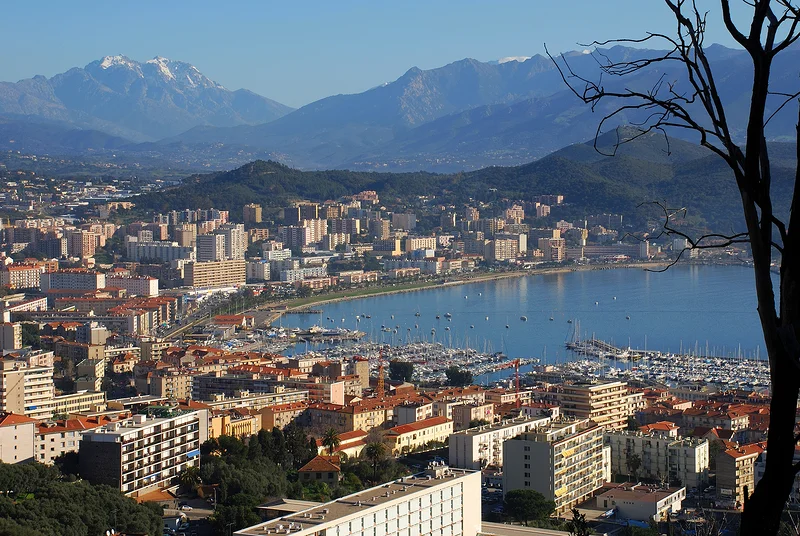
To reach Corsica, fly into Ajaccio or take a ferry from Marseille, Toulon, or Nice. From these arrival points, rent a car for the roughly 1 hour and 20 minute drive to Piana. You can also book a boat tour from Ajaccio to see the cliffs from the water. Reaching Corsica from North America means flying to Paris first, then picking up a connection to Ajaccio, a little under two hours in the air.
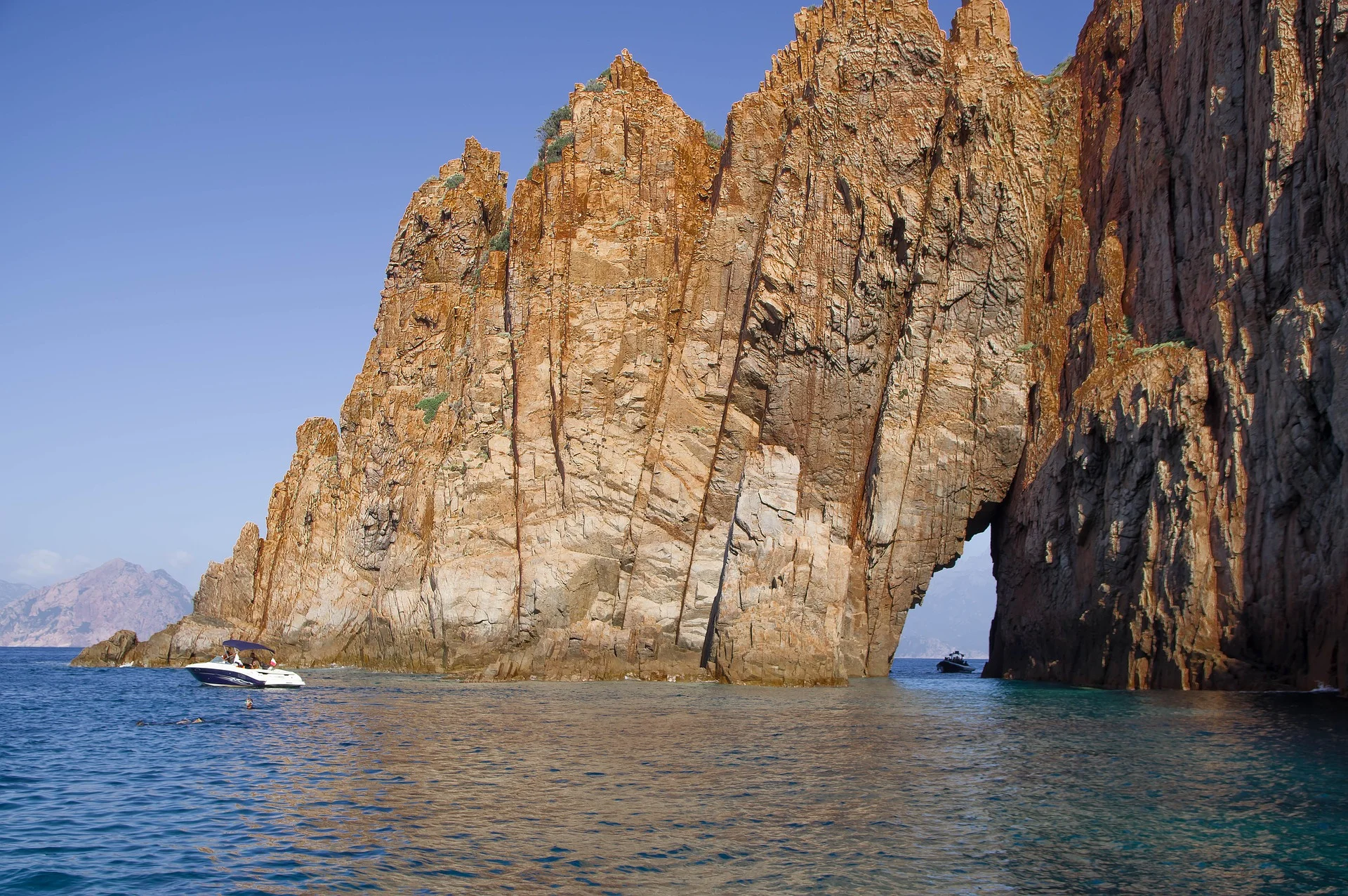
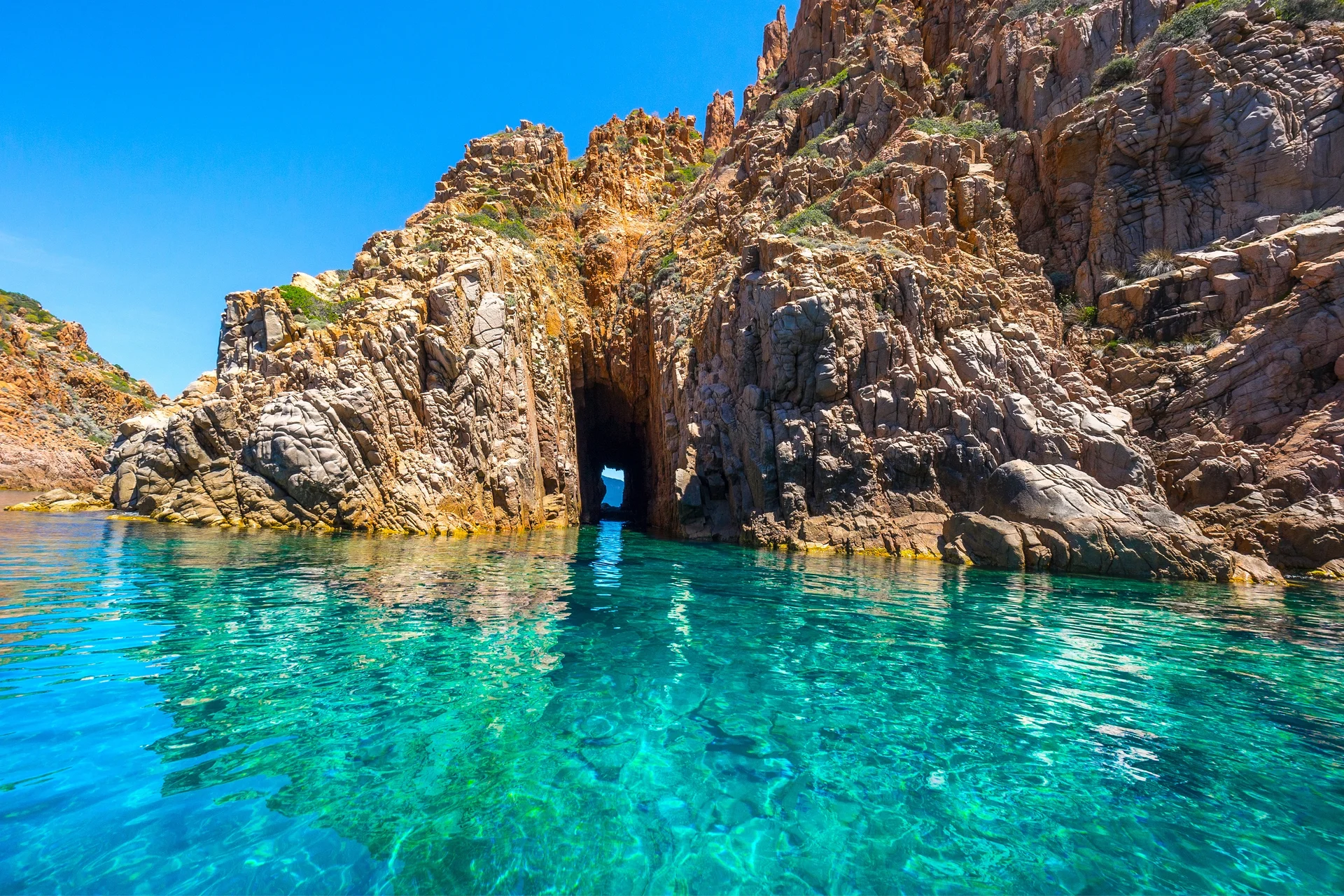
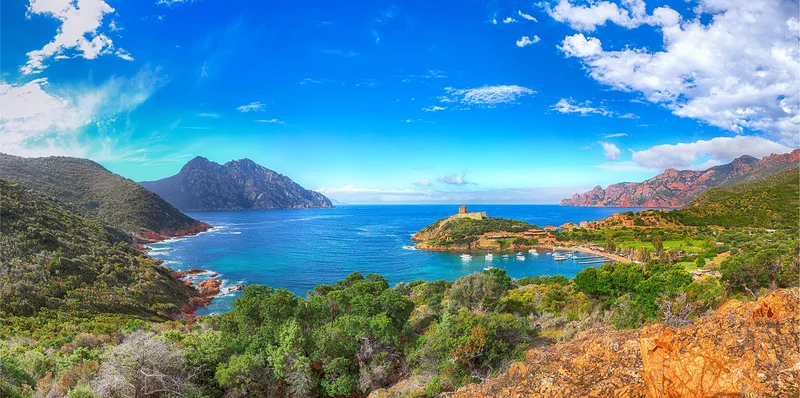
I visited Piana during a road trip through Corsica. Located on the west side of the island, you mostly go there for its Calanques. The water is turquoise. They are surrounded by impressive red rock formations that strangely look like needles. It is also an ideal place for some beautiful hikes.