
Visiting Saint-Florent: Between Sea, History, and Vineyards
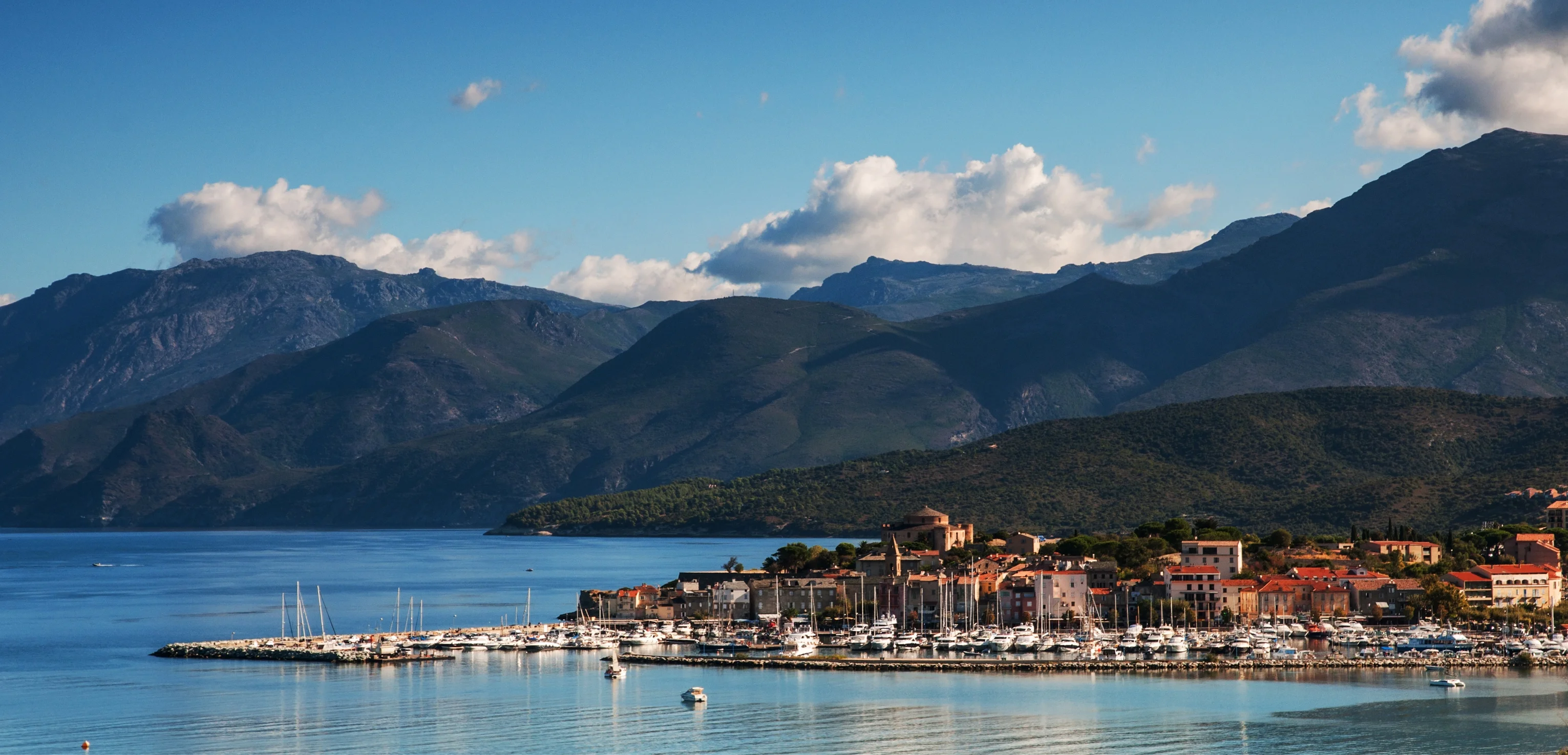
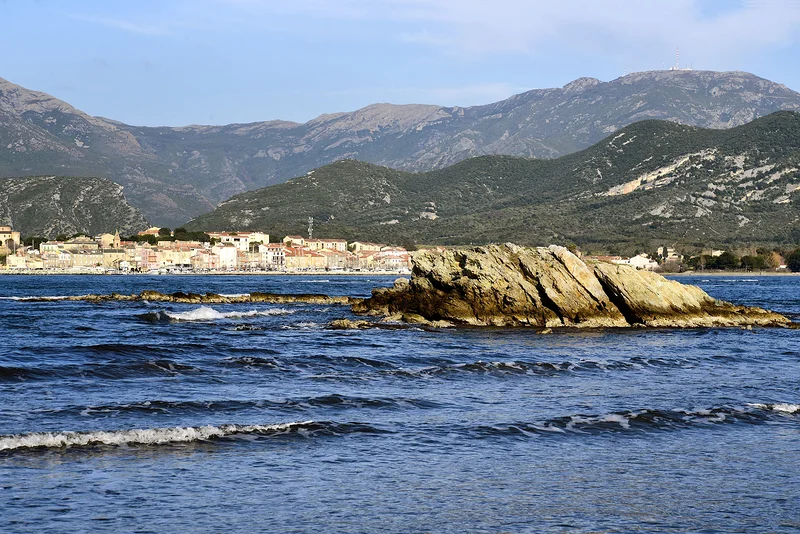
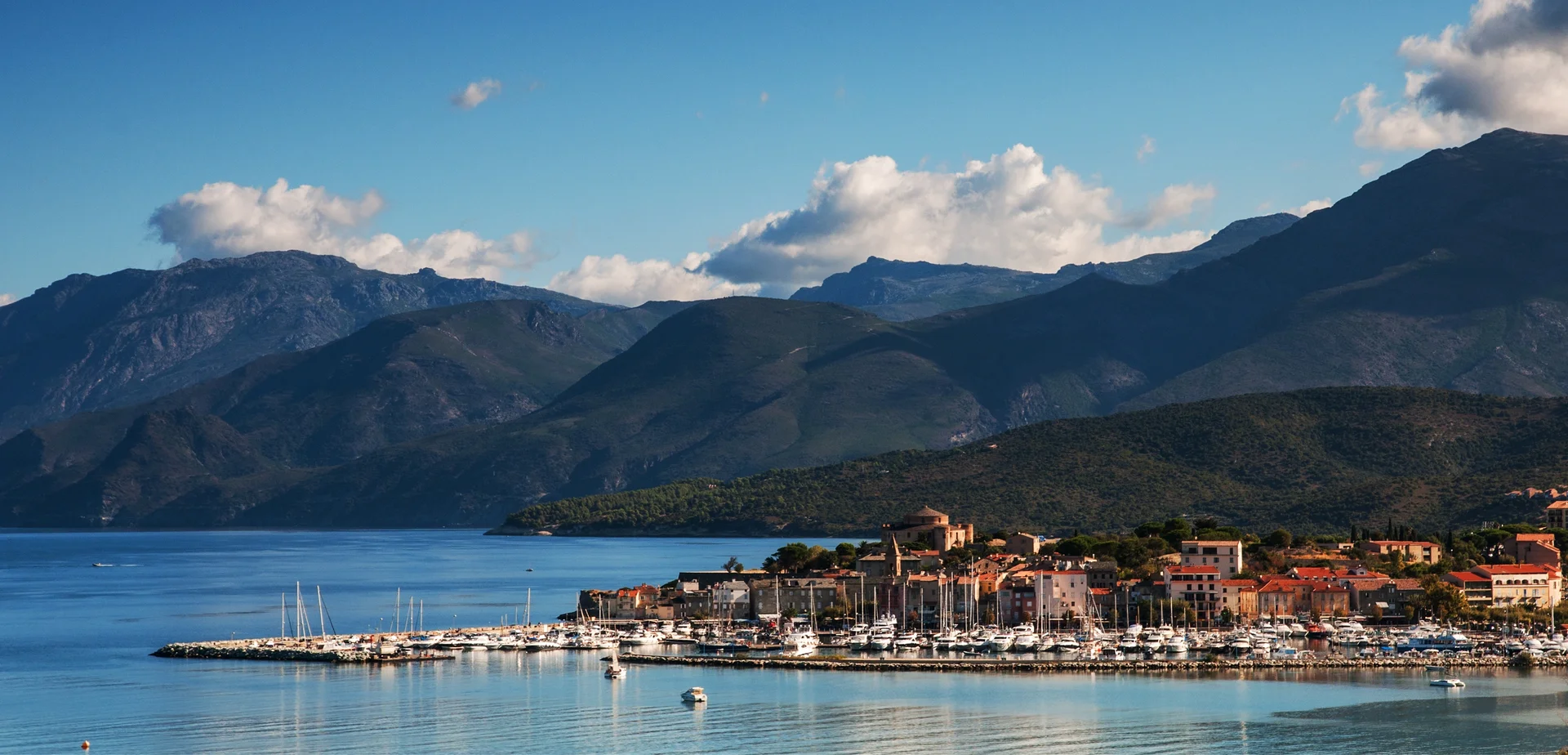
At the edge of the désert des Agriates, Saint-Florent strikes a balance between a low-key beach town and a character-filled historic borough. Tucked into the curve of a scenic gulf, this northern Corsican town draws visitors with its active marina, walkable beaches, and a countryside rich in tradition.
A Subtle Historic Heritage
While Saint-Florent does not boast a dense concentration of monuments, a few key structures preserve its Genoese past. The 15th-century citadel sits on a promontory overlooking the bay and surrounding mountains. Nearby, the 12th-century Romanesque cathedral of Nebbio points to the historical significance of the area. Both sites invite a quiet pace, far from the summer crowds of the western coast.
A Lively Daily Port
The heart of Saint-Florent centers on its marina, which accommodates impressive yachts without feeling overly showy. Strolling along the quays lets you watch the boat traffic while grabbing a table at a café or restaurant. In the evening, the atmosphere softens, making it an ideal spot to unwind after a day of swimming or exploring.
Accessible and Varied Beaches
Several beaches sit close to town and are well worth visiting. Plage de la Roya is an easy walk from town and suits families thanks to its shallow waters. If you prefer wilder landscapes, water shuttles run out to the stunning beaches of Saleccia and Lotu, tucked against the edge of the Agriates desert. Nature lovers looking for pristine scenery will find what they are after here.
A Gateway to the Patrimonio Vineyards
Just a few kilometres away, the Patrimonio wine region rolls across gentle slopes between the sea and mountains. This controlled designation of origin, among the most respected in Corsica, is an easy drive from Saint-Florent. Local wine estates open their cellars for tastings, giving visitors a chance to try typical island grape varieties like niellucciu and vermentinu.
Local Flavors from Land and Sea
Local dining blends maritime influences with Corsican traditions. Fresh fish, often caught the same day, shares menu space with Corsican charcuterie cured according to ancestral methods. For dessert, try the traditional fiadone, a brocciu cheese cake brightened with lemon zest.
Where to eat?
- La Gaffe (port): A well-regarded spot for skillfully prepared seafood in an upscale yet relaxed setting.
- Chez Mathieu (old town): Authentic Corsican cooking paired with a solid selection of Patrimonio wines.
- Maison Rovere (Bastia road): A family-run institution for tasting Corsican cured meats and cheeses in a rustic space.
- Le Grand Bleu (port): Fish and shellfish served in a pleasant setting overlooking the boats.
Where to stay?
- Demeure Loredana (port): A boutique property featuring sweeping gulf views and a heated indoor pool.
- Hôtel Tettola (Plage de la Roya): Comfortable lodging with direct sea access and an outdoor pool.
- Adonis Saint Florent (upper town): An apartment-style residence with a pool, well-suited for families.
- Hôtel Santa Maria (downtown): An approachable, friendly hotel close to restaurants and the marina.
When to go?
Spring and fall are the best times to visit Saint-Florent, offering mild temperatures and manageable crowds. In August, the Patrimonio wine festival draws wine enthusiasts from across the region.
How to get there?
The town is easily reached from Bastia, about 30 kilometres away. Bastia-Poretta Airport handles regular flights from major French cities, but nothing from North America: connect in Paris or Nice. By car, the drive from the airport takes roughly 40 minutes.
How to get around?
The center is simple to navigate on foot. However, a car is recommended for reaching remote beaches and wine estates.
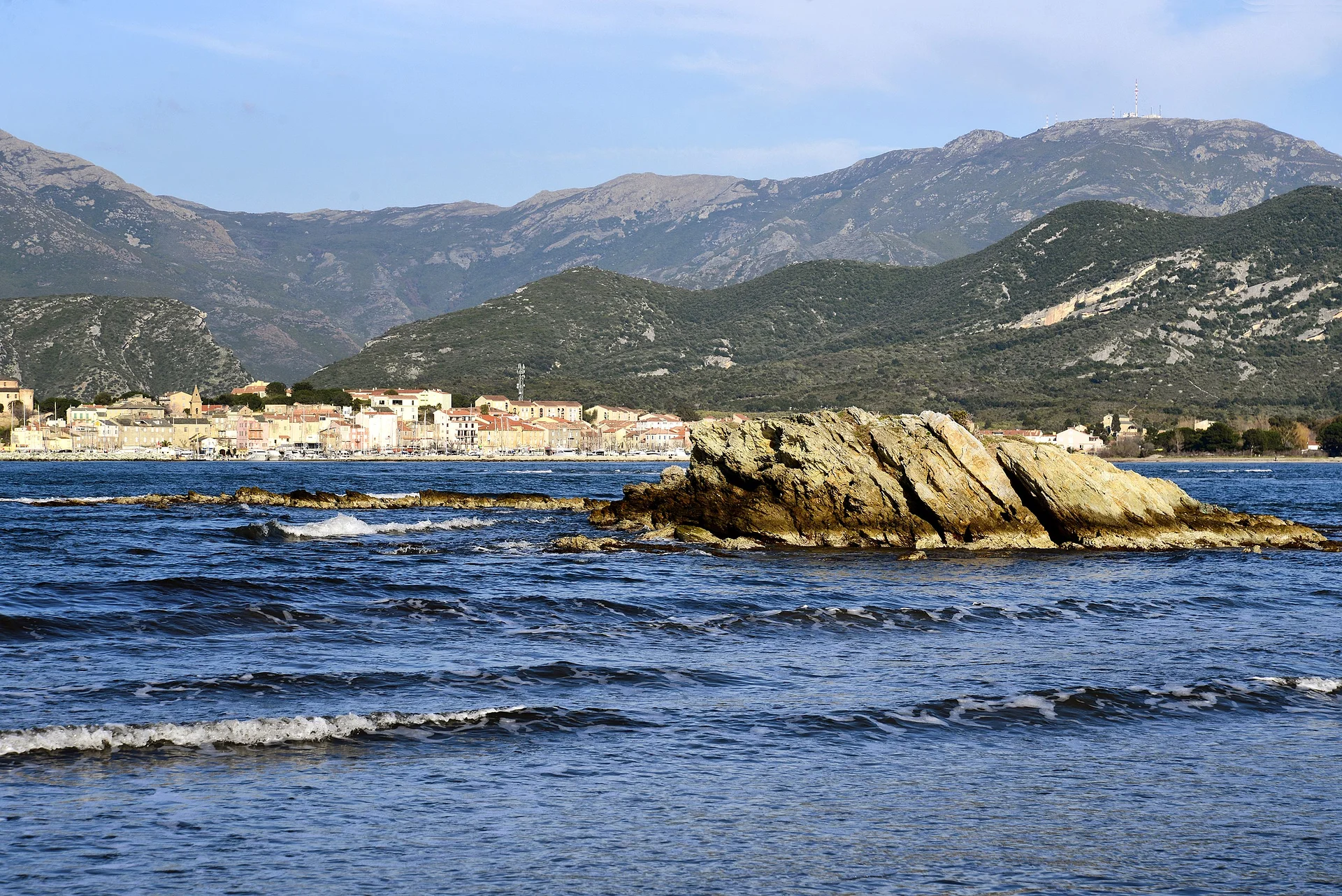
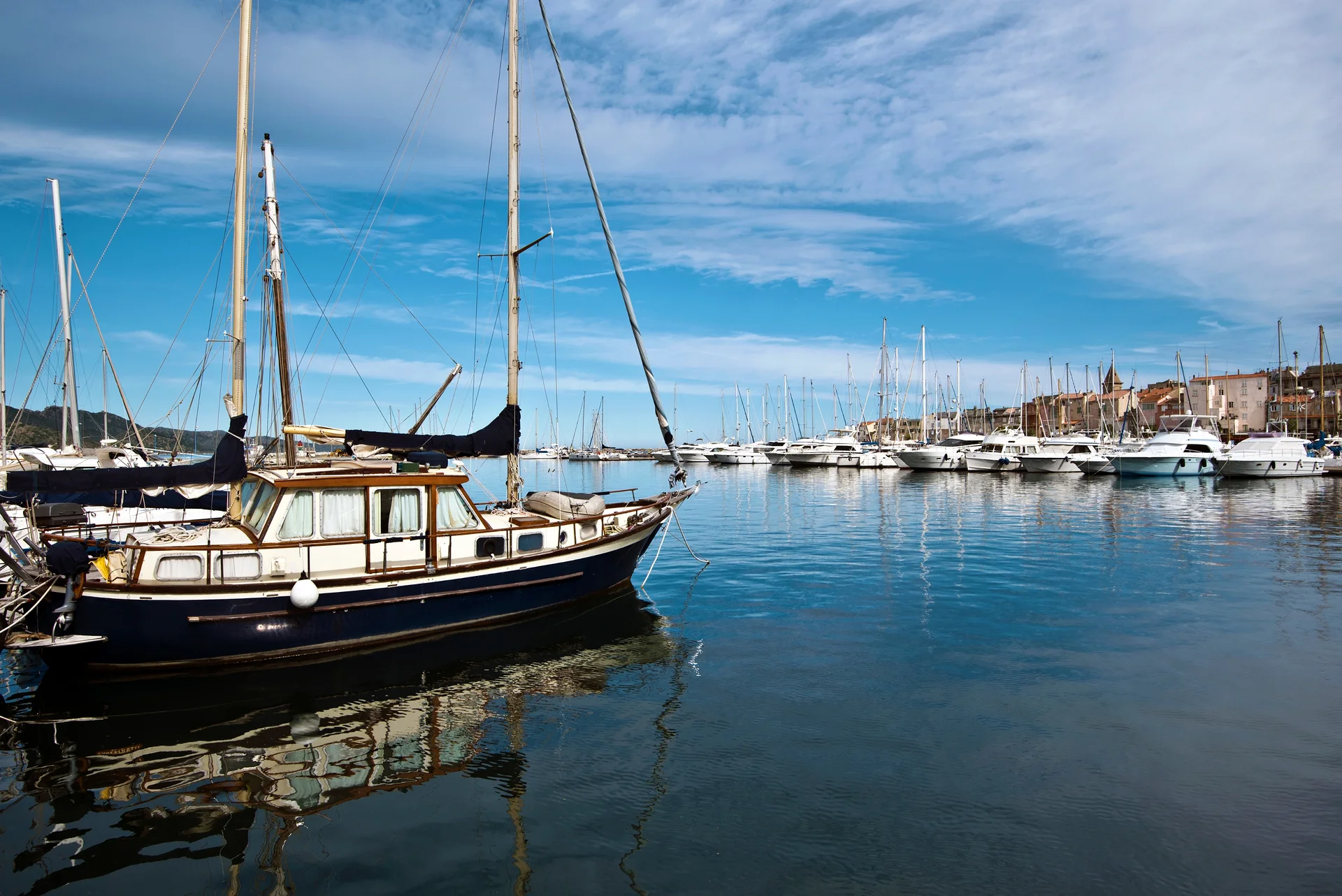
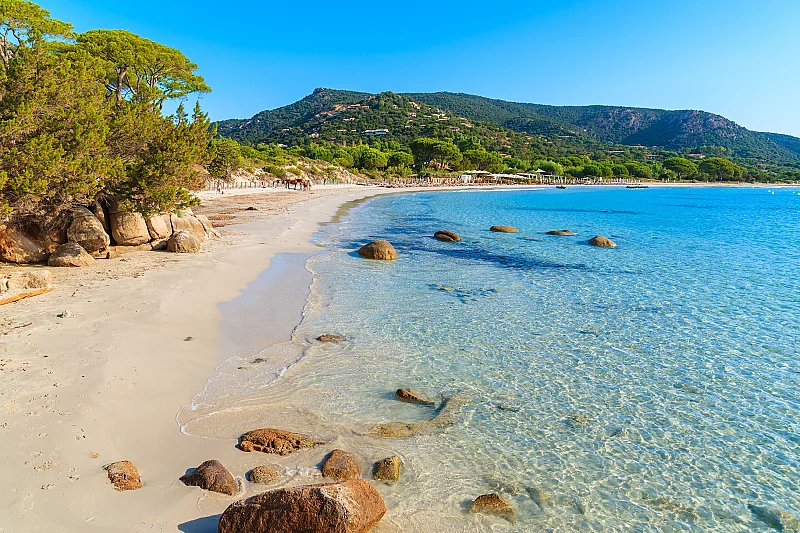
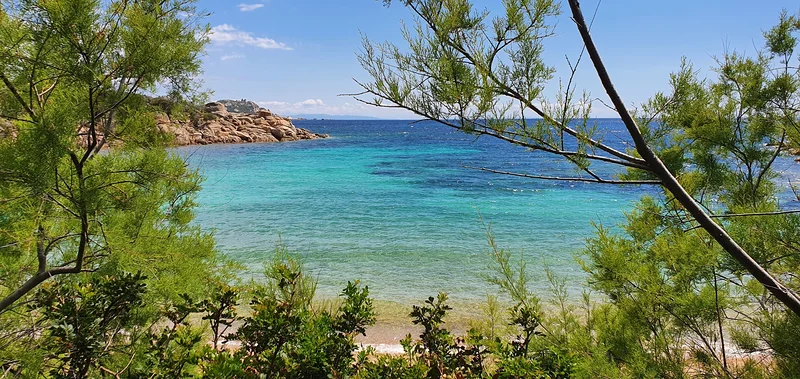
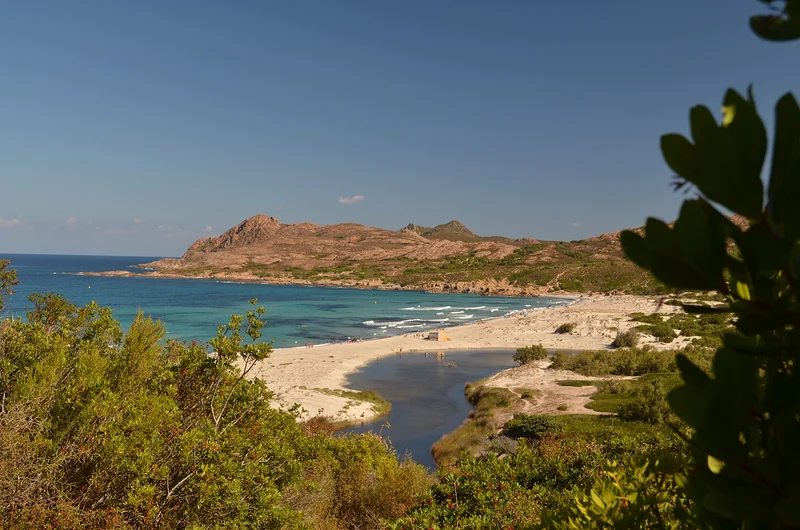
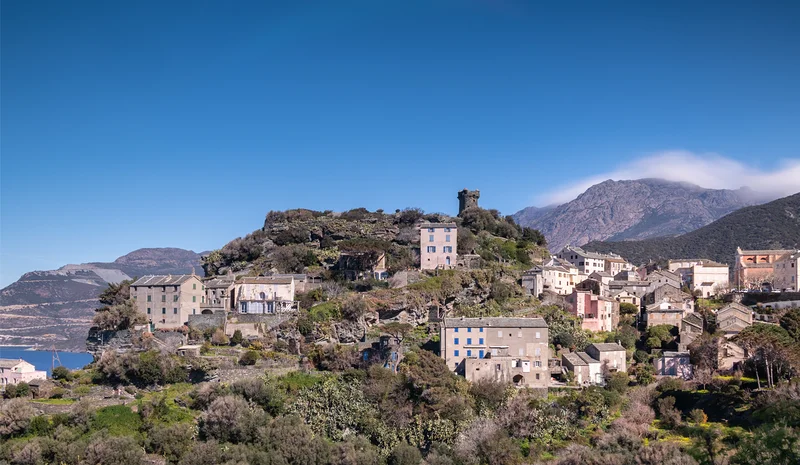
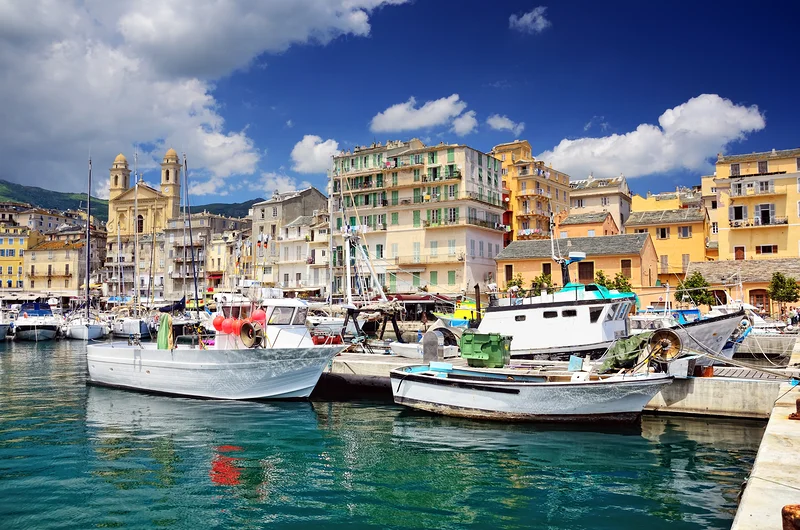
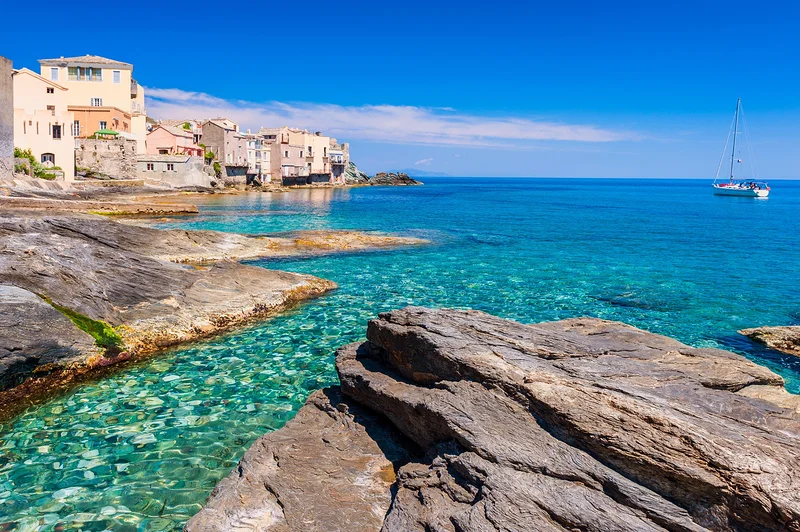
Another town that I really like in Corsica. You get there by a road that is a bit twisty and through the aptly named Agriates Desert. Once you arrive, you discover the seaside and plenty of water activities. The town center is also very pleasant, with lots of good restaurants. Don't forget to check out the port and the beach!