
Visiting Palasca
Palasca is a small medieval village dating back to the late 11th century, sitting at the gateway to the Balagne, a region in northwestern Corsica. The local economy is traditionally rooted in agriculture and craftsmanship, featuring olive groves, almond orchards, and citron cultivation. The village features a 16th-century church housing a striking four-tier bell tower alongside notable furnishings and organs. It stands right near the désert des Agriates, former agricultural plains farmed by the Genoese during the occupation of Corsica under the Republic of Genoa.
The ruins of Palasca
Palasca contains several ruined structures that reflect its long history, starting with the château San Colombano de Giussani, which was once sacked and burned by townspeople before being rebuilt. Perched at 738 meters of elevation atop a limestone peak, this fortress belonged to the Marquis of Massa and Corsica who controlled this part of the island, known as the Pieve d'Ostricone. They were defeated in a war against the Genoese in August 1289, and the castle was subsequently abandoned.
Walking trails around Palasca lead you to the former village of E Spelonche, now in ruins, which is believed to have been abandoned following a plague epidemic that devastated the region. You will also find an early Romanesque chapel there.
Palasca beaches
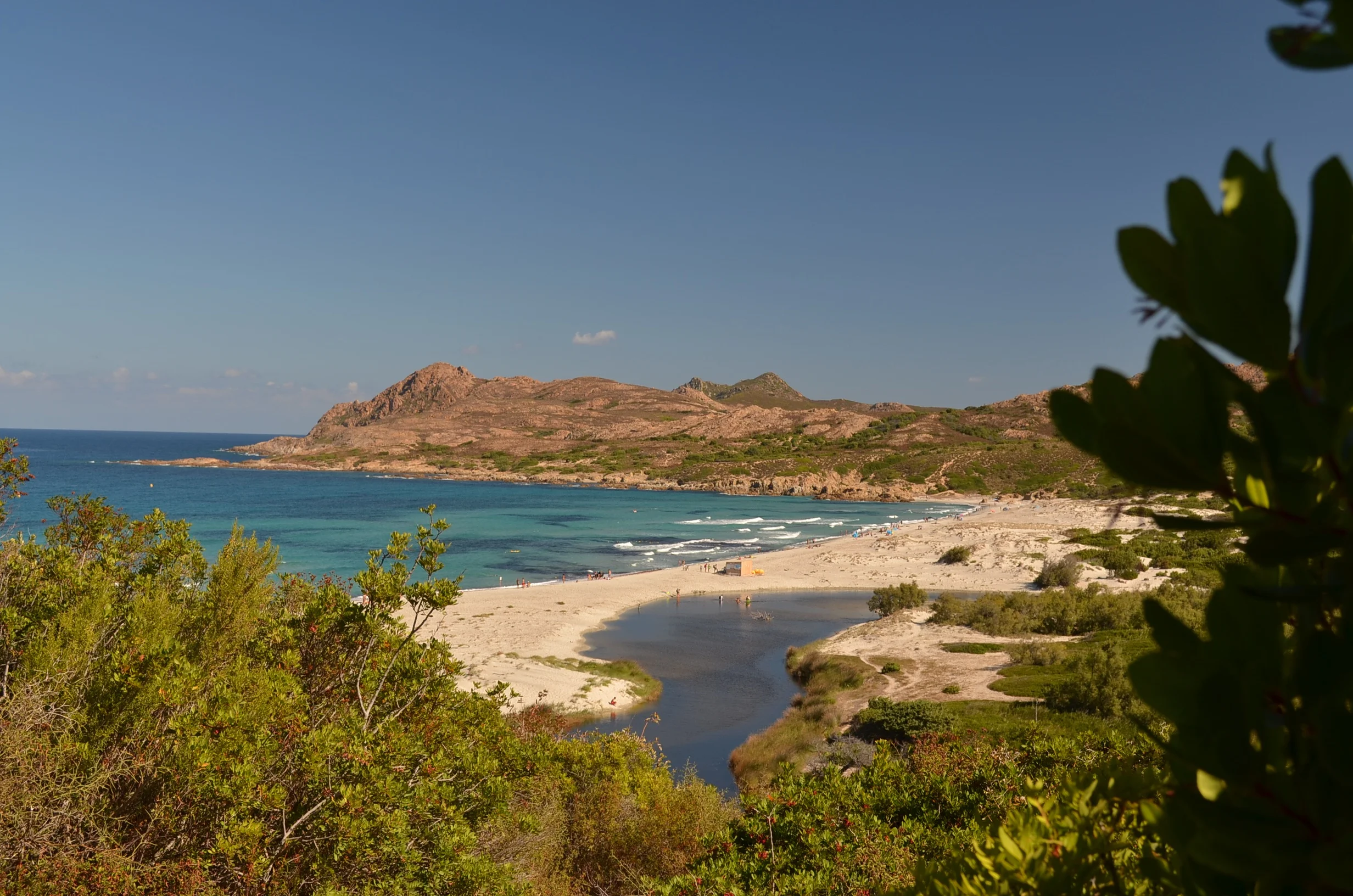
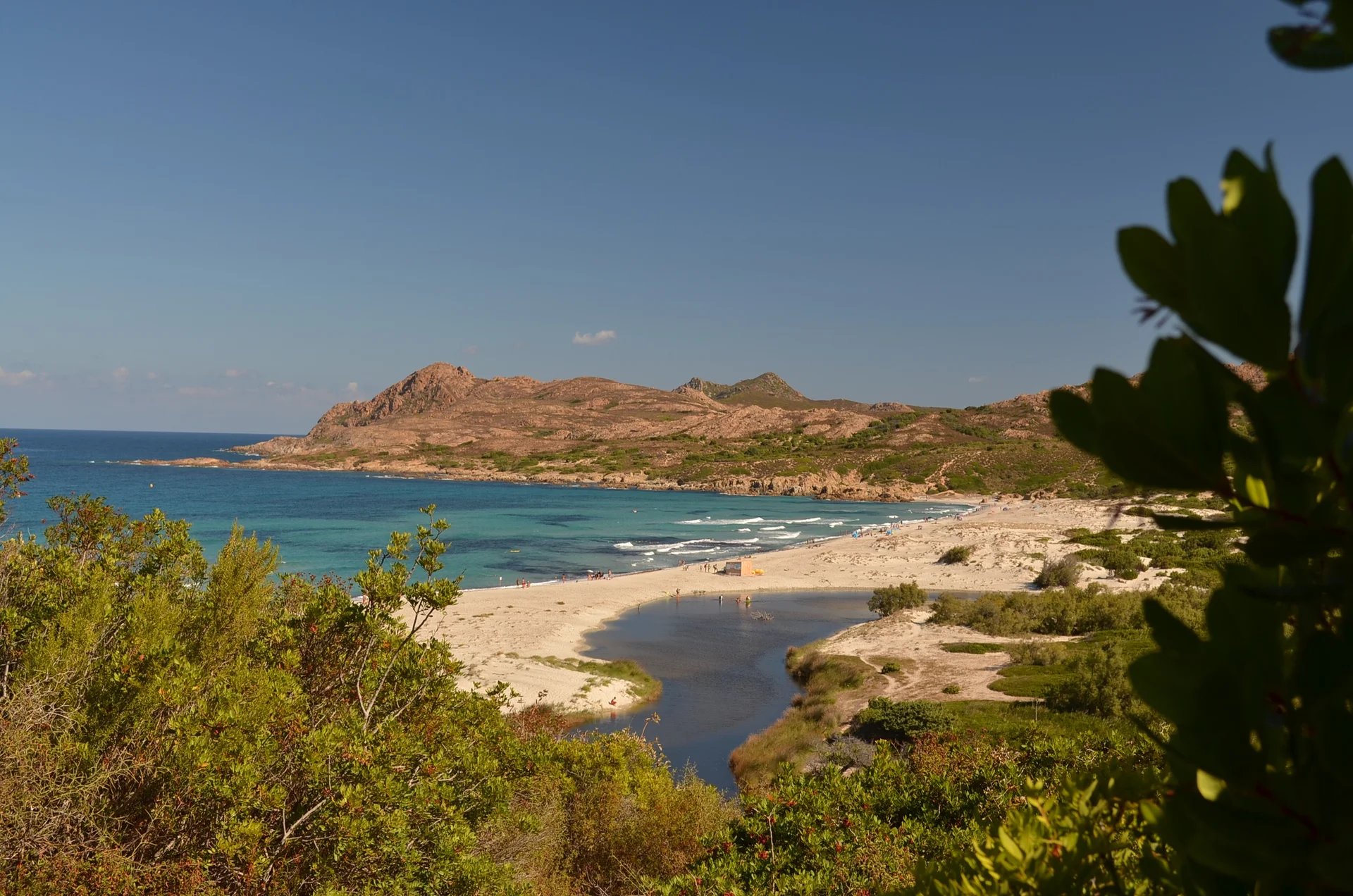
The Palasca region also delights vacationers with its scenic beaches, such as the secluded Lozari beach, where you can try out various water sports like kayaking, catamaran sailing, and jet skiing. From Palasca, you can also reach the protected site of the Ostriconi beach. This stretch of coastline marks the starting point of the coastal customs trail, a three-day hike leading all the way to Saint-Florent. The path is punctuated by watchtowers dating back to the Genoese occupation.
The 35 kilometres of Palasca coastline border the désert des Agriates, former cultivated plains well-suited for sheep grazing. The coast here, known as the Vallée de l'Ostriconi, forms a wetlands area bordered by two ponds that support local biodiversity and the proliferation of numerous birds, reptiles, and amphibians: the ponds of Foce and Cannuta.
When to go?
Skip the peak summer rush to experience Corsica at a relaxed pace: the months of April, May, and June, as well as September and October, are ideal for exploring the island with mild temperatures. The village festival takes place on August 15.
How to get there?
From Calvi, which has airport service, Palasca is reachable in about an hour by car.
By train, the village is served by the Corsica railway line connecting Ponte-Leccia-Calvi. By car, several roads lead to Palasca: the RN2197 and the D363.
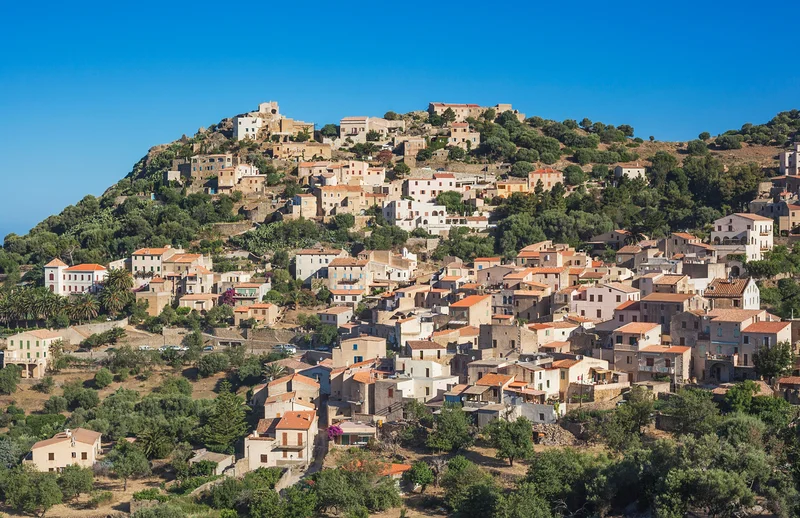
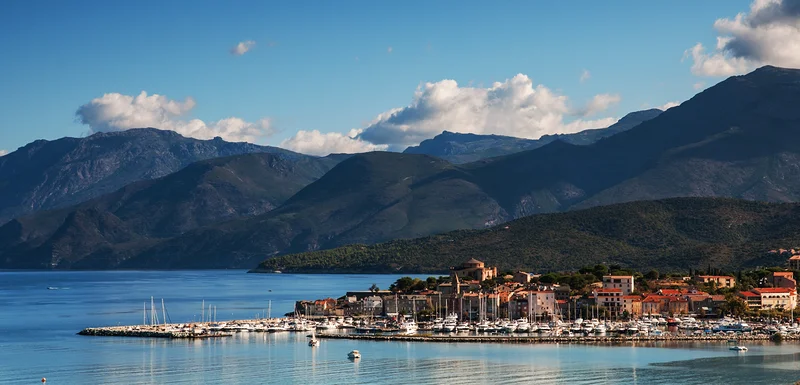
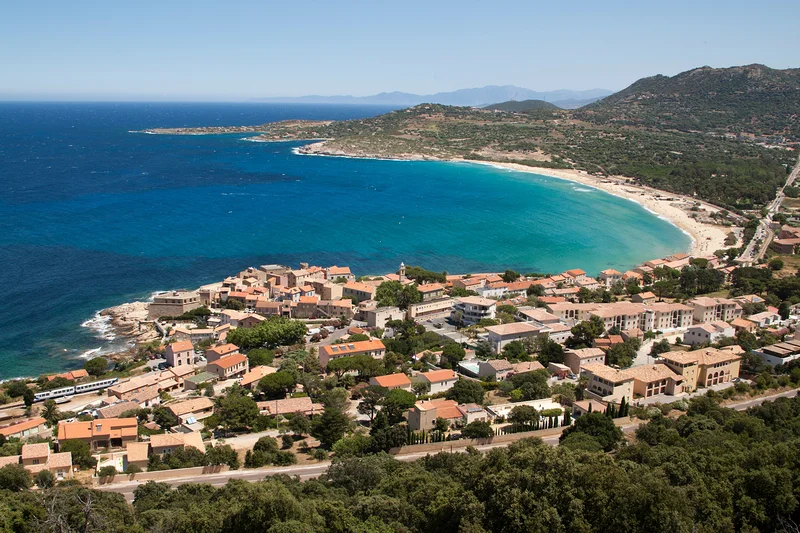
A pretty little village with old buildings. The fountain is very beautiful. There are also some great hiking trails, including one that lets you discover an abandoned village (E Spelonche). A site with a unique atmosphere.
If you are in the area, it is a pretty quiet place to relax. Just do not expect a lot of action! Ostriconi Beach is also worth seeing if you happen to be passing through!