
Visiting L'Île-Rousse: Coastal Living Between Sea and Red Porphyry
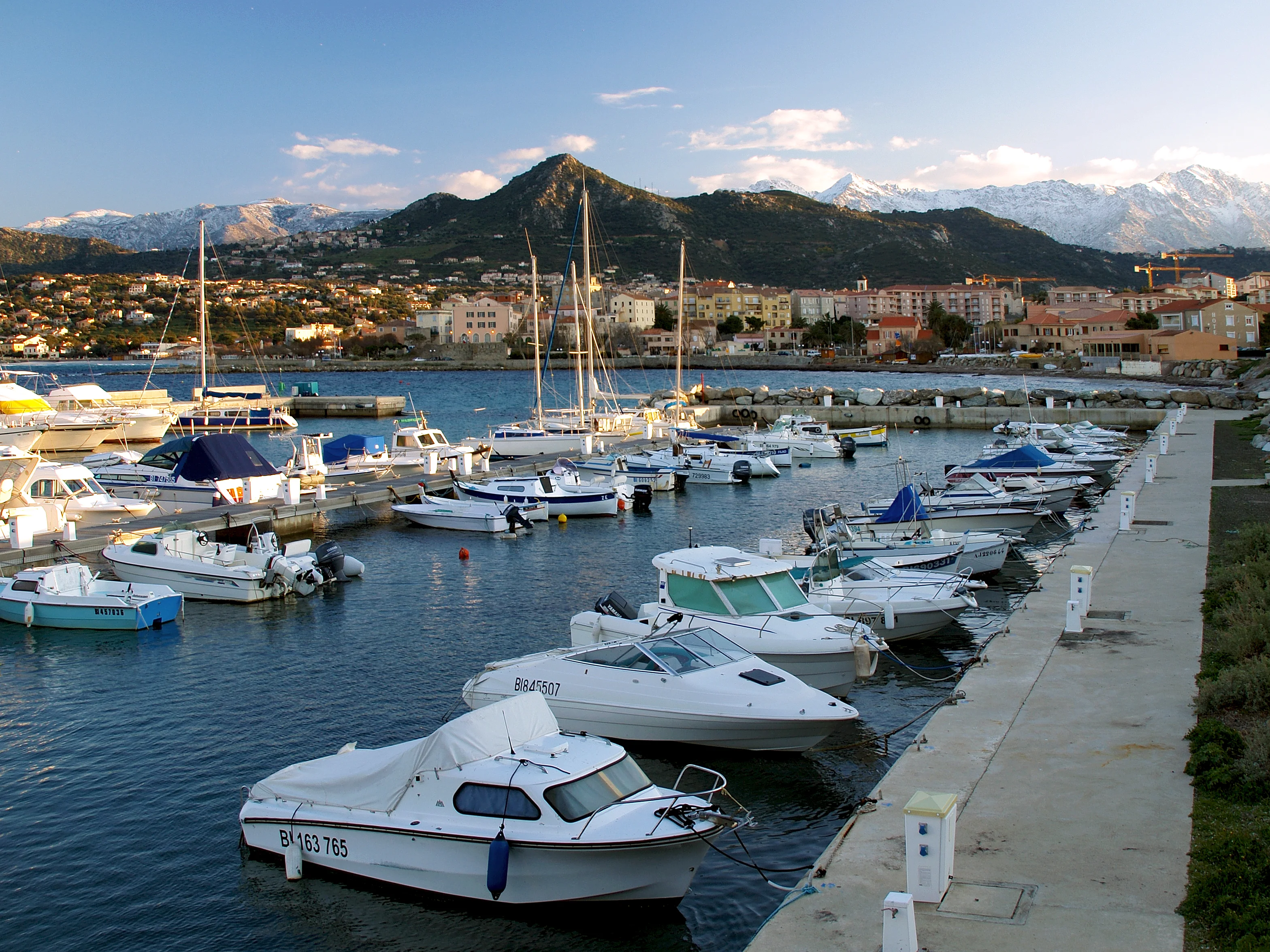
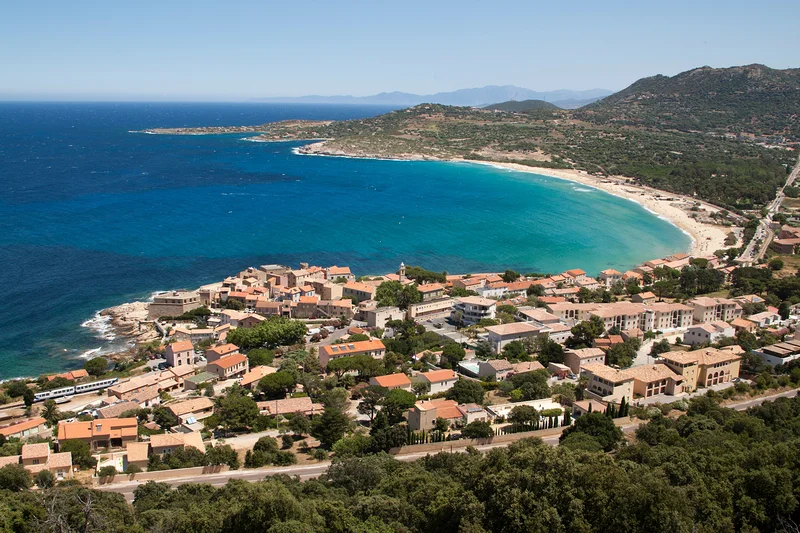
Located in the Balagne region of northwestern Corsica, L'Île-Rousse offers a more relaxed pace than Calvi while retaining the classic Mediterranean character of the area. With its pleasant waterfront, walkable beaches, and plane-tree-lined streets, it appeals equally to families and couples seeking peace and quiet.
A Waterfront Suited for Strolling and Unwinding
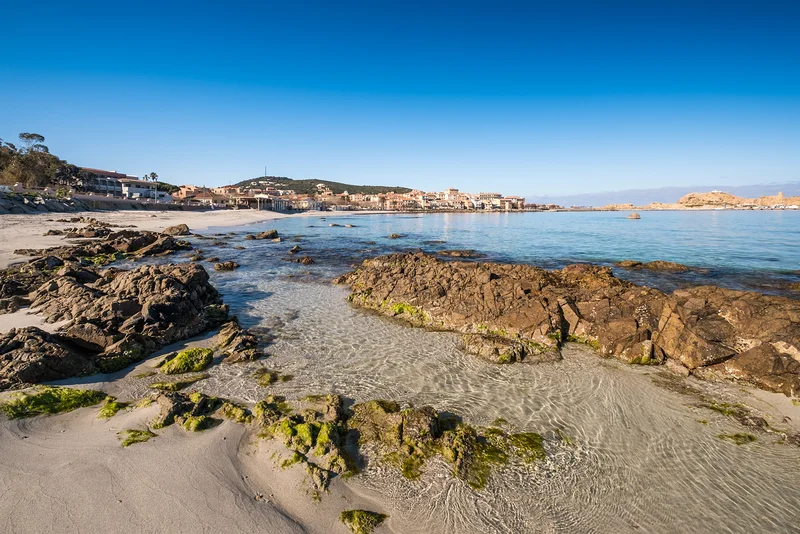
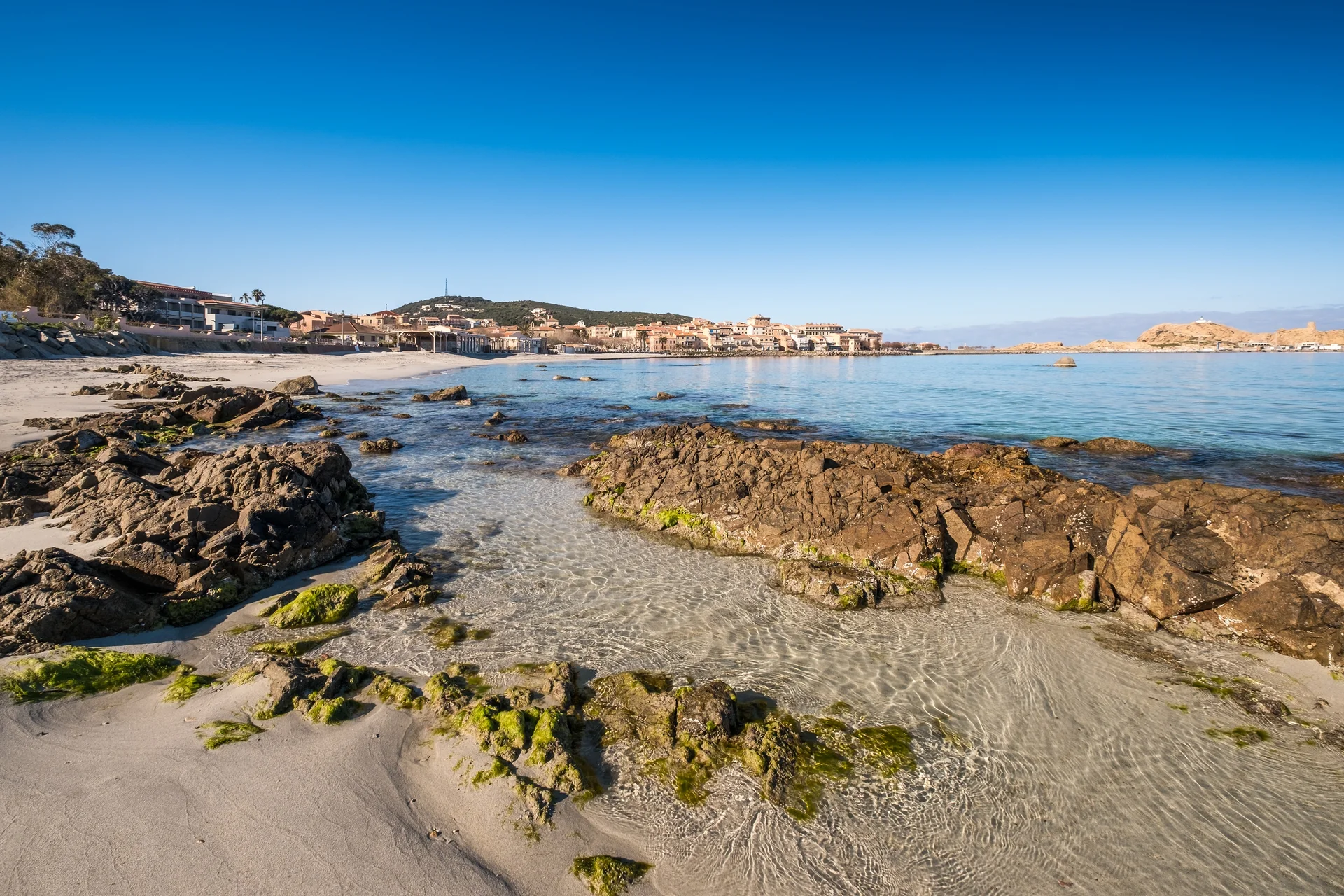
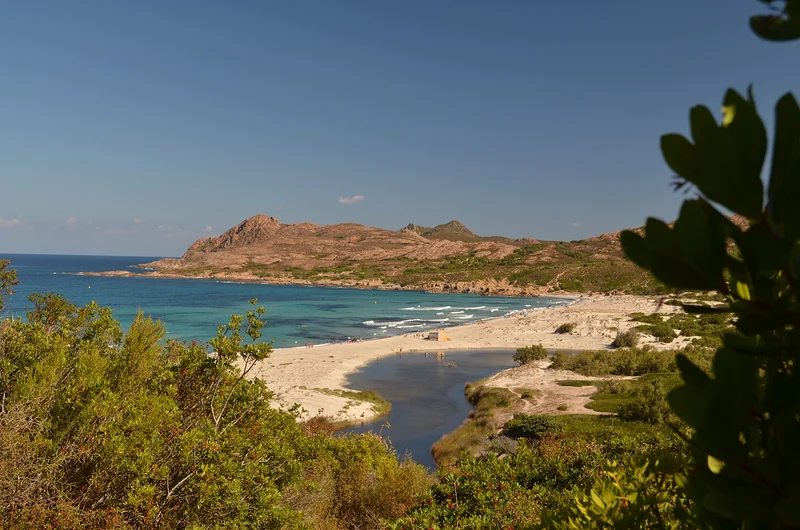
The town stretches along a bay where turquoise waters contrast sharply with the red porphyry rocks that gave the town its name. Plage Napoléon, situated right in the center, is easily accessible and backs onto a pleasant promenade. The marché couvert (covered market) just behind the beach is worth a stop for its stalls of regional goods. As evening falls, the golden light striking the porphyry islets creates a naturally striking scene.
Italo-Style Streets
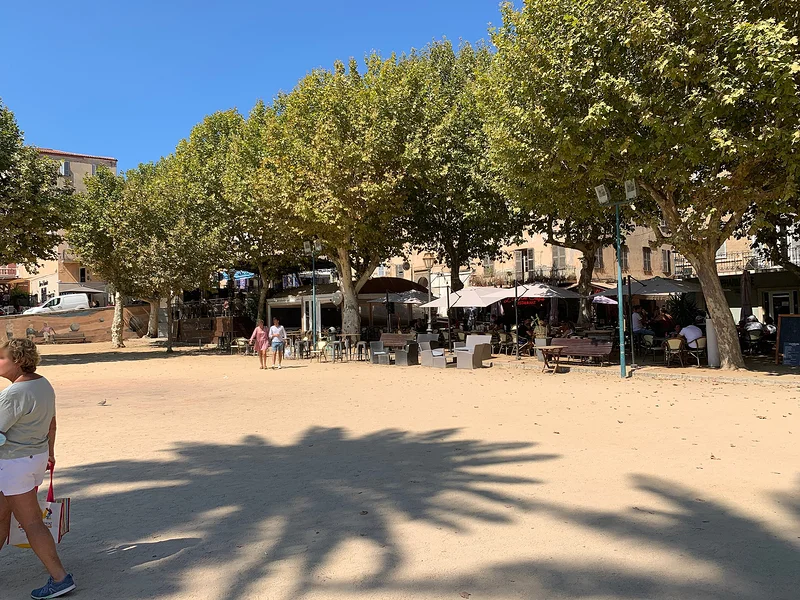
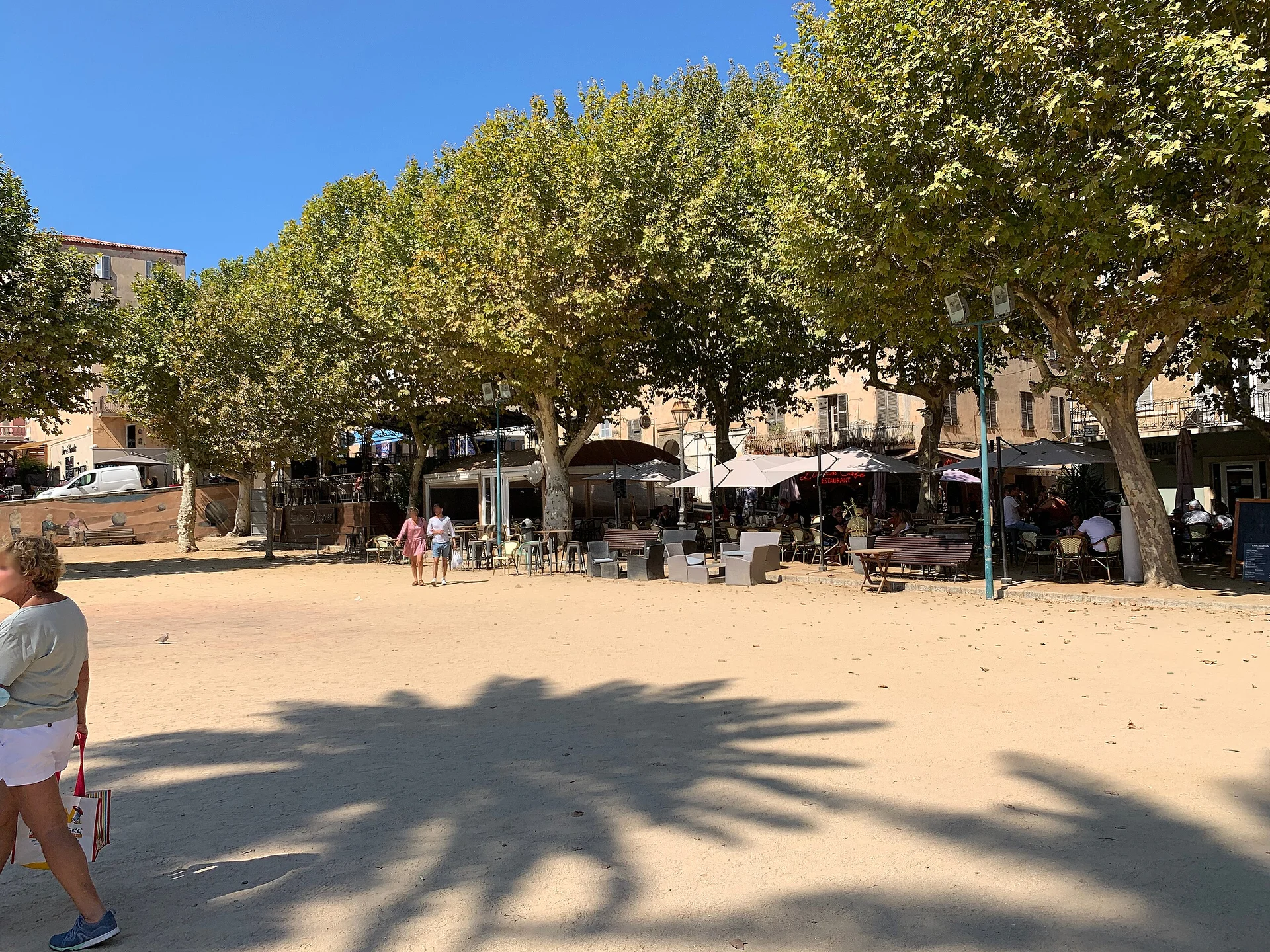
Founded in the 18th century by Pascal Paoli, L'Île-Rousse features a more orderly grid than many other Corsican villages. Its right-angle streets, the église de l'Immaculée-Conception, and place Paoli shaded by plane trees give it an almost mainland Italian feel. You can wander at ease between cafe terraces and artisan boutiques in an atmosphere much quieter than typical resort towns.
A Headland for Sunset Views
From the port, a short walk leads to the Phare de la Pietra on the namesake peninsula. Expect about twenty minutes of walking to reach this panoramic viewpoint overlooking the town and open sea. It ranks as one of the top spots in L'Île-Rousse to watch the sunset when the rocks take on a glowing, photogenic red hue.
Excursions into the Hinterland
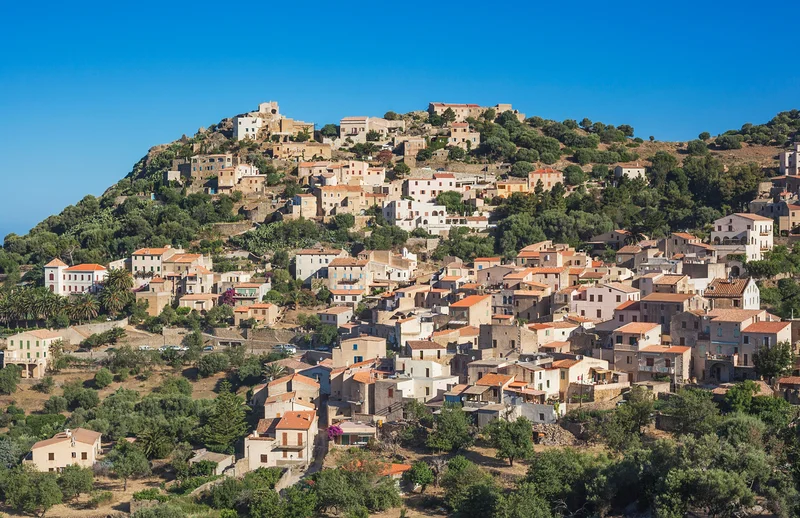
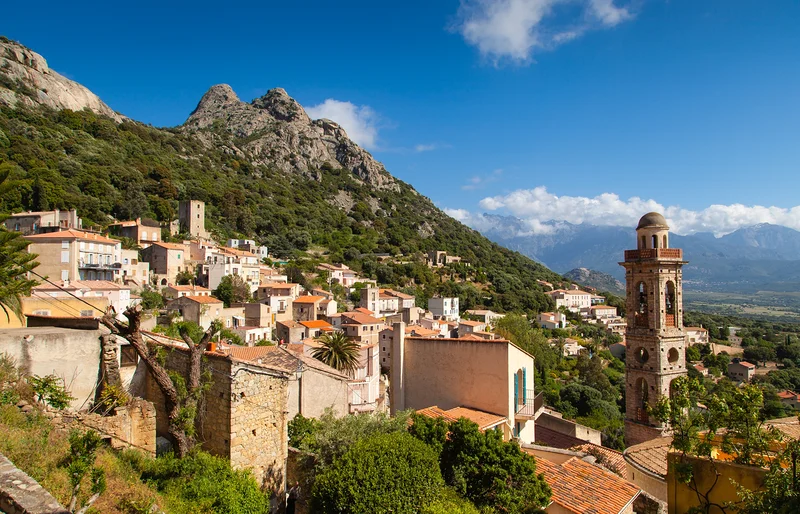
Just a few kilometers away, the hilltop villages of Balagne like Santa-Reparata-di-Balagna or Pigna show another side of the region. Winding roads past olive groves and orchards lead to artisan workshops, Romanesque chapels, and wide-open viewpoints over the Corsican mountains. These side trips are well worth the effort, particularly outside the peak summer season.
Corsican Flavors: Salinity and Maquis Herbs
Local cooking highlights seafood and the aromatic herbs of the maquis. In L'Île-Rousse, you will find traditional charcuterie corse (coppa, lonzu, figatellu), farmhouse sheep's milk cheeses, and wines produced from local grapes like niellucciu. Typical drinks include myrtle or arbutus berry liqueurs alongside Corsican chestnut beer.
Where to eat?
- La Table de la Royauté (center): Creative takes on Corsican cuisine tucked into a quiet alley, putting local ingredients front and center.
- A Siesta (waterfront): Beachfront dining featuring grilled fish and unobstructed sea views.
- Chez Paco (center): An unpretentious spot ideal for sampling a plate of Corsican cured meats paired with a glass of local wine.
When to go?
The months of May through June and September are best for avoiding crowds while enjoying pleasant weather. In August, L'Île-Rousse occasionally hosts concerts and summer events on the beach or place Paoli, but prices rise accordingly.
How to get there?
The Calvi airport sits about 25 km away, offering direct flights from several French cities. The train (Chemins de fer de la Corse) also connects L'Île-Rousse to Calvi or Bastia. The train ride from Calvi costs around $7.90*.
How to get around?
The downtown area is entirely walkable. However, having a car is useful for exploring the hinterland and the more secluded surrounding beaches.
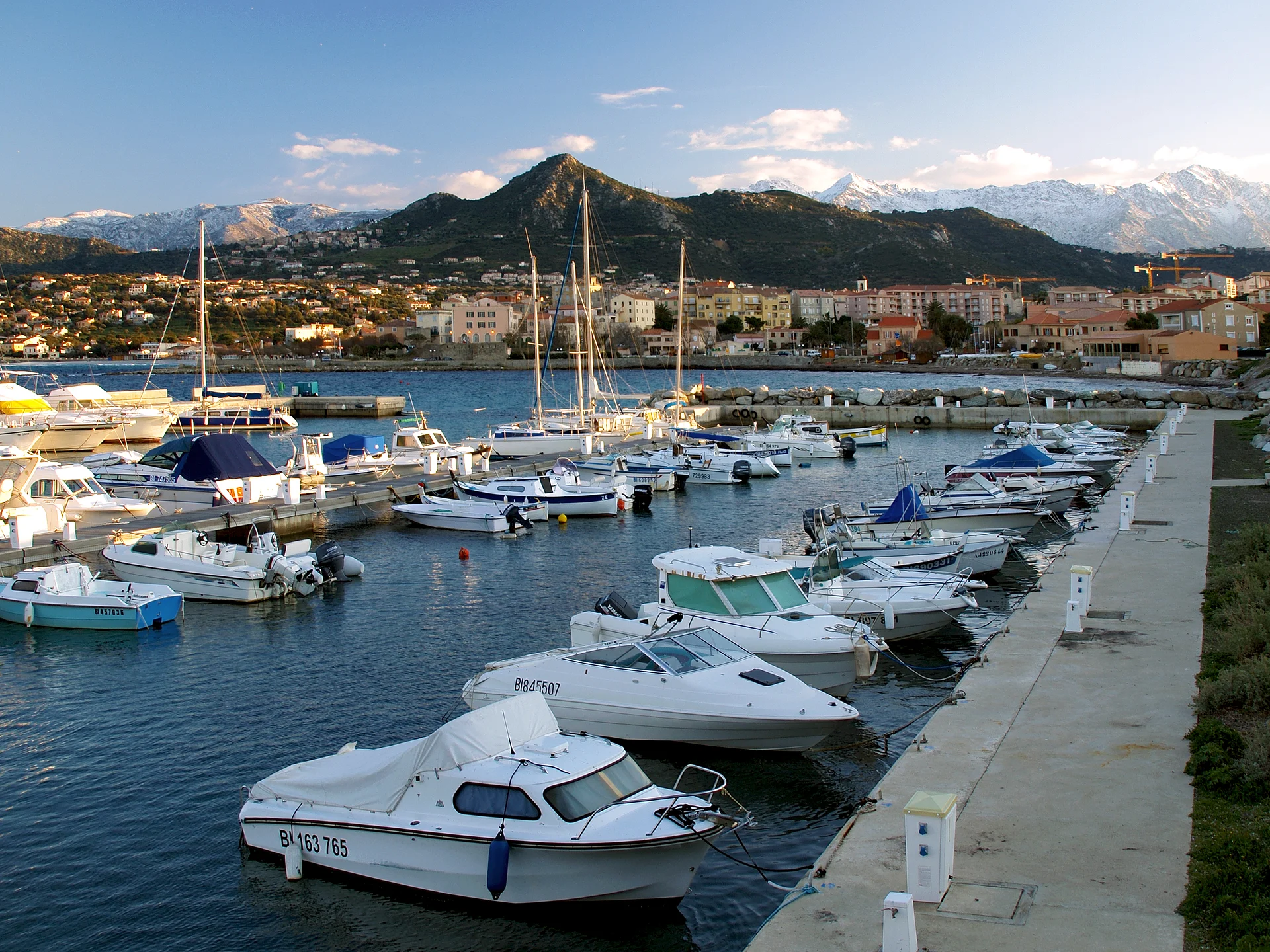
L'Ile-Rousse was one of the first destinations I was able to visit in Corsica because my ferry arrived in Calvi. It is a charming little fortified town around a port. You can easily spend half a day there, but it is not my favorite spot in Corsica. It reminded me a lot of many other seaside resorts: narrow streets, shaded squares, shops, and a beach.