

Visiting Calvi: A Citadel, a Long Beach, and the Best of Balagne
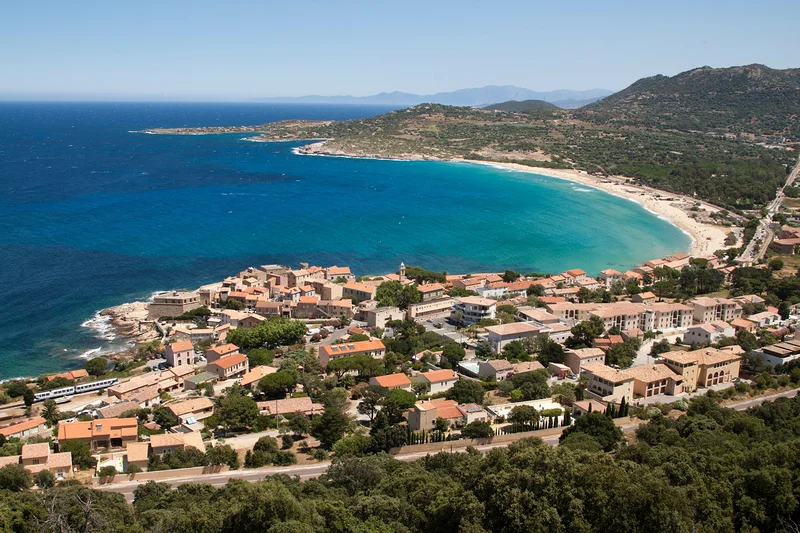
Calvi sits on Corsica's northwest coast, in the Balagne region, where a Genoese citadel looks down over the Mediterranean and granite mountains rise right behind town. It works for beach days and for hiking, with a good dose of history in between. But once you get past the postcard views, is it worth the trip for travelers who want something that feels real?
A Citadel with Genoese Roots
Perched above the bay, the Calvi Citadel is the town's defining landmark. The Genoese built it in the 13th century, and from the ramparts you get a sweeping view of the sea and the Balagne mountains. Inside, cobbled lanes wind between old stone houses and a handful of craft shops. Stop in at the Saint-Jean-Baptiste Cathedral, which holds some remarkable frescoes.
A Lively Waterfront
Below the citadel, the marina is the liveliest spot in town. Cafés and restaurants line the quay, and it's a pleasant place to stroll as the day winds down. From here you can book a boat excursion to the Scandola Nature Reserve, a UNESCO World Heritage site, or rent a kayak and explore the coastline yourself.
Beaches You Can Walk To
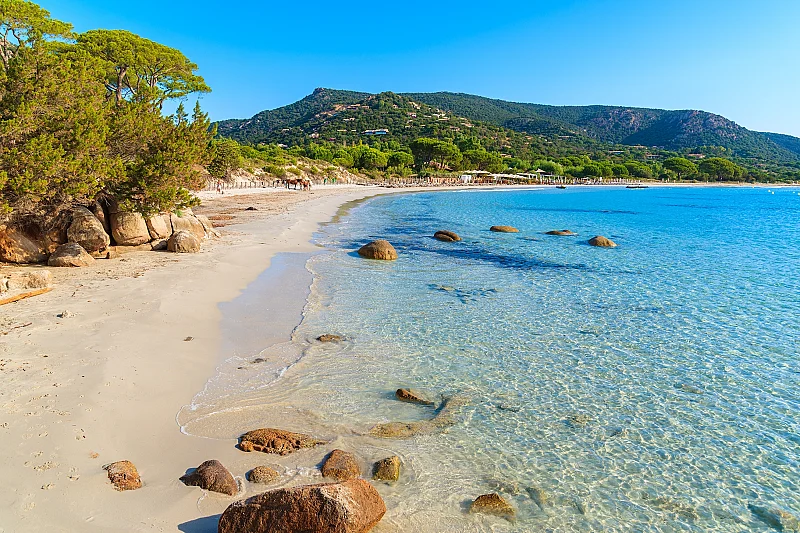
In many Corsican towns you have to drive several kilometers to reach a good beach. Calvi has a wide sandy beach that you can walk to directly from the center. It stretches for several kilometers, backed by pine trees and beach clubs renting out lounge chairs and serving drinks. For more quiet, head to Alga Beach, a little farther out on the Revellata peninsula.
Hiking in the Backcountry
If you like to hike, Calvi makes a great base. The trail to the Revellata Lighthouse is an easy walk with big views over the water. For something more ambitious, the GR20, the famously demanding long-distance trail that runs the length of Corsica from north to south (fifteen days of walking and more than 10,000 meters of cumulative ascent), starts a few kilometers away in Calenzana.
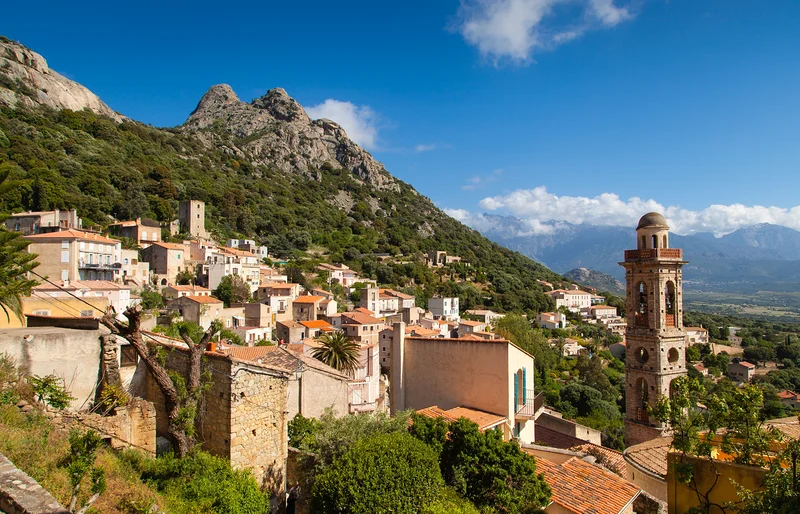
For a day trip, the village of Sant'Antonino, perched on a rocky outcrop, is a fine example of traditional Corsican village architecture.
Island Flavors on the Plate
Food in Calvi follows the traditions of Balagne and of Corsica as a whole. Look for figatellu, a pork liver sausage usually grilled or added to slow-cooked stews. Another essential is brocciu, a fresh sheep's or goat's milk cheese (somewhat like ricotta) that turns up in everything from omelets to desserts such as fiadone.
To drink, a glass of Patrimonio wine goes perfectly with a Corsican meal.
Where to eat
- A Piazzetta (town center): classic Corsican cooking in a pleasant setting in the heart of town.
- U Fanale (south exit): known for its grilled meats and traditional dishes.
- La Table de Bastien (Balagne): fine dining built around local products.
- Le Matahari (marina): a dreamy spot for dinner facing the sea.
When to go
Calvi's Mediterranean climate keeps temperatures pleasant year-round. The best window is May through September, when the sea is warm enough for swimming. In September, the Rencontres de chants polyphoniques draws crowds for concerts of Corsican polyphonic singing.
How to get there
Calvi has its own airport, with flights from several French cities, including Paris and Marseille. There is no nonstop service from the US, so the usual routing is a transatlantic flight to a European hub, then a connection to Calvi. Ferries from the French mainland serve Calvi directly. You can also land at Île-Rousse, about 30 minutes away by road, or at Bastia, roughly two hours away. If you'd rather take the train, a scenic line runs along the coast between Calvi and Bastia.
How to get around
The center of Calvi is easy to cover on foot. To reach the beaches and the backcountry, a car is the most practical option. A local train line also serves the surrounding villages.


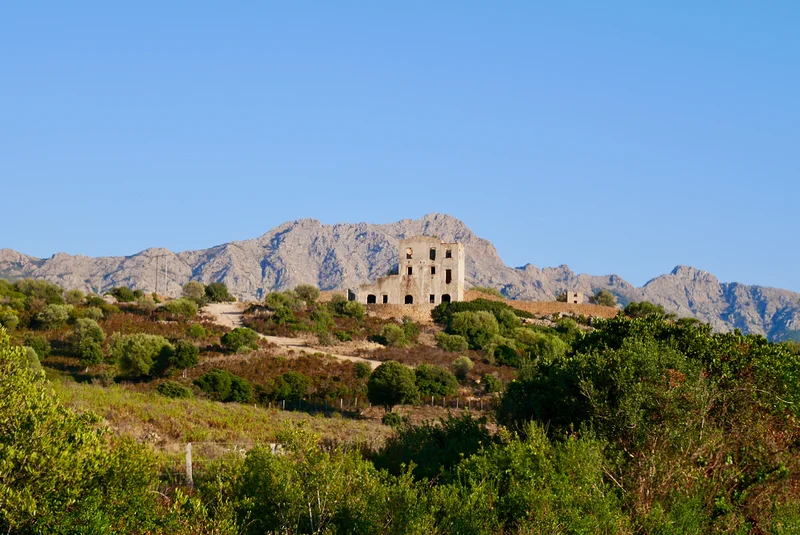
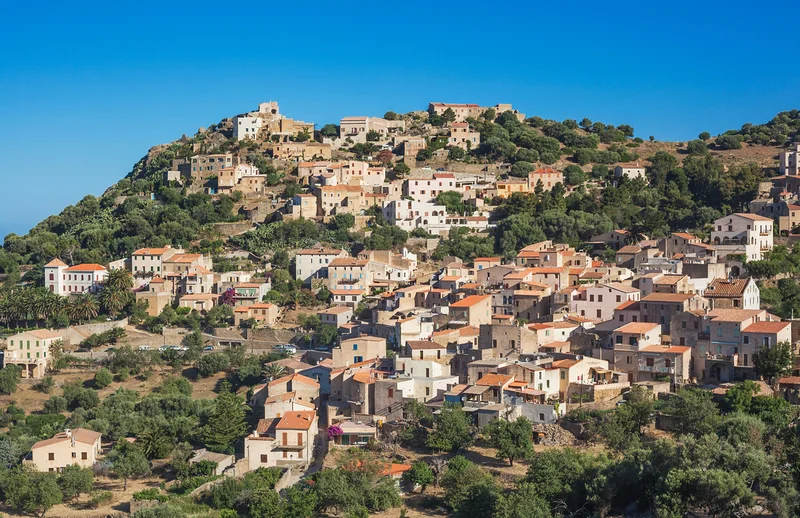
I really love walking around the citadel in Calvi. You get a beautiful view of the surrounding area. The beach is also a must, especially in the morning. The port is also very pleasant for grabbing an ice cream or a cold cocktail. Just something to note if you are looking for peace and quiet in the evening: the atmosphere is more of a party scene than in Île-Rousse.