
Visiting Corbara: Baroque charm and Balagne panoramas
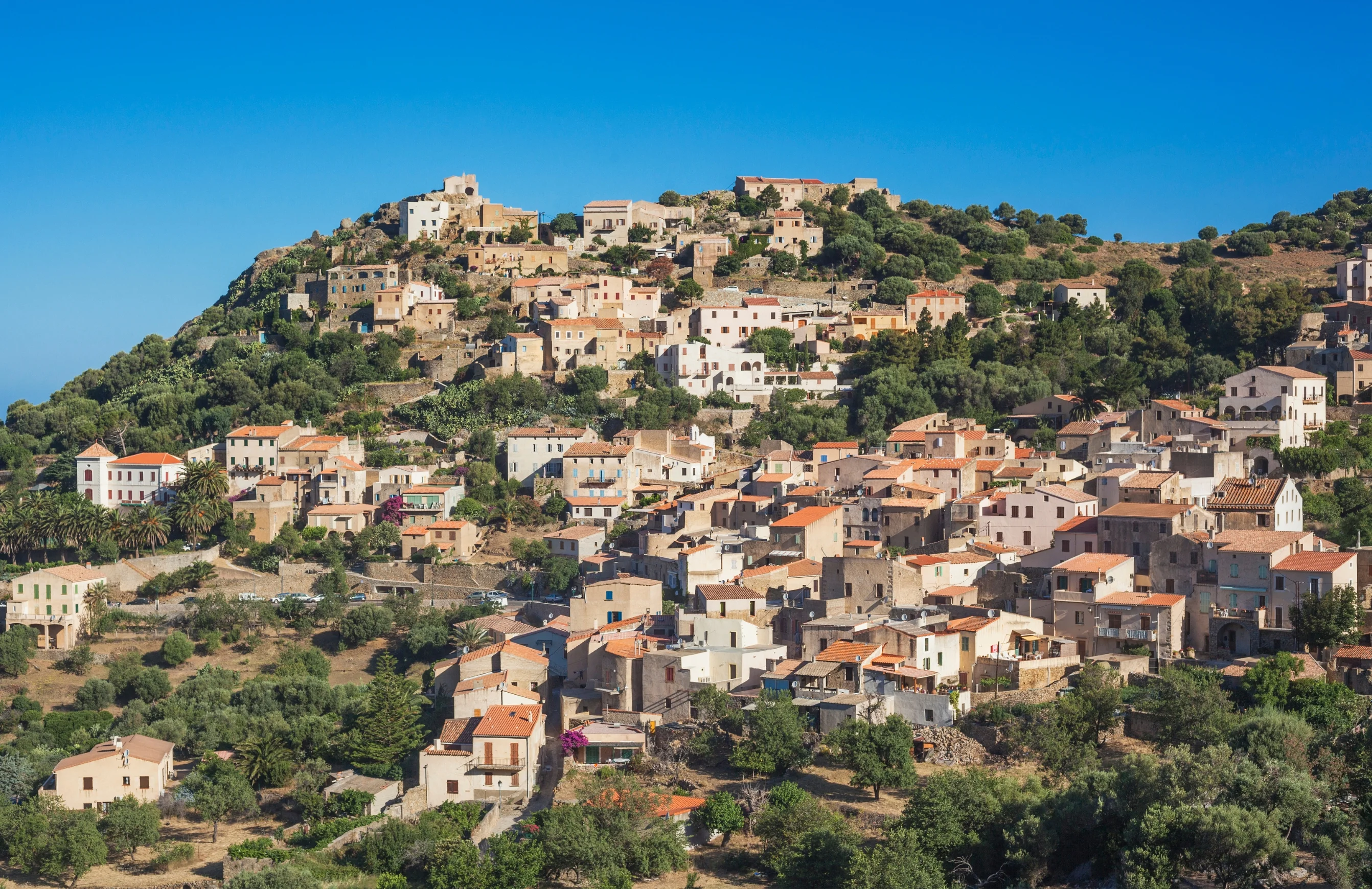
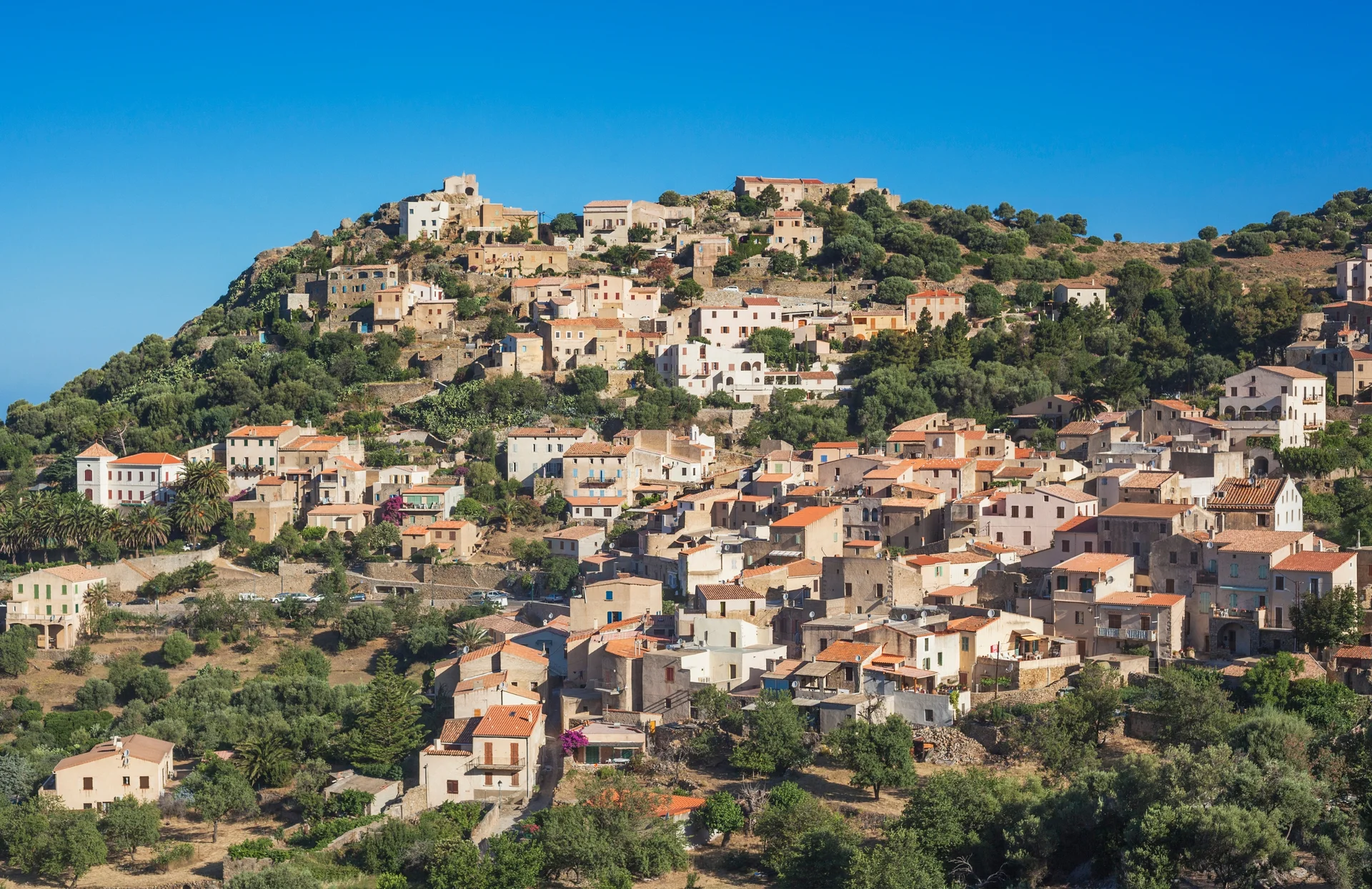
Perched on the hills of the Balagne region, Corbara offers a quiet escape in the heart of Corsica. Less crowded than its coastal neighbors, this former religious center wins visitors over with its authenticity and sweeping views of both the sea and the mountains.
A village of history and spirituality
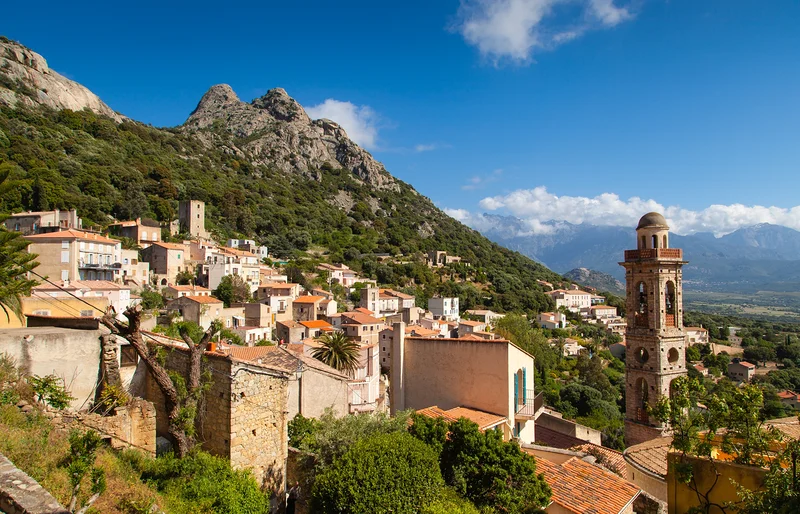
For centuries, Corbara served as a major religious hub in Balagne. You will find that history etched into every corner of the village. The église de l'Annonciation, built in the 17th century in a distinct Corsican Baroque style, commands the village skyline with elegance. Just a short walk away, the chapelle Notre-Dame des Sept Douleurs is worth a visit for its murals and contemplative atmosphere. You can still feel the lingering weight of the processions that once defined life here.
Lively and well-preserved alleys
The core of the village, built from light-colored stone, remains remarkably intact. Wander aimlessly through the narrow lanes to find hidden details like flower-lined staircases, shaded fountains, or ornate carved doorways. If you prefer a calm atmosphere far from the noise of typical beach resorts, Corbara is a standout choice.
Unobstructed views of the sea and peaks
Head toward the higher ground to reach several natural viewpoints. The most impressive is the Couvent Saint-Dominique, which provides a 360-degree vantage point. On a clear day, you can see the inland mountains, the rooftops of L'Île-Rousse, and all the way to the Mediterranean. It is also an excellent starting point for gentle hikes through the surrounding maquis shrubland.
Nearby beaches without the crowds
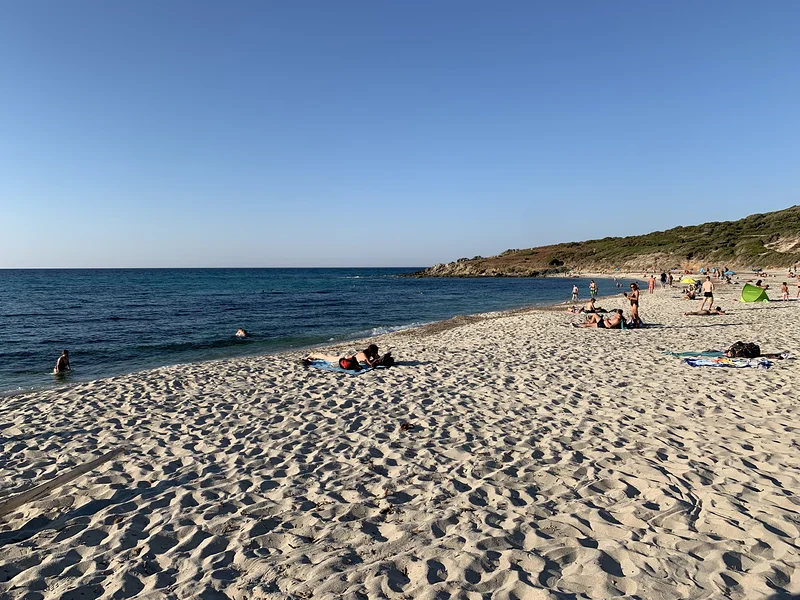
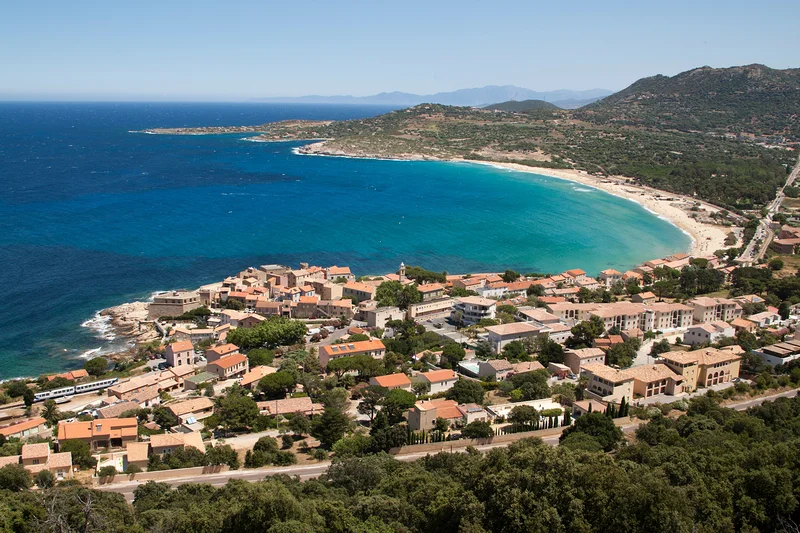
Even though Corbara is tucked inland, you are still close to the water. A short drive brings you to the plage de Bodri, one of the region's finest spots with its fine sand and crystal-clear water. It sees fewer visitors than the beaches in Calvi or L'Île-Rousse, making it a great alternative for a peaceful swim.
Simple, earth-grown cuisine
The food in Corbara follows the seasons and local harvests. Look for dishes like veau aux olives (veal with olives), beignets au brocciu (fritters made with fresh Corsican ewe's milk cheese), or slow-simmered soupe corse. For dessert, ordering the fiadone (a Corsican cheesecake) is practically a requirement. Wine lovers can visit the nearby Domaine Renucci to sample their local vintages.
Where to eat?
- La Table de la Casa Musicale (convent district): Local ingredients with a modern twist, served on a charming terrace with a view.
- Chez Léon (main street): A friendly spot for traditional Corsican plates, perfect for a casual lunch.
Where to stay?
- Casa Musicale (convent district): An unconventional space doubling as an arts residency, offering great views and deep quiet.
- Hôtel A Pigna (neighboring village of Pigna): A few minutes from Corbara, this is a charming hotel in a postcard-worthy setting.
- Les Terrasses de Malaspina (Corbara hills): Unbeatable views, spacious rooms, and attentive service.
When to go?
The months from May to October are the best times to visit, especially if you want to enjoy the beaches and clear mountain views. In the summer, several outdoor concerts take place in the neighboring villages. Spring is particularly beautiful, as it highlights the floral diversity of the maquis surrounding Corbara.
How to get there?
From Bastia, expect a 2.5-hour drive through the inland mountains. From the airport in Calvi, the trip takes only about 30 minutes. Renting a car is recommended to reach the village and explore the region on your own terms.
How to get around?
The village itself is strictly for pedestrians. To reach the beaches, vineyards, and other hilltop villages, having a vehicle is nearly essential.
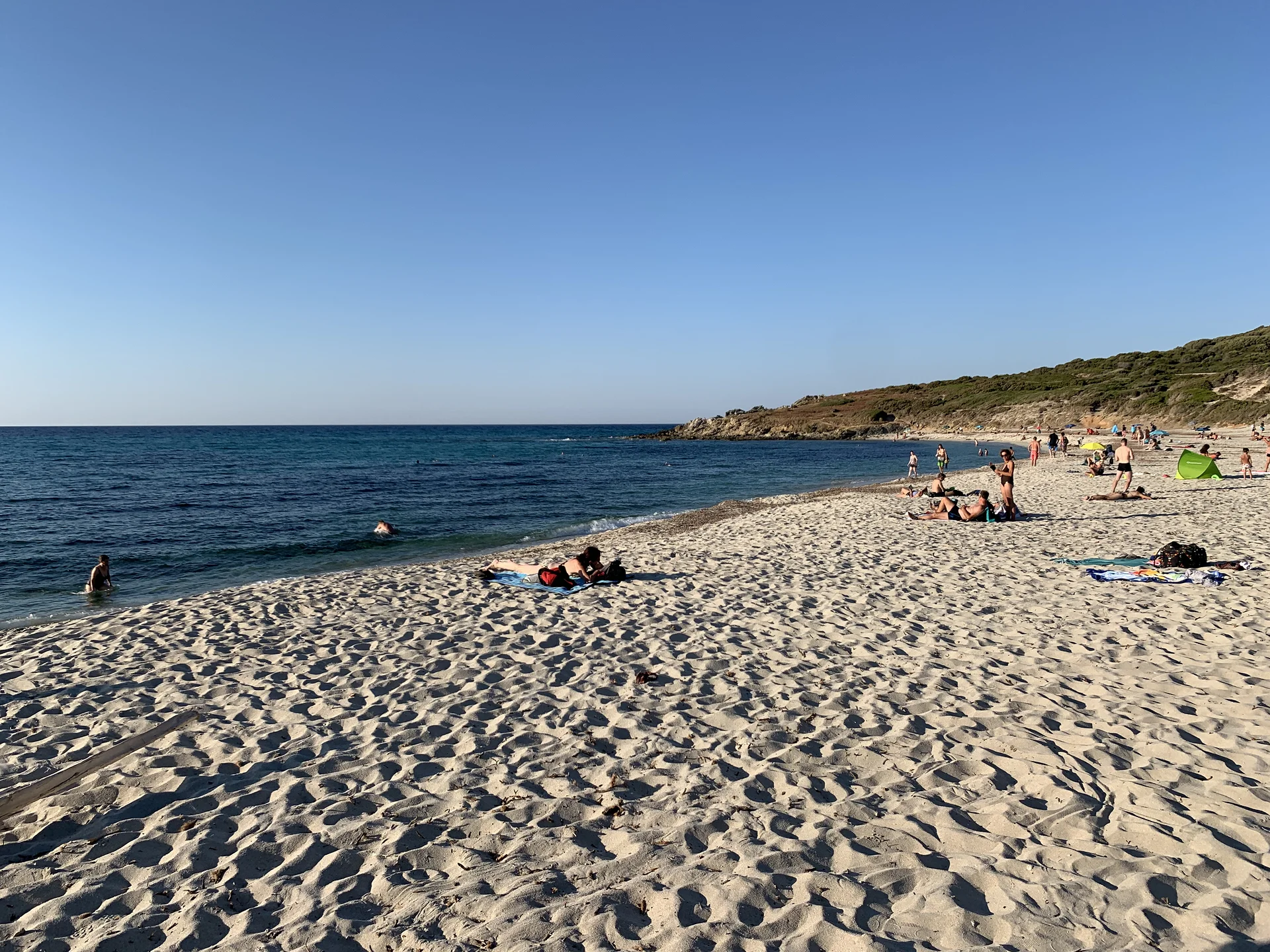
There are two beaches near Corbara: Bodri and Ghjunchitu. I really like both of them, but the second one is maybe a little less crowded. As for the rest, the village of Corbara isn't necessarily worth the trip. It's pretty, but not very lively. You can still visit the Treasury Museum of the Collegiate Church there, though it's rarely open. It's also a place linked to a local heroine, Marthe Franceschini, who became a sultana in Morocco.