
Bonifacio, the Cliffside Citadel Between Sky and Sea
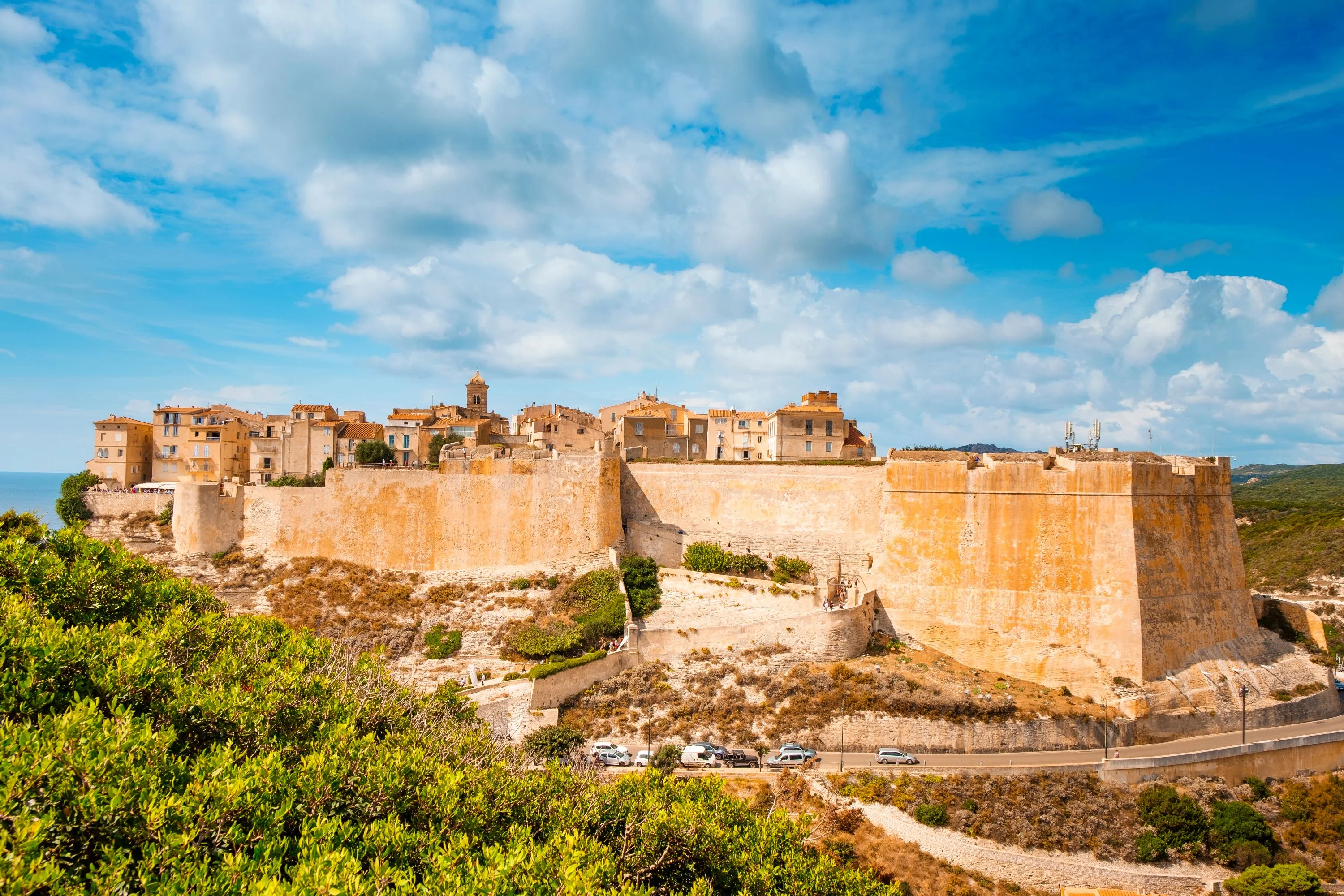
The wind hits hard across the Bouches de Bonifacio, carrying a sharp scent of salt and wild scrubland. Standing 70 meters above the water, houses seem to defy gravity, clinging to limestone cliffs so blindingly white they hurt to look at under the midday sun.
Built by the Genoese in the 12th century, this fortress city looks like an impossible movie set, yet it is completely real, inhabited, and lively. The most striking sight in Corsica demands some effort: you have to be ready to climb, get lost, and occasionally feel your legs shake near the edge.
A Destination That Evokes Strong Reactions
Bonifacio appeals most to lovers of heritage and dizzying viewpoints, to anyone who marvels at stone meeting the sea. Families will find plenty to do with nearby accessible beaches and boat tours that captivate all ages. Couples seeking romance will love watching the sunset from the marine cemetery.
On the other hand, if you are looking for absolute quiet in July and August, skip this destination. The town gets packed, and the narrow streets of the Citadelle turn into an anthill. Visitors with limited mobility will also struggle with the constant stairs and steep elevation changes. Without a car, exploring the surrounding beaches becomes a real headache.
A Steep Budget, Fitting the Seafaring Vibe
Plan for around $113 to $169* per day during peak season, including $90-$135* for a decent room, $34-$57* for meals, and a few dozen euros for activities. In the off-season, a three-day trip can drop below $360* all-inclusive, but between June and August, prices soar and accommodations book out months in advance.
The Upper Town: A Genoese Labyrinth Suspended Over the Void
Enter the Citadelle through the Porte de Gênes and its old-fashioned drawbridge. The Bastion de l'Étendard, the highest bastion in France, offers a 360-degree panorama of the harbor and the erosion-sculpted cliffs. Museum exhibits trace the turbulent history of the city, from rivalries between Pisans and Genoese to local fishing stories.
Next, get lost in the cobblestone streets. The église Sainte-Marie-Majeure, started by the Pisans and finished by the Genoese, dominates the square with its octagonal bell tower that still guides sailors. A short walk away, the église Saint-Dominique, a rare example of Gothic architecture in Corsica, is worth a detour.
Friendly tip: Head up early in the morning, before 9 AM, to enjoy nearly empty streets and golden light illuminating the white facades. You will avoid the crowds and the crushing midday heat.
The King of Aragon Staircase and the Cliff Trail
You need strong legs to tackle the 189 steps of the King of Aragon Staircase, carved right into the rock face. Legend says Aragonese troops cut it in a single night in 1420, but historians smile at that, noting this natural fault line was simply adapted over centuries. The dizzying descent is not recommended for anyone who fears heights.
Friendly tip: Invest in the Pass Monuments available at the tourist office, which bundles access to the Bastion and the staircase at a reduced rate. Families can request the free kids' activity booklet.
At the bottom, a coastal path hugs the white rock with sweeping views of the Mediterranean and, on a clear day, the distant coasts of Sardinia. From the chapelle Saint-Roch, the trail leads to the phare de Pertusato, where waves crashing against the cliffs at sunset make the hike worthwhile.
By Sea: Caves, Cliffs, and Paradise Islands
The best way to experience Bonifacio remains from the water. Boat tours let you admire the citadel from the waves, sail under rocky overhangs, and enter sea caves carved by erosion, including the famous grotte du Sdragonato where a beam of light creates a dragon silhouette.
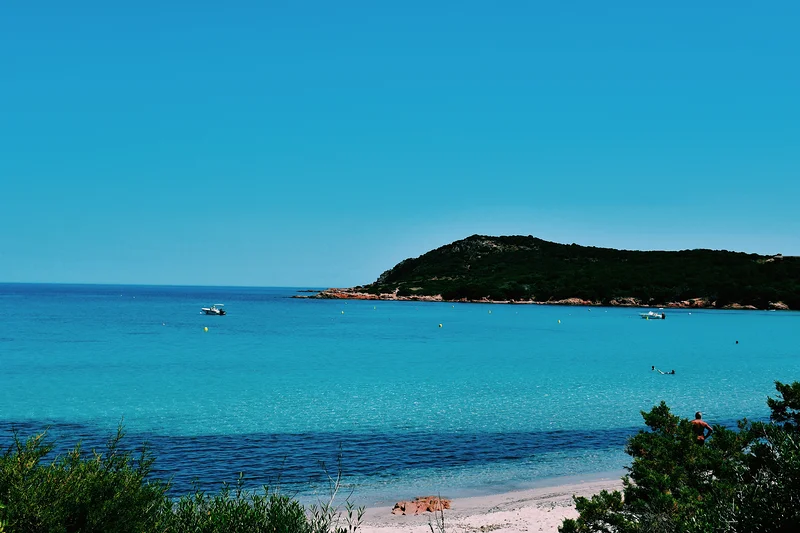
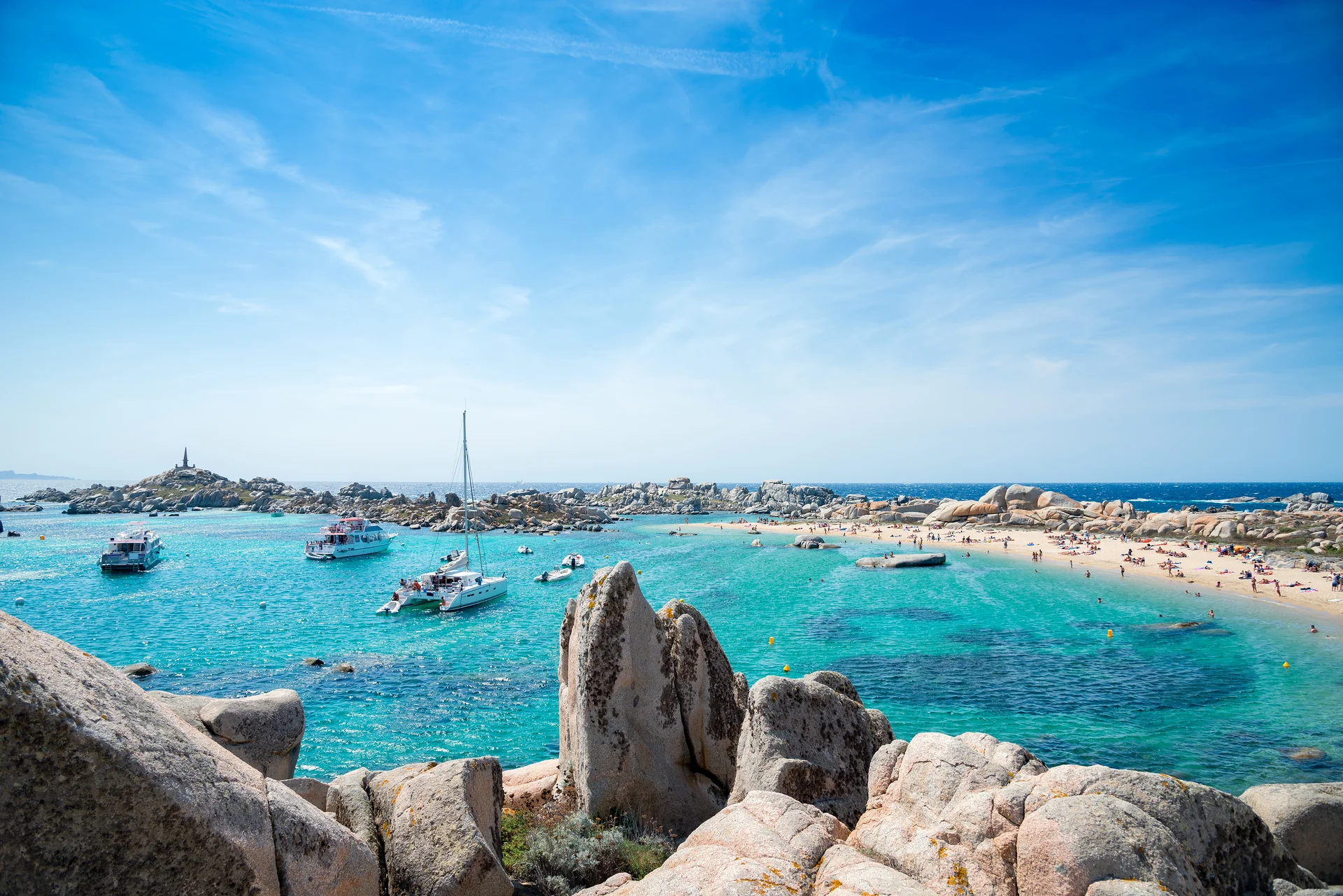
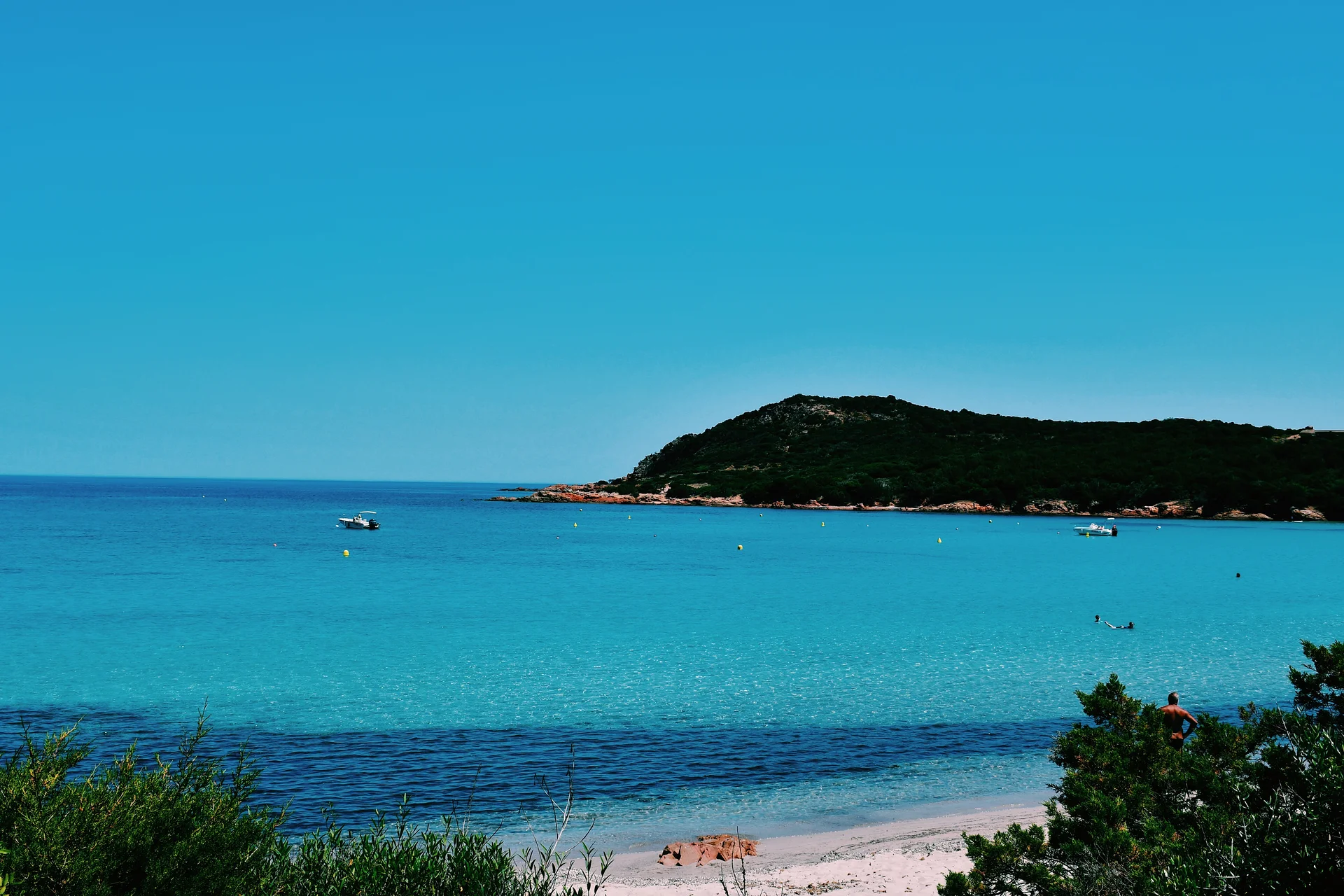
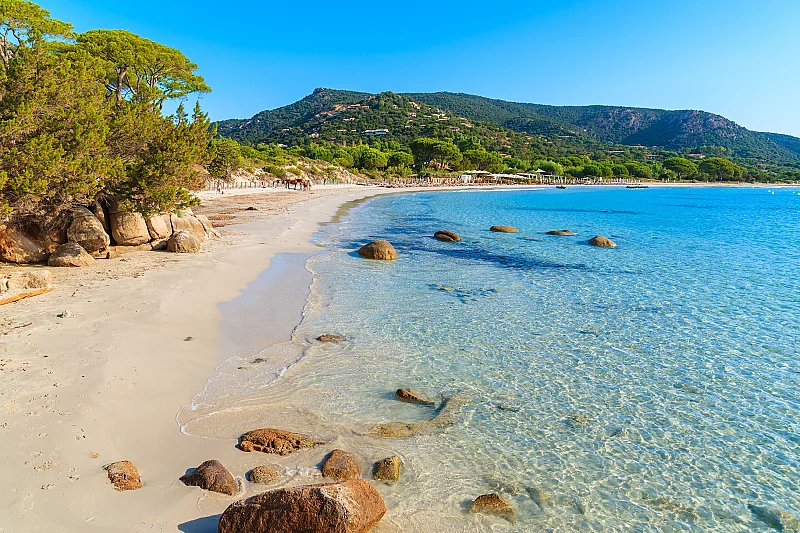
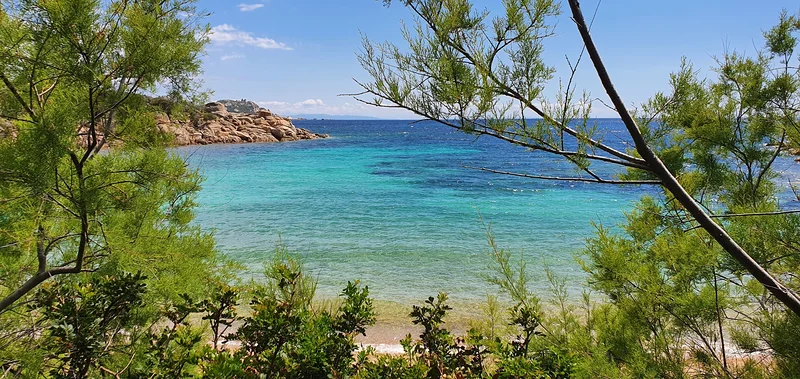
The Lavezzi Islands, about 30 minutes away by boat, form an archipelago of granite boulders surrounded by crystal-clear waters. As a protected nature reserve, they are a prime spot for diving and snorkeling. Closer by, the beaches of Petit and Grand Sperone rival Caribbean beauty, while the baie de Rondinara, one of the most beautiful beaches in Corsica, forms a perfect crescent of sand.
Friendly tip: To avoid the crowds on the Lavezzi Islands, aim for departures before 10 AM or after 3 PM. Piantarella beach, 15 minutes away by car, offers a similar setting with free parking and fewer people.
The Marina and Port Vibe
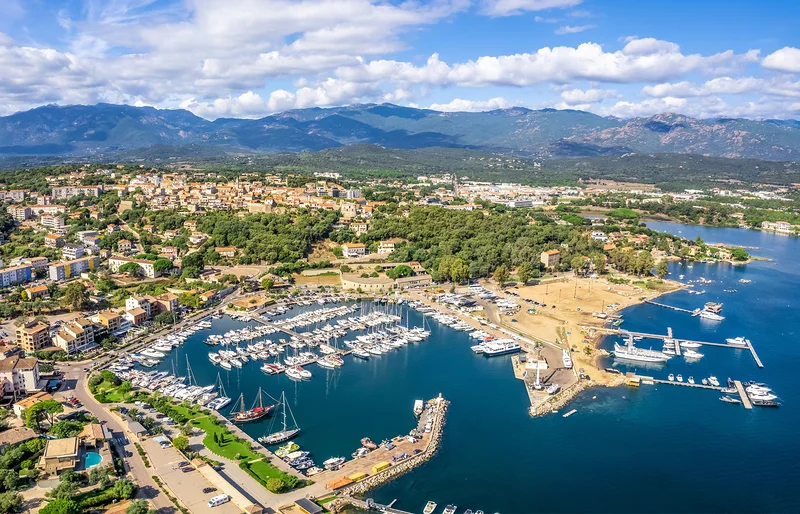
Bonifacio's harbor, tucked at the end of a 1.5 km deep inlet, ranks among the most sought-after anchorages in the Mediterranean. The colorful facades of the lower town reflect in the water while café terraces fill up for aperitif hour. This is the festive heart of the city, with bars and restaurants staying busy late into the night.
From the montée Saint-Roch, accessible from the port, you can walk up to the upper town, but be prepared because the climb is steep. A tourist train provides an alternative for tired legs.
Where to Eat and Drink in Bonifacio?
Bonifacio cuisine blends Corsican and Genoese influences. The ultimate local specialty is aubergines à la bonifacienne (mirizani), stuffed and gratinéed eggplant, best tried in the trattorias of the marina or upper town. Fresh brocciu, a sheep or goat milk cheese, appears in omelets, cannelloni, and tarts.
For cured meats, figatelli (smoked liver sausages) pair ideally with a glass of Figari wine. For dessert, almond canistrelli biscuits go great with coffee. The Tuesday morning market in the upper town is the place to pick up top local products like farmhouse cheeses, maquis honey, and artisanal liqueurs.
How to Get There and Get Around Bonifacio?
Figari Airport, the closest, sits a 20-minute drive away. Expect about a 1-hour-50-minute flight from Paris, 1 hour and 15 minutes from Lyon or Marseille, with tickets ranging from $113 to $230* depending on the season. Regular shuttles connect the airport to the town.
By ferry, departures from Nice, Marseille, or Toulon arrive in Porto-Vecchio, a 30-minute drive away. From Sardinia, the Santa Teresa di Gallura-Bonifacio crossing takes just 50 minutes (about $34* per person, $73* with a car). On site, a car remains essential for exploring the beaches and the interior. In summer, traffic jams the town entrance, so use the lower town parking lots ($7.90* for a half-day with the shuttle included) instead of trying to drive up.
When to go?
The ideal window runs from April to June and September to October, featuring pleasant temperatures between 70 and 82 degrees, reasonable crowds, and moderate prices. July and August bring guaranteed crowds, peak rates, and packed beaches. Winter offers rare serenity, but many businesses close and the island goes into partial hibernation.
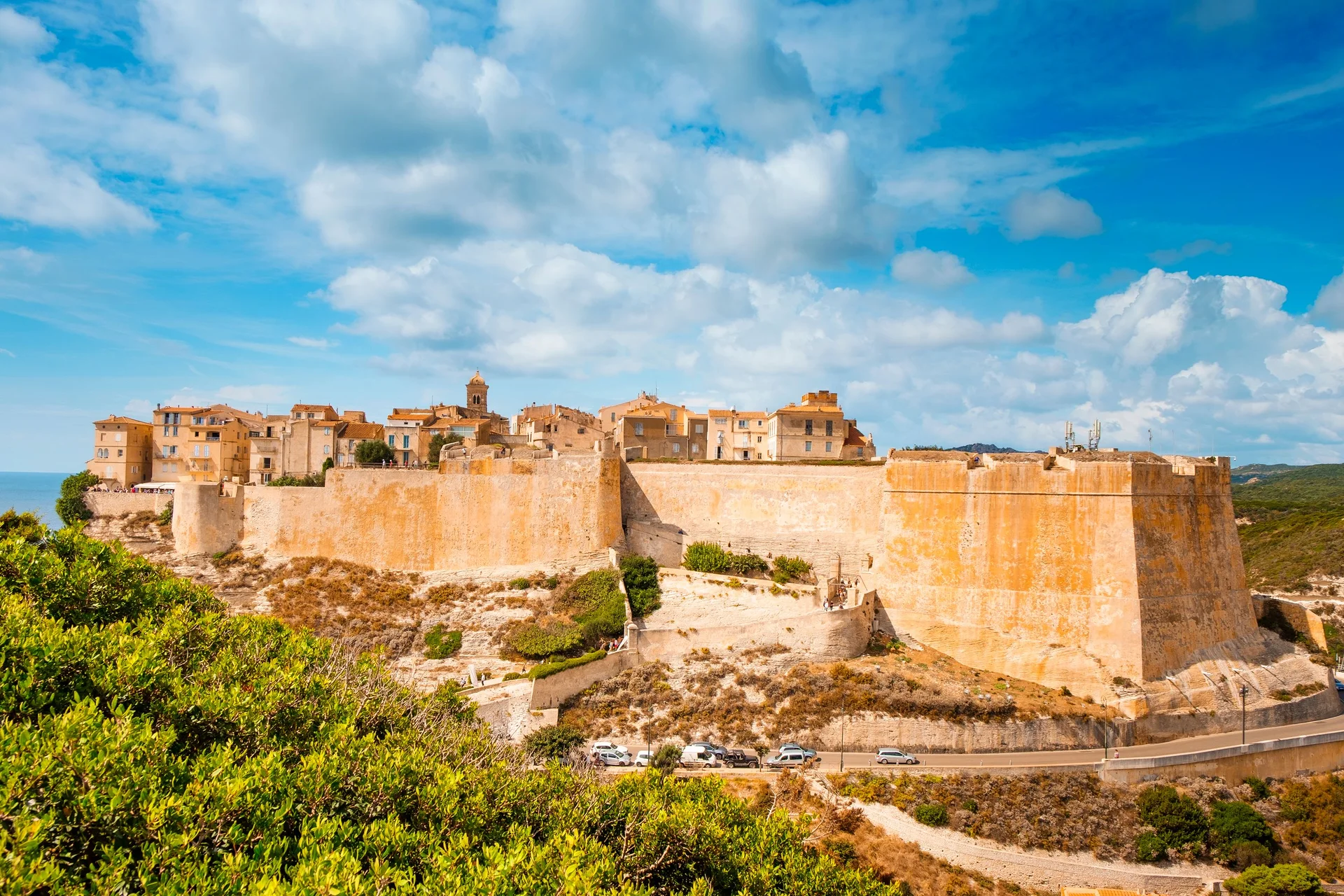
I have been to Bonifacio twice. The first time was during a road trip through Corsica. I was very impressed by this village perched on a white limestone cliff. The second time, I camped in the area after hiking the GR20 and I was obviously less amazed. Very popular with tourists, Bonifacio is located in the south of Corsica. You have to get a little distance away to really appreciate the view.