
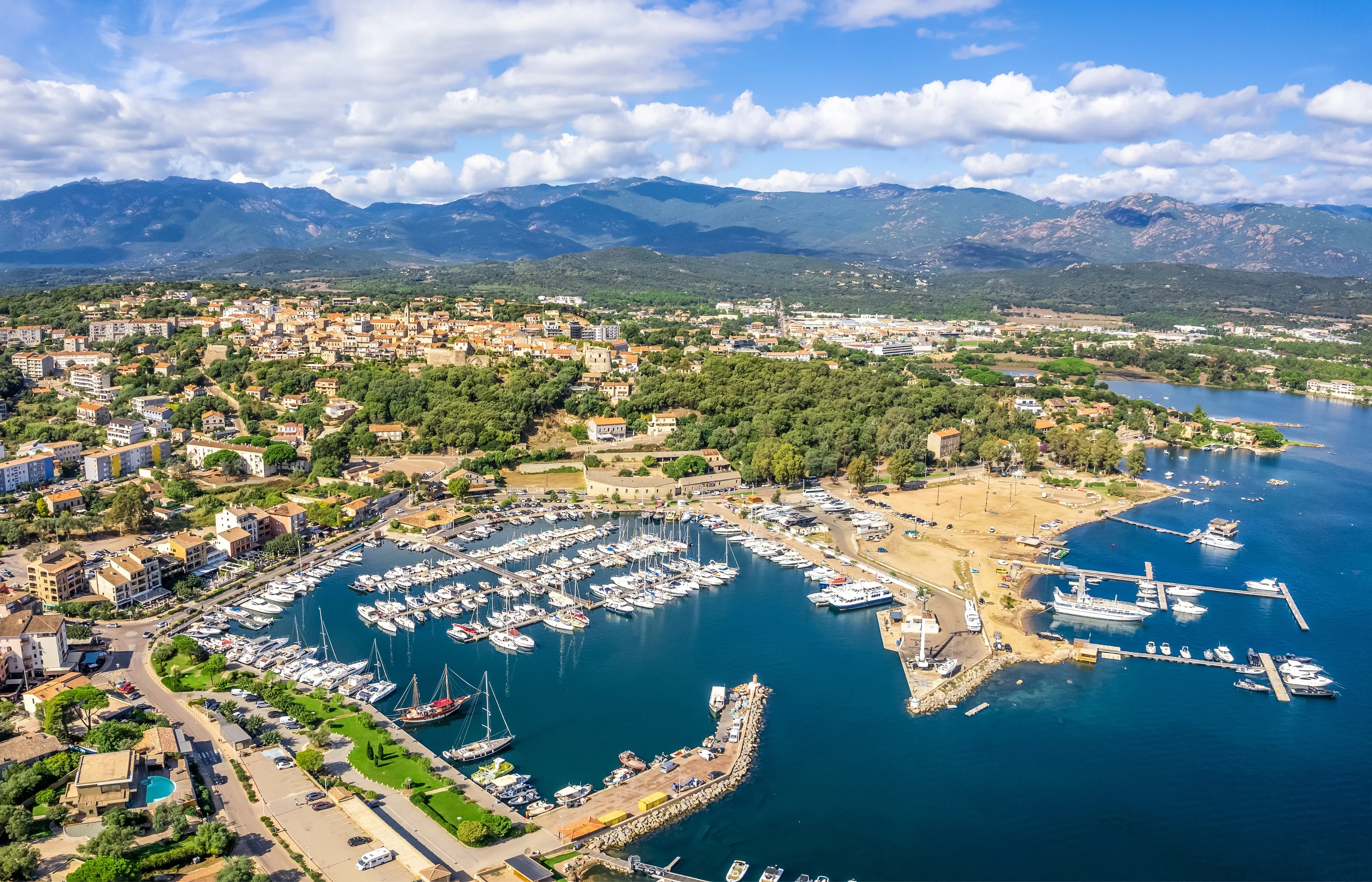
Porto-Vecchio, where Corsica leans into the beach scene
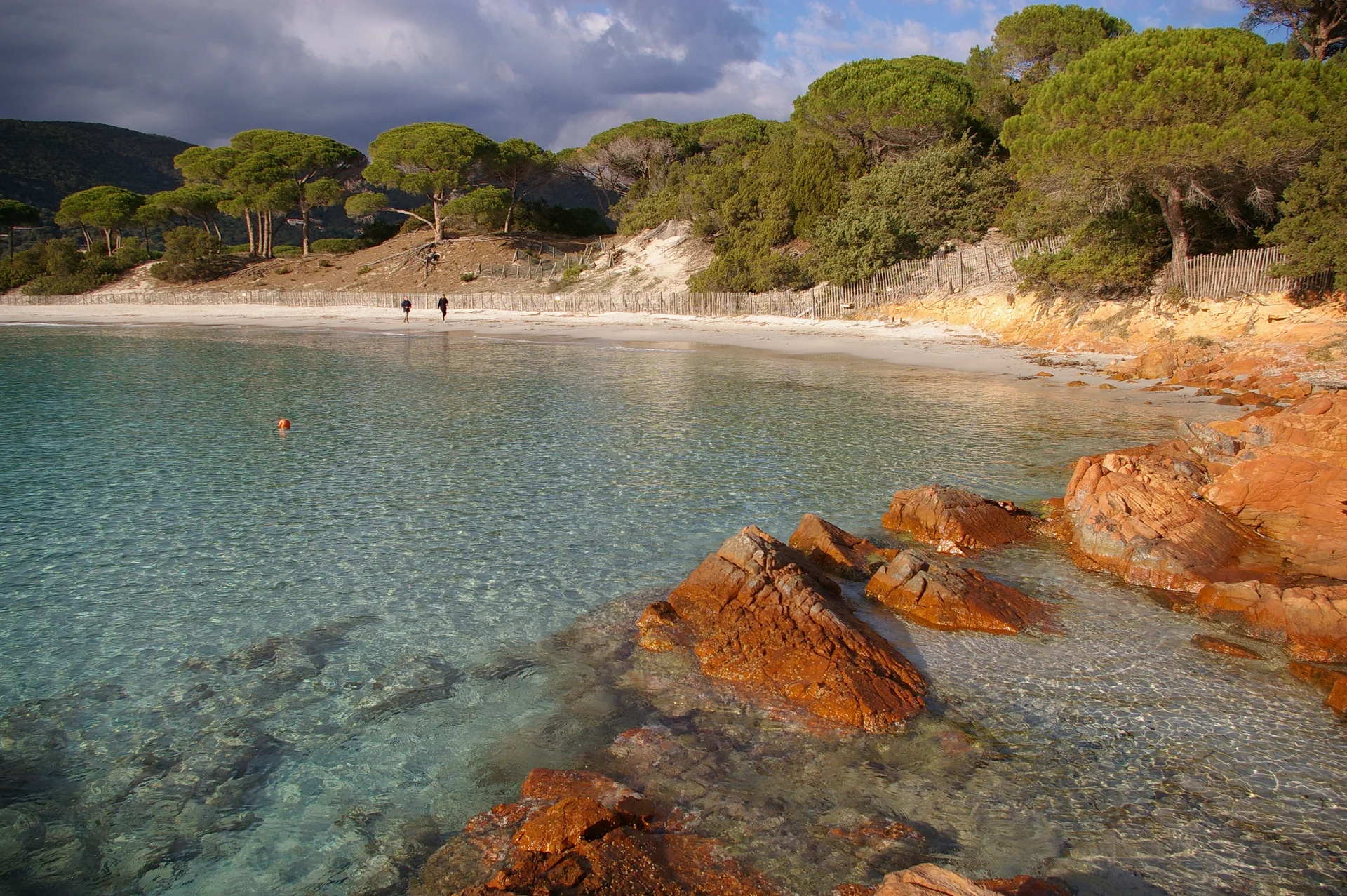
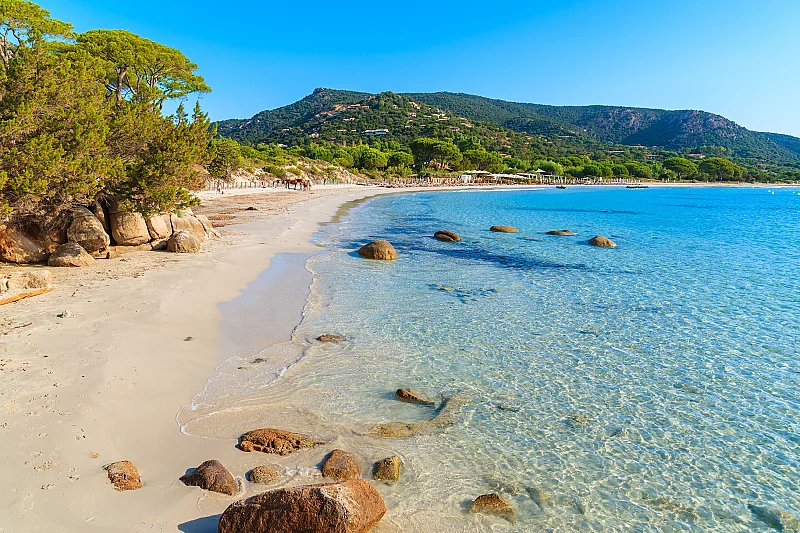
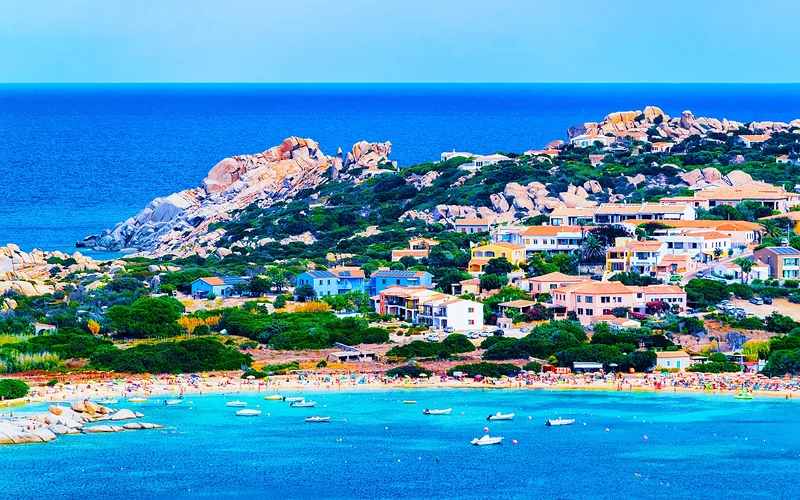
The sand at Palombaggia is fine enough to squeak underfoot. The water shifts from turquoise to deep navy within a few yards of the shore. Behind you, umbrella pines cast jagged shadows across the sand. This postcard view is entirely real, sitting just a twenty minute drive from downtown. Yet Porto-Vecchio is much more than its famous shoreline. The fortified old town, perched on its headland, tells a completely different story.
Corsica's Saint-Tropez, with all its perks and pitfalls
This resort town in southern Corsica draws travelers looking for exceptional beaches and lively summer nights. Families love the shallow waters at Santa Giulia, while couples lean toward the wild beauty of the nearby coves. The marina and the restaurant terraces along the waterfront set an unapologetic vacation mood.
Porto-Vecchio can wear you down quickly. In July and August, the beaches are packed, prices spike, and traffic becomes a headache. Travelers searching for a wild, untouched Corsica will leave disappointed. This place embraces its high-end resort status, warts and all. Renting a car is non-negotiable if you want to explore the surrounding area.
Heads up on high-season prices
Expect to spend $169 to $340* per day for a couple during the summer, lodging included. A restaurant meal ranges from $29 to $57* per person. Renting a lounger at a private beach costs $23 to $45* for the day, and parking near the sand usually comes with a fee.
The citadel and old town: the historic core
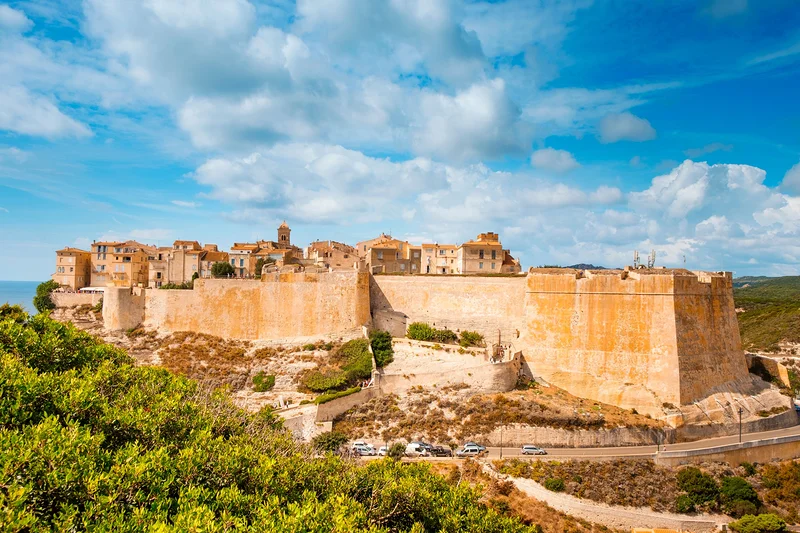
The Genoese citadel has loomed over the gulf since the sixteenth century. Its ochre ramparts and narrow alleys offer a welcome break from the shore. Place de la République packs in cafes and ice cream shops. At night, the outdoor seating fills up and the atmosphere mellows out compared to the coast.
The Saint-Jean-Baptiste Church and the Genoese gate are worth a quick glance. You will wrap up a walking tour in an hour flat. Porto-Vecchio is no museum town. Its appeal lies elsewhere, out on the sand and up in the hinterlands.
Friendly tip: head up to the ramparts at sunset. The views over the gulf and the jagged Bavella mountains in the distance are worth the climb, and the golden hour light transforms the facades.
The beaches: postcards versus reality
Palombaggia makes every list of Europe's top beaches for a reason. White sand, crystal-clear water, and umbrella pines. In peak summer, though, the density of beach towels per square foot ruins a bit of the magic. The parking lots fill up by 10 AM, and the beach shack restaurants charge steep prices.
Santa Giulia, sitting a bit further south, features a calm lagoon that works well for kids. The vibe is more family-oriented and the facilities are plentiful. For a quieter escape, drive out to Rondinara Beach with its shell-like curve, halfway toward Bonifacio.
The quieter coves
Tamaricciu Beach, reached via a dirt track, draws smaller crowds than its famous neighbors. The setting is gorgeous, with red rocks plunging into clear water. Further north, the beaches around Cala Rossa appeal to snorkelers thanks to their rocky seabeds.
The hinterland: mountains and villages
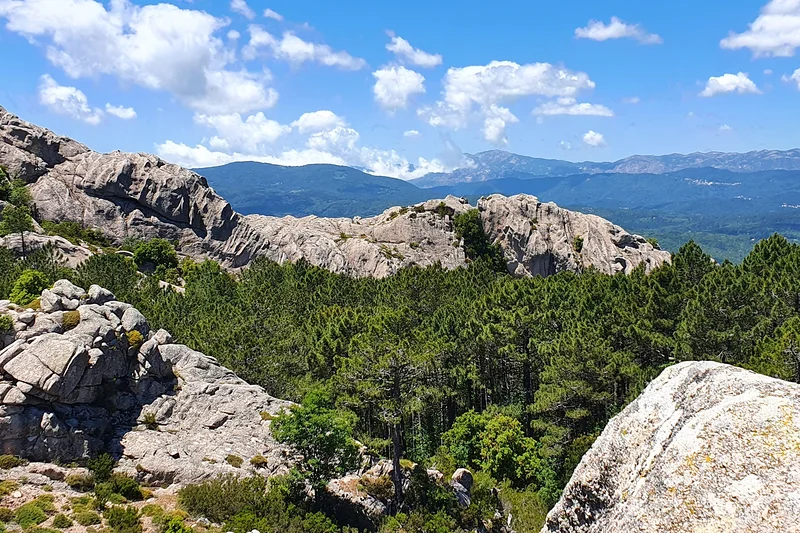
Just a thirty-minute drive inland, the Bavella Needles provide a sharp contrast to the coast. This granite mountain range with its sawtooth peaks offers dramatic hiking trails. The Trou de la Bombe, a natural rock arch reached via an hour-long hike, makes the effort worthwhile.
The mountain village of Zonza makes a solid base for exploring the region. The air stays crisp up there even in midsummer.
Friendly tip: the Bavella Pass gets slammed with cars during the day. Head out early in the morning or late in the afternoon to enjoy the scenery without the tour bus crowds.
Water sports: beyond just lounging
The Gulf of Porto-Vecchio is prime territory for stand-up paddleboarding and sea kayaking. The marine life makes it a draw for scuba divers. The dive center at Cala Rossa runs trips out to protected sites.
For a day out on the water, boat excursions leave the port for the Lavezzi Islands, a nature reserve with translucent water. Plan on spending $57 to $90* per person.
Where to eat and drink in Porto-Vecchio
Corsican cuisine shows off its hearty side here. Figatellu, a pork liver sausage, gets grilled over wood fires. Brocciu, a fresh sheep's milk cheese, shows up in both savory dishes and desserts. Canistrelli, dry cookies flavored with anise or lemon, are easy to snack on all day long.
In the old town, A Cantina di l'Orriu serves careful, local cooking. Down at the port, restaurants charge high prices for inconsistent quality. You are better off heading back up toward the citadel for a good meal that will not break the bank. The Sunday morning market on Place de la République is the place to sample local ingredients.
How to get here and get around
Figari Airport, twenty-five kilometers away, handles flights from major French cities during the season. A taxi runs about $45*. Ferries from Marseille or Nice dock in Bastia or Ajaccio, followed by a two- to three-hour drive. A rental car is essential.
Public transit on the ground is practically non-existent. A few shuttle buses run to the beaches in summer, but their schedules are restrictive.
When to go?
June and September hit the sweet spot with warm water, usable beaches, and reasonable rates. May and October work nicely for hiking, though swimming gets chilly. Skip peak summer if you hate crowds, since the beaches turn into anthills and prices double.
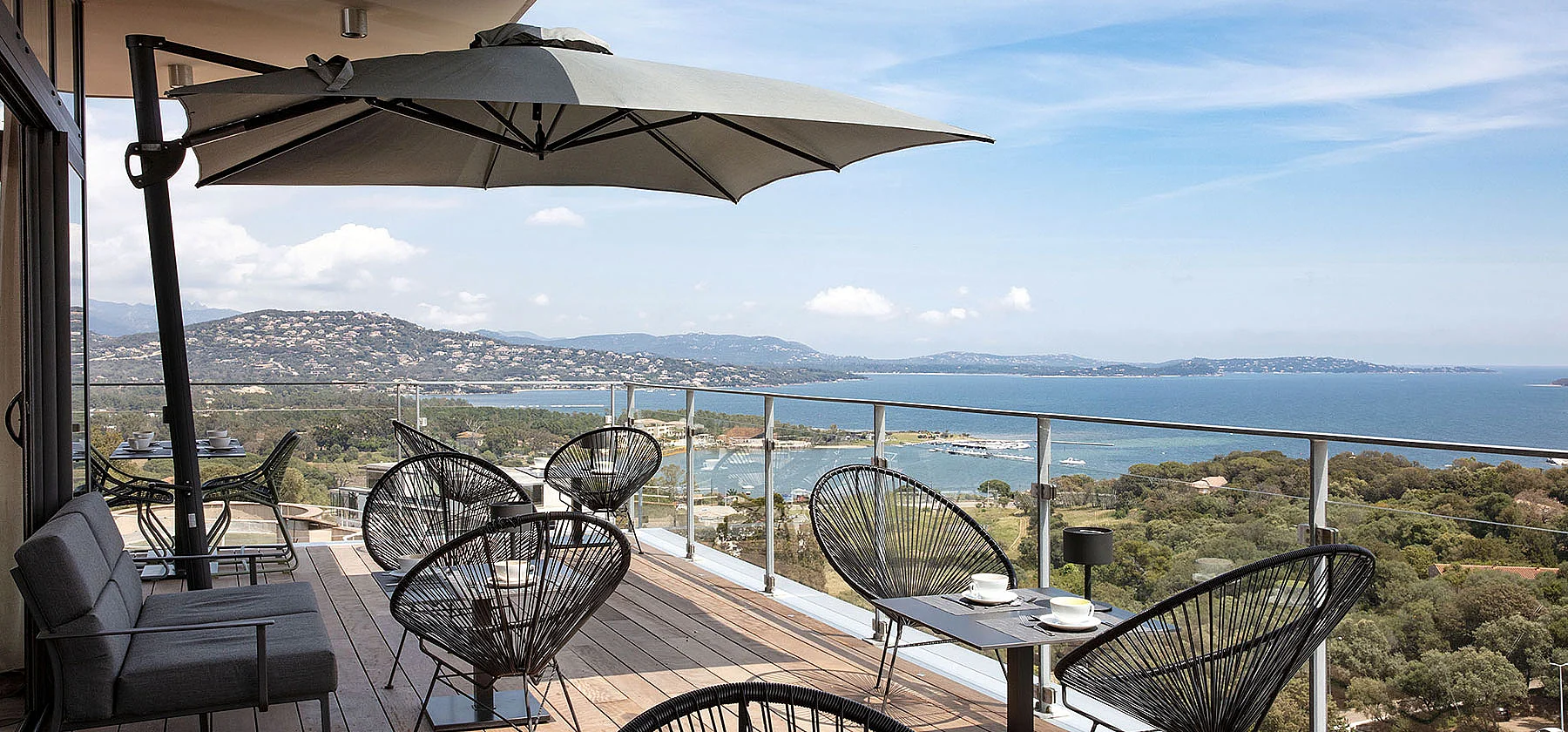

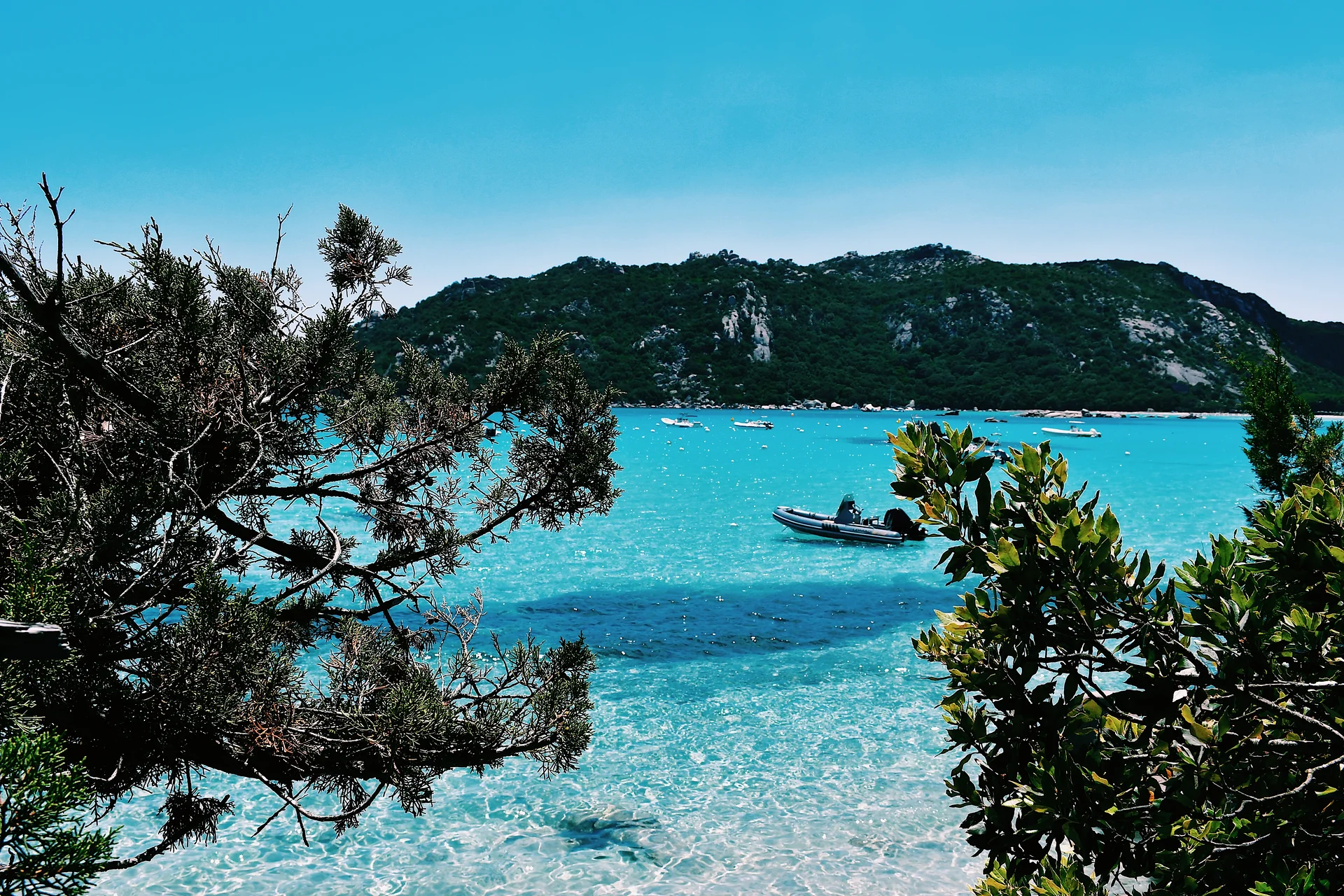
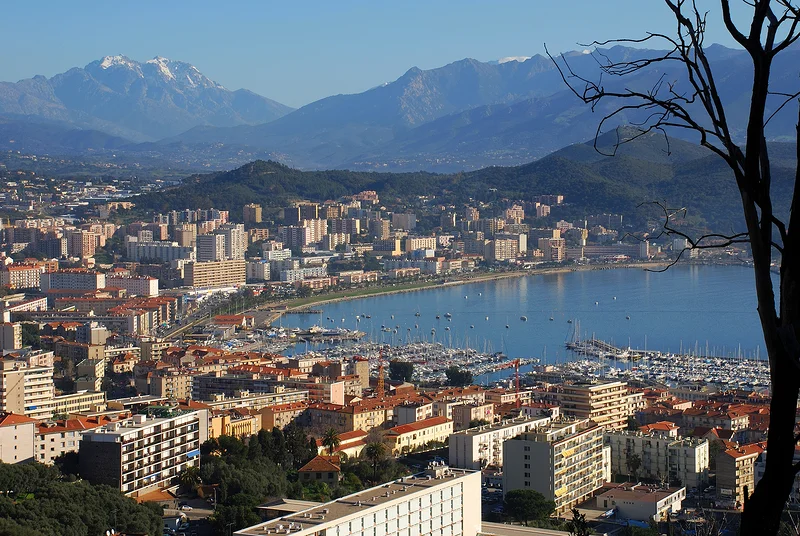
The town of Porto-Vecchio will appeal just as much to those looking for a lively scene as it will to nature lovers. The center is very vibrant and includes plenty of shops, bars, and restaurants. But nature is also very present with preserved natural landscapes. It is a good starting point for visiting Corsica.