
Visiting Morosaglia, the Rebel Soul of Castagniccia
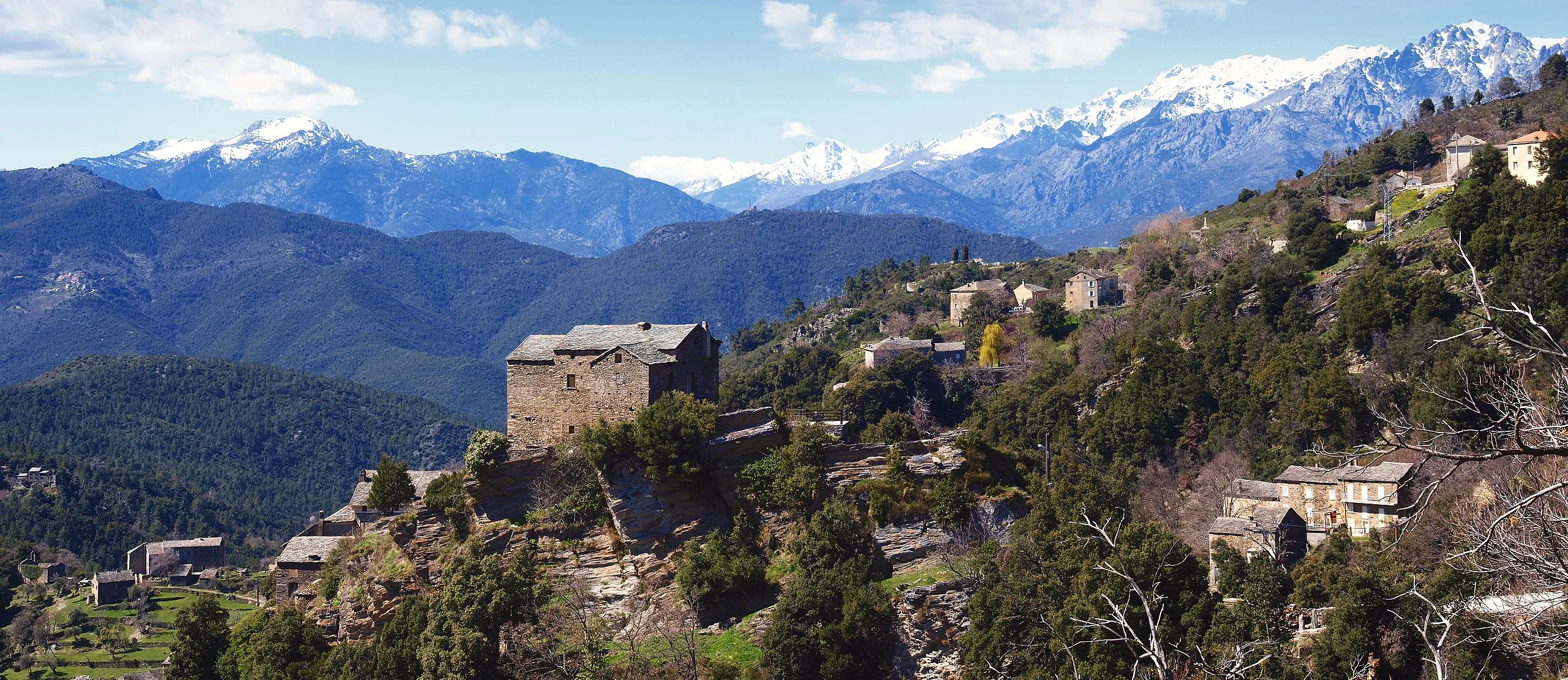
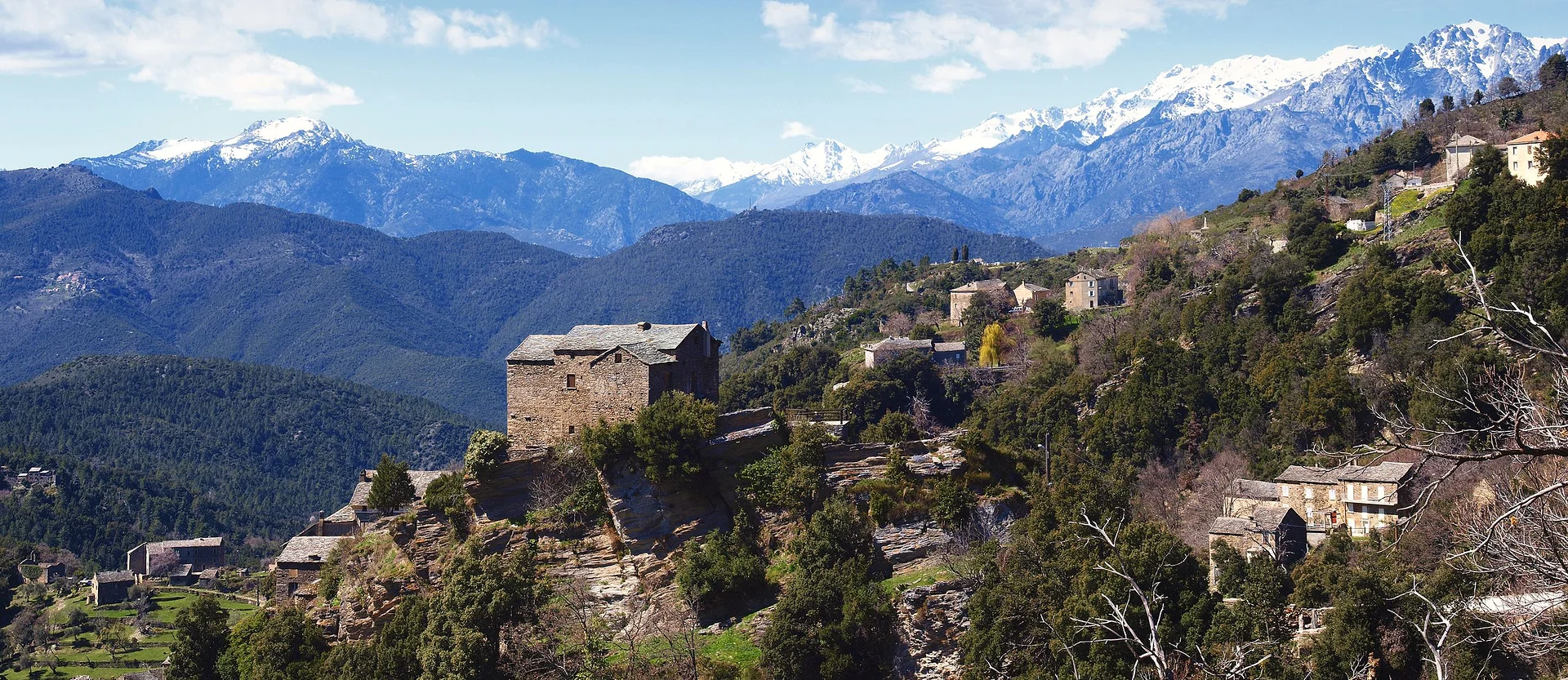
Sitting at an elevation of 800 meters, fourteen hamlets are scattered like secrets among ancient chestnut trees. The scent of chestnut wood crackling in fireplaces, the quiet of the forests, and schist facades that seem to have grown straight out of the rock define Morosaglia, the birthplace of Pascal Paoli, Corsica's national hero, and a land of living history.
Here, stone houses cling to the slopes as if they have always been there, and every brick and stone tells the story of a proud people's struggles.
Morosaglia, a Gathering Place for Travelers Seeking Authenticity
This village appeals primarily to history and heritage enthusiasts who want to skip the crowds. If you are looking for nightlife or beaches right outside your door, you will likely be disappointed since the coast is at least 30 minutes away. Morosaglia suits hikers, architecture fans, and anyone hoping to understand the Corsican spirit beyond postcards.
Expect moderate travel costs here, as lodgings are scarce and usually limited to bed and breakfasts or gîtes, with nightly rates running between $68 and $102*. A car is necessary to explore the region, and the winding mountain roads require some driving confidence. The pace is slow, and most shops are concentrated down in the hamlet of Ponte-Leccia.
The Core of the Experience: Exploring Morosaglia and Its Surroundings
In the Footsteps of Pascal Paoli
You cannot avoid the towering figure of Pascal Paoli, the father of the Corsican nation, who was born here in 1725. In the hamlet of Stretta, his birthplace has been turned into a museum showcasing 18th-century island life through period furniture, historical documents, and a room housing his ashes.
The visit takes about an hour, offering real insight into Corsican independence. At the entrance to the village, his white marble statue towers over the valley opposite the war memorial. In the former Saint-François convent, temporary exhibits add more context to the historical tour.
Friendly tip: pick up regional products at the small shop near the Paoli house, run by a family that revived abandoned chestnut groves. Their AOC chestnut flour and homemade cakes are well worth buying.
Baroque Treasures and Medieval Frescoes
The Santa Reparata church, perched at 900 meters, offers sweeping panoramic views of the surrounding mountains. This early Romanesque sanctuary has seen many changes over the centuries, housing 15th-century frescoes that miraculously survived a fire in the 1930s, including a Christ in majesty, angels, and purgatory with its eerie cauldrons.
The Saint-François d'Assise church of the former baroque convent also merits a look for its 16th-century triptych. The Annunciation chapel rounds out this religious circuit, which is remarkably rich for such a small territory.
Friendly tip: ask locals you meet for the keys to the chapels, as residents often hold them and are happy to share their heritage.
Immersing Yourself in Castagniccia
Morosaglia serves as the ideal gateway into Castagniccia, a remote region where chestnut trees reign supreme. The nearby Prato pass is the starting point for hikes up to Monte San Petrone (1767 m), the highest peak in the area. Plan for about 5 hours round-trip to catch 360-degree views across all of Haute-Corse.
The surrounding villages are worth exploring too, including La Porta with its soaring 45-meter bell tower, and Piedicroce, home to the former Orezza convent where Paoli and Napoleon met in 1790. Do not miss Saliceto, a stone gem with a river running right underneath the church.
Nature and Cool Waters
From Ponte-Leccia, a modern hamlet and strategic crossroads 14 km down the mountain, you can quickly reach several notable natural sites. The Restonica gorges and their natural swimming pools are 30 minutes away, ideal for a cold dip after a hike.
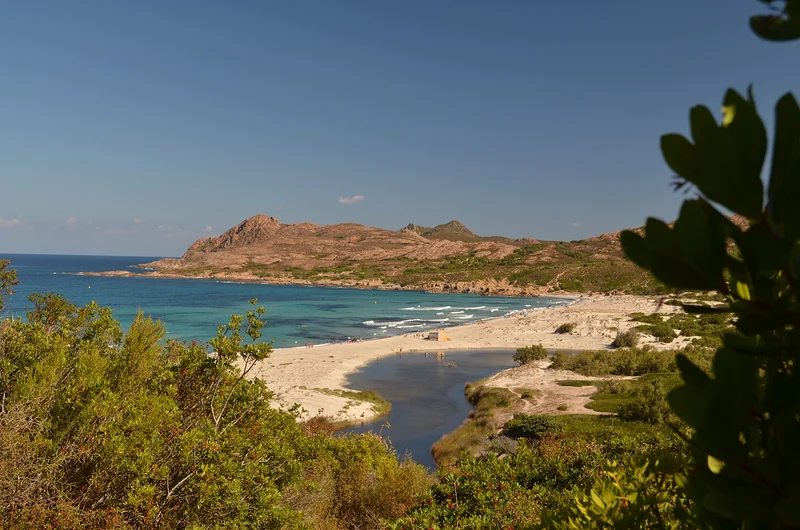
The Asco valley is a quarter of an hour away, the first beaches at Ostriconi in Balagne about half an hour. The Corsican Regional Natural Park maintains marked trails starting from Ponte-Leccia for spotting local flora and fauna.
Friendly tip: in the summer, head out early in the morning toward the Restonica gorges because the parking lots are tiny and fill up fast. Aim to arrive before 9 AM.
Where to Eat and Drink Around Morosaglia
Dining options concentrate mostly in Ponte-Leccia, where you will find a handful of restaurants and shops. In the village itself, choices are sparse but authentic. Castagniccia excels at cured meats, such as wood-grilled figatellu (a pork liver sausage best eaten in winter), alongside cured coppa and lonzu aged for months.
Do not leave without trying pulenda, a chestnut flour porridge that pairs well with meats, or canistrelli, dry cookies flavored with lemon or anise. Brocciu, an AOC fresh sheep or goat cheese, is served plain or baked into fiadone, a smooth lemon cheesecake. For a drink, try Pietra beer brewed with chestnut flour, or cool down with Orezza water, which is naturally sparkling and iron-rich.
Where to Stay in and Around Morosaglia
Lodging options in the village are limited to a few bed and breakfasts and rural gîtes tucked into the hamlets, often inside converted stone sheepfolds. Expect to pay between $68 and $102* per night for rustic charm and mountain views. More options are available in neighboring villages like Castello-di-Rostino or Valle-di-Rostino just a few miles away.
Down in Ponte-Leccia, you will find modern and practical lodging choices, making it a good base if you plan to drive out to Bastia (45 minutes), Corte (20 minutes), or Balagne. For a wider selection of hotels, expand your search to Corte, central Corsica's main hub.
How to Get to and Around Morosaglia
The closest airport is Bastia-Poretta, located 32 km from Ponte-Leccia, or about a 40-minute drive. Renting a car at the airport is essential. Take the N193 road down to Ponte-Leccia, then follow the D71 as it winds upward for 14 km to reach the village.
The Ponte-Leccia train station is a major rail junction where the Ajaccio-Bastia and Calvi-Bastia lines meet. From Bastia, the train takes about 45 minutes and costs $12* one way. From Corte, the ride takes 15 minutes. Note that no public transit runs from the station up to the mountain village, so you will need a taxi or a rental car. Once you are in the village, everything is walkable, but exploring the wider Castagniccia region requires driving narrow mountain roads.
When to go
The ideal time to visit runs from June to September, when high-altitude temperatures stay comfortable (15-25°C) and long daylight hours suit hiking. Autumn, from October to November, brings a display as chestnut trees turn bright colors and the chestnut harvest gets underway.
Winter, from December to March, sees the village slow down with some lodgings closing for the season, though it is the prime time for figatellu sausages and fireside evenings. Avoid early spring (March to April), when chestnut trees remain bare and the weather can feel harsh.
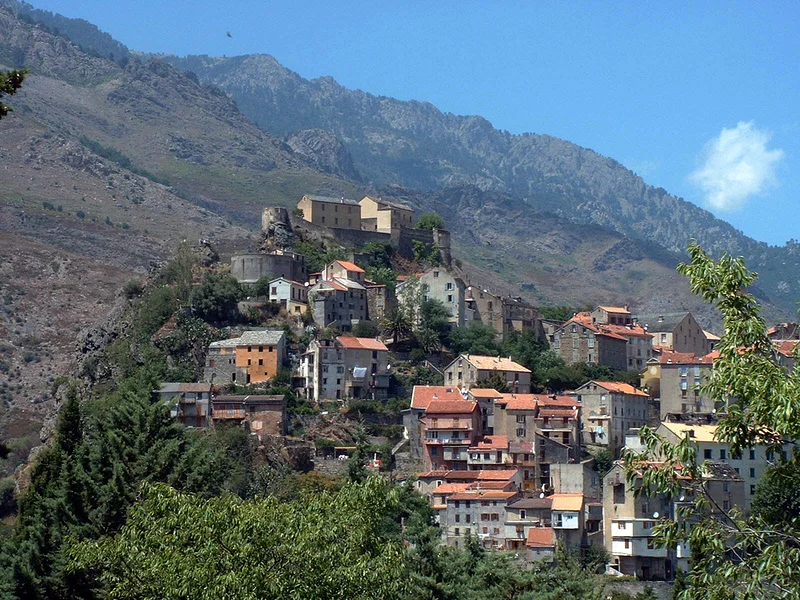
If you go to Corsica, you will hear a lot about Pasquale Paoli and his fight for independence. And this is where his family home is located! You can visit a pretty interesting museum there if you are interested in the history of Corsica. Otherwise, I really liked the rustic atmosphere that comes from this village. Nature is very present, with the chestnut forests nearby.