Palais du Reichstag à Berlin

Things to do in Germany: 20 must-see attractions in 2026

Discover our members' favorite destinations in Germany, plus reviews, practical info, and traveler photos...

The 5 most beautiful cities to visit in Germany

#1 Berlin +165 recs

Bullet holes sit right next to tech startups here, without any filter or nostalgia. Berlin does not hide its 20th-century history, it builds it into the concrete. Between the murals of the East Side Gallery and the hidden courtyards of Kreuzberg, the city rewards the curious rather than those just chasing postcard views.

#2 Munich +136 recs

Munich balances deep-rooted Bavarian tradition with a sharp, modern edge. You will spend your days moving between high-end museums and open-air beer gardens, or wandering through expansive city parks and local food markets with the same ease you might find in a major US city like Chicago.

#3 Heidelberg +41 recs

Nestled along the wooded slopes of the Neckar Valley, Heidelberg was a major Protestant powerhouse in the 16th and 17th centuries. You can still see the dramatic ruins of Heidelberg Castle looming over the town today. Once the main residence of the Prince-electors of the Palatinate, the castle became an icon of romanticism, inspiring countless writers and thinkers. Victor Hugo famously chronicled its architecture in his travelogue The Rhine, Letters to a Friend.

A Political and Intellectual Hub from the 13th to the 18th Century

For five centuries, Heidelberg served as the capital of the Electorate of the Palatinate, one of the seven territories with the power to elect the Holy Roman Emperor. Stop by the Heidelberg Palatinate Museum along theHauptstrasse, a 1.5-kilometer pedestrian avenue that also features the oldest house in town, the gabled House of the Knight of Saint George.

Head over to theMarktplatz, the main town square framed by traditional red sandstone burgher houses. Just steps away, the Church of the Holy Spirit was built from the same stone and once housed one of the largest Renaissance libraries in existence. Education is deep-rooted here, anchored by the founding of the university in 1386, Germany's oldest higher education institution. Nearly one in four residents is a student today. To catch a glimpse of the city's lively academic past, step inside the historic student prison, where university authorities locked up unruly students back in the 16th century.

A Scenic Base in the Neckar Valley

For prime views of the old town and the castle above, cross the Old Bridge orAlte Brücke. The fortified southern gate is worth a close look as one of the few structures that survived French attacks and bombardments during the Nine Years' War, in 1689. Across the Neckar River, the Philosopher's Walk provides a tranquil trail with some of the best vantage points over the city.

Another option is to ride the funiculars up to theKönigstuhl summit, the highest point around at 568 meters of elevation. From there, you can connect to the Neckarsteig trail for a proper hike, hit the mountain bike paths, or even try paragliding.

When to go

Any time of year works well for a trip to Heidelberg, as the town hosts a steady calendar of events and festivals throughout the seasons.

How to get there

From Paris, you can reach Heidelberg by train with one or two connections. Cities like Besançon, Belfort, Mulhouse, and Strasbourg offer direct rail connections to Heidelberg in under 4 hours. If you are driving, you will arrive via the German A5 or A6 autobahns.

#4 Schwangau +32 recs

This Bavarian Alps village is world-famous for Neuschwanstein Castle, a structure inspired by Wagnerian opera. You can catch the best views from the Marienbrücke bridge or the heights of Tegelberg mountain. After a day of exploring, head to the Kristall Spa to unwind, with entry prices starting around 20 EUR for a few hours of relaxation.

#5 Rust +30 recs

Rust sits right near the Black Forest in Germany, drawing visitors primarily for Europa-Park, one of the largest amusement parks on the continent. Beyond the coasters, the Taubergießen nature reserve and the Baden wine route offer a quieter pace just minutes away. This relaxed setting makes the town a solid base for families looking to mix roller coasters with outdoor day trips.

Ranking of the 15 activities selected by our editors in Germany

#1 Neuschwanstein Castle (Schwangau) +29 recs 5/5

Neuschwanstein Castle is the highlight of any trip to Bavaria or Munich. Perched on a rocky spur, it looks like a real-life fairy tale. Head to Marienbrücke (Mary's Bridge) for the best views. Inside, explore rooms like the grand Throne Hall and the king’s bedroom. Pair your visit with nearby Hohenschwangau Castle or hike Mount Tegelberg.

See the guide See deals-7%AVYGEO7

#2 Europa-Park (Rust) +22 recs 4.9/5

Europa-Park consistently ranks as the top theme park in Europe, a status backed by numerous industry awards. This massive site features 17 themed areas representing European cultures, plus three fantasy zones. Since 2019, the Rulantica water park has expanded the fun. Famous for its coasters, Europa-Park also specializes in immersive family experiences.

See the guide See deals

#3 Berlin TV Tower (Berlin) +19 recs 4/5

Standing at 368 meters, the Berlin TV Tower is the tallest structure in Germany and has dominated the Berlin skyline since 1969. This Cold War icon whisks you to a panoramic observation deck at 203 meters in just 40 seconds. Dine at the rotating Sphere restaurant to complete your visit. Now a symbol of the reunified city, this historic site draws over a million guests each year.

See the guide See deals-7%AVYGEO7

#4 Berlin Wall Memorial (Berlin) +17 recs 4.7/5

The Berlin Wall Memorial on Bernauer Strasse preserves the only remaining complete section of the border fortifications. Spanning 1.4 km, you can see the double wall, the death strip, an observation tower, the documentation center, and the Chapel of Reconciliation built from rammed earth. The exhibition traces dramatic escape attempts and honors the 130 victims. Free admission.

See the guide See deals-7%AVYGEO7

#5 Brandenburg Gate (Berlin) +17 recs 4.7/5

The Brandenburg Gate stands at the center of Berlin, serving as a symbol of peace and a reunified Germany since 1989. During the Cold War, the wall dividing the city ran nearby. It was here that President Ronald Reagan famously challenged Mikhail Gorbachev to tear down that wall. Today, the restored gate anchors the end of Unter den Linden (Under the Linden Trees).

#6 Nymphenburg Palace (Munich) +16 recs 4.7/5

Nymphenburg Palace in Munich is a grand baroque estate that served as the summer residence for Bavarian royalty. Explore opulent interiors like the Gallery of Beauties and the Great Hall, or wander through French-style gardens dotted with pavilions. The grounds house the Marstallmuseum (Carriage Museum) and the Porzellanmuseum (Porcelain Museum) for a royal day out.

See the guide See deals

#7 Berlin Cathedral (Berlin) +15 recs 5/5

The Berlin Cathedral, an imperial neo-Baroque structure built under Wilhelm II, towers 98 meters over Museum Island. Climb its 270 steps for a panoramic view of Berlin, explore the Hohenzollern Crypt, and admire the opulent interiors. This architectural masterpiece chronicles five centuries of Prussian history in the heart of Germany.

#8 Reichstag Building (Berlin) +15 recs 4.5/5

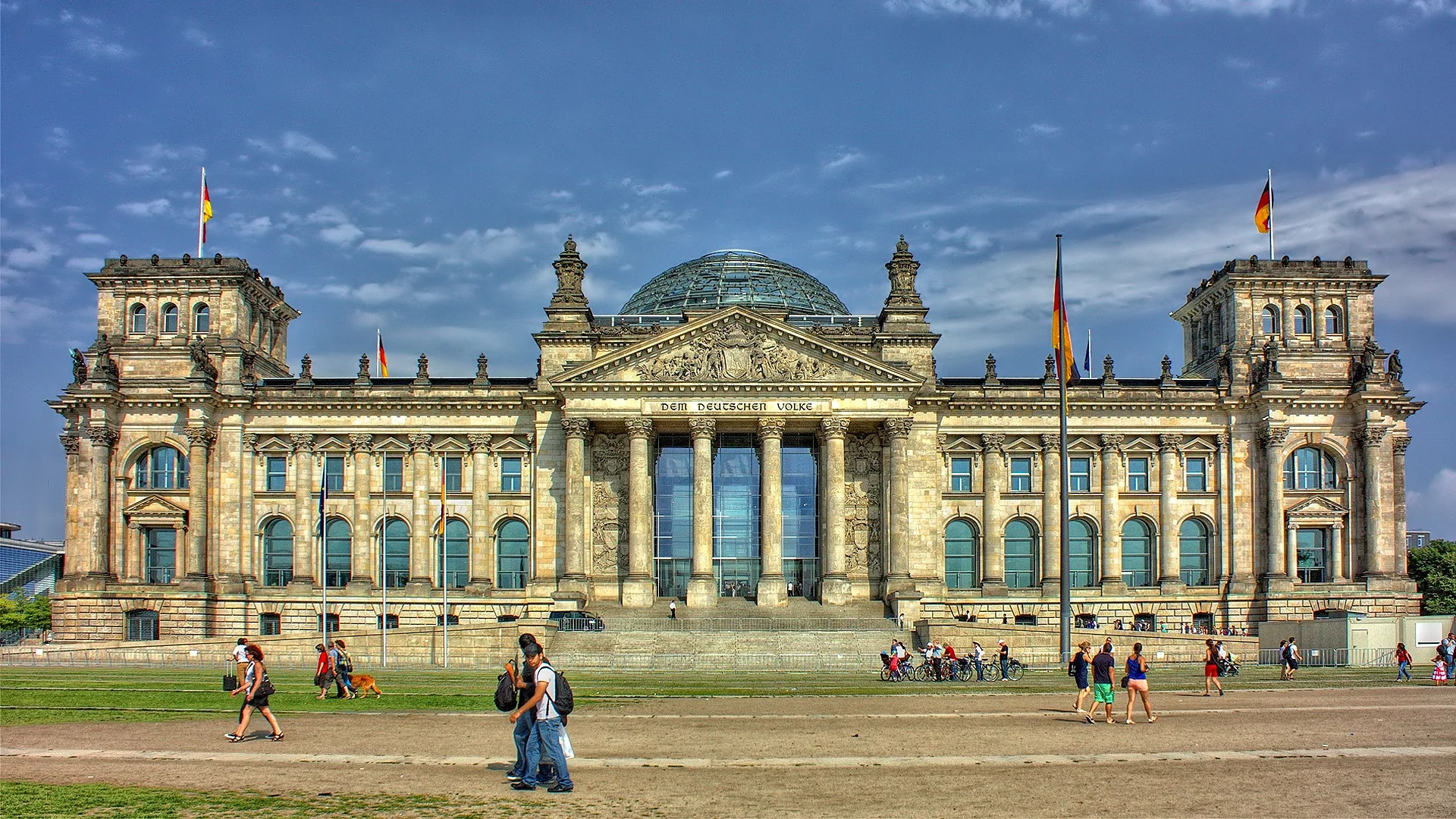
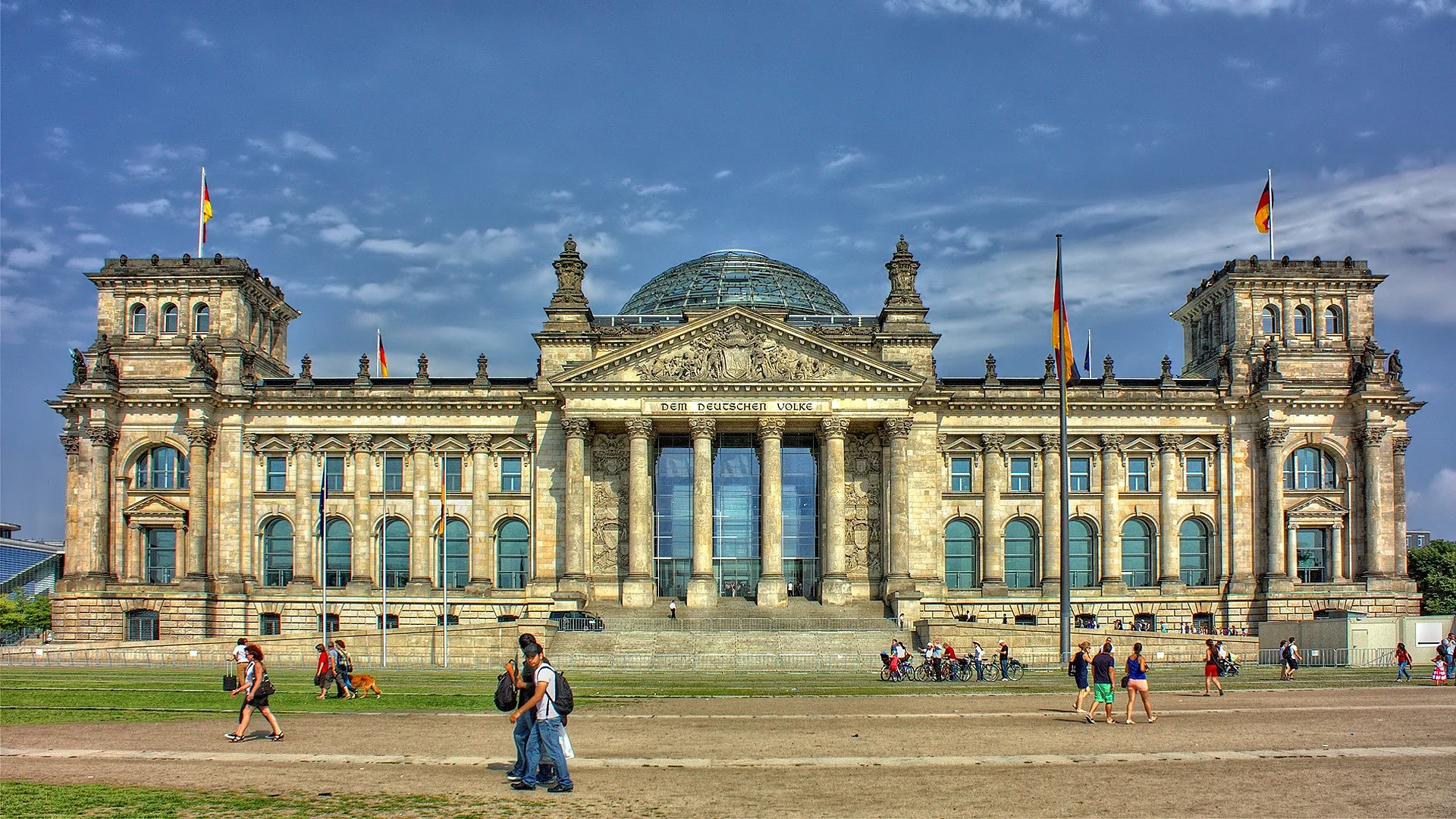
The Reichstag Building, home to Germany's parliament, is a landmark in Berlin. Its glass dome, designed by Norman Foster, offers panoramic views of the city. The structure combines neo-Renaissance architecture with modern design, preserving historic traces from Soviet graffiti to wartime scars. Visits are free, but require advance online registration.

See the guide See deals-7%AVYGEO7

#9 Porsche Museum (Stuttgart) +14 recs 4.5/5

The Porsche Museum in Stuttgart displays 80 to 95 vehicles in rotation, all in working order, ranging from the first 1898 prototype to the latest concept cars. The building architecture by Delugan Meissl is a sight itself. Audio guides are free, kids under 14 enter for free, and mechanics enthusiasts can watch the restoration of historic models live through the workshop windows.

See the guide See deals

#10 English Garden (Munich) +14 recs 4.5/5

The English Garden is a massive 400-hectare urban park in Munich, Germany, ranking among the largest city parks globally. It features additions like the Japanese teahouse, built for the 1972 Summer Olympics, which hosts traditional chanoyu tea ceremonies. From the Monopteros temple on the park's hill, enjoy views of the greenery and Munich below.

#11 Hofbräuhaus München (Munich) +14 recs 5/5

Gather with family and friends for classic Bavarian fare and local brews at Hofbräuhaus München! Germany's most famous beer hall opened in 1589 in the heart of Munich's historic center. While production moved to the suburbs in the 19th century, the original building remains a must-visit in Munich for any beer lover. The hall welcomes you daily, whether your trip happens before, during, or after Oktoberfest!

#12 Viktualienmarkt (Munich) +14 recs 4/5

The Viktualienmarkt is the primary food market in Munich. This lively destination was established in 1807 under King Maximilian I of Bavaria. After the Second World War, the site evolved with the addition of artistic fountains throughout the stalls, each honoring local actors and performers. It remains a historic hub for local flavors.

#13 East Side Gallery (Berlin) +13 recs 4.5/5

The 1989 fall of the Berlin Wall sparked a wave of optimism that drew artists from across Europe to mark the moment. The East Side Gallery remains a preserved section of the barrier. This gray concrete canvas became a global hub for street artists to share messages of peace since 1991.

#14 Marienplatz (Munich) +13 recs 4.8/5

The beating heart of the Bavarian capital, Marienplatz is the oldest public square in Munich. During the Middle Ages, it hosted fairs, markets, knightly tournaments, and countless performances. Local lore claims a Marienplatz inn created the city's signature Weisswurst (white sausage), a veal and pork-back blend seasoned with parsley, lemon zest, onion, and nutmeg. Eat it right there, without hesitation.

#15 Topography of Terror (Berlin) +13 recs 5/5

Just steps from Potsdamer Platz, the Topography of Terror is an indoor and outdoor museum detailing crimes committed during the Third Reich. The site features a documentation center and open-air exhibits. Archives, photographs, and videos detail how the Nazi party, Gestapo, and SS orchestrated terror between 1933 and 1945 in Germany.

See the guide See deals
See the best activities in Germany

Germany: where unlimited autobahns meet centuries-old taverns

On a Bavarian highway rest stop, a sports car flies by at 135 mph while just a few miles away, strangers share a table in a centuries-old timbered tavern. The waitress drops one-liter steins with effortless casualness. This scene captures Germany in a nutshell: a country where high-speed modernity coexists with traditions untouched by time.

A destination that adapts to all travelers

This country appeals to travelers who love contrasts without having to cross thousands of miles. In a single week, you can hit the underground clubs in Berlin, hike the primary forests of Bavaria, and then stroll through a picturesque village with half-timbered houses where time seems to stand still. Germany rewards the curious.

It will appeal less to those seeking guaranteed sunshine or Mediterranean relaxation. The climate remains continental, sometimes harsh. Locals are welcoming yet reserved at first. Language barriers are practically nonexistent since English is widely spoken in tourist zones. Infrastructure is top-tier, trains run on schedule, and the country remains one of the safest in Europe.

A reasonable budget for Western Europe

Compared to neighboring France or Switzerland, Germany stays affordable. Plan for between $82 and $140* per day for a mid-range traveler: decent hotel stays running between $93 and $140* a night for a double room, meals costing between $12 and $30*, and urban transit around $9.30* for a day pass.

Major cities: experiencing history and modernity

Brandenburg Gate in Berlin

Berlin is not a pretty capital. It does not try to be. This city was razed, divided by a wall, and then rebuilt in a chaotic energy that makes it completely unique. Museum Island, a UNESCO World Heritage site, concentrates five major institutions. The Holocaust Memorial, right near the Brandenburg Gate, commands a respectful silence.

Berlin truly pulses in its alternative neighborhoods. Kreuzberg and Friedrichshain offer some of Europe's richest street art scenes, legendary techno clubs, and a Turkish food scene that rivals Istanbul. The kebab at Mustafa's Gemüse is genuinely worth the wait.

Munich Frauenkirche

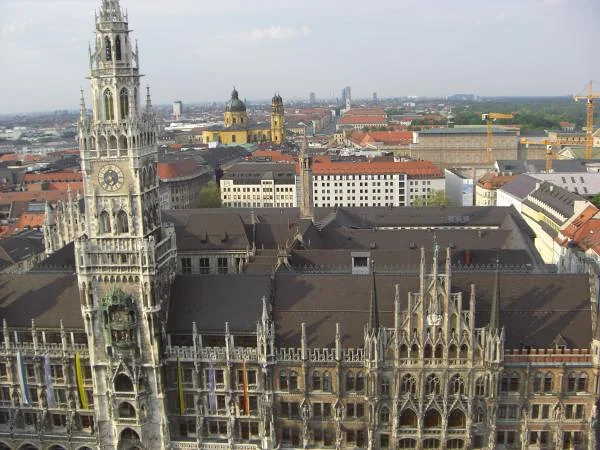
Munich plays in a different league. As the capital of Bavaria, it displays bourgeois elegance and unapologetic traditions. Marienplatz and its clock tower draw crowds, the Viktualienmarkt serves up a festival of local produce, and Nymphenburg Palace recalls the grandeur of the Wittelsbach dynasty.

Friendly tip: skip Munich during Oktoberfest unless you are specifically going for the festival. Accommodation prices triple and the city loses its soul. The Frühlingsfest in the spring delivers the exact same atmosphere with a fraction of the crowds.

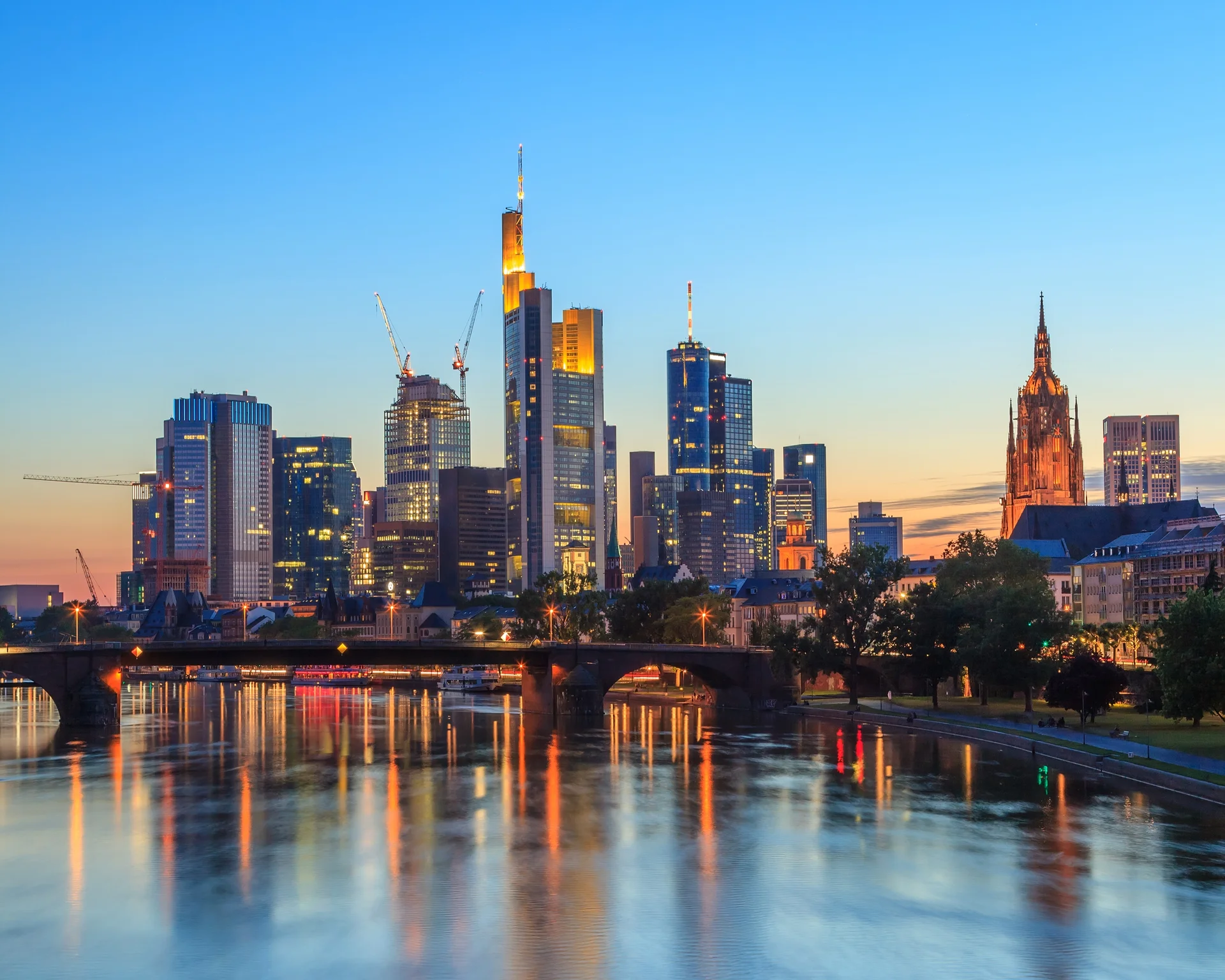
Hamburg seduces visitors with its massive port, the striking architecture of the Elbphilharmonie, and the gritty energy of St. Pauli. Frankfurt, often written off as purely corporate, actually houses the Museumsufer, one of Europe's largest concentrations of museums lining the banks of the Main River.

Fairytale castles

Neuschwanstein Castle in Bavaria

Neuschwanstein Castle in Bavaria is the ultimate postcard image of Germany. Perched on a rugged cliff facing the Alps, it served as the visual inspiration for Disney's Sleeping Beauty castle. King Ludwig II of Bavaria commissioned it in a romantic craze that drained the royal treasury. The guided tour lasts 30 minutes, and tickets must be booked weeks ahead during peak season.

Heidelberg Castle, sitting half in ruins above the university town along the Neckar River, provides a more romantic and less crowded atmosphere. Hohenzollern Castle in Baden-Württemberg, the ancestral seat of the Prussian imperial family, reigns over an isolated hilltop with views stretching all the way to the Black Forest on a clear day.

For a different angle, Wartburg Castle in Thuringia is where Martin Luther translated the New Testament. Less famous, Burg Eltz in the Moselle Valley escaped destruction entirely and has belonged to the same family for 850 years.

Deep forests and Bavarian peaks

Bavarian Alps

The Black Forest lives up to its name. Dense conifers create an almost mystical gloom, even at midday. The Triberg waterfalls, the highest in the country at 163 meters, are easy to visit. Villages like Schiltach in the Kinzig Valley preserve their timber-framed houses and watchmaking heritage.

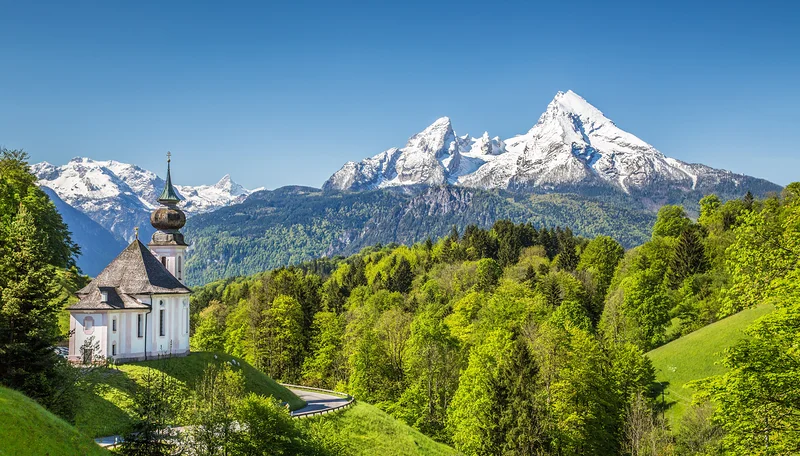
The Bavarian Alps, hugging the border with Austria, deliver massive panoramas. Garmisch-Partenkirchen acts as a base camp for exploring the summits. The Zugspitze, Germany's highest peak at 2,962 meters, can be conquered via cable car or on foot for the hardcore hikers. Lake Königssee, wedged between steep cliffs, offers electric boat tours through a silence broken only by echoing mountain walls.

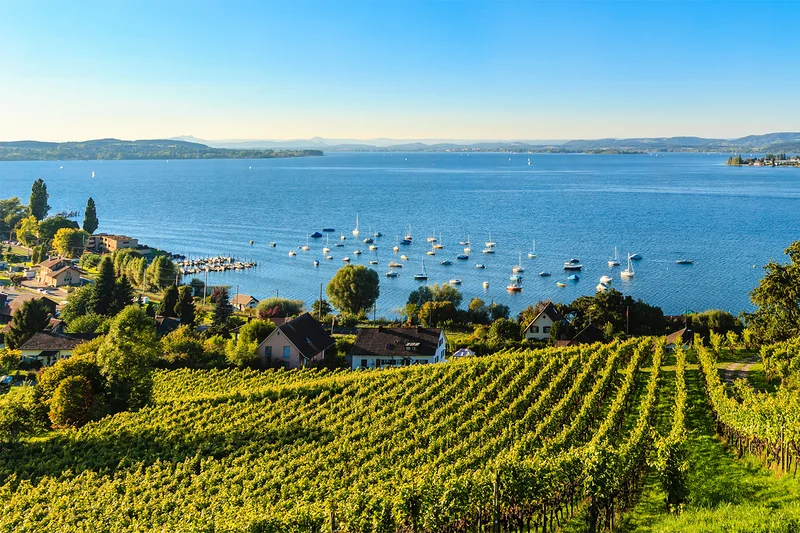
Lake Constance, shared with Switzerland and Austria, lets you unwind by the water while soaking in surrounding mountain views.

Friendly tip: the Spreewald near Berlin is worth the detour. This maze of canals cutting through an alluvial forest is best explored on a traditional wooden punt. Think of it as a pocket-sized German Amazon, just an hour from the capital.

Villages skipped by guidebooks

The Ahrtal, a wine-producing valley south of Cologne, turns out surprising reds for this latitude. Its terraced vineyards, taverns, and the former Kloster Marienthal convent converted into a winery are worth lingering over. The village of Altenahr offers hikes along the Ahr River with views looking up at medieval castle ruins.

Dinkelsbühl in Bavaria miraculously dodged wartime destruction. Its 15th-century ramparts still encircle the old town, where colorful timber-framed houses line cobblestone alleys. Less touristy than Rothenburg ob der Tauber, it delivers a more peaceful dive into medieval Germany.

In the country's eastern region, Quedlinburg in Saxony-Anhalt shelters over 1,300 timber-framed houses spanning eight centuries of architecture. Dresden also deserves a stop for its Christmas markets, some of the oldest in Europe, and its old town rebuilt following the 1945 bombings.

German dining: much more than sausages

Bratwurst, Frankfurt sausages

German cuisine suffers from an unfair reputation. Yes, the country produces over 1,500 varieties of sausage. However, every region has carved out its own specialties. Sauerbraten, beef marinated for days in vinegar and spices, competes with the best European stews. Swabian Spätzle, fresh cheesy egg noodles, makes for the ultimate comfort food after a day of hiking.

Berlin invented the Currywurst in 1949: a sliced sausage smothered in curry ketchup that remains a favorite local street food. The city also hosts the largest Turkish community outside Turkey, which explains the excellence of its döner kebabs.

In Bavaria, the Weißwurst is traditionally eaten before noon alongside sweet mustard and a pretzel. Schweinshaxe, a crispy roasted pork knuckle, accompanies beer steins in beer gardens. The Black Forest lent its name to the famous Schwarzwälder Kirschtorte: chocolate, cherries, and whipped cream soaked in kirschwasser. The cities of Leipzig and Bayreuth will also thrill classical music fans following in the footsteps of Johann Sebastian Bach and Richard Wagner.

When to visit Germany?

The climate across most of the country is continental. The sweet spot runs from May to September. Temperatures hover between 18 and 25 degrees Celsius, days are long, and outdoor terraces come alive. May brings blooming cherry orchards and fewer crowds than mid-summer.

Winter makes sense for two major reasons: the Christmas markets running from November through December transform Berlin, Cologne, and Munich into glowing wonderlands, and the Bavarian Alps offer decent ski slopes. Expect sub-freezing temperatures and short daylight hours.

How to get to Germany?

By plane, expect a 1.5 to 2-hour flight from Paris to major cities. Frankfurt and Munich serve as the primary hubs. Low-cost carriers like Eurowings or Ryanair operate flights to Berlin, Cologne, or Düsseldorf starting around $35-$59* one-way.

By train, patience is required: Paris to Berlin takes 8.5 hours with one connection. Buses offer a budget alternative with FlixBus connecting Paris to Berlin for around twenty euros. European citizens only need a valid national ID card or passport.

Getting around Germany?

The Deutsche Bahn rail network covers the entire country. High-speed ICE trains connect major cities quickly, taking 4 hours between Berlin and Munich. Tickets booked well in advance unlock significant discounts, sometimes up to 50%. Most mid-sized cities also have their own regional airports.

The Deutschland-Ticket priced at $74* a month grants unlimited access to all regional public transit nationwide. Buses are budget-friendly and reliable, making them a solid alternative. Car rentals prove essential for exploring rural regions. Certain sections of the autobahn remain without speed limits. Plan for about $47 to $70* per day for a compact car.

Find the best travel deals in Germany

Hotels and stays Flights Car rentals Custom trips

Top photos posted by members

Palais du Reichstag à Berlin
Plage du Lac de Starnberg
Francfort

Articles about Germany

Albums curated by the editors

Latest reviews

A very informative and moving museum

I visited the memorial twice, once as a child and again as an adult. It is very informative, packed with details and historical testimonials, and you learn a lot about the history of the Berlin Wall.…

372

Berlin and its thousand facets

This is a city where you will definitely find something you love, whether you are interested in history or culture. All the museums could keep you busy for days! For my part, I have a soft spot for th…

183

Fun

Even though I am not a big car fan, I found the museum very well done. You will not just see a collection of cars. An entire part of the museum is interactive with activities, which is great with kids…

77

Very beautiful site

I really enjoyed visiting this palace, which is very extensive. The interior is richly decorated with some very beautiful objects. The tour of the inside is fairly quick. I loved walking through the p…

190

A total immersion in medieval romanticism

I visited during a school trip with a guide and it remains my favorite memory of Bavaria. The silhouette of this magnificent castle, emerging from the rocks and trees, left me in awe. I felt like I wa…

101