Palais du Reichstag à Berlin

Things to do in Germany: 20 must-see attractions in 2026

Discover our members' favorite destinations in Germany, plus reviews, practical info, and traveler photos...

The 5 most beautiful cities to visit in Germany

Berlin

#1 Berlin +162

Berlin is a city defined by sharp contrasts, where remnants of the Wall sit alongside historic palaces that document the country's turbulent past. Neighborhoods like Kreuzberg and Friedrichshain serve as the epicenter for underground culture and iconic nightlife. Between world-renowned museums, independent galleries, and street art, the city functions as a collection of shifting influences where every block reveals a different layer of its history and creative evolution.

Munich

#2 Munich +136

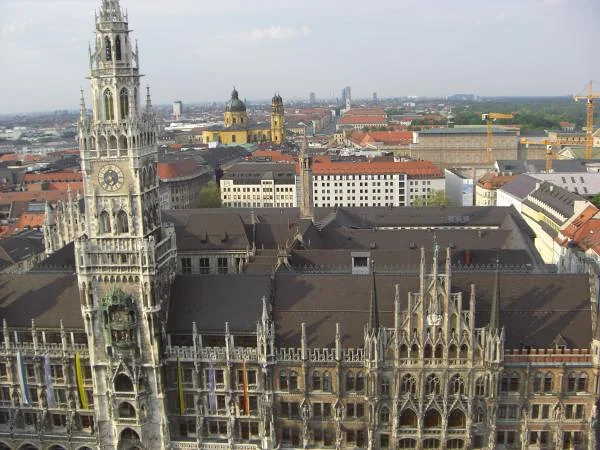
Munich balances deep-rooted Bavarian tradition with a sharp, modern edge. You will spend your days moving between high-end museums and open-air beer gardens, or wandering through expansive city parks and local food markets with the same ease you might find in a major US city like Chicago.

Heidelberg

#3 Heidelberg +41

Heidelberg sits along the hillsides of the Neckar Valley, reaching back to its days as a major Protestant power during the Middle Ages. The town is defined by the imposing ruins of Heidelberg Castle, which still command the skyline today. As the primary residence of the Electors Palatine, the castle became a hallmark of the Romantic era, famously captured in travel writing like The Rhine by Victor Hugo.

A political and intellectual hub from the 13th to the 18th century

For five centuries, Heidelberg served as the capital of the Palatinate of the Rhine, one of seven electorates responsible for choosing the Holy Roman Emperor. Don't miss the Palatinate Museum of Heidelberg, located on the Hauptstrasse, a 1.5-kilometer pedestrian street that also features the oldest house in town, the gabled House of the Knight Saint George.

Spend time at the Marktplatz, the main square lined with traditional red sandstone townhouses. Nearby, the Church of the Holy Spirit, built from the same stone, is known for once housing one of the largest libraries of the Renaissance. The city has been an intellectual powerhouse since its university was founded in 1386, making it the oldest in Germany. Today, nearly one in four residents is a student. For a glimpse into the university's colorful past, step inside the Student Prison, where unruly students were held during the 16th century.

Life in the Neckar Valley

For the best views of the city and its castle, walk across the Old Bridge, or Alte Brücke. The bridge's ancient southern gate is a survivor, one of the few structures that escaped destruction during the wars with France in the 17th century. On the other side of the Neckar, the Philosopher's Walk is a path that offers quiet reflection and the most famous panoramas of the Heidelberg skyline, much like the scenic overlooks found in the hills of Berkeley or Portland.

If you want to get higher up, take the funicular to the Königstuhl summit, which sits at an elevation of 550 meters (1,804 feet). From the top, you can hike the Neckarsteig trail, hit local mountain biking paths, or even try paragliding.

When to visit

Heidelberg is a year-round destination, with a steady calendar of events and festivals throughout the seasons.

How to get there

From Paris, you can reach Heidelberg by train with one or two connections. If you are already in the region, cities like Besançon, Belfort, Mulhouse, and Strasbourg offer direct train connections to Heidelberg in under 4 hours. By car, you will reach the city via the German A5 or A6 autobahns.

Schwangau

#4 Schwangau +32

This Bavarian Alps village is world-famous for Neuschwanstein Castle, a structure inspired by Wagnerian opera. You can catch the best views from the Marienbrücke bridge or the heights of Tegelberg mountain. After a day of exploring, head to the Kristall Spa to unwind, with entry prices starting around 20 EUR (about $22) for a few hours of relaxation.

Rust

#5 Rust +30

Rust is a small German town near the Black Forest, best known as home to Europa-Park, one of Europe's largest theme parks. Beyond the rides, you can explore the Taubergießen nature reserve or follow the Baden wine route. It is a practical base for families who want a mix of high-energy entertainment and quiet, regional excursions.

Ranking of the 15 activities selected by our editors in Germany

#1 Neuschwanstein Castle (Schwangau) +29 5

Neuschwanstein Castle is the highlight of any trip to Bavaria or Munich. Perched on a rocky spur, it looks like a real-life fairy tale. Head to Marienbrücke (Mary's Bridge) for the best views. Inside, explore rooms like the grand Throne Hall and the king’s bedroom. Pair your visit with nearby Hohenschwangau Castle or hike Mount Tegelberg.

See the guide See deals-7%AVYGEO7

#2 Europa-Park (Rust) +22 4.9

Europa-Park consistently ranks as the top theme park in Europe, a status backed by numerous industry awards. This massive site features 17 themed areas representing European cultures, plus three fantasy zones. Since 2019, the Rulantica water park has expanded the fun. Famous for its coasters, Europa-Park also specializes in immersive family experiences.

See the guide See deals

#3 Berlin TV Tower (Berlin) +19 4

Standing at 368 meters, the Berlin TV Tower is the tallest structure in Germany and has dominated the Berlin skyline since 1969. This Cold War icon whisks you to a panoramic observation deck at 203 meters in just 40 seconds. Dine at the rotating Sphere restaurant to complete your visit. Now a symbol of the reunified city, this historic site draws over a million guests each year.

See the guide See deals-7%AVYGEO7

#4 Brandenburg Gate (Berlin) +17 4.7

The Brandenburg Gate stands at the center of Berlin, serving as a symbol of peace and a reunified Germany since 1989. During the Cold War, the wall dividing the city ran nearby. It was here that President Ronald Reagan famously challenged Mikhail Gorbachev to tear down that wall. Today, the restored gate anchors the end of Unter den Linden (Under the Linden Trees).

#5 Nymphenburg Palace (Munich) +16 4.7

Nymphenburg Palace in Munich is a grand baroque estate that served as the summer residence for Bavarian royalty. Explore opulent interiors like the Gallery of Beauties and the Great Hall, or wander through French-style gardens dotted with pavilions. The grounds house the Marstallmuseum (Carriage Museum) and the Porzellanmuseum (Porcelain Museum) for a royal day out.

See the guide See deals

#6 Berlin Wall Memorial (Berlin) +15 4.5

The Berlin Wall Memorial on Bernauer Strasse features the only complete section of the former border fortifications. Walk the 0.9 mile stretch to see the double wall, the death strip, an observation tower, the documentation center, and the rammed-earth Chapel of Reconciliation. The exhibit documents dramatic escape attempts and honors 130 victims. Admission is free.

See the guide See deals-7%AVYGEO7

#7 Berlin Cathedral (Berlin) +15 5

The Berlin Cathedral, an imperial neo-Baroque structure built under Wilhelm II, towers 98 meters over Museum Island. Climb its 270 steps for a panoramic view of Berlin, explore the Hohenzollern Crypt, and admire the opulent interiors. This architectural masterpiece chronicles five centuries of Prussian history in the heart of Germany.

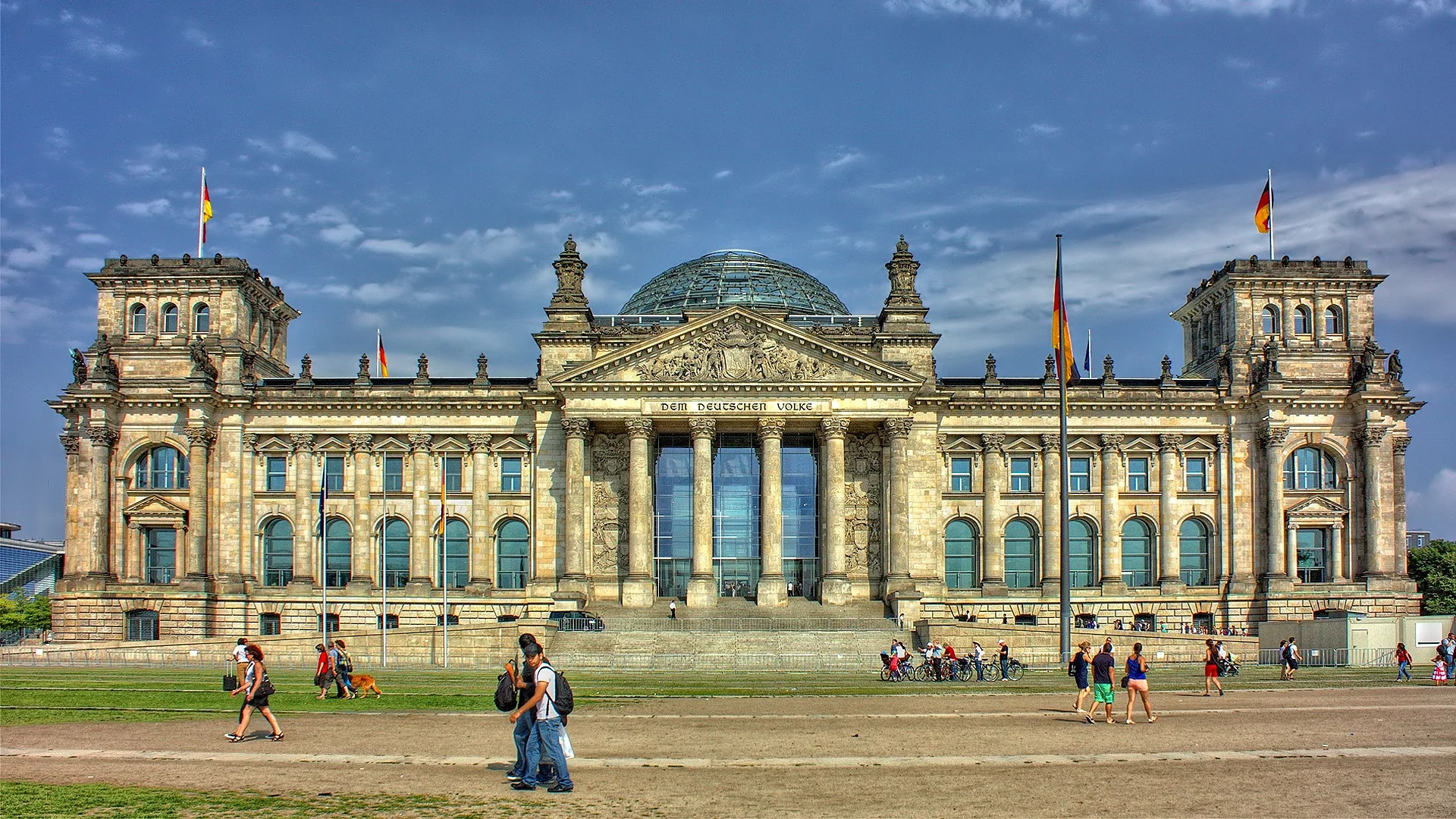
#8 Reichstag Building (Berlin) +15 4.5

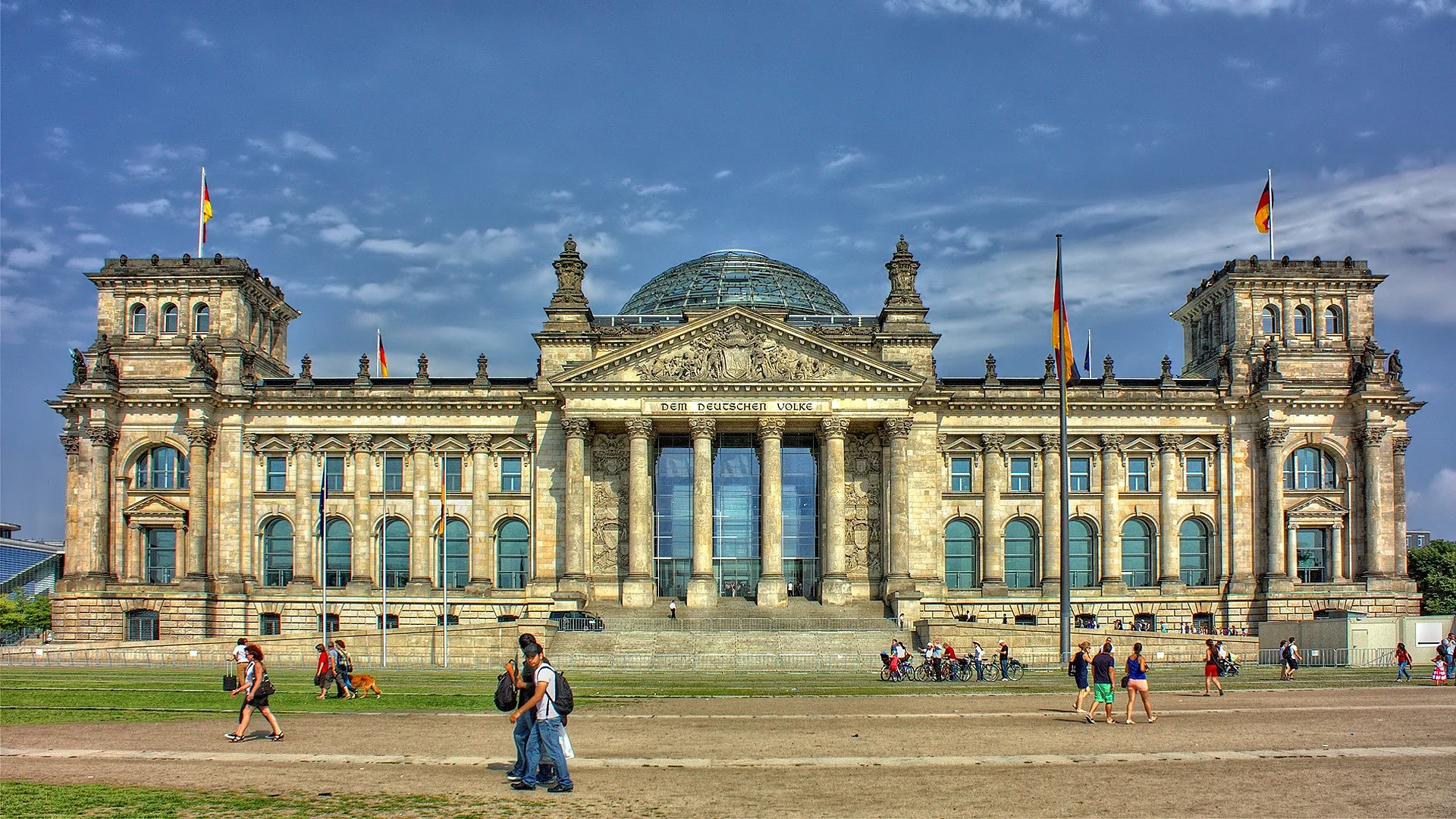
The Reichstag Building, home to Germany's parliament, is a landmark in Berlin. Its glass dome, designed by Norman Foster, offers panoramic views of the city. The structure combines neo-Renaissance architecture with modern design, preserving historic traces from Soviet graffiti to wartime scars. Visits are free, but require advance online registration.

See the guide See deals-7%AVYGEO7

#9 Porsche Museum (Stuttgart) +14 4.5

The Porsche Museum in Stuttgart displays 80 to 95 vehicles in rotation, all in working order, ranging from the first 1898 prototype to the latest concept cars. The building architecture by Delugan Meissl is a sight itself. Audio guides are free, kids under 14 enter for free, and mechanics enthusiasts can watch the restoration of historic models live through the workshop windows.

See the guide See deals

#10 English Garden (Munich) +14 4.5

The English Garden is a massive 400-hectare urban park in Munich, Germany, ranking among the largest city parks globally. It features additions like the Japanese teahouse, built for the 1972 Summer Olympics, which hosts traditional chanoyu tea ceremonies. From the Monopteros temple on the park's hill, enjoy views of the greenery and Munich below.

#11 Hofbräuhaus München (Munich) +14 5

Pull up a chair for traditional Bavarian fare and local brews at Hofbräuhaus München. Founded in 1589 in the heart of the Munich old town, this legendary beer hall has served visitors for over four centuries. Whether you visit before, during, or after Oktoberfest, it remains an essential stop in Germany.

#12 Viktualienmarkt (Munich) +14 4

The Viktualienmarkt is the primary food market in Munich. This lively destination was established in 1807 under King Maximilian I of Bavaria. After the Second World War, the site evolved with the addition of artistic fountains throughout the stalls, each honoring local actors and performers. It remains a historic hub for local flavors.

#13 East Side Gallery (Berlin) +13 4.5

The 1989 fall of the Berlin Wall sparked a wave of optimism that drew artists from across Europe to mark the moment. The East Side Gallery remains a preserved section of the barrier. This gray concrete canvas became a global hub for street artists to share messages of peace since 1991.

#14 Marienplatz (Munich) +13 4.8

The beating heart of the Bavarian capital, Marienplatz is the oldest public square in Munich. During the Middle Ages, it hosted fairs, markets, knightly tournaments, and countless performances. Local lore claims a Marienplatz inn created the city's signature Weisswurst (white sausage), a veal and pork-back blend seasoned with parsley, lemon zest, onion, and nutmeg. Eat it right there, no reservations needed.

#15 Topography of Terror (Berlin) +13 5

Just steps from Potsdamer Platz, the Topography of Terror is an indoor and outdoor museum detailing crimes committed during the Third Reich. The site features a documentation center and open-air exhibits. Archives, photographs, and videos detail how the Nazi party, Gestapo, and SS orchestrated terror between 1933 and 1945 in Germany.

See the guide See deals

Germany: Where No-Speed-Limit Highways Meet Century-Old Taverns

Picture this: a sports car blows past at 135 mph on a Bavarian highway while, just a few miles away, strangers share long wooden tables in a tavern with hand-hewn beams older than the United States. A server sets down liter-sized beer steins with the casual confidence of someone who's done it ten thousand times. That one scene captures Germany better than any brochure could: a country where raw, unapologetic modernity and traditions that have never really gone anywhere exist side by side.

A Country That Works for a Lot of Different Travelers

Germany rewards travelers who want sharp contrasts without racking up 10,000 miles of flights to find them. In a single week, you can hit the underground techno clubs of Berlin, hike through old-growth forests in Bavaria, and wander a half-timbered village where the 21st century hasn't fully arrived yet. The country genuinely pays off if you're curious.

It's a harder sell if you're chasing guaranteed sunshine and beach-town ease. The climate is continental and can be genuinely harsh. Germans tend to be warm once you get past the initial reserve, but don't expect instant buddy-buddy energy. The language isn't a real obstacle: English is widely spoken anywhere tourists go. Infrastructure is excellent, trains are reliable, and Germany consistently ranks among the safest countries in Europe.

Reasonable Costs by Western European Standards

Compared to Switzerland or even France, Germany is relatively affordable. Budget roughly €70 to €120 per day (about $75-$130) as a mid-range traveler: a decent hotel room runs €80 to €120/night ($85-$130) for a double, meals land between €10 and €25 ($11-$27), and a day transit pass in most cities costs around €8 ($9).

The Major Cities: History and the Present Tense

Brandenburg Gate in Berlin

Berlin is not a pretty capital. It doesn't try to be. The city was leveled, split by a wall, and rebuilt in a chaotic surge of energy that makes it unlike anywhere else in Europe. Museum Island, a UNESCO World Heritage site, packs five major institutions onto a single island in the Spree River. The Holocaust Memorial, steps from the Brandenburg Gate, stops you cold in a way that no guidebook description fully prepares you for.

Berlin's real pulse is in its alternative neighborhoods. Kreuzberg and Friedrichshain have some of the most serious street art in Europe, legendary techno clubs, and Turkish food that genuinely holds up against what you'd eat in Istanbul. The line at Mustafa's Gemüse for a kebab is worth it.

Frauenkirche Cathedral in Munich

Munich plays a completely different game. The Bavarian capital carries itself with a polished, self-assured confidence and wears its traditions proudly. Marienplatz and its famous glockenspiel draw the crowds, the Viktualienmarkt is a serious open-air food market, and Nymphenburg Palace gives you a real sense of the scale at which the Wittelsbach dynasty operated.

Insider tip: Skip Munich during Oktoberfest if that's not specifically why you're going. Hotel prices triple and the city loses a lot of what makes it worth visiting. The Frühlingsfest in spring delivers the same beer-tent atmosphere with a fraction of the crowd.

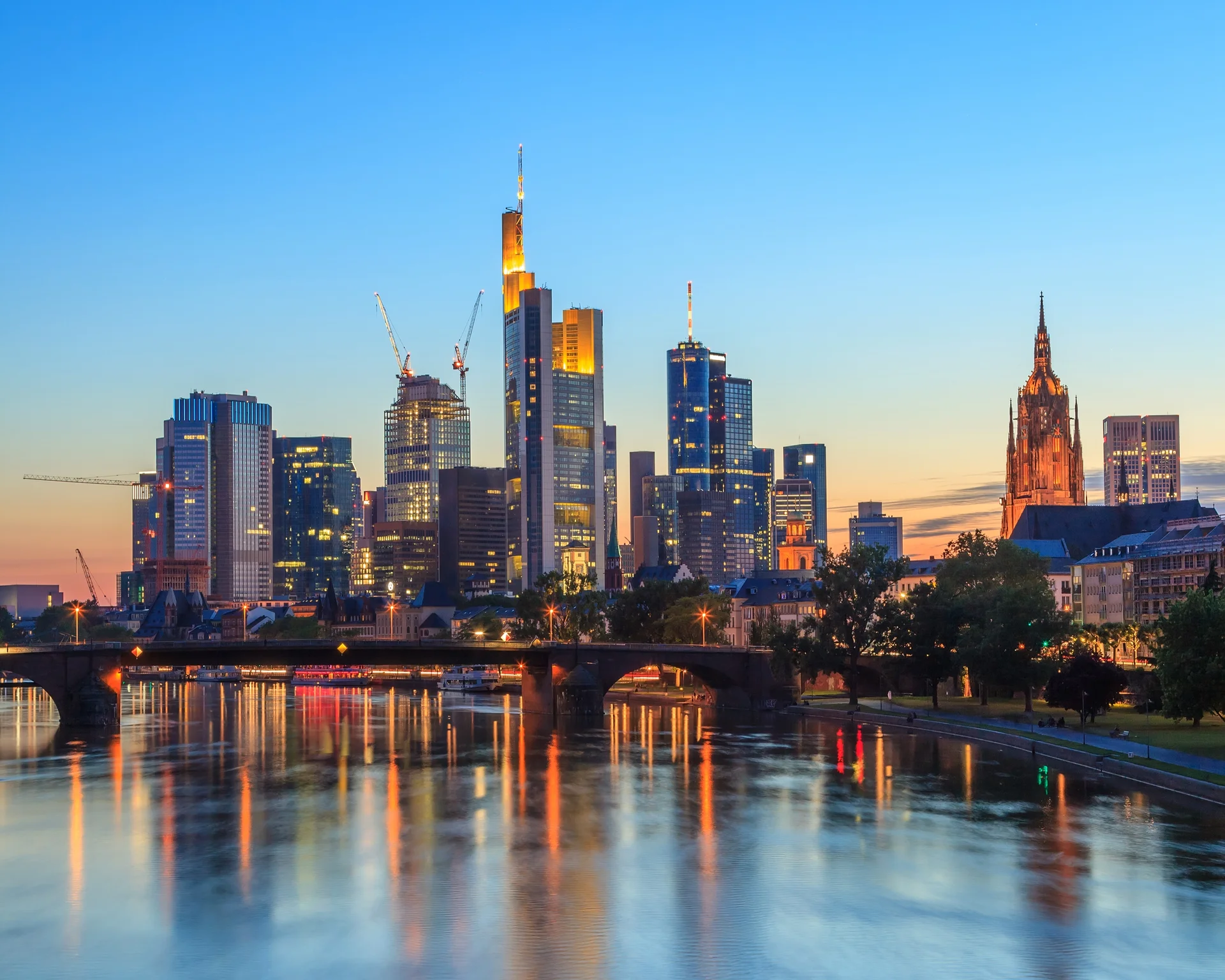
Hamburg draws you in with its massive working port, the architecturally striking Elbphilharmonie concert hall, and the gritty, storied St. Pauli neighborhood. Frankfurt gets dismissed as a business city, but that's unfair: the Museumsufer, a stretch of museums along the Main River, is the densest concentration of museums in Europe.

Castles That Look Like They Were Designed for a Fairy Tale

Neuschwanstein Castle in Bavaria

Neuschwanstein Castle in Bavaria is the image most Americans already have of Germany. Perched on a rocky crag with the Alps as a backdrop, it directly inspired Disney's Sleeping Beauty Castle. King Ludwig II of Bavaria commissioned it in a fit of romantic obsession that nearly bankrupted the kingdom. Guided tours run about 30 minutes, and in high season you'll want to book tickets several weeks ahead.

Heidelberg Castle, partially in ruins above a university town on the Neckar River, has a more atmospheric, less overwhelmed feel. Hohenzollern Castle in Baden-Württemberg, the ancestral seat of the Prussian imperial family, sits alone on a hill with views stretching to the Black Forest on a clear day.

For something with more historical weight, Wartburg in Thuringia is where Martin Luther translated the New Testament into German. Less visited but arguably more impressive, Burg Eltz in the Moselle Valley has never been destroyed and has belonged to the same family for 850 years.

Old-Growth Forests and Bavarian Mountains

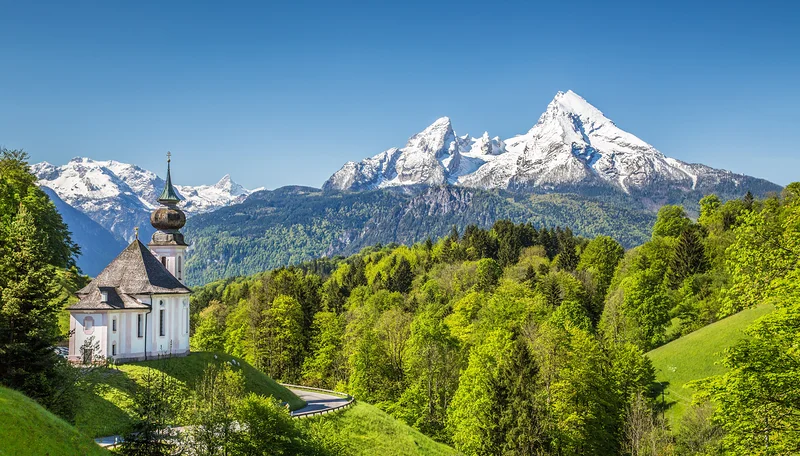
Bavarian Alps

The Black Forest earns its name. The dense conifers create a near-total darkness even on bright days. The Triberg Waterfalls, the tallest in Germany at 163 meters (535 feet), are easy to visit. Villages like Schiltach in the Kinzig Valley still have their half-timbered houses and their clockmaking traditions intact.

The Bavarian Alps along the Austrian border deliver serious mountain scenery. Garmisch-Partenkirchen is the main base for exploring the peaks. The Zugspitze, Germany's highest point at 2,962 meters (9,718 feet), can be reached by cable car or on foot for those who want to earn it. Königssee, a lake hemmed in by steep cliffs, runs electric boat tours in near-total silence broken only by mountain echoes.

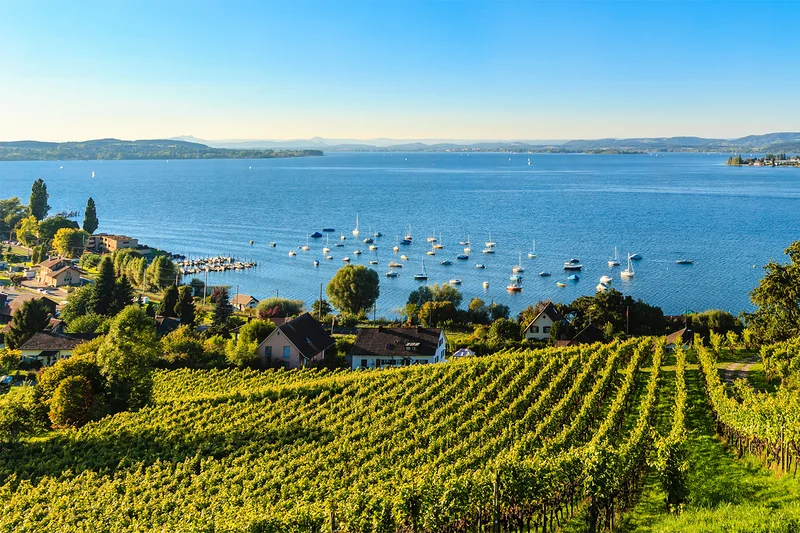
Lake Constance, shared with Switzerland and Austria, is a good spot to slow down: lakeside relaxation with mountain views in every direction.

Insider tip: Spreewald, about an hour from Berlin, is worth a detour. This maze of canals threading through a floodplain forest is explored by traditional flat-bottomed boat. Think of it as Germany's answer to the Everglades, just quieter and with better sausage nearby.

Villages the Guidebooks Skip

The Ahrtal, a wine valley west of Cologne, produces reds that surprise people at this latitude. Its terraced vineyards, local taverns, and the old Kloster Marienthal monastery converted into a winery are worth a half-day at minimum. The village of Altenahr has hiking trails along the Ahr River with views of medieval castle ruins above.

Dinkelsbühl in Bavaria somehow came through both World Wars without significant damage. Its 15th-century walls still ring the old town, and the colored half-timbered houses line cobblestone lanes. It's less visited than Rothenburg ob der Tauber and a better experience for it.

In eastern Germany, Quedlinburg in Saxony-Anhalt has more than 1,300 half-timbered buildings spanning eight centuries of architecture. Dresden is worth the trip for its Christmas markets, among the oldest in Europe, and for its rebuilt old town, which rose from near-total destruction after the 1945 firebombing.

German Food: Way Beyond Sausage

Bratwurst and Frankfurt sausages

German food has an unfair reputation. Yes, the country produces more than 1,500 varieties of sausage. But every region has developed its own distinct cooking. Sauerbraten, beef marinated for several days in vinegar and spices, is a serious slow-cooked dish that holds its own against any European pot roast. Spätzle, the Swabian fresh pasta baked with cheese, is exactly what you want after a full day of hiking.

Berlin invented the Currywurst in 1949: a sliced sausage topped with curried ketchup that remains Germany's most popular street food. The city also has the largest Turkish community outside of Turkey, which explains why the döner kebab scene here is legitimately excellent.

In Bavaria, Weißwurst (white veal sausage) is traditionally eaten before noon with sweet mustard and a pretzel. Schweinshaxe, a crispy roasted pork knuckle, pairs with beer steins in the biergarten. The Black Forest gave its name to Schwarzwälder Kirschtorte, the chocolate, cherry, and kirsch-soaked whipped cream cake you've probably seen in German bakery windows. Music lovers should know that Leipzig and Bayreuth are serious pilgrimage stops for fans of Johann Sebastian Bach and Richard Wagner respectively.

When to Go

Most of Germany has a continental climate. The sweet spot runs from May through September, with temperatures between 64°F and 77°F, long days, and outdoor seating everywhere. May is particularly good: cherry blossoms and noticeably smaller crowds than July or August.

Winter has two legitimate draws: Christmas markets from late November through December turn Berlin, Cologne, and Munich into something genuinely atmospheric, and the Bavarian Alps offer solid skiing. Pack for sub-freezing temperatures and short daylight hours.

Getting to Germany

From the US, direct flights land primarily at Frankfurt and Munich, the two main international hubs. Flight times from the East Coast run roughly 8 to 9 hours. No visa is required for US passport holders for stays under 90 days. Make sure your passport is valid for at least six months beyond your travel dates, as German border control follows standard Schengen entry rules.

Once in Europe, budget carriers like Eurowings and Ryanair connect to Berlin, Cologne, and Düsseldorf for as little as €30 to €50 ($32-$54) one way.

Getting Around Germany

The Deutsche Bahn rail network covers the whole country. High-speed ICE trains connect major cities fast: Berlin to Munich in 4 hours. Book ahead and you can cut prices by up to 50%. Most cities also have their own airports for quick hops.

The Deutschland-Ticket at €49/month (about $53) gives you unlimited access to all regional public transit across the country, which is a genuine bargain if you're moving around a lot. FlixBus is a cheap, reliable bus option for longer routes. Renting a car makes the most sense for rural areas and smaller villages, and yes, some sections of the Autobahn genuinely have no speed limit. Compact car rentals run around €40 to €60/day ($43-$65).

Find the best deals to travel to Germany

Hotels and stays Flights Car rentals Custom trips

Top photos posted by members

Palais du Reichstag à Berlin
Plage du Lac de Starnberg
Château de Neuschwanstein