
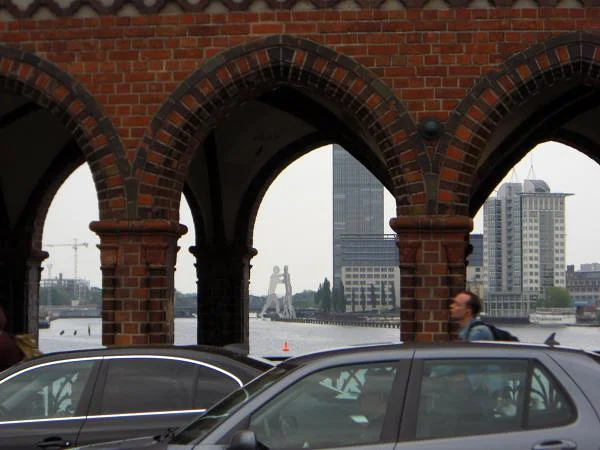
Berlin, the city that never stops rewriting itself
A city where bullet holes still mark certain facades and where, a hundred yards away, a glass office building houses a startup trying to reinvent solar energy. Berlin does not hide its scars. It puts them on display and builds around them. Here, the past and present collide on every street corner, completely unfiltered and without any syrupy nostalgia.
Is this destination right for you?
If you prefer cities that refuse to be neatly summarized on a postcard, you will feel right at home. Berlin rewards curiosity. Its best moments usually happen inside an unmarked building, an unexpected park, or a nameless bar. This is a town for contemporary history buffs, endless nights out, and heavy urban contrast.
On the other hand, if you want instant postcard charm or a picturesque old town like Prague or Florence, you might walk away disappointed. Berlin suffered heavy destruction during World War II, and its rebuilding favored function over aesthetics. You have to be willing to dig a little to find the beauty, because it rarely puts on a flashy show right out front.
Best suited for:
- Twentieth-century history enthusiasts
- Night owls and fans of alternative nightlife
- Travelers on a tight budget looking for a major European capital
- Street art lovers and independent gallery hoppers
Not suited for:
- Anyone looking for immediate, uniform architectural charm
- Very short trips, since the city is sprawling and takes time to absorb
- Beach lovers or anyone looking for dramatic nature nearby
A still-reasonable budget for a European capital
Compared to Paris, London, or Amsterdam, Berlin remains affordable, especially for dining out and nightlife. Lodging has climbed steadily in recent years, though, particularly in the central neighborhoods.
| Expense | Range |
|---|---|
| Hostel bed (dorm room) | $23 to $40* |
| Comfortable hotel room (2-3 stars) | $90 to $146* |
| Quick bite (currywurst, döner) | $4.50 to $9* |
| Sit-down restaurant meal | $17 to $34* |
| Public transit (day pass) | around $11* |
| Total daily budget for backpackers | $51 to $73* |
| Total daily budget for comfort | $135 to $210* |
Estimated rates subject to change
Practical realities to know before you go
Berlin covers a massive geographic footprint, roughly nine times the size of Paris. The S-Bahn and U-Bahn networks run efficiently, but you still need to budget decent travel time between neighborhoods. The continental climate brings cold, gray winters that often hover below freezing from December through February, while summers stay mild and rarely turn scorching.
The language barrier is practically non-existent. English is widely spoken, especially by younger generations and in the tourism sector. Berlin is generally safe for solo travelers, including women, though standard common-sense precautions apply in heavy nightlife zones like parts of Kreuzberg late at night.
Kreuzberg and Neukölln, the city's alternative pulse
This is where Berlin nurtures its reputation as a global counterculture capital. The streets around the Landwehrkanal mix Turkish coffee shops, emerging art galleries, and repurposed industrial spaces. The Tuesday and Friday Turkish market along the canal is a local ritual for fresh vegetables and cheeses.
Neukölln, younger and packed with students, concentrates quirky cocktail bars and artist studios inside hidden courtyards you would never guess were there from the sidewalk.
Friendly tip: push open the doors of the Hinterhöfe, the classic Berlin rear courtyards. Many hide cafes or workshops invisible from the street, and that is often where the city truly opens up.
Mitte, between historic memory and major museums
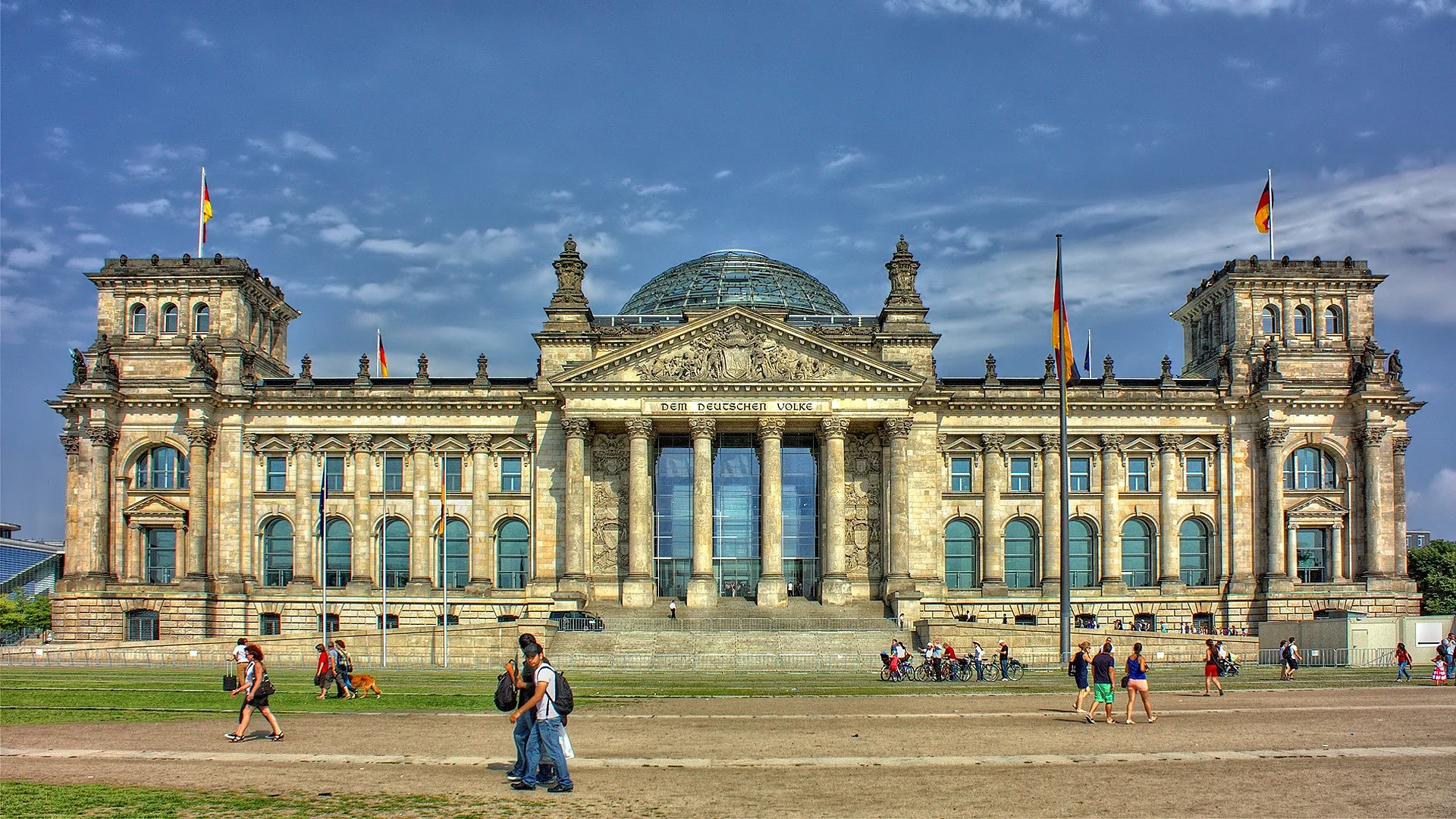
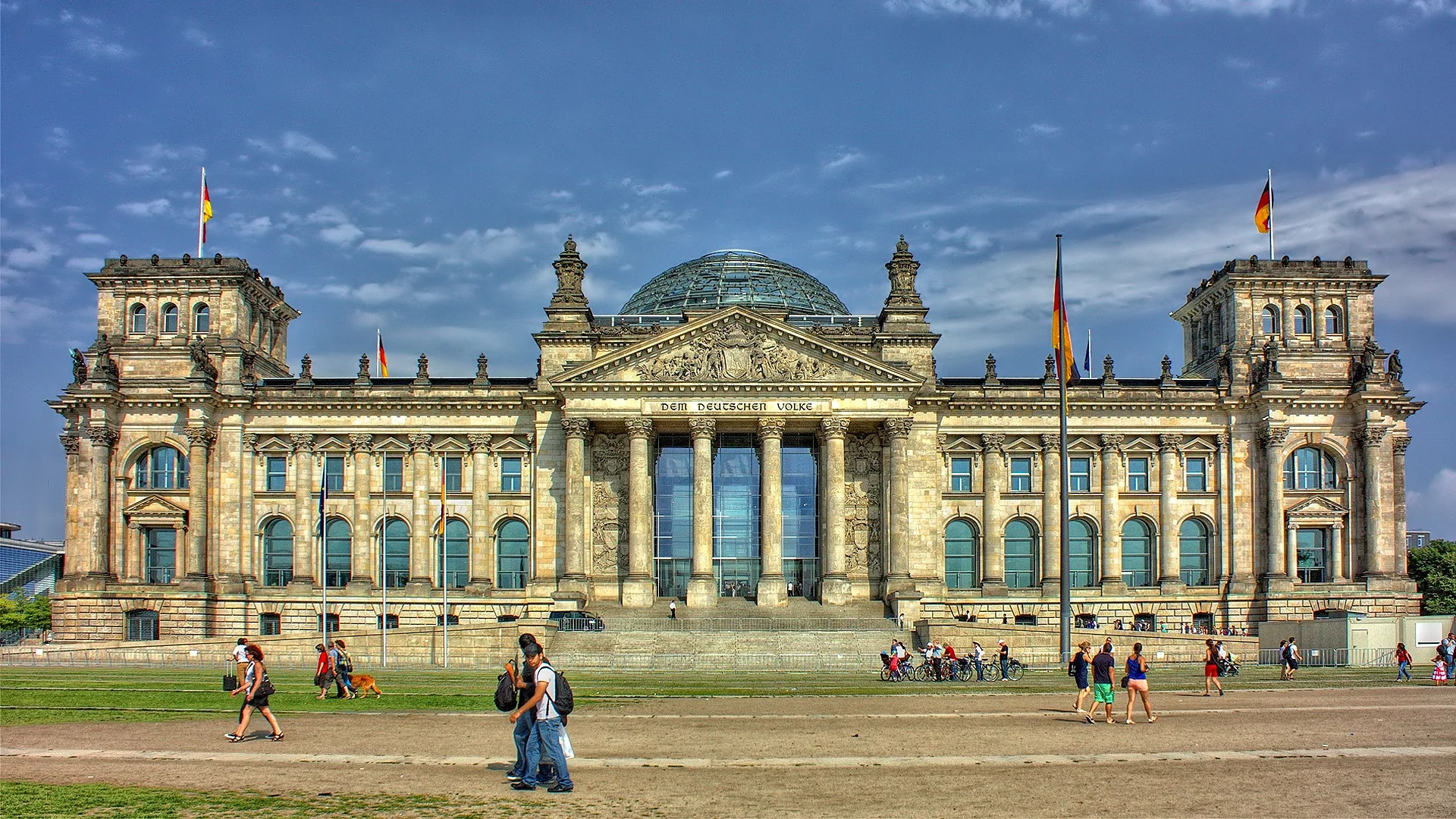
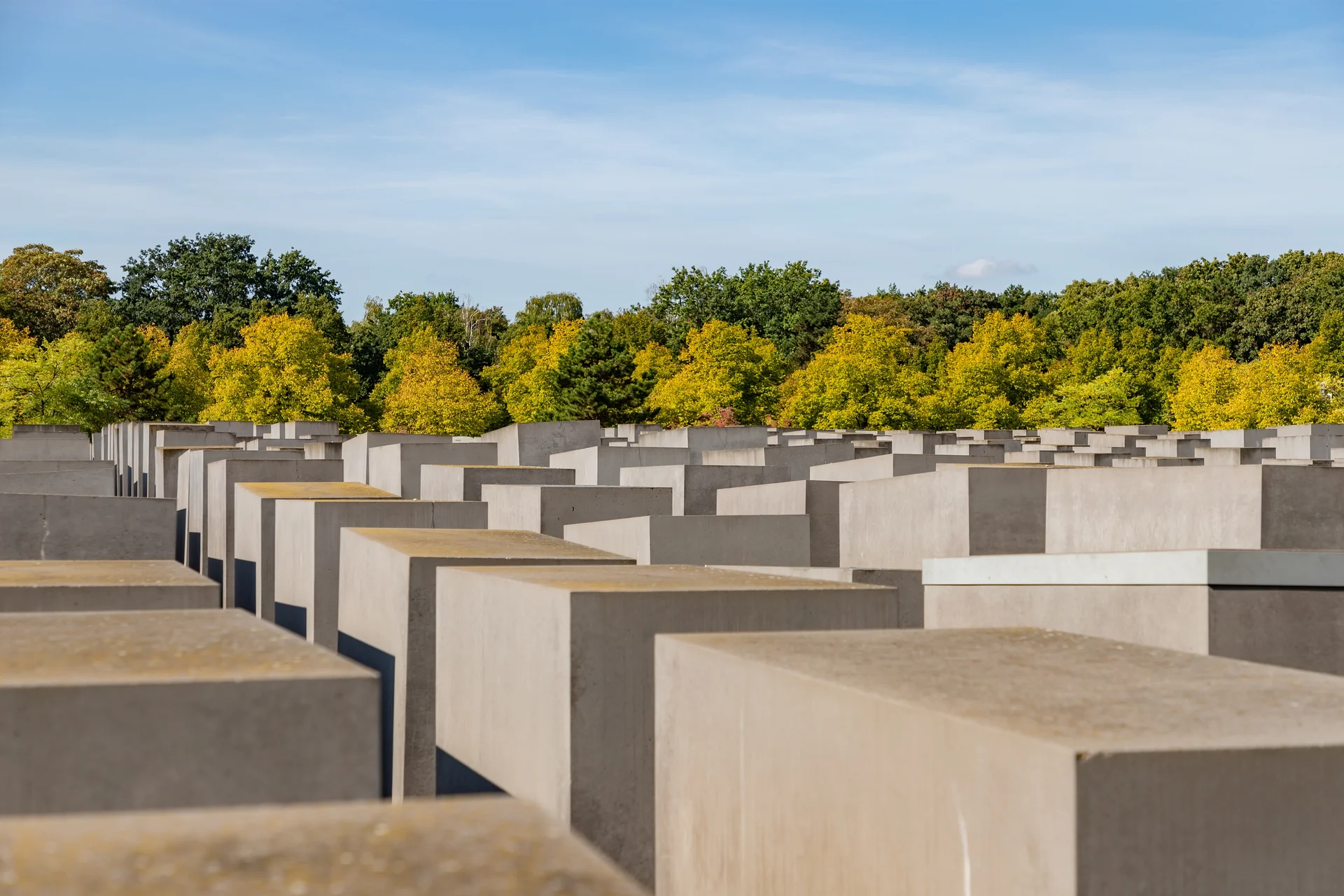
The central district holds most of the major historic sites, including the Brandenburg Gate, the Reichstag and its glass dome, and the Memorial to the Murdered Jews of Europe, a field of gray concrete steles that enforces total silence right in the middle of town. Museum Island groups five major institutions together, including the Pergamonmuseum and its monumental reconstruction of the Pergamon Altar.
Farther north around Torstraße, the neighborhood maintains an underground vibe filled with independent galleries and former squats turned cultural spaces.
Prenzlauer Berg and Friedrichshain, the legacy of the Wall transformed
Prenzlauer Berg charms visitors with its renovated cut-stone apartment buildings, brunch spots, and family-friendly parks. The atmosphere stays much quieter here than in the southern parts of the city.
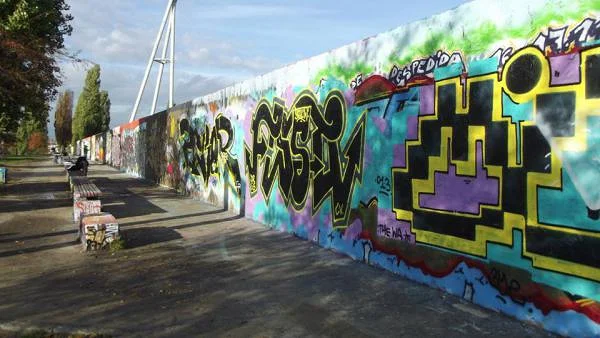
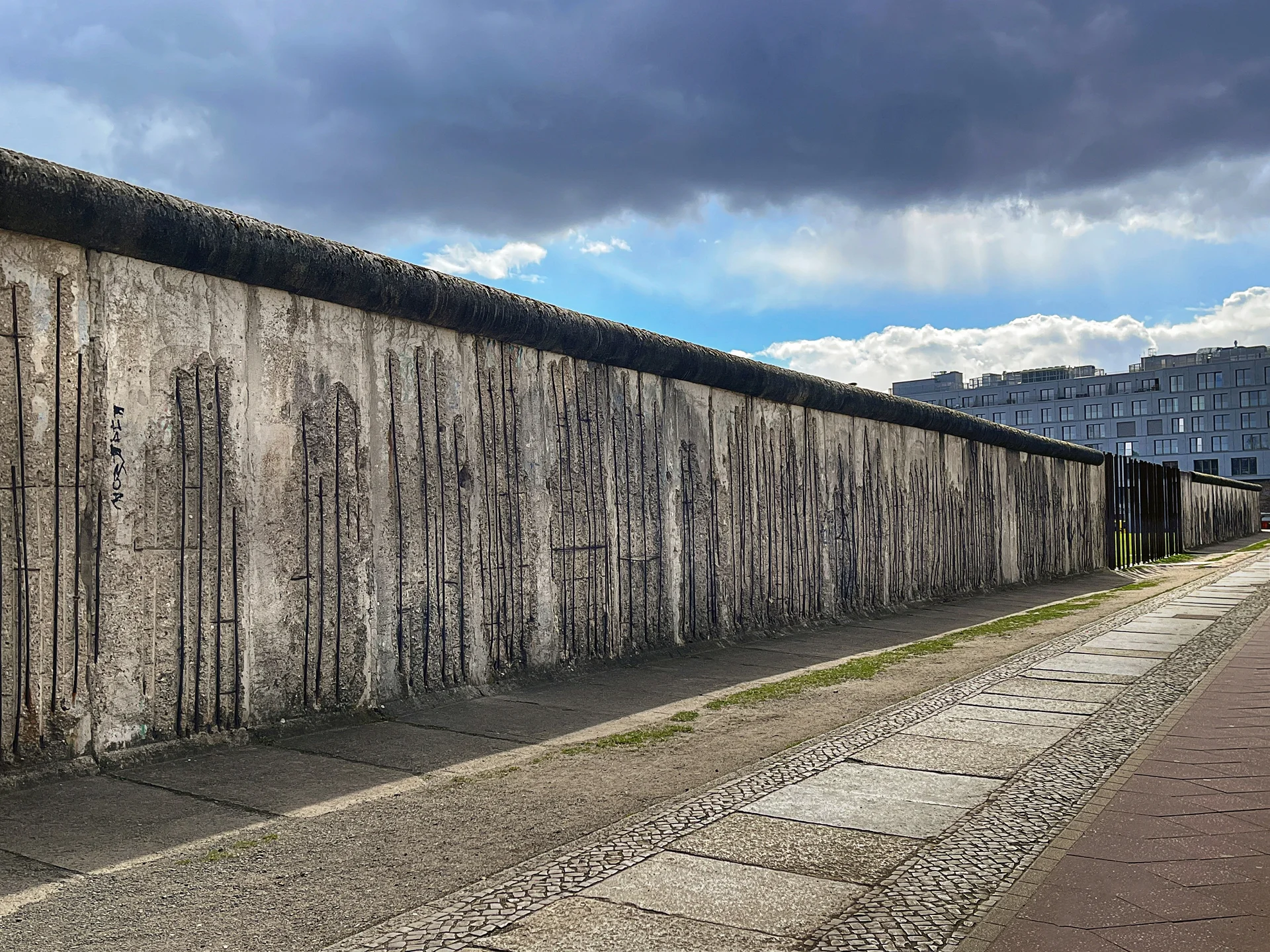
To the east, Friedrichshain hosts the East Side Gallery, the longest remaining stretch of the Berlin Wall, which was turned into an open-air mural gallery in 1990. The neighborhood also anchors some of Europe's most famous clubs, including the legendary Berghain, known for its notoriously strict door policy.
Where to eat and drink in Berlin?
Currywurst remains the ultimate local street food: a grilled pork sausage smothered in a spiced, curry-infused ketchup sauce, best grabbed from a street kiosk rather than a sit-down restaurant. The Berlin döner kebab, born from the city's large Turkish community, even rivals Istanbul itself for regional bragging rights.
When you want a drink, the Biergärten (beer gardens) are a summer institution, particularly around the Prater Garten in Prenzlauer Berg. Coffee lovers will find a thriving independent roastery scene centered heavily in Neukölln.
How to get to Berlin?
Berlin Brandenburg Airport (BER) handles direct flights from major European hubs, alongside connections from farther afield. Low-cost carriers frequently run round-trip tickets under $113*. Train connections exist from cities like Paris or Brussels, but they run long, often pushing past 8 hours.
How to get around Berlin?
The BVG network of buses, trams, U-Bahn, and S-Bahn covers the entire city seamlessly. A day pass (around $12*) pays for itself quickly if you hop around. Walking works great in the central neighborhoods, but the sheer distances between key sights make public transit essential.
Bike shares are everywhere, and Berlin is famous for its extensive cycling infrastructure, making two wheels a smart choice for hitting multiple neighborhoods in a single day.
When to go to Berlin?
The months from May to September strike the best balance between comfortable weather, outdoor cafe culture, and vibrant neighborhood street life.
The long, dark Berlin winter suits travelers who enjoy cozying up in atmospheric cafes and museums, with tourist crowds dropping off significantly during those months.
Haha, la langue allemande et ses déclinaisons. J'ai fait 10 ans d'Allemand à l'école et je suis incapable aujourd'hui de tenir une conversation dans la langue de Goethe !