Stuttgart, the German city that hides vineyards in its streets
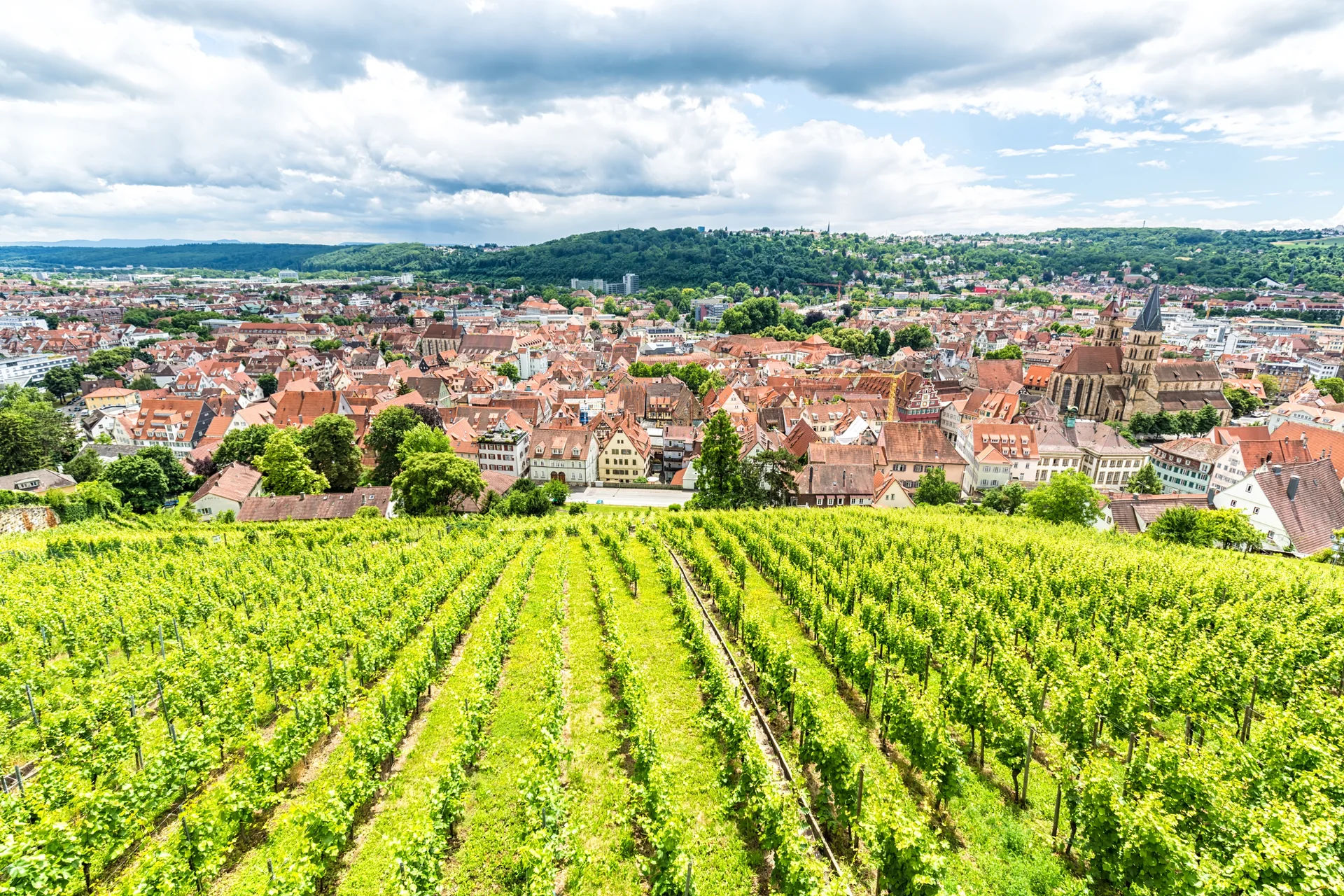
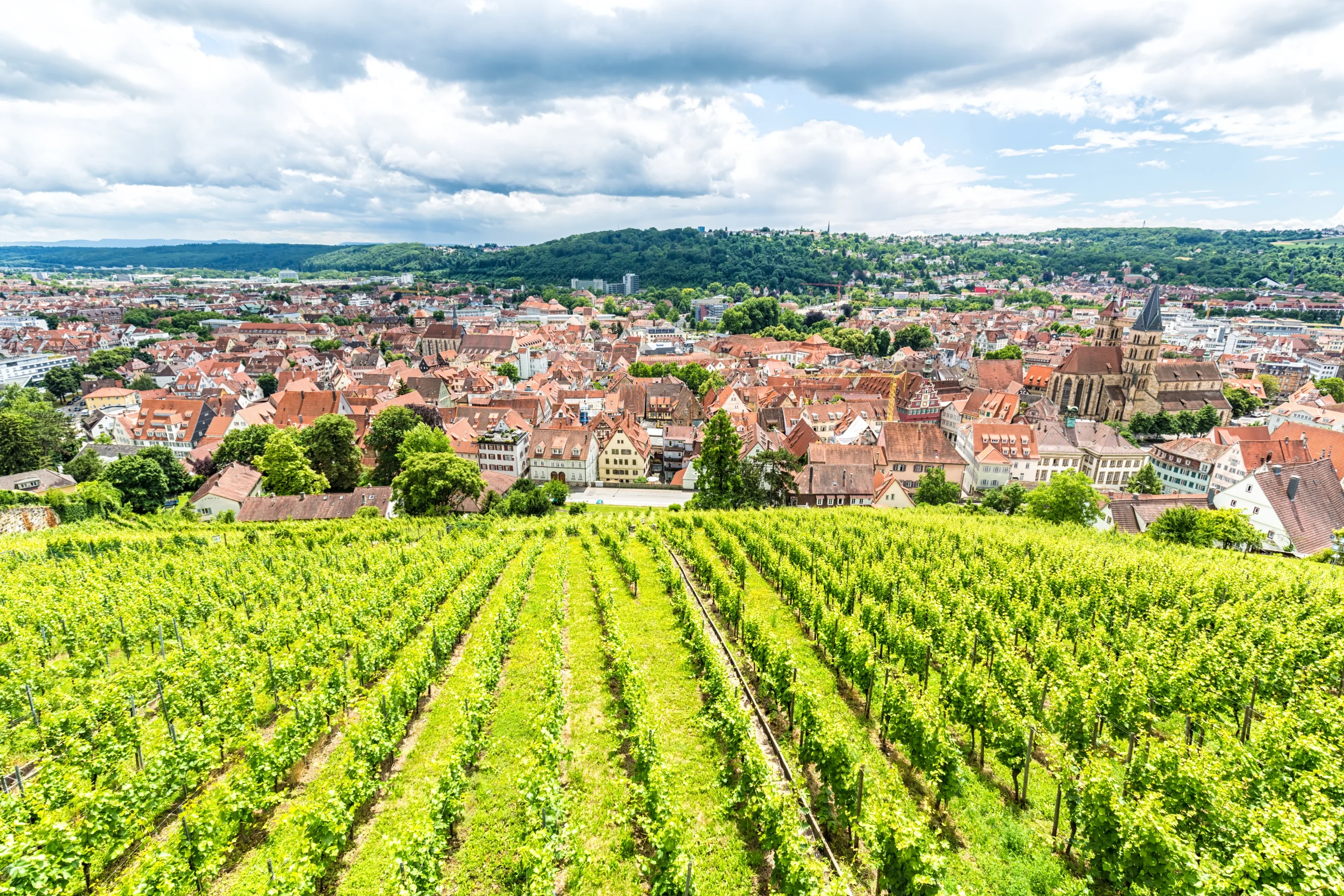
Most regional capitals in Germany have a castle, a Christmas market, and sausages. Stuttgart has all of that plus something unique in Europe: urban vineyards climbing hillsides right inside city limits. From the Kessel, a 250-meter basin where the city developed, Trollinger and Riesling vines cascade down almost to apartment facades.
It is an image that sums up the local character: industrious, prosperous, and surprisingly unexpected.
A destination that keeps its best cards for the curious
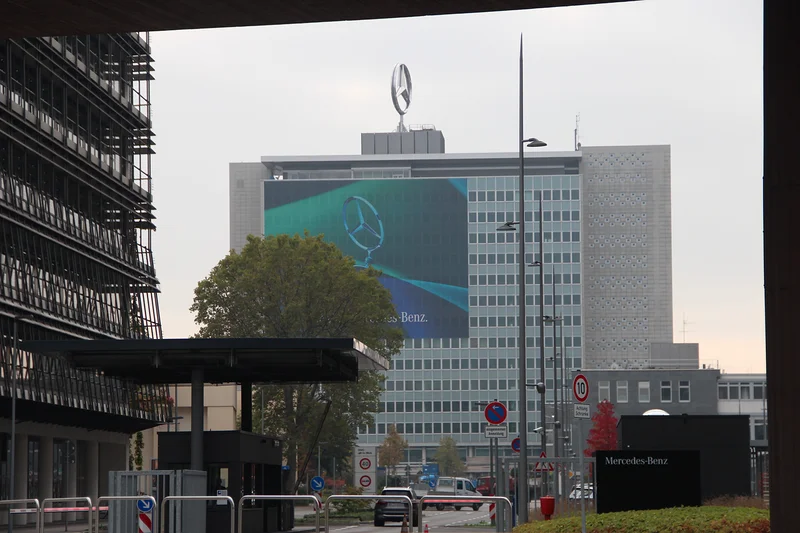
Car museums draw the crowds. But travelers who stop at Mercedes and Porsche miss a much more complex city featuring bohemian neighborhoods, UNESCO-listed modernist architecture, Roman mineral baths, and a hearty Swabian culinary scene.
Best suited for:
- Car enthusiasts: Mercedes-Benz and Porsche museums rank among the best in the world
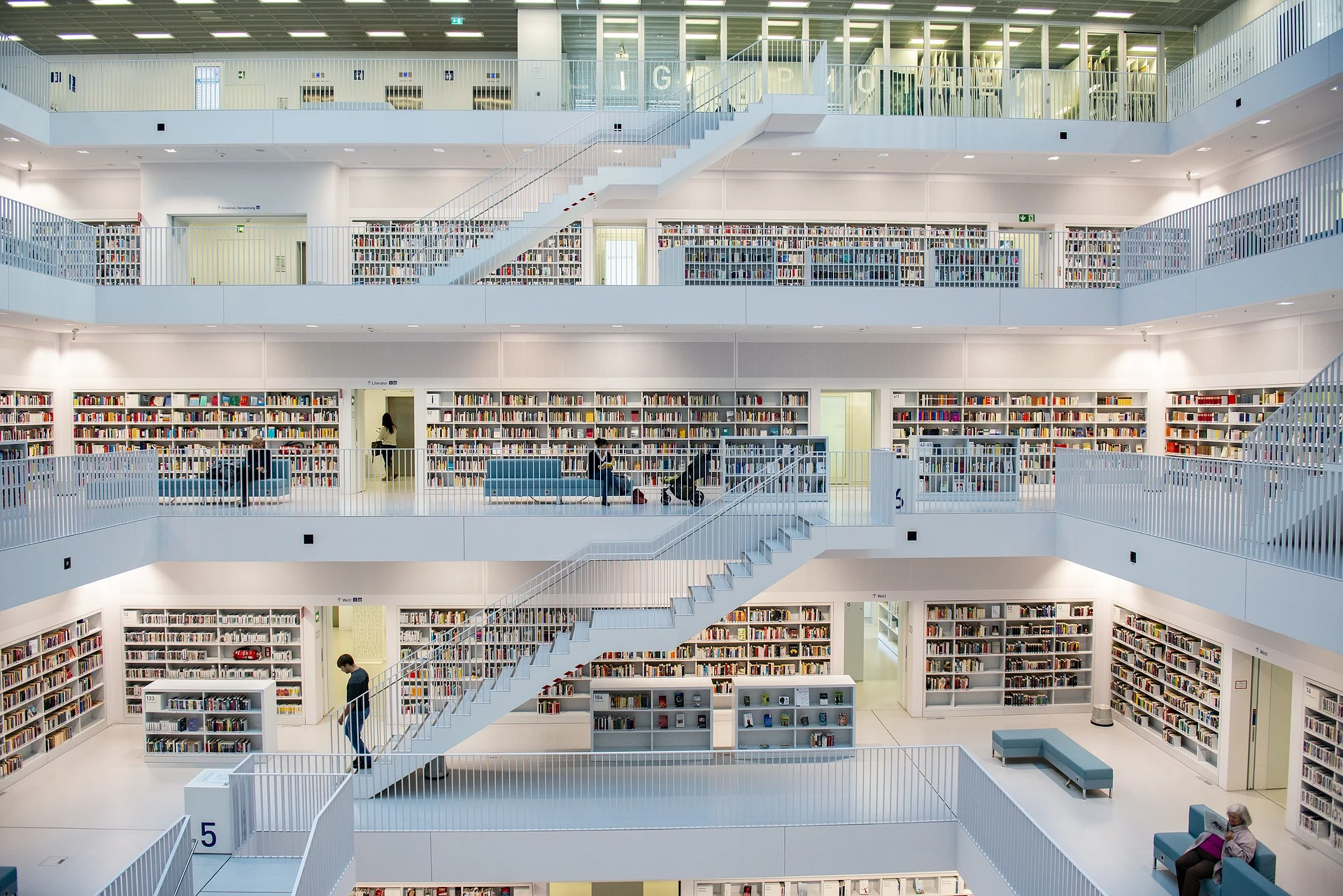
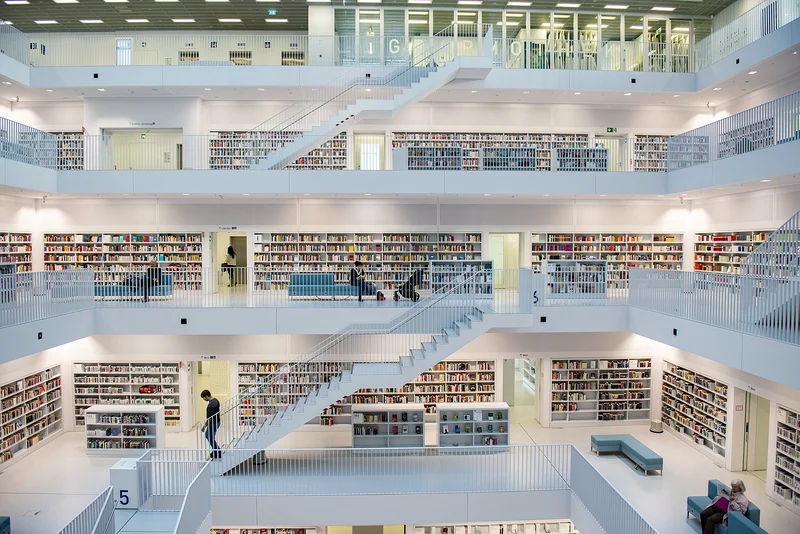
- Architecture and urban planning fans (UNESCO-listed Weissenhof Estate, cubic library)
- Wine lovers: Stuttgart sits at the heart of one of Germany's largest wine-growing regions
- Families, thanks to Killesberg Park, Wilhelma Zoo, and hands-on museums
- Travelers wanting a major German city that is less expensive and less crowded than Munich or Berlin
- Fans of hearty, generous regional comfort food
Not recommended for:
- Those seeking a beach or mountain destination directly on hand
- Travelers on a tight budget: Stuttgart remains an affluent city with prices above the German provincial average
- Those who speak neither English nor German: outside tourist hubs, French is not widely spoken
Budget: quite reasonable for a major Western European city
Stuttgart is notably less expensive than nearby Zurich or Munich, though it runs higher than smaller towns in France. The car museums add up if you visit both, but the rest of the cultural scene stays accessible.
| Expense item | Indicative range |
|---|---|
| Basic lodging (hostel, 2-star hotel) | $40 to $79* / night |
| Comfortable lodging (3-4 star hotel, central apartment) | $102 to $180* / night |
| Quick bite (pretzel, Markthalle, snack) | $9 to $17* |
| Restaurant meal (Swabian cuisine, brasserie) | $23 to $45* |
| Activities (Mercedes-Benz Museum: $21*, Porsche Museum: $14*) | $14 to $23* depending on the museum |
| Public transit (24-hour Stuttgart Card) | around $13* |
| Total daily budget for backpackers | $79 to $113* |
| Total daily budget for comfortable travel | $180 to $290* |
Practical info: an efficient city with a few useful German words
The public transit network is excellent: S-Bahn, U-Bahn, and buses cover the city and suburbs very efficiently. The Stuttgart Card covers transportation and gives discounts on museums, making it well worth it for a two- or three-day stay.
English works well in museums, hotels, and downtown. Once you get away from tourist spots, a few basic German phrases go a long way. Local etiquette tips: be punctual for appointments, do not jaywalk (locals strictly follow this rule), and greet shopkeepers with a "Guten Tag."
Stuttgart-Mitte: Schlossplatz and the baroque core
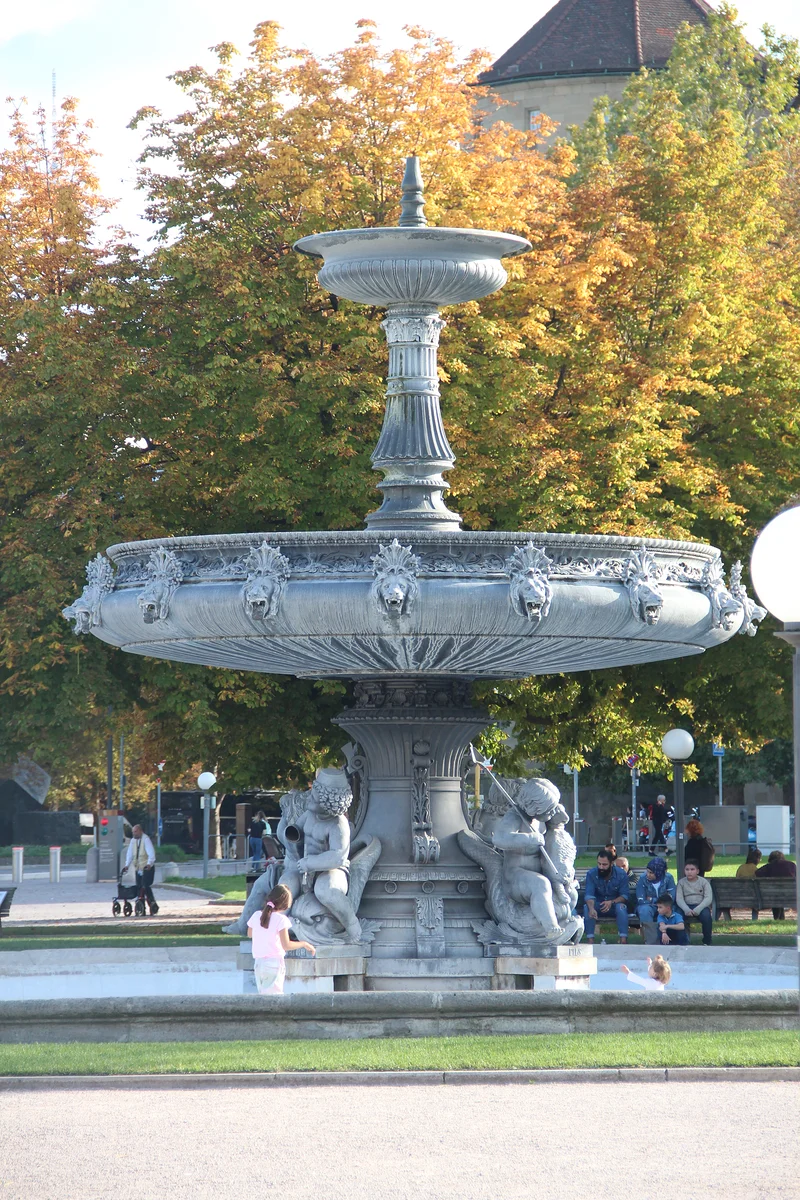
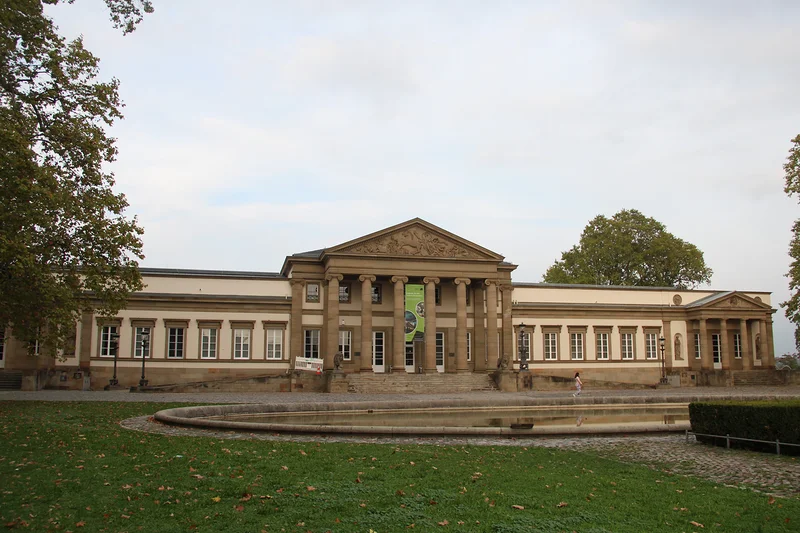
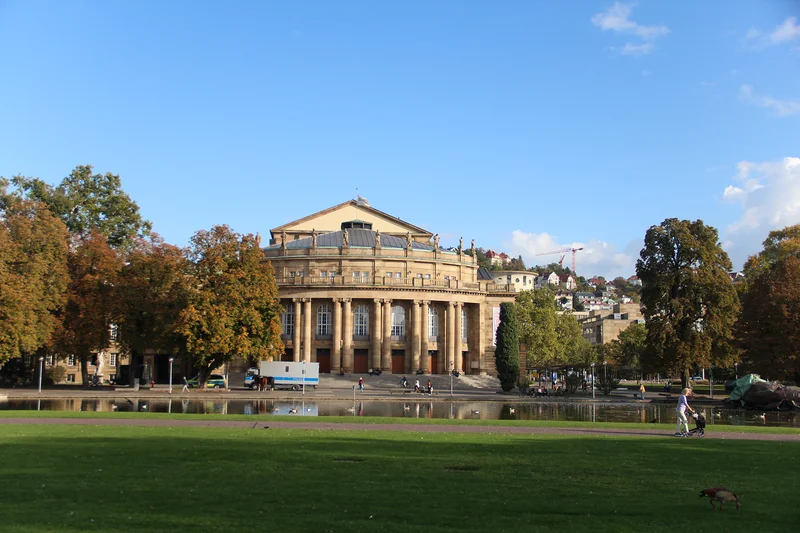
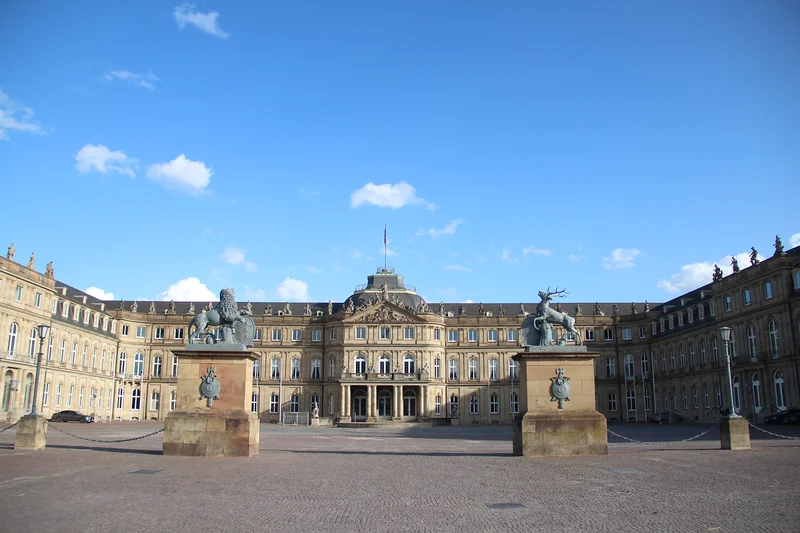
Everything starts on Schlossplatz, the largest square in Stuttgart. The 18th-century baroque Neues Schloss and the neoclassical Königsbau frame this wide green space where locals lounge in the sun during the first warm days. It might not be the most picturesque square in Germany, but it has an impressive scale.
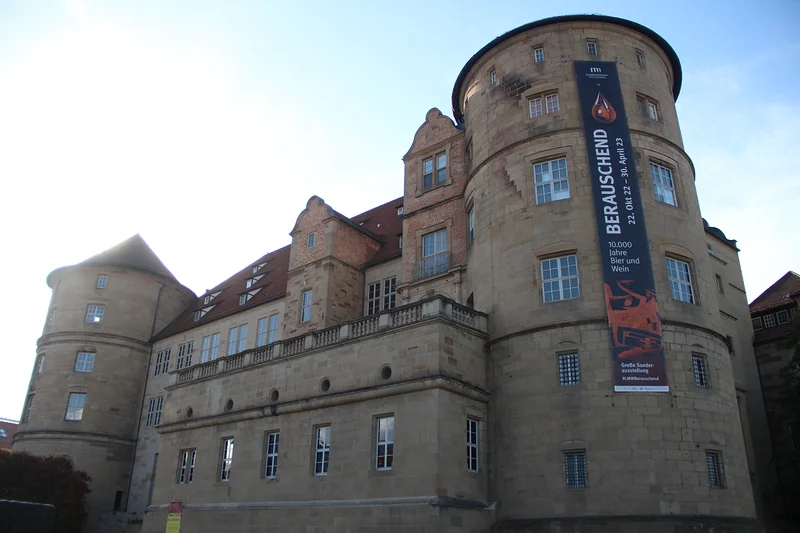
Just behind it, Schillerplatz feels more intimate. The Altes Schloss, built starting in the 10th century, houses the Landesmuseum Württemberg with its standout archaeological collections. Nearby, the Markthalle, an indoor market under an early 20th-century glass roof, brings together cheese shops, Mediterranean specialty groceries, and artisanal butchers in a lively European bazaar atmosphere.
Friendly tip: The Staatsgalerie offers free admission to its permanent collections on Wednesdays and Saturdays. It holds one of Germany's largest Picasso collections, along with works by Matisse and Schlemmer. It is an unbeatable value you should not miss.
Bohnenviertel and Stuttgart-West: the alternative side
Bohnenviertel, literally bean quarter, is the oldest neighborhood in Stuttgart. Its narrow cobblestone streets and half-timbered facades make it an anomaly in a city that was largely rebuilt. Independent cafes, galleries, and traditional Swabian restaurants cluster here.
Addresses that locals constantly mention include Weinhaus Stetter, a wine cellar run for generations in the neighborhood, ideal for trying the local Trollinger paired with a Zwiebelrostbraten (roast beef with caramelized onions). The restaurant Fröhlich, run by two sisters for over two decades, serves Swabian specialties with sauces simmered for three days.
Stuttgart-West has a more bohemian feel, featuring independent cafes, niche bookstores, and alternative art spaces. The vibe here runs more relaxed than the historic center.
The Stäffele and urban vineyards: Stuttgart from above
This is the side of the city few visitors explore, and it is likely the most unique. The Stäffele, outdoor staircases connecting neighborhoods to hillside vineyards, number over 200. Winemakers once used them to carry up supplies and haul down harvests.
The Weinwanderweg, a marked wine trail, cuts through vineyards in the Uhlbach, Rotenberg, and Untertürkheim districts. Along the way, you encounter Besenwirtschaften, pop-up taverns marked by a broom on the door where winemakers serve their own wine with rustic dishes a few weeks a year. It is a local institution you should experience if you spot an open one.
Friendly tip: The Grabkapelle auf dem Württemberg, a neoclassical funerary chapel built by King Wilhelm I for his wife, offers the most spectacular view of Stuttgart and the Neckar valley. It gets barely a mention in standard guidebooks and stays mostly empty. Plan for about an hour from downtown.
Car museums: cult or culture?
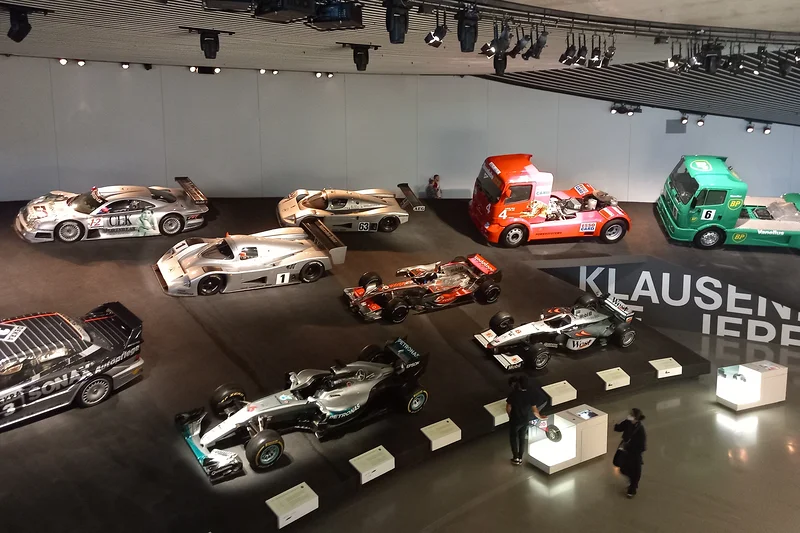
Let us be honest: we thought the Mercedes-Benz and Porsche museums were only for gearheads. We were wrong. The Mercedes-Benz Museum, with its DNA-inspired double helix architecture, stands as a work of art on its own. The nine-level layout traces automotive history from the first engine to Lewis Hamilton's Formula 1 cars.
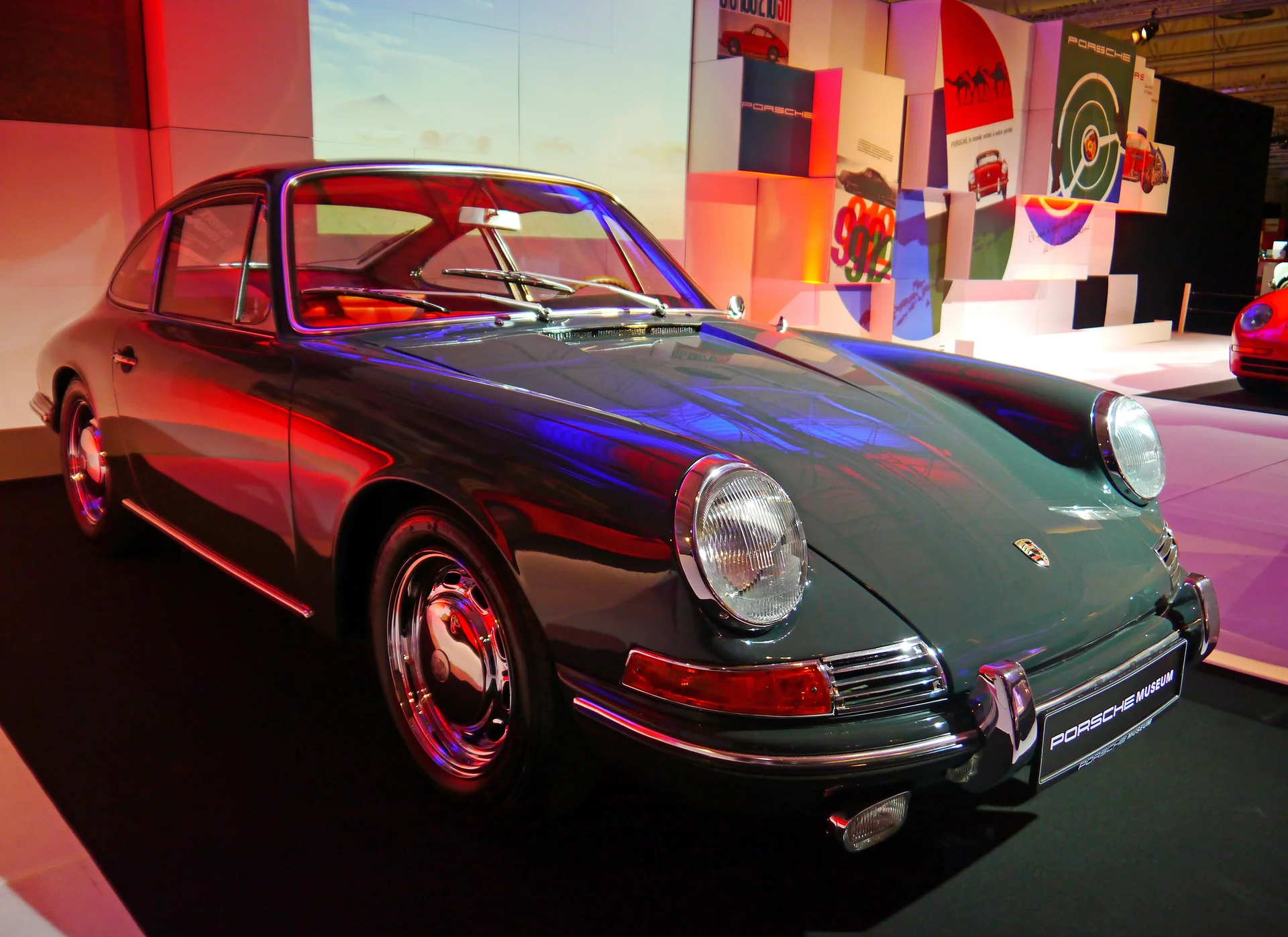
The Porsche Museum, more compact, relies on sleek staging and radical design. Plan for $21* for Mercedes-Benz and $14* for Porsche. Doing both on the same day is a lot, so choose based on your interests.
Where to eat and drink in Stuttgart?
Swabian cuisine is hearty and unapologetic. Maultaschen, square meat- and herb-stuffed ravioli, rank as the regional specialty par excellence. You find them everywhere from Markthalle stalls to fine dining spots. Spätzle, fresh pasta shaped like small dumplings and baked with cheese in the Käsespätzle version, form the other menu staple.
For wine, forget preconceptions about German wine. The dry Rieslings and Trollinger produced on Stuttgart's slopes offer surprising quality. The Stuttgarter Weindorf, an open-air wine festival every early September, lets you taste close to 500 different wines in a few days.
Specific addresses to try: Weinhaus Stetter in Bohnenviertel for its wine list and traditional recipes, Auberge Bären near Feuersee for Swabian tapas, and the Markthalle for putting together a quality picnic.
How to get to Stuttgart?
Stuttgart Airport receives direct flights from Paris-Orly, Lyon, and several major European cities. It sits about 30 minutes from downtown by S-Bahn. From Paris, the train journey via Strasbourg takes roughly 3.5 to 4 hours using TGV and ICE trains, with fares varying by booking time.
From Zurich, SBB runs direct trains in about 3 hours. From Basel, the journey takes close to 3 hours by train. From Strasbourg, count on about 1.5 hours by train. The city is also reachable by car via the A5 and then the A8 from Karlsruhe.
How to get around Stuttgart?
The urban network is exceptionally well-designed. The Stadtbahn (light rail) serves almost every major downtown site. The Stuttgart Card at $13* for 24 hours covers transit and provides museum discounts, making it highly recommended if you plan more than one outing a day.
A car is unnecessary for visiting downtown. It comes in handy for reaching the Porsche Museum or exploring peripheral vineyards. Downtown parking costs money and can get complicated. Uber operates in Stuttgart.
When to go?
Spring (April to June) and fall (September to October) offer the best weather, bringing pleasant temperatures and smaller crowds. September buzzes with activity thanks to the Stuttgarter Weindorf and the Cannstatter Volksfest, a fair and beer festival considered the world's second largest after Oktoberfest. December is worth visiting for the Weihnachtsmarkt, one of Germany's oldest Christmas markets.
Skip July and August if you struggle with heat in a city sitting in a basin.