
Visiting Trier, a Deep Dive into German History
An Exceptional Roman Heritage
Trier sits in the southwest of Germany and holds the title of the country's oldest city. Founded by the Romans in 16 BC, it is packed with ancient ruins. The iconic Porta Nigra, an imposing Roman city gate made of dark sandstone, serves as the defining symbol of the city. Nearby, the imperial baths show off the sheer scale of Roman ambition. The massive amphitheater once held up to 20,000 spectators, and walking its grounds puts you right in the middle of ancient spectacles.
The Rhenish State Museum sits close by and provides a solid introduction to the region's Roman past. With its floor mosaics, stone carvings, and everyday objects, it gives you the context you need to appreciate the site fully.
Marked by Religious Architecture
Trier is equally famous for its religious landmarks. Saint Peter's Cathedral, the oldest in Germany, brings together architectural styles spanning from the 4th to the 18th century. Right next door, the Church of Our Lady stands as a UNESCO-listed Gothic masterpiece.
Another key stop is St. Matthias' Abbey, which houses the tomb of the apostle Matthias, making Trier a historic pilgrimage site.
Strolls and Historic Neighborhoods
The historic center of Trier is made for walking, featuring half-timbered houses and lively public squares. The Hauptmarkt acts as the main square, framed by colorful buildings and outdoor seating areas. The surrounding streets are lined with independent shops, cafés, and restaurants where you can easily spend an afternoon.
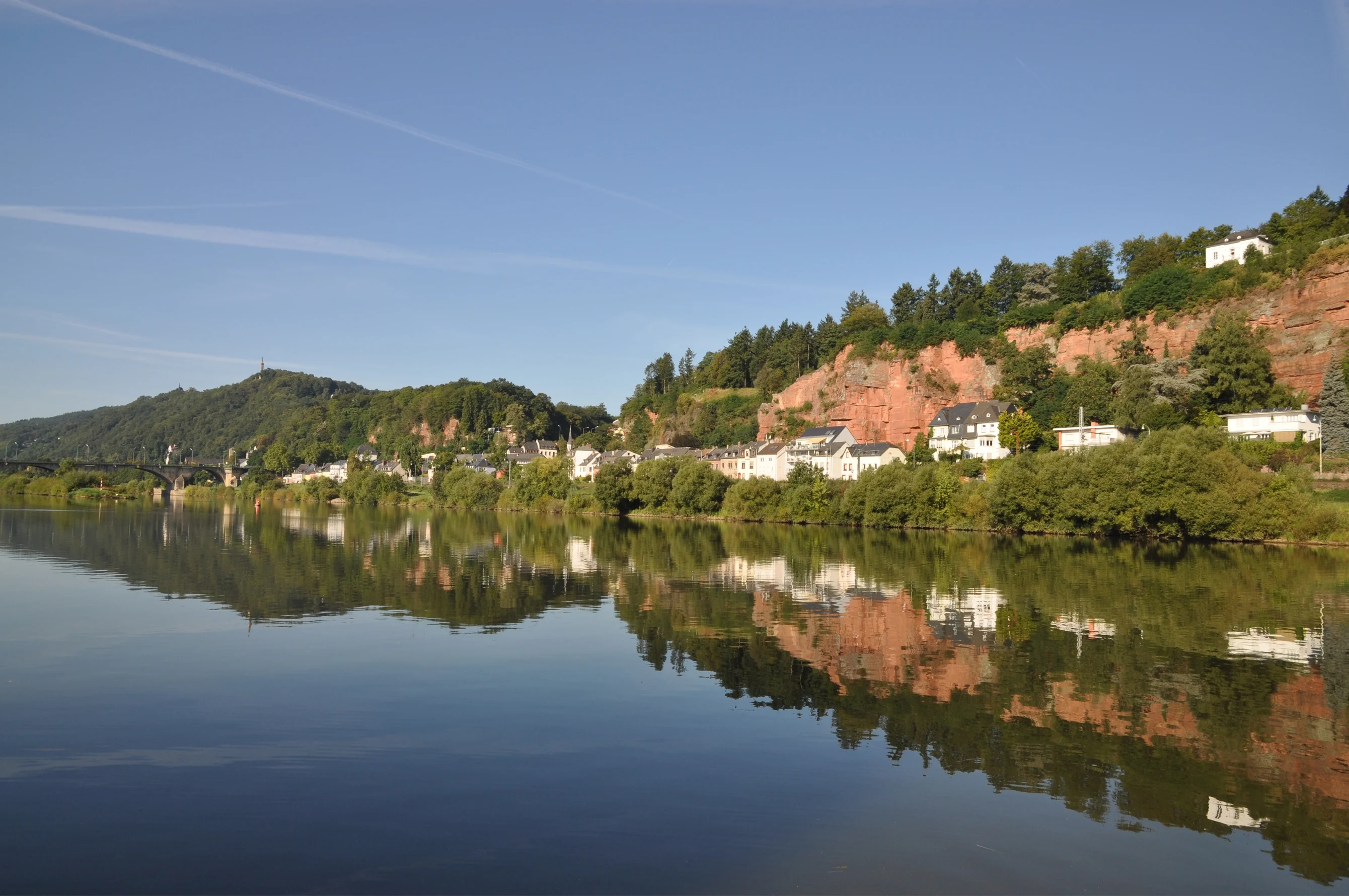
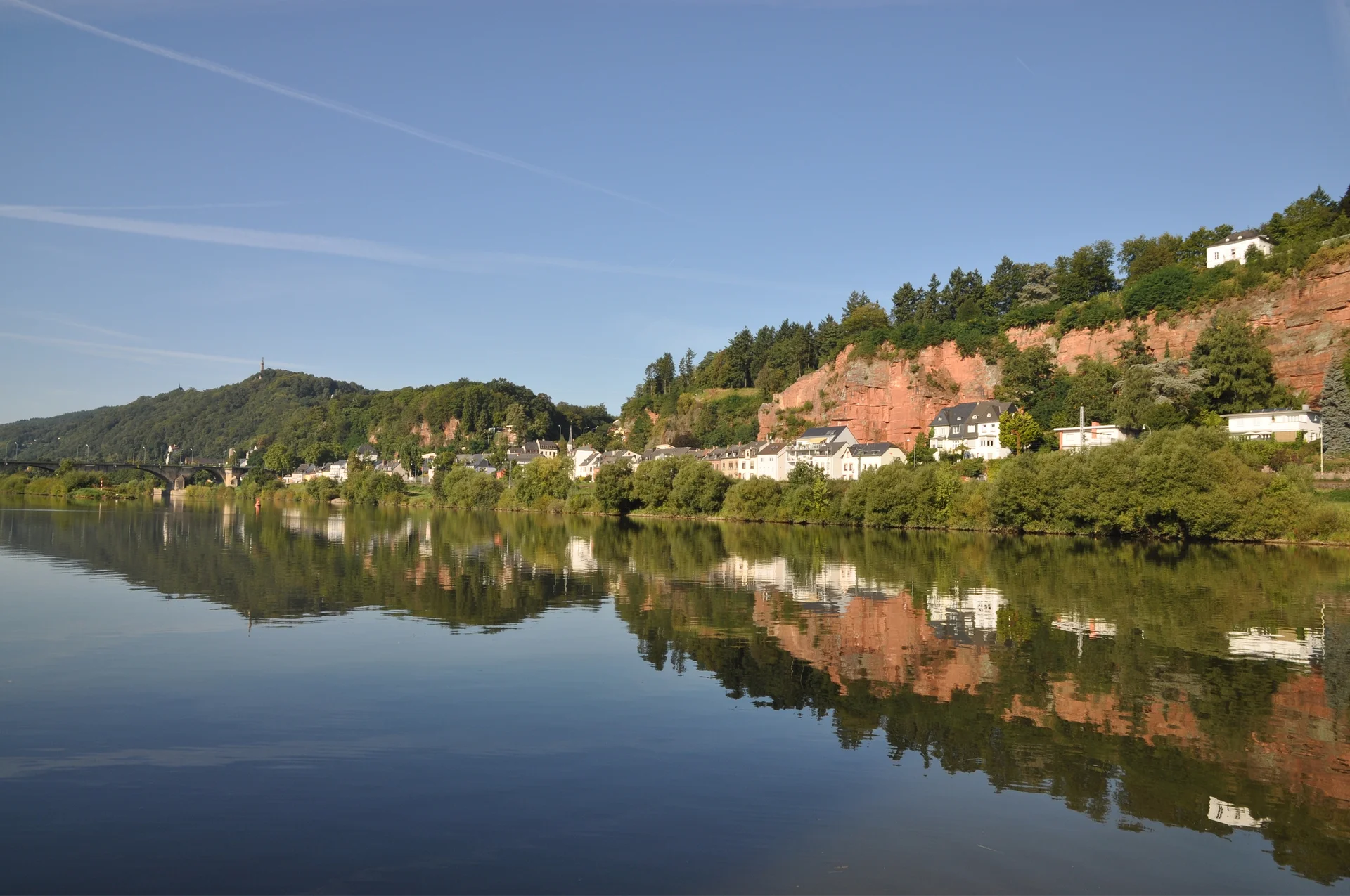
Down by the Moselle River, the Zurlauben quarter offers scenic water views and riverside walking paths. The river also serves as a launch point for boat cruises if you want to see the surrounding valley from the water.
Local Specialties to Try
Trier's food scene reflects its position in the Moselle wine region. A glass of crisp riesling pairs naturally with regional comfort food like Sauerbraten, a slow-cooked marinated pot roast. You will also find potato dumplings known as Knödel and Flammkuchen, a thin-crust flatbread topped with onions, bacon, and cream, on menus all over town.
If you have a sweet tooth, try a slice of Bienenstich, a traditional yeast cake filled with vanilla custard and topped with caramelized almonds.
When to go
The best time to visit Trier runs from May to September, when the weather is warm and reliable. In December, the town fills up for its holiday market, which transforms the historic squares. Wine enthusiasts should aim for September and October, when the surrounding river valleys celebrate the annual grape harvest.
How to get there
Trier is an easy train ride from Luxembourg (about 50 minutes) or Cologne (about 3 hours). Round-trip train tickets from these cities generally run between $23 and $45*. Driving is straightforward via the A1 and A602 highways. The closest airports are Luxembourg (40 km away) and Frankfurt-Hahn (70 km away), with regional flights starting around $57* depending on the season; transatlantic arrivals usually land at Frankfurt Main, about two hours away by road.
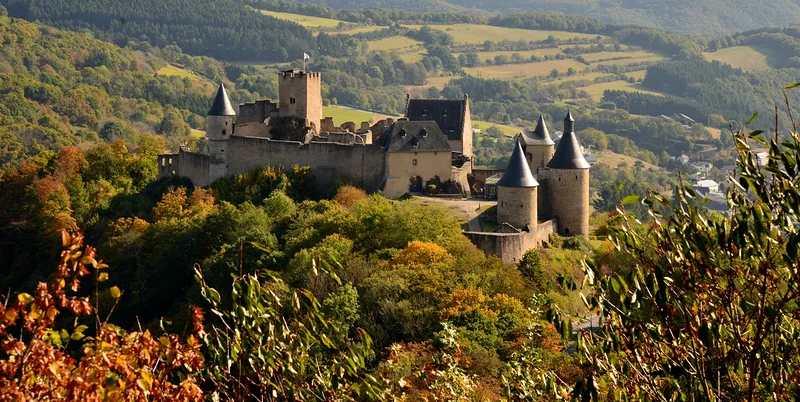
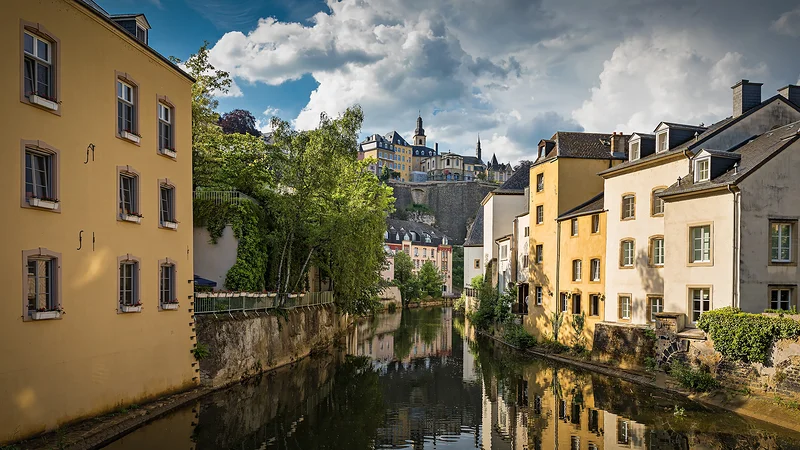
Trier is a city I really like, especially during the holidays. The city center is pleasant and can easily be visited on foot. In December, the Christmas market is an absolute must see. Plan on one day to see everything. The city is located near the border and is very easy to access.