
Remich, the wine village where Luxembourg slows down
The bridge crosses the Moselle, and suddenly Germany drops away behind you. A quay lined with cherry trees stretches along three kilometers. Café terraces spill onto the promenade, and the air smells of vine leaves and limestone.
Welcome to the little capital of Luxembourg wine, a town of 3,600 people where the Romans were already growing grapes two thousand years ago.
A getaway for people who like the good life, slowly
This destination suits quiet epicureans. Wine lovers will find a concentrated dose of excellence here, with century-old cellars, generous tastings and winemakers who are easy to talk to. Cyclists will enjoy the path that follows the river all the way to Schengen or Trier.
Families will like the river cruises and the outdoor pool in summer.
Not for anyone chasing nightlife
If you want nightlife or big spectacle attractions, time may drag a little. The town closes early, restaurants are not on every corner, and shopping comes down to a handful of souvenir shops. This is Luxembourg in its peaceful, almost village-like version.
An easy, multilingual destination
Luxembourgish blends with French, German and English without a hitch. The sense of safety is total. Since March 2020, all public transportation in the Grand Duchy has been free.
Budget: the flip side of Luxembourg
Luxembourg is still an expensive destination. Plan on $99 to $165* for a decent hotel room, and $28 to $44* for a meal on the esplanade. Cellar tastings run between $9.90 and $16* per person.
The Moselle cellars: going underground into the limestone
The Caves St Martin, dug between 1919 and 1921 into a limestone massif, are the highlight of any visit. Nearly a kilometer of underground galleries kept at 12°C hold thousands of bottles of crémant de Luxembourg.
This sparkling wine is made using the traditional method. The guided tour lasts about 45 minutes and ends with a generous tasting. Bring a jacket.
The Pavillon Saint-Martin, at the foot of the cliff, lets you extend the experience with refined cooking facing the Moselle. Several other wine estates dot the region: Domaine Claude Bentz, Domaine Kox, Benoît & Claude Viticulteurs.
Friendly tip: book your cellar visits online ahead of time, especially on weekends. Slots go fast in high season.
The esplanade and the cruises: the Moselle at a contemplative pace
Remich's esplanade runs along the river for three kilometers. It is the beating heart of the town. Terraces line up facing the water, swans parade past, and barges glide by in silence.
In the evening, low light on the German vineyards across the river makes for a calming scene.
The Navitours company runs one-hour scenic cruises to the wine villages of Stadtbredimus, Bech-Kleinmacher and Schwebsange. Along the way you pass the Haff Réimech nature reserve, a set of former gravel pits turned into a bird refuge.
The Wine Route by bike: from Schengen to Grevenmacher
The PC3 bike path links Schengen to Wasserbillig along the Moselle. Flat and perfectly maintained, it passes through the prettiest wine villages in Luxembourg.
From Remich, it is about ten kilometers south to Schengen, where a monument marks the signing of the famous free-movement agreements. To the north, the path leads to Ehnen, Wormeldange and Grevenmacher.
The RentaBike Miselerland service rents standard and electric bikes right on site. Public transportation takes bikes for free.
Where to eat and drink in Remich
Friture de la Moselle rules local menus. These small fried fish, served crispy with tartar sauce, pair perfectly with a glass of local Riesling or Auxerrois.
Pike in white butter sauce is among the classics. The more adventurous can try Judd mat Gaardebounen, smoked pork collar with broad beans, Luxembourg's national dish.
The restaurant at Hôtel-Restaurant L'Esplanade has been serving careful French-Luxembourgish cooking for 45 years. The Pavillon Saint-Martin offers a more design-minded setting facing the river. For a relaxed vibe, Tiny Bar has set up its lounge chairs on an artificial sand beach.
Where to stay in and around Remich
Hôtel-Restaurant L'Esplanade sits in an ideal spot on the Moselle, with 18 rooms, some with river views. Gourmet stays start around $160*.
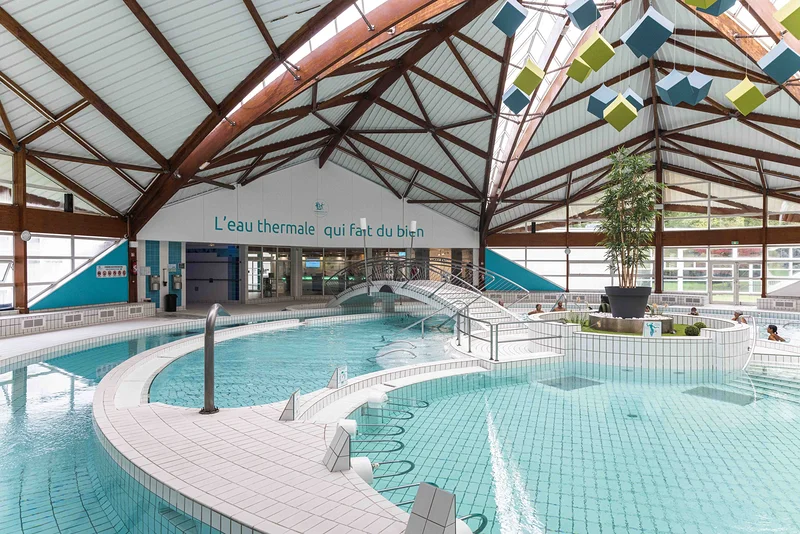
Hôtel Hui Feng, more modest, has 8 quiet rooms overlooking the river. For a high-end stay with a spa, the nearby Domaine la Forêt has luxurious suites, an indoor pool and a sauna.
The youth hostel in Remerschen, a few kilometers toward Schengen, is a budget alternative.
Getting to and around Remich
From Luxembourg City, bus 413 connects the central station to Remich in about 40 minutes. Buses leave every 30 minutes. Public transportation is completely free across Luxembourg.
By car, it is 25 minutes via the A13 and then the N10. Coming from Paris, the TGV reaches Luxembourg in 2 hours 10 minutes. From Metz, plan on an hour by regional train, then 40 minutes by bus.
Luxembourg-Findel Airport is 15 km away. From Trier in Germany, the bike path follows the Moselle for 50 km.
When to go
The ideal window runs from May to September, when terraces come alive and the vines turn green. July and August draw crowds on weekends.
The September grape harvest gives the wine villages a special atmosphere. The Bacchusfest celebrates wine every fall. In winter, Remich turns inward and several businesses close.
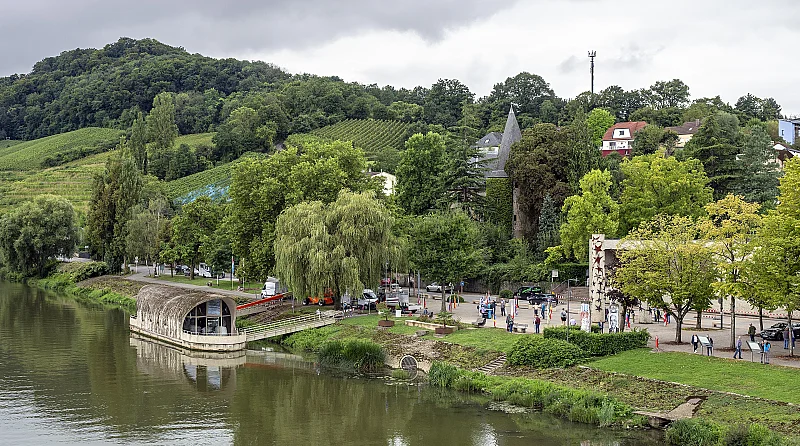
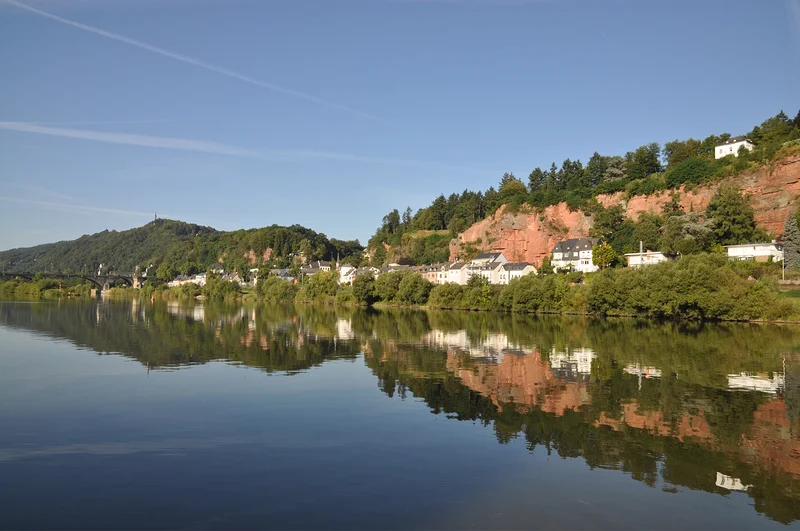
Located right near the German border, Remich is an underrated town with a very pleasant setting. Bordered by the Moselle river, the beautiful Réimecher Bësch forest, and renowned vineyards, it is a perfect destination for a day trip in nature. Many hiking trails run through the forest. The Moselle also offers walks, kayaking, or boat rides. You can taste the best wines of Luxembourg here, such as Riesling, Pinot Gris, and Crémant. I recommend the caves Saint-Martin.