
Visiting Luxembourg City
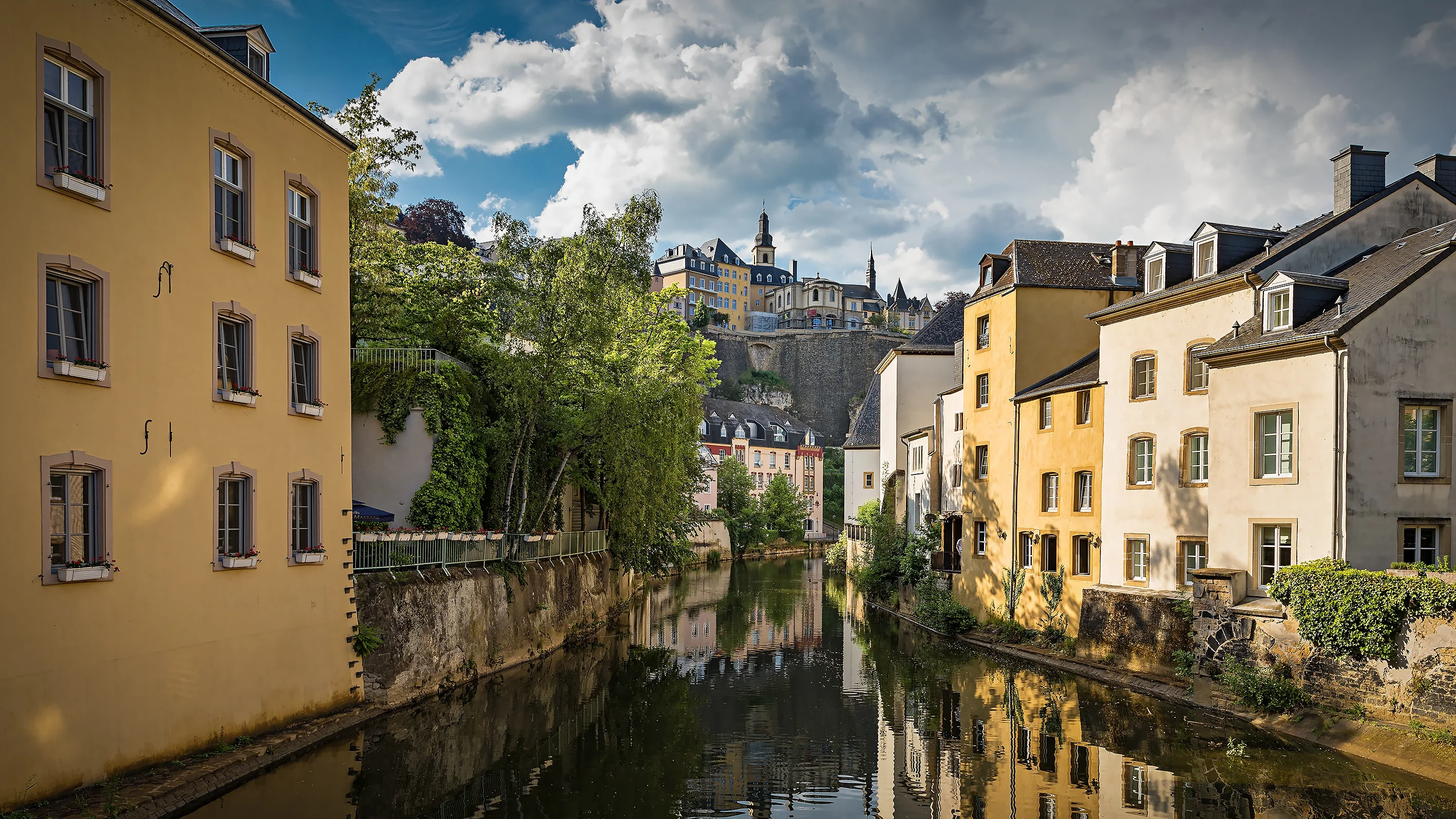
A compact capital at the heart of Europe, Luxembourg combines historic heritage, European institutions, and green spaces. Its cliffside old town, UNESCO-listed fortifications, and cosmopolitan feel make it a solid pick for a long weekend trip.
The Old Town and Fortifications
The historic center of Luxembourg stands out for its cobblestone streets and centuries-old buildings. Place Guillaume II, anchored by the town hall, is a straightforward starting point for exploring on foot. Nearby, the Grand Ducal Palace, official residence of the Grand Duke, draws visitors with its Flemish Renaissance architecture and summer tours.
The main draw, though, remains the Bock Casemates, a network of underground galleries carved directly into the rock that frames views across the Alzette valley.
The European Quarter
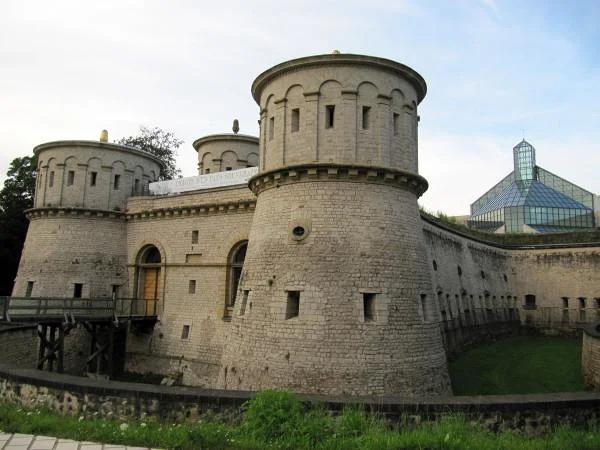
Luxembourg also functions as a major political hub, hosting several European Union institutions. The Kirchberg district features modern steel and glass architecture that creates a sharp contrast with the old town. It houses the Court of Justice of the European Union and the Mudam Luxembourg (Grand Duke Jean Mudam Museum of Modern Art), which displays contemporary works inside a building designed by architect Ieoh Ming Pei.
Valleys and Green Spaces
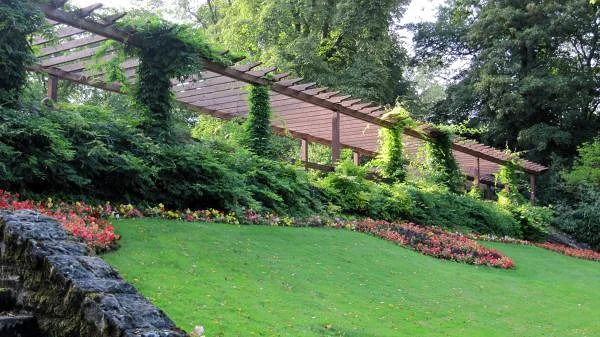
Despite its status as a financial and political capital, Luxembourg keeps plenty of green space close at hand. The Pétrusse Valley, cutting right through the city, serves as a popular running and walking route for locals. Further out, Merl Park offers a quiet spot for an afternoon break. Hiking enthusiasts can also reach the Mullerthal Nature Reserve, often called Little Switzerland, in about an hour by car.
A Dynamic Cultural Scene
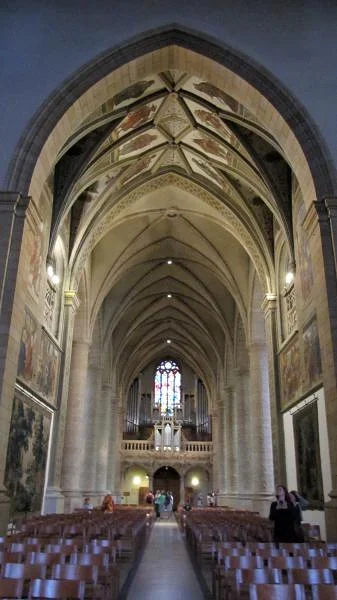
Luxembourg packs several notable museums into a small footprint, including the National Museum of History and Art, which holds collections ranging from antiquity to modern art. For live music, the Philharmonie Luxembourg in Kirchberg hosts concerts inside a striking modernist building.
A Culinary Scene Shaped by Neighbors
Luxembourgish food reflects its position between France, Germany, and Belgium. Local staples include judd mat gaardebounen, smoked pork collar served with broad beans, and bouneschlupp, a green bean soup. To drink, Luxembourg crémant holds its own against French sparkling wine, while local beers remain popular at neighborhood pubs.
Where to eat?
- Le Bouquet Garni (Center): Refined cuisine drawing on both Luxembourgish and French traditions.
- Am Tiirmschen (Center): Hearty local specialties served in a traditional setting.
- Scott's Pub (Grund): Riverside pub and restaurant with a casual outdoor terrace.
Where to stay?
- Hotel Le Place d'Armes (Center): Boutique hotel set inside a historic townhouse.
- Novotel Kirchberg (Kirchberg): Practical choice for visitors needing quick access to the European institutions.
- Youth Hostel Luxembourg (Grund): Budget-friendly stay with sweeping views over the canyon.
When to go?
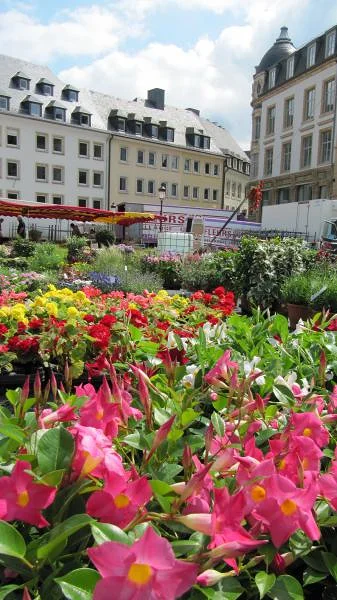
Spring and summer bring mild weather and blooming parks, making them the ideal months to visit. In December, holiday markets bring a festive atmosphere to the old town.
How to get there?
No airline flies nonstop from North America to Luxembourg: you connect through Frankfurt, Amsterdam, Brussels or Paris, then take either a short hop or a train (Brussels is three hours away by rail, Paris 2 hours and 15 minutes on the TGV East, around $57*). Luxembourg Airport connects the city to major European hubs.
How to get around
Public transit is entirely free across the country, making buses and the modern tram network easy to use. The historic center is walkable, and public elevators connect the upper and lower city levels.
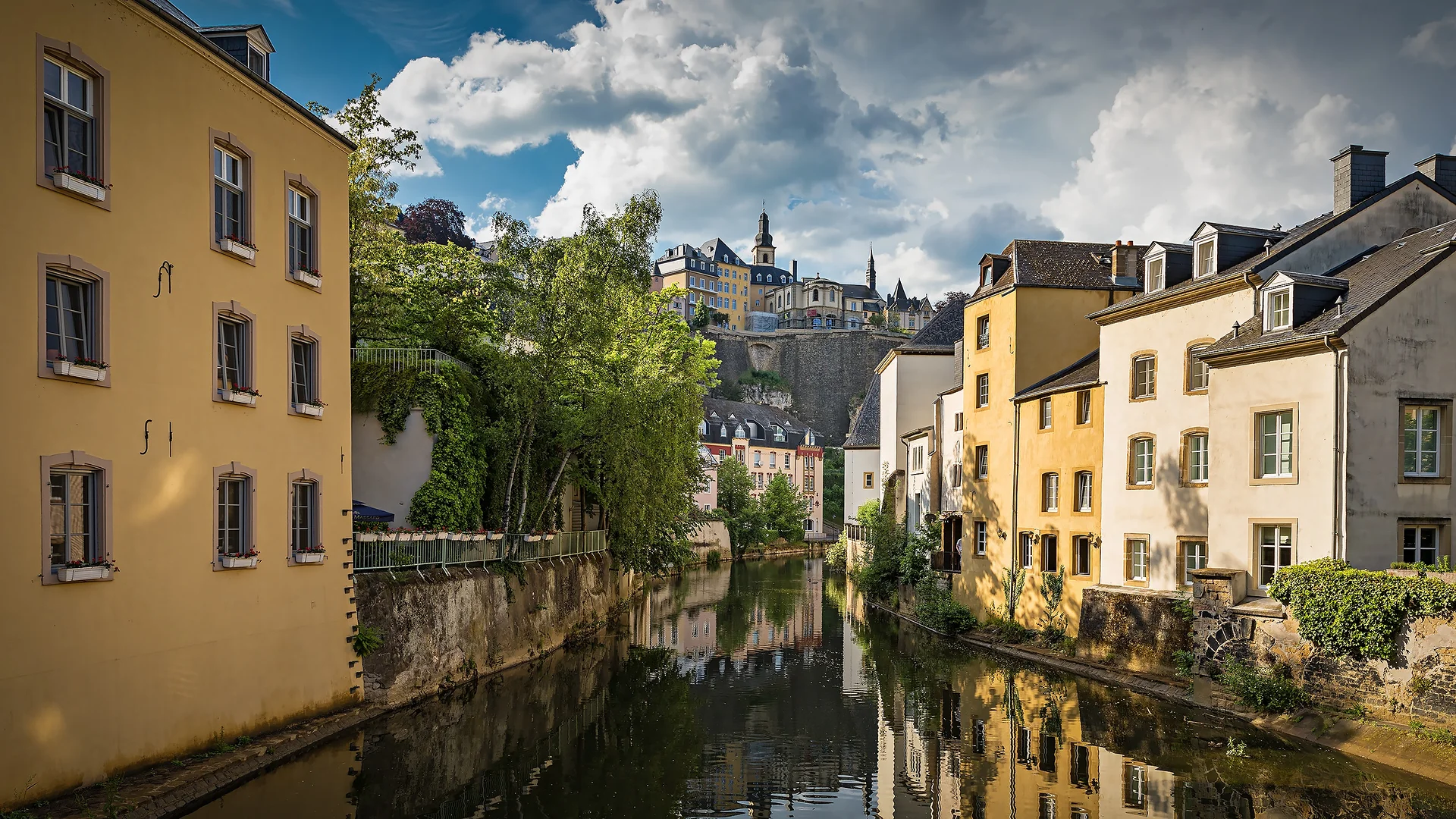
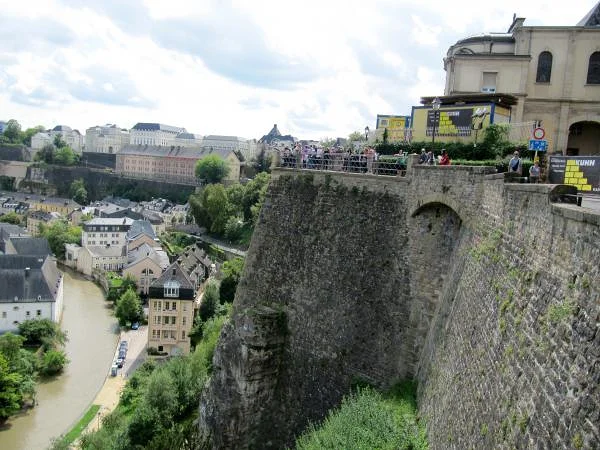
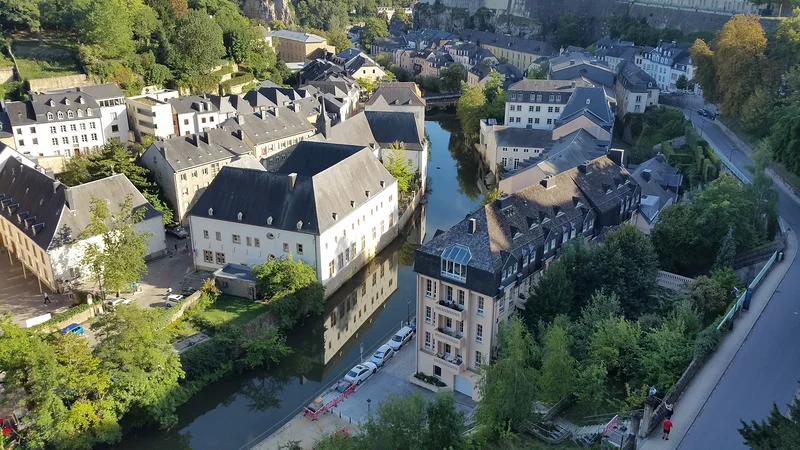
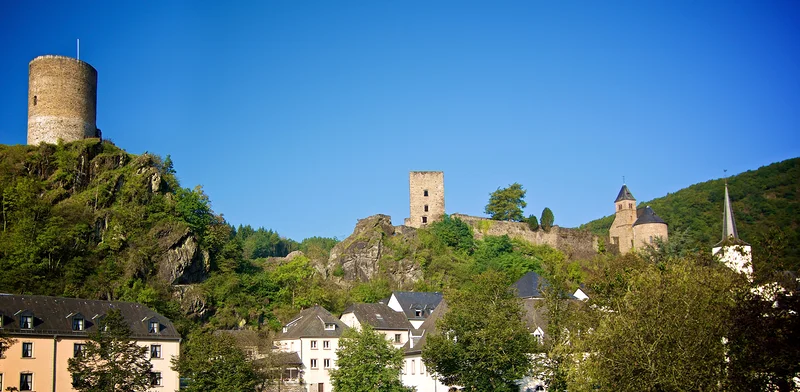
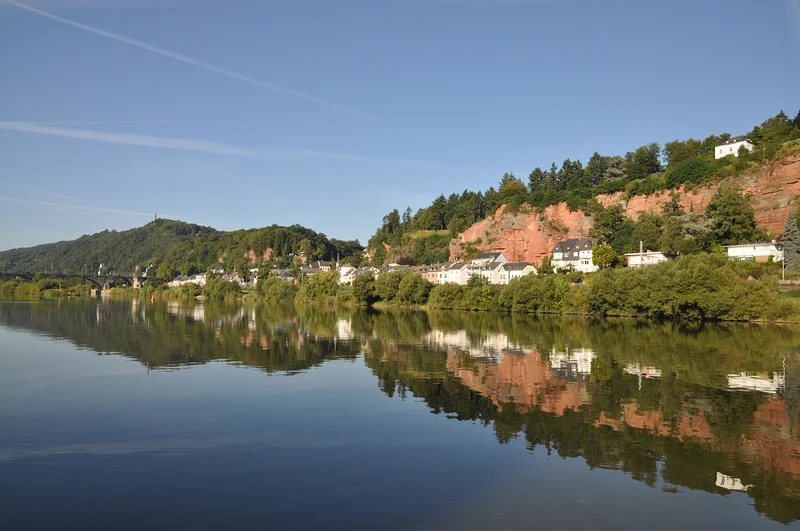
Luxembourg City is a very beautiful city that deserves to be better known. The historic center is very pretty and quite lively. I recommend taking the walk that goes along the ramparts, as it offers a magnificent view of the whole city. You can get to the upper town using a completely free panoramic elevator.