
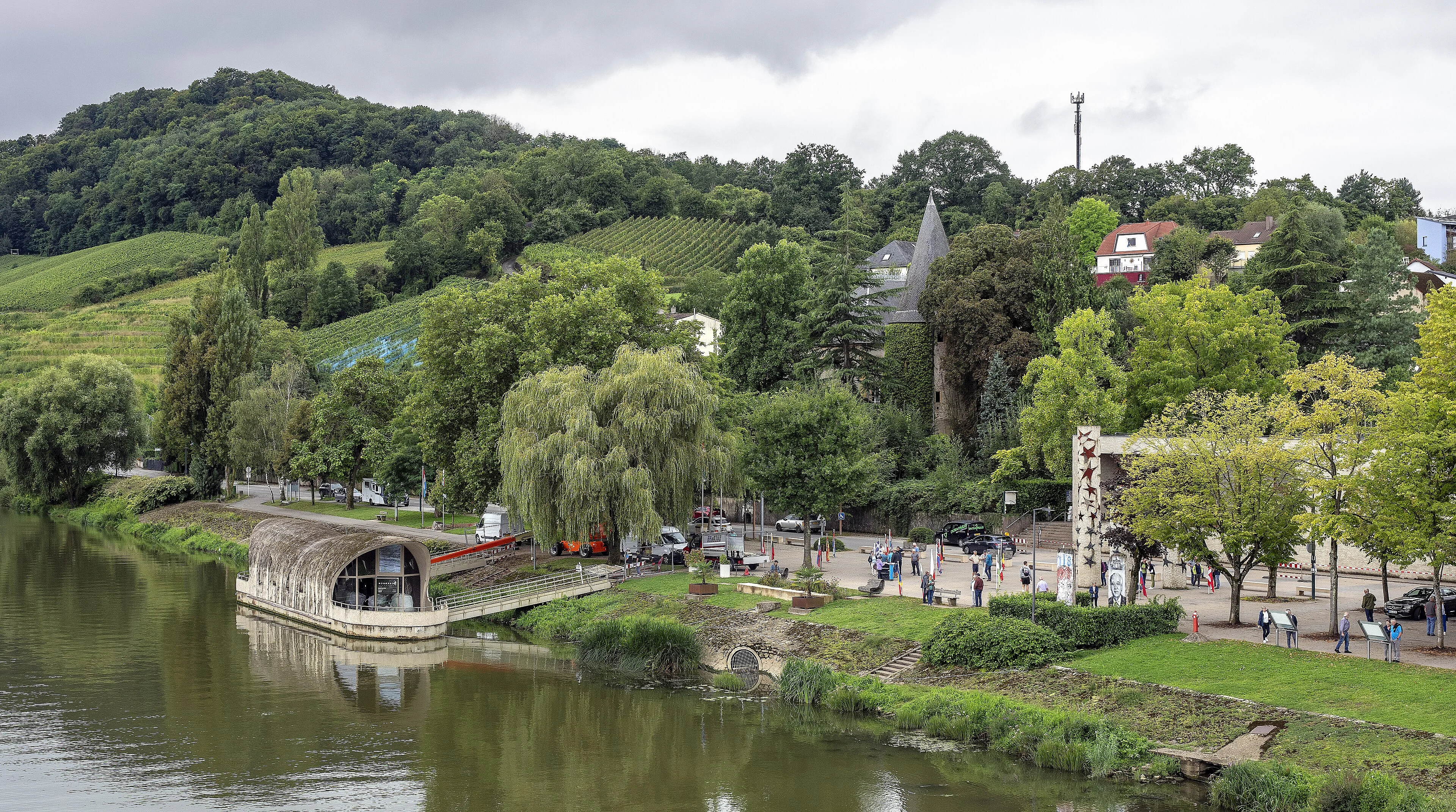
Schengen, the village of 679 people that gave its name to a Europe without borders
A boat moored on the Moselle, three countries visible from the same riverbank, and a signature that changed life for hundreds of millions of Europeans. It was here, on June 14, 1985, that government ministers met aboard the Princesse Marie-Astrid to abolish border controls between five founding countries. The name of this tiny village has since become shorthand for a global political concept.
Is this the right trip for you?
Schengen works for travelers who like places loaded with historical weight without the crowds. You walk in the footsteps of a founding agreement, photograph the exact spot where Luxembourg, France, and Germany meet, and leave with a real sense of what "Schengen Area" actually means.
If you're after nightlife, shopping, or a lively scene, skip it. The village takes half a day to see, not more.
Good fit for:
- Anyone curious about recent European political history
- Fans of easy walks along the Moselle
- Families doing a cross-border road trip (France, Germany, Luxembourg)
- Wine lovers, thanks to the surrounding vineyards
Not a good fit for:
- Travelers looking for nightlife or shopping
- A multi-day stay based in the village itself
- Tight budgets on lodging (Luxembourg stays pricey)
A budget that reflects Luxembourg's cost of living
Schengen is no bargain village. Its proximity to Luxembourg City and the limited number of places to stay push prices up, well above what you'd pay in neighboring villages on the French or German side.
| Expense | Range |
|---|---|
| Night in a basic guesthouse | 60 to 80 EUR |
| Night in a comfortable hotel | 100 to 150 EUR |
| Quick meal on the go | 8 to 12 EUR |
| Restaurant meal (with local wine) | 25 to 40 EUR |
| Cruise or tasting | 15 to 30 EUR |
Prices are approximate and subject to change
Practical realities to know before you go
Schengen works best as a stop, not a home base. On-site lodging is limited to a handful of guesthouses and one hotel. Most visitors sleep in Remich, 8 kilometers away, or in Luxembourg City, less than 40 minutes by car.
You can walk the entire village in under an hour. Language-wise, Luxembourgish, German, and French coexist naturally, and English gets you through without trouble at the tourist sites.
What to do in Schengen
Following the footsteps of the founding agreement
The European Museum Schengen, opened for the agreement's 20th anniversary, traces the history of European integration through original documents, period artifacts, and interactive displays. Plan on about an hour to grasp the scale of change that free movement brought to generations of Europeans.
A few steps away, the Sculpture of Europe (twenty-five metal columns representing the member countries) symbolically marks the meeting point of the three borders, right on the riverbank. It's the spot where people pose for photos with one foot in France, one in Germany, one in Luxembourg, even though the exact geography sometimes gets a laugh among visitors comparing notes.
Friendly tip: come in the late afternoon, when the low light over the Moselle makes the sculpture far more photogenic than at midday, and the tour buses have cleared out.
The Moselle and its vineyards
The Luxembourg Moselle Valley ranks among Europe's lesser-known wine regions, which is a shame, because it's worth the detour. Schengen sits right in the heart of this terroir, known for its crémants and dry whites made from riesling and auxerrois.
Several estates open their cellars for tastings, and a walk through the terraced vineyards gives you a clear view over the river and the German hills across the way. The Luxembourg Wine Route runs through the village and connects about twenty wine-producing towns over roughly sixty kilometers.
Cruising the Moselle
River cruises leave from Schengen's small harbor for a one to two hour ride on the water, often with a crémant tasting on board. It's a relaxed way to see the village from the river, right where it all started forty years ago.
Where to eat and drink in Schengen
Local cooking blends German and French influences: expect river Forelle (trout), quiche lorraine on the menu, and the valley's white wines showing up as the default pairing almost everywhere.
The village's restaurants lean on riverside terraces facing the Moselle, a nice setup on sunny days. For something simpler, bakeries sell German pastries like Streuselkuchen.
Where to stay in Schengen and nearby
In the village itself, options are limited to a few family-run guesthouses and one hotel on the riverfront. For more choice, Remich has more hotels with Moselle views, a 10 minute drive away.
If you want to combine a Schengen visit with exploring Luxembourg, basing yourself in Luxembourg City is the most practical option, with a drive of about 30 to 40 minutes to the village.
How to get to Schengen
Luxembourg Findel Airport is the most logical entry point, with direct flights from several major European cities. From there, it's about a 35 minute drive to Schengen.
The village is also an easy drive from Metz (about 50 minutes), Trier in Germany (about 30 minutes), or Strasbourg (about 1h45). Its spot right at the junction of three countries makes it a natural stop on a cross-border itinerary.
Getting around Schengen
The village is entirely walkable: from the museum to the Sculpture of Europe by way of the harbor, no walk takes more than 15 minutes.
To explore the surrounding wine valley, a car is still the most practical option, since bus connections between villages are infrequent. If you're up for it, you can also rent a bike and follow the cycling path that runs along the Moselle.
When to go to Schengen
Spring and early fall offer the best conditions, with mild temperatures and the vineyards looking especially good during the September grape harvest. Summer draws more visitors around June 14, the anniversary of the agreement's signing, often marked by official commemorations.
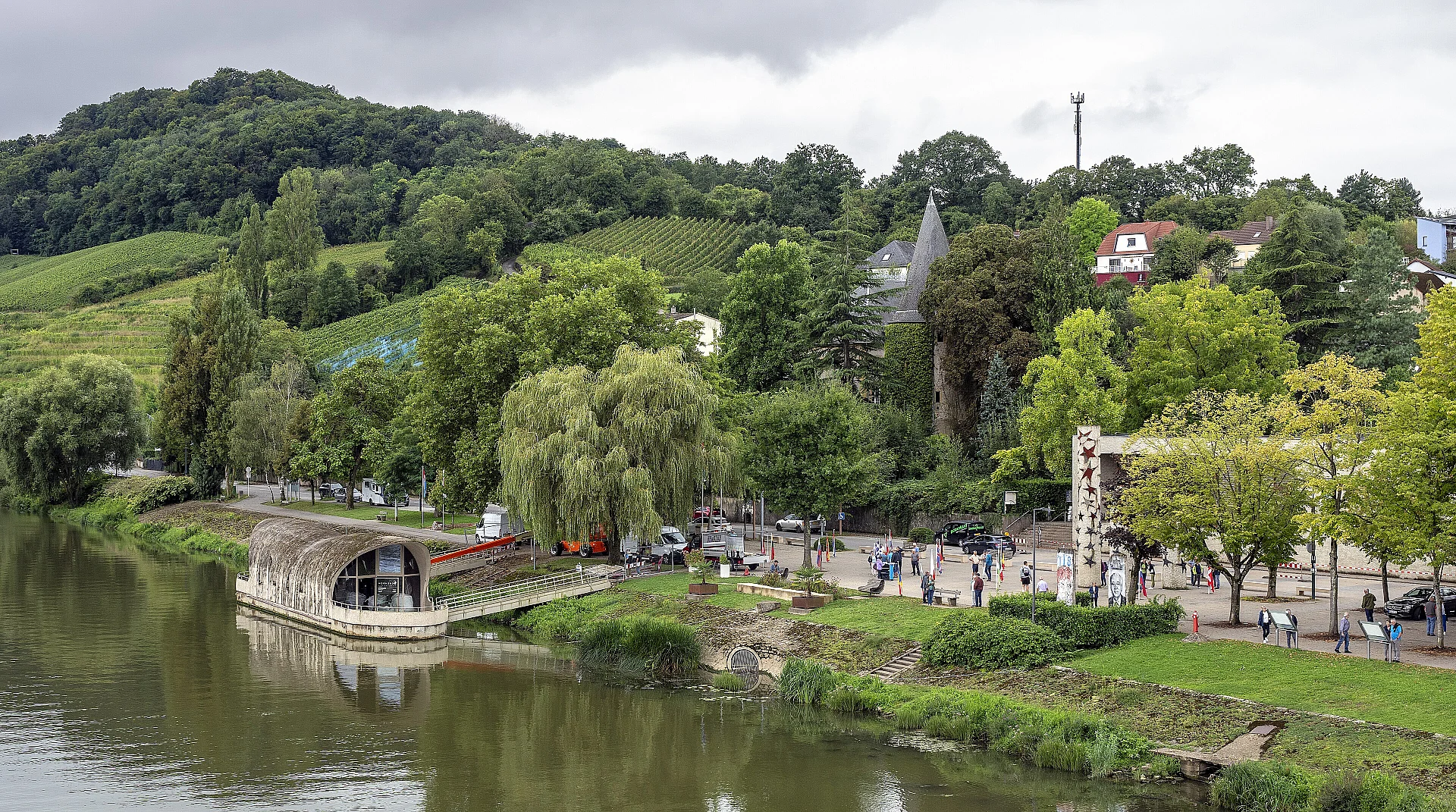
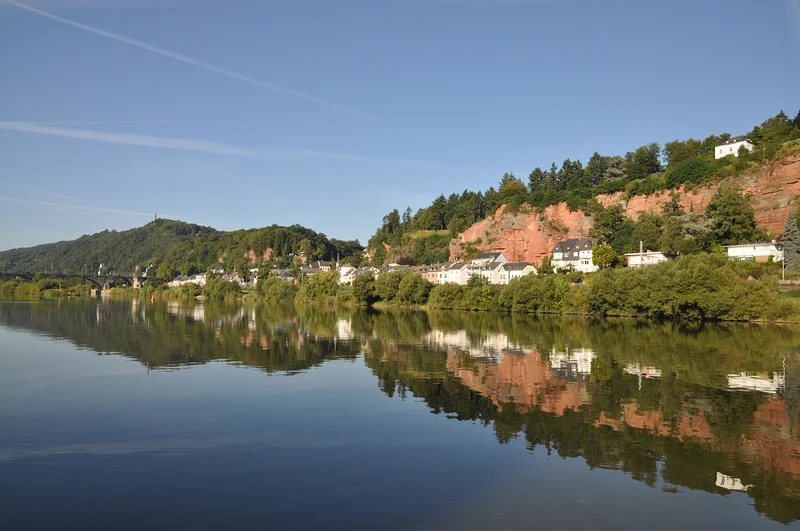
Everyone knows Schengen for the European agreement signed in 1985. Building on that history, the town offers a nice cultural experience, especially the European Museum, which explains the conclusion and impact of the treaty in a really educational way. But a visit to Schengen is not limited to this European symbol. The town is set in a beautiful, peaceful landscape made up of valleys, vineyards, the banks of the Moselle, and just above, the lakes of Remerschen. A great balance between nature and heritage.