

Metz, the yellow city nobody saw coming
Sunlight filters through stained glass and shatters into a thousand colors across the stone floor of the cathedral. Six thousand five hundred square meters of glasswork, spanning from the thirteenth century all the way to Chagall. That kind of scale sums up this regional capital in a nutshell: a city that surprises you with its ambition, its preserved beauty, and that distinctive ochre tone of Jaumont stone that turns golden under the slightest ray of sunshine. Three thousand years of history, clear Germanic influences, and a Centre Pompidou branch to boot.
Metz: the overlooked heavyweight that deserves a detour
Rushed travelers usually speed past toward Strasbourg or Nancy. They are missing out. This city of 120,000 residents delivers an exceptional architectural heritage without the heavy crowds of more heavily marketed destinations. You can easily cover the historic center on foot in a single day, but two days let you actually soak in the atmosphere.
This destination suits architecture and contemporary art lovers, couples looking for an accessible cultural weekend, and families drawn by the Centre Pompidou-Metz. Nightlife seekers and partygoers will likely leave underwhelmed since the town quiets down after 11 PM. Having a car only makes sense if you plan to venture out into the surrounding countryside.
A very reasonable budget
Expect $79 to $124* per day for a couple. Decent downtown hotels run $68 to $102* a night, and a full meal paired with local wine comes out to $23-$34* per person. Admission to the Centre Pompidou runs $7.90 to $16* depending on the ticket, free under 26, and most other sights are either free or cheap.
Sainte-Croix Hill: the medieval heart
The oldest neighborhood in town overlooks the meeting point of the Moselle and Seille rivers. Narrow lanes climb toward Sainte-Croix square, which is lined with golden medieval houses. This triangular square, often empty in the morning, offers unexpected quiet just steps away from the downtown energy.
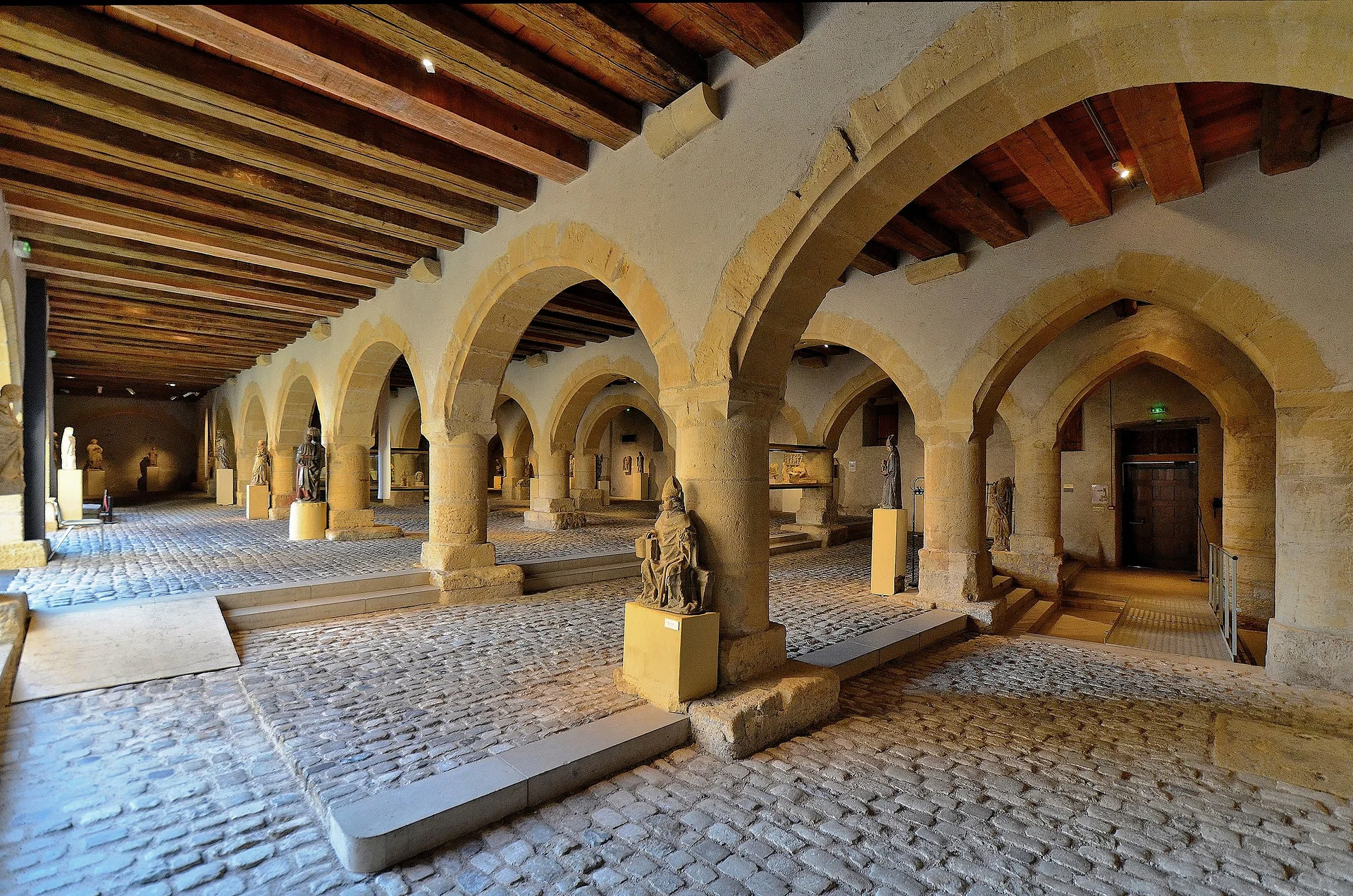
The Cour d'Or museum spans several historic buildings linked together by walkways. Its Gallo-Roman collections rank among the richest in France. Do not miss the Chèvremont granary, an exceptionally well-preserved painted medieval ceiling. Admission is free and the site warrants a solid two hours.
Friendly tip: Walk down Taison street toward Saint-Louis square. This narrow, cobblestone alleyway, which feels almost hidden, opens up into one of the prettiest urban views in town.
The cathedral and its surroundings
Saint-Étienne cathedral looms over everything around it. At forty-two meters high, its vaulting forms the third-highest nave in France. But the stained glass is what truly stops you in your tracks, pairing medieval panels with modern creations by Marc Chagall in the ambulatory.
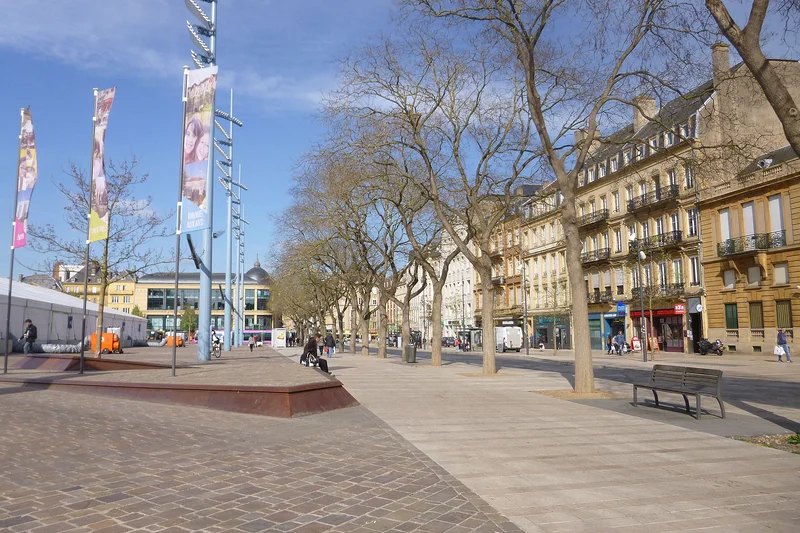
The adjacent Armes square features orderly classical arcades. The City Hall and the Parliament frame this majestic open space redesigned in the eighteenth century. Sidewalk cafes spill out onto the square as soon as the weather warms up. A short walk away, the covered market opens from Tuesday through Saturday to sell top-notch regional produce.
The German Imperial Quarter
This section of the city dates back to the German annexation after 1871. Kaiser Wilhelm wanted to turn Metz into a showcase for the Empire. The result is an entire district of monumental Wilhelmine architecture, a candidate for UNESCO World Heritage status. The massive, highly ornate Metz-Ville train station serves as its anchor.
Foch avenue lines up stately residential buildings all the way to the Governor's palace. Long unpopular with local residents, this neighborhood is now a major point of civic pride. German neo-Romanesque and neo-Gothic styles sit right alongside pre-war French structures. The contrast can feel jarring or fascinating, but it never leaves you indifferent.
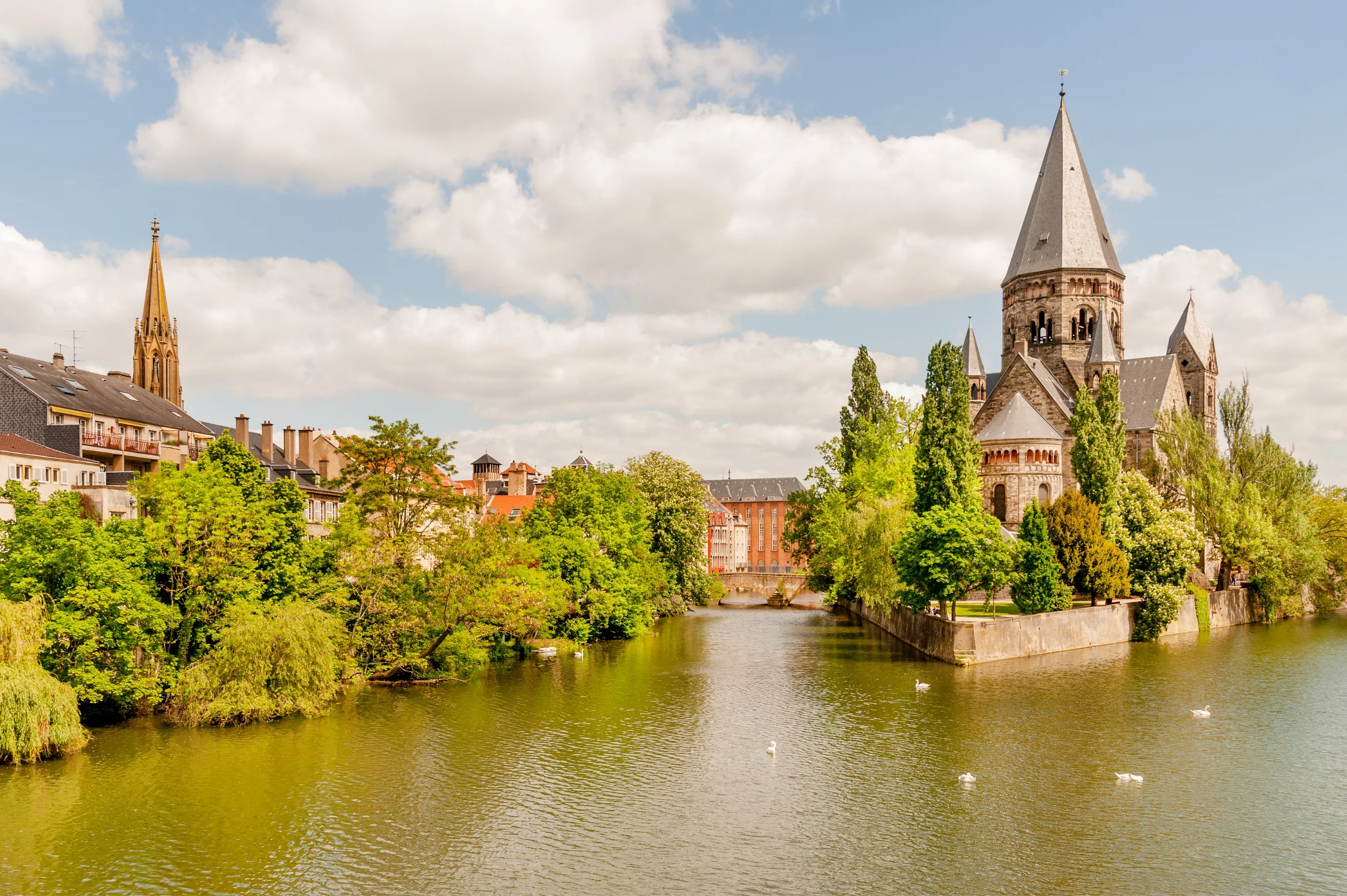
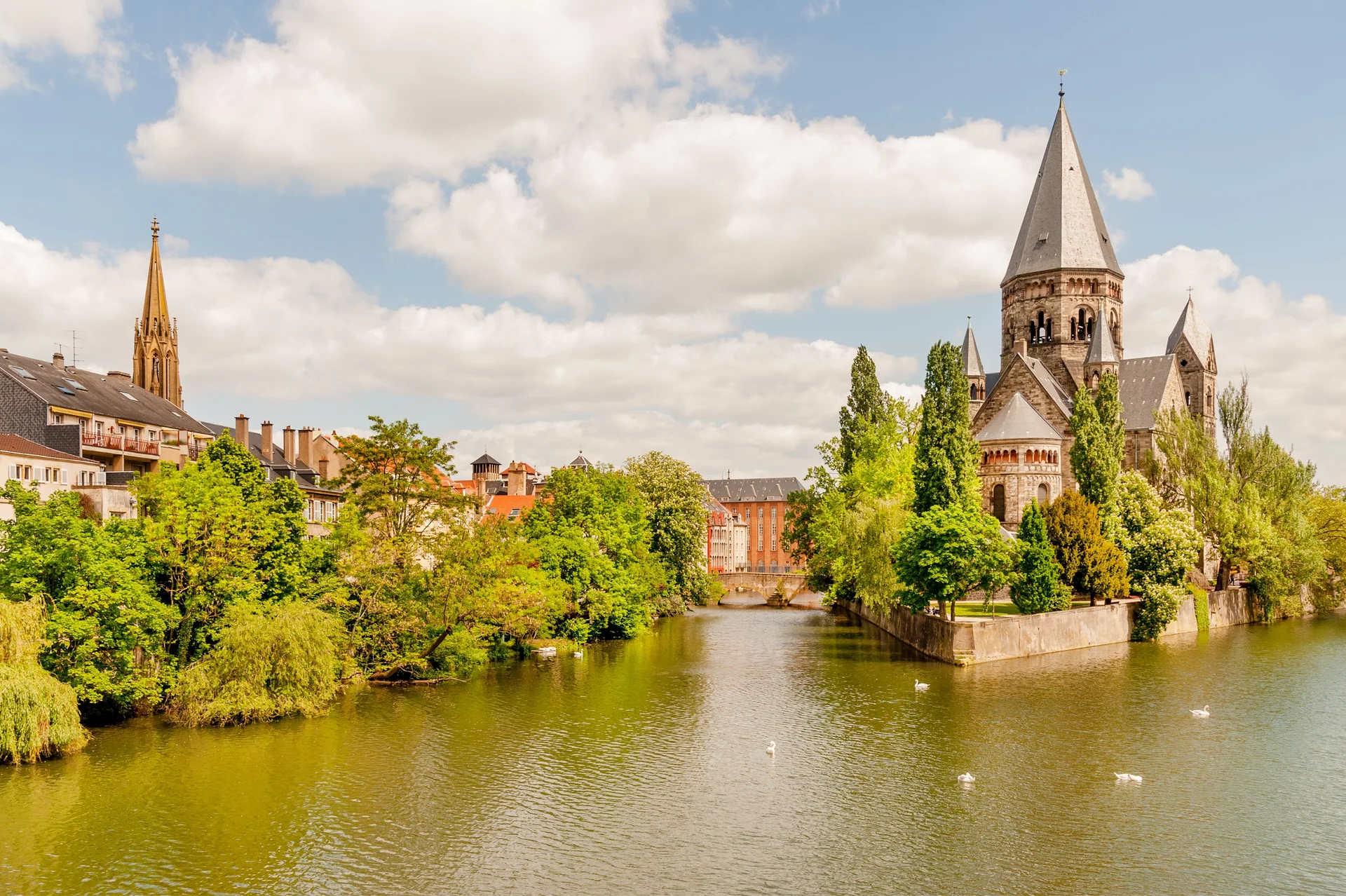
Friendly tip: Walk over to the New Temple, a Protestant church built by the Germans on an island in the Moselle. The view from the bridge leading to it is one of the most photographed spots in the city.
Pompidou-Metz and the Amphithéâtre district
The Centre Pompidou-Metz has completely revitalized the city since 2010. Designed by Shigeru Ban with a woven wooden roof inspired by a Chinese hat, the building alone is worth the trip. Temporary exhibitions here easily rival those in Paris. Admission runs $7.90 to $16* depending on the ticket, and the rotating exhibits change regularly.
The surrounding neighborhood, built on former railway yards, has been entirely redesigned. The Seille park provides a pleasant walking route that leads right down to landscaped riverbanks where locals jog, picnic, and unwind in good weather.
Where to eat and drink in Metz?
Lorraine cuisine makes no apologies for being hearty. Authentic quiche lorraine contains only bacon lardons, heavy cream, and eggs, with zero cheese. You will find the best versions in traditional bakeries rather than sit-down restaurants. Pâté lorrain, a pastry crust filled with pork marinated in white wine, pairs perfectly with a glass of gris de Toul.
Saint-Jacques square packs in outdoor terraces and brasseries. If you want something a bit more off the beaten path, look around Pont-des-Morts street, where a few bistronomic tables have opened over the last few years. The covered market remains the ultimate spot to pick up mirabelle plums, local cheeses, and cured meats to go.
Getting to and around Metz?
High-speed TGV trains connect Paris-Est to Metz in 1 hour and 20 minutes, making it an easy weekend escape from the capital. Direct rail lines also run to Luxembourg and Strasbourg. The Metz-Nancy-Lorraine airport handles a handful of routes, but flight choices remain limited.
You can easily cover the downtown area entirely on foot. The Le Met' bus network serves the greater metro area with single tickets priced at $1.70*. Street parking can be tricky, but several underground garages make driving manageable.
When to go?
May, June, and September hit the sweet spot with pleasant weather and manageable crowds. Summers can get hot, but shaded café terraces and the grassy banks of the Moselle offer welcome relief. The Christmas market takes over the city in December, leaning fully into its Germanic heritage. Winters here get proper cold, so pack layers if you plan to visit between November and March.
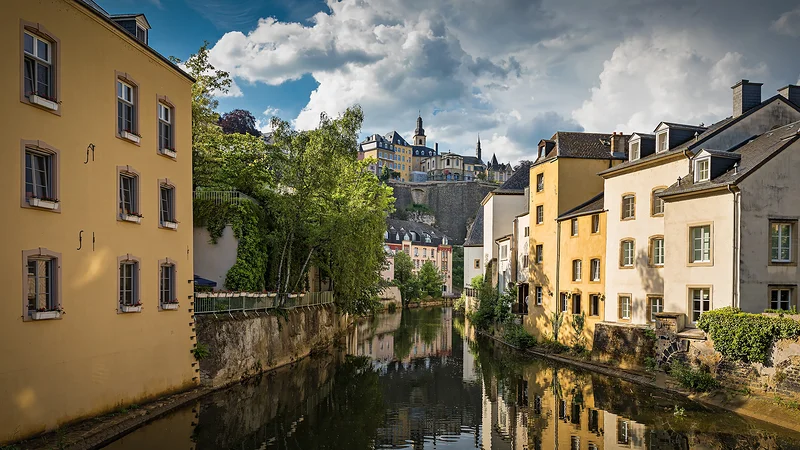
I really like the city of Metz, which I find rich in terms of culture and architecture. The cathedral is magnificent, just like the German quarter. There are some great restaurants and plenty of bars. Also, do not miss a visit to the Centre Pompidou and the Musée de la Cour d'Or.