
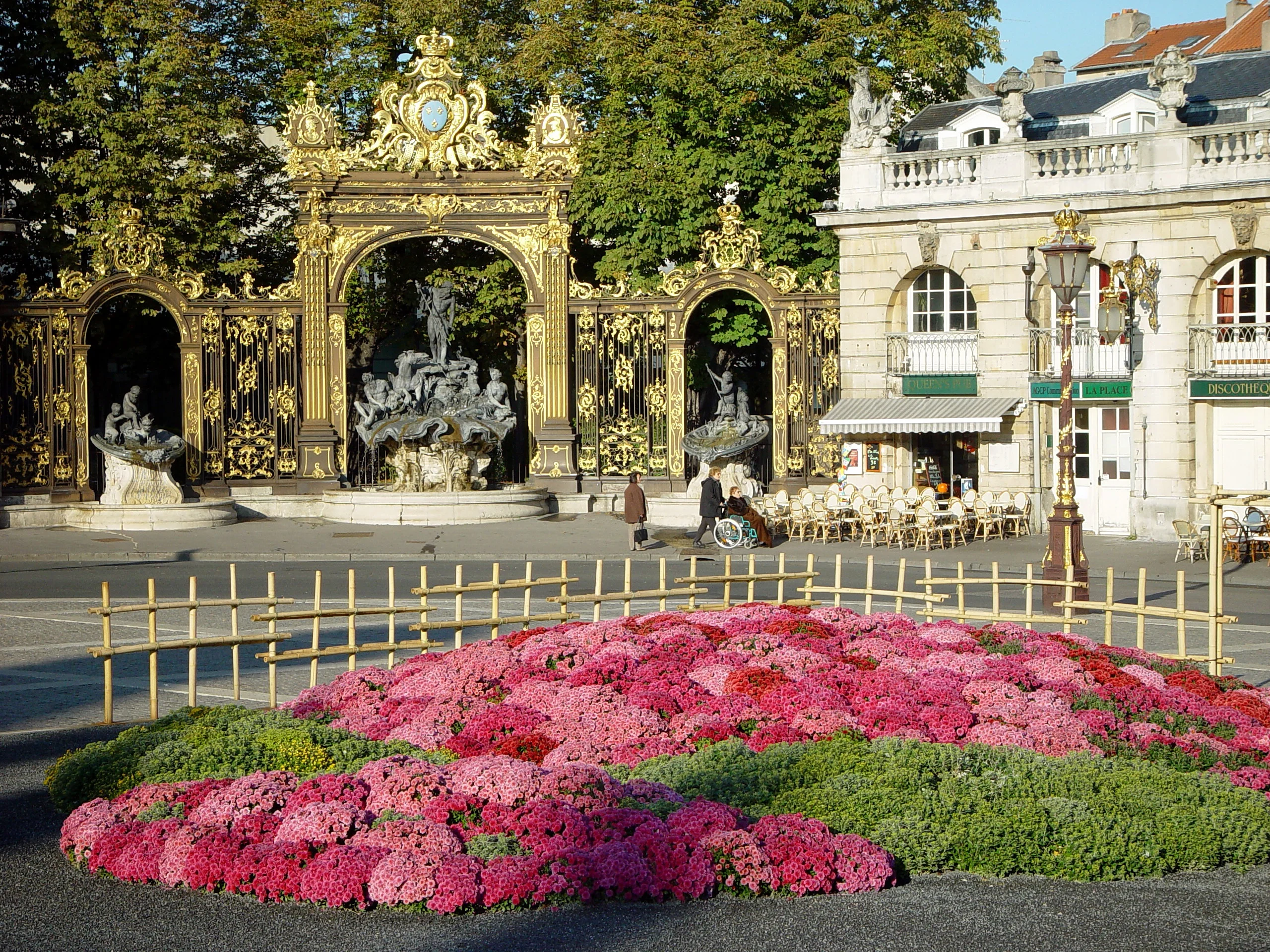
Nancy, when the gold of the Dukes of Lorraine still lights up the cobblestones
Stanislas Leszczynski, the exiled king of Poland and father-in-law to Louis XV, could have simply enjoyed a quiet retirement in his duchy of Lorraine. Instead, he chose to leave Nancy one of the finest public squares in Europe. Three centuries later, Jean Lamour's gilded ironwork still glitters beneath the streetlights, and the locals move through their architectural masterpiece the way most people move through their living room. This easy familiarity with grandeur sets the tone here, where beauty is simply part of everyday life.
Nancy, the unsung city of the Grand Est
This city draws architecture fans looking to escape the crowds of Strasbourg or Colmar. The Place Stanislas alone justifies the trip, but Nancy holds other surprises for curious visitors. The Art Nouveau heritage of the École de Nancy rivals that of Brussels or Barcelona, even if few international tourists realize it.
If you are looking for the scale of a major metropolis or mountain proximity, Nancy might leave you wanting more. The city remains a manageable size, the terrain is flat, and the immediate surroundings lack dramatic peaks. On the other hand, for a packed cultural weekend paired with hearty local food, it is tough to beat in northeastern France.
A gentle budget for an art city
Nancy remains approachable compared to major tourist hubs. Plan for $68 to $113* a day for a couple, with a hotel night running between $79 and $135*, and a full meal costing between $17 and $29*. Municipal museums keep modest entry fees, typically around $6.80 to $9*.
Place Stanislas and the Ville Neuve
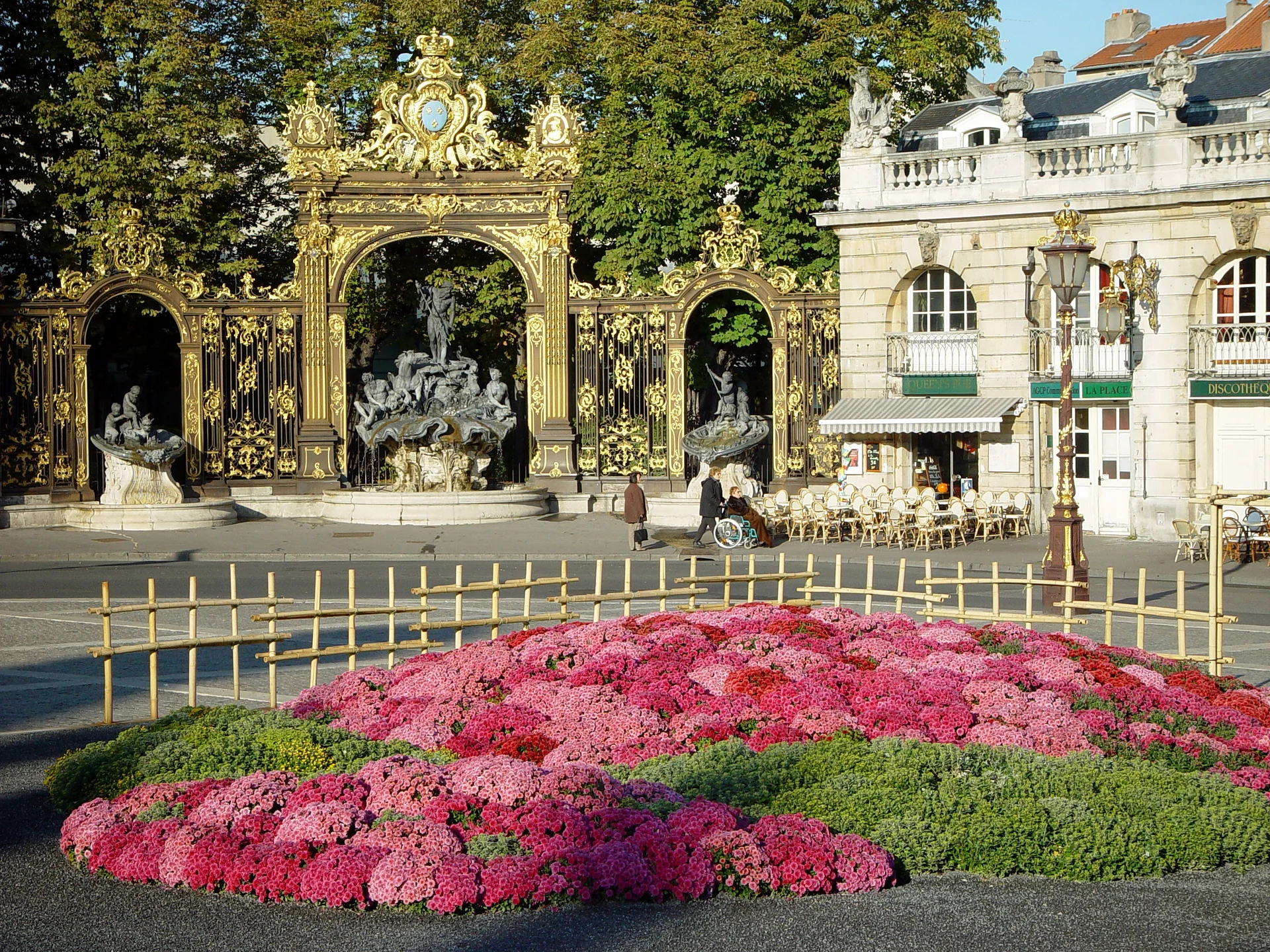
A UNESCO World Heritage site, the Place Stanislas forms an exceptionally cohesive 18th-century urban ensemble alongside the Place de la Carrière and the Place d'Alliance. The harmonious facades, fountains by Barthélemy Guibal, and famous black iron gates touched with gold create an open-air theater set.
In the evening, the square takes on another dimension. The lighting highlights the gilding while cafe terraces stay lively late into the night. During the summer, a free light and sound show projects animated frescoes across the facade of the Hôtel de Ville.
Friendly tip: to photograph the square without the crowds, visit on a weekday morning before 8 AM. The low-angled light makes the gold accents pop like at no other time of day.
The Ville Vieille and its secret passages
On the other side of the Arc Héré, the Ville Vieille reveals a more medieval face. Narrow streets wind between Renaissance houses with carved facades. The Porte de la Craffe, a remnant of 14th-century fortifications, marks the northern entrance to the neighborhood. Its two massive towers served as a prison until the 19th century.
The basilique Saint-Epvre dominates this district with its neo-Gothic silhouette. Its interior holds stained glass windows donated by the royal houses of Europe. Less known, the rue des Maréchaux lines up historic townhouses where carriage gateways open onto quiet paved courtyards.
The École de Nancy: the reign of Art Nouveau
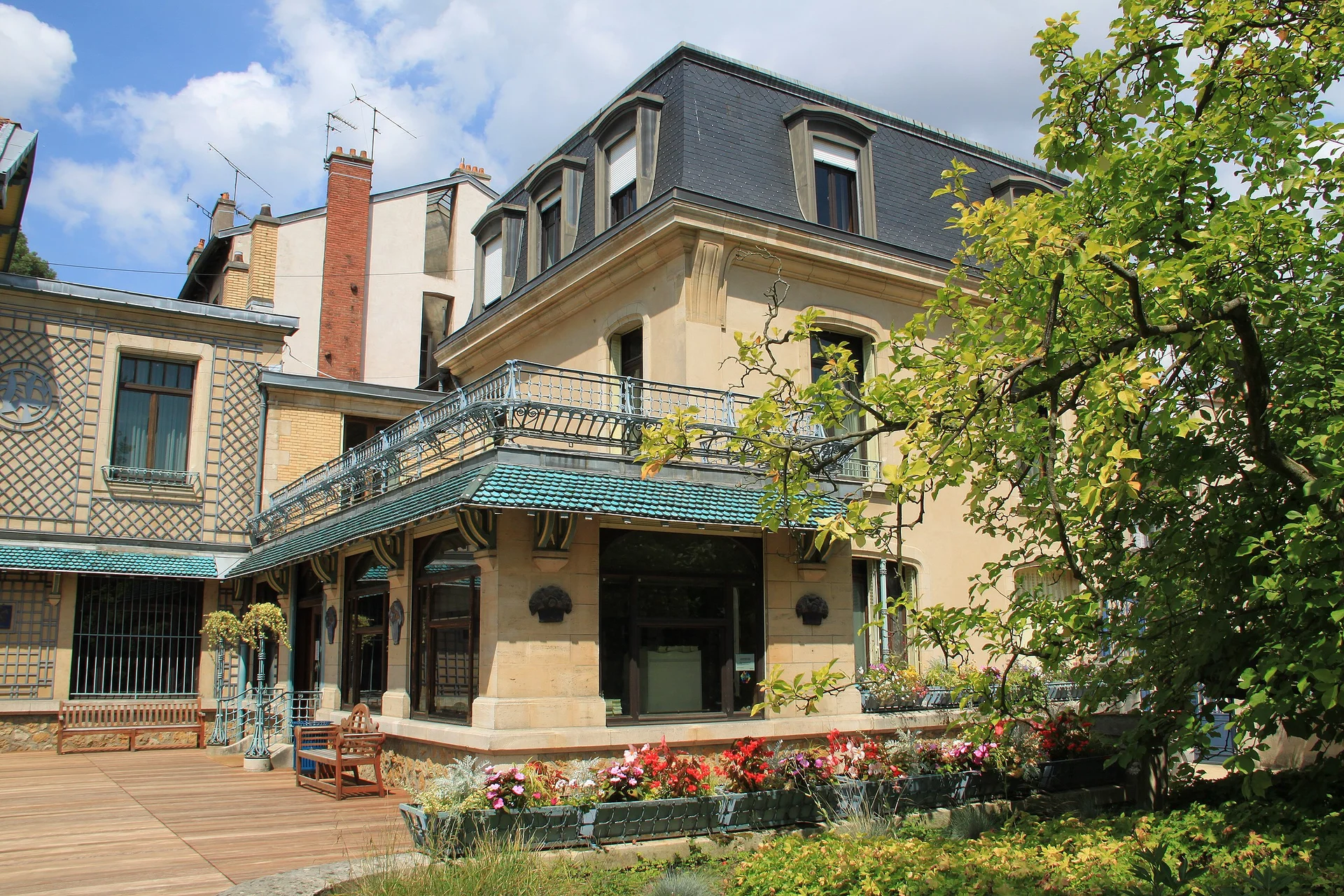
At the end of the 19th century, Nancy emerged as a major center for Art Nouveau in Europe. Artists like Émile Gallé, Louis Majorelle, and the Daum brothers forged a style where nature inspired every curve and floral motif. The Museum of the School of Nancy, housed in a 1900 villa surrounded by a garden, displays their glassware, furniture, and ironwork.
To experience Art Nouveau in its original setting, walk through the quartier Saurupt to see villas with undulating facades. The Chambre de Commerce and the Brasserie Excelsior also offer fine examples of this style right in the city center.
Friendly tip: the Villa Majorelle, a masterpiece by architect Henri Sauvage, is open by reservation only. Book several days in advance because time slots fill up fast.
Parc de la Pépinière: the green lung of the center
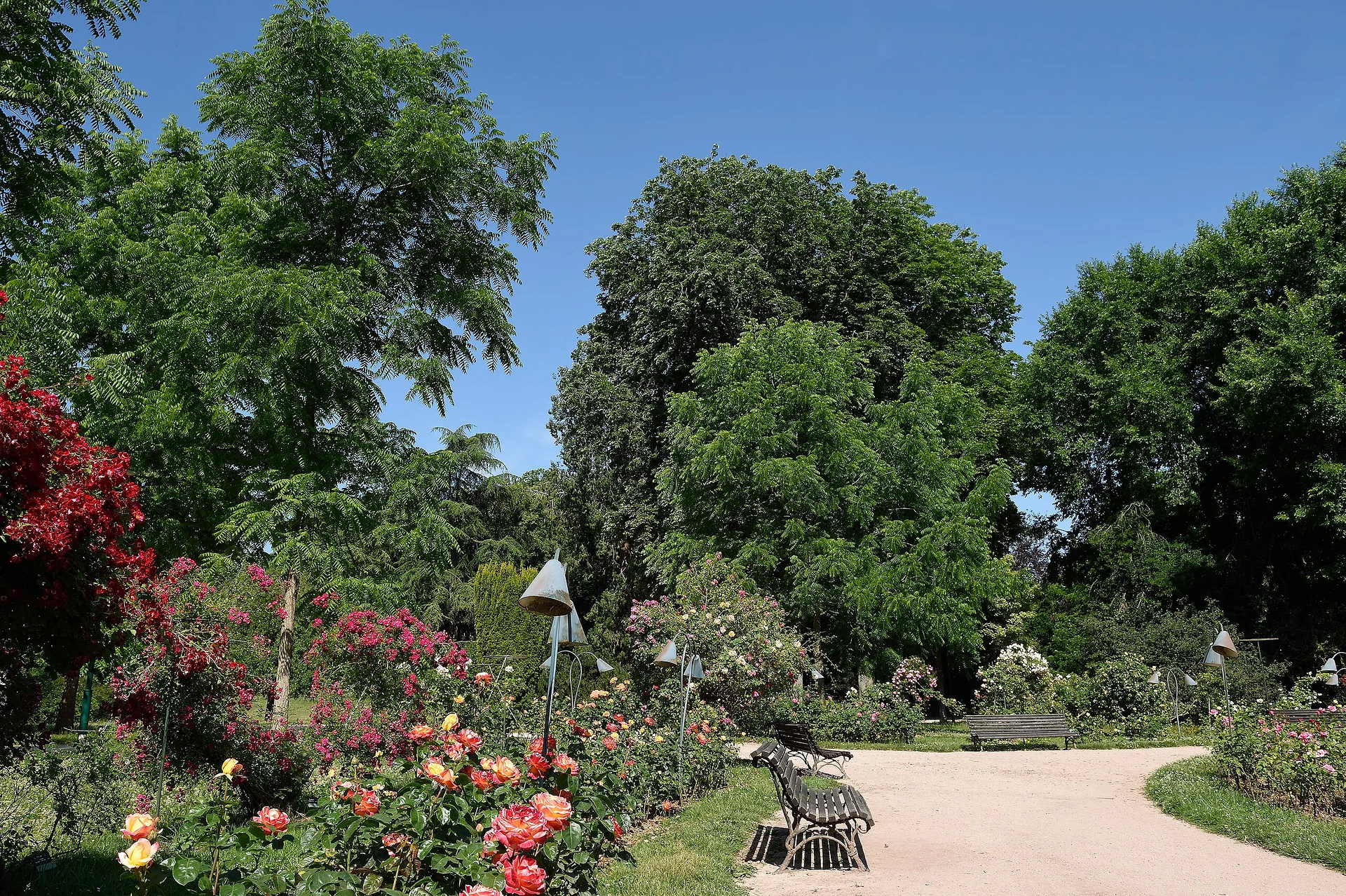
Just steps from Place Stanislas, this 23-hectare park offers a welcome breath of fresh air. Locals come here to run, picnic, or simply stroll beneath centuries-old trees. A rose garden, a small free zoo, and a bandstand animate the space, and families pack the lawns on Sundays.
The statue of Claude Gellée, known as Le Lorrain, watches over the main entrance. This regional painter remains a master of classical French landscape painting, even if his fame has softened over the centuries.
Where to eat and drink in Nancy
Lorraine cuisine does not do light and dainty. Real quiche lorraine is made without grated cheese, relying solely on bacon lardons, heavy cream, and eggs inside a shortcrust pastry. Bergamotes de Nancy, those square candies flavored with bergamot essential oil, are sold at Lefèvre-Lemoine, a confectioner open since 1840.
For a hearty meal, try the potée lorraine or the pâté lorrain, which is spiced meat marinated in white wine baked inside flaky pastry. The Brasserie Excelsior, listed as a historic monument, serves classic brasserie dishes in a lavish Art Nouveau interior. For a more casual vibe, the marché couvert offers regional products you can sample on the spot.
How to get to and around Nancy
The TGV train connects Paris to Nancy in 1h30. From Strasbourg, figure on 1h15 by TER regional train. The Metz-Nancy-Lorraine Airport serves a handful of European destinations but remains small. Luxembourg, a 1h drive away, offers broader international connections.
Once you arrive, everything in the center is walkable. The bus and tram network covers the outlying neighborhoods. A car comes in handy if you want to explore the surrounding area, like the Côtes de Toul vineyards, the hill of Sion-Vaudémont, or the city of Metz, 45 minutes away.
When to go
Spring and autumn bring the best conditions, with mild temperatures and flattering light for the gilded facades. Summer can bring heat and thunderstorms. Winter brings a sharp chill, but the Christmas market on Place Stanislas is worth the trip, ranking among the finest in France without the crushing crowds of Strasbourg.
I headed there for a day trip from Paris. I was really won over by this city! I loved the architecture of the place Stanislas, the parks, and the whole marked trail around the decorative arts (the Musée de l'École de Nancy, Villa Majorelle). It is a very pleasant, peaceful city, which lets you disconnect from the capital. There are also some good local specialties to taste, especially the macarons and the bergamotes. I regretted not having enough time to see everything, so I will come back for a weekend.