
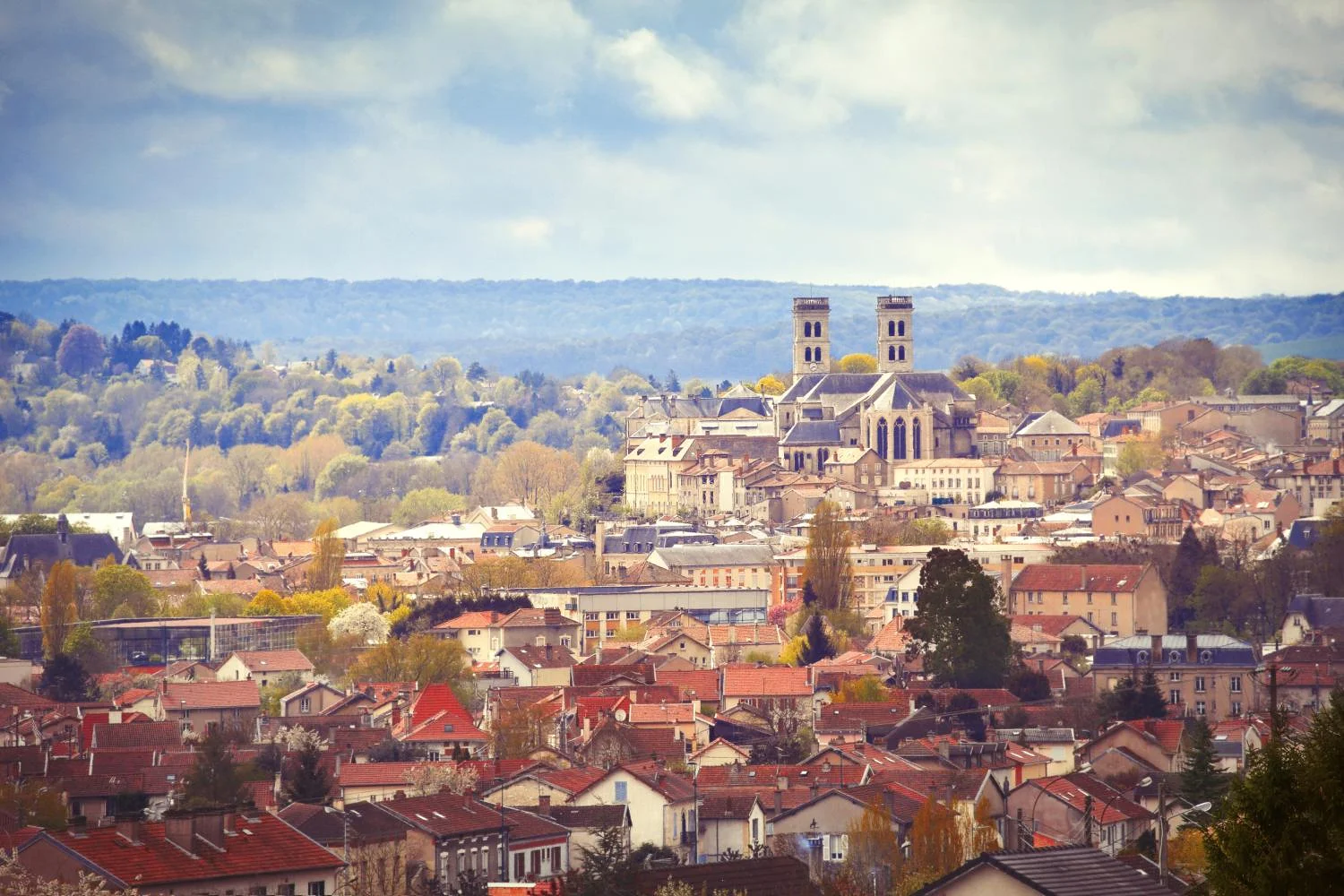
Verdun, a city whose history keeps unfolding
On November 10, 1920, a train left the Verdun station for Paris carrying a nameless coffin: the Unknown Soldier, chosen from eight unidentified bodies in the galleries of the underground citadel. Few people realize he departed from right here, from a small Lorraine train station designed by Gustave Eiffel in 1868.
Verdun holds that kind of history in every stone, but it goes far beyond its military past. The banks of the Meuse River, the sugar-coated almonds made here since 1783, the vineyards of the Côtes de Meuse: life goes on here stubbornly, right above the trenches.
A destination that leaves no one untouched
Let's be direct. Verdun is above all a place of remembrance. If World War I leaves you cold, a large part of the visit will pass you by.
For history buffs, families looking to pass down stories, and travelers searching for meaning, this is a powerful stop. The Douaumont Ossuary, added to the UNESCO World Heritage list in 2023, rarely leaves anyone unmoved.
Beyond memory, the state forest covering the old battlefields has earned the exceptional forest label. Cyclists take advantage of the EuroVelo 19 route along the Meuse. But if you are looking for a lively nightlife scene, Verdun is not the right choice with its 18,000 residents, quiet and understated.
Families welcome, bundle up
Downtown is compact and easily walkable in half a day. The underground citadel offers a tour in a suspended cabin with augmented reality headsets that kids love, but keep in mind that it stays around 8°C in the galleries, even in the middle of summer.
A very gentle budget for the Grand Est region
Expect $57 to $90* a night for a decent hotel, $14 to $23* for a meal, and between $5.70 and $12* per site. The guided bus tour of the battlefields runs $33* per adult.
The battlefields: the heart of the experience
300 days of combat in 1916. 300,000 French and German lives lost across less than 20 km². No book makes that reality as tangible as visiting in person.
The Douaumont Ossuary and the necropolis
The 137-meter-long building houses the remains of 130,000 unidentified French and German soldiers, divided among 46 granite tombs. Through the exterior windows, you can catch sight of the piled bones. Chilling.
In front of the ossuary, the national necropolis lines up 16,142 graves along the slope. Access to the cloister is free, while climbing the tower and watching the film require a ticket. This is where François Mitterrand and Helmut Kohl shook hands in 1984, a gesture that became a symbol of Franco-German reconciliation.
Friendly tip: come early in the morning or late in the afternoon to avoid school groups. In July and August, spotlights at the top of the tower sweep across the battlefield after dark. Striking.
The forts and the Bayonet Trench
The Douaumont Fort, the strongest of the fortified belt, is explored by walking through its underground tunnels. The Vaux Fort tells the story of a desperate siege. Pack sturdy shoes because the damp tunnels get slippery.
The Bayonet Trench displays rifles sticking straight out of the ground, planted in memory of the soldiers who fell there. Fleury-devant-Douaumont, captured and recaptured 16 times in two months, is one of the nine villages that died for France: one mayor, zero residents. Stick to the marked trails because unexploded ordnance still litters the ground.
The city of Verdun: beyond the war
The Verdun Memorial, renovated in 2016 for the centenary, serves as the best starting point to understand the battle. Its three levels blend period objects, personal accounts, and immersive reconstructions. In my view, it is the most polished museum on the site.
In town, the World Center for Peace occupies the former 18th-century episcopal palace. The Notre-Dame Cathedral, one of the oldest in France, is worth the detour. Along the Puty Canal, the medieval towers of the Porte Chaussée reflect in the water.
The From Flames to Light show
From June through late July, an outdoor sound and light show brings together hundreds of volunteer extras to recount the lives of soldiers and civilians during the Great War. Book your tickets in advance.
Where to eat and drink in Verdun?
The iconic specialty of Verdun is sugar-coated almonds known as dragées. These sugar-shelled almonds have been made here since 1783 by the Maison Braquier, which offers audio-guided tours. The tradition supposedly dates back to the coronation of Henry III.
When it comes to dining, traditional Lorraine cuisine dominates menus: quiche lorraine, fuseaux lorrains sausage, local pork and vegetable stew known as potée meusienne, and mirabelle plums served in tarts, brandies, or craft beers. The Côtes de Meuse, a small and confidential wine region, produces surprising white and gray wines. Be sure to pick up some goose feather-seeded redcurrant jam, a specialty of Bar-le-Duc that Victor Hugo was wild about.
Le Clapier, right in the center, is a reliable bet for traditional cooking. Out on the battlefield, L'Abri des Pèlerins in Douaumont operates as the sole restaurant in the heart of the memorial grounds.
How to get to and around Verdun?
The Meuse TGV station, built from local timber, sits 25 km away. Paris-Est is 1 hour away, and Strasbourg is 1 hour and 10 minutes away. Shuttle buses timed with train arrivals connect the TGV station to Verdun in 30 minutes.
By car: 2 hours and 45 minutes from Paris via the A4 highway, 1 hour and 20 minutes from Reims, and 1 hour and 10 minutes from Nancy. Having a car is practically essential for exploring the battlefields since the sites are scattered across the forest without public transit. Rental cars are available right at the Meuse TGV station.
When to go?
The ideal window runs from April to October. The From Flames to Light show takes place from June through late July, and the November 11 ceremonies offer a deeply solemn experience. Winters get cold, and certain sites close down from January to February.
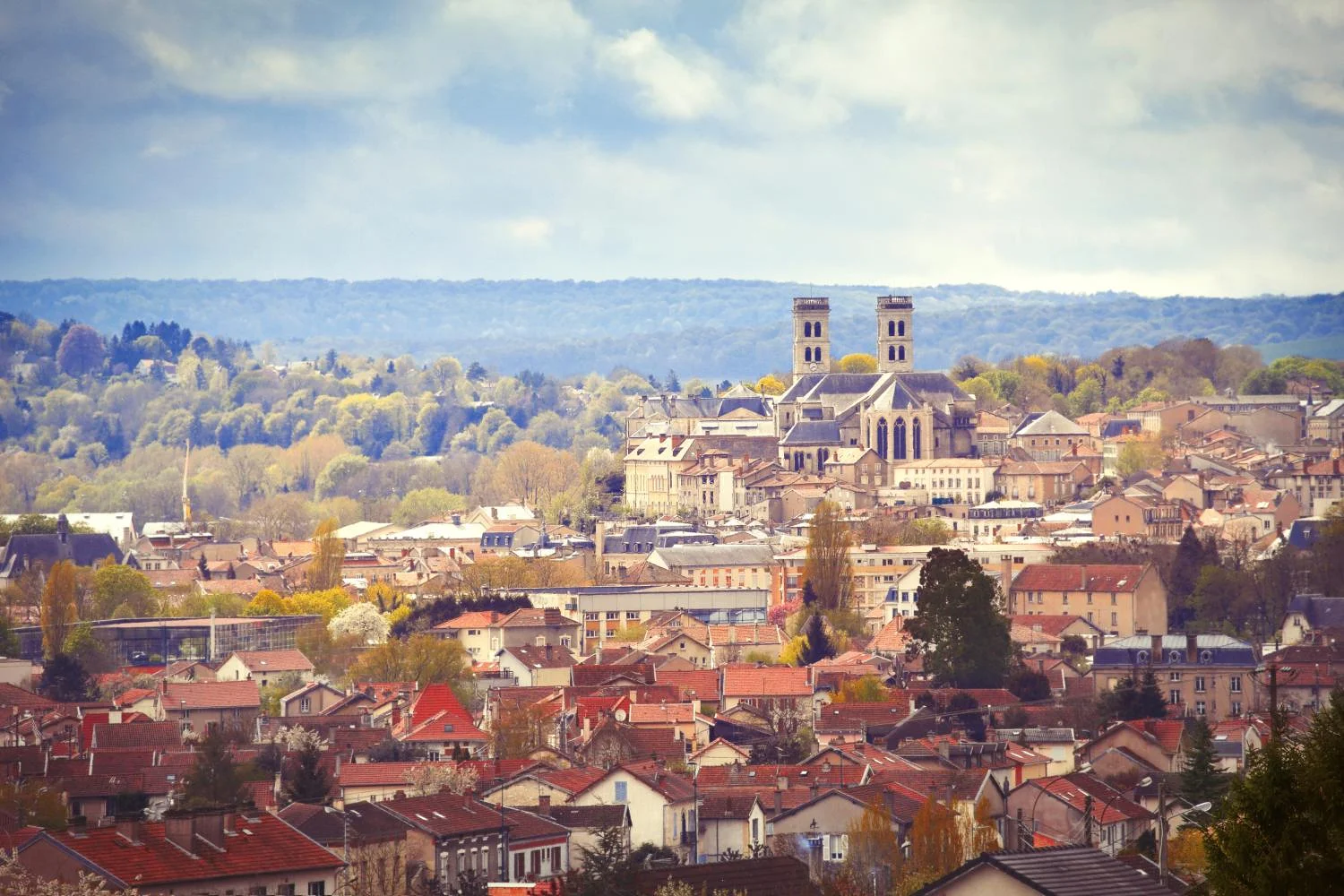
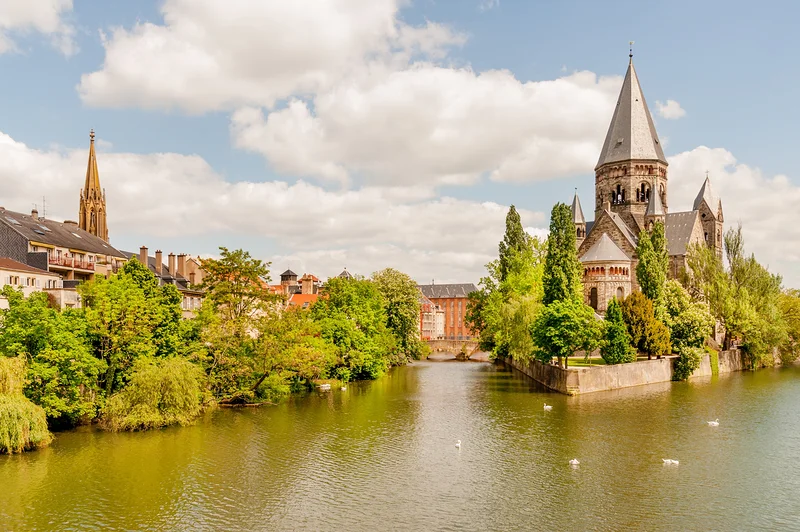
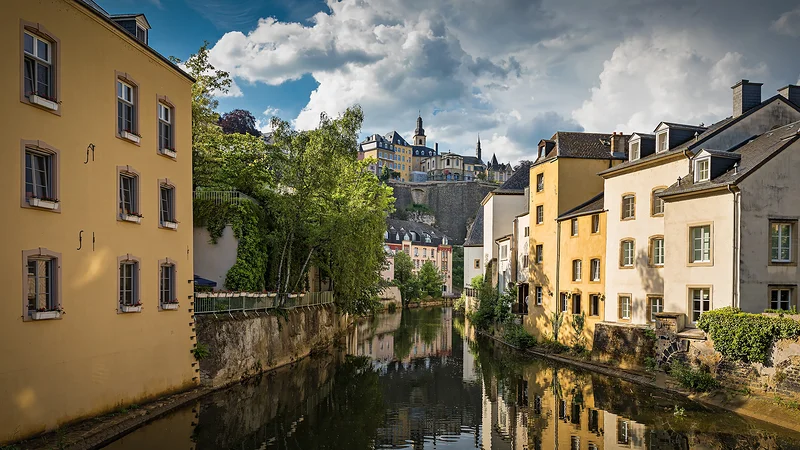
Verdun is a pretty city where it is pleasant to walk along the Quai de Londres. It is also a city with a strong history linked to the war. I recommend visiting the citadel as well as the various forts around it, especially Fort Douaumont. The recently renovated museum is also very interesting.