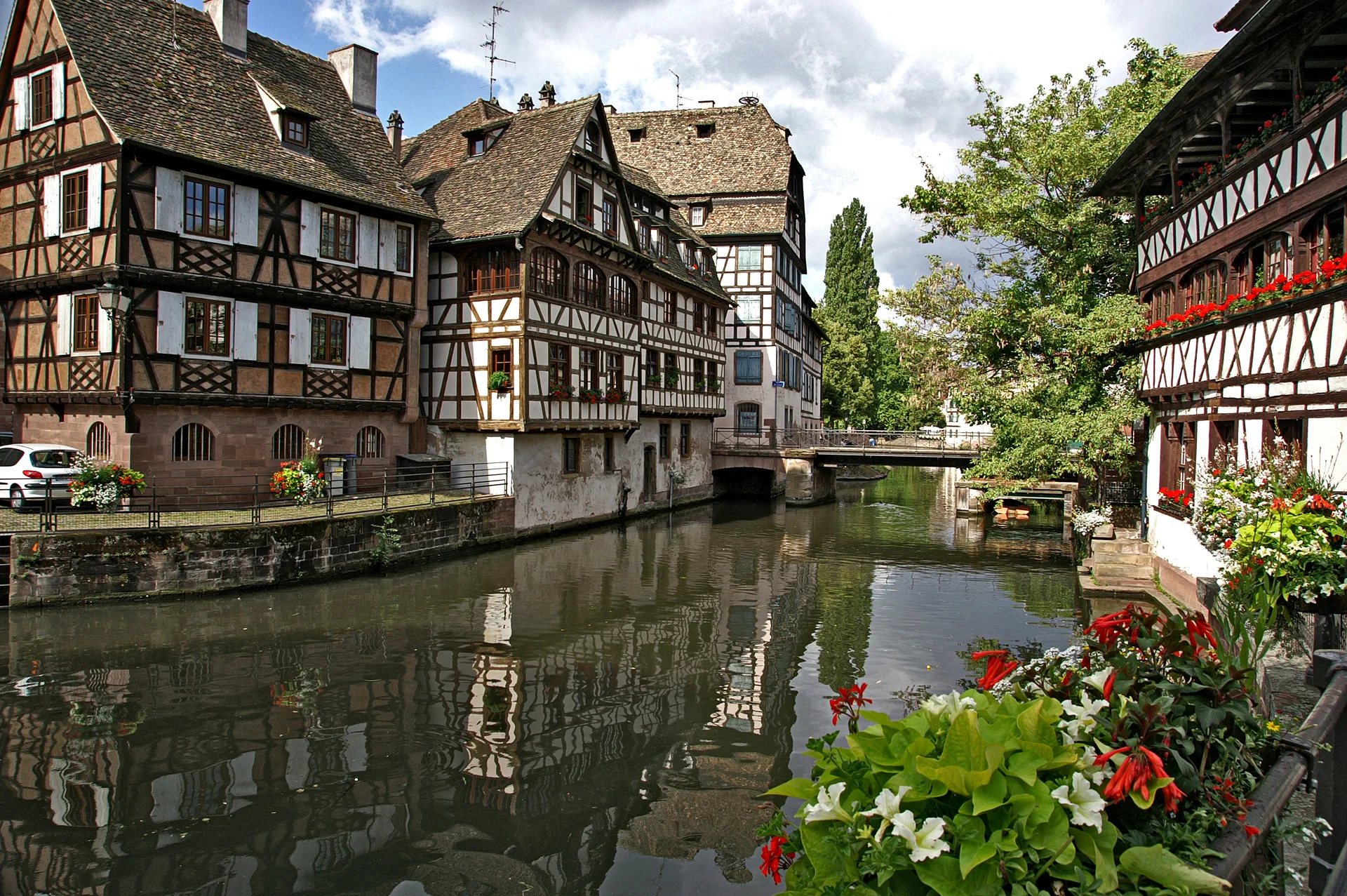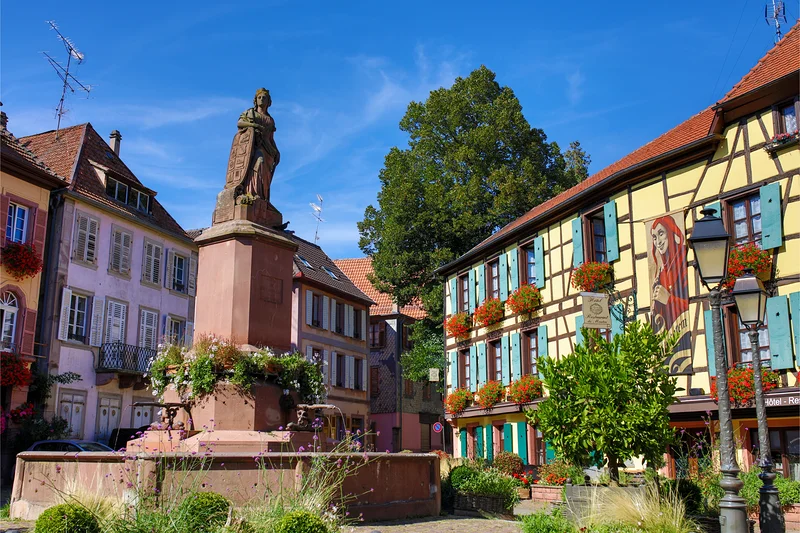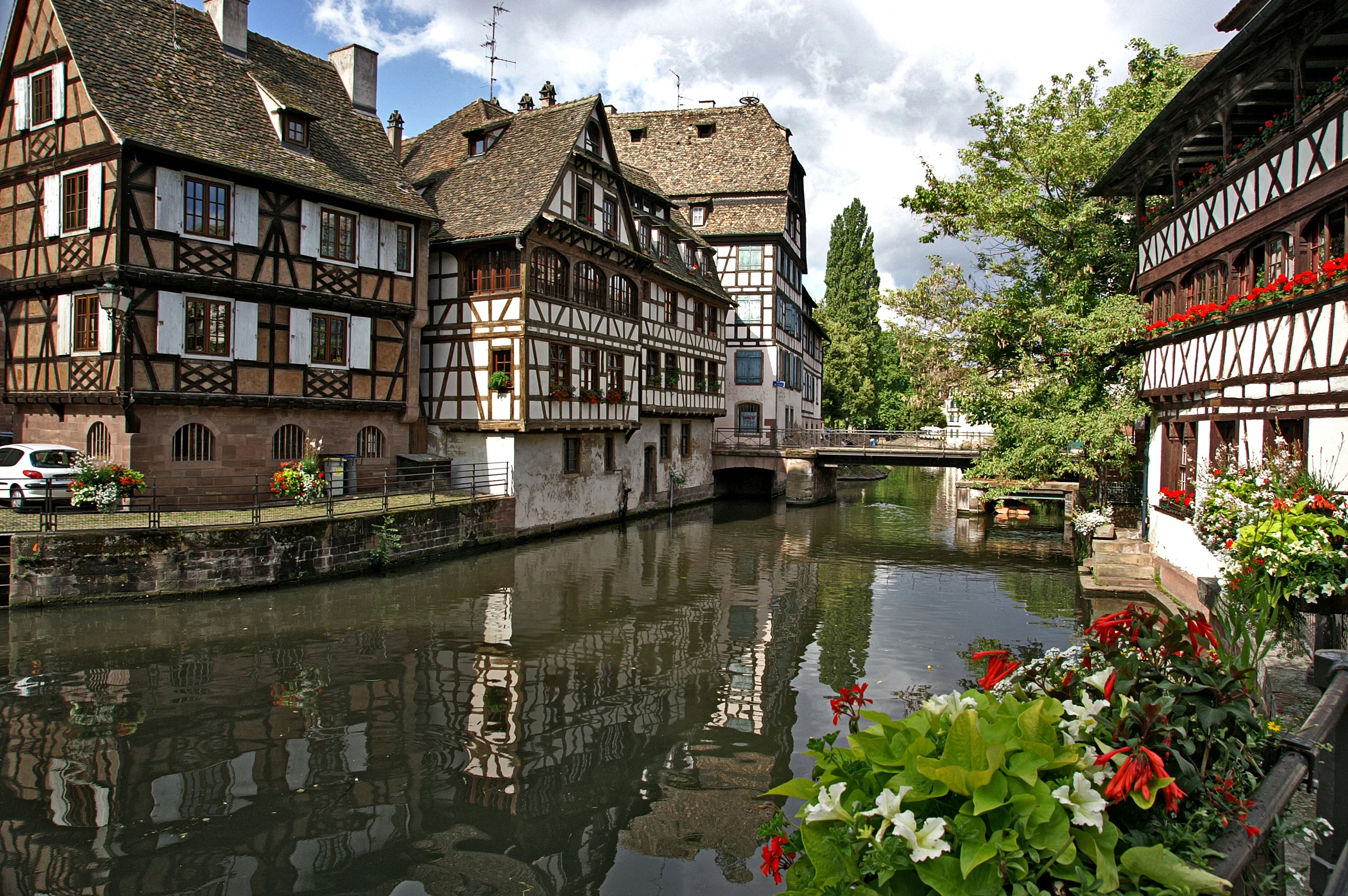
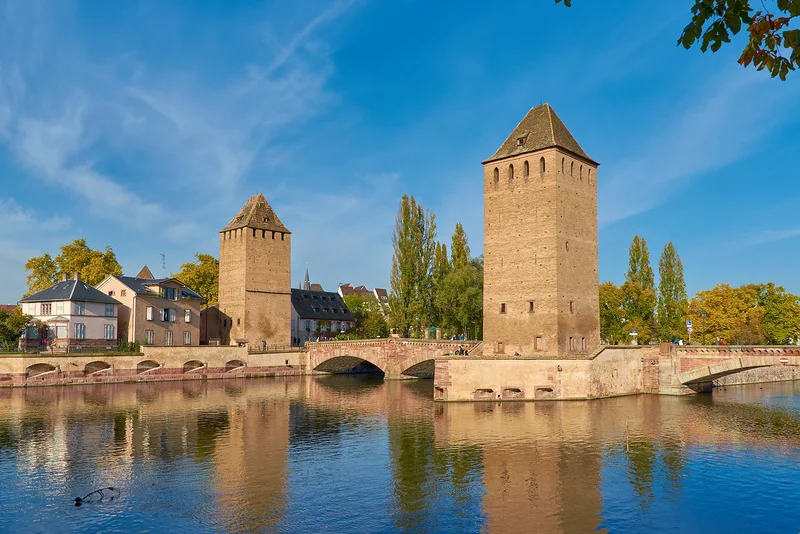
La Petite France à Strasbourg

Things to do in Strasbourg: top 9 must-see attractions

Looking for inspiration to visit Strasbourg? Browse the attractions our traveler community loves most — historic sites, cultural visits, scenic walks and laid-back spots...

Top 9 attractions our members recommend

Strasbourg Cathedral

#1 Strasbourg Cathedral +34 4.8

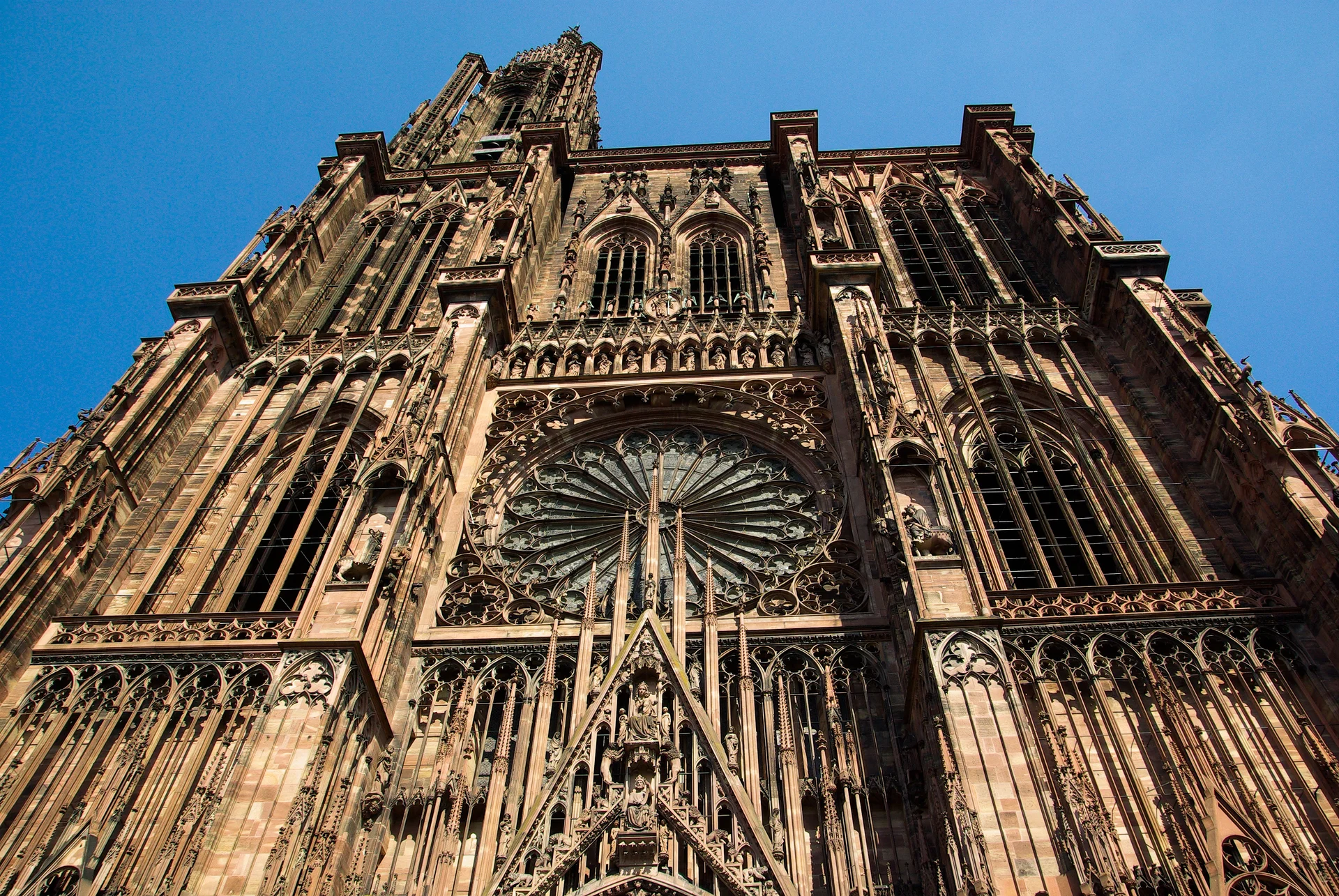
La cathédrale de Strasbourg est un chef-d'œuvre d'architecture gothique situé dans le centre de la ville. Construite entre le XIIe et le XVIIIe siècle, elle est célèbre pour sa flèche de 142 mètres de hauteur et son horloge astronomique datant du XVIe siècle. La cathédrale abrite également des vitraux exceptionnels et une grande statue de Notre-Dame du Pilier, qui est vénérée par les catholiques alsaciens. Elle est considérée comme l'une des plus belles cathédrales de France et attire des milliers de visiteurs chaque année.

Voir le guide View offers
Orangerie Park

#2 Orangerie Park +17 5

Au bord du canal de la Marne et du Rhin à Strasbourg, se trouve le parc de l’Orangerie. Ce parc de 26 hectares, classé depuis 1993, ne contient plus que 3 orangers, mais il a su se diversifier. Des expositions culturelles du pavillon Joséphine, au zoo et du bowling au circuit de voiture pour enfant, chacun trouvera une activité qui lui convient. Dans ce cadre à la nature luxuriante, c’est une promenade qui comblera toute la famille.

Vauban Dam

#3 Vauban Dam +10 4.5

Tout le monde a entendu parler de Vauban et de ses fortifications, on trouve un très bon exemple du savoir-faire de cet architecte militaire à Strasbourg. Le barrage Vauban, aussi appelé "Grande Ecluse", est une construction du 17ème siècle ayant pour but de protéger la ville contre les troupes ennemies. Sans besoin de construire de hautes murailles, Vauban utilisa la rivière Ill, construisant un barrage qui inonderait les terres se trouvant au sud de la ville, empêchant ainsi les assaillants d’avancer. Aujourd’hui, le barrage a été réhabilité pour recevoir du public, ses terrasses vous offriront une vue magnifique sur les environs.

Alsatian Museum

#4 Alsatian Museum +9 4.5

Sur le quai Saint-Nicolas à Strasbourg, vous trouverez une bâtisse traditionnelle qui cache en son sein toute l’histoire récente de l’Alsace. Au travers d’une collection de plus de 50 000 objets, le musée Alsacien vous offre la possibilité de voyager à travers le temps et la culture. Découvrez des pièces de vie du 18ème avec des meubles d’époque, des accessoires locaux uniques et admirez les savoir-faire de cette région riche d’histoire. Vous pourrez aussi flâner parmi les jouets et costumes traditionnels, reflets d’une époque pas si lointaine et pourtant si différente.

Palais Rohan

#5 Palais Rohan +7 5

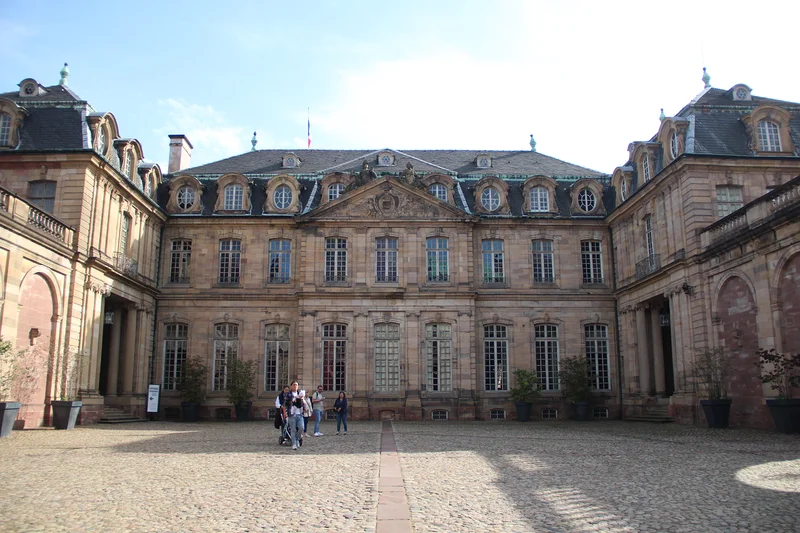
Au cœur de l’Alsace, en plein centre de Strasbourg, se dresse le palais des Rohan. Construit en 10 ans et achevé en 1742, en remplacement du palais épiscopal, il est aujourd’hui un lieu de culture incontournable. Entre la beauté de son architecture, la qualité de ses décorations et les 3 musées qu’il abrite, il est une visite obligatoire dans la ville. Découvrez les faïences locales, des peintures du monde entier, ou l’Alsace du paléolithique, tout ceci vous attend au Palais des Rohan.

Strasbourg National Theatre

#6 Strasbourg National Theatre +2 5

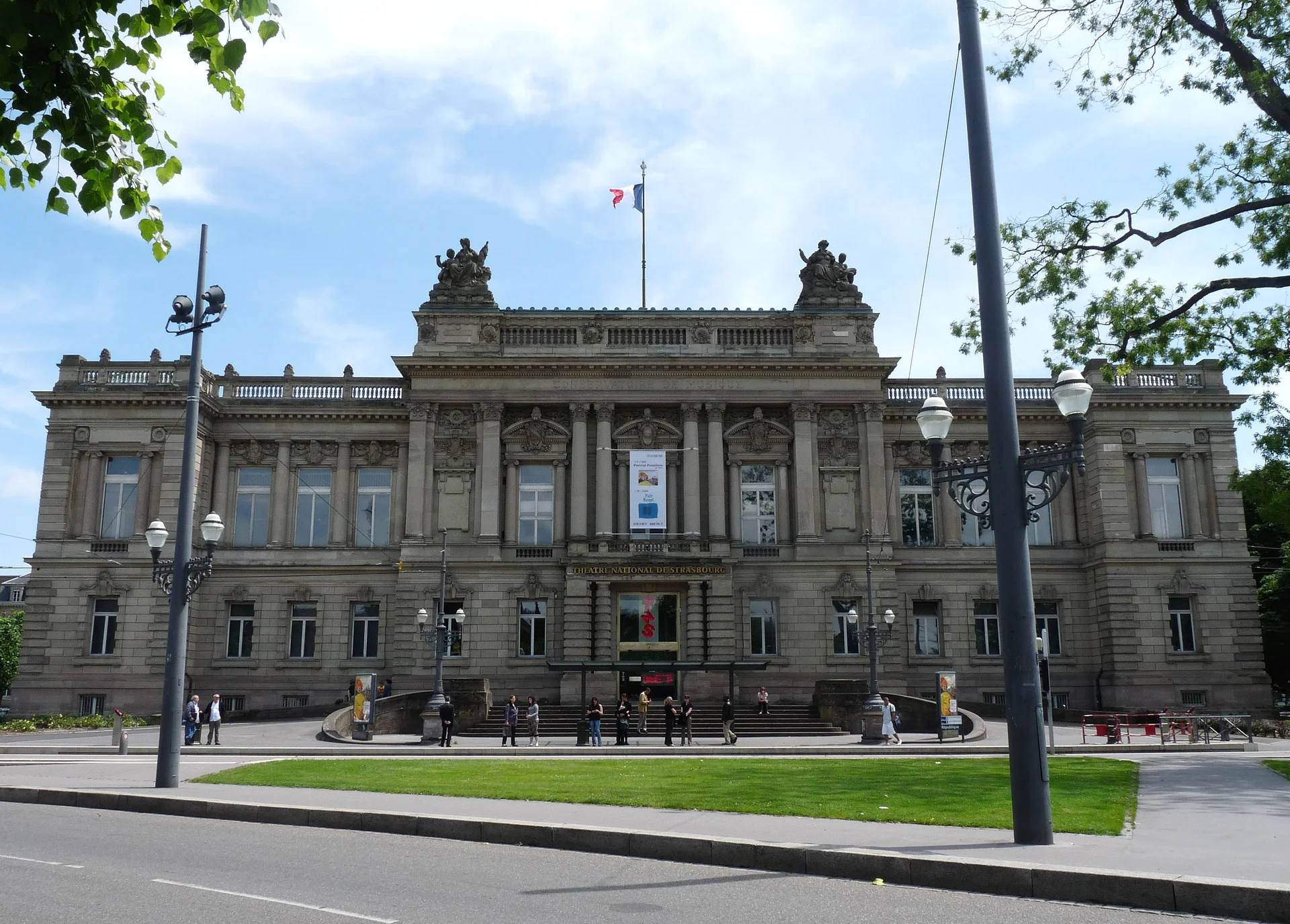
Avenue de la Marseillaise à Strasbourg, vous pourrez découvrir le théâtre national de la ville. Non-content d’être le seul théâtre national hors de Paris, c’est aussi le seul à avoir intégré une école d’art dramatique dans sa structure. Ces 4 salles offrent la possibilité d’avoir une programmation riche. Vous y trouverez toutes les formes d’arts scéniques, du concert aux arts visuels et de la tragédie grecque aux œuvres les plus contemporaines. Un lieu primordial de divertissement et de culture.

Historical Museum

#7 Historical Museum +2 5

Dans les bâtiments de l’ancienne Grande Boucherie, sur les bords de l’Ill à Strasbourg, se trouve un musée qui retrace avec intensité l’histoire de la ville depuis le moyen-âge. Le musée historique, ouvert en 1920, chercha longtemps sa voie et son style. Mais une série de transformations au début des années 2000 en firent un lieu surprenant, où l’on voyage à travers l’histoire alsacienne, au fil des nombreuses pièces historiques. Un musée riche et ludique, qui permet de découvrir l’histoire strasbourgeoise.

Saint Thomas Church

#8 Saint Thomas Church +2 5

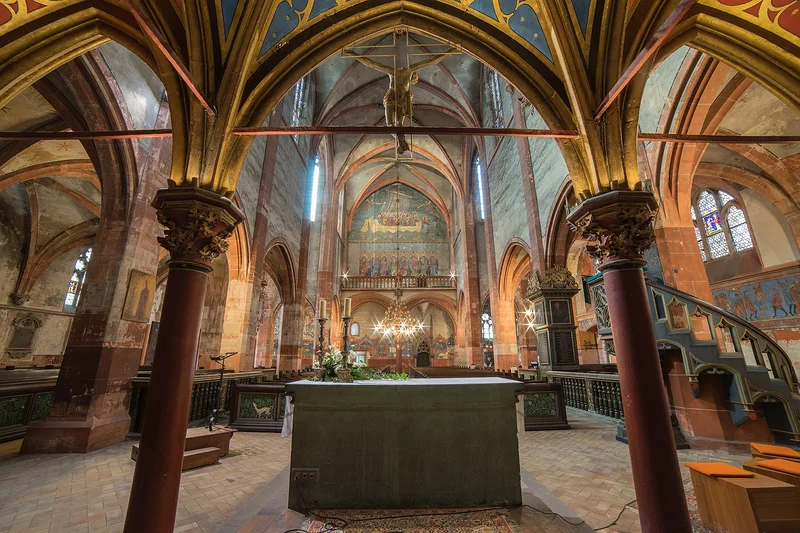
Au cœur de la ville de Strasbourg, l’église Saint-Thomas trône sur la place du même nom. Surnommée la cathédrale alsacienne du protestantisme, elle a joué un rôle primordial pour cette confession en Alsace. Son architecture de style gothique tardif renferme des trésors comme le sarcophage de l’évêque Adeloch, qui fut classé aux monuments historiques en 1991. Ou le superbe mausolée du maréchal de Saxe, qui prendra plus de 20 années de travail à son sculpteur. L’église Saint-Thomas est un lieu d’histoire magnifique.

Strasbourg Opera

#9 Strasbourg Opera +2 5

Après avoir été construit sur l'emplacement de l'ancien théâtre, détruit dans un incendie en 1800, l'Opéra de Strasbourg à su s'imposer comme un lieu culturel incontournable de la ville. Malgré les dégâts engendrés par les canons prussiens en 1870, il fut restauré à l'identique, afin de continuer sa mission. C'est donc tout naturellement qu'il participera à la création de l'Opéra national du Rhin. Aujourd'hui, les 6 muses de sa façade classée, veillent sur une programmation moderne, rendant les arts lyriques accessibles au plus grand nombre.

Map of must-see attractions in Strasbourg

Visiting Strasbourg, where Alsace meets the world

The scent of cinnamon drifting through narrow lanes in December, the clip-clop of shoes on the cobblestones of Petite France, the chime of the astronomical clock ringing out every noon. Or maybe it is the hum of European parliamentarians at a sidewalk cafe, debating in two languages. This city plays both sides, oscillating between medieval heritage and European modernity, between half-timbered houses and bold, contemporary architecture.

The Alsatian capital for every traveler

Let's be clear: this city wins over just about everyone. History buffs get their fix with a UNESCO-listed center, food lovers salivate over the winstubs, and families enjoy a human-scale city that is easy to navigate on foot or by bike. If you are looking for a beach or blistering sun, look elsewhere. People come here for the atmosphere, the distinct Alsatian culture, and the city's knack for marrying tradition with the avant-garde.

The crowds? Yes, they are real, especially in December when the Christmas market draws millions. Summer also sees a spike, but it is nothing like the gridlock in some other European destinations. Spring and fall offer a more intimate side of the city, with less crowded terraces and museums where you can actually take the time to look at the art.

A reasonable budget for a standout city

Expect to spend between 70 and 120€ ($75-130) per day, per person, depending on your plans. A bunk in a hostel starts at 25€ ($27), while a well-located three-star hotel runs about 80-100€ ($85-110) per night. For dinner, a choucroute garnie (sauerkraut with assorted meats) in a traditional winstub will run you 20-25€ ($22-27), and a glass of Alsatian wine generally costs 5-7€ ($5.50-7.50). Getting around? The 4.50€ ($5) day pass is a smart move, especially if you stay on the outskirts.

If you have limited time, here is a guide on how to visit Strasbourg in 1 day.

The Grande Île, the beating heart

Everything starts here, on this island carved out by the arms of the Ill river. You cannot miss the cathedral of Notre-Dame, a lace-like spire of pink sandstone that dominates the city at 466 feet. Climb the 330 steps to the platform. The view over the Vosges mountains and the Black Forest is worth the effort. Inside, the astronomical clock puts on its daily show at 12:30 PM. Arrive fifteen minutes early to grab a spot.

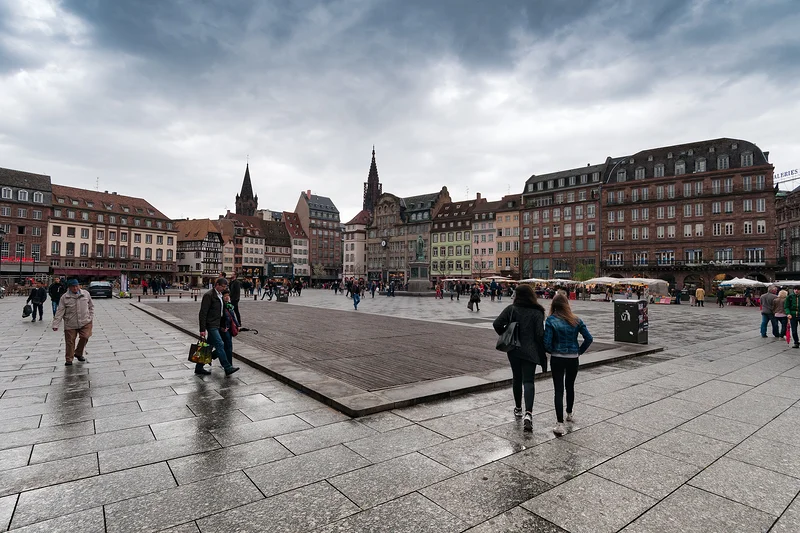
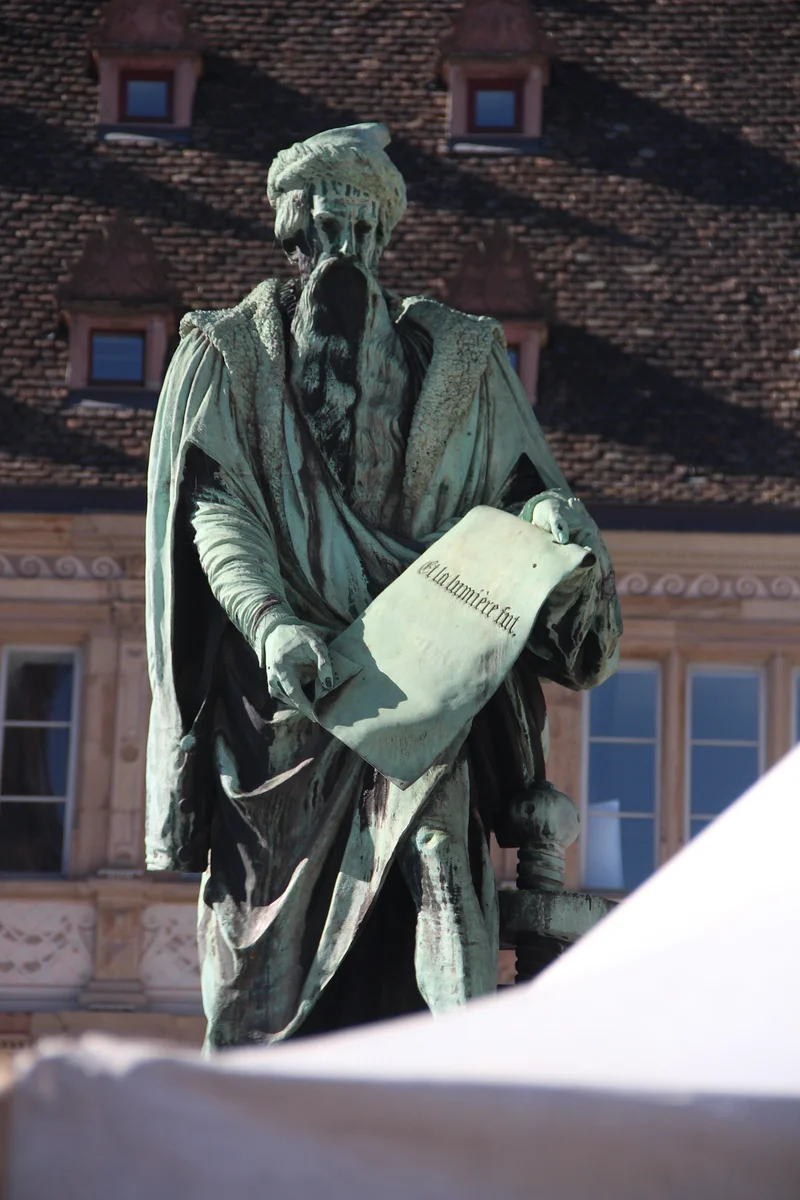
Around the cathedral, the streets fan out. Place Gutenberg with its terraces, rue des Hallebardes and its shops, rue du Vieux-Marché-aux-Poissons. Get lost. It is the best advice we can give. You will stumble upon hidden courtyards, sculpted facades, and ornate wrought-iron signs.

Pro tip: Visit the Maison Kammerzell at the foot of the cathedral, even if it is just for a coffee on the terrace. This 15th-century building is an architectural masterpiece, and the interior is worth seeing for its frescoes and woodwork.

Petite France, the postcard neighborhood

Formerly the quarter of tanners, fishermen, and millers, Petite France is now the most photographed spot in the city. Its half-timbered houses lean over canals, geraniums overflow from balconies, and stone bridges cross the water. It is beautiful and touristy, but it remains authentically preserved.

Walk across the Ponts Couverts and their four medieval towers, then climb onto the Vauban dam for a free panoramic view of the entire district. Early in the morning or late in the afternoon, when the tour groups thin out, you will catch the true poetry of the place. Traditional winstubs line the quays, such as Le Tire-Bouchon, La Maison des Tanneurs with its waterside terrace, and Le Pont du Corbeau, which holds a Bib Gourmand.

Pro tip: For a unique perspective, hop on a Batorama boat departing from the Vauban dam. It is an hour of narrated cruising that takes you from Petite France to the European district to help you grasp the full scale of the city.

The Neustadt, the overlooked imperial legacy

Built between 1870 and 1918 when the city was under German rule, the Neustadt surprises with its majestic Wilhelmine architecture. Place de la République is the nerve center, with its French-style garden and imposing administrative buildings. The Palais du Rhin, a former imperial palace, and the National and University Library stand as testaments to this opulent era.

Less crowded than the medieval center, this area is perfect for architectural walking tours. Wide avenues and leafy parks like the Orangerie, the oldest public park in the city, offer a welcome breather. It is also the district of institutions, home to the European Parliament and the Palace of Human Rights.

Pro tip: Visit the Parc de l'Orangerie on a Sunday morning. Locals go for jogs, walk their dogs, or rent rowboats on the small lake. You will see the city in its daily rhythm, far from the tourist pressure of the center.

Beyond the center: Alsatian escapes

A 20-minute drive away begins the famous Alsace Wine Route. The villages of Obernai, Riquewihr, and Eguisheim deserve a full day. Terraced vineyards, tastings in family cellars, and classic architecture. This is the postcard version of Alsace that justifies the trip on its own.

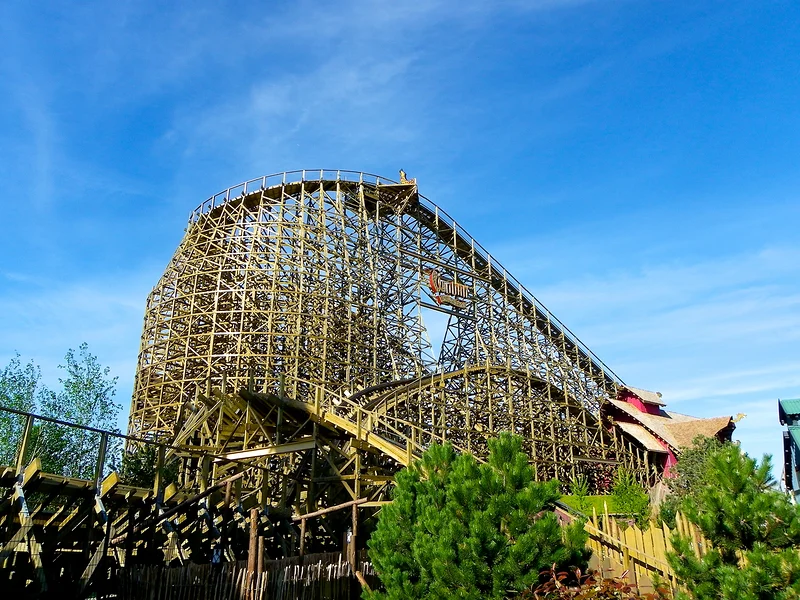
Closer to the city, the Château du Haut-Koenigsbourg overlooks the Alsatian plain from an altitude of 2,600 feet. This restored medieval fortress offers a deep dive into regional history and breathtaking views. If you have kids, Europa-Park in Germany, 37 miles away, is the largest theme park in the country.

Where to eat and drink in Strasbourg?

The Strasbourg culinary scene revolves around winstubs, those Alsatian taverns where traditional dishes are served in a cozy, wood-paneled setting. On the menu: choucroute garnie, baeckeoffe (a slow-cooked meat and potato casserole), fleischkiechle (meat patties), and tarte flambée (a thin-crust flatbread with cream, onions, and bacon). Portions are generous and prices are fair.

Reliable favorites include Le Clou on rue du Chaudron, an institution with celebrity photos on the walls and an authentic vibe. Winstub La Cruche on rue des Tonneliers offers a smaller, high-quality menu that occasionally features vegetarian options. For tarte flambée, head to La Binchstub and its three city locations. The atmosphere is friendly and the tables are packed, just as they should be.

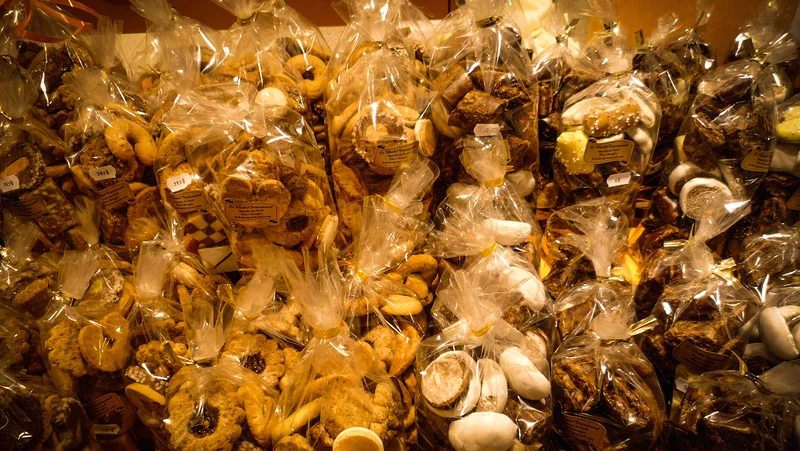
For specialties, try kougelhopf (a brioche-like cake) in a savory version for breakfast, bredele cookies during the holidays, and munster cheese aged in the Vosges mountain farms. Gewurztraminer and pinot gris pair beautifully with the local food. Ask for advice in the caves des Hospices, which store the oldest wine in the world kept in a barrel.

Where to stay in and around Strasbourg?

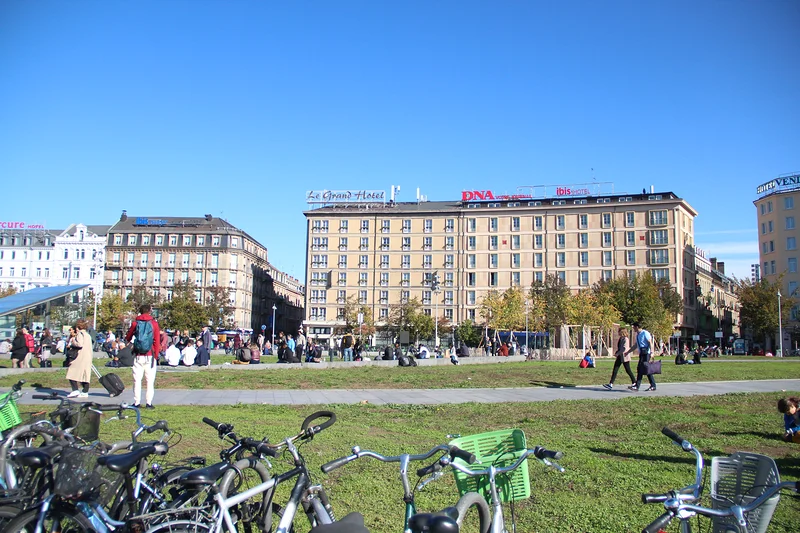
For total immersion, stay on the Grande Île or in Petite France. Hotels there are pricier, but you are in the heart of the action. The Régent Petite France offers five-star luxury with a view of the canals. For a mid-range budget, the area around the train station has good options about a 10-minute walk from the center.

If you are driving, park-and-ride lots on the outskirts include overnight parking in some partner hotels. It is a practical way to avoid the hassle of city-center parking. Surrounding Alsatian villages also offer authentic bed-and-breakfasts with massive breakfasts and family-style hospitality, perfect for combining city sightseeing with a wine-country getaway.

How to get there and get around?

The city is 2 hours from Paris by TGV and 3 hours 20 minutes from Lille, making it well-connected to the European rail network. The international airport is 15 minutes from the center, though it serves fewer destinations than the ones in Basel-Mulhouse or Karlsruhe-Baden, which are accessible by shuttle.

If driving, use the park-and-ride lots for 4.20€ ($4.50) a day, which includes unlimited tram rides for all passengers in the vehicle, up to 7 people. The tram network is excellent, with six lines covering the entire metropolitan area. The historic center is walkable, but rent a Vélhop bike to explore the banks of the Ill and ride to the European district. The city has 370 miles of bike paths.

When to go?

May through September offers the best balance of pleasant weather and a lively city. June and July are particularly nice for enjoying terraces and outdoor festivals. If you can handle the crowds and the cold, December is magical with its Christkindelsmärik, the oldest Christmas market in France, which turns the city into a fairy-tale setting.

Avoid January and February if you dislike the cold, as temperatures regularly drop below freezing and the days are short. Autumn, with its golden colors on the surrounding vineyards and mild temperatures, attracts those who prefer quiet and gastronomy. It is the season for the grape harvest and new wines.

Find the best deals to travel to Strasbourg

Activities and guided tours Hotels and stays Flights Custom trips

When to visit Strasbourg?

The most favorable period to discover Strasbourg covers:

March April May June August November

Favorable months also include:

February July September

Check the details below to fine-tune your choice based on your preferences!

Climate and atmosphere in Strasbourg month by month

January Less Favorable

Temperatures
0°C to 5°C
Sunshine
1.8h / day
Rainy days
10 days
Rainfall
38 mm

Winter brings a quiet charm to the city, well after the holiday crowds have cleared out. It is the perfect time to warm up with a <em>choucroute garnie</em> (a hearty dish of sauerkraut, sausages, and cured meats) in a traditional <strong>winstub</strong> in the <strong>Petite France</strong> neighborhood. You can explore museums, such as the <strong>Palais Rohan</strong>, in total peace.

February Less Favorable

Temperatures
0°C to 7°C
Sunshine
3.1h / day
Rainy days
9 days
Rainfall
35 mm

The atmosphere is romantic and intimate, perfect for a walk along the canals. Low crowds mean you can explore the cathedral and its astronomical clock without the usual crush. Take the opportunity to sample local pastries in a quiet tearoom.

March Favorable

Temperatures
3°C to 12°C
Sunshine
4.4h / day
Rainy days
10 days
Rainfall
43 mm

Spring is arriving and the storks, the symbols of <strong>Alsace</strong>, are returning to the <strong>Parc de l'Orangerie</strong>. The first buds are appearing and the outdoor cafe terraces are starting to pick up. It is a great time to take a boat tour to see the city wake up.

April Very Favorable

Temperatures
6°C to 17°C
Sunshine
6h / day
Rainy days
10 days
Rainfall
43 mm

Geraniums begin to brighten the balconies of half-timbered houses, creating a classic postcard scene. Easter markets bring a lively, food-focused energy to the city. The weather is generally mild, making it a great time for a bike ride along the banks of the Ill River all the way to the European Parliament.

May Very Favorable

Temperatures
11°C to 21°C
Sunshine
6.7h / day
Rainy days
11 days
Rainfall
77 mm

The city is lush and green, and the weather is ideal for wandering. It is the perfect time of year to explore the <strong>winstubs</strong> and their flower-filled terraces. For a relaxing afternoon, rent a rowboat at the <strong>Parc de l'Orangerie</strong>, a quiet retreat in the center of the city.

June Very Favorable

Temperatures
14°C to 24°C
Sunshine
7.8h / day
Rainy days
10 days
Rainfall
71 mm

The vibe picks up with the Fête de la Musique and the start of the street arts festival (FARSe). Long summer evenings are perfect for grabbing a drink along the quays. It is a great time to explore the <strong>Neustadt</strong> (the German imperial district), which holds UNESCO World Heritage status.

July Very Favorable

Temperatures
16°C to 26°C
Sunshine
8h / day
Rainy days
10 days
Rainfall
73 mm

Summer is in full swing and the light shows on the cathedral create a spectacle after dark. The Docks d'été on the Presqu'île Malraux offer a beach vibe right in the city. Take advantage of the warm weather to eat outside on the lively squares.

August Favorable

Temperatures
15°C to 26°C
Sunshine
7.4h / day
Rainy days
9 days
Rainfall
61 mm

Summer in the city feels more relaxed. It is the perfect time for a day trip to the nearby Alsace Wine Route. For a cool break, the many parks and the banks of the Ill River are local favorites for spending time outdoors.

September Very Favorable

Temperatures
12°C to 21°C
Sunshine
5.7h / day
Rainy days
9 days
Rainfall
55 mm

The late-summer light hits the canals of <strong>Petite France</strong> just right. Expect sunny, mild weather that makes walking around the city easy. Use your trip to catch the <strong>Journées du Patrimoine</strong> (Heritage Days) to see sites usually closed to the public, or check out the <strong>Musica</strong> festival if you are into contemporary music.

October Favorable

Temperatures
8°C to 15°C
Sunshine
3.6h / day
Rainy days
10 days
Rainfall
59 mm

The city takes on rich fall colors, especially along the riverbanks. This is harvest season for the nearby vineyards. The pace of the city slows down, making it the perfect time to explore the European Quarter or visit the <strong>Musée Alsacien</strong> to get a better sense of local traditions.

November Less Favorable

Temperatures
4°C to 9°C
Sunshine
2.1h / day
Rainy days
10 days
Rainfall
47 mm

The city quietly gears up for the year-end festivities, and the atmosphere feels hushed. It is a prime time for contemporary art enthusiasts thanks to the ST-ART fair. Local winstubs (traditional Alsatian wine taverns) become cozy refuges for enjoying a glass of white wine from Alsace.

December Very Favorable

Temperatures
1°C to 5°C
Sunshine
1.6h / day
Rainy days
11 days
Rainfall
48 mm

The city transforms into the Capital of Christmas, a singular experience you will not find anywhere else. Explore the various markets, from the traditional Christkindelsmärik to the stalls featuring small-batch local producers. Follow the scents of mulled wine and gingerbread for an unforgettable visit.

Weather charts for Strasbourg

Flight prices to Strasbourg, month by month

Tip: click the filter icon below to choose your departure city and trip duration.

Top photos posted by members

La Petite France à Strasbourg
Cathédrale de Strasbourg
Théâtre National de Strasbourg

Traveler reviews on Strasbourg

Write a review

Reviews summary

On the city

9 reviews
+38
recos
  • Overall 5/5
  • Family 4.9/5
  • Couple 5/5
  • Friends 5/5

On the attractions

46 reviews
+89
recos
  • Churches and cathedrals +38
  • Parks and gardens +17
  • Museums +13
  • Monuments +10

Worth seeing all year round

Strasbourg really lives up to its reputation during all four seasons. There is always something going on. The different neighborhoods allow you to discover a city of art and history, like Petite France (the city's main tourist hotspot) or the Cathedral district. Strasbourg is the capital of Alsace, but it is also turned toward Europe. During my last visit, I went to see the European Parliament district and I wasn't disappointed. Of course, say goodbye to Alsatian architecture and its culinary specialties. Near the European Parliament, concrete and glass are dominant, but the atmosphere there is pleasant. The many parks provide the greenery that is essential for a modern neighborhood.

10
Recommends :
Overall rating :
With family :
As a couple :
With friends :

The Alsatian capital does not disappoint!

With a beautiful city center featuring many half-timbered houses, Strasbourg is a city with so much to offer. Enjoy the La Petite France neighborhood, visit the Cathedral, discover the European Parliament, and stroll along the banks of the Ill River. It is very pleasant to explore the city on foot.

5
Recommends :
Overall rating :
With family :
As a couple :
With friends :

A real change of scenery

One of the most beautiful cities in France! Strasbourg always gives me a total change of scenery with its pretty flower-filled houses, green spaces, and the Rhine. Between the splendid cathedral, the museums, the shops, and the little boat cruises, the city offers plenty of activities. It is also the chance to taste some very good local specialties, including the delicious flammekueche.

A small downside, during the Christmas market, with the big tree lighting up starting at 4 PM, the streets are impassable. Do your shopping in the morning instead.

3
05/05/2025

Je ne comprends pas le rapport entre éclairage du sapin et circulation dans les rues ?

05/05/2025

Je ne comprends pas le rapport entre éclairage du sapin et circulation dans les rues ?

07/05/2025

Toutes les heures, à partir de 16 heures, un spectacle d'illumination du sapin avec de la musique est proposé. Il attire beaucoup de monde.

07/05/2025

Toutes les heures, à partir de 16 heures, un spectacle d'illumination du sapin avec de la musique est proposé. Il attire beaucoup de monde.

27/05/2025

Merci pour la réponse :)

Recommends :
Overall rating :
With family :
As a couple :
With friends :

Worth a visit all year round

Whether it is in winter for the Christmas markets or during the warmer months, Strasbourg is a city I love to explore. The city center with its canals is truly charming. You will find many half-timbered houses, typical of Alsatian architecture. The cathedral is also very impressive. It is truly huge.

3
Recommends :
Overall rating :
With family :
As a couple :
With friends :

A must-see at Christmas time

Strasbourg is a perfect weekend destination during the holidays. It is truly the Christmas market city par excellence. Grab a map and wander between the squares filled with little wooden chalets. The streets are decked out with glowing decorations too. You will find some excellent local snacks to munch on. During the day, you can appreciate the half-timbered houses and the Ill river that runs through the city even more.

3
Recommends :
Overall rating :
With family :
As a couple :
With friends :

Saint Arbogast and the widow's son

There are many legends about Strasbourg and its cathedral (even ghost hunters should find something to satisfy them). I invite you to discover them, as it will only make your trip more fantastic.
Here is one of them:

In 676, Saint Arbogast was sick and dying, but a poor widow asked to see him. The saint, being generous, agreed despite his suffering. She explained to him that her son, who was unjustly accused of theft, had been executed and buried under the gallows without a blessing (the real thief was found, but it was too late). Saint Arbogast consoled the woman by promising to do something for her child. Upon his death, he was buried at his own request under the gallows next to the widow's son, the ground was blessed, and the promise was kept. Later, the Saint-Michel chapel was built on this sacred site.

4
Recommends :
Overall rating :
With family :
As a couple : N/A
With friends :

So much charm

I have now visited Strasbourg twice, once in the winter before Christmas and once in the summer. In both cases, it is the same conclusion, the city is full of charm.

La Petite France, with its canals and timber-framed houses, is a real postcard. The heart of the historic island, with its old buildings, pedestrian streets, its typical attic roofs, and the Place du Château, is a delight to explore on foot.

I took advantage of my second visit to discover the Neustadt, the northeastern part of the city built by the Germans a century ago. It is a different city that also deserves a visit for its elegance, and it makes me think of Munich.

In short, a city to visit!

3
Recommends :
Overall rating :
With family :
As a couple :
With friends :

Beautiful city, easy to visit

Strasbourg, the Alsatian and European Union capital, is very easy to get around. Trams, buses, and bikes are available everywhere. Exploring on foot is the best idea. Start in La Petite France, head up toward the cathedral passing by Place Kléber, the Arcades, and then Place Gutenberg, and afterwards go for a walk on the other bank by crossing one of the many bridges toward Place d'Austerlitz. The university and its very green campus are also worth the trip, as well as the Palais Universitaire and the beautiful Eglise Saint-Paul. From there, you can head back toward the main city center by passing through Place Saint-Etienne and the beautiful medieval streets that will lead you... to the back of the cathedral!
The most popular time to visit Strasbourg is Christmas. It is true that the city is adorned with a thousand lights and both small and large Christmas markets, but just know that it will be crowded! Otherwise, the city is absolutely charming in the spring! Be careful though, it can get very, very hot in the summer because the Vosges mountains block the wind!
In any case, a city to visit!

4
Recommends :
Overall rating :
With family :
As a couple :
With friends :

Such a cute city center

A few years ago, Strasbourg was far from the rest of France.

Since the TGV Est makes it possible to get from Paris to Strasbourg in less than 2 hours, it has become much easier to visit the Alsatian capital.

And it would be a real shame to miss out! The time I recommend is the weeks leading up to Christmas: the decorations, the atmosphere, but especially the Christmas markets. You will see, they feel much more authentic than the ones found elsewhere in most big cities. Which makes sense, since, if I am not mistaken, it was Strasbourg that imported this Austro-German tradition back in 1570!

Anyway, the point is that you will feel a truly special atmosphere browsing these stalls full of sweets, local products, and crafts. And the smell of mulled wine has something to do with it.

The neighborhood you absolutely must see is La Petite France, which is the old town. The banks of the Ill are as cute as can be.

A quick note on Alsatian cuisine: I invite you to discover the bouchées à la reine, spätzle, and other delights in the winstubs, the local traditional restaurants. Put your diet aside and enjoy!

4
Recommends :
Overall rating :
With family :
As a couple :
With friends :

You've seen every review.

More cities to visit from Strasbourg