Visiting Bavaria
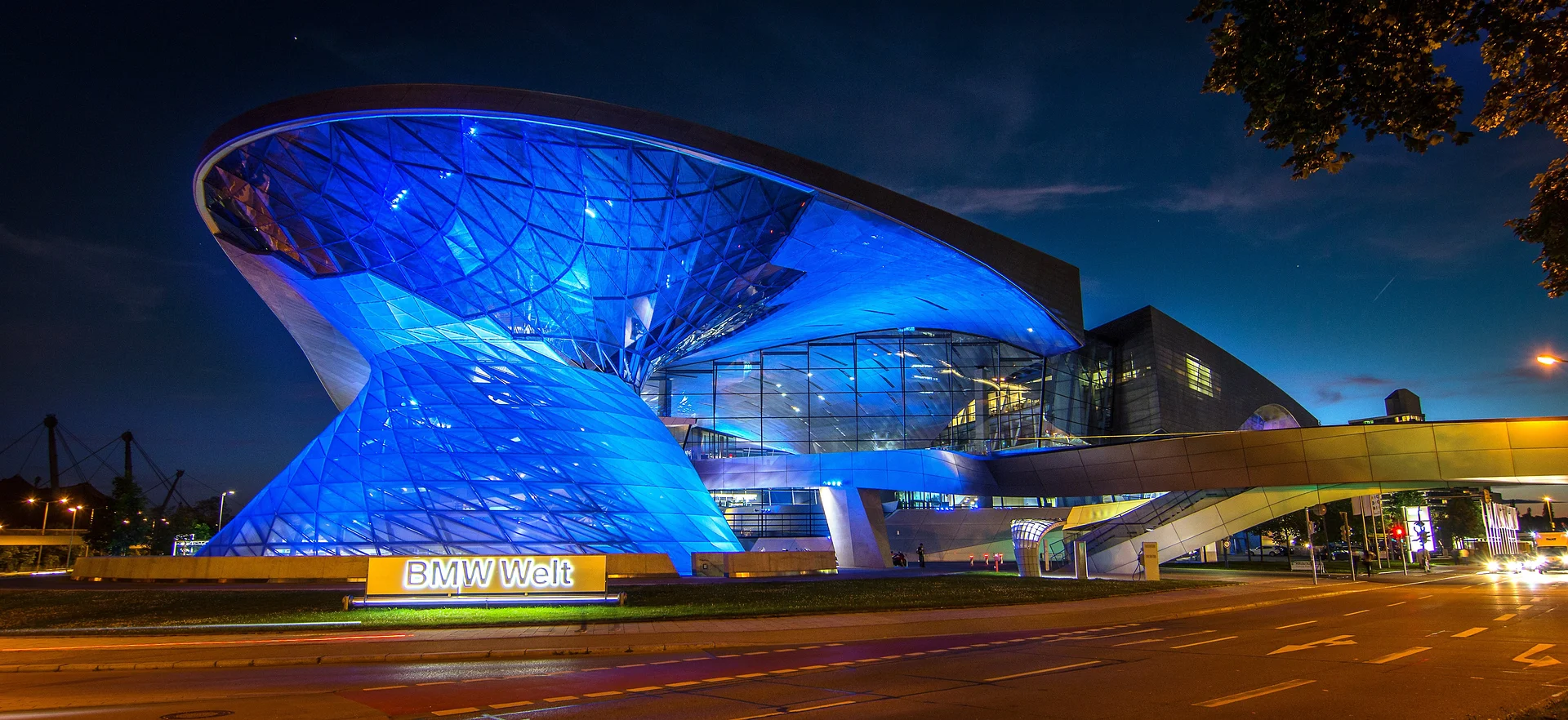
Bavaria happily tells its story in costume, and it is wrong to let itself be reduced to that. Munich is the richest city in Germany, home to BMW and Siemens, and it drinks its beer in breweries founded before the Thirty Years' War.
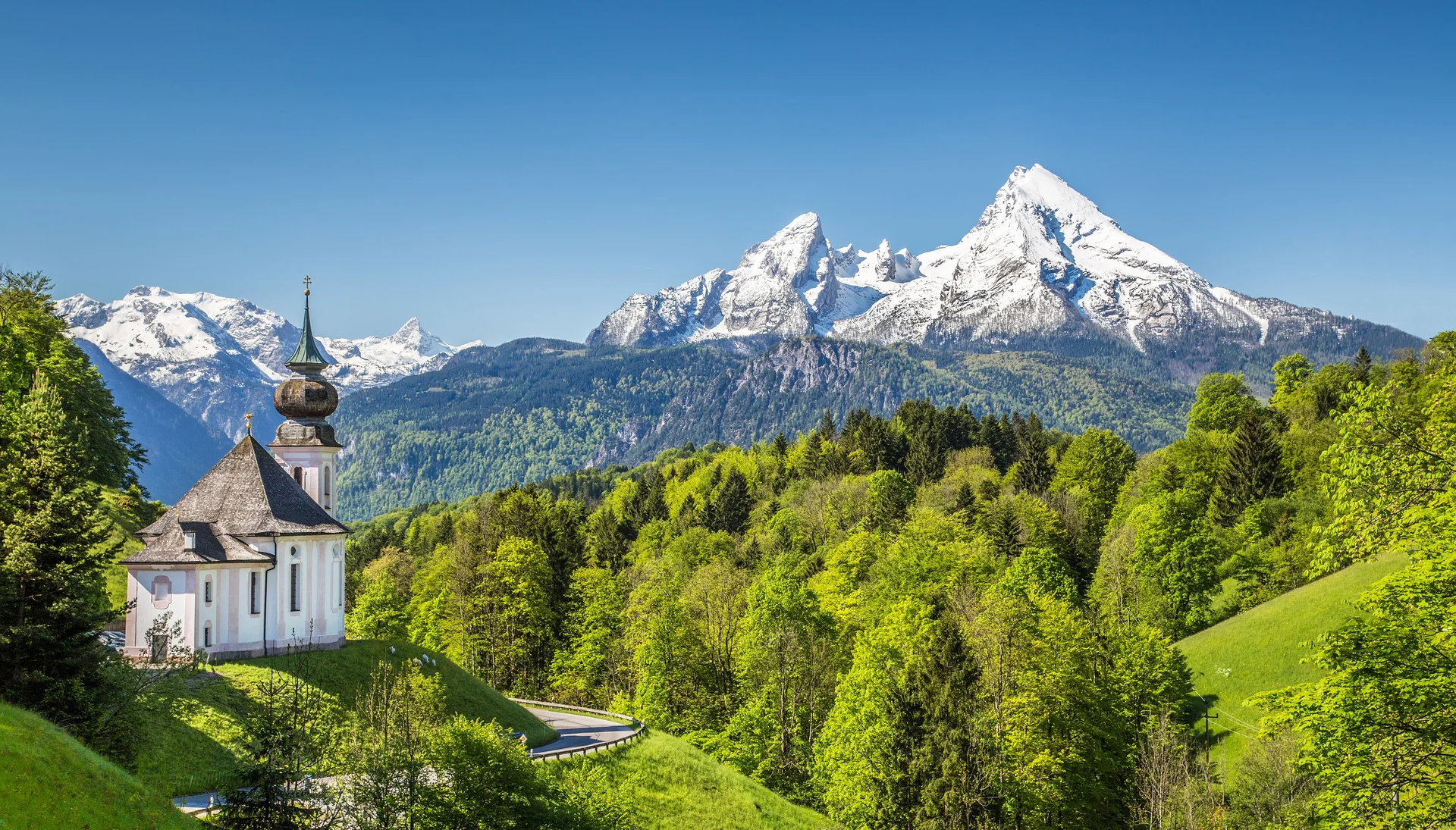
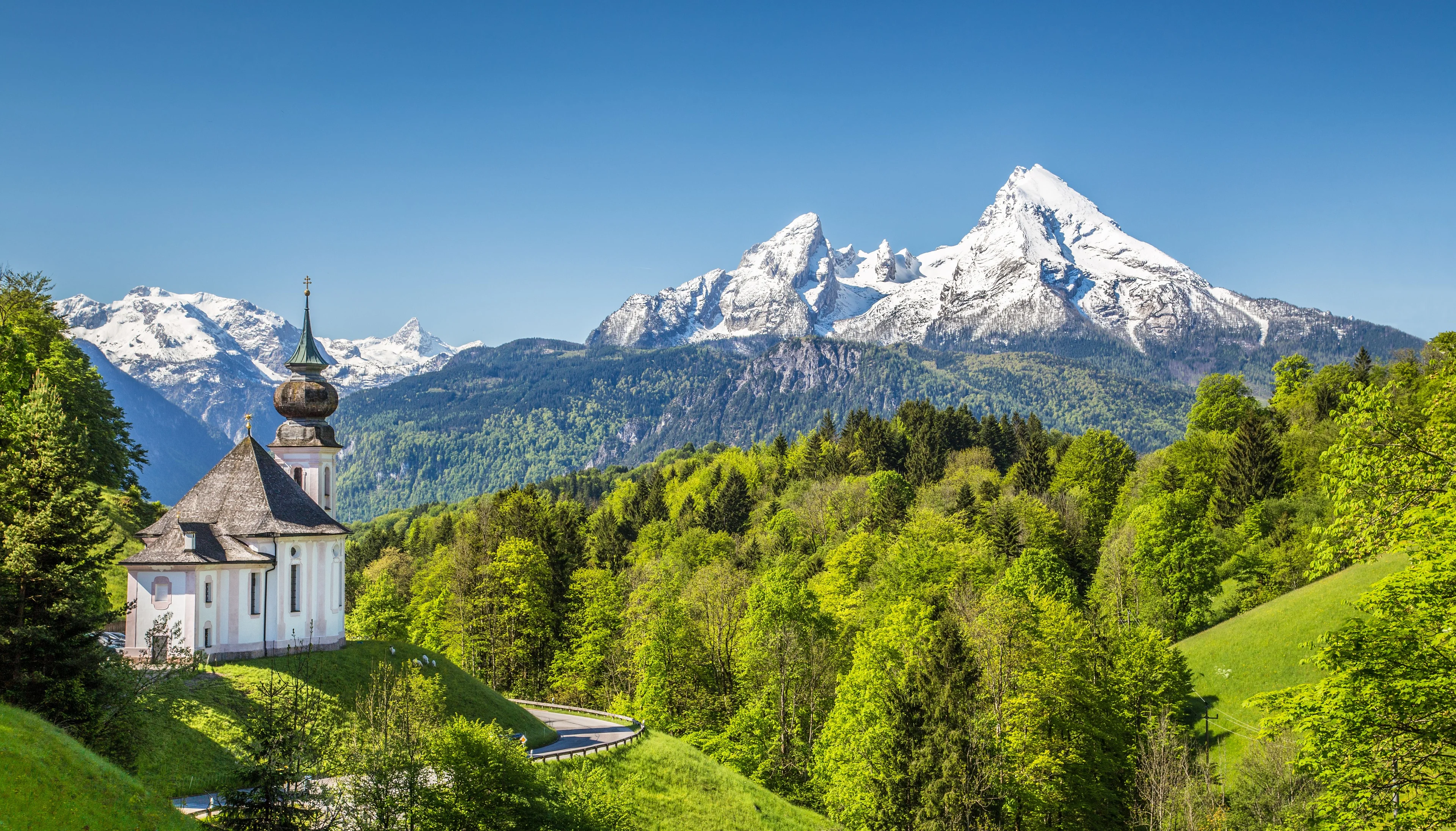
Two hours south, the Alps begin abruptly. Schwangau is a village of three thousand that lives off a single building, and that building was never a real fortress: it is a stage set built in stone.
You will love it if
- You want a big city that fits into three days on foot
- Museums hold you: Munich has nine kilometres of them
- You come in May or September, before the Oktoberfest
Look elsewhere if
- You are after the south: it rains here, and summer breaks at 18 °C
- You hate crowds: Neuschwanstein takes 1.4 million visitors a year
- You want low prices: Bavaria is Germany's most expensive region
The must-sees
The highlights
-
1 Neuschwanstein Castle +29 recs
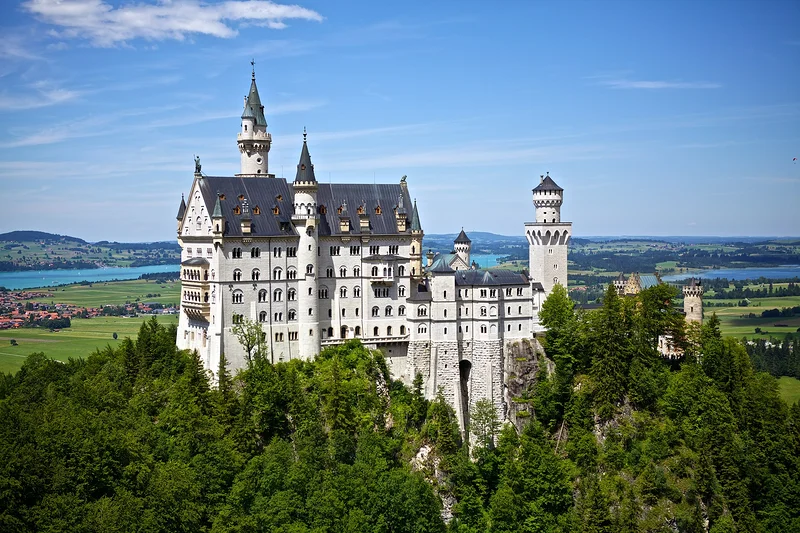
Ludwig II had it built in 1869 so he could live inside Wagner's operas, and he slept there eleven nights before he died. The visit is timed, thirty minutes, ticket to the minute: best go late in the day, as the coaches head back down.
-
2 Nymphenburg Palace +16 recs
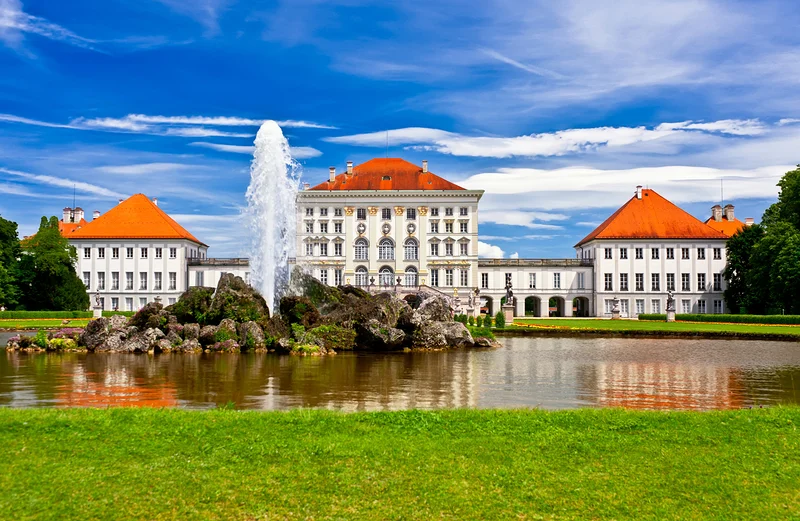
The summer residence of the prince-electors, baroque, on the edge of the city. You come as much for the gallery of beauties, thirty-six portraits of women commissioned by Ludwig I, as for the two-kilometre park behind it.
-
3 The English Garden +14 recs
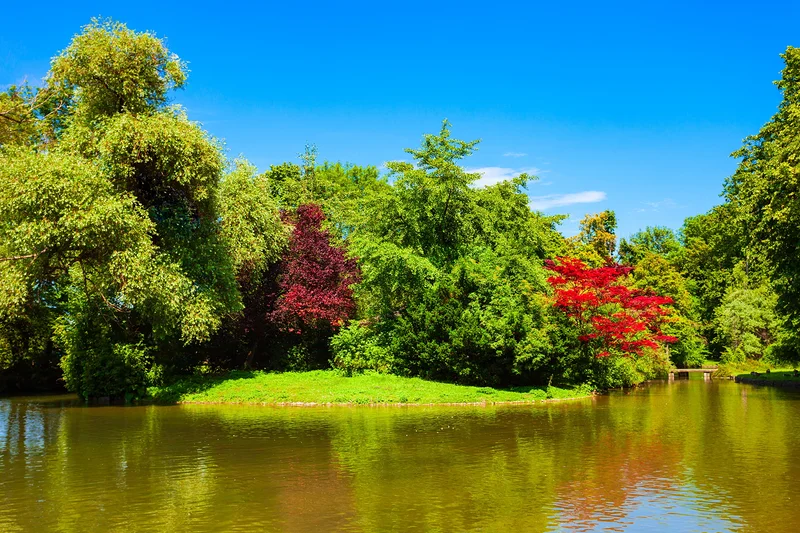
Larger than Central Park, open to the public since the eighteenth century. A standing wave forms at the southern entrance, on the Eisbach, and surfers queue for it all year round, snow included.
-
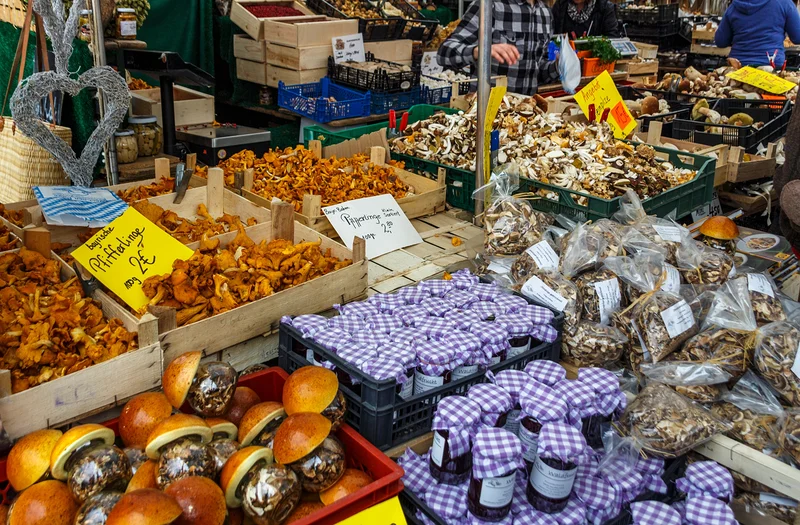
4 The Viktualienmarkt +14 recs
Germany's largest open-air market, grown out of a simple farmers' stall on Marienplatz. The beer garden at its centre changes brewery every six weeks, so that all six of the city's brewers take their turn.
-
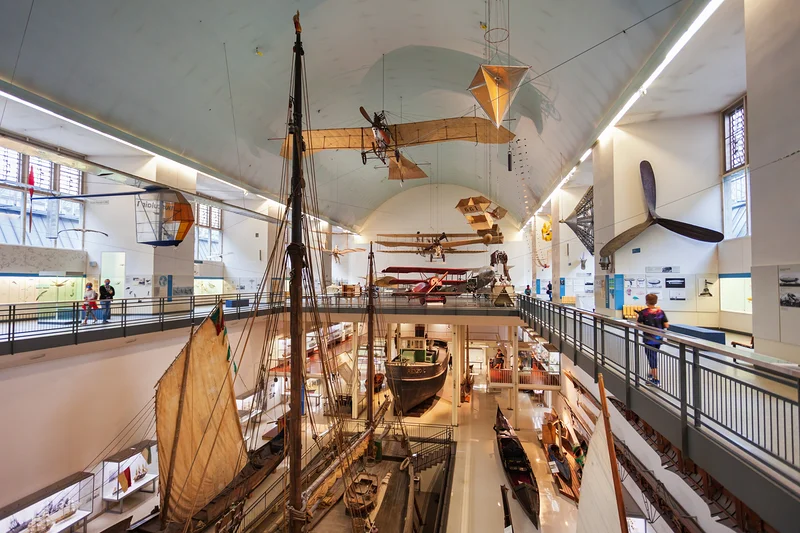
5 The Deutsches Museum +2 recs
Nine kilometres of galleries on an island in the Isar: a 1906 submarine cut in half, a reconstructed mine in the basement, and lightning demonstrations on the hour. Allow half a day, and give up on seeing it all.
The classic mistake
Setting off for Neuschwanstein without a ticket. Slots are booked online weeks ahead, and on site those without a reservation queue for hours only to be told the day is full. The village of Schwangau offers nothing else to fill the wait.
Our itineraries in Bavaria
| Length | Itinerary | What you see |
|---|---|---|
| Weekend (2 days) | Munich | Marienplatz, the markets, one museum |
| 4 days | Munich + Schwangau | The city, then the castle as a day trip |
| 1 week | Munich › Schwangau › the alpine lakes | The capital, the castle and the foothills |
Munich is seen within a two-kilometre radius: three minutes from Marienplatz to the Viktualienmarkt, and a quarter of an hour to the museum quarter.
Schwangau works as a day trip from Munich, two hours by train then a bus. Sleeping there only makes sense to be at the gate when it opens, which in summer is a real argument.
When to visit Bavaria
| Rating | Season | Weather | Crowds and prices |
|---|---|---|---|
| May, June and September | 18 to 25 °C, short showers | Moderate outside the Oktoberfest | |
| July and August | 22 to 28 °C, late afternoon storms | Busy, the castle saturated | |
| Late September, early October | 12 to 20 °C | Oktoberfest: hotels at triple price | |
| December to February | -3 to 4 °C, snow on the heights | Christmas markets, then very quiet |
Our advice
January and February are the two best months for Neuschwanstein: the castle in snow is the image you keep, tickets can be had the day before, and the rooms flow without a jam. Mary's Bridge, however, closes when ice makes it dangerous.
Getting to Bavaria
-
1 By plane Fastest
easyJet, Ryanair and Lufthansa all serve Munich from British airports in about two hours, several flights a day. The S-Bahn takes 40 minutes from the airport to the centre.
-
2 By train Without flying
Eurostar to Brussels, then high-speed to Frankfurt and on to Munich: around ten hours, one long day. It only pays if you break the journey on the Rhine.
-
3 By car For the Alps
useful only for the lakes and the alpine passes. In town it is a handicap: parking is rare and dear, and the whole centre is pedestrian or restricted.
Getting around Bavaria
Munich's network mixes underground, tram and suburban trains on a single ticket, and it reaches Nymphenburg as readily as the Allianz Arena. The bike is better: 1,200 kilometres of flat lanes, and the English Garden crosses in twenty minutes.
Worth knowing
The transport ticket is validated before boarding, in the blue machines on the platform, not on the train. Inspectors are in plain clothes, the fine is sixty euros, and not knowing the rule excuses nothing.
What to eat in Bavaria
- Weisswurst: the white veal sausage, poached, eaten before noon and never after, a local rule that predates refrigeration. You squeeze it out of its skin, you do not cut it.
- Brezel: the Bavarian pretzel, the size of a hand, salted crust and soft crumb. Sold everywhere at the Viktualienmarkt, and to be eaten within the hour.
- Schweinshaxe: roast pork knuckle, crackling skin, with a potato dumpling. A dish for two, whatever the menu says.
- Obatzda: camembert mashed with butter, paprika and onion, served with black radish. The beer-garden snack, invented to use up over-ripe cheese.
- Helles: the Munich blond, less bitter than a pils, served by the litre. The city's six breweries are the only ones allowed to pour at the Oktoberfest.
- Radler: half beer, half lemonade, invented for cyclists on an alpine pass. It is the sensible option after two litres.
- Kaiserschmarrn: a thick pancake torn up with a fork, sweet, with raisins and plum compote. A dessert in town, a full meal in mountain huts.
In a beer garden, tables without a cloth are free to use: you sit down with your own food, custom allows it and the house sells only the drinks. Tables with a cloth are waited on.
The Hofbräuhaus, founded in 1589 by the dukes of Bavaria, still serves in the same hall. It has become a compulsory stop for tour groups: go at eleven, or not at all.
Where to stay in Bavaria
| Area | What it is for | Worth knowing |
|---|---|---|
| Altstadt, around Marienplatz | Glockenspiel, markets, beer halls | All on foot, the dearest, noisy at night |
| Maxvorstadt | Pinakothek der Moderne, university | The museum quarter, student cafés |
| Haidhausen | Deutsches Museum, the Isar banks | Right bank, residential, 20 % cheaper |
| Schwabing | English Garden, restaurants | The most pleasant for several nights |
| Schwangau or Füssen | Neuschwanstein at opening | One night is enough, full in July |
During the Oktoberfest, Munich hotels triple their rates and fill a year ahead. Sleeping in Augsburg, forty minutes away by train, then costs three times less.
The rest of the year the city is expensive but not scarce: a decent central room can be found a week out, and the right-bank districts stay affordable.
How much does a trip in Bavaria cost?
| Style | Length | Budget per person |
|---|---|---|
| Budget (hostel, markets, parks) | 5 days | 350 to 500 € |
| Comfortable (hotel, restaurants, museums) | 5 days | 800 to 1,100 € |
| High end (boutique hotel, known tables) | 5 days | 1,800 to 2,500 € |
- One-euro Sundays: Munich's picture galleries, the Pinakothek der Moderne among them, charge one euro on Sundays. The queue grows, the bill collapses.
- The Bavarian day ticket: valid on every regional train in the state, shared by five, it halves the cost of the trip to Neuschwanstein.
- Beer gardens: bringing your own picnic is allowed at the bare tables. A litre and a pretzel then cover the day's spending.
- The English Garden and Marienplatz: the heart of the city costs nothing, the midday carillon included.
- Avoid the last week of September: the same trip costs double, for a city that is no longer yours.
Traditions and way of life in Bavaria
Bavaria was a kingdom until 1918, and it joined Germany only in 1871, reluctantly. It kept a constitution of its own, a police force of its own, and a political party that stands nowhere else: this is not folklore, it is administrative history.
Neuschwanstein came out of that dying kingdom. Ludwig II paid for it from his own purse, ruined himself, was declared insane by his ministers and found drowned three days later, aged 41. The castle opened to visitors six weeks after his death.
Two useful habits. You clink glasses looking the other person in the eye, or the gesture counts for nothing, and you wait until everyone is served. And on Sundays everything closes, food shops included: shopping is done on Saturday, before eight.