
Exploring Hamburg, a city driven by its port
The cries of seagulls mix with the deep rumble of harbor cranes. The salty smell of the Elbe river drifts across outdoor cafe terraces, where locals sip an Astra beer while watching cargo ships glide by on the water.
Far from Bavarian clichés, this northern port city in Germany puts its maritime identity front and center. Red-brick warehouses converted into museums share space with futuristic urban projects and an edgy nightlife scene born from decades of sailor stories. That mix of omnipresent water, bold architecture, and alternative culture drives the pulse of the country's second-largest city.
A destination for architecture lovers and authentic urban life
This city appeals to travelers looking for a dense urban experience without mass tourism. If you appreciate fast-moving metropolises, avant-garde architecture, and a port atmosphere rich in history, you are in the right place. Fans of museums, nightlife, and waterfront walks will find plenty to keep them busy.
On the other hand, if you are looking for a postcard-perfect medieval town with cobblestone alleys and half-timbered houses, skip this destination. World War II bombing raids wiped out most of the historic old town.
Budgets remain reasonable for a major German city, though you should still plan for $113-$169* per day per person for a comfortable stay. A car is completely unnecessary since the public transit network runs like clockwork. The pace is urban, sometimes windy, and always alive.
Speicherstadt and HafenCity: Between red brick and glass waves
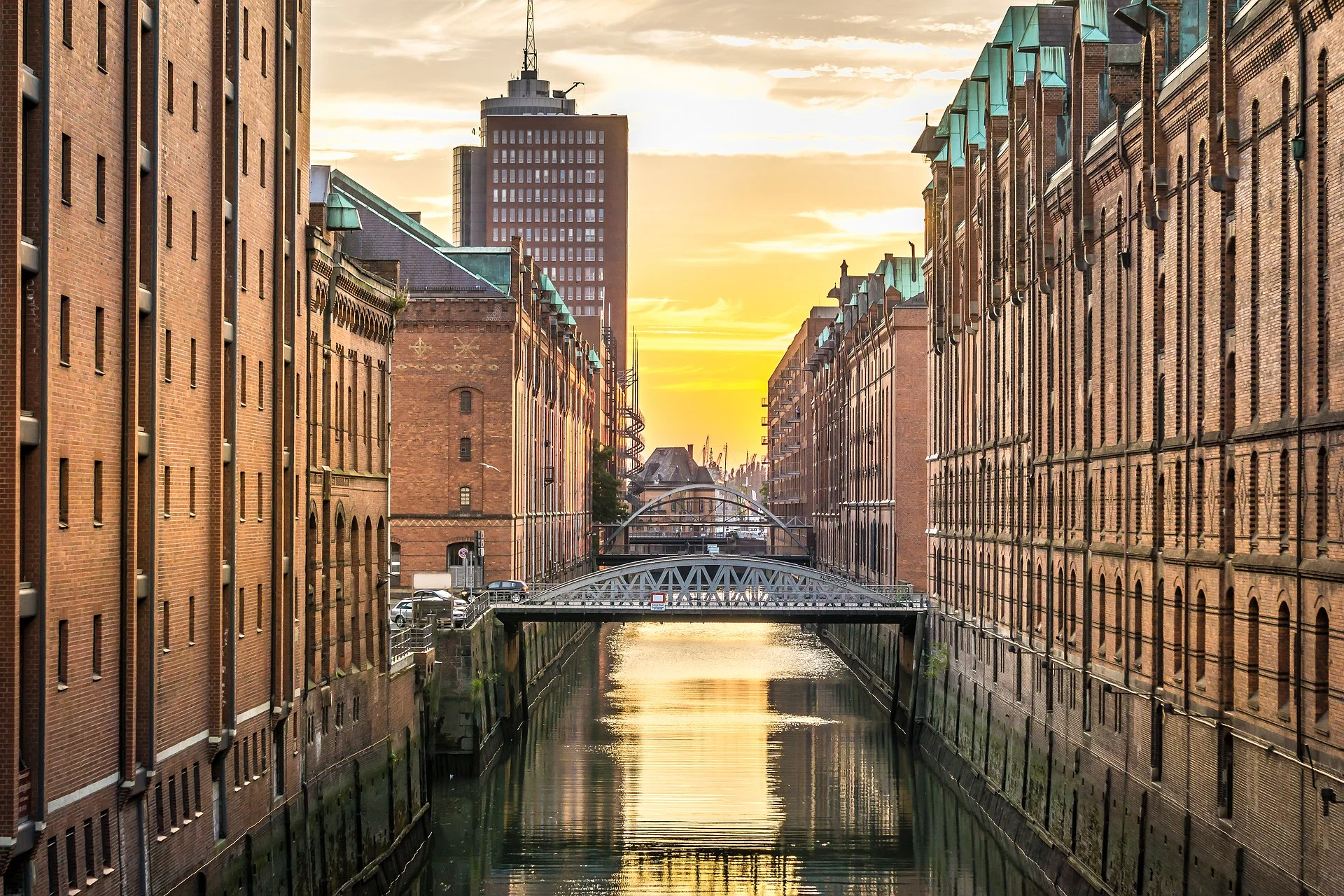
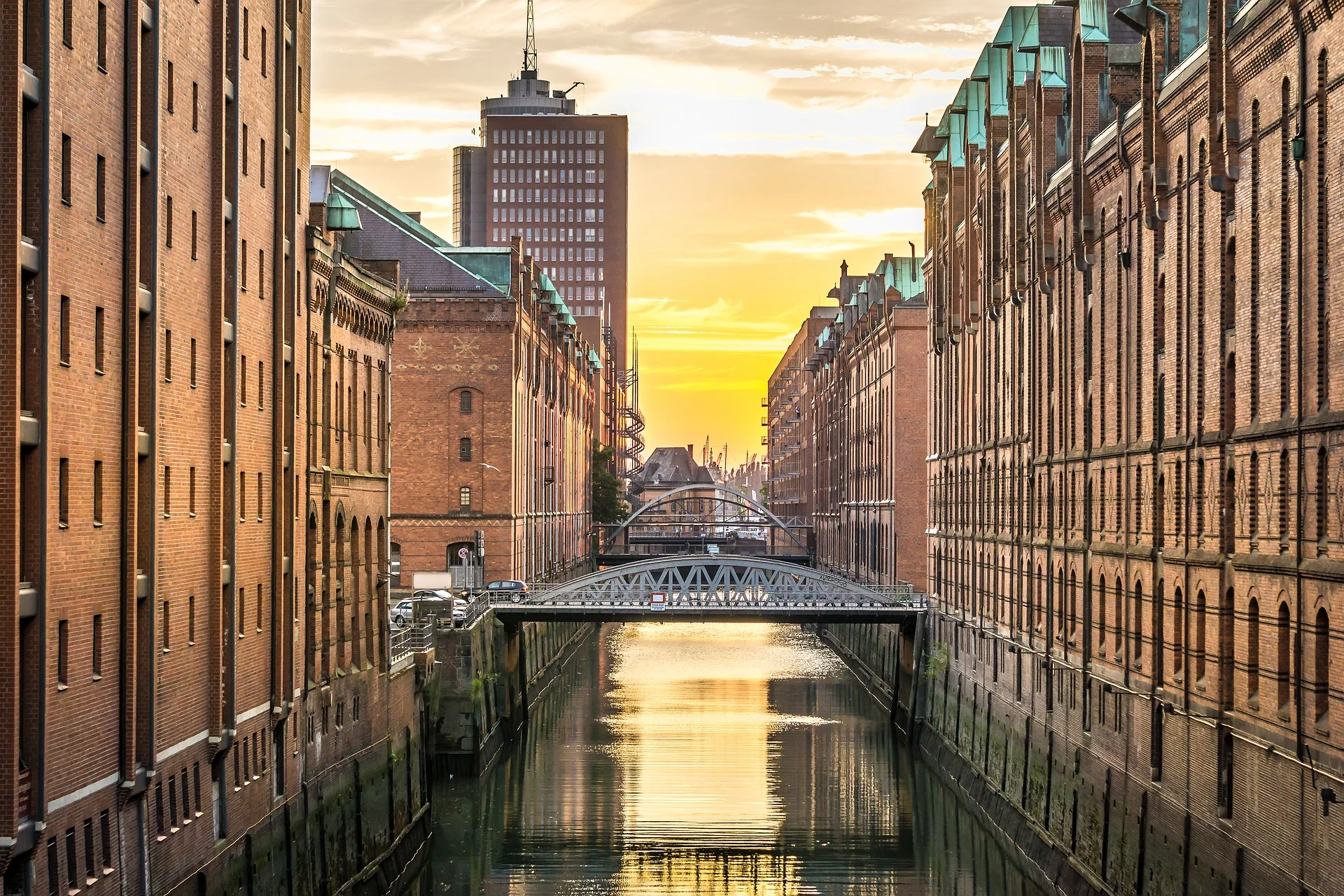
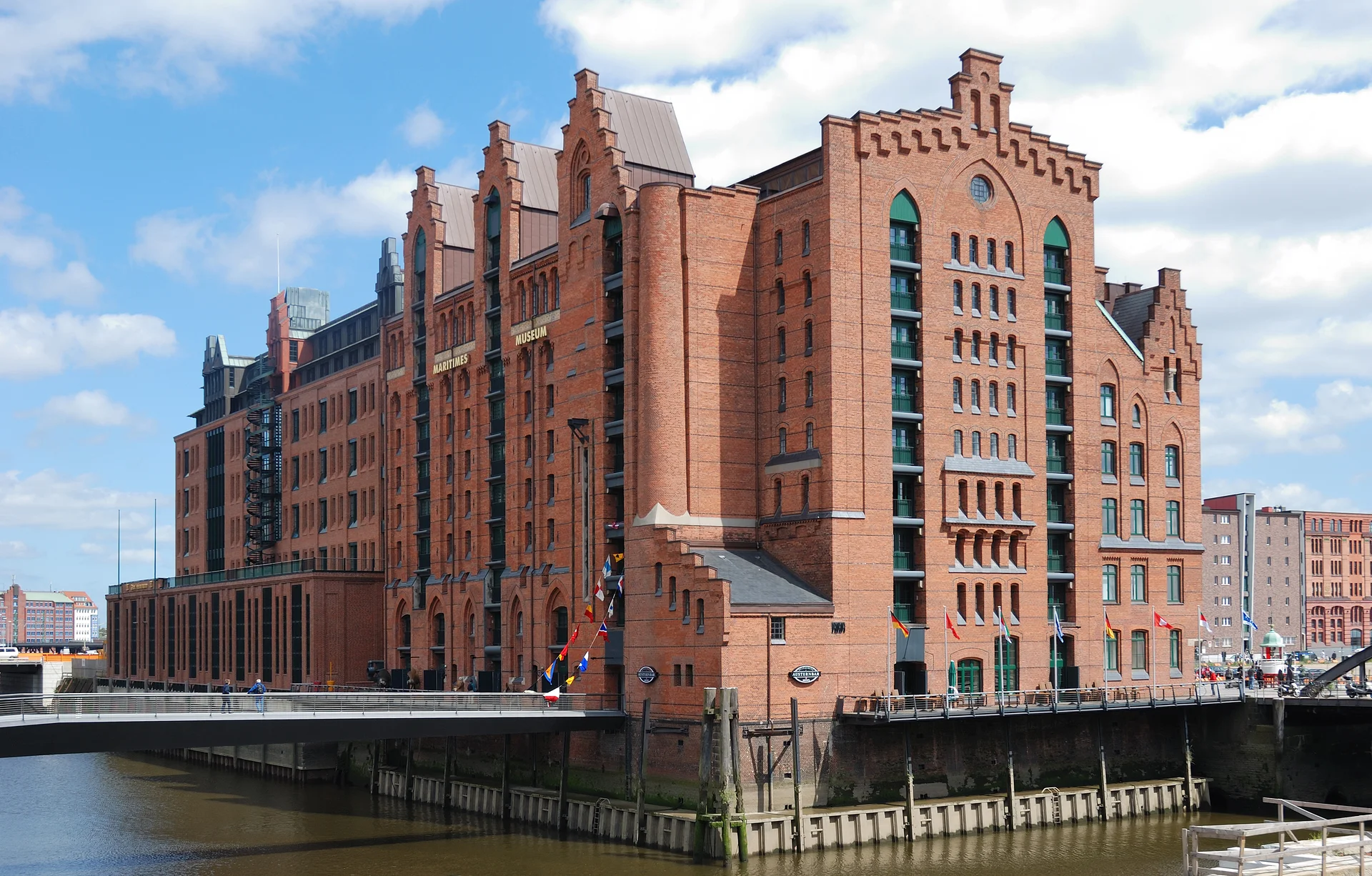
The Speicherstadt, a UNESCO World Heritage site, remains the city's premier visual landmark. Built in the late 19th century, this district of dark red-brick warehouses spans a maze of branching canals. The soaring neo-Gothic buildings that once stored coffee, tea, and spices now house offices, restaurants, and museums.
The Miniatur Wunderland draws massive crowds with the world's largest model railway layout, an attraction that turns out to be surprisingly captivating even for adults. The International Maritime Museum, located inside the historic Kaispeicher B brick warehouse, charts the city's seafaring history. For the best view, head to the Poggenmühlenbrücke bridge facing the Wasserschloss, a red-brick water pump house that seems to float between two canals.
Right next door, HafenCity embodies contemporary urban ambition. This massive undertaking represents Europe's largest inner-city urban development project, expanding the downtown area by 40%. The Elbphilharmonie, opened in 2017, has become the symbol of this transformation. Its striking silhouette, featuring a wavy glass roof perched atop an old brick warehouse, dominates the skyline. Even though concert tickets are notoriously hard to score, the public plaza is free to access and offers sweeping views of the harbor.
Friendly tip: Visit the Speicherstadt at dusk when floodlights illuminate the brick facades and reflect in the canal water. The atmosphere turns almost surreal, making it prime territory for photography.
Sankt Pauli and the Reeperbahn: Neon nights and living legends
Welcome to the neighborhood that forged the city's rough-around-the-edges reputation. Sankt Pauli is the port in its purest form, complete with sailors, smoky dive bars, and raw energy. Right through the heart of the district runs the Reeperbahn, a 1-kilometer strip known locally as the sinful mile, packed with bars, clubs, cabaret theaters, and adult entertainment venues.
A tribute to the Beatles
The neighborhood is inextricably linked to rock music history. Back between 1960 and 1962, the Beatles honed their sound in the clubs along the Große Freiheit (Great Freedom street), playing endless sets at venues like the Kaiserkeller and the Star-Club. The Beatles-Platz square pays tribute to those formative years with five metal silhouettes of the band members.
Watch out for tourist traps along the strip since certain spots lean hard into cheap theater and lack authenticity. You are much better off ducking into the side streets to find the neighborhood watering holes where locals actually hang out.
The early morning fish market
On Sunday mornings starting at 5 AM, head over to the Fischmarkt fish market near the Landungsbrücken piers. The atmosphere is electric, buzzing with fishmongers bellowing out prices, locals grabbing a morning Fischbrötchen seafood sandwich, and night owls finishing off their weekend. The Landungsbrücken floating docks, where harbor tour boats depart, offer prime views of the Elbe and passing cruise ships.
Friendly tip: To dodge the soulless chain restaurants on the Reeperbahn, slip away into the side streets toward the Karolinenviertel or Schanzenviertel nearby. The vibe is much more genuine and the bars are far more intimate.
Altstadt: The rebuilt historic core
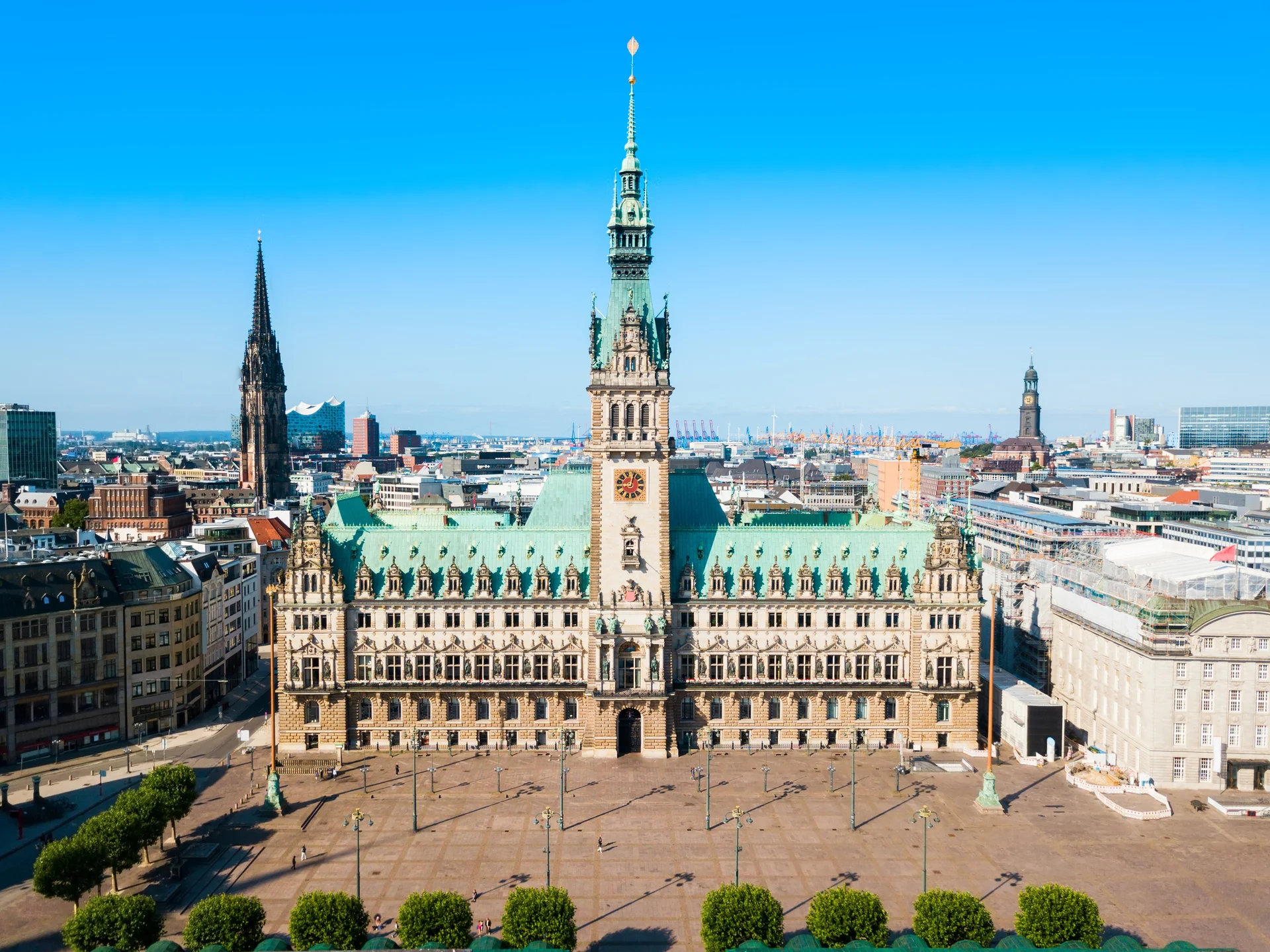
The historic center, or Altstadt, looks nothing like typical German old towns. The devastating air raids of 1943 wiped out most of the medieval architecture. What remains today is an elegant, bustling commercial center. The impressive Rathaus, a neo-Renaissance city hall completed in 1897, dominates the main square with its ornate stone facade. You can tour its opulent interior staterooms on guided visits.
Around the Binnenalster
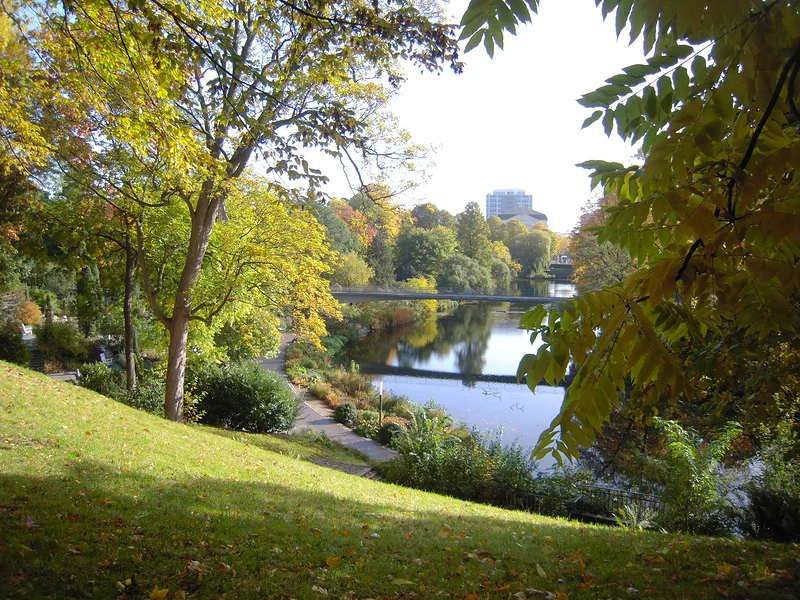
Just steps away, the Jungfernstieg promenade runs alongside the Binnenalster, an artificial lake right in the middle of town featuring a central fountain that shoots water 60 meters into the air. Upscale boutiques and sidewalk cafes line the shores. When the weather is nice, rent a paddleboat or hop on a mini-cruise across the Außenalster, the larger outer lake surrounded by grand mansions. Locals head out here for weekend sailing.
St. Michael's Church, a rare survivor
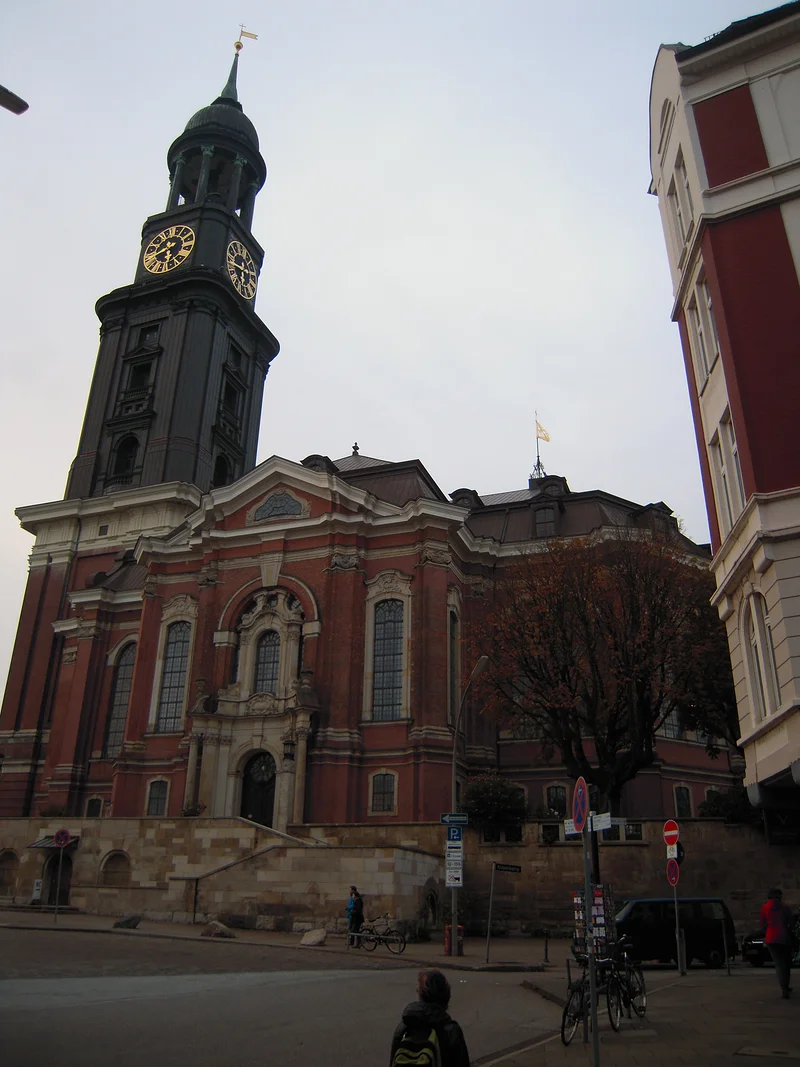
St. Michael's Church, affectionately known as Michel to locals, stands as one of the few surviving baroque landmarks. Its Baroque spire reaches 132 meters high and rewards those who climb the 453 steps with a 360-degree panorama of the city and port. Nearby, the hollowed-out ruins of St. Nikolai Church serve as a poignant memorial to the victims of wartime bombings.
Friendly tip: Hop on the U3 line, the city's first underground route opened in 1912. Much of it runs above ground on elevated tracks, offering fantastic views of the harbor between the St. Pauli and Rödingsmarkt stations. It functions as a free city sightseeing tour on a standard transit ticket.
Schanzenviertel: The creative counter-culture hub
The Schanzenviertel, or simply Schanze to those in the know, represents Hamburg's counter-culture heartbeat. This former working-class district has gentrified over the years while fiercely holding onto its rebellious DNA. Street art covers the walls, and activist squats sit side-by-side with vintage shops and trendy coffee houses. Die Rote Flora, a former theater occupied since 1989, remains a symbol of this cultural resistance, hosting concerts, film screenings, and political debates.
The Sternschanze area packs in countless alternative bars, international eateries, and small live music venues. The vibe is young, diverse, and occasionally chaotic, but always vibrant. Families hang out in the Schanzenpark during the day, while young adults take over after dark. This is where the city's progressive scene truly thrives, far removed from the polished glitz of HafenCity.
Where to eat and drink in Hamburg
Local cuisine celebrates North Sea seafood with immense pride. The Fischbrötchen, a crusty roll stuffed with pickled herring, mackerel, salmon, or fresh crab topped with onions and remoulade sauce, is the ultimate local staple. You will find some of the best versions right on the Landungsbrücken piers at Brücke 10, an institution, though quieter neighborhood kiosks serve equally delicious variants.
For a sit-down meal, the Finkenwerder district specializes in its namesake dish of pan-fried plaice served with bacon, onions, and North Sea shrimp. Labskaus, a traditional sailor's dish made from corned beef, potatoes, and beets, tends to divide opinions, but tasting it is part of the experience. On the sweet side, the Franzbrötchen, a cinnamon-swirl pastry somewhere between a croissant and a cinnamon roll, shows up in every bakery and pairs perfectly with coffee.
Local beers like Astra and Ratsherrn pour freely in the city's endless pubs. For a drink right on the riverbank with your toes in the sand, Strandperle in Övelgönne delivers a relaxed beachfront vibe with direct views of passing ships on the Elbe. Meanwhile, the upscale neighborhood of Eppendorf gathers trendy spots and fine dining, from poke bowls at Aloha Poke to refined dinner tables.
How to get to and around Hamburg
Hamburg Airport sits about 9 kilometers north of the city center. The S1 S-Bahn commuter train connects the airport to the central station in 25 minutes for $4.40*. Note that only the first three train cars actually go to the airport, while the rest split off at Ohlsdorf. Flights from major European hubs run frequently, while train and car travel from neighboring countries take around 9 hours.
Once you arrive, the HVV public transit system operates exceptionally well. It combines four U-Bahn subway lines, six S-Bahn lines, buses, and even public commuter ferries across the Elbe. A single ticket for zone AB costs $4.70*, while a day pass runs $9.30*. The Hamburg Card covers unlimited transit plus museum discounts for $15* per day. Over the weekend, subways and S-Bahn trains run all night long. Many locals do not own cars, which speaks volumes about how reliable the public network is.
Route 62 commuter ferries provide a scenic alternative to pricey harbor tourist cruises. For the price of a standard transit ticket, you can cruise the Elbe and admire the active port activity. Cycling is also a breeze thanks to the StadtRad bike-sharing system with docking stations scattered all over the city.
When to go?
The ideal window runs from May to October, when temperatures are mildest and the city enjoys long, sunlit days. June and July strike the best balance between pleasant weather and a full calendar of outdoor festivals and cultural events. Keep in mind that northern German weather can change on a dime year-round, so always pack a rain jacket.
Winter brings cold temperatures, rain, and occasional snow from November to March, though the seasonal Christmas markets and lower hotel rates help make up for the chill.
A big, bustling city in northern Germany with restaurants, bars, lively nightlife, concerts, festivals, museums, and amusement parks. In short, you never get bored there!