
Visiting Lübeck
Lübeck sits in northeastern Germany, just a stone's throw from the Baltic Sea and its sandy beaches like the coastal resort of Travemünde. The city is famous for serving as the capital of the Hanseatic League during the Middle Ages. From that era of maritime and commercial power, the old town district survives on an island in the middle of the Trave River, recognized as a UNESCO World Heritage site since 1987 for its red-brick buildings and rich Gothic ornaments. St. Mary's Church, visible from afar with its towering 125-meter green spires, is a striking example of this architecture.
The capital of the Hanseatic League during the Middle Ages
Lübeck started as a small Slavic settlement named Liubice, meaning beloved, caught up in frequent conflicts with its neighbors. The German city was founded on its ruins in the mid-12th century and joined the Holy Roman Empire, becoming an imperial free city in 1226. Because of its prime location near the Baltic Sea, alongside Hamburg it initiated the Hanseatic League and established its own constitution. The city's representatives were chosen from the wealthiest families of the Hanseatic merchants' association. By the 14th century, it was the second largest city in Germany after Cologne.
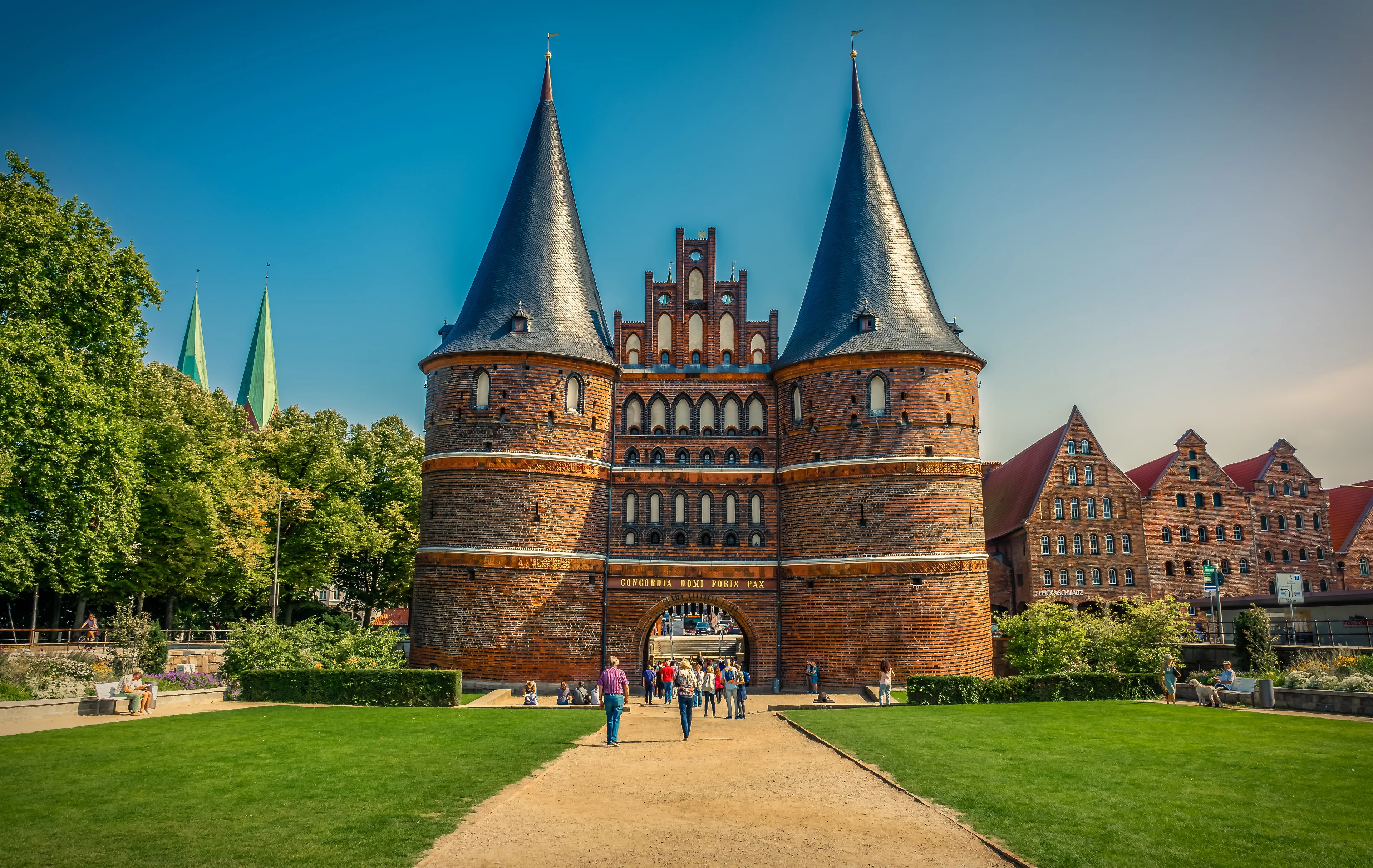
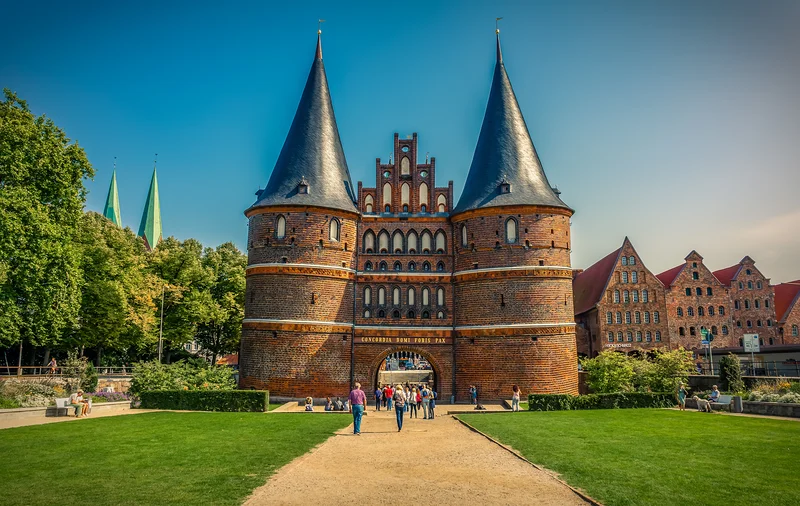
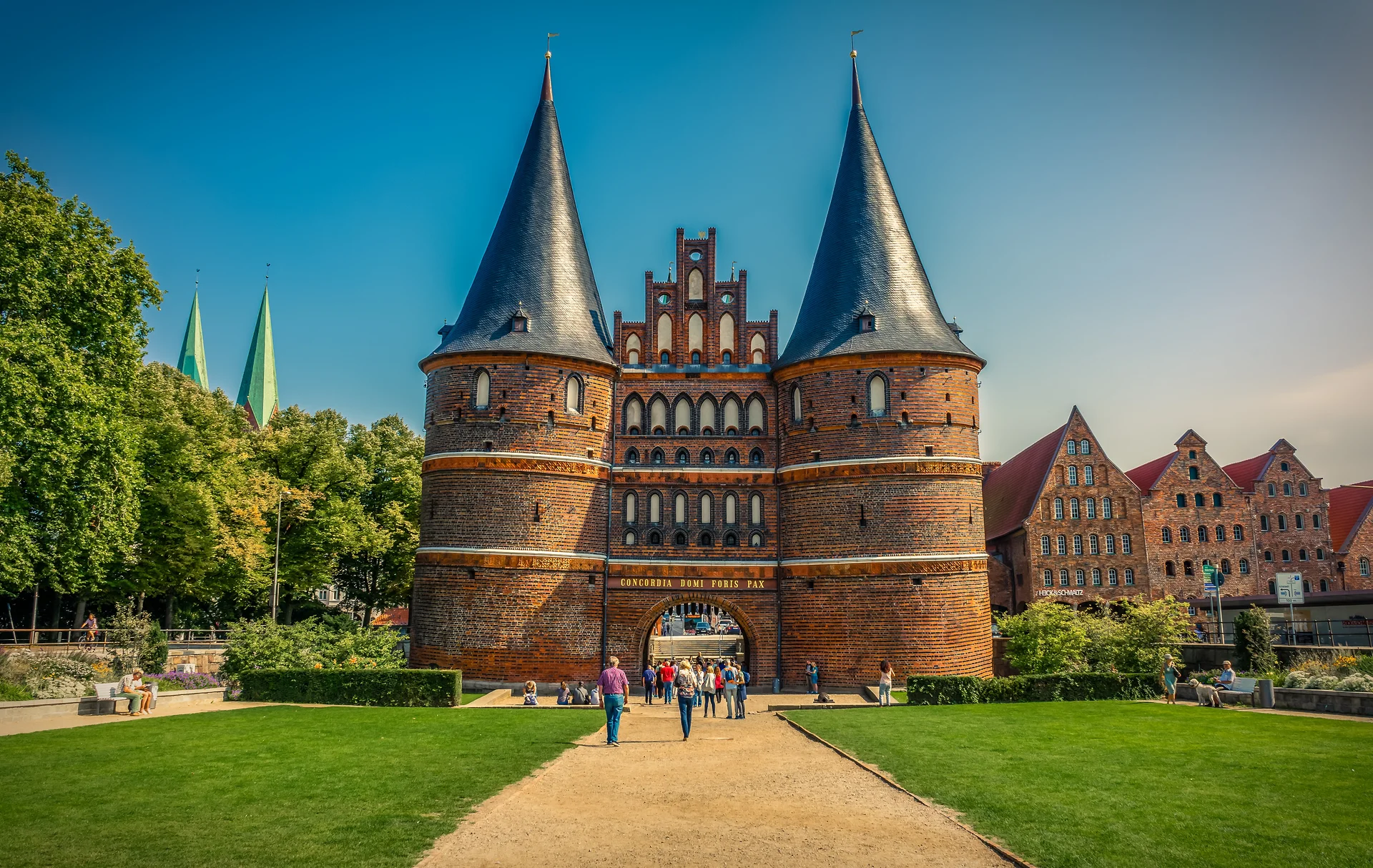
When you arrive, you cannot miss the Holstentor, or Holstein Gate, which once formed part of the city's medieval fortifications. Today, the gate houses the Lübeck city museum and opens onto gardens decorated with gigantic iron lions sculpted by Christian Daniel Rauch, a German sculptor. The old trade warehouses, notably the salt warehouse, have been preserved, and some now serve as shops, museums, or restaurants.
A quiet city ideal for exploring northern Germany
The city is crossed by the Trave River, which flows into the Baltic Sea, and along its banks you will find pleasant paths blending urban life and nature. On the cultural side, the Willy Brandt house is a cultural space dedicated to the history of the famous German politician, as well as the country's political history and modern democratic life.
Do not miss trying marzipan in Lübeck, a well-known almond paste in Germany similar to almond paste treats elsewhere. For the authentic experience, head straight to the famous Niederegger Marzipan shop near the city hall to sample their chocolates, candies, and pastries.
When to go?
The weather lines up nicely for a trip to Lübeck during the summer months of June, July, and August. This is also festival season, featuring events like the HanseKulturFestival, a street art festival held every two years in the old town.
How to get there?
To reach this Hanseatic city by plane, you will fly into Hamburg and then take a bus or train north to Lübeck. By car, you can reach Lübeck in about an hour from Hamburg.
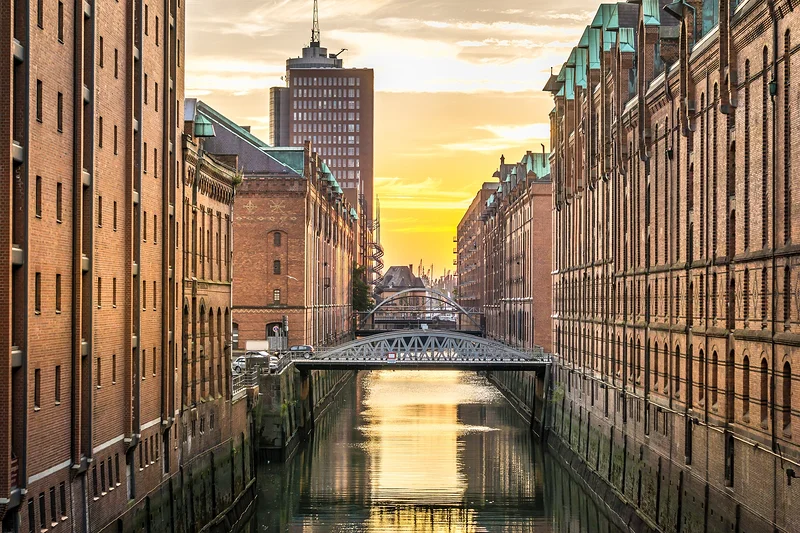
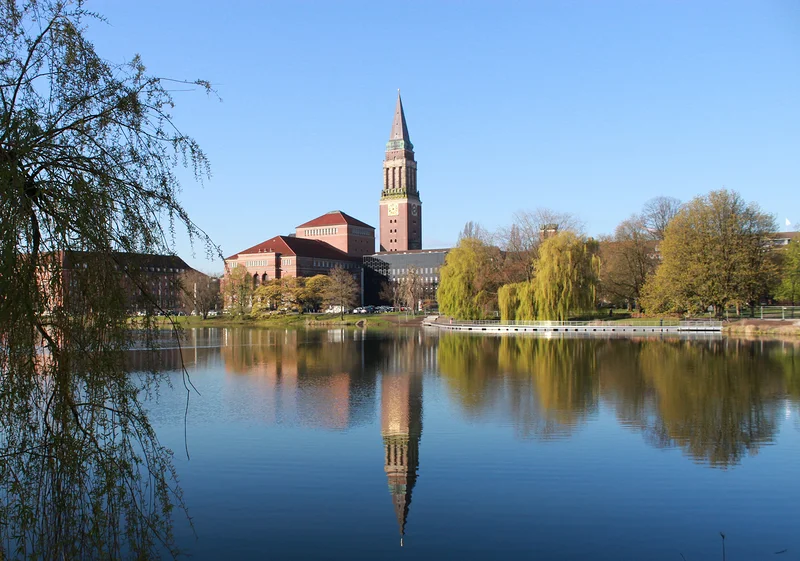
It was really nice to wander the streets of the old town of Lübeck for a few days and discover the history of the Hanseatic city! The waterfront is just as pleasant with regular events. We were able to enjoy a food market during our stay, incredible atmosphere, 100% German experience!