
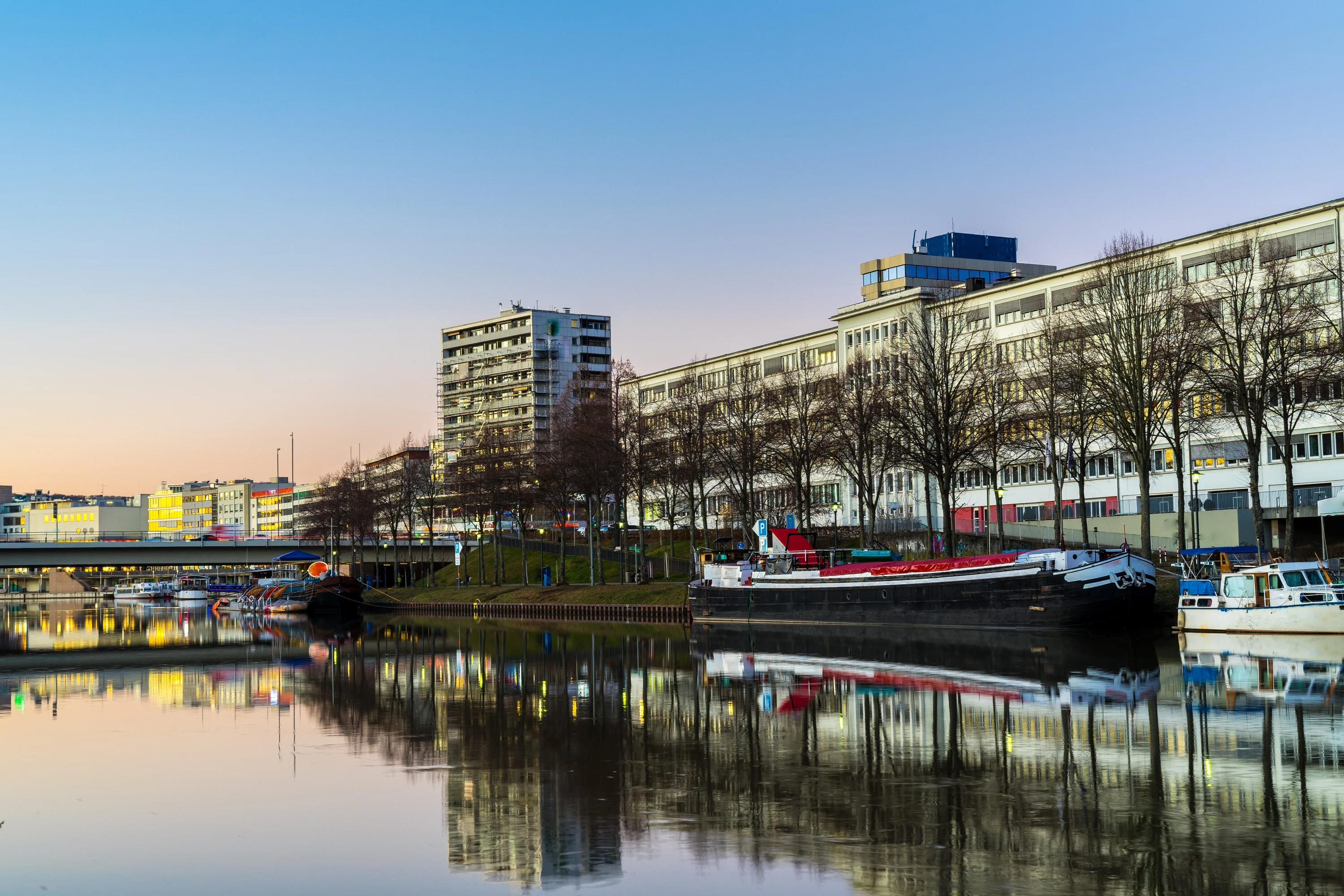
Exploring Saarbrücken, a border city where history meets modernity
An architectural heritage shaped by the Baroque era
Saarbrücken, the capital of Saarland, is a mid-sized city that holds onto clear echoes of its past. The most striking landmark in its architectural lineup is the Ludwigskirche, an 18th-century baroque Protestant church widely considered one of the finest religious buildings of its kind in Germany.
Just a short walk away, the Saarbrücken Castle sits above the Saar River, having been rebuilt in the 18th century. It operates today as an administrative and cultural hub rather than a fortress, though visitors can still tour a few historical rooms and take in sweeping views over the rooftops.
Shifting gears entirely, the St. Johanner Markt neighborhood pairs cobblestone alleys with colorful storefronts, making it one of the liveliest zones in town. Locals and university students fill the sidewalk tables at the neighborhood cafés and bistros on any given afternoon.
Green spaces and riverside walks along the Saar
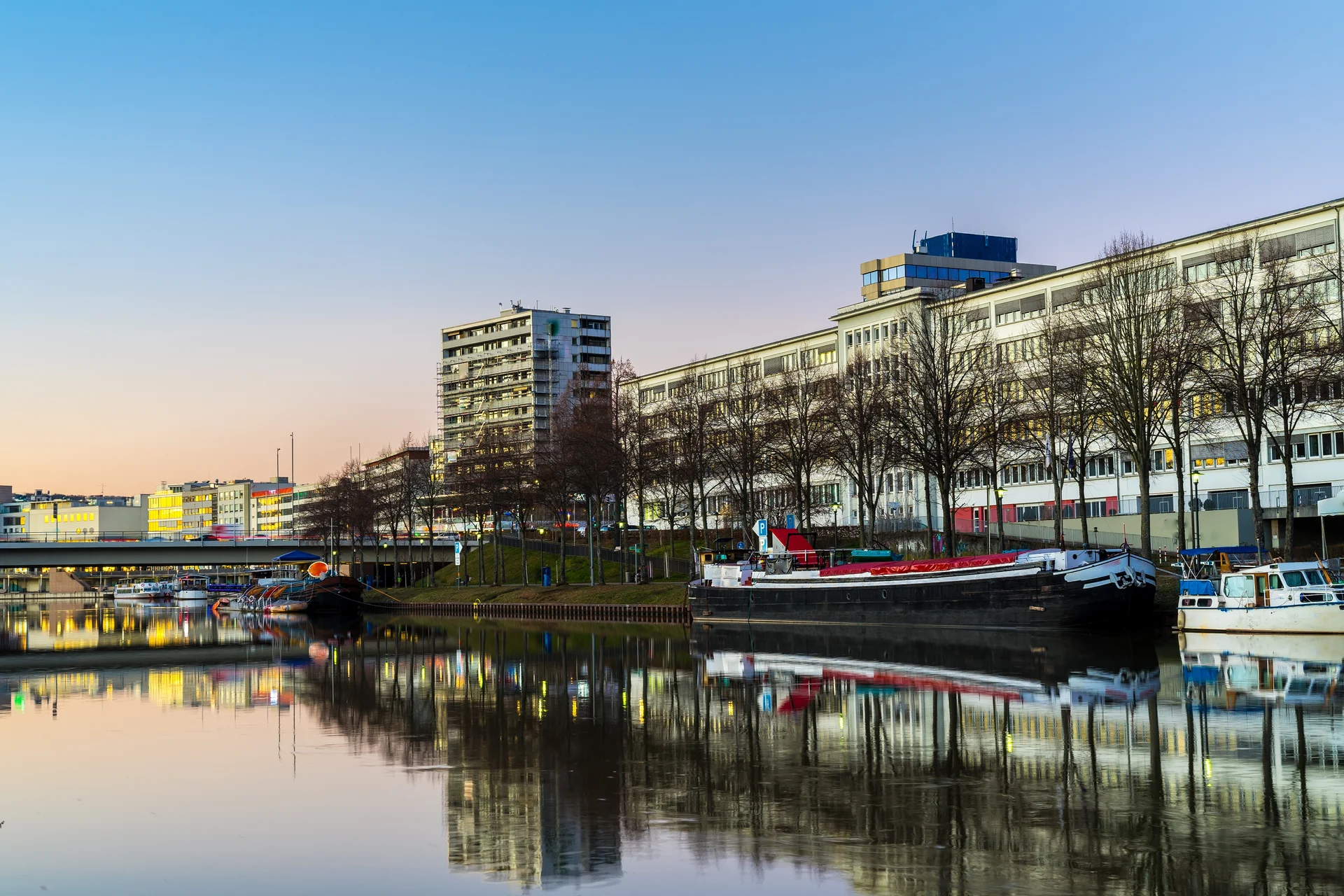
The Saar River cuts right through the city, creating pleasant waterfront promenades that draw walkers and joggers. The Bürgerpark sits right near downtown, offering a quiet stretch of wide lawns and ponds for an afternoon break.
A few miles outside the center, the Saar floodplain nature reserve provides a natural escape for walking and cycling. This protected wetland area supports diverse wildlife and plant species in a remarkably quiet setting.
Finally, the Franco-German Garden, laid out in the 1960s as a monument to cross-border friendship, combines French and German landscaping traditions across its expansive grounds right along the border.
Museums and cultural spots
The city's museum scene is compact compared to major European capitals, but it holds a few solid stops. The Saarlandmuseum covers art history from the Middle Ages through the modern era, featuring a dedicated wing for German Expressionism.
Industrial history buffs will want to head about ten miles outside the center to the Völklingen Ironworks, a UNESCO World Heritage site. This massive former ironworks plant, now converted into an industrial museum and cultural venue, stands as a massive monument to Germany's heavy manufacturing past.
Local specialties and regional food
Because of its border location, Saarland cuisine borrows heavily from both German and French cooking traditions. One true local institution is the Schwenkbraten, a thick pork chop marinated in herbs and onions before being grilled over beechwood.
Another classic is Dibbelabbes, a hearty gratin made from grated potatoes, leeks, and cured pork, cooked slowly in a cast-iron pot until crispy on the edges and often served with applesauce. Diners will also find Gefillde, potato dumplings stuffed with minced meat and smothered in a rich bacon cream sauce.
Meals usually pair with a local brew. The Bruch brewery, operating as one of the oldest family-run beer makers in the region, pours traditional lagers that locals have favored for generations.
When to go?
Saarbrücken experiences a temperate climate with crisp winters and mild summers. The ideal time to visit is during spring or early autumn, when the weather stays comfortable and the public parks are either blooming or turning bright amber.
Every January, the city hosts the Max Ophüls Prize, a German film festival dedicated to emerging directors. Summer brings the Perspectives Theater Festival, filling open-air venues with cross-border contemporary performing arts.
How to get there?
Saarbrücken connects efficiently to neighboring countries. Most travelers from North America land at Frankfurt Airport and continue by rail in about two hours. High-speed trains also run directly from Paris in under 2 hours, with tickets starting at $45* depending on when you book. Regional train links from cities like Strasbourg or Metz are quick and straightforward.
Drivers can reach the city via the A320 motorway, which links directly into the wider regional network. While the local Saarbrücken Airport handles a handful of European routes, most international travelers fly into Frankfurt Airport, located about a 2-hour drive away.
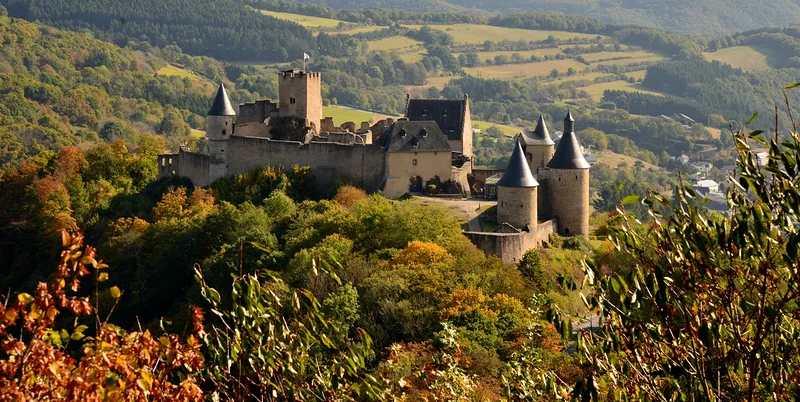
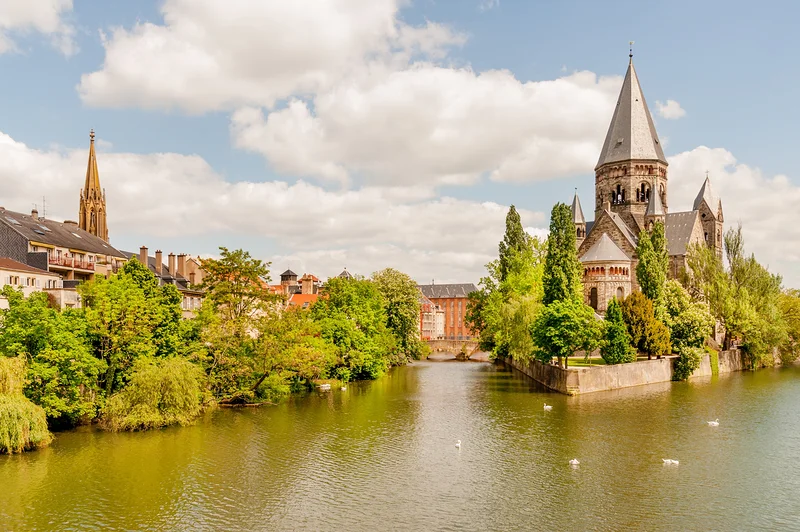
The city of Saarbrücken doesn't offer any major points of interest unless you are a fan of shopping. It is a paradise for fashion lovers. You will find a huge number of clothing and beauty stores with much better prices than in France. Being close to the border, I recommend Saarbrücken for a shopping day.