
Exploring Frankfurt: Where Finance Meets Half-Timbered Charm
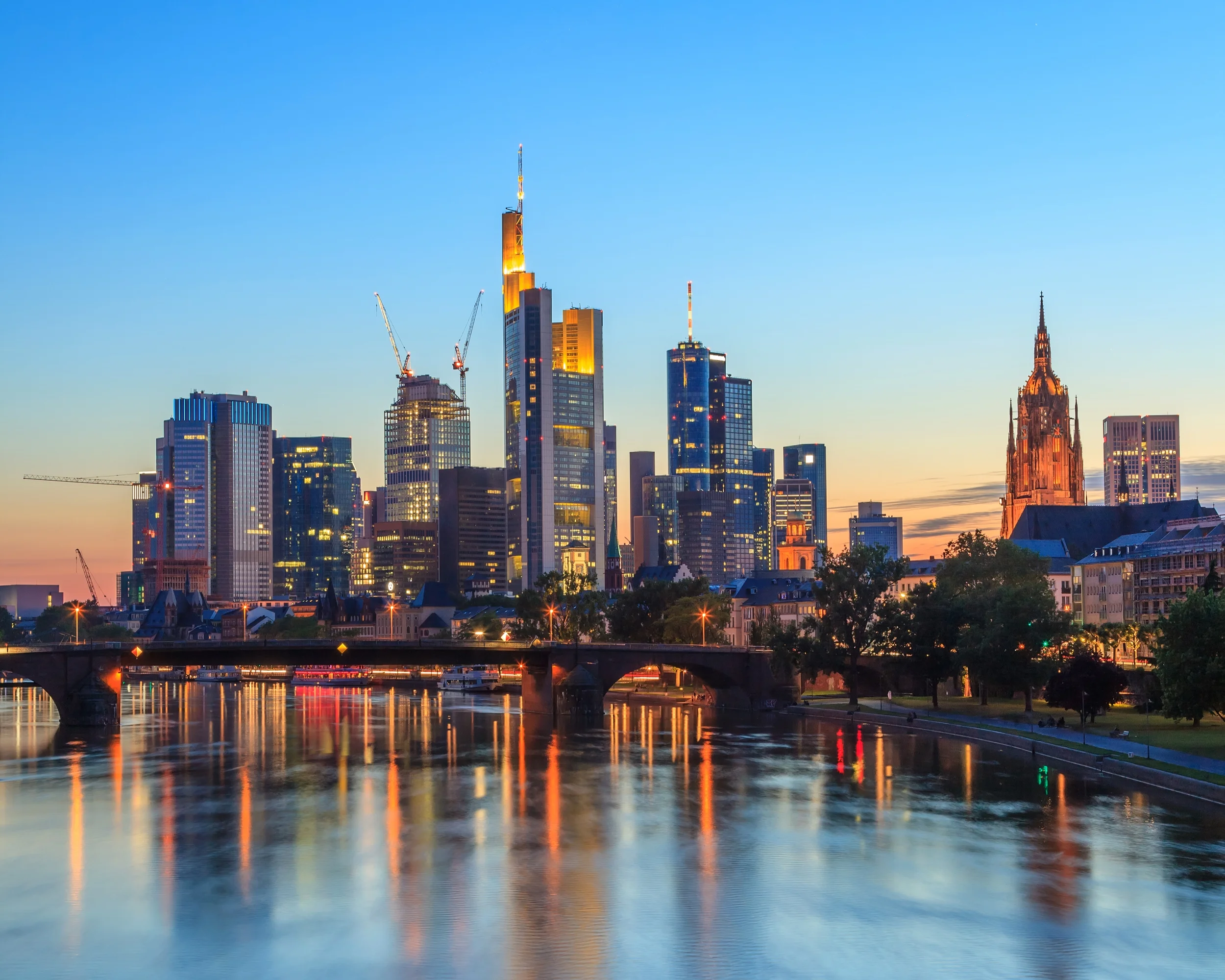
Skyscrapers that scrape the clouds, half-timbered houses that have weathered the centuries, and right between them, the tart scent of Apfelwein drifting through the cobblestone alleys. Welcome to Germany's fifth-largest city, nicknamed Mainhattan for its striking skyline, though it hides a soul far more complex than its glass towers let on.
Frankfurt, Capital of Unapologetic Contrast
Decimated by ninety percent during World War II and rebuilt during the frenetic 1950s, the city does not do things by halves. As a financial capital housing the European Central Bank, it flaunts its success openly with the Commerzbank Tower soaring 259 meters over the Main River. Yet just a few blocks away from these temples of high finance, the Römerberg square drops you right back into the Middle Ages with its meticulously reconstructed Gothic facades.
This destination suits art and culture lovers who will appreciate the Museumsufer, an impressive concentration of 38 museums lining the riverbanks. Curious foodies will also find plenty to love with regional specialties you simply will not taste anywhere else in Germany.
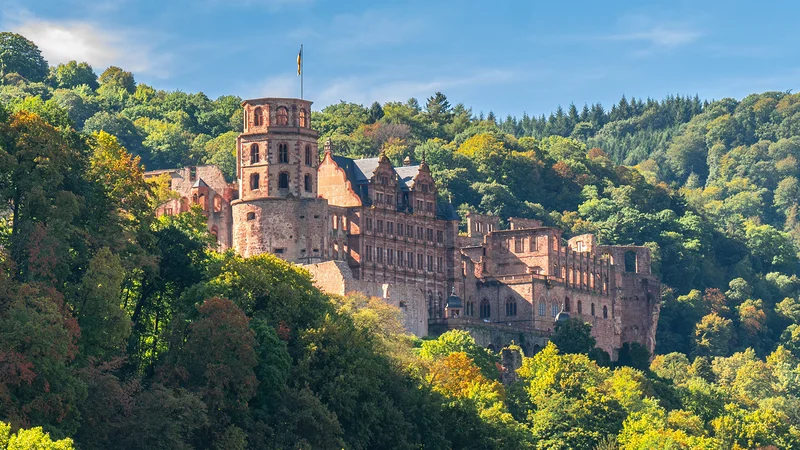
On the other hand, if you are looking for a storybook postcard aesthetic or untouched medieval authenticity, you are better off heading to Rothenburg or Heidelberg.
Steep pricing is also a reality here. With a per capita GDP of $95,750*, Germany's wealthiest major city commands rates to match, especially when it comes to lodging.
The Altstadt and the Römerberg: The Reconstructed Historic Core
The Römerberg square serves as the anchor point for any visit. Those colorful half-timbered houses you are snapping photos of? They date back to the 1980s. But it hardly matters because the faithful reconstruction works, and the whole area radiates undeniable charm. The city hall with its three Gothic gables has overlooked the square for centuries, while the reddish sandstone St. Bartholomew's Cathedral stands just a short walk away.
This 14th-century cathedral is worth a detour if only for its historical significance. Emperors of the Holy Roman Empire were crowned here from 1562 to 1806. Scaling the 328 steps to the top of its 95-meter Gothic tower yields sweeping panoramic views of the city. Admission to the church is free, and only the tower climb costs $3.40*.
St. Paul's Church, featuring an unusual circular layout, tells a major chapter of German history. Back in 1848, this house of worship temporarily sheltered the first democratically elected German parliament, even though Bonn would ultimately snatch the capital title in 1949.
Friendly tip: Grab a Frankfurt Card right when you arrive. For $13* for one day or $20* for two days, it covers all public transit, including rides to the airport, and slashes museum and attraction prices by up to half. It pays for itself by your second trip.
Mainhattan and Towering Heights
The financial district impresses even jaded travelers used to Manhattan. The cluster of towers surpasses 200 meters, led by the Commerzbank Tower at 259 meters. However, the only skyscraper with an observation deck open to the public is the Maintower. For $11*, an elevator shoots you up nearly 200 meters to a 360-degree viewing platform revealing the full scale of the metropolis along the Main.
The architectural whiplash is fascinating. Within minutes of walking from the Römerberg, you trade medieval timber framing for glass and steel facades designed by world-renowned architects. As evening falls, the skyscrapers light up in a display that fully justifies the Mainhattan moniker.
For a different perspective, walk across the Eiserner Steg, a neo-Gothic pedestrian iron footbridge built in 1869. More than 10,000 people cross it daily. From there, the skyline view with the Main River in the foreground makes for one of the city's most iconic shots.
Sachsenhausen: Between Museums and Cider Taverns
On the south bank of the Main River, the Sachsenhausen neighborhood embodies the city's dual personality. On one side, the famous Museumsufer lines up top-tier cultural institutions. The Städel Museum houses over 3,000 paintings spanning seven centuries of European art, ranging from the Renaissance to works by Monet, Picasso, and Ernst Ludwig Kirchner. The MMK (Museum für Moderne Kunst) focuses on contemporary art inside a striking triangular building.
For families, the paleontology museum delights kids with Europe's largest dinosaur skeleton replicas. The two-day Museumsufer pass at $24* grants entry to all 38 museums, making it an easy bargain.
On the other side of the neighborhood, Alt-Sachsenhausen pulses with traditional tavern energy. This is the heartbeat of Apfelwein culture, a tart cider served in gray stoneware pitchers known as Bembel. Cobbled lanes wind past century-old establishments where locals and visitors mingle in a lively setting. The 43-meter wooden lattice Goethe Tower provides sweeping views over the district.
Friendly tip: Check out the Kleinmarkthalle, a historic indoor food market five minutes from the cathedral. At the Schreiber stall, order a hot Frankfurt sausage served in a roll with mustard and a pickle. Upstairs on the terrace, sip a glass of regional wine while watching the market buzz below.
The Palmengarten and Green Spaces
When urban energy gets overwhelming, head straight for the Palmengarten botanical garden. Spanning 22 hectares, it stands as Germany's largest botanical garden. The greenhouses shelter thousands of plant species and fluttering butterflies, making it the ideal spot for a leafy pause before jumping back into the metropolitan rush.
Where to Eat and Drink in Frankfurt
Frankfurt cuisine is unapologetically hearty. Forget culinary delicacy; here, rustic comfort food reigns. Frankfurter Würstchen, the slender boiled pork sausages, come in pairs alongside potato salad or mashed potatoes. Do not bother looking for differences between these and Vienna sausages because they are identical, with only the regional naming rights in dispute.
Grüne Soße, the region's signature green herb sauce, blends exactly seven specific herbs: chives, burnet, borage, parsley, chervil, watercress, and sorrel. Served cold with hard-boiled eggs and potatoes, it also accompanies breaded schnitzel. This specialty earned protected designation status in 2016 and even boasts its own festival every May. Legend has it that Goethe was obsessed with it.
Handkäse mit Musik is another must-try specialty: a rubbery, curd-style sour milk cheese marinated in vinegar with onions and caraway seeds. The mit Musik part is a humorous nod to the digestive soundtrack triggered by the onions. In traditional Sachsenhausen taverns like Apfelwein Wagner or Dauth Schneider, these dishes are paired with a Bembel of Apfelwein, the tart local cider served straight or cut with sparkling water or lemonade.
Where to Stay in and Around Frankfurt
The Altstadt remains the top choice for a first visit despite steep pricing. You are right in the middle of the action, within walking distance of the main sights. The Bahnhofsviertel around the central station offers more affordable choices, though the neighborhood maintains a gritty reputation, particularly after dark.
Sachsenhausen-Nord strikes a great balance with an authentic neighborhood feel, close proximity to museums and cider houses, and reasonable rates. The residential districts of Bornheim and Nordend appeal to travelers seeking a quieter vibe paired with strong transit connections. Budget between $113 and $230* a night for a decent downtown hotel, and expect rates to jump during major trade fairs that regularly sweep through town.
Getting There and Getting Around Frankfurt
Frankfurt Airport (FRA), Europe's third busiest, connects the city globally. S-Bahn lines S8 and S9 link the airport to the central station in 15 minutes for $4.80*. From Paris, the high-speed ICE train makes the trip in 3 hours and 50 minutes, providing a smooth alternative to flying. The central station (Hauptbahnhof) functions as one of Europe's major rail hubs with 700 daily train movements.
Locally, the public transit network combines U-Bahn subways, S-Bahn commuter trains, and buses. A single ticket costs $4.30* and covers one journey including transfers, though a day pass at $8.70* pays off quickly. The Frankfurt Card remains your best overall value. If driving, keep in mind that the local highway interchange is Europe's busiest, meaning rush hour traffic jams are guaranteed.
The downtown core is easily explored on foot. Walking from the Römerberg to the Main Tower takes about ten minutes. Public bike-sharing programs make it easy to cruise along the banks of the Main River, especially along the modern waterfront stretches.
When to Go
The ideal window runs from May to October when temperatures hover between 15 and 25 degrees Celsius and outdoor Biergarten terraces come alive. The semi-continental climate makes winter quite chilly, with temperatures frequently dropping below freezing. Even so, the Christmas market running from November through December ranks among Germany's finest and easily justifies braving the cold for a steaming mug of Glühwein (mulled wine).
Avoid major trade show windows like the Book Fair in October, as hotels book solid and prices spike.
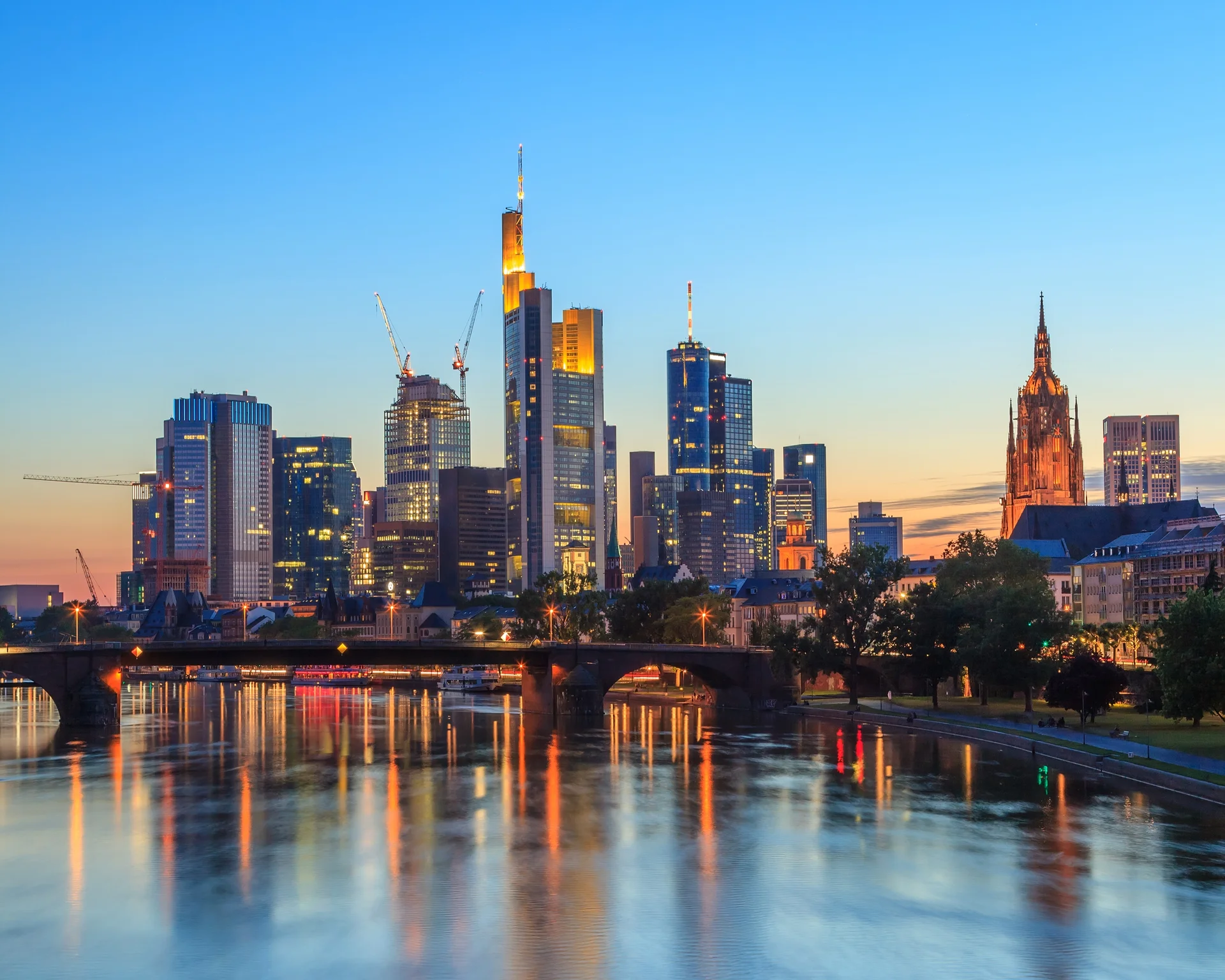
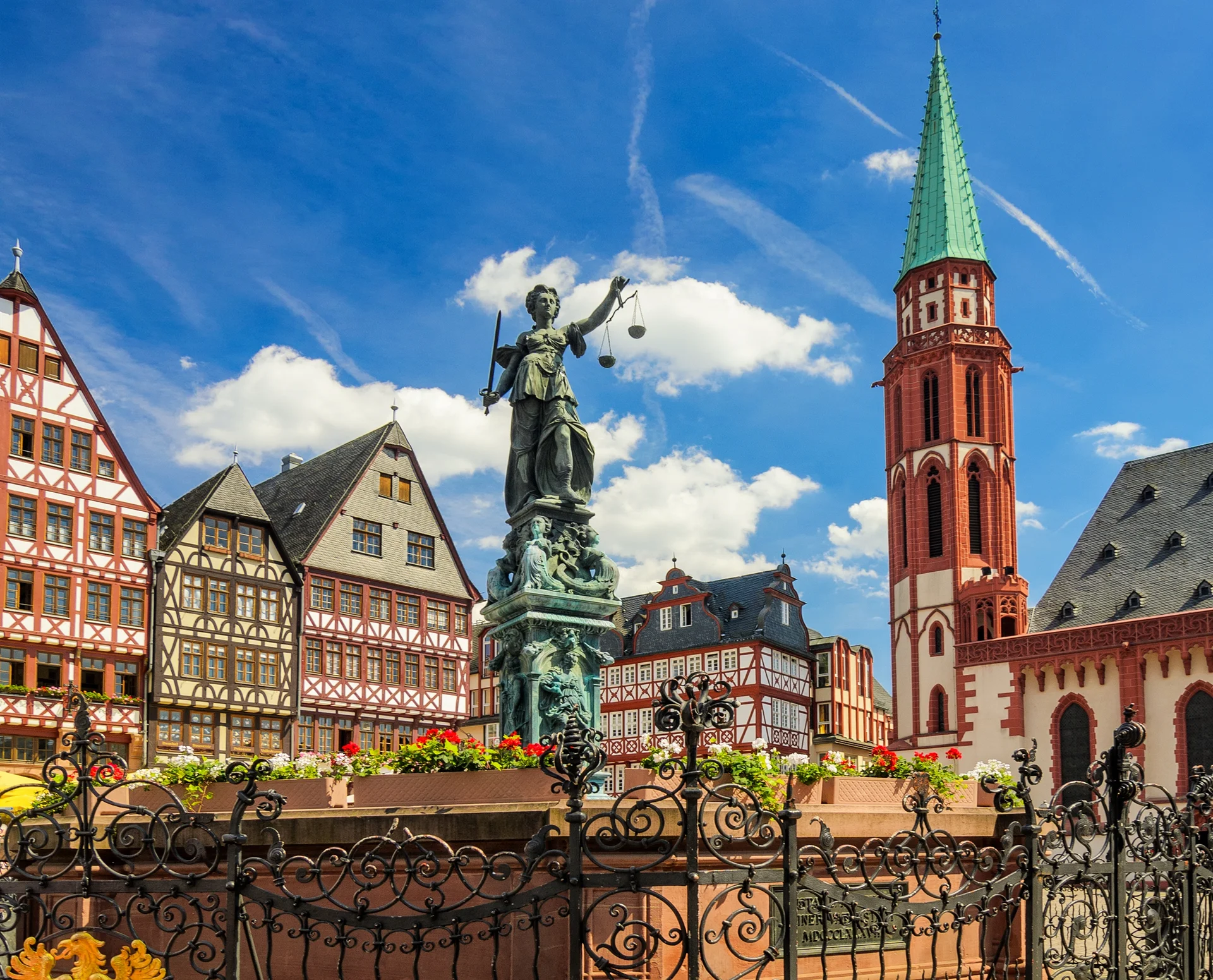
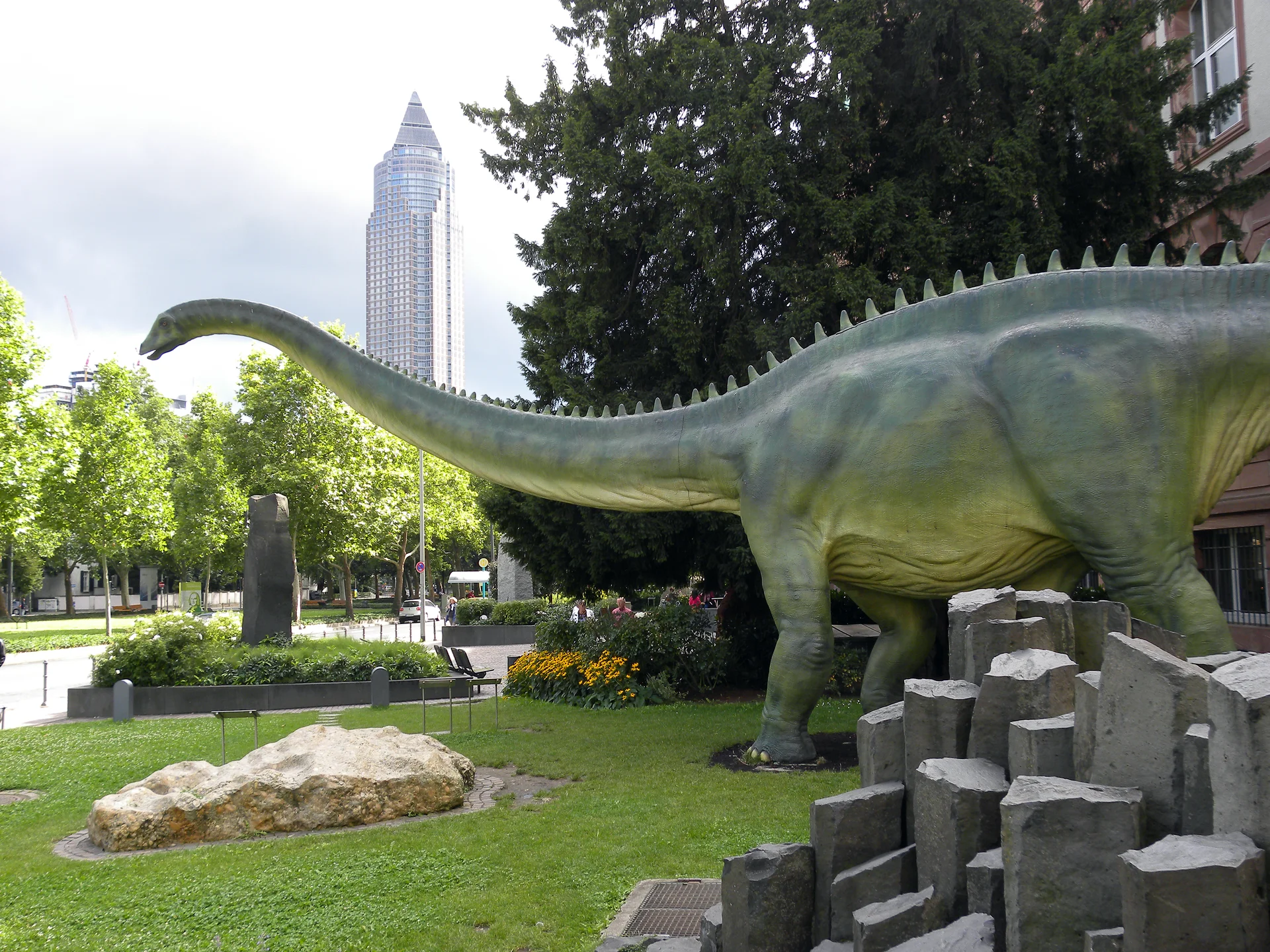
Frankfurt has a charming old town center and a super modern business district with its skyscrapers. It is also a very green city on a human scale, which is easy to explore on foot.
Finally, it is a lively, cosmopolitan city, with lots of people out in the streets, restaurants, and pubs. I think I could live there.