
Visiting the Senckenberg Museum
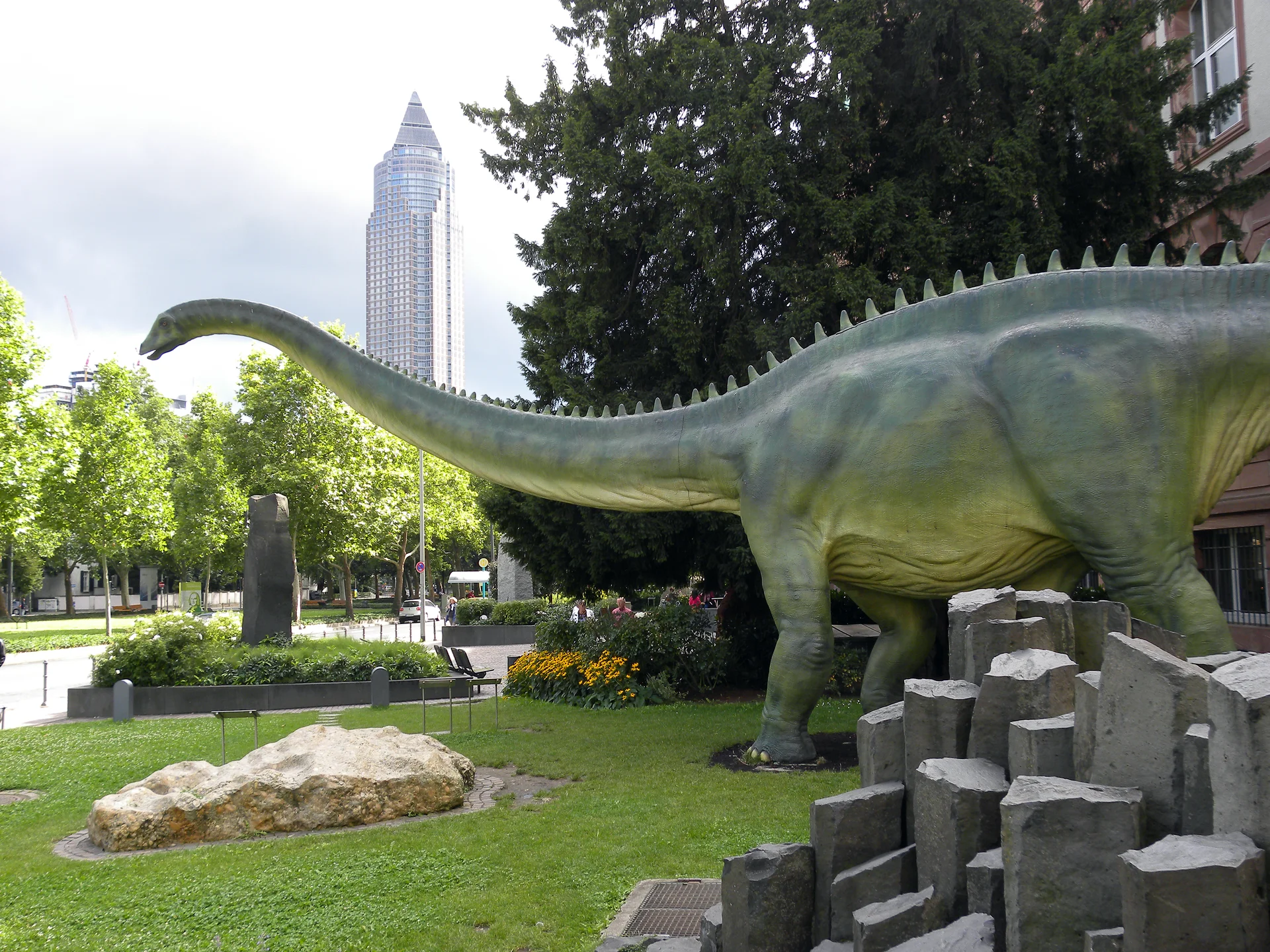
The Senckenberg Museum is one of Germany's most significant natural history institutions, located in Frankfurt am Main. It houses a vast collection of dinosaur skeletons, including a massive 18-meter-long Diplodocus. The Triceratops serves as the museum's emblem, featuring two original skulls of the herbivorous species. Beyond the dinosaur exhibits, the museum explores prehistoric mammals and egg-laying species, the marine world, and the impact of human society on biodiversity today and in the future.
Diverse collections of fossils and skeletons
The Senckenberg Museum is named after its founder, a German scientist renowned for his botanical research. It holds nearly 40 million specimens, some of which are detailed reproductions, highlighting the evolution of plant and animal life. Many items displayed in the museum originate from the Messel Pit Fossil Site located near Frankfurt am Main, an oil shale quarry where unique geological conditions have preserved thousands of fossils of fish, insects, small mammals, and reptiles dating back approximately 47 million years. The Messel Pit has been a UNESCO World Heritage Site since 1995.
Reflecting on the origins and evolution of life
The Senckenberg Museum continues to evolve and introduce new collections to its visitors. Since its inception, the museum has expanded to include a section dedicated to the marine world and the technologies used by scientists to explore the ocean floor. Another exhibition hall focuses on humans and the future of biodiversity in the context of climate change.
Opening hours
| Monday | 09:00-17:00 |
|---|---|
| Tuesday | 09:00-17:00 |
| Wednesday | 09:00-20:00 |
| Thursday | 09:00-17:00 |
| Friday | 09:00-17:00 |
| Saturday | 09:00-18:00 |
| Sunday | 09:00-18:00 |

I was still a kid when I went there. I do not know why, but museums usually have a soporific effect on me, though not this one! I felt like I was learning so many things, discovering so much. And for a kid who was not necessarily a fan of paintings to come out of a museum completely amazed, it is really proof that it is worth the trip :) the guide offered us fun activities adapted to our age.