Germany: Where Speed-Limit-Free Autobahns Meet Medieval Taverns
At a Bavarian rest stop, a sports car blows past at 220 km/h (about 137 mph). A few kilometers away, strangers share a long table in a tavern with centuries-old beams, while a server sets down one-liter beer steins with startling ease. That scene sums up Germany: a country where the most unrestrained modernity lives side by side with traditions that time has barely touched.
A Destination That Works for Almost Every Traveler
Germany suits travelers who like contrast without crossing thousands of miles to get it. In a single week, you can work your way through the underground clubs of Berlin, hike the dense forests of Bavaria, then wander through a postcard village of half-timbered houses where time seems to have stopped. Germany rewards the curious.
It's less of a fit if you want guaranteed sun or a Mediterranean dolce vita. The climate is continental and can be harsh. Germans are welcoming but reserved at first. Language is rarely a problem for a US traveler: English is widely spoken in tourist areas. Infrastructure is excellent, trains run on time (mostly), and the country is one of the safest in Europe.
A Reasonable Budget for Western Europe
Compared with France or neighboring Switzerland, Germany is still affordable. Plan on $79 to $135* per day for a typical traveler: a decent hotel runs $90 to $135* a night for a double room, meals cost $12 to $29*, and a day pass for city transit is around $9*.
The Big Cities: History and Modernity Side by Side

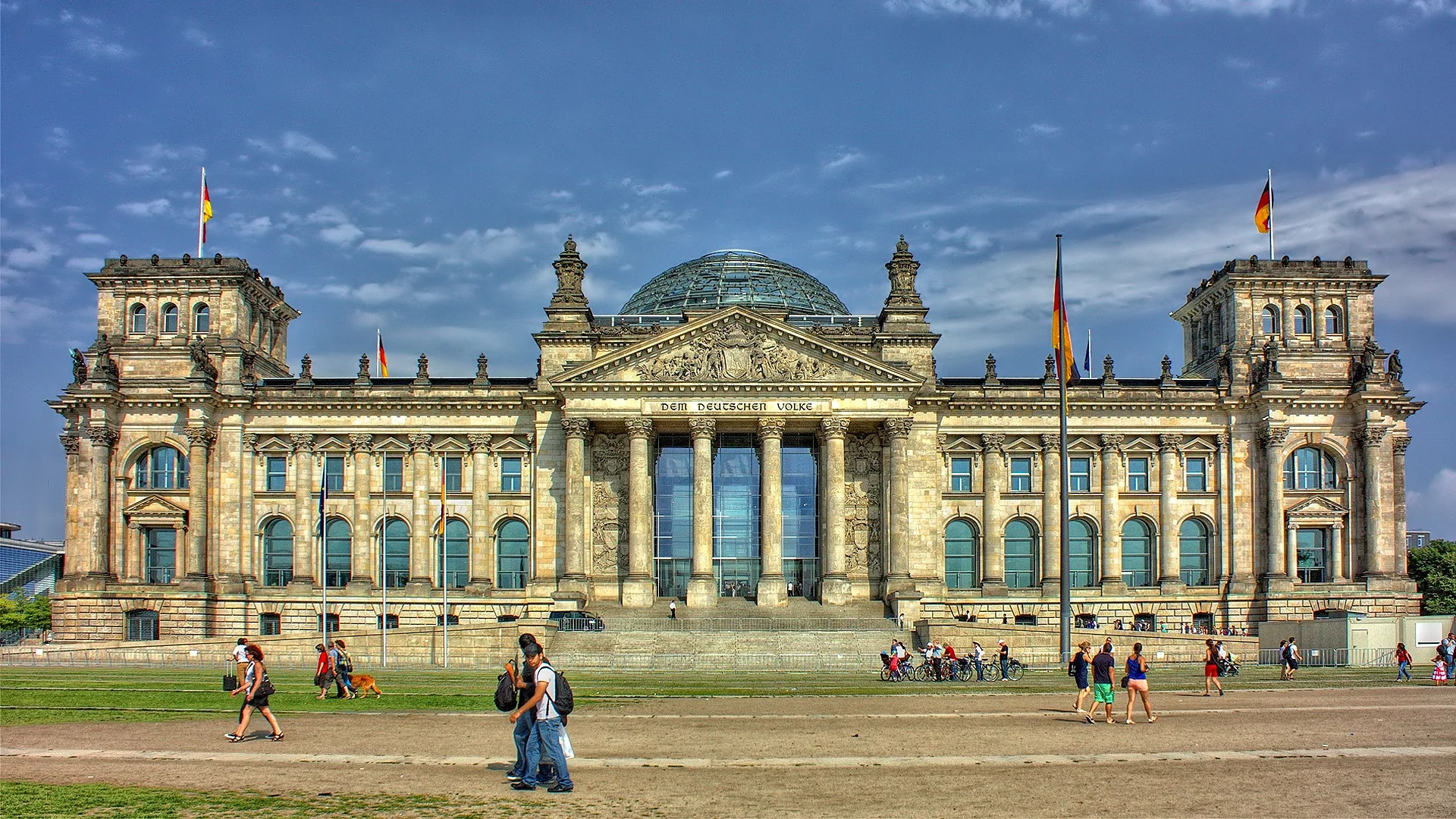
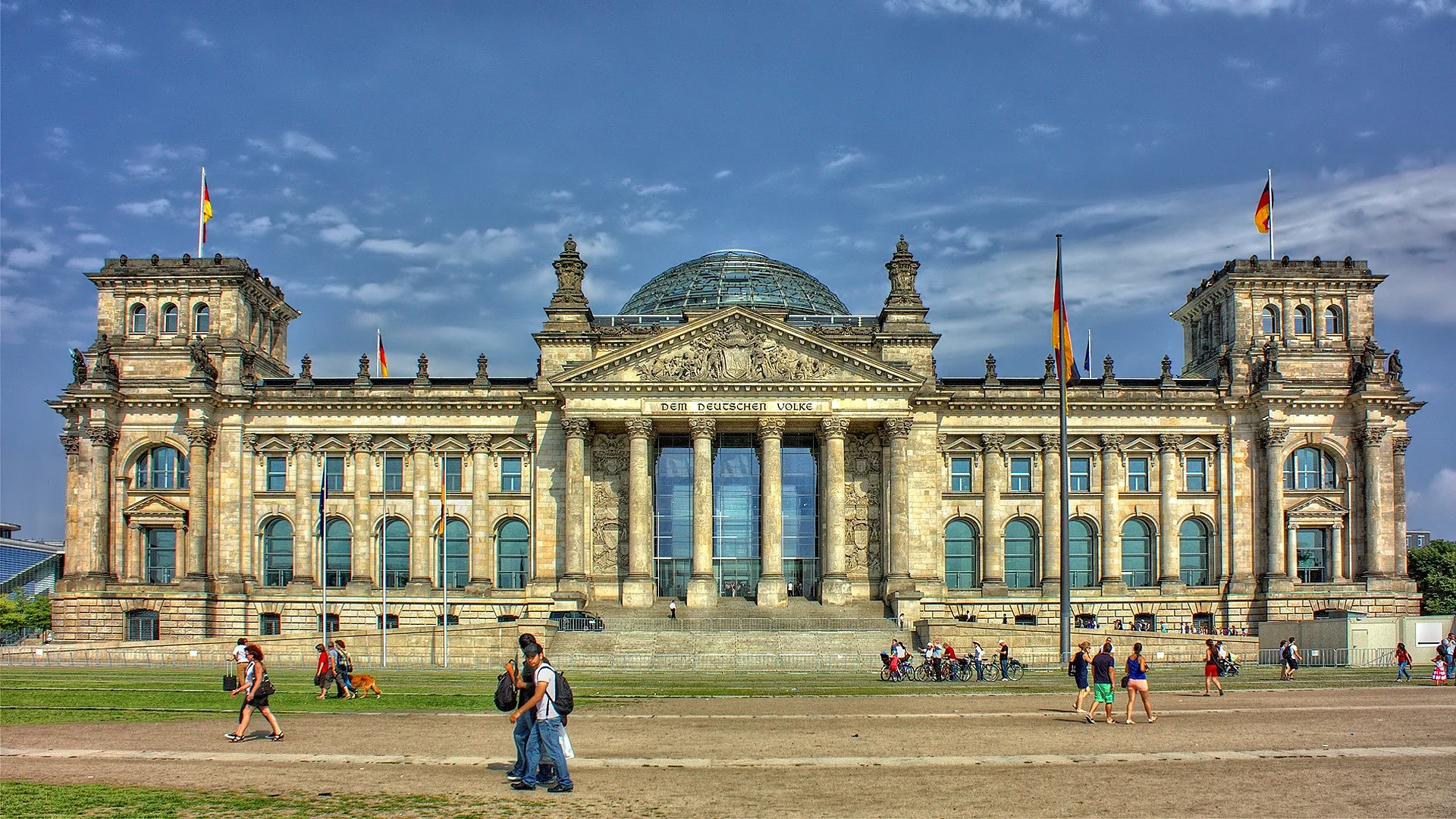
Berlin is not a pretty capital. It doesn't try to be. The city was flattened, split by a wall, then rebuilt with a chaotic energy that makes it one of a kind. Museum Island, a UNESCO World Heritage Site, packs in five major museums. The Holocaust Memorial, near the Brandenburg Gate, commands a respectful silence.
Berlin really comes alive in its alternative neighborhoods. Kreuzberg and Friedrichshain have one of Europe's richest street art scenes, legendary techno clubs, and Turkish food that rivals Istanbul. The kebab at Mustafa's Gemüse Kebap is worth the wait in line.

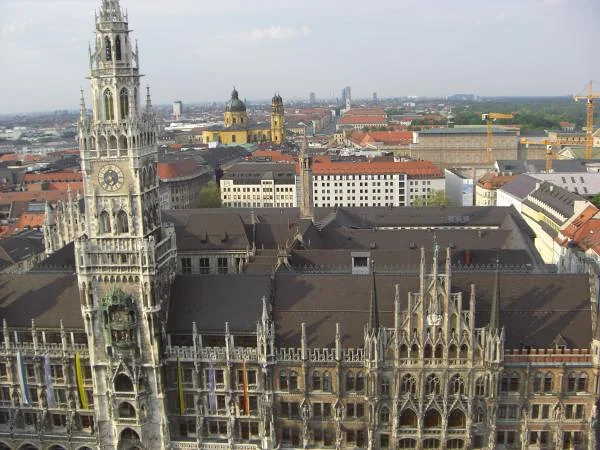
Munich plays in a different league. The Bavarian capital has a polished, bourgeois elegance and traditions it wears proudly. Marienplatz and its glockenspiel draw the crowds, the Viktualienmarkt is a festival of local produce, and Nymphenburg Palace shows off the grandeur of the Wittelsbach dynasty.
Friendly tip: skip Munich during Oktoberfest unless that's exactly why you're going. Hotel prices triple and the city loses its soul. The Frühlingsfest in spring has the same atmosphere with a fraction of the crowds.
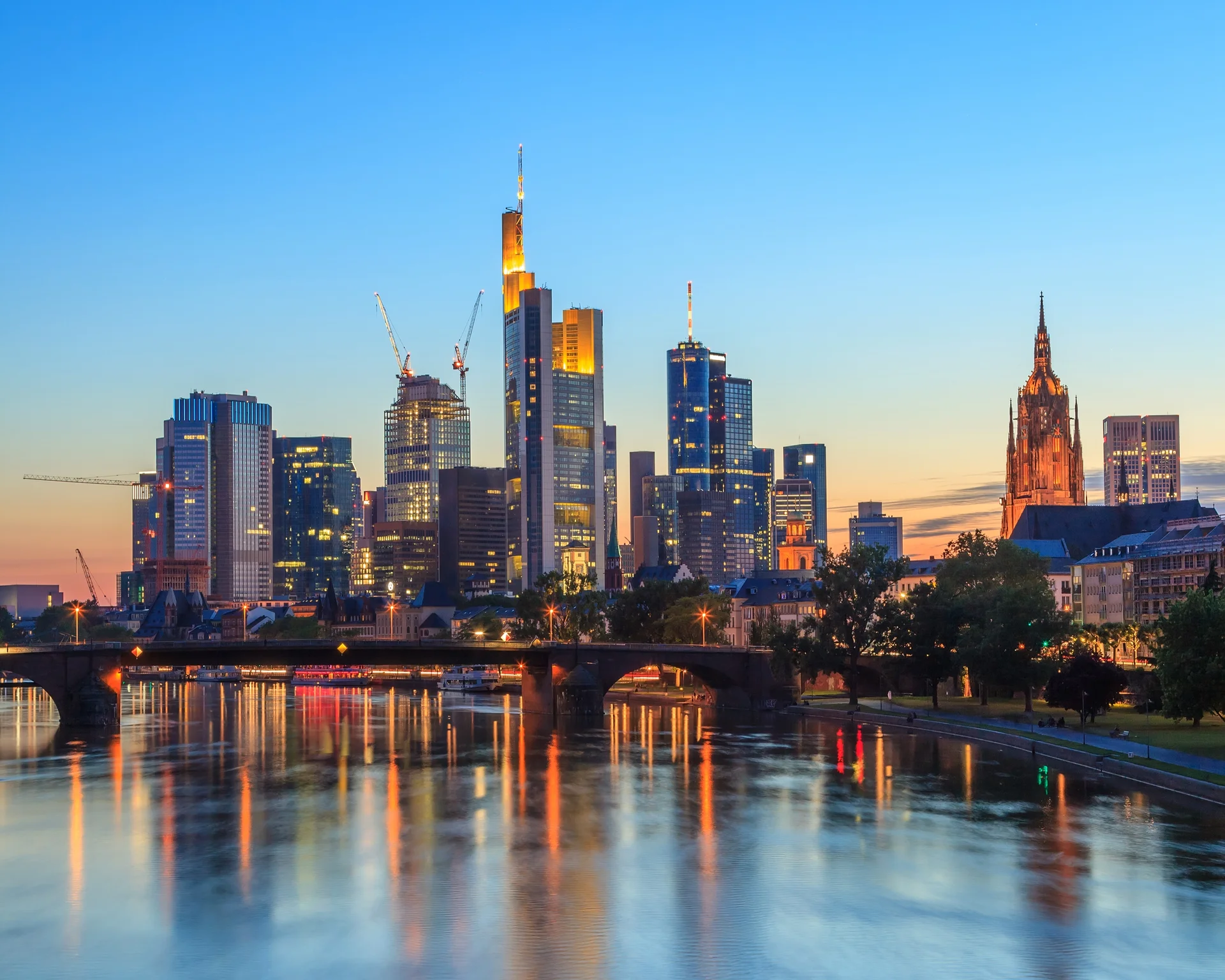
Hamburg wins people over with its enormous port, the boldly shaped Elbphilharmonie concert hall, and the St. Pauli district. Frankfurt, often snubbed for being too corporate, actually has the Museumsufer, one of Europe's biggest clusters of museums, strung along the banks of the Main.
Fairy-Tale Castles

Neuschwanstein Castle in Bavaria is Germany's postcard. Perched on a rocky ridge facing the Alps, it was the model for the Sleeping Beauty Castle at Disney. King Ludwig II of Bavaria built it in a fit of romantic obsession that drained the kingdom's coffers. The guided tour lasts 30 minutes, and in high season tickets need to be booked several weeks ahead.
Heidelberg Castle, half in ruins above the university town on the banks of the Neckar, feels more romantic and far less overrun. Hohenzollern Castle in Baden-Württemberg, ancestral seat of the Prussian imperial family, sits on an isolated hilltop with views that reach the Black Forest on a clear day.
For something different, the Wartburg in Thuringia is where Luther translated the New Testament. Less famous, Burg Eltz in the Moselle valley has never been destroyed and has belonged to the same family for 850 years.
Deep Forests and Bavarian Mountains

The Black Forest lives up to its name. Its dense conifers create an almost mystical darkness, even at midday. The Triberg waterfalls, the tallest in the country at 163 meters, are easy to visit. Villages like Schiltach in the Kinzig valley hold on to their half-timbered houses and clockmaking traditions.
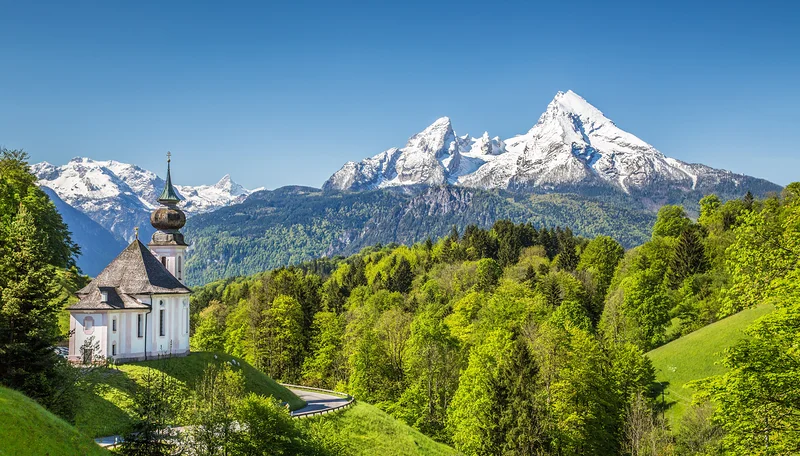
The Bavarian Alps, along the border with Austria, deliver grand panoramas. Garmisch-Partenkirchen is the base for exploring the peaks. The Zugspitze, Germany's highest point at 2,962 meters, can be reached by cable car or on foot if you're feeling ambitious. Lake Königssee, wedged between sheer cliffs, offers electric boat rides in a silence broken only by the echo of the mountains.
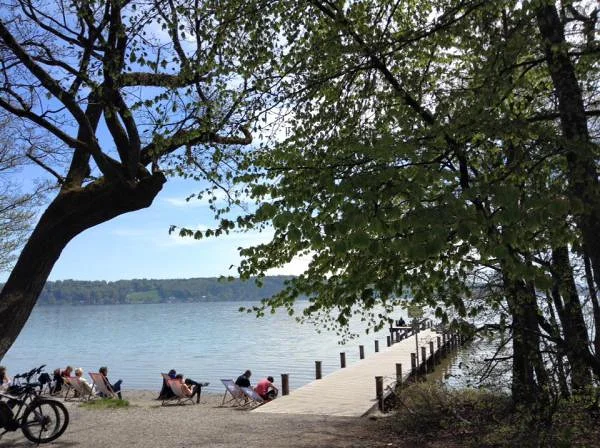
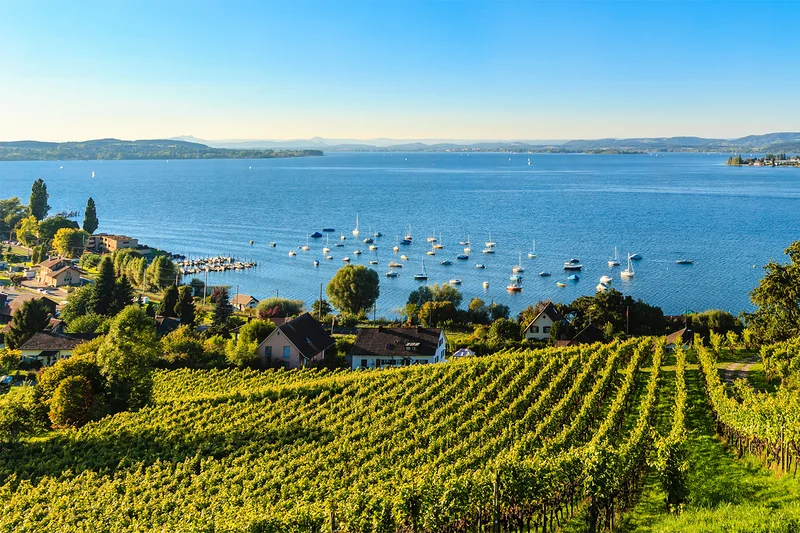
Lake Constance, shared with Switzerland and Austria, is the place to unwind lakeside with mountain views all around.
Friendly tip: the Spreewald near Berlin is worth the detour. This maze of canals running through a floodplain forest is explored by traditional flat-bottomed boat. It's Germany's little Amazon, an hour from the capital.
Villages the Guidebooks Overlook
The Ahrtal, a wine valley south of Cologne, produces surprisingly good reds for this latitude. Its terraced vineyards, wine taverns, and the former convent of Kloster Marienthal, now converted into a wine cellar, deserve a long stop. The village of Altenahr has hiking trails along the Ahr River with views of ruined medieval castles.
Dinkelsbühl in Bavaria miraculously escaped the destruction of the wars. Its 15th-century ramparts still ring the old town, and its colorful half-timbered houses line cobbled lanes. Less touristy than Rothenburg ob der Tauber, it offers a quieter dive into medieval Germany.
In the east, Quedlinburg in Saxony-Anhalt holds more than 1,300 half-timbered houses spanning eight centuries of architecture. Dresden is also worth the detour for its Christmas markets, among the oldest in Europe, and its old town rebuilt after the bombings of 1945.
Germany on a Plate: So Much More Than Sausages

German food has an unfair reputation. Yes, the country makes more than 1,500 varieties of sausage. But every region has developed its own specialties. Sauerbraten, beef marinated for days in vinegar and spices, holds its own against Europe's best pot roasts. Swabian Spätzle, fresh egg noodles baked with cheese, are comfort food at its best after a day of hiking.
Berlin invented the Currywurst in 1949: a sausage smothered in curry-spiced ketchup sauce that remains Germans' favorite street food. The city is also home to the largest Turkish community outside Turkey, which explains the excellence of its döner kebabs.
In Bavaria, Weißwurst is traditionally eaten before noon with sweet mustard and a pretzel. Schweinshaxe, crispy roast pork knuckle, goes with steins of beer in the biergartens. The Black Forest gave its name to the famous Schwarzwälder Kirschtorte (Black Forest cake): chocolate, cherries, and whipped cream soaked in kirsch. Leipzig and Bayreuth also draw classical music fans, following in the footsteps of Johann Sebastian Bach and Richard Wagner.
When to Go to Germany
Most of the country has a continental climate. The best window runs from May to September. Temperatures hover between 18 and 25°C (the mid-60s to mid-70s °F), days are long, and café terraces are packed. May brings cherry blossoms and smaller crowds than summer.
Winter makes sense for two reasons: the Christmas markets from November to December turn Berlin, Cologne, and Munich into glittering wonderlands, and the Bavarian Alps offer decent skiing. Expect temperatures that are often below freezing and short days.
How to Get to Germany
From the US, Frankfurt and Munich are the main gateways, with nonstop flights from several major US cities. Once in Europe, low-cost carriers like Eurowings and Ryanair fly to Berlin, Cologne, and Düsseldorf from $34-$57* one way. From Paris, a flight to the major German cities takes 1.5 to 2 hours.
By train, you'll need more patience: Paris to Berlin takes 8.5 hours with one change. Buses are a budget alternative, with FlixBus linking Paris and Berlin for around 20 euros. For entry, US citizens can visit visa-free for up to 90 days with a valid passport; check current entry requirements before you travel, since Europe is rolling out the ETIAS travel authorization.
Getting Around Germany
The Deutsche Bahn network covers the whole country. ICE high-speed trains link the major cities: 4 hours between Berlin and Munich. Tickets bought in advance come with significant discounts, sometimes up to 50%. Most cities have their own airport.
The Deutschland-Ticket, at $71* per month, gives you unlimited travel on all regional transport nationwide. Buses are cheap and reliable, and make a good alternative. Renting a car makes the most sense for exploring rural areas. Some stretches of the autobahn still have no speed limit. Budget around $45 to $68* per day for a compact car.