Visiting Japan: Where Hypermodern Meets a Thousand-Year-Old Soul
The sound of a train cutting through the air at 320 km/h. The absolute silence of a Zen garden where only bamboo creaks in the wind. Japan can't really be described, only lived, through contrasts that coexist without ever colliding. This island nation of 124 million people broke every tourism record in 2024, with nearly 37 million visitors. That popularity has turned some neighborhoods into anthills, but it hasn't dented the country's ability to surprise travelers who know where to look.
Is Japan the Right Trip for You?
Japan rewards people who appreciate order, punctuality, and clearly defined social codes. Here, you don't eat while walking, you don't talk on the phone on the subway, and you take your shoes off before entering a temple or a ryokan. These rules can be disorienting at first, but they feed into a unique atmosphere of mutual respect. The country is easy to navigate even if you don't speak Japanese, thanks to signage that is often bilingual in the big cities and translation apps that work well.
Budget deserves some thought. The weak yen has been working in foreign visitors' favor for a few years now, but hotel rates in Kyoto and Tokyo skyrocket during cherry blossom season. Getting around the country is a major line item. Bring cash too: plenty of small shops and traditional restaurants take cash only. The ATMs inside 7-Eleven convenience stores (konbini) work with foreign cards.
Cities That Make Your Head Spin
Tokyo, the Labyrinth with a Thousand Faces
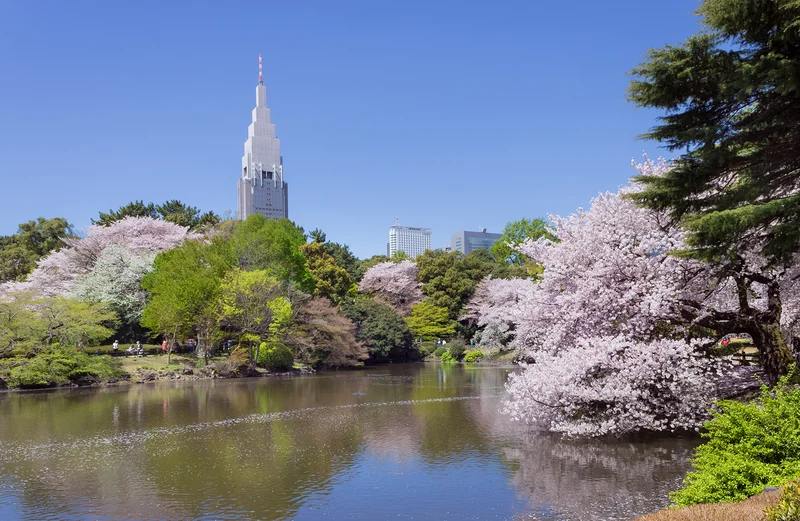
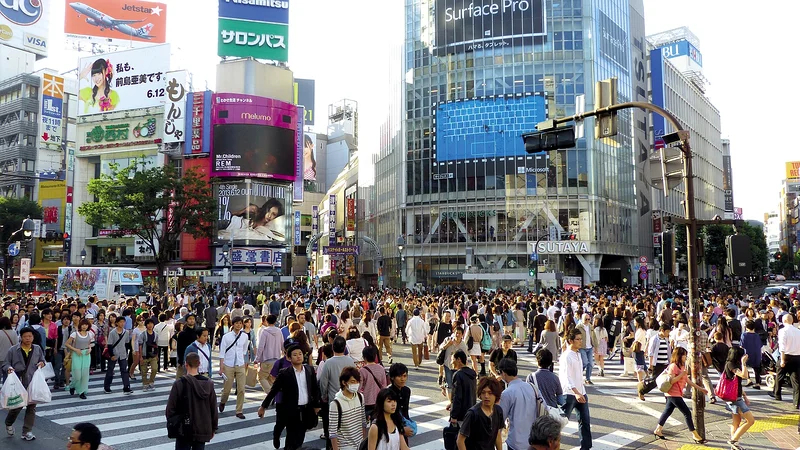
Tokyo throws you off with sheer scale. Every neighborhood has its own personality: Shinjuku with its neon-drenched skyscrapers, Asakusa and its Sensō-ji temple, where the feel of old Edo still lingers, and Shibuya with its legendary crossing. The capital is best explored on foot, one neighborhood at a time, without trying to see everything.
For a bird's-eye view, Shibuya Sky delivers a striking panorama at sunset. Book at least a month ahead. The digital art museum teamLab Planets offers an immersive experience where art and technology blur together.
Osaka, the Food-Obsessed Heart of Kansai
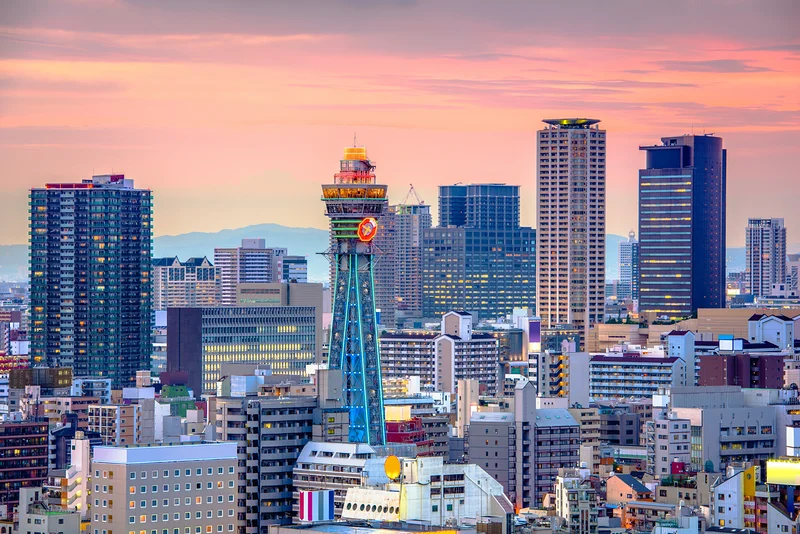
Osaka breaks with Tokyo's reserve. Locals have a reputation for being more direct and warmer. The Dotonbori district captures that unbridled energy, with glowing signs and street food stalls lined up along the canal. In 2025, the city hosted the World Expo on the island of Yumeshima.
Friendly tip: don't plan your restaurants in Osaka. Trust the line outside a small place over Google ratings. That's often where the locals eat.
Kyoto, Between Splendor and Overtourism
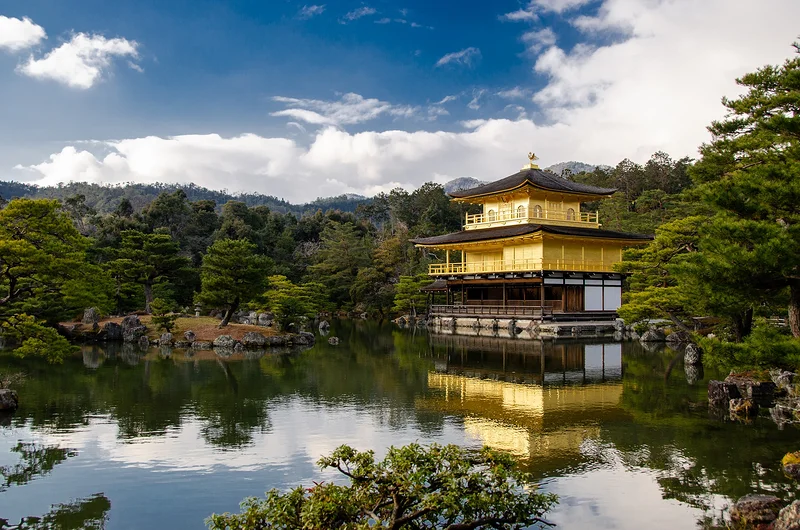
Kyoto welcomed more than 56 million visitors in 2024. The former imperial capital is buckling under the crowds, to the point that Japanese residents are avoiding its central districts. The Golden Pavilion and the Fushimi Inari shrine are still mesmerizing, but brace yourself for the crowds.
An accommodation tax has been in effect since March 2026, reaching up to 10,000 yen per night. The private alleys of the Gion district have been off-limits to tourists since April 2024, after geisha complained about harassment.
The Other Japan: Places That Can Still Breathe
Only 6% of tourists visit Takayama, a town in the Japanese Alps with well-preserved merchant houses. You can taste Hida beef there and drop into sake breweries that offer tastings for a few hundred yen. The New York Times named Toyama one of its 52 places to go in 2025.
Kanazawa, nicknamed "Little Kyoto," has preserved geisha and samurai districts without the crush. Its Kenroku-en garden ranks among the three most beautiful in the country. In the south of the archipelago, Okinawa reveals a little-known tropical side, with white-sand beaches and a distinct Ryūkyū culture.
Nature and Wide-Open Spaces
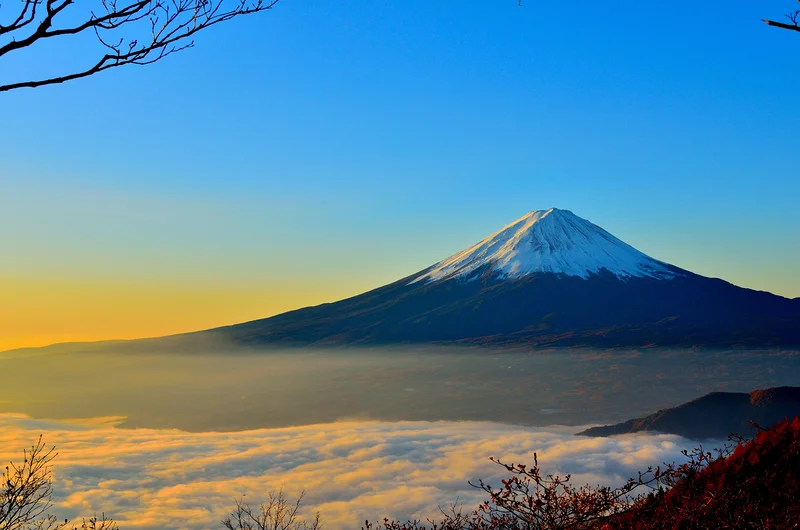
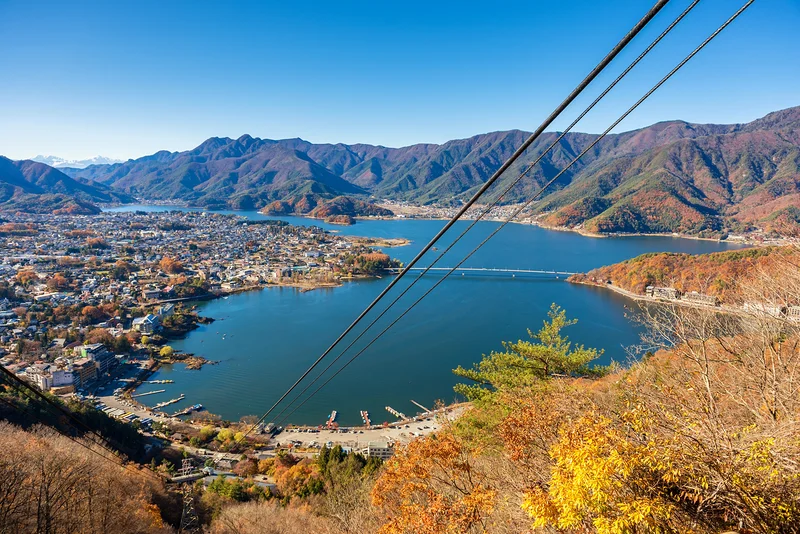
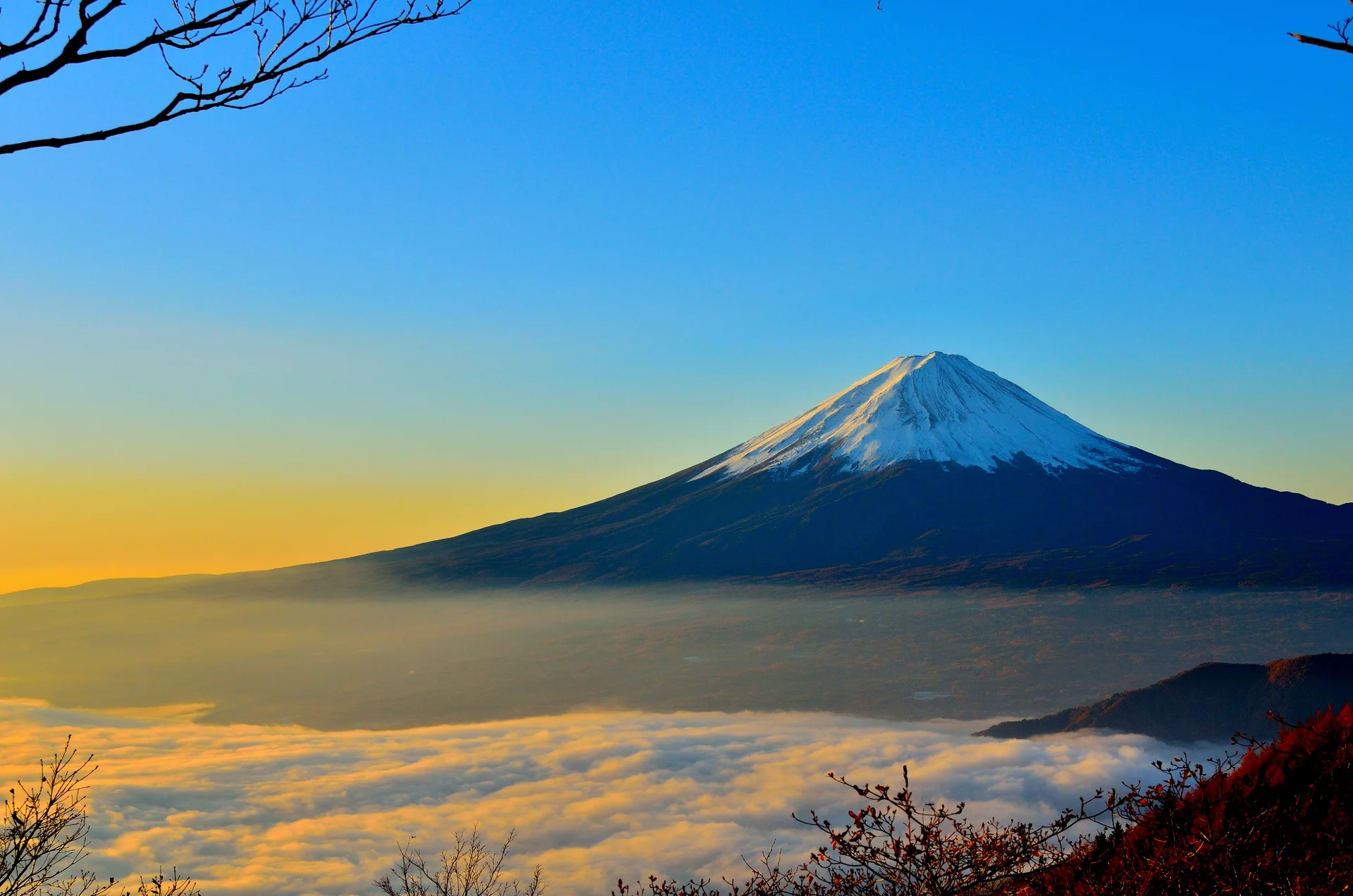
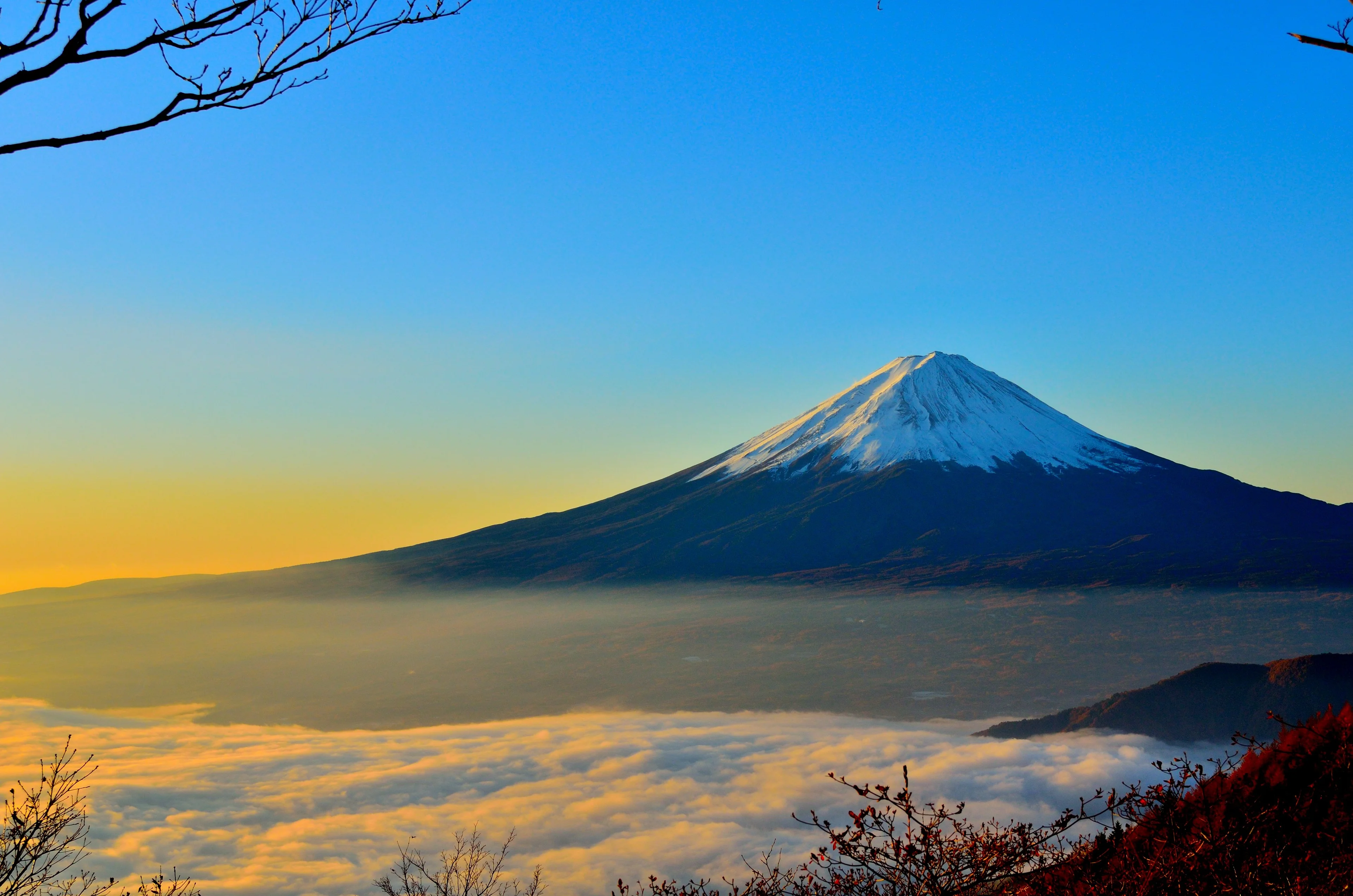
Mount Fuji tops out at 3,776 meters, and its climb draws thousands of hikers every summer. Since 2025, a 4,000 yen access fee is mandatory and the number of daily climbers is capped.
Hokkaido, the northern island, draws powder hounds to Niseko and anyone who loves wild landscapes. In summer, the Kamikochi valley in the Japanese Alps is a cool retreat from the crushing humidity. The Tōhoku region is still overlooked by tourist circuits despite its mountain scenery and hot springs.
Friendly tip: if you're traveling during Golden Week, April 29 to May 6, expect packed trains and lodging prices that double. It's when the Japanese themselves travel en masse.
Living Traditions
Staying at a ryokan with a private hot spring bath turns one night into a lasting memory. You sleep on a futon, slip into the yukata provided, and enjoy a kaiseki dinner served in your room. Public onsen come with etiquette: a shower is required before you get in, bathing is fully nude, and tattoos are often prohibited.
Japan lives by the rhythm of its festivals. Kyoto's Gion Matsuri in July sends monumental floats through the streets. The Sapporo Snow Festival in February displays gigantic ice sculptures.
Japan on a Plate: Far Beyond Sushi
Every region defends its specialties with pride. In Osaka, okonomiyaki (savory pancakes) are cooked in front of you on a griddle. Takoyaki, crispy octopus balls, get eaten standing at the stalls. Kaiseki, a succession of small, refined dishes, is Japanese cuisine at its most polished.
Kobe beef or Matsusaka beef melts in your mouth thanks to its exceptional marbling. The konbini hold good surprises too: fresh onigiri, carefully made sandwiches, matcha desserts. Quality stays remarkable even in these 24-hour convenience stores.
When to Go to Japan
Spring, from late March to early May, is the most popular time. Cherry blossoms turn parks and temples into fleeting paintings. That popularity comes at a price: scarce rooms and peak rates. Fall, from October to early December, puts on an equivalent show with blazing maples, in a slightly less saturated atmosphere.
Winter appeals to travelers who want to dodge the crowds while enjoying steaming onsen and the ski slopes of Hokkaido. Summer, hot and humid with a rainy season in June and July, is the low season for foreign tourists but stays lively with plenty of festivals and fireworks.
How to Get to Japan
From North America, count on roughly 13 to 14 hours of flying to Tokyo on the main nonstop routes (for example from the West Coast or New York), and longer with a connection. Nonstop flights from Europe, such as those from Paris-CDG to Tokyo-Haneda or Tokyo-Narita, run about 13 hours. Air France, Japan Airlines, and ANA operate these daily routes. On those Paris-Tokyo flights, round-trip fares run between $680 and $1,350* depending on the season, with lower prices in January and November.
Flights with a stopover in Istanbul, Doha, or Seoul can sometimes bring the bill under $560* if you book several months ahead. Osaka-Kansai airport is a smart alternative for an itinerary that starts in the Kansai region. Entry rules depend on your passport: the 90-day visa-free stay quoted here applies to French citizens, and US citizens should check the current rules for their own passport before booking.
How to Get Around Japan
The Shinkansen connects Tokyo to Kyoto in 2h30. The Japan Rail Pass went up 70% in October 2023, to 50,000 yen for 7 days. It no longer pays off automatically: run the numbers on your routes before buying. Regional passes often fit a compact itinerary better.
In the cities, pick up an IC card like Suica or Pasmo right at the airport. It simplifies payments on transit and at konbini. One little-known service: luggage forwarding between hotels lets you travel light from city to city for a few thousand yen.