
Sendai: The gateway to the north and a final urban breath before the rice fields
It is 7:00 AM in Sendai, and the Asaichi market is already waking up. Older gentlemen in aprons prepare handmade onigiri while neighborhood regulars fill their baskets with fresh vegetables and fish. No one bumps into you, and no one is rushing. Here, the pace of Tokyo feels like it belongs on another planet.
As the capital of Miyagi Prefecture and the largest city in the Tohoku region, Sendai is what locals call sumiyasui, or easy to live in. Founded in 1600 by Date Masamune, the formidable one-eyed lord nicknamed the "Dragon" by his enemies, the city has kept a distinct personality that balances urban modernity with northern traditions.
Is Sendai the right destination for you?
Sendai is for travelers looking for a different side of Japan. Far from the crowds of Kyoto and the intensity of Tokyo, this city of one million offers a more relaxed rhythm, avenues lined with century-old zelkovas, and a food scene with a reputation that extends well beyond the borders of Tohoku. Samurai history buffs will find plenty to explore, while foodies can feast on the famous grilled beef tongue at one of the city's hundred specialized restaurants.
However, if you are looking for grandiose temples on every street corner or non-stop neon-lit energy, Sendai might feel too quiet for you. Think of the city as a base for exploring the Matsushima bay, the mountain temple of Yamadera, or the hot springs of Akiu rather than a place to spend an entire week. Two to three days are enough to capture its essence.
A reasonable budget for Japan
Sendai remains more accessible than Tokyo or Osaka. Expect to pay about 7,000 to 10,000 yen per night for a decent business hotel near the station, 1,200 to 2,000 yen for a gyutan meal, and 300 to 800 yen for tourist site entry fees. A one-day pass for the Loople bus costs 630 yen.
The historic heart: In the footsteps of the one-eyed Dragon
Everything starts at Zuihoden, the mausoleum of Date Masamune tucked away on a wooded hill southwest of the city center. The Momoyama-style architecture, rebuilt after the 1945 bombings, showcases gilded woodwork and vibrant colors amidst century-old cedars. The atmosphere is surprisingly peaceful despite the grand scale of the site. A small adjacent museum displays artifacts from the Date clan and recreations of the lord's black armor, which legend claims inspired the helmet of Darth Vader.
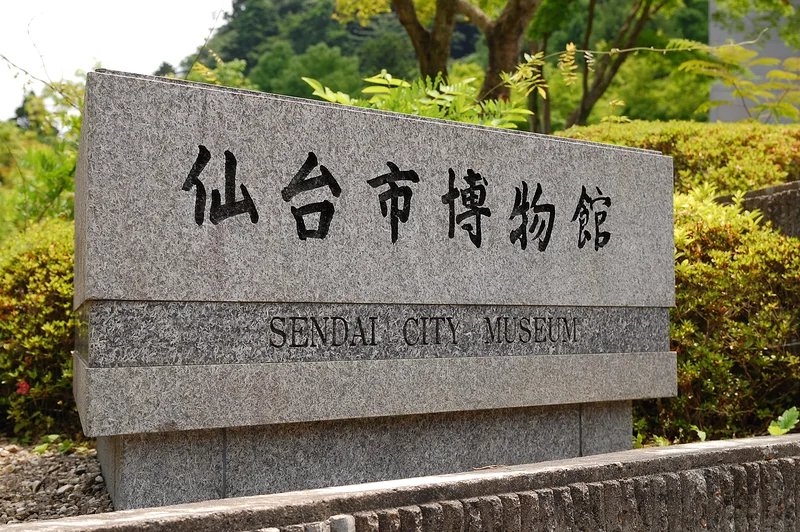
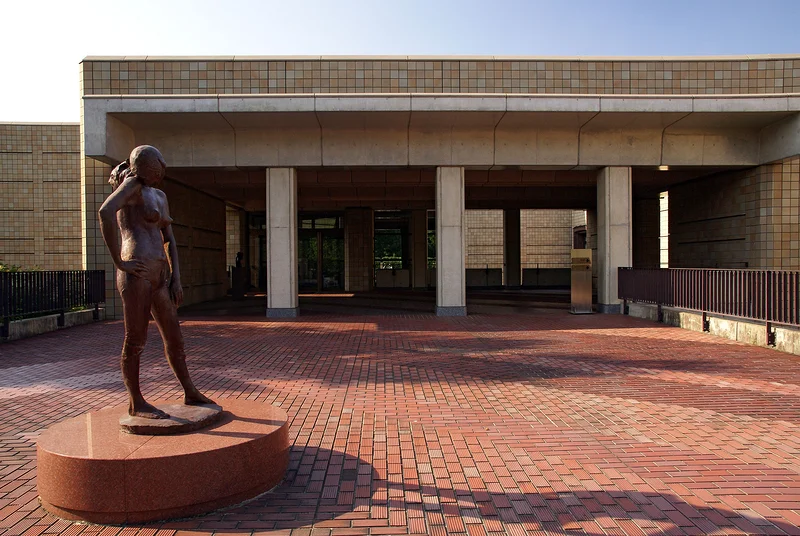
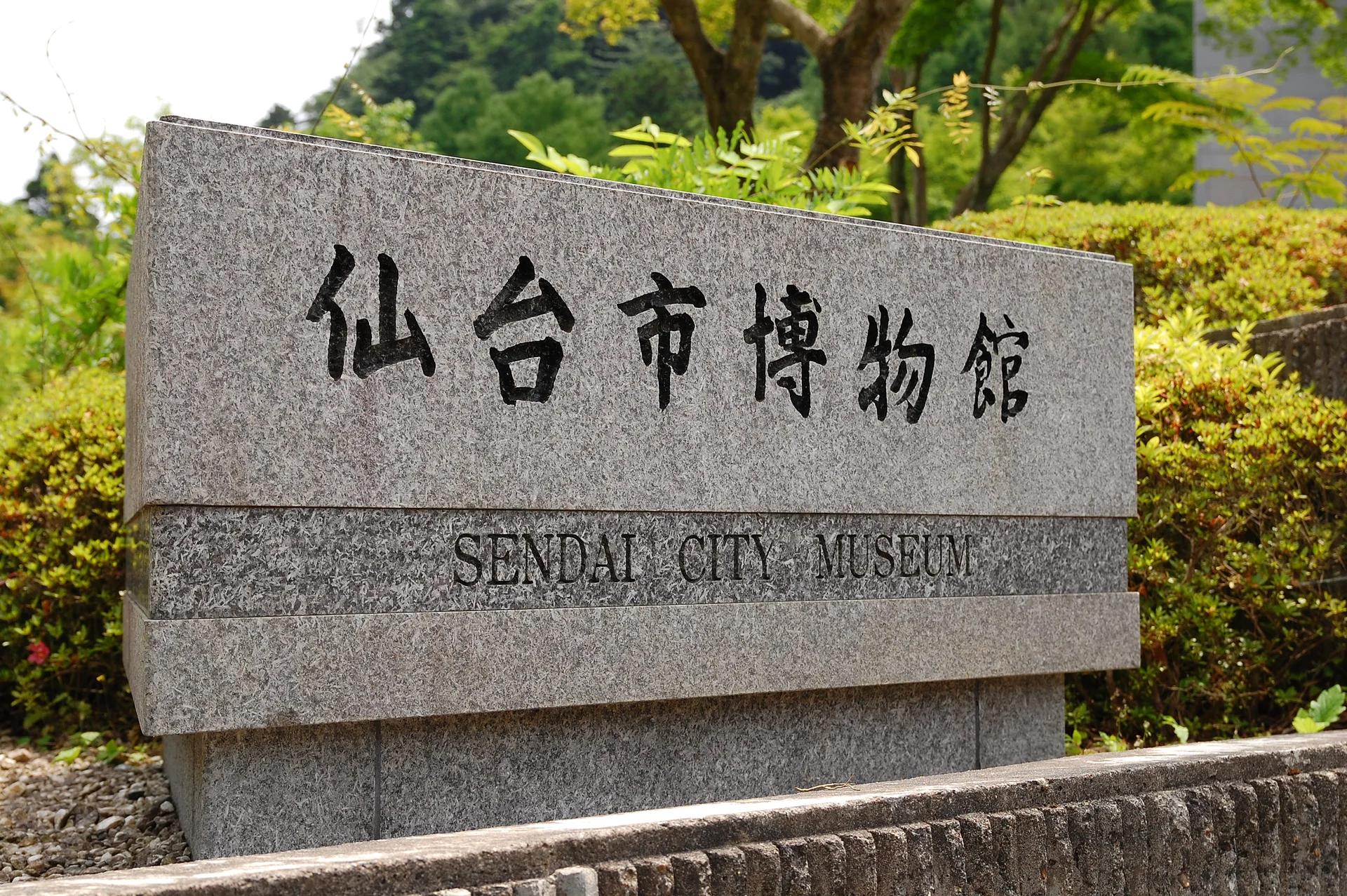
The ruins of Sendai Castle, perched on Mount Aoba, offer a panoramic view of the city and its modern skyscrapers. Only the foundations and a few sections of wall remain from the original castle. The star of the site is undoubtedly the equestrian statue of Masamune, which has watched over the plains from its promontory for decades. The Gokoku-jinja shrine and the Sendai City Museum, both located nearby, are also worth the detour to understand the history of the family that ruled the north for over 270 years.
Friendly tip: The Loople bus serves the main historic sites with announcements in English. However, double-check if the day pass is worth it for you. A single trip costs 260 yen, compared to 630 yen for the pass. If you only visit two or three stops, pay as you go.
Downtown: Trees, arcades, and izakayas
Jozenji-dori avenue perfectly summarizes Sendai's nickname. This thoroughfare, lined with four rows of Japanese zelkovas, forms a spectacular tunnel of greenery starting in spring. In December, the trees are draped in 600,000 lights for the Pageant of Starlight, one of the most beautiful winter illuminations in the country. The central promenade, decorated with sculptures, invites you to stroll between the cafes and galleries along the way.
A few steps away, the Ichibancho shopping arcade stretches for several hundred meters from the west exit of the train station. Under its covered roof, you will find everything from Japanese fashion chains to shops selling kokeshi, the traditional wooden dolls for which Miyagi is the birthplace. At night, the Kokubuncho district comes alive with its 2,500 bars and restaurants. The narrow streets, illuminated by lanterns and neon signs, house izakayas where regulars and visitors mingle over steaming skewers and cold beers.
Excursions from Sendai
The bay of Matsushima is considered one of the three most beautiful landscapes in Japan, alongside Miyajima and Amanohashidate. Its 260 pine-covered islets emerge from calm waters, creating a sight that the poet Basho himself found impossible to describe. A 40-minute train ride on the Senseki line allows you to combine a cruise among the islands, a visit to the Zuiganji temple, which is classified as a national treasure, and a tasting of fresh oysters on the waterfront.
For whisky lovers, the Nikka Miyagikyo Distillery is worth the trip. Founded in 1969 by Masataka Taketsuru, the father of Japanese whisky, it occupies a lush valley 40 minutes by train from Sendai. The red-brick buildings reflect in a pond where swans swim. The free guided tour lasts 70 minutes and ends with a tasting. Be sure to book in advance and plan for the day, as the walk from Sakunami station takes 40 minutes on foot on weekdays.
Friendly tip: The Yamadera temple, technically located in Yamagata Prefecture, is accessible in less than an hour from Sendai via the Senzan line. Its 1,000 steps climb the cliffside to pavilions hanging over the void. The effort is significant, but the view at the top is a massive reward for the climb.
Where to eat and drink in Sendai?
Gyutan, beef tongue grilled over charcoal, is the city's culinary pride. This post-war dish is served in tender slices accompanied by barley rice, oxtail soup, and pickled vegetables. The small Gyutan-dori alley, right next to the train station, is home to several specialized restaurants, some of which open as early as breakfast. The restaurant Rikyu, which has locations in several neighborhoods, serves a particularly well-regarded version.
The other local specialty is zunda, a sweet, pale-green paste made from crushed edamame. You will find it on mochi, in parfaits, or in the form of frozen shakes at Zunda Saryo, located in Sendai station. For fish lovers, the Shiogama market, 30 minutes away by train, holds the record for the highest concentration of sushi bars per capita in Japan.
How to get to and around Sendai?
The Tohoku Shinkansen connects Tokyo to Sendai in about 1.5 hours for 11,000 yen each way. The journey is covered by the Japan Rail Pass. For tighter budgets, night buses from Tokyo or Shinjuku stations drop to 3,000 yen, but expect five to six hours on the road. Sendai Airport, served by some domestic and international flights, is 25 minutes from the center by train.
Within the city, the Loople tourist bus runs a 70-minute loop serving the main sites. Two subway lines, Namboku and Tozai, cross at the central station. The city center is easily walkable, and the Docomo Bike Share service allows you to explore the more outlying neighborhoods.
When to go?
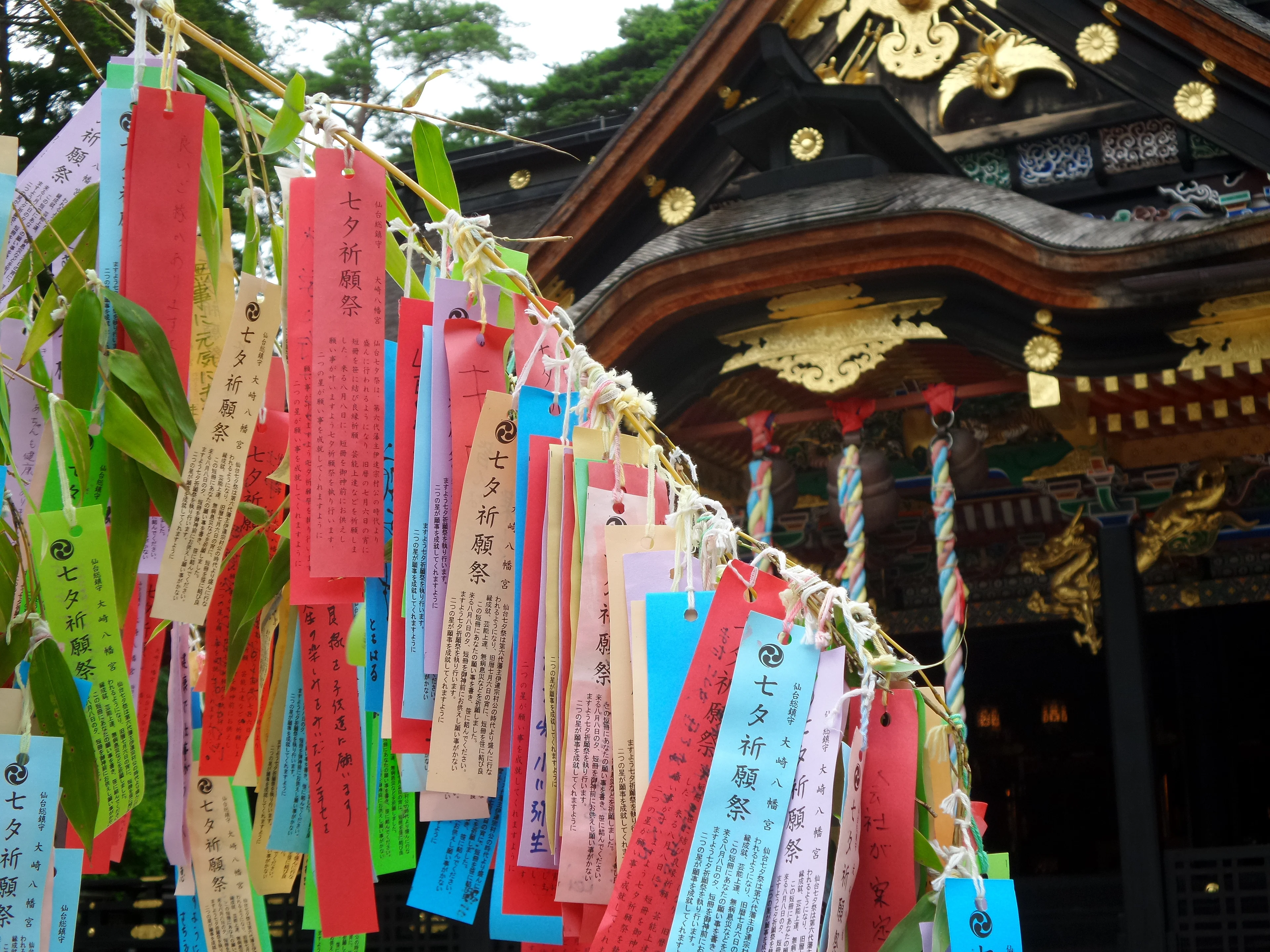
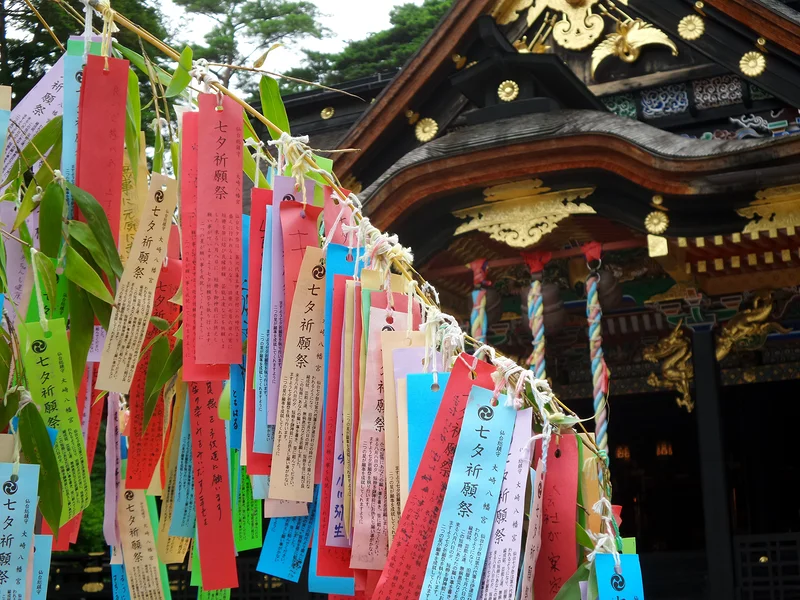
The Tanabata Matsuri, from August 6 to 8, transforms the shopping arcades into forests of colorful streamers. It is the major event of the year, but also the busiest period. The Jozenji Street Jazz Festival in September brings the streets to life with free concerts, while the December illuminations draw crowds under the glittering zelkovas. Spring, particularly April and early May for the cherry blossoms, offers pleasant temperatures and moderate crowds.
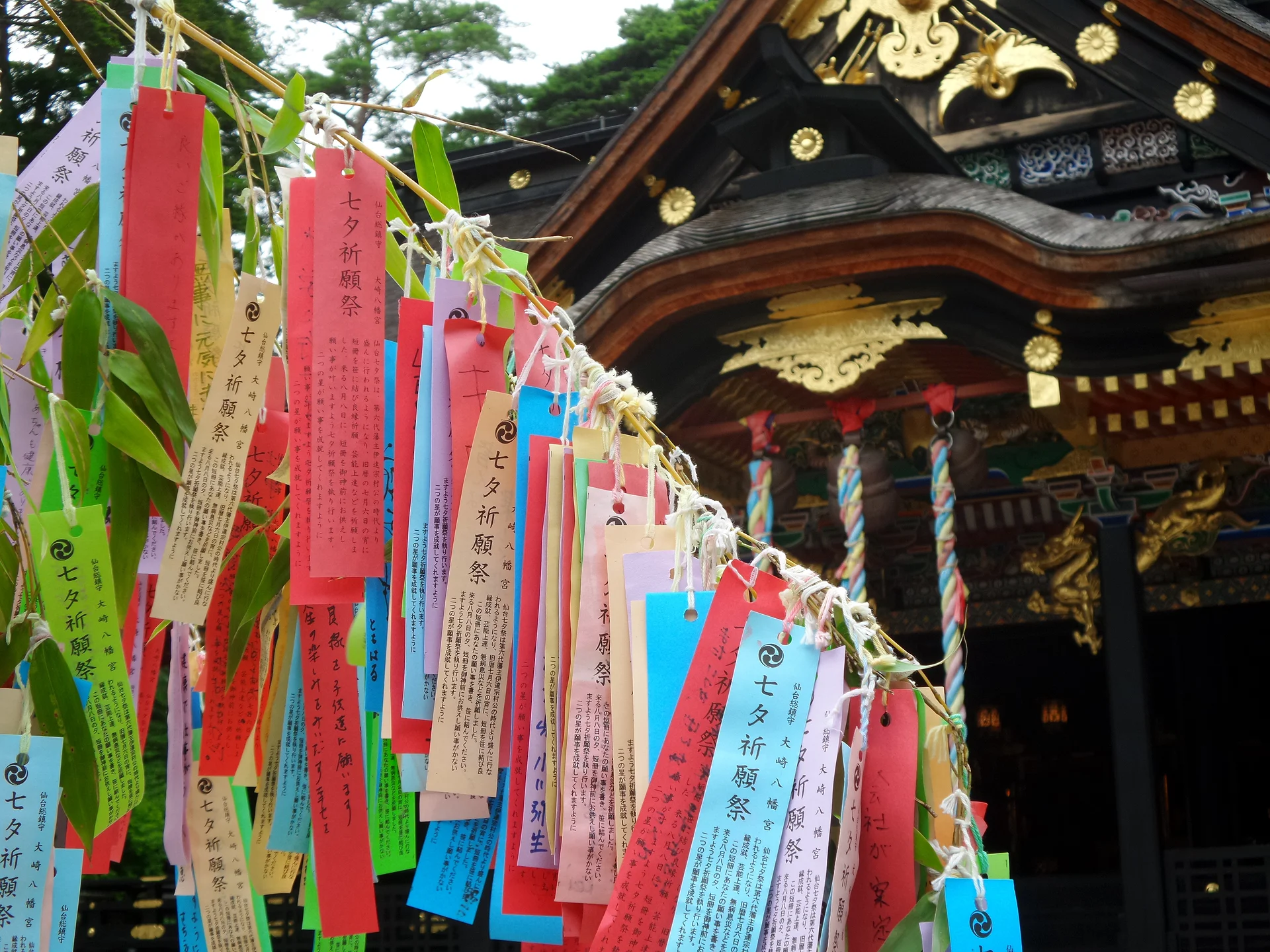
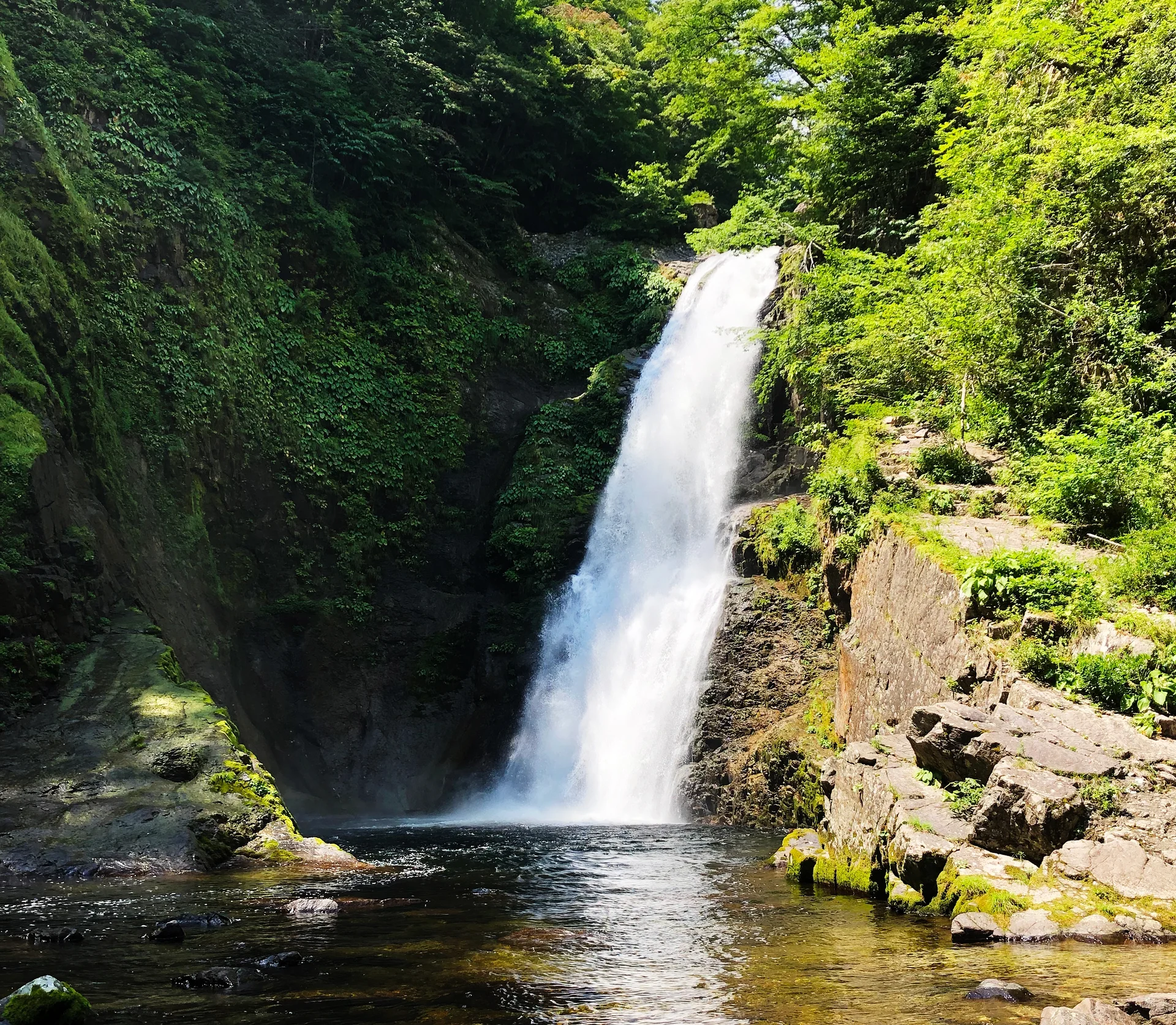
Easily accessible by shinkansen from Tokyo (1 hour 30 minutes). One of the main cities in the region with a rich heritage. I was intrigued because it was once the stronghold of the Date family, a famous samurai clan. The color is what struck me the most and what I loved, especially in the different temples. Nature is also everywhere!