Visiting Japan: Where Hypermodern and Ancient Exist Side by Side
A bullet train cuts through the countryside at 200 mph. A bamboo grove in a zen garden barely makes a sound. Japan operates on contrasts that somehow never clash. This archipelago of 126 million people broke its own tourism records in 2024, drawing nearly 37 million visitors. Some neighborhoods have hit a tipping point, but the country still rewards travelers who know where to look.
Is Japan Right for You?
Japan works well for travelers who respect structure. You don't eat while walking, you don't talk on your phone on the subway, and you take your shoes off before entering a temple or a ryokan. These social norms can feel strict at first, but they create an atmosphere of mutual respect that's genuinely refreshing. You don't need to speak Japanese to get around, especially in major cities where signage is often bilingual and translation apps fill most gaps.
Budget carefully. The weak yen has been a real advantage for American travelers in recent years, but hotel prices in Kyoto and Tokyo spike hard during cherry blossom season. Getting around between cities is one of your biggest expenses, so factor that in early. Cash still matters here: many small restaurants and traditional shops are cash-only. The good news is that 7-Eleven convenience store ATMs across Japan reliably accept foreign cards.
The Cities That Overwhelm in the Best Way
Tokyo: Too Big to Figure Out, Too Good to Stop Trying
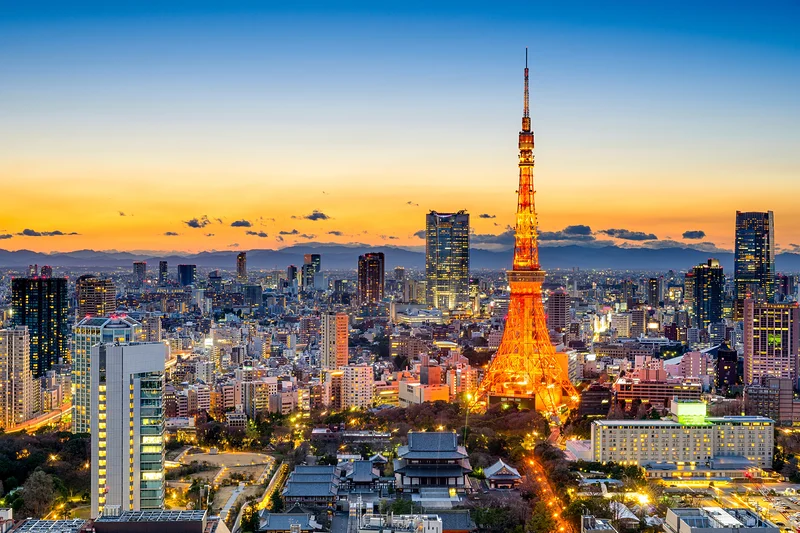
Tokyo doesn't make sense at first, and that's the point. Each neighborhood runs on its own logic: Shinjuku with its neon-drenched skyscrapers, Asakusa where the Sensō-ji temple still carries the mood of old Edo, Shibuya with its famous scramble crossing. The best way to experience the city is on foot, one neighborhood at a time, without trying to check every box.
For a panoramic view at sunset, Shibuya Sky is worth the effort. Book at least a month ahead. teamLab Planets, the digital art museum in Toyosu, blurs the line between technology and immersive art in a way that's hard to describe until you're standing inside it.
Osaka: Japan's Food Capital, No Contest
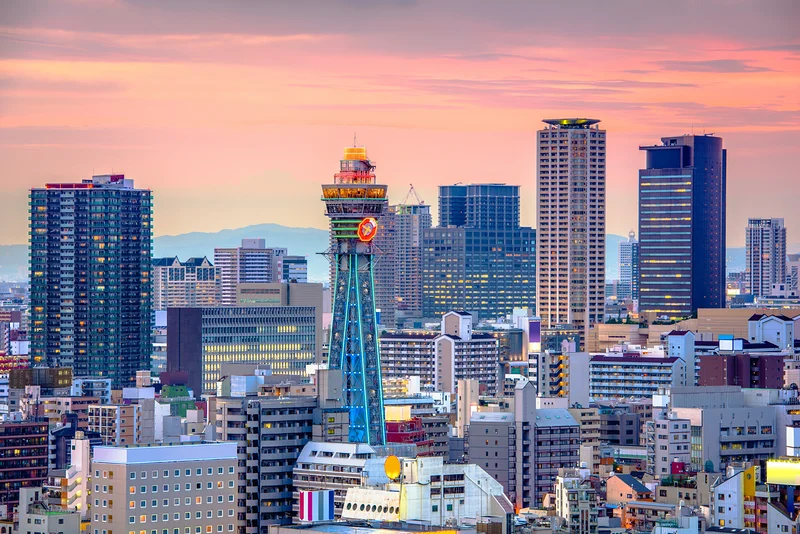
Osaka has a completely different energy from Tokyo. Locals here have a reputation for being more direct and more outgoing. The Dotonbori district channels that personality through glowing signs and street food stalls lining the canal. In 2025, the city is also hosting the World Expo on Yumeshima island.
Insider tip: Don't over-plan your meals in Osaka. A line of locals waiting outside a small place with no English sign will serve you better than any Google rating. That's where the real eating happens.
Kyoto: Extraordinary, and Extremely Crowded
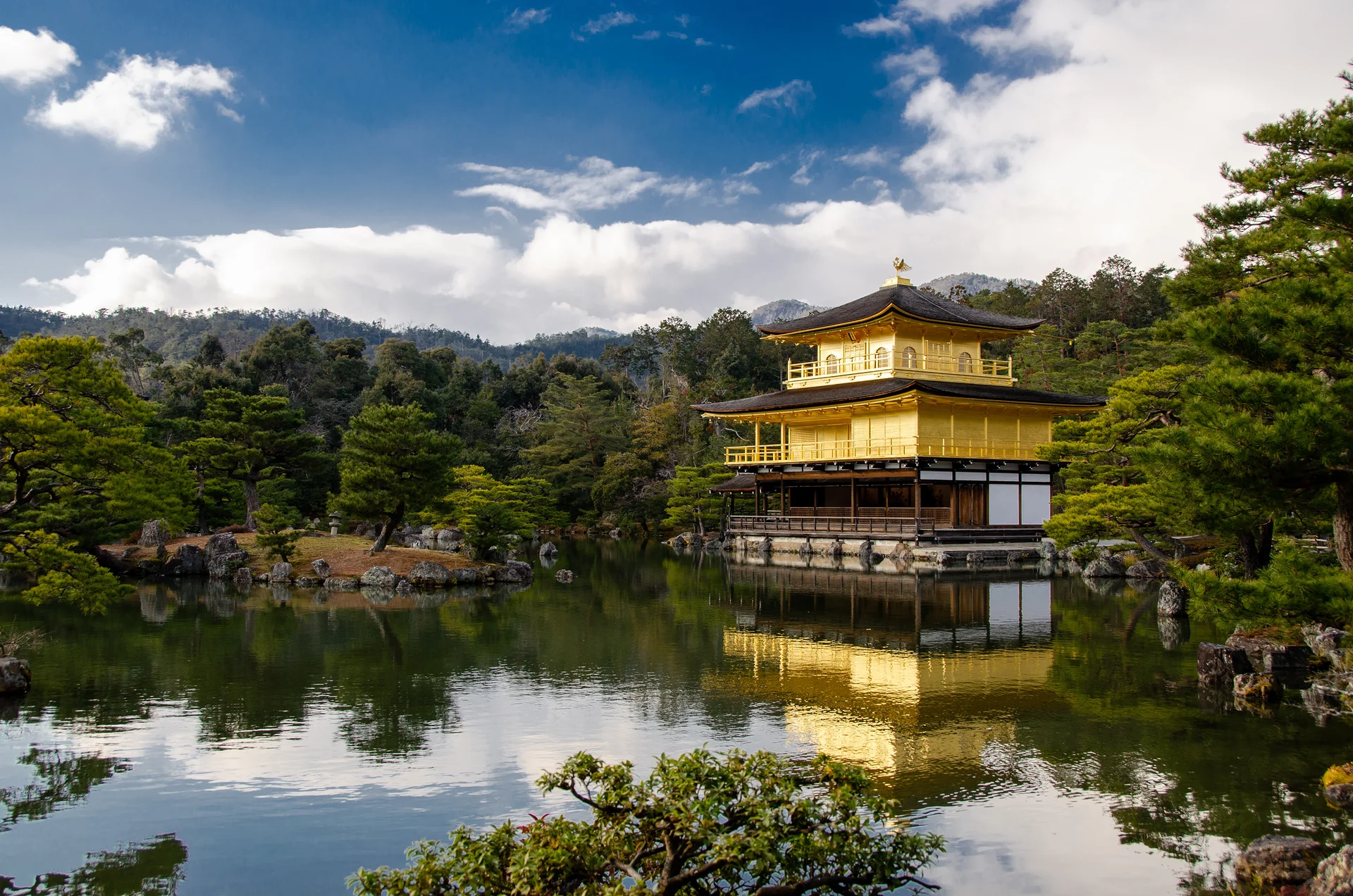
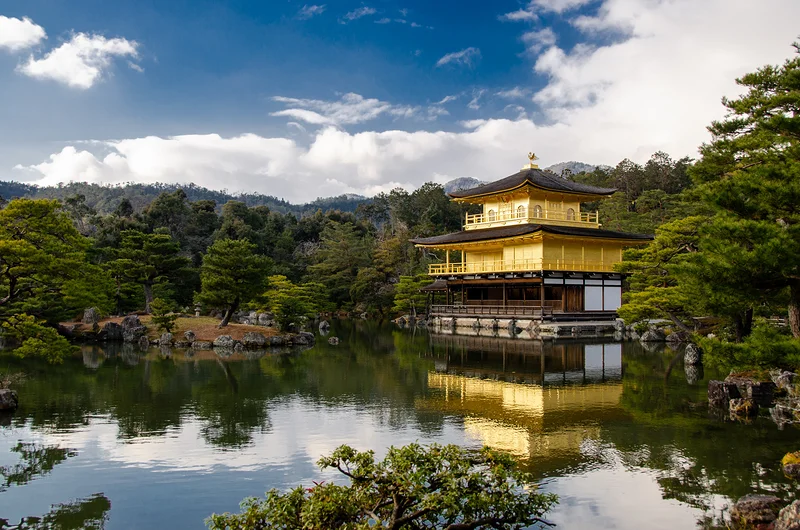
Kyoto welcomed more than 56 million visitors in 2024. The former imperial capital is so overrun that many Japanese locals have stopped going to its central areas. The Golden Pavilion and Fushimi Inari shrine are still worth seeing, but go in early and expect crowds no matter what.
A new accommodation tax takes effect in March 2026, reaching up to 10,000 yen per night (roughly $65). The private lanes of the Gion geisha district have been closed to tourists since April 2024, following complaints from geishas about harassment.
The Other Japan: Places That Still Have Room to Breathe
Only about 6% of tourists make it to Takayama, a well-preserved merchant town in the Japanese Alps where you can eat Hida beef and do sake tastings at local breweries for a few hundred yen. Toyama, nearby, landed on the New York Times list of 52 places to visit in 2025.
Kanazawa, often called "Little Kyoto," has intact geisha and samurai districts without the crush of visitors. Its Kenroku-en garden ranks among the three finest in Japan. Down at the southern end of the archipelago, Okinawa is a different country in feel, with white-sand beaches, clear water, and a distinct Ryukyuan culture that sets it apart from mainland Japan.
Getting Outside the Cities
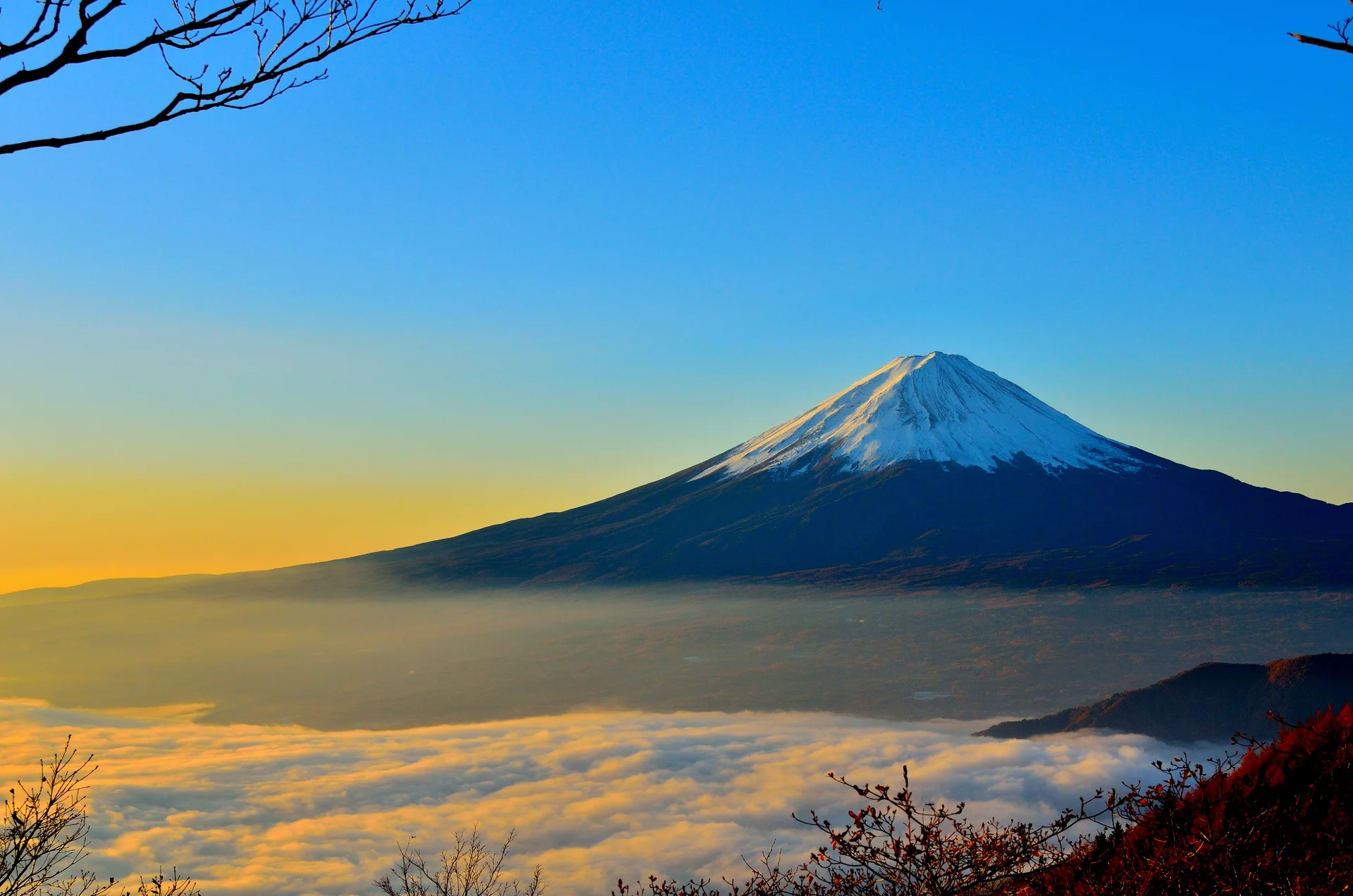
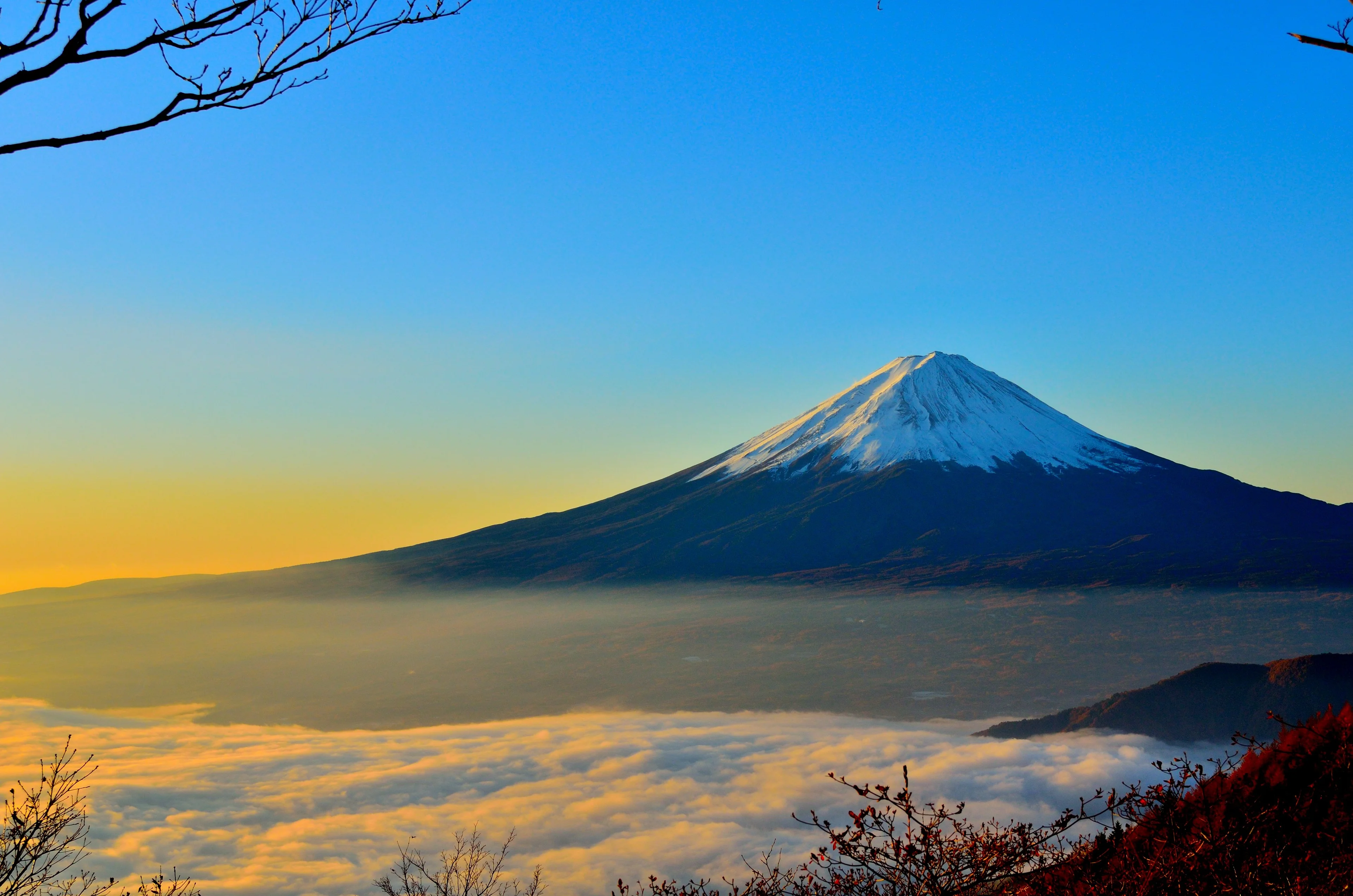
Mount Fuji tops out at 12,389 feet and draws thousands of hikers every summer. Since 2024, a 4,000 yen (about $26) access fee is mandatory on the main Yoshida Trail, and daily climber numbers are capped.
The northern island of Hokkaido pulls powder skiers to Niseko, which gets some of the best snow in the world, comparable to what you'd find in Utah but with a Japanese twist. In summer, the Kamikochi valley in the Japanese Alps is a cool escape from the brutal humidity. The Tohoku region, northeast of Tokyo, barely registers on most tourist itineraries despite its mountain scenery and hot spring towns.
Insider tip: If your trip falls during Golden Week (April 29 through May 6), expect packed trains and hotel prices that can double overnight. This is when Japan travels, and the whole country moves at once.
Living Traditions Worth Experiencing
Staying in a ryokan with a private thermal bath turns a regular night into something you'll talk about for years. You sleep on a futon, wear the yukata robe provided, and get a multi-course kaiseki dinner served in your room. Onsen public baths come with firm rules: shower before you get in, no swimwear, and tattoos are banned at most facilities.
Japan's festival calendar is worth planning around. The Gion Matsuri in Kyoto every July rolls out enormous ceremonial floats through the city streets. The Sapporo Snow Festival in February fills the city with massive ice sculptures.
Food in Japan: Way Beyond Sushi
Every region defends its specialties fiercely. In Osaka, okonomiyaki (savory pancakes loaded with toppings) are cooked right in front of you on a griddle. Takoyaki, crispy octopus balls, are eaten standing up at street stalls. Kaiseki, a sequence of refined small dishes, is Japanese culinary craft at its most refined.
Kobe and Matsuzaka beef have the kind of marbling that genuinely melts in your mouth, and both live up to the reputation. Don't underestimate the konbini convenience stores either: fresh onigiri, well-made sandwiches, matcha desserts. The quality at a Japanese 7-Eleven will reset your expectations for what a convenience store can be.
When to Go to Japan
Spring, from late March through early May, is peak season. Cherry blossoms turn parks and temple grounds into something out of a painting, and everyone knows it: accommodations book out months in advance and prices reflect that. Fall, from October through early December, delivers a similar payoff with flaming red and orange maples, and the crowds are slightly more manageable.
Winter is for travelers who want fewer crowds, steaming onsen, and world-class skiing in Hokkaido. Summer is hot and humid, with a rainy season in June and July, which keeps international tourism lower. That said, summer is packed with local festivals and fireworks events that most foreign visitors miss entirely.
Getting to Japan from the US
Nonstop flights from major US hubs to Tokyo Haneda or Tokyo Narita run roughly 13 to 14 hours from the West Coast and closer to 16 hours from the East Coast. Japan Airlines and ANA operate these routes, as do US carriers. Round-trip prices typically range from $700 to $1,400 depending on the season, with January and November offering better fares. Connecting flights through Seoul, Doha, or Istanbul can sometimes come in lower if you book well in advance. Osaka Kansai Airport is a smart entry point if you're planning to start your trip in the Kansai region rather than Tokyo. US passport holders don't need a visa for stays under 90 days.
Getting Around Japan
The Shinkansen bullet train connects Tokyo to Kyoto in about 2 hours 20 minutes. The Japan Rail Pass jumped roughly 70% in price in October 2023, now sitting at 50,000 yen (about $330) for 7 days. It's no longer an automatic buy: run the numbers on your specific itinerary before committing. Regional rail passes often make more sense if your trip is concentrated in one area.
In cities, pick up an IC card (Suica or Pasmo) at the airport as soon as you land. It works on trains, buses, and at konbini counters, and saves you from buying individual tickets every time. One underrated service: luggage forwarding between hotels lets you travel between cities with just a daypack, sending your bags ahead for a few thousand yen. It's one of the most practical things Japan offers, and most first-time visitors discover it too late.