Visiting Chubu
Chubu is Japan's mountainous belly, the part the bullet train crosses without stopping. Nagoya keeps the gate, 2.3 million people and no wish to sell itself to tourism.
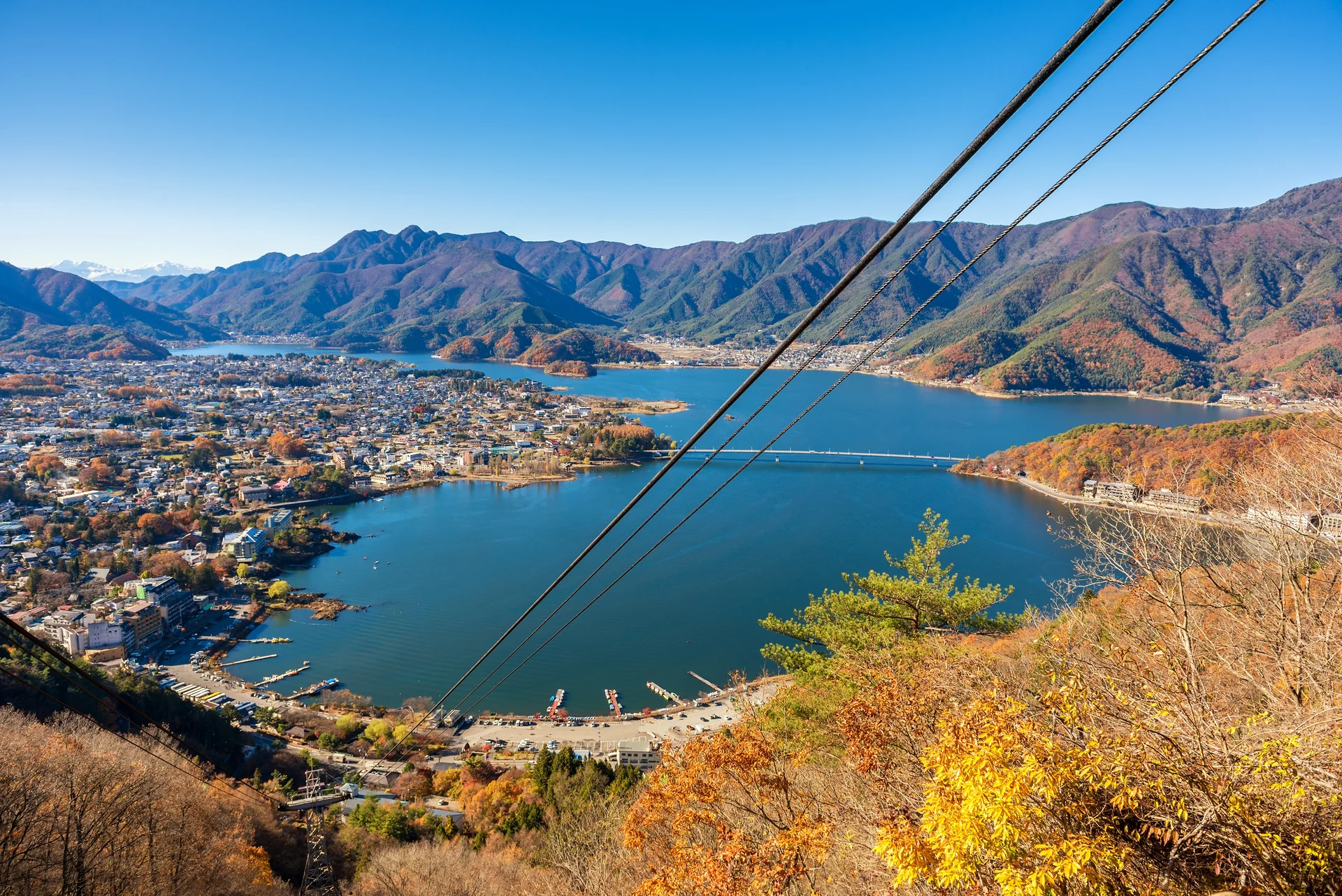
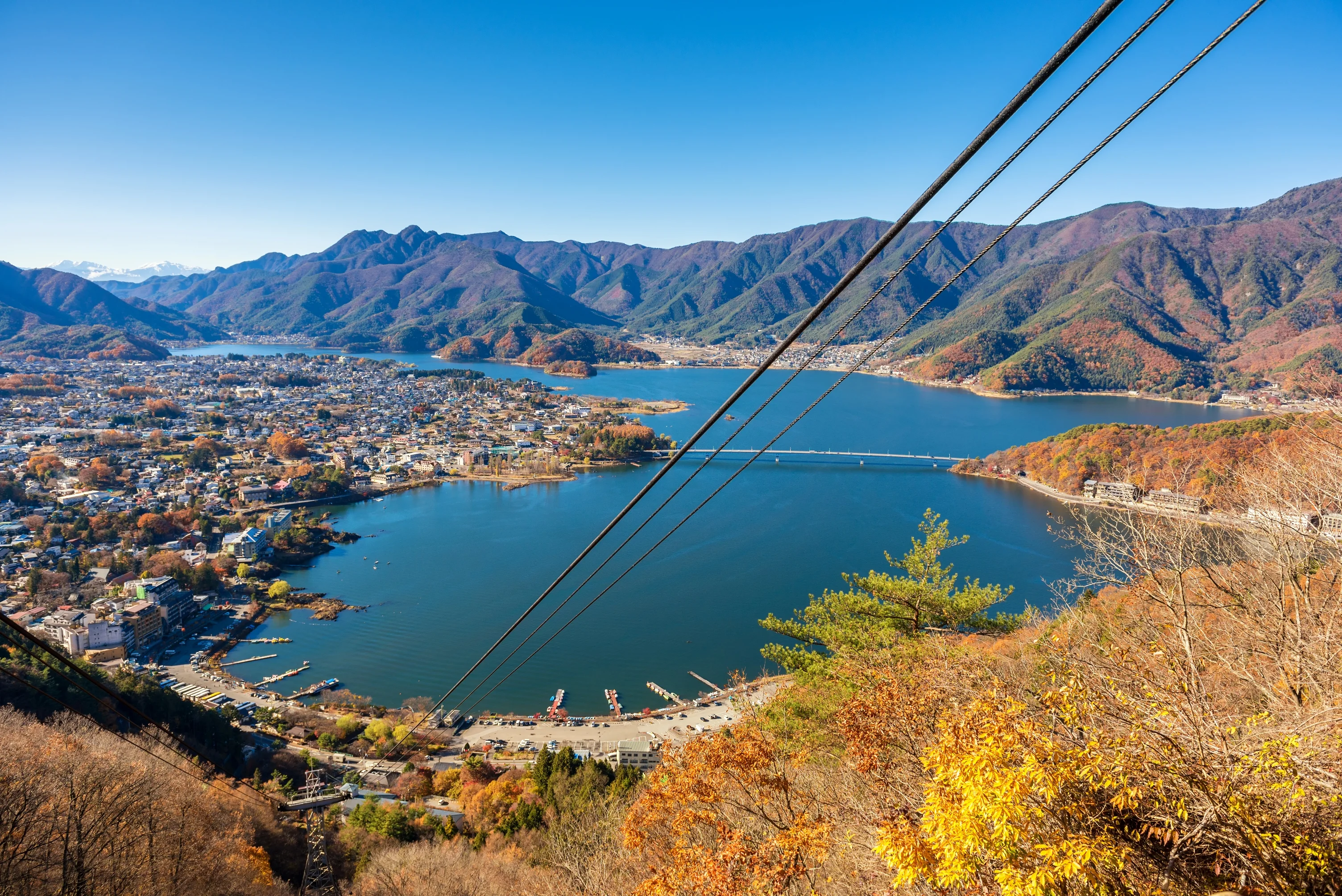
Two hours north by train, Takayama has kept its streets of blackened wooden merchant houses, because the mountains held it clear of the bombing and of the developers. To the east, Fujikawaguchiko lives off one thing: the view.
You will love it if
- You want a Japan of wood and snow rather than neon
- You will get up at six for a market and a reflection
- Trains suit you: none of this needs a car
Look elsewhere if
- You come in June: the rainy season drowns the mountains
- You expect Fuji on demand: it hides two days out of three in summer
- You want the sea: this is a thousand metres up, between two ranges
The must-sees
The highlights
-
1 Mount Fuji +22 recs
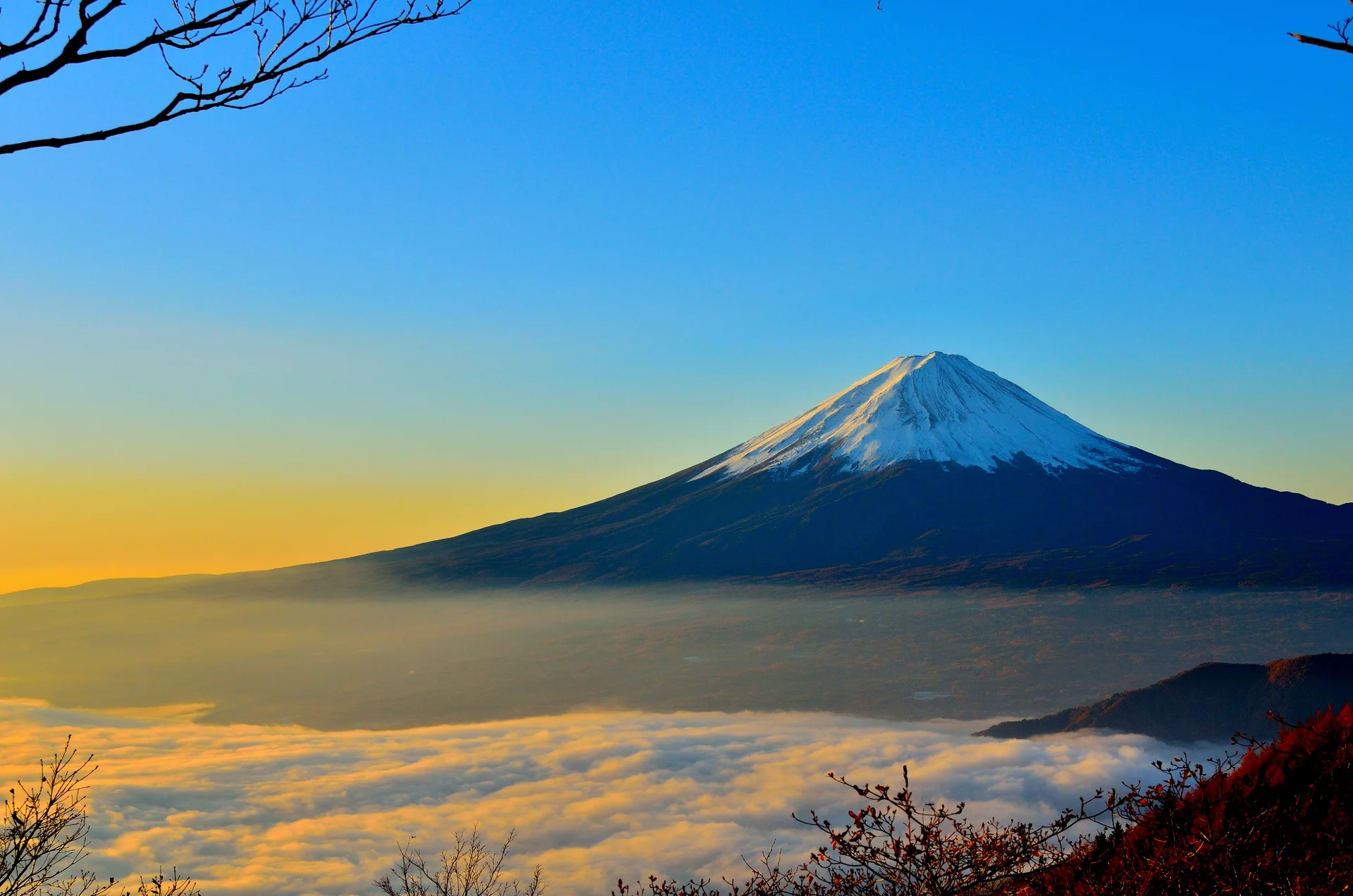
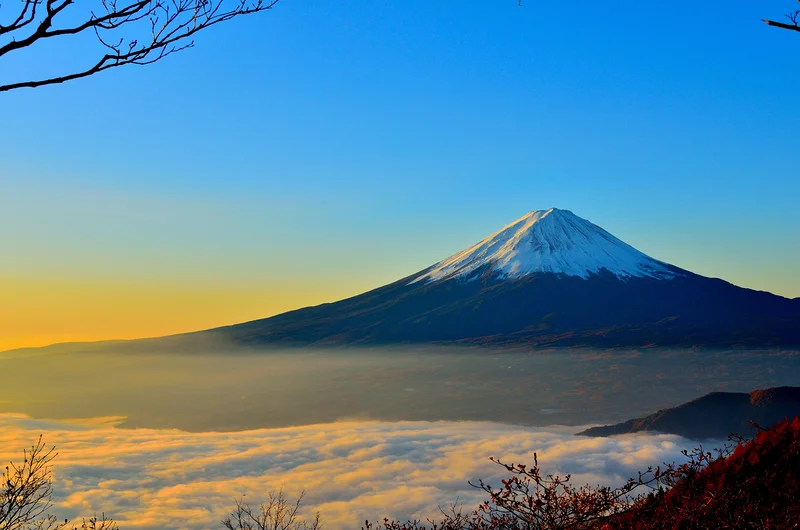
3,776 metres, a near-perfect cone, and a Japanese obsession thirteen centuries old. You climb it in July and August, at night, in a procession of head torches; the rest of the year you look at it, which is a programme in itself.
-
2 Miyagawa Morning Market +11 recs
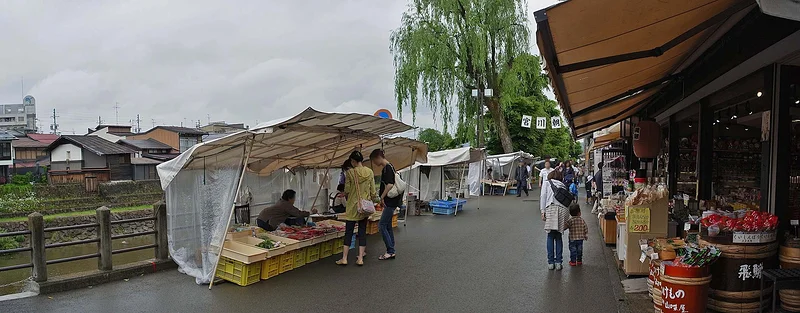
350 metres of white awnings along the river, between the Kajibashi and Yayoibashi bridges, every morning for two centuries. Farmers from the valley sell their mountain vegetables from seven, and it is all packed away by noon.
-
3 Hida Folk Village +11 recs
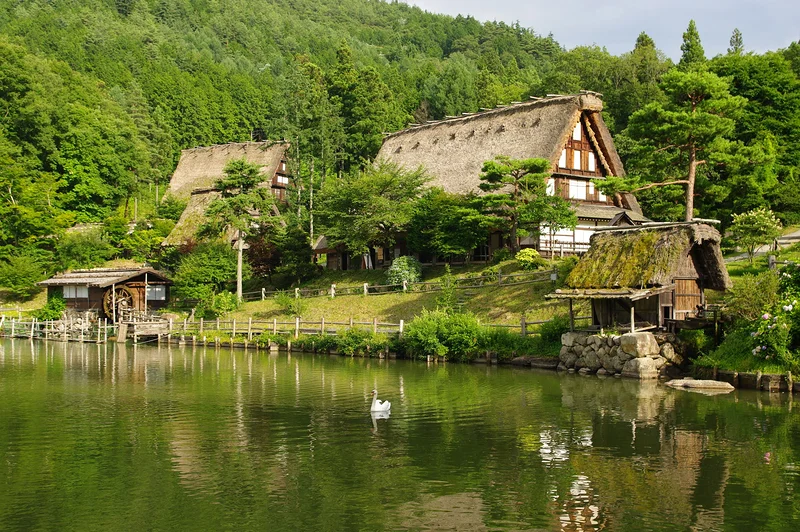
Thirty or so thatched farmhouses re-erected around a pond. Each morning the keepers light the irori hearths: the smoke rising into the roof beams is not an effect, it is what has preserved the timber for three hundred years.
-
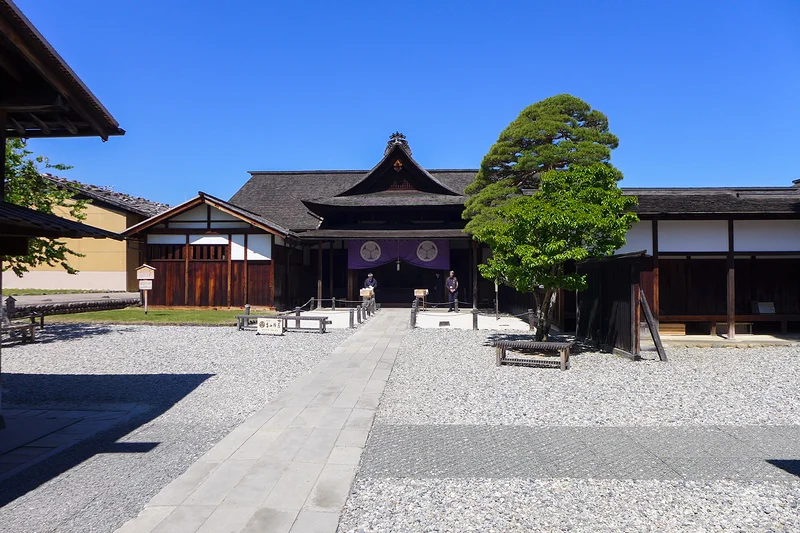
4 Takayama Jinya +11 recs
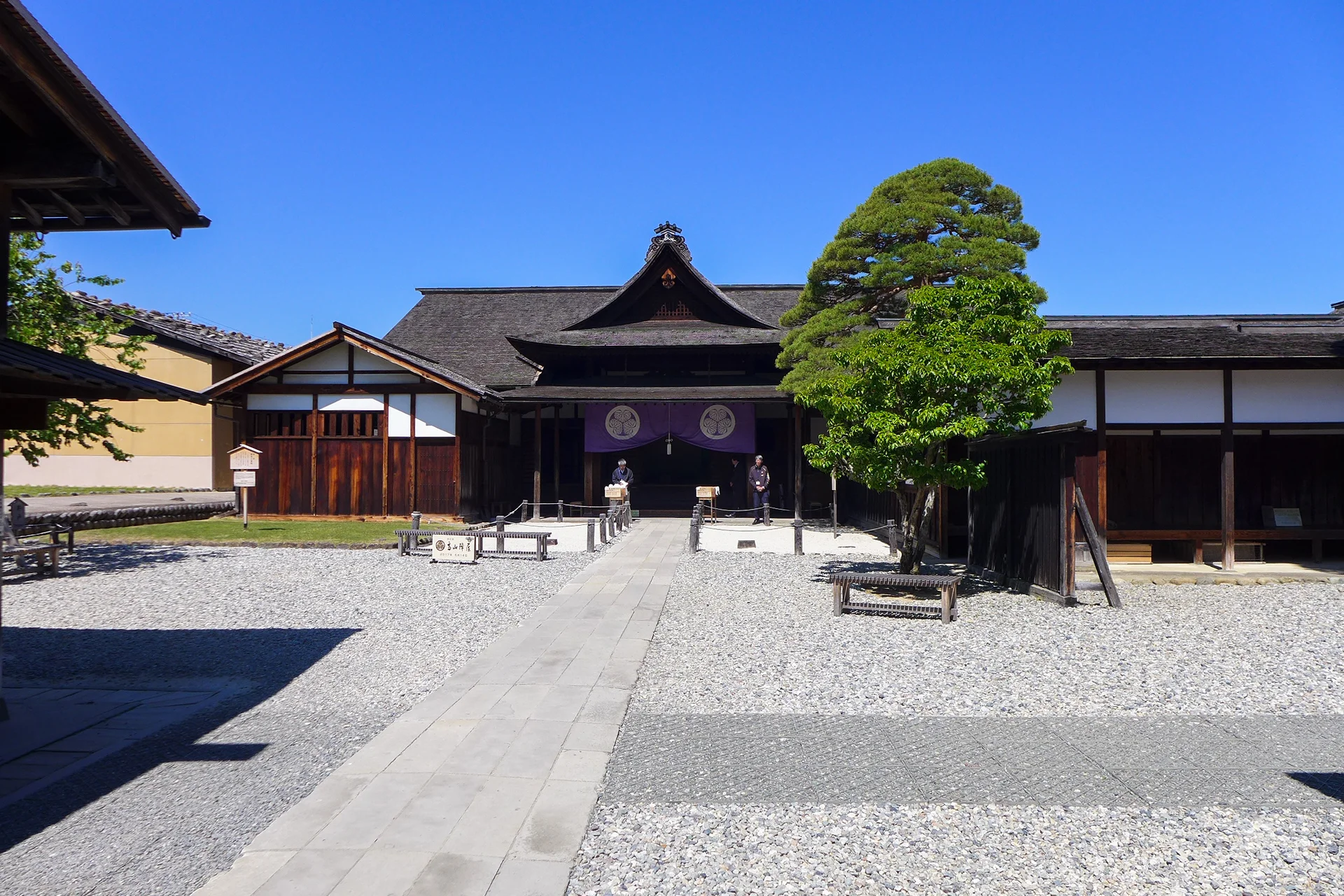
The last Edo-period government office still standing in Japan. You walk it in socks across the tatami, between the interrogation rooms and the rice granary where the province's tax was weighed.
-
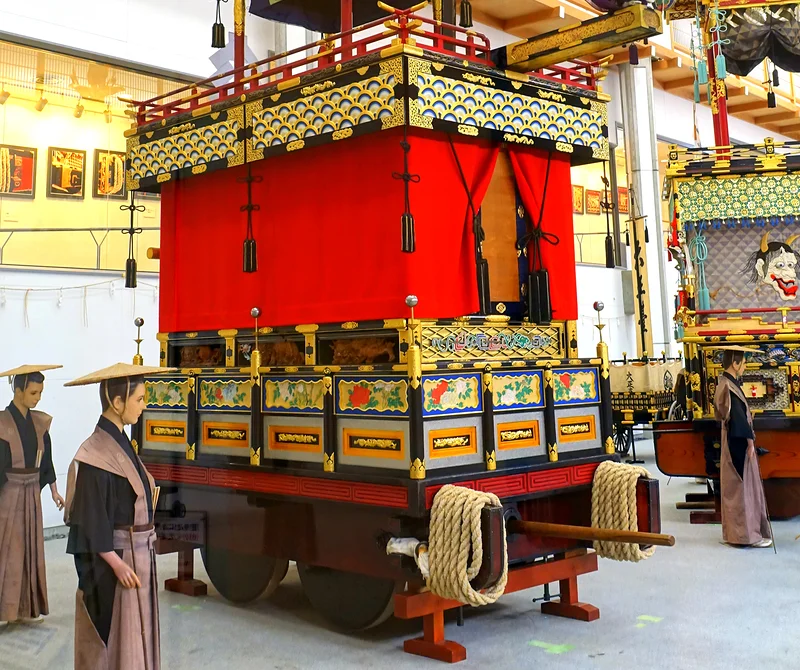
5 The Yatai Kaikan float hall +11 recs
Four storeys of black and gold lacquer, topped with silk puppets. The autumn festival floats come out only two days a year: here you see them close up, under a ten-metre ceiling, all year round.
The classic mistake
Putting Takayama and Mount Fuji in the same day. Both are in Chubu, but on opposite sides of the Japanese Alps: count five hours of trains and two changes, not the two hours the map suggests.
Our itineraries in Chubu
| Length | Itinerary | What you see |
|---|---|---|
| Weekend (2 days) | Takayama | The old quarter, the market, Hida Folk Village |
| 4 days | Nagoya › Takayama | The metropolis and the wooden town |
| 1 week | Nagoya › Takayama › Fujikawaguchiko | Both slopes and the volcano |
The other way round, Fujikawaguchiko also grafts onto a Tokyo trip, being two hours away by bus. It is the simplest way to see Mount Fuji without rebuilding a whole journey.
Takayama, on the other hand, deserves two nights. One leaves you only the afternoon, when the day coaches fill Sanmachi Suji and the town plays its own set.
When to visit Chubu
| Rating | Season | Weather | Crowds and prices |
|---|---|---|---|
| April and May | 10 to 20 °C, late mountain blossom | Heavy mid-April, spring festival | |
| October and November | 8 to 18 °C, red maples | Heavy, book a month ahead | |
| June and early July | Rainy season, peaks in cloud | Light, low prices but no views | |
| December to March | -5 to 5 °C, deep snow | Quiet, Fuji at its clearest |
Our advice
Winter is the only season when Mount Fuji shows itself almost every morning: January's dry air clears it, while August humidity hides it. And Hirayu Waterfall freezes solid, lit up in the evening.
Getting to Chubu
-
1 By plane The way in
No referenced carrier flies Britain to Japan non-stop, so it is one change: Paris with Air France, Amsterdam with KLM or Frankfurt with Lufthansa, then Tokyo or Osaka. Around fifteen hours door to door.
-
2 By bullet train Simplest
Nagoya is 1 h 40 from Tokyo and 50 minutes from Osaka, several trains an hour. It is the hinge of the whole region, and the Japan Rail Pass covers it.
-
3 By mountain train On the ground
from Nagoya the Takayama line climbs the Hida valley in 2 h 20, following the river through some thirty tunnels. On the eastern side, a direct bus from Tokyo serves Fujikawaguchiko.
The usual combination: land in Tokyo, bus to Fujikawaguchiko, back to Tokyo, then the bullet train to Nagoya and the mountain line. The two sides do not connect directly, and stitching them costs a day.
Getting around Chubu
Takayama is entirely walkable: ten minutes from the station to the old quarter, and Hida Folk Village is a ten-minute bus ride. Around Lake Kawaguchi, a retro bus loops the viewpoints every fifteen minutes.
Worth knowing
Mountain buses to the passes and to Hirayu Waterfall run thin out of season, and some high roads close from November to May. Check the timetable the day before at the bus station: the one posted online is often the summer one.
What to eat in Chubu
- Hida beef: the black breed raised in these valleys, marbled like Kobe's and cheaper here than anywhere else. Grilled on a magnolia leaf, with miso.
- Hoba miso: that same dried leaf, set on a brazier, where miso caramelises with vegetables and mushrooms. The region's inn breakfast.
- Buckwheat soba: rice will not grow above a certain altitude, hence buckwheat, served cold with the broth on the side.
- Mitarashi dango: rice dumplings grilled in soy sauce, sold on skewers at the morning market. Savoury, not sweet, and eaten standing.
- Hida sake: six breweries in the Sanmachi Suji streets, recognisable by the cedar ball hung above the door. They open their cellars in turn through the winter.
- Tsukemono: salted mountain vegetables, the compulsory partner to rice. Bought by the bag at the market, and they travel well.
- Nagoya's hitsumabushi: grilled eel served three ways within one meal, the city's speciality and nowhere else's.
Restaurants in Takayama close early, often at eight, and many do not open on Wednesdays. So book dinner when you arrive, or take it at your inn, which here is the better option.
Where to stay in Chubu
| Area | What it is for | Worth knowing |
|---|---|---|
| Takayama, Sanmachi Suji | Morning market, Takayama Jinya, breweries | All on foot, wooden ryokan, dear in April |
| Takayama, station side | Mountain line, buses, budget | Five less charming minutes, 30 % cheaper |
| Fujikawaguchiko, north shore | Lake Kawaguchi, the volcano's reflection | View rooms go three months ahead |
| Fujikawaguchiko, by the ropeway | Viewpoints, trailheads | Roadside, noisy by day |
| Nagoya, around the station | Connections, last train, business | A stopover, not a destination |
A night in a ryokan in Takayama costs more than a hotel, dinner and breakfast included, and it is the only place in the region where a hot spring bath comes with the room.
On the Fuji side, the view is sold by the metre: the same room costs double if the window faces the volcano, and it guarantees nothing once the cloud comes down.
How much does a trip in Chubu cost?
| Style | Length | Budget per person |
|---|---|---|
| Budget (hostel, konbini, local trains) | 7 days | 600 to 850 € |
| Comfortable (hotel, restaurants, Rail Pass) | 7 days | 1,300 to 1,800 € |
| High end (ryokan with private bath, Hida beef) | 7 days | 2,800 to 4,000 € |
- The Japan Rail Pass: pays off from two bullet-train return trips, and it covers the mountain line to Takayama.
- The night bus: Tokyo or Osaka to Nagoya for a third of the train fare, and a hotel night saved.
- Lunch: the midday teishoku costs half the evening menu, Hida beef included, in the same houses.
- What is free: the morning market, the Sanmachi Suji streets, sake cellar tastings: half of Takayama costs nothing.
- June: prices fall with the rain. Acceptable if you came for the town rather than the peaks.
Traditions and way of life in Chubu
Takayama was administered directly by the shogunate rather than by a local lord: its cedar and its gold were worth keeping a close eye on. Takayama Jinya is the building of that oversight, and the only survivor of its kind.
The Hida carpenters, meanwhile, were requisitioned to build the temples of Kyoto. That is why a merchant house from here, such as the Kusakabe Mingeikan, carries a thirteen-metre main beam with not a single joint.
Two customs that spare embarrassment. In a ryokan you wash before entering the bath, never in it, and the towel stays on the edge. And in houses open to visitors, shoes come off at the door: bring socks without holes, they will be seen.