
Where to stay in Chubu: the 5 areas to know in 2026
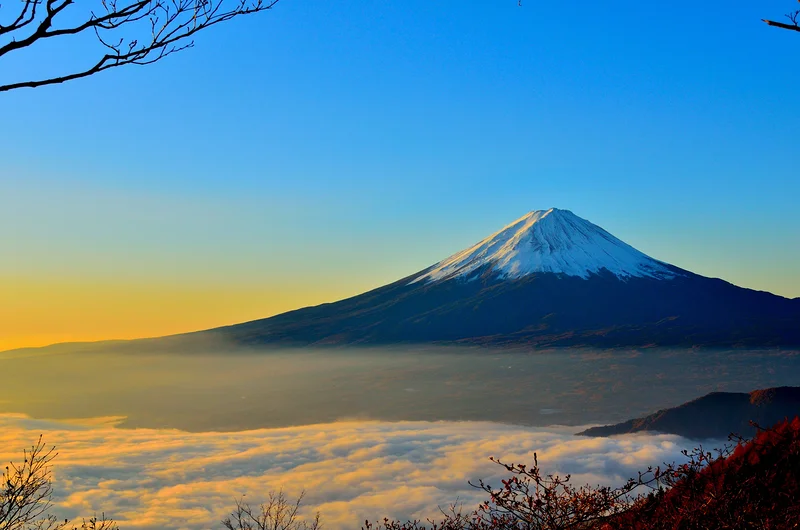
One of our members writes the instruction for us, and it is worth this whole guide: "you can do the round trip by train from Tokyo, but I recommend staying overnight". Then she says what the night buys at Fujikawaguchiko, and it cannot be bought by day: the "tiny lights of climbers" on the flank of Mount Fuji, seen from the lakeshore, at night.
Two more measurements shape the trip. Four of our seven reviews of the Fuji did not climb it and say so without regret: you come to LOOK at it. And two members name two different bases for the same village of Shirakawa-go, Takayama and Kanazawa: both are right, fifty minutes and an hour and a quarter by bus. Five areas below, from the volcano to the Japanese Alps.
Compare hotel prices in Chubu
In a hurry? Find the best accommodation deals in 3 clicks.
Compare live deals from Booking, Expedia, Agoda and other partners.
You can do the round trip by train from Tokyo, but I recommend staying overnight to admire (if the weather permits) Mount Fuji while exploring the village and enjoying the lake.
One base or several?
The Chūbu is the most stretched-out region in our guides: from Lake Kawaguchi to Kanazawa you cross Japan from east to west. Our reviews give only one explicit duration, "a few days are enough" in Takayama, but they give two instructions about the night, one for and one against.
- A long weekend: Fujikawaguchiko, two nights, and it is our review that wrote it: "you can do the round trip by train from Tokyo, but I recommend staying overnight". The second night pays for the weather, which four of our reviews put in brackets.
- A week: Fujikawaguchiko then Takayama: two nights facing the volcano, three in the Japanese Alps. It is the shift our reviews describe when they speak of a "completely different vibe from the big Japanese cities".
- Ten days: Add Kanazawa, two nights, the length of the two-day pass our review cites. It is also the second base for Shirakawa-go, and crossing from Takayama takes in the village on the way.
- Two weeks: Nagano in winter, one night, for the macaques in the hot water, and Nagoya as the final stop, one night or none: our review advises taking "a quick look around in a day", and yet five of its sights are worth the detour.
How much driving between two bases?
Two gateways, Nagoya in the south on the main line and Fujikawaguchiko in the east, two hours by direct train from Tokyo. In between, the regional train and the bus, and our reviews warn: "the journeys to get there can be long".
| Route | Driving time | Good to know |
|---|---|---|
| Tokyo → Fujikawaguchiko | 2 h | direct train, Fuji Excursion |
| Nagoya → Takayama | 2 h 30 | 170 km, JR Hida limited express |
| Takayama → Shirakawa-go | 50 min | bus, several a day |
| Kanazawa → Shirakawa-go | 1 h 15 | bus, 70 km |
| Takayama → Kanazawa | 2 h 15 | bus, 180 km |
| Nagoya → Kanazawa | 3 h | JR Shirasagi limited express |
| Nagano → Jigokudani | 45 min | bus, east exit of the station |
| Takayama → la chute d'Hirayu | 1 h | bus from the station |
At a glance: our picks by traveller type
Pick the profile that fits you and go straight to the recommended area.
Map of the areas in Chubu
See how the areas sit relative to one another before choosing your base. Click a name to jump to its description.
Fujikawaguchiko and Lake Kawaguchi North shore, Kachi Kachi, Funatsu
13 of our 38 reviews, and the only "sleep here" instruction in the guide
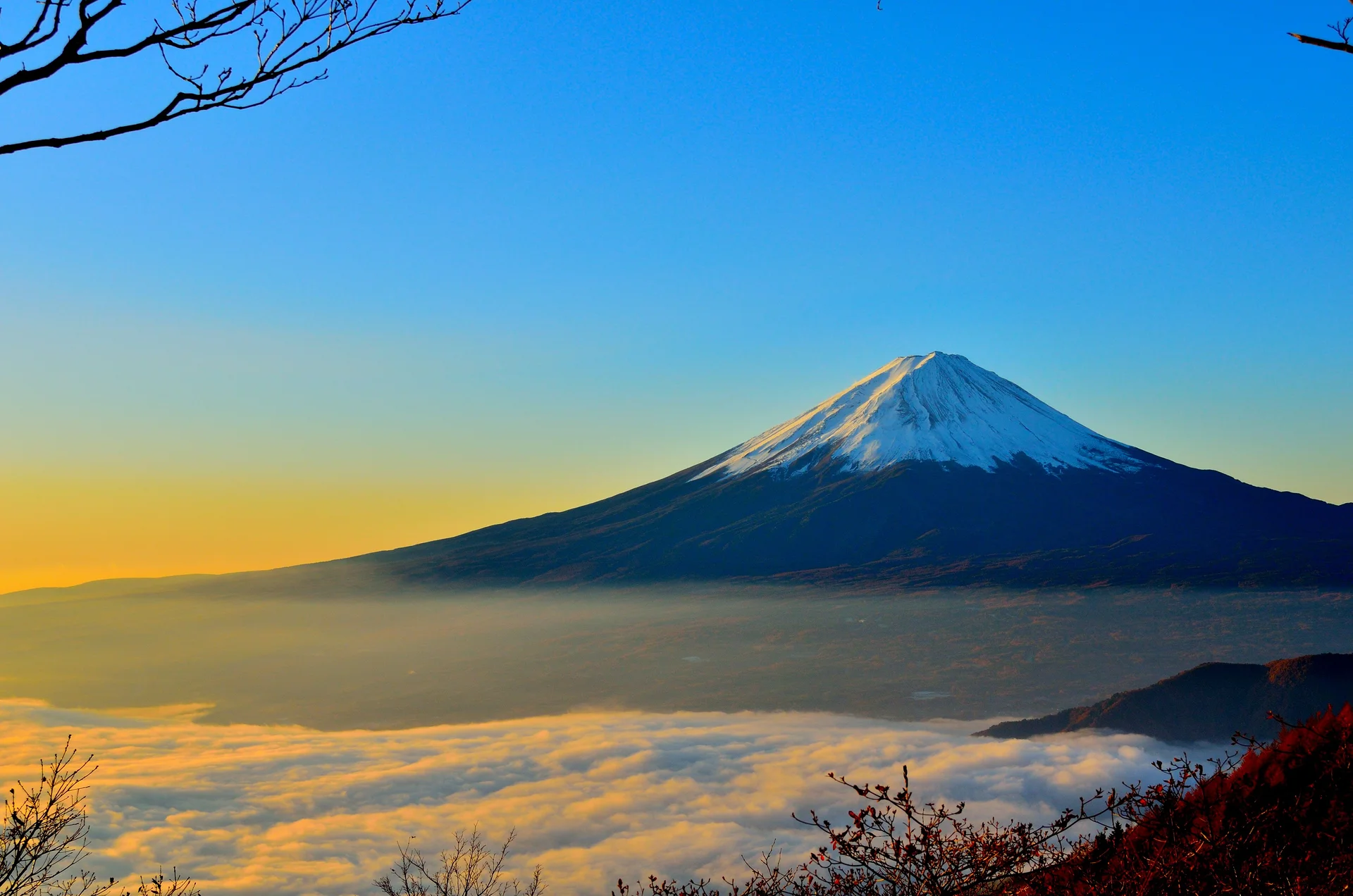
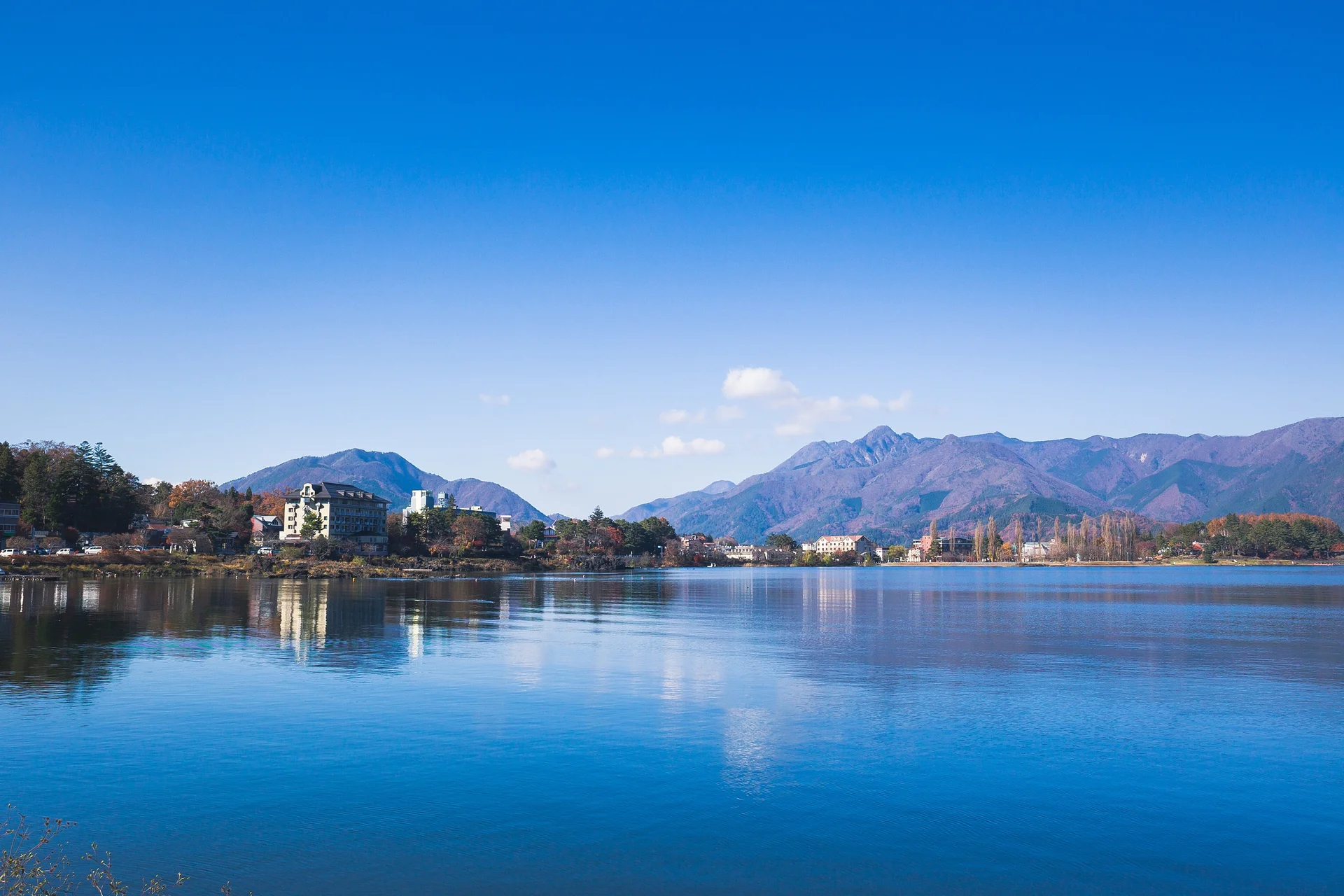
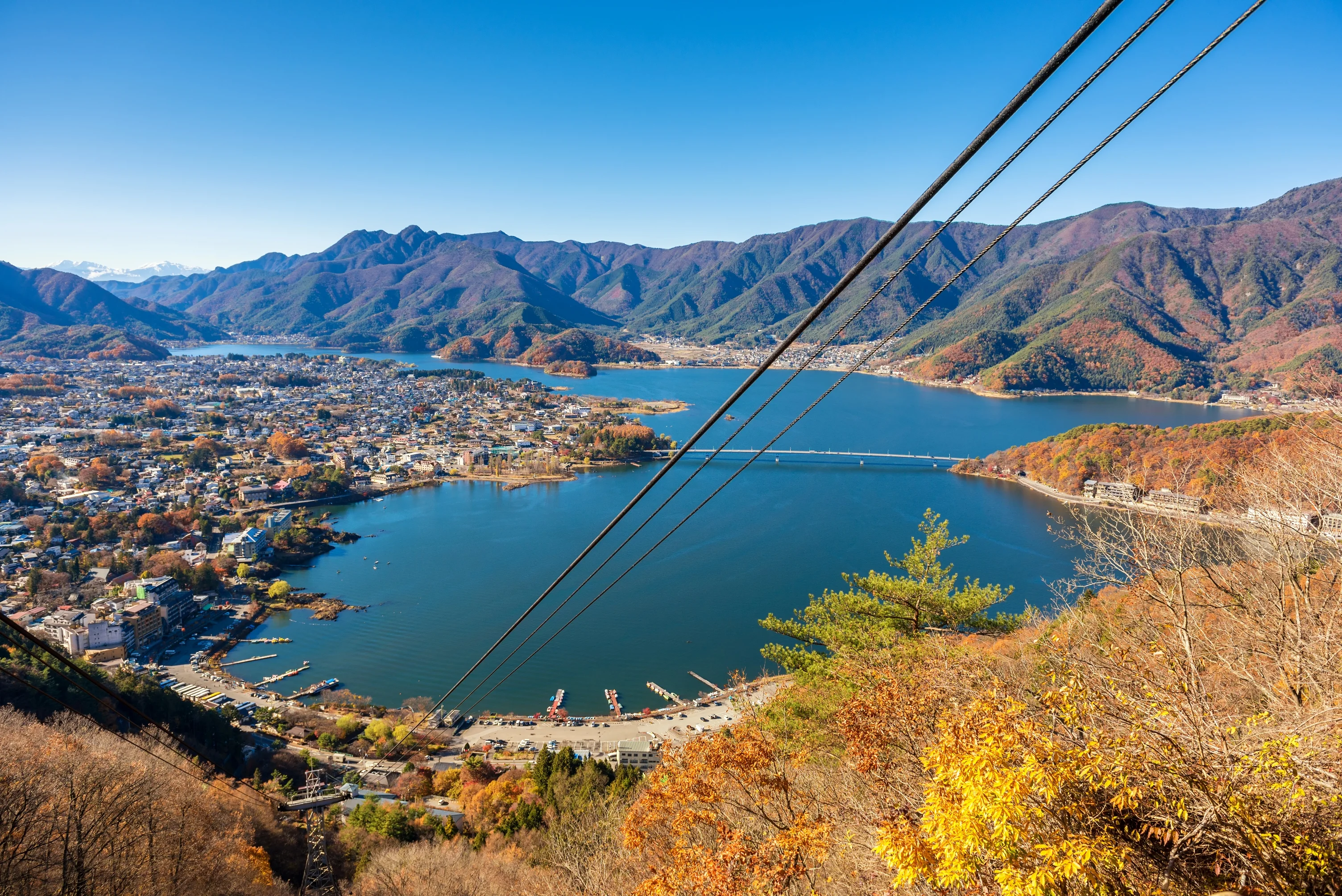
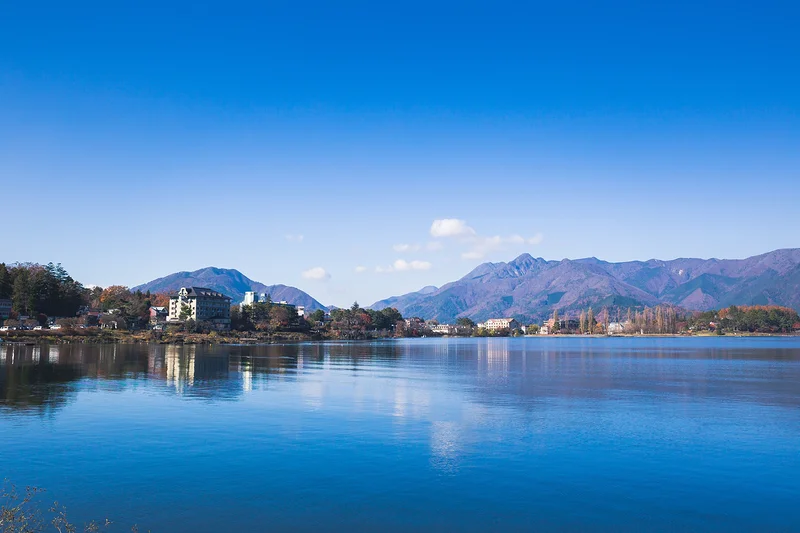
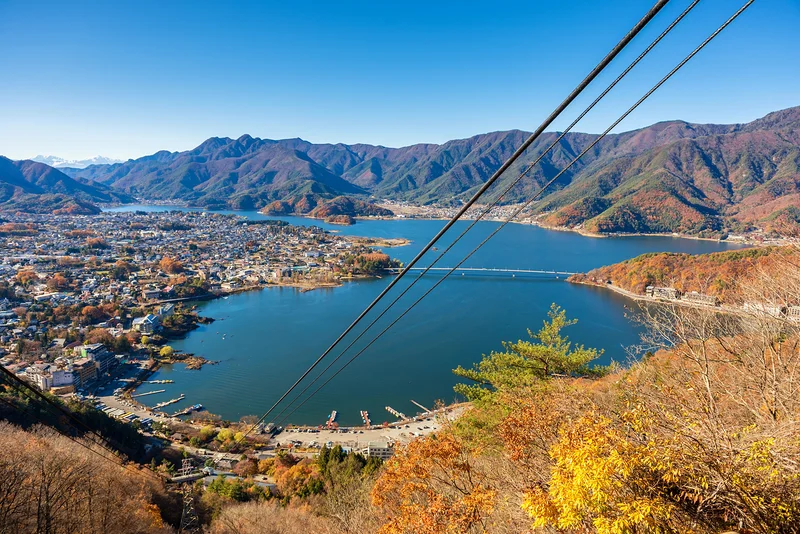
Mount Fuji carries seven reviews, Lake Kawaguchi two, the Kachi Kachi Ropeway two, the town itself two. And all of them describe the same thing: a viewpoint. "A lake right in the village, at the foot of the forest and above all facing Mount Fuji", "calm, anglers, a few shops, and above all a breathtaking view". Two reviews mention the same pedal boat, "we went for a swan-shaped pedal boat", "I love the stillness of the water, the pedal boats, the shops". The ropeway is the effortless version, "especially for those who do not enjoy strenuous hikes", with one warning: "watch out for bears...".
A nighttime picnic facing the mountain, where you can see the tiny lights of climbers waiting for the sunrise once they reach the top, remains one of the most beautiful moments of my trip to Japan.
What to see and do in this area
Where to stay in this area
Kozantei Ubuya Luxury
A 51-room ryokan on the north shore of Lake Kawaguchi, where every window and every bath looks at the volcano. That is exactly the framing our reviews describe.
Fuji View Hotel Mid-range
79 rooms opened in 1936, the first Western-style hotel in the prefecture, in a 100,000 m² park planted with three hundred cherry trees. Rooms on the lake side or the garden side.
Pros
- Two hours by direct train from Tokyo, and our review still advises sleeping here
- Four of our seven reviews of the Fuji did not climb it: the view from the shore is enough
Cons
- Everything depends on the weather, and our reviews put the caveat in brackets, "if the weather permits"
- "The crowded bus station has the feel of a youth hostel", notes our review: the village is small by Japanese standards
Takayama and the Hida valley Sanmachi, the Miyagawa riverside, Hida no Sato
17 of our 38 reviews, and three city reviews saying the same thing

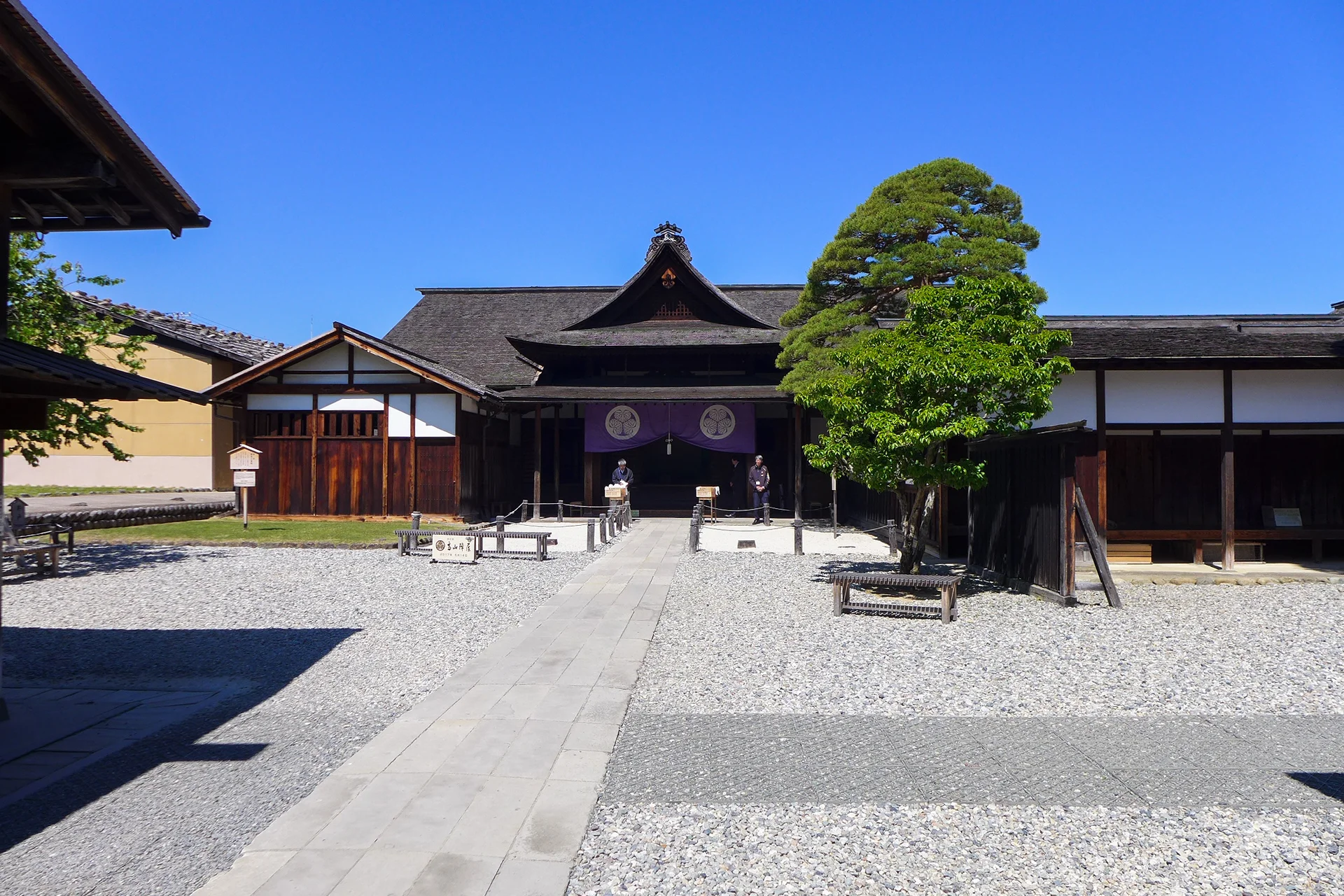
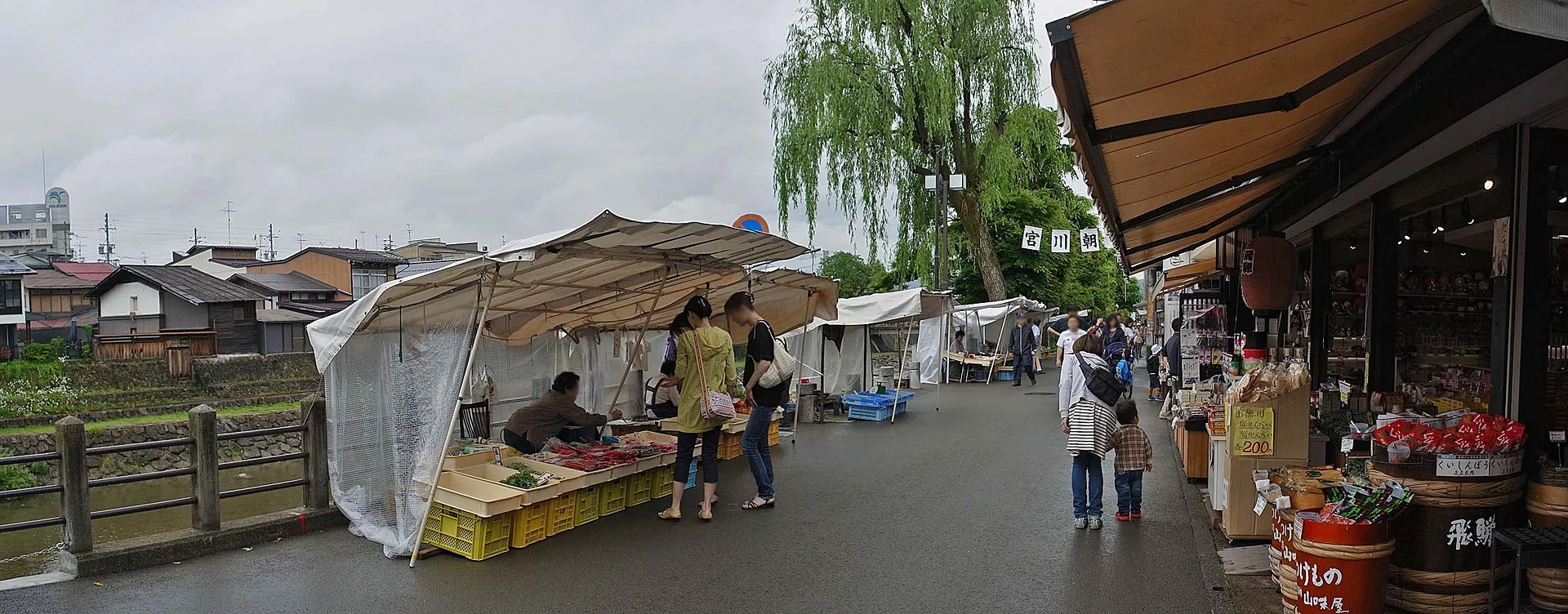
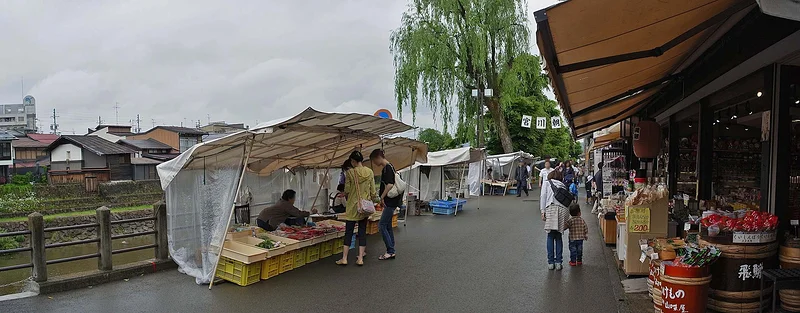
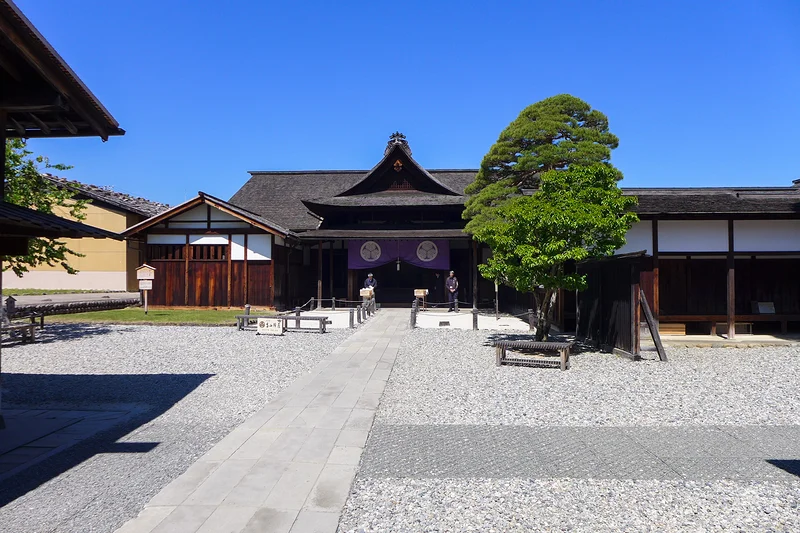
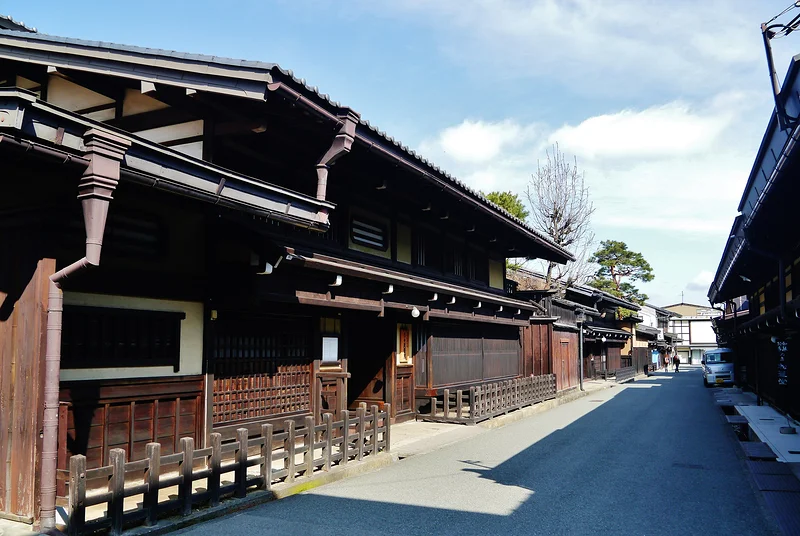
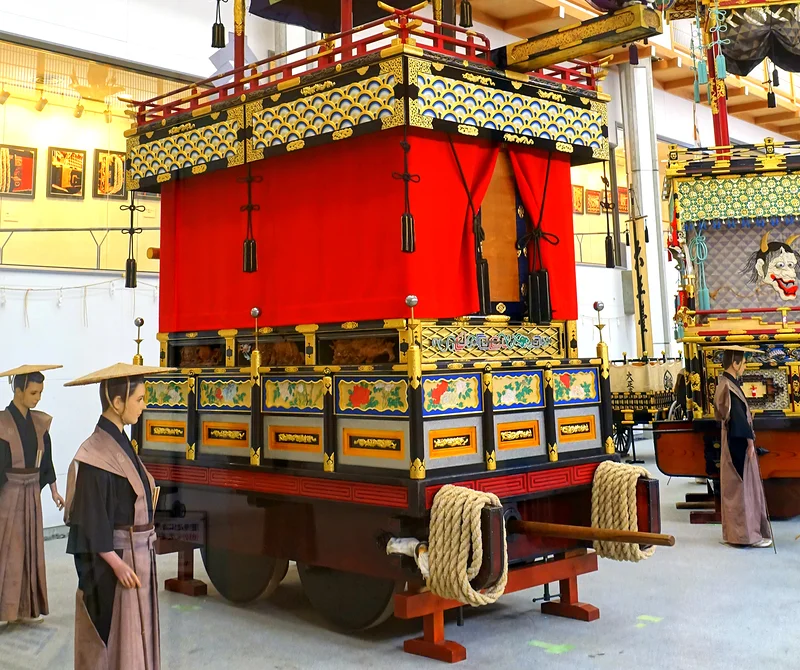
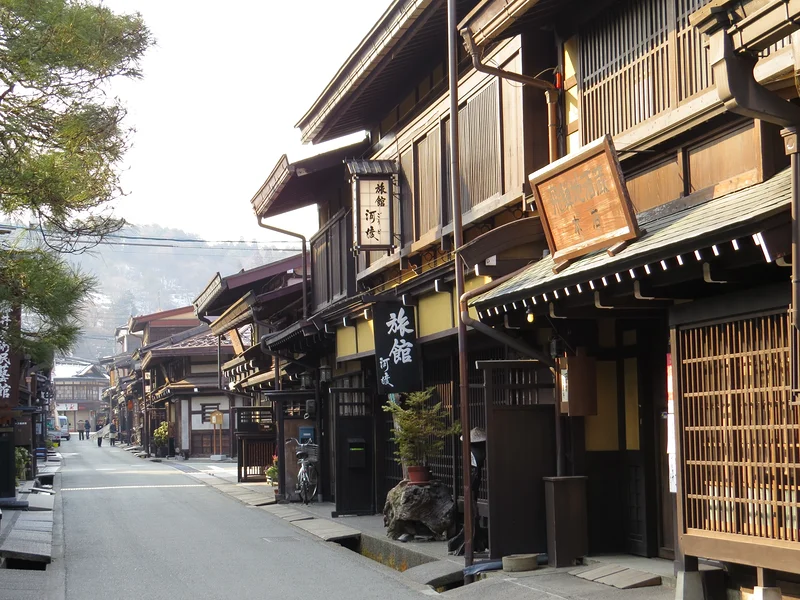
Our three city reviews converge: it is the antidote to the classic circuit. "A completely different vibe from the big Japanese cities", "a small town with the feel of a large village, quiet in the evening, pleasant to explore on a rental bike", "you find the beauty of traditional Japan here, with the shopping streets and the wooden houses". Two add the snow, "in winter you will most likely get snow, which makes it all even more enchanting", "in the snow it is even more magical". The seven places we list here carry fourteen reviews, from the Miyagawa Morning Market, "for at least two centuries", to Takayama Jinya, where you find "little rabbit heads (the town's emblem) everywhere".
A few days are enough to catch your breath and see something different from the traditional Tokyo, Osaka, Kyoto route.
What to see and do in this area
Where to stay in this area
Honjin Hiranoya Kachoan Luxury
Twenty-four rooms in the heart of the old town, a three-minute walk from the historic streets and the Miyagawa Morning Market, with onsen baths and a shuttle from the station.
Pros
- "A bus leaves several times a day for Shirakawago", says our review: fifty minutes
- "You eat really well in Takayama, especially Hida beef, as good as Kobe beef", measures our review
Cons
- "Careful: the journeys to get there can be long", our review warns, adding that the landscape makes up for it
- Bears: our review reports them at the waterfall and advises "attaching a bell to your bag"
Kanazawa Station, Omicho, traditional districts
A single review, but the most practical one in the guide
Our one review of Kanazawa does the work of three: "the atmosphere is peaceful and relaxed, and the city is packed with museums and lovely gardens, and the traditional neighborhoods are truly magnificent to walk through". It gives the price of the pass, "a small culture and forest pass for 1000 Yen that includes most of the city's sights, as well as the castle, for 2 days", the function of the city, "a great base for exploring villages like Shirakawa-Go and Gokayama", and even three named addresses, including "the nearby woodcarving village of Inami". No sight in the city has received a photograph from us: so we cannot rank anything here.
It is also a great base for exploring villages like Shirakawa-Go and Gokayama.
Where to stay in this area
Hyatt Centric Kanazawa Mid-range
253 rooms two minutes' walk from Kanazawa station, furnished with local crafts. The Omicho market our review cites is a quarter of an hour away on foot.
Pros
- The two-day pass at 1000 yen, castle included, according to our review
- The other base for Shirakawa-go, an hour and a quarter by bus: our review prefers it to Takayama
Cons
- A single review for the whole town, and no member photograph: no ranking possible
- The pass is worth two days: a single night leaves half of it on the table
Nagoya Station, Atsuta, Higashiyama
The city our review says to do in a day, and whose five sights it rates 5/5

This is the most interesting contradiction in the guide, and it comes from a single pen. On the city: "in itself, there is nothing exceptional that you cannot find elsewhere", "so you can take a quick look around in a day". On its sights, the same member gives five times 5/5: Atsuta shrine, "one of the main places of worship in the archipelago", Higashiyama park and its zoo, "I was genuinely surprised by the size", Kōshō-ji temple and its statue "entirely in red copper", and the castle, "yes, Himeji or Osaka will always be more beautiful", "careful: it is currently under renovation". A city of sights, not of atmosphere.
In itself, there is nothing exceptional that you cannot find elsewhere. But I appreciated the calmer and more charming vibe.
Where to stay in this area
Nagoya Marriott Associa Hotel Mid-range
765 rooms in the JR Central Towers, all above the twentieth floor, directly connected to Nagoya station. If you follow our review and are only passing through, this is the address that does not cost you a journey.
Pros
- "It is on the same train line and easily reachable", notes our review: it is the gateway to the Chūbu
- The zoo and botanical garden "will easily fill an afternoon with the family", according to our review
Cons
- Our only city review advises taking "a quick look around in a day"
- The castle is "currently under renovation", our review warns
Nagano and Jigokudani Nagano station, the Yudanaka valley
One review, one season: the macaques in the hot water
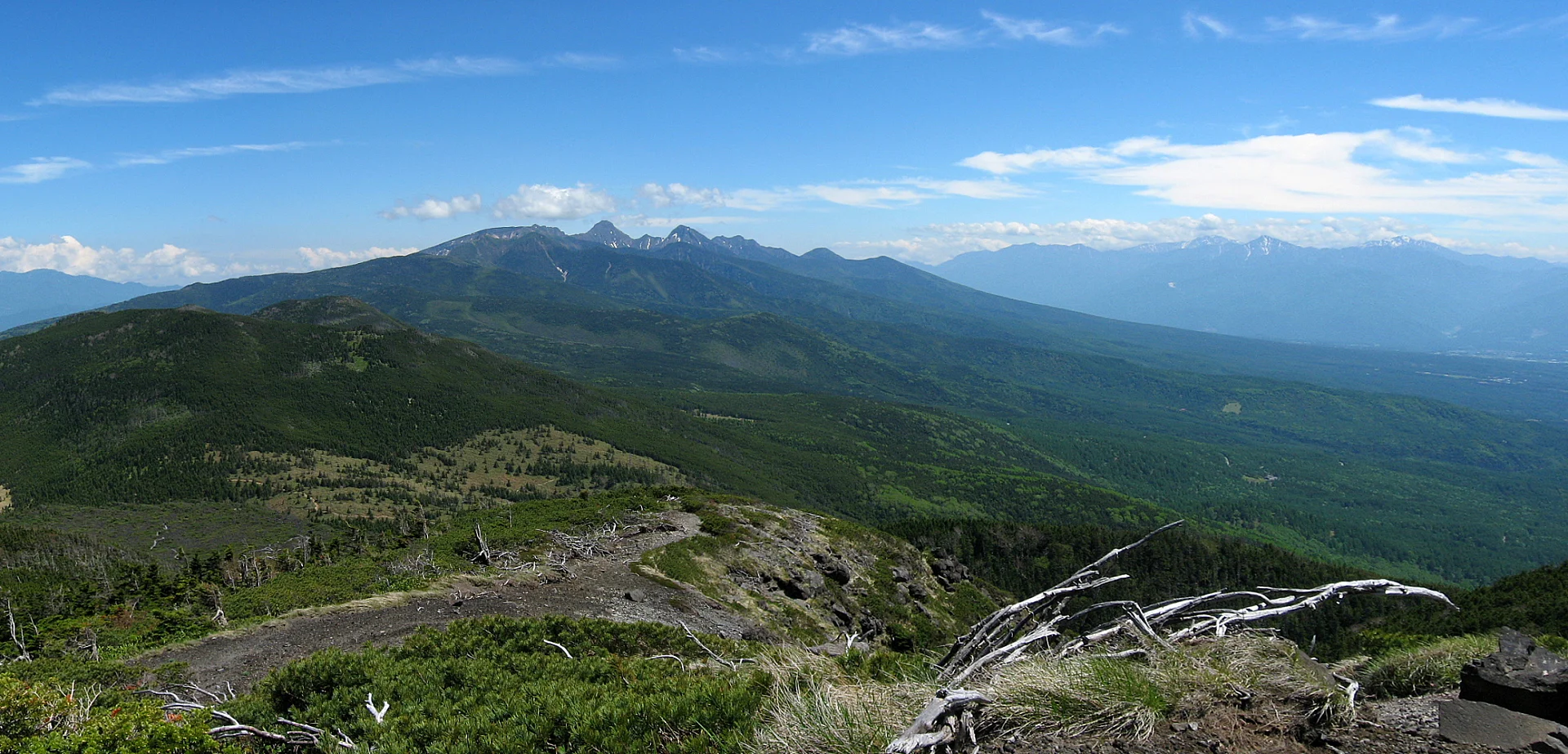
Our only review of this area describes the Jigokudani monkey park and sets its condition in one sentence: "in the winter, they even bathe in the pools formed by the hot springs". The rest of the description keeps the promise, "a superb natural site, perfectly preserved in the heart of the mountains and the hot springs", "many snow monkeys roam there in complete freedom. You can watch them up close". No sight in the town has received a photograph from us, so there is no card: this area exists here because a review documents it, not because a list puts it there.
In the winter, they even bathe in the pools formed by the hot springs.
Where to stay in this area
Hotel Metropolitan Nagano Mid-range
235 rooms linked to Nagano station by the second-floor arcade. The monkey park bus leaves from the east exit, a few steps away.
Pros
- Forty-five minutes by bus from Nagano station: the park is done without a car
- It is the only area in the guide whose review explicitly names winter as the right season
Cons
- A single review, and it is about a site, not about the town you sleep in
- The macaques only bathe in the cold season, according to our review: summer shows something else
Our tips for booking the right place
- Our review writes the instruction itself: sleep in Fujikawaguchiko rather than pass through: "You can do the round trip by train from Tokyo, but I recommend staying overnight to admire (if the weather permits) Mount Fuji while exploring the village and enjoying the lake." Then comes the reason, and it is decisive because it does not exist by day: "a nighttime picnic facing the mountain, where you can see the tiny lights of climbers waiting for the sunrise once they reach the top, remains one of the most beautiful moments of my trip to Japan". The same member adds the programme, "going up the mountain by ropeway and taking a pedal boat out on the lake".
- Four of our seven reviews of Mount Fuji did not climb it, and recommend it anyway: "I admit it, I did not attempt the climb. But I still recommend coming to see dear Fuji-san up close." "The climb is one of my goals but I have not had the chance yet", followed by a list of viewpoints. "I watched it for a long time from the surroundings, without necessarily doing the excursion to the top. But that was enough." The three who did climb it give the level: "there is a marked trail that is relatively easy to climb", "a beautiful (and hard) hike, if you are trained and careful (bring small oxygen bottles too)". For lodging, the conclusion is clear: you sleep facing the volcano.
- Shirakawa-go: two of our reviews, two bases, and both are right: "Takayama is an interesting starting point for visiting the Japanese Alps: a bus leaves several times a day for Shirakawago", writes the first. "It is also a great base for exploring villages like Shirakawa-Go and Gokayama", answers the second, about Kanazawa. Fifty minutes from one, an hour and a quarter from the other, and the village lies between them: doing it on the way, with a bag in each city, saves the round trip. Our review of the Hida Folk Village gives the fallback if the bus is full: "a pretty little village with thatched roofs, in the spirit of Shirakawa go", reachable "very quickly by bus from Takayama station".
- The bears, reported twice by the same member, at two different sites: This is not local colour, it is something to do. At the Kachi Kachi Ropeway: "you can take a little ropeway and climb a mountain (watch out for bears...)". At the Hirayu Waterfall: "but watch out for bears.. very stressful even though these places are magnificent", and the full instruction, "the waterfall is really worth the detour, as long as you speak loudly and attach a bell to your bag, absolutely essential in this region". One author, two sites, and none of our other reviews contradicts her.
- Two of our three reviews of Takayama mention the snow, and it is a seasonal argument: "In winter you will most likely get snow, which makes it all even more enchanting", writes the first. "In the snow it is even more magical", confirms the second, who speaks of "a real haven of peace". A third, about the Hida Folk Village, goes the same way: "I would love to be able to go back in winter". Conversely, Matsukura Castle is given for spring, "apparently it is a very good spot to enjoy the cherry blossoms". The Hida valley therefore has no low season, it has two high ones.
- Nagoya: the same member says there is nothing exceptional, and rates five of its sights 5/5: This is not an inconsistency, it is a city profile, and it changes the number of nights. "In itself, there is nothing exceptional that you cannot find elsewhere", "so you can take a quick look around in a day". Then, site by site: Atsuta shrine "houses one of Japan's imperial treasures", Higashiyama park surprises "by the size", Kōshō-ji temple shows "a large buddha statue, entirely in red copper", "a curiosity you will not see elsewhere", and the castle owns its place, "yes, Himeji or Osaka will always be more beautiful and more steeped in history". A city of sights, not of atmosphere: one night is enough.
- Doing Fujikawaguchiko as a day trip from Tokyo: our review says it is possible, then explicitly advises the opposite.
- Booking at the foot of the Mount Fuji trail without having decided to climb it: four of our seven reviews did not climb it and recommend the shore.
- Going to the Hirayu Waterfall or the ropeway without making noise: our review considers the bell "absolutely essential in this region".
- Taking a single night in Kanazawa: the pass our review cites is worth two days, castle included.
- Counting on an intact Nagoya Castle: our review warns that "it is currently under renovation".
FAQ: where to stay in Chubu
Should you sleep in Fujikawaguchiko or go for the day?
Should you climb Mount Fuji?
Where do you set off from for Shirakawa-go?
Do you need a car in the Chūbu?
When is the best time to go?
Our city guides in Chubu

 Keep exploring
Things to do in Chubu
Comments (0)
No comments yet. Be the first!