
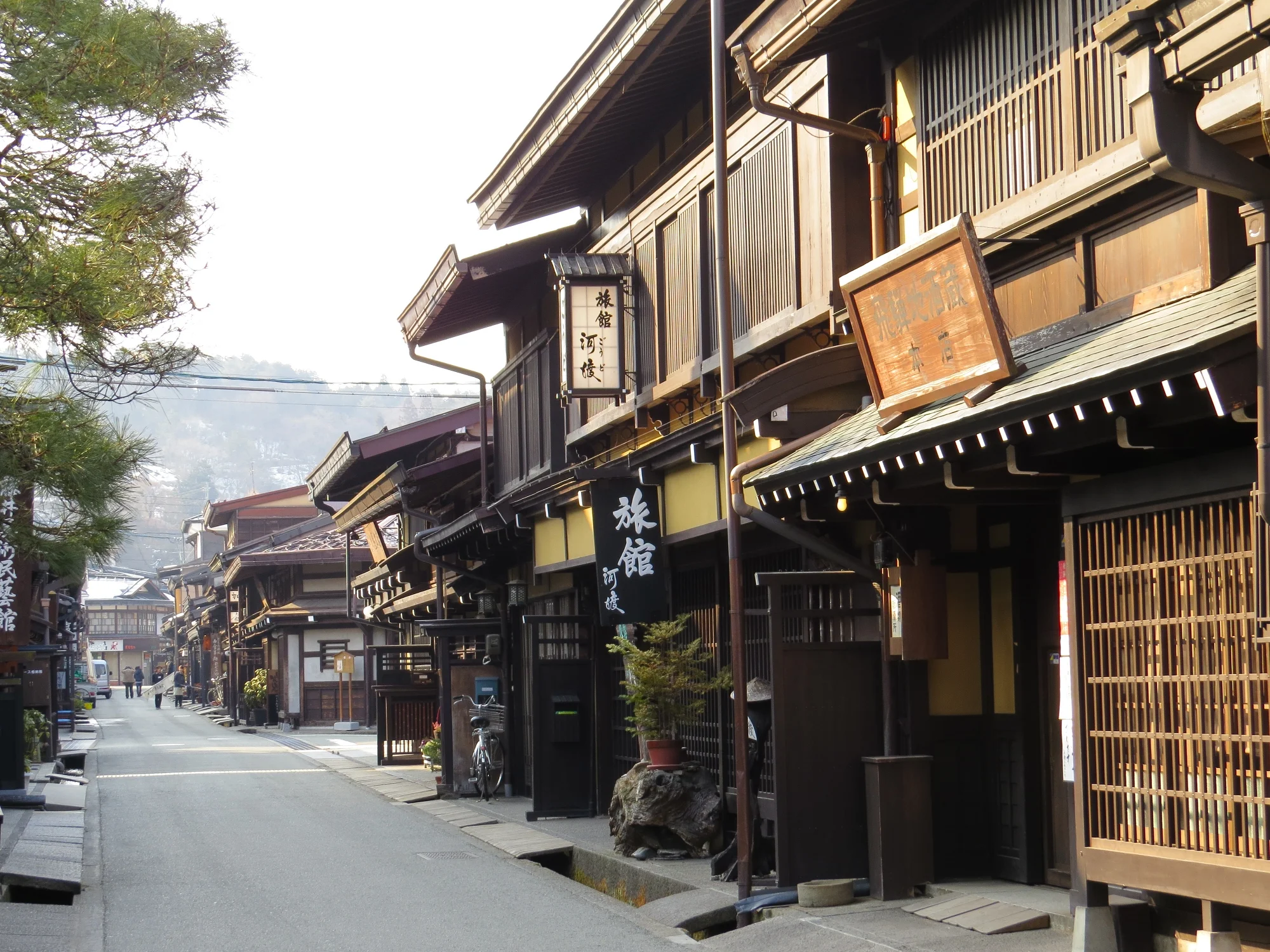
Where to stay in Takayama: the 4 neighborhoods to know in 2026
At a ryokan, dinner gets locked in when you book and serves around 6 or 7 PM, with the rate charged per person covering both meals. In Takayama, where you walk everywhere, this scheduling constraint weighs much heavier on your evening than the distance to the morning market.
Head back by 5:30 PM for Hida beef and a soak, or eat out at 8 PM: that is the real choice to make. Ryokans with meals run $90 to $210* per person, hotels without meals run $57 to $113* per room, and dorm beds cost $23*. Four areas follow, stretching from the historic streets to the hot springs of Okuhida.
It is a small town that feels like a big village, quiet at night, and pleasant to explore with a rental bike.
Compare hotel prices in Takayama
In a hurry? Find the best accommodation deals in 3 clicks.
Compare live deals from Booking, Expedia, Agoda and other partners.
At a glance: our picks by traveller type
Pick the profile that suits you to head straight to the recommended neighborhood.
The neighborhood map in Takayama
Get your bearings on the neighborhoods and must-see sights before choosing where to drop your bags. Click a name to jump to its description.
The old streets and the market East bank of the Miyagawa
for a first visit, right at the base
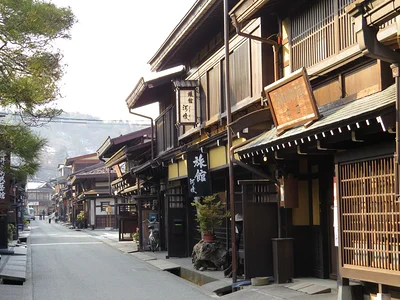
Three streets of Edo-period merchant houses with dark wood facades and bamboo latticework: Sanmachi Suji is the main draw, along with the morning market set up along the river and the Takayama Jinya, the former Hida government headquarters at the other end. One detail that saves any disappointment: you barely sleep in the three historic streets themselves, as they are taken up by shops and workshops; lodging sits on the surrounding streets just two or three minutes away. The downside: tour buses pack the area from 9 AM to 4 PM, and everything shuts down early in the evening.
What to see & do in the neighborhood
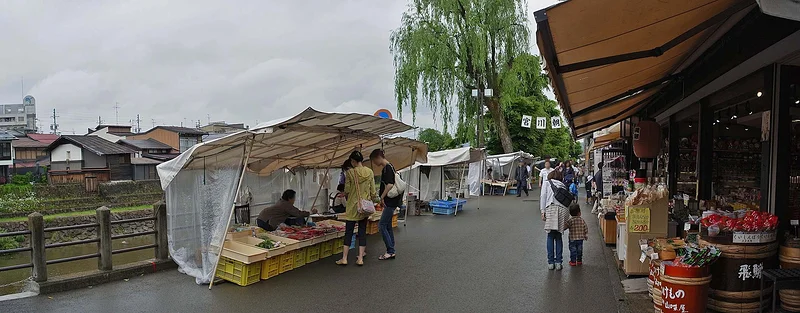
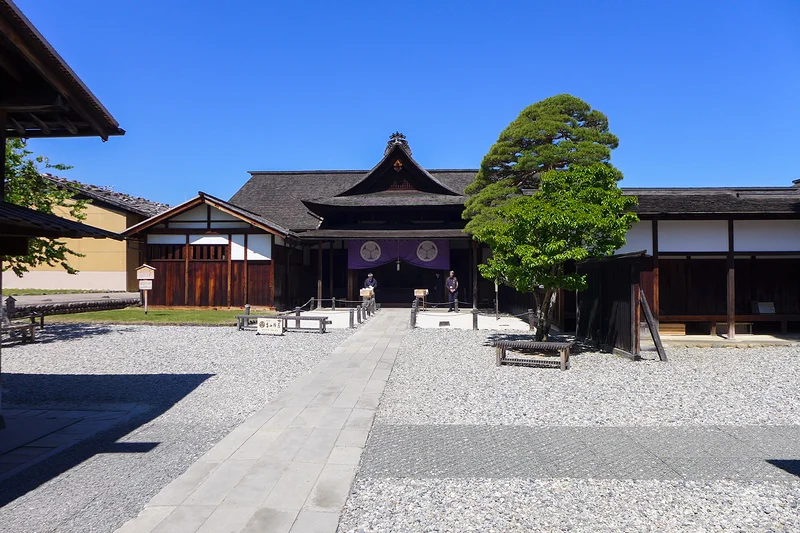
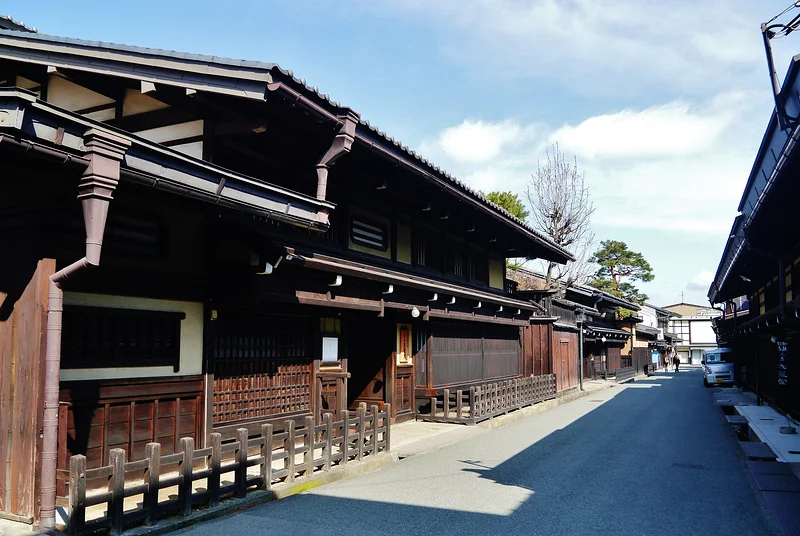
Where to stay in this neighborhood
Honjin Hiranoya Kachoan Luxury
Right along the Miyagawa near the red Nakabashi bridge and a minute from the market. Indoor hot spring baths separated by gender, two rooms with private outdoor baths, and a station shuttle available by reservation.
Hotel Wood Takayama Mid-range
One hundred meters from Sanmachi Suji, built entirely in light wood with zero frills. Step out of your room and you are already in the historic district before the morning buses roll in.
Rickshaw Inn Budget
Family-run guesthouse halfway between the station and the market. Japanese or Western-style rooms, shared kitchen and lounge, and a staff well-versed in welcoming international travelers.
Pros
- The market and Sanmachi Suji three minutes away
- Drop off the car and forget about transit
Cons
- Packed with tour buses from 9 AM to 4 PM
- Almost nothing open past 9 PM
Around the station Near Takayama-eki
for late arrivals, early departures, and easy bus day trips
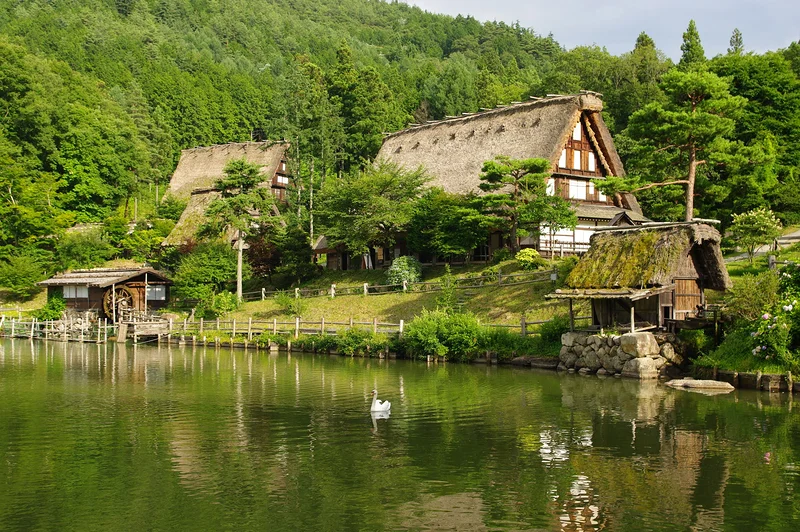
The JR station and the bus terminal sit right next to each other, acting as the main departure point for everything outside town including Shirakawa-go< />, the Japanese Alps, and the open-air folk village of Hida no Sato< />, which a member describes as “very quick to reach by bus right from Takayama Station”< />. Many travelers arrive late in the day from Nagoya or Toyama, and as the same member points out, “getting here can involve some long stretches of travel,”< /> making a stay right by the platforms a smart way to salvage the evening. This zone also concentrates the large hot spring resort hotels. The drawback involves characterless streets and a ten-minute walk to reach historic Takayama.
What to see & do in the neighborhood
Where to stay in this neighborhood
Takayama Green Hotel Luxury
The city's largest property with two hundred thirty-eight rooms, featuring a natural hot spring bath opening onto a Japanese garden, six restaurants, and a free station shuttle.
Spa Hotel Alpina Hidatakayama Mid-range
Three minutes on foot from the station, offering an indoor bath and a rooftop open-air bath overlooking the rooftops and mountains. Straightforward, reliable comfort.
K's House Takayama Oasis Budget
A hostel two minutes from the station featuring a shared kitchen, laundry facilities, and bicycle rentals on-site. Offering dorms and private rooms, it stands as the most affordable option in the center.
Pros
- Trains and buses at your doorstep, suitcases intact
- Departures for Shirakawa-go and Okuhida leave right from here
Cons
- Uncharming streets
- A ten-minute walk to the historic old town streets
Higashiyama and the temple hill East, at the foot of the slopes
for the quiet, ten minutes from the market
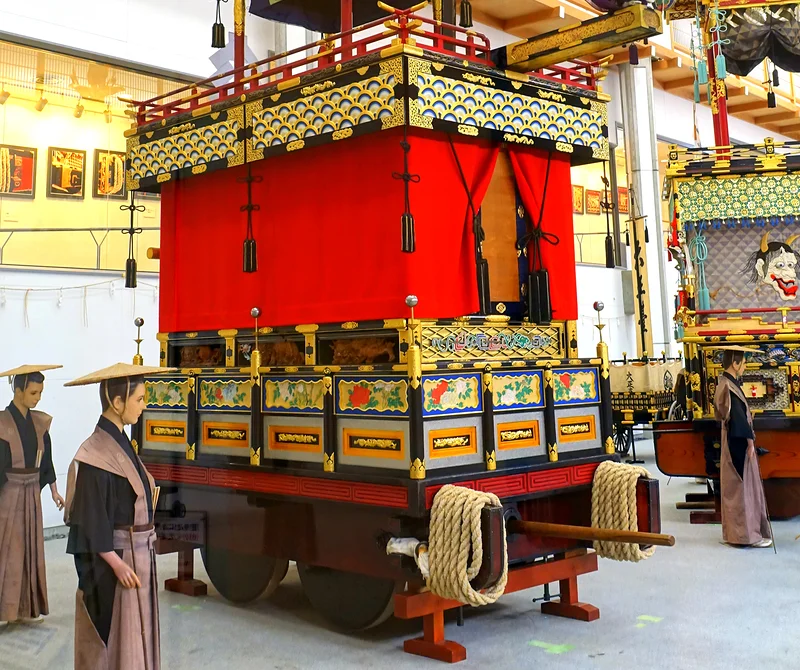
A walking path connects a dozen temples and shrines clinging to the hillside, leading all the way to Sakurayama Hachimangu and the hall housing the floats for the Takayama Matsuri. This is a residential neighborhood that goes quiet after dark, located a ten-minute walk from the market. To be clear about what you will find here, there are no luxury spots or large hotels, just a single inn operating inside a temple. The downside is that it sits uphill, requiring a walk back down for dinner.
What to see & do in the neighborhood
Where to stay in this neighborhood
Hida Takayama Tenshoji Youth Hostel Budget
An inn housed inside a twelfth-century temple at the top of the hill. Tatami dormitories and rooftop views, a ten-minute walk from the market.
Pros
- Complete silence once night falls
- The temple walk starts at the end of the street
Cons
- No upscale addresses
- It is a steep climb, and there is nowhere to eat dinner on-site
Okuhida and Hirayu Onsen An hour away by bus
for open-air baths and mountain views
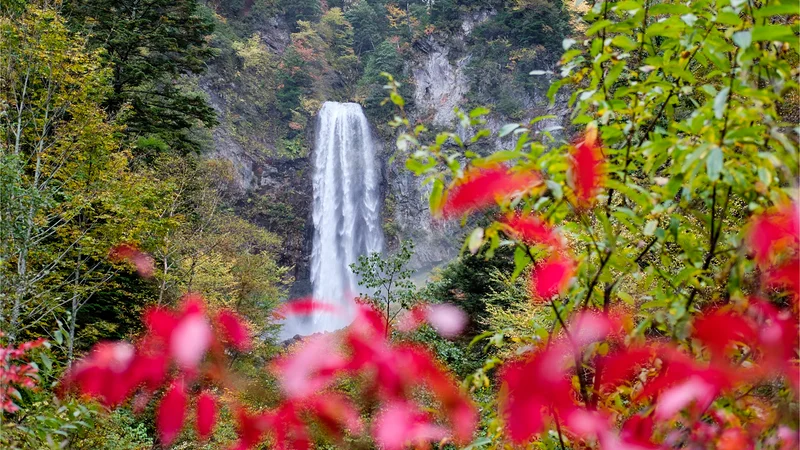
Following the 2005 municipal merger, Takayama became the largest municipality in Japan, encompassing the five thermal villages of Okuhida. On paper you are still sleeping in Takayama, but in reality, a one-hour bus ride separates you from the center, and the scenery is distinctly non-urban: open-air hot springs facing mountain peaks, inns where dinner is included with your stay, and snow on the ground for a good part of the year. Hirayu is the first village you reach and serves as the main bus hub. The downside is that without a car you depend entirely on bus timetables, and as one traveler in our community notes, you are in bear country, so expect to attach a bell to your pack.
I also recommend visiting the little village nearby. You can try the onsens or stay in a traditional ryokan.
What to see & do in the neighborhood
Where to stay in this neighborhood
Takumi no Yado Miyama Ouan Luxury
The most polished spot in Hirayu, wood and tatami from floor to ceiling, renovated in the spring of 2025. The baths at the neighboring house, Hirayukan, are open to guests at no extra charge.
Okuhida Garden Hotel Yakedake Mid-range
In Shin-Hirayu, the next village over, an eight-minute bus ride past Hirayu: two large open-air stone baths, one called the sun bath and the other the moon bath, plus a private bath you can reserve for an extra fee.
Hirayu Prince Hotel Budget
The most modest inn in Hirayu, steps from the bus terminal where buses depart for Kamikochi and Shinhotaka. The friendliest price for a night in the village.
Pros
- Open-air baths facing the peaks
- Evening meal included, without having to head back out
Cons
- A one-hour bus ride from Takayama each way
- Nothing to do besides soak and walk
Our tips for booking the right place
- Dinner must be booked at the same time as the room: At a ryokan, rates are priced per person rather than per room, and usually include dinner and breakfast. A listing for 15,000 JPY actually runs 30,000 JPY total for two guests. Evening service starts around 6:00 PM or 7:00 PM, on a time slot chosen at booking, and the staff waits for you to arrive before serving. Let them know if your train gets in late, as some properties lock their front desk early in the evening.
- One night or two?: The historic streets, the morning market, and the Jinya all fit into a single day. A second night makes sense if you plan to venture further out: Hida no Sato and its thatched roof farmhouses in the morning, Shirakawa-go during the day, or an evening soak at the Okuhida hot springs. A member warns that "Heads up: the trips to get there can be long.", meaning a single-night stay leaves most of your time eaten up by transit.
- By bike instead of by bus: The downtown area is flat and takes about fifteen minutes to cross on foot, even less by bike along the river, and several places lend or rent them out. The bus is really only necessary for leaving town, and it departs from the bus terminal. One detail to keep in mind for winter is that the snow sticks around for weeks, making cycling impossible.
- Booking a ryokan in Okuhida with plans to visit Takayama right after means an hour on the bus each way, evening departures wrap up early, and you end up spending half your day on transit. Okuhida deserves its own night, either before or after the city.
- Booking a half-board package and then planning to dine out in town: dinner is charged whether you eat it or not, it gets served around 6 PM, and Takayama shuts down early. If you want to check out the downtown izakayas, book a room without meals from the start.
- Looking for a bed right inside Sanmachi Suji: those three historic streets are packed with craft shops, workshops, and sake breweries, leaving almost zero room for lodgings. Target the streets running parallel, just a two or three minute walk away, for the exact same morning vibe minus the letdown.
FAQ: where to stay in Takayama
Which neighborhood should you pick for a first trip to Takayama?
Where can you stay on a budget in Takayama?
Is Takayama good for families?
Where is the nightlife in Takayama?
Do you need a car in Takayama?
How much does a night in Takayama cost?
 Keep exploring
Things to do in Takayama
Keep exploring
Things to do in Takayama
Comments (0)
No comments yet. Be the first!