
Where to stay in Fujikawaguchiko: the best neighbourhoods (2026)
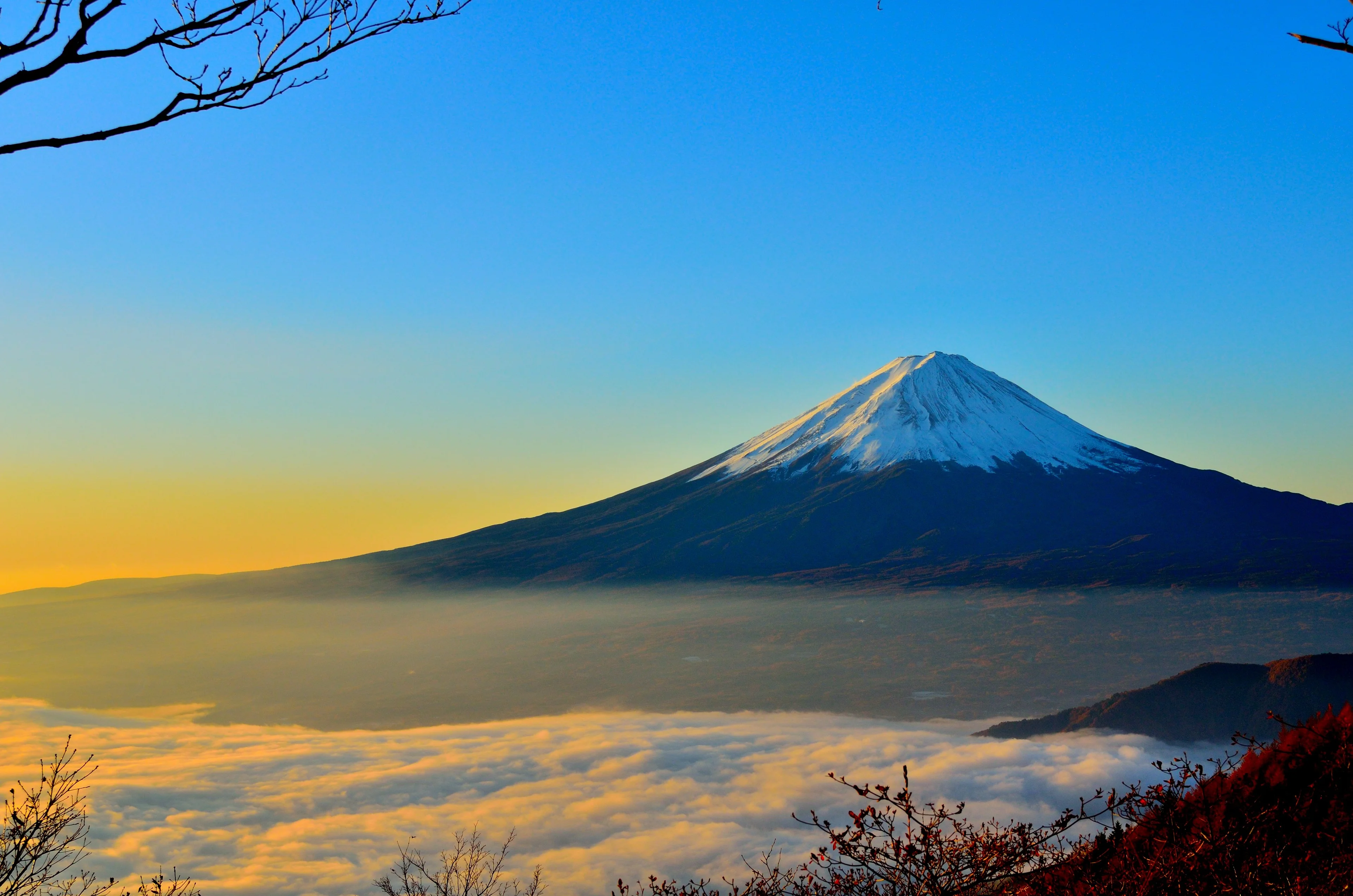
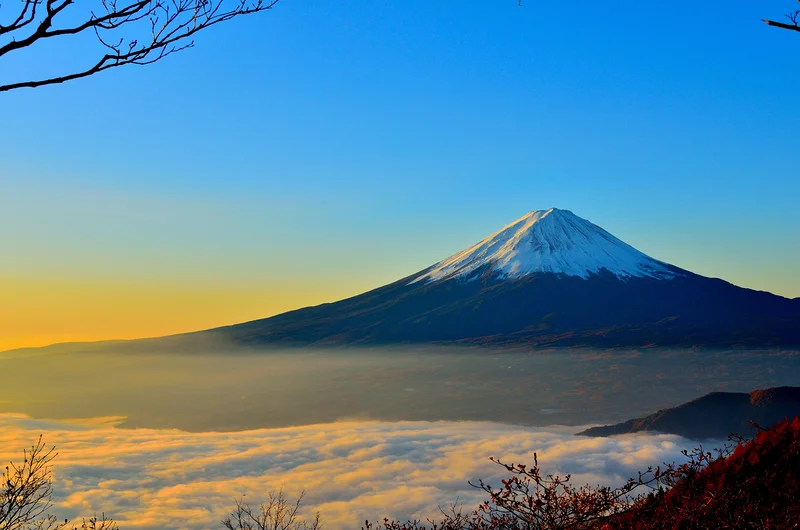
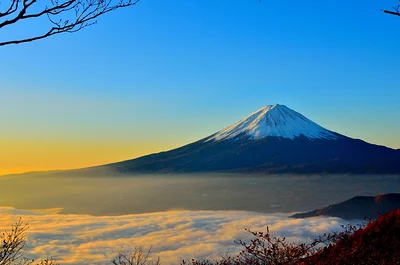
Here, room orientation matters more than comfort. Mount Fuji rises to the south across Lake Kawaguchi, appearing directly over the water from the north shore, while rooms on the station side look out at either the lake or the mountain, never both. This shapes the 3 areas covered in this guide.
Assuming the mountain actually shows itself, that is. On the other side, the Fujinomiya municipal office has tracked visibility every morning since 1990: they spotted the peak completely on 136 days throughout 2025, but on only 2 days in June. Dorm beds run 2,500 yen per person a night, taxes included. Private rooms in a hostel are also priced per person, starting at 3,600 yen each for double occupancy.
Plan to stay overnight here so you can catch the summit of Mount Fuji when the weather clears, while wandering the village and walking along the lakeshore.
Compare hotel prices in Fujikawaguchiko
In a hurry? Find the best accommodation deals in 3 clicks.
Compare live deals from Booking, Expedia, Agoda and other partners.
At a glance: our picks by traveller type
Pick the profile that suits you to head straight to the recommended neighbourhood.
The neighbourhood map in Fujikawaguchiko
Get your bearings on the neighbourhoods and must-see sights before choosing where to drop your bags. Click a name to jump to its description.
The north shore of the lake The Asakawa and Kawaguchi neighborhoods, right across from the mountain
to see Fuji and the lake straight from your bed
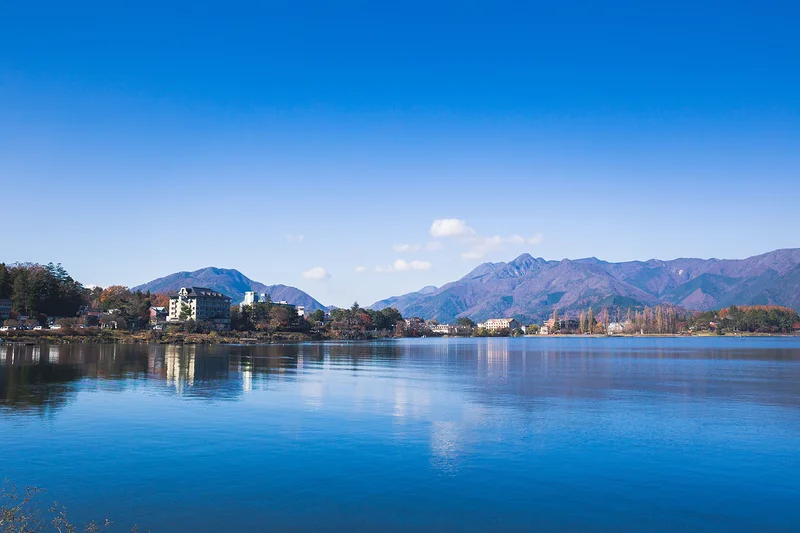
A single road hugs the water between Asakawa and Kawaguchi, with hotels lined up on the lakeside, all facing south. Lake Kawaguchi sits right in the foreground while the peak dominates the horizon behind it. Three properties on this side explicitly state on their own websites that every single room frames this view. No spot on the opposite shore can claim the same. The catch comes down to two things: you will not find any dorm beds here, and the station requires a bus ride rather than a walk.
A lake right in the middle of the village, at the foot of the forest and, most importantly, facing Mount Fuji. It is quiet, with fishermen, a few shops, and above all a breathtaking view. Fuji-san is so close.
What to see & do in the area
Where to stay in this area
Shuhokaku Kogetsu Luxury
A ryokan in the Kawaguchi neighborhood whose official site promises views of both the mountain and the lake from every room. It features a large communal hot spring and an outdoor bath, separate for men and women, alongside a traditional kaiseki dinner service.
THE KUKUNA Mid-range
A hot spring resort in Asakawa where the website states every room faces the lake. The distinction matters here: the property specifies the lake rather than the peak, letting the weather decide whether the summit appears. They only accept bookings online, reserving phone lines for other inquiries.
Hotel Route-Inn Kawaguchiko Budget
The only chain hotel on this shore, featuring 119 rooms and a complimentary breakfast buffet. The advertised view is from the sixth-floor public bath, where you can see the lake with the mountain rising behind it, but it does not come with the room. Plan on a 7-minute drive from the station, as walking is not an option.
Pros
- The lake in the foreground and the mountain behind, right from your room
- Thermal baths facing the peak
Cons
- No dorm beds on this shore
- The station is reached by bus, not on foot
The station and the Funatsu district On the south shore around Kawaguchiko Station
for late arrivals on a strict budget
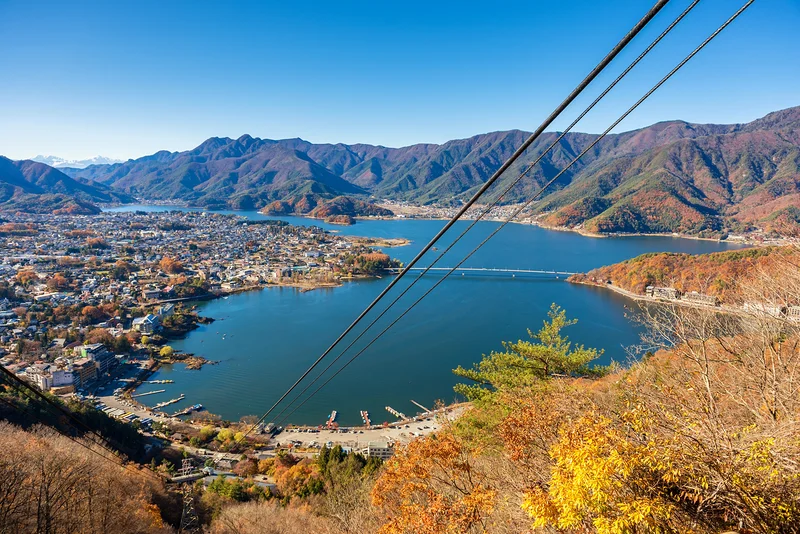
Everything arrives and departs from here: trains, highway buses, and the buses heading up to the 5th station of Mount Fuji in 55 minutes. You will also find late-night shops, restaurants, and dorm beds, as no other area combines all three. Laure D, a traveler in our community, captures the vibe: "The crowded bus station has a youth hostel vibe." The geometric tradeoff is real: the mountain is to the south, the water to the north, and a single room cannot face both ways.
What to see & do in the area
Where to stay in this area
Fuji Lake Hotel Luxury
A historic lakeside inn opened in 1932, close enough to the station to walk. Its thermal water is pumped from 1,500 metres underground, and the hotel highlights facilities designed for both families and guests with reduced mobility.
Konansou Mid-range
A 50-room property a 10-minute walk from the station, offering a shuttle service as well. Some room categories include a private outdoor tub, and a foot bath occupies the rooftop. Its layout alone sums up the tradeoff of this shore, with 10 rooms facing the mountain and the other 40 looking out at the lake.
K's House Mt.Fuji Budget
A Funatsu lodge a 13-minute walk from the station, featuring mixed dorms, a women-only dorm, and private Japanese-style rooms. Dorm access starts at age 7, there is no curfew, and the quoted rates already include tax.
Pros
- Trains, buses, and shops within walking distance
- The highest concentration of dorm beds in the area
Cons
- Rooms face either the lake or the mountain, never both
- A built-up and busy shoreline missing the quiet of the other two areas
Oishi, at the far end of the north shore West of the lake, at the final bus stop
For wide-open views and quiet surroundings
The road leaves the hotel strip and heads west toward Oishi, where the shoreline opens up and the lake widens. Oishi Park boasts the most unobstructed horizon in town, and the station bus terminates at the edge of the village amid a cluster of small family-run guesthouses. It gets genuinely peaceful here once the daytime tour buses clear out. The trade-off is straightforward: nothing stays open after dark, and the schedule of the last bus dictates your evening.
Where to stay in this area
Hoshinoya Fuji Luxury
A hillside camp of forty cabins overlooking the lake, booked like a hotel and lived in outdoors. Each cabin sleeps one to three guests and opens onto a deck. The property features two restaurants and a spa.
Pension Crayon Mid-range
A family-run guesthouse tucked among the trees, featuring a communal bath and a dining room serving home-style cooking with European touches. The garden includes a children's play area. Reservations are accepted via phone daily from 9:00 AM to 9:00 PM.
Dot Hostel & Bar Budget
The sole budget option on this side of the lake. It offers a 16-bed dorm with privacy curtains alongside private rooms across various categories. The downstairs bar pours Yamanashi wines and beers, and a buffet breakfast is included in the stay.
Pros
- The most unobstructed horizon in town
- Quiet surroundings once the day buses leave
Cons
- Nothing stays open after dark
- The last bus dictates your return time
Our tips for booking the right place
- You cannot command the mountain: No hotel can promise a view of Mount Fuji, as the season dictates the odds far more than the neighborhood. On the opposite slope, the city hall of Fuji has been tracking the mountain since May 1990, recording its visibility 3 times a day from the 8th floor of the municipal building. For the year 2025, they logged 136 days where the summit was fully visible at 8:00 AM. Breaking it down by month tells a clearer story, with 22 clear days in February compared to just 2 in June. January, November, and December offer 19 each. This log is taken 40 kilometres away and on the other side of the peak, so it does not precisely match what you see from here. Even so, it proves one undeniable point: a single overnight stay in the dead of summer leaves you with slim chances.
- What a Japanese room rate actually includes: Hotel pricing works differently here than in Europe or the US, and that trips up a lot of comparisons. K's House Mt.Fuji lists its rates per person per night, with the 10% tax included. Their cheapest dorm bed starts at 2,500 JPY. A traditional Japanese room occupied by two people runs 3,600 JPY per guest. Meanwhile, the hot-spring ryokans on the north shore don't publish prices on their websites at all. The six I checked all redirect to booking engines, and their rates typically bundle both dinner and breakfast. Comparing a hostel to a ryokan without accounting for occupancy units and meal inclusions completely skews the picture.
- Two spots with nearly identical names: The same hostel brand runs two properties in town, and the names alone will not tell you which one fits your trip. K's House Mt.Fuji sits a 13-minute walk from the station and has no mountain views. K's House Fuji View, in the same neighborhood, is a 20-minute walk away but features a rooftop panoramic lounge and rents Japanese-style rooms facing the peak. One saves you transit time, the other gives you the view. Another name to keep straight before you book: the lakeside ropeway was officially renamed the Mount Fuji Panorama Ropeway back in April 2018, but plenty of signs still call it Kachi Kachi.
- Booking on the station shore expecting to see both the water AND the mountain from your window. On this side, a room either faces north toward the lake or south toward the peak. Getting both in the same frame only happens from the opposite shore.
- Picking Oishi or a guesthouse at the far end of the shore for a single night without a car. Everything closes down by evening, and the last bus schedule dictates how your night ends, meaning transit eats up half your available time.
- Relying on the western lakes, Saiko, Shojiko, and Motosuko, for easy lodging. They offer the quietest shores in the region, but verifiable accommodations are scarce, shops are nonexistent, and buses run infrequently. Better to visit them as a day trip by car.
FAQ: where to stay in Fujikawaguchiko
Where to stay in Fujikawaguchiko for a first-time visit?
Where to find budget lodging in Fujikawaguchiko?
Where should you stay with family in Fujikawaguchiko?
Do you need to stay on the north shore to see Mount Fuji?
Do you need a car in Fujikawaguchiko?
How much does a night cost in Fujikawaguchiko?
 Keep exploring
Discover everything in Fujikawaguchiko
Keep exploring
Discover everything in Fujikawaguchiko
Comments (0)
No comments yet. Be the first!