Nagano, the city that carved out a space between mountains and monks
In February 1998, the entire world was saying this city's name for sixteen days straight during the Winter Olympics. Then the spotlight faded, and Nagano went back to its quiet life at the foothills of the Japanese Alps.
What hits you right upon arrival is that unlikely mix: a sleek modern station spitting out bullet trains, and a fifteen-minute walk away, a millennium-old temple where the scent of incense still lingers in the blackened rafters.
A destination made for you?
Do you like cities that do not pretend to be anything other than what they are? Nagano does not try to compete with Kyoto or Tokyo. It has its landmark temple, its mountains, its hot springs, and it lets you take your time enjoying them without the pressure of the crowds.
If you are looking for a high-octane nightlife scene or a dense urban skyline, you might walk away disappointed. The city turns in early, restaurants wind down around 9pm to 10pm, and the vibe stays small-town in the most flattering sense of the phrase.
Good fit for:
- Buddhist temple enthusiasts looking to escape tour bus crowds
- Skiers and hikers who want to mix snow sports with culture
- Travelers curious about the snow monkeys at Jigokudani
Not a good fit for:
- Night owls hunting for bars open past midnight
- Anyone looking for a dense, cosmopolitan major metropolis
- English speakers planning to get by without a single word of Japanese
A reasonable budget, even during peak ski season
Nagano stays much more accessible than the famous mountain resort towns in the neighboring Niigata prefecture. Expect to spend more if you combine a city stay with a night in a ryokan featuring a private hot spring.
| Expense | Range |
|---|---|
| Hostel or capsule hotel night | 3,000 to 5,000 ¥ |
| Ryokan night with hot spring | 12,000 to 25,000 ¥ |
| Quick bite (soba, bento) | 700 to 1,200 ¥ |
| Sit-down restaurant meal | 1,800 to 3,500 ¥ |
| Daily transport and activities | 1,500 to 3,000 ¥ |
Estimated rates subject to change
Practical realities for traveling in Nagano
English support drops off outside the main tourist zones. Signage around the Zenko-ji temple and at the station is bilingual, but grab a translation app for everything else. Winters are harsh with heavy snowfall between December and February, which explains the region's reputation for winter sports.
The city is extremely safe day and night. Solo female travelers will not run into any particular trouble here, and standard common sense covers most precautions.
Zenko-ji, the spiritual heart of the city
Everything radiates out from this Buddhist temple founded in the 7th century, which supposedly houses the very first Buddha statue imported to Japan, never shown to the public. The main hall, designated a national treasure, commands attention with its cavernous dark spaces and persistent scent of incense.
Underneath the altar sits the Okaidan, a pitch-black underground passage where you feel your way along the wall looking for a key rumored to guarantee salvation. The experience lasts barely a few minutes, but it sticks with you.
Friendly tip: arrive before 7am to catch the Oasagari, the morning procession where the head priestess blesses visitors by touching their foreheads with her prayer beads. It is free, short, and almost nobody else is up yet.
Jigokudani, home of the bathing snow monkeys
About 50 minutes by road from Nagano, the Jigokudani Yaen-koen park is world-famous for its Japanese macaques that soak in natural hot spring pools right in the middle of winter. The walk in from the parking lot takes about twenty minutes through a snow-covered forest, and reaching the steaming pool surrounded by drowsy monkeys is well worth the effort.
The prime window runs from December to March, when the contrast between the snow and the sulfur vapor is at its most dramatic. Come summer, the monkeys largely abandon the pools.
The Japanese Alps and skiing
The region hosted the alpine skiing events for the 1998 Games, and nearby resort towns like Hakuba capitalized on that to build world-class infrastructure. You will find powder snow here widely considered some of the best in Asia, drawing a loyal following of Australian and North American visitors every winter.
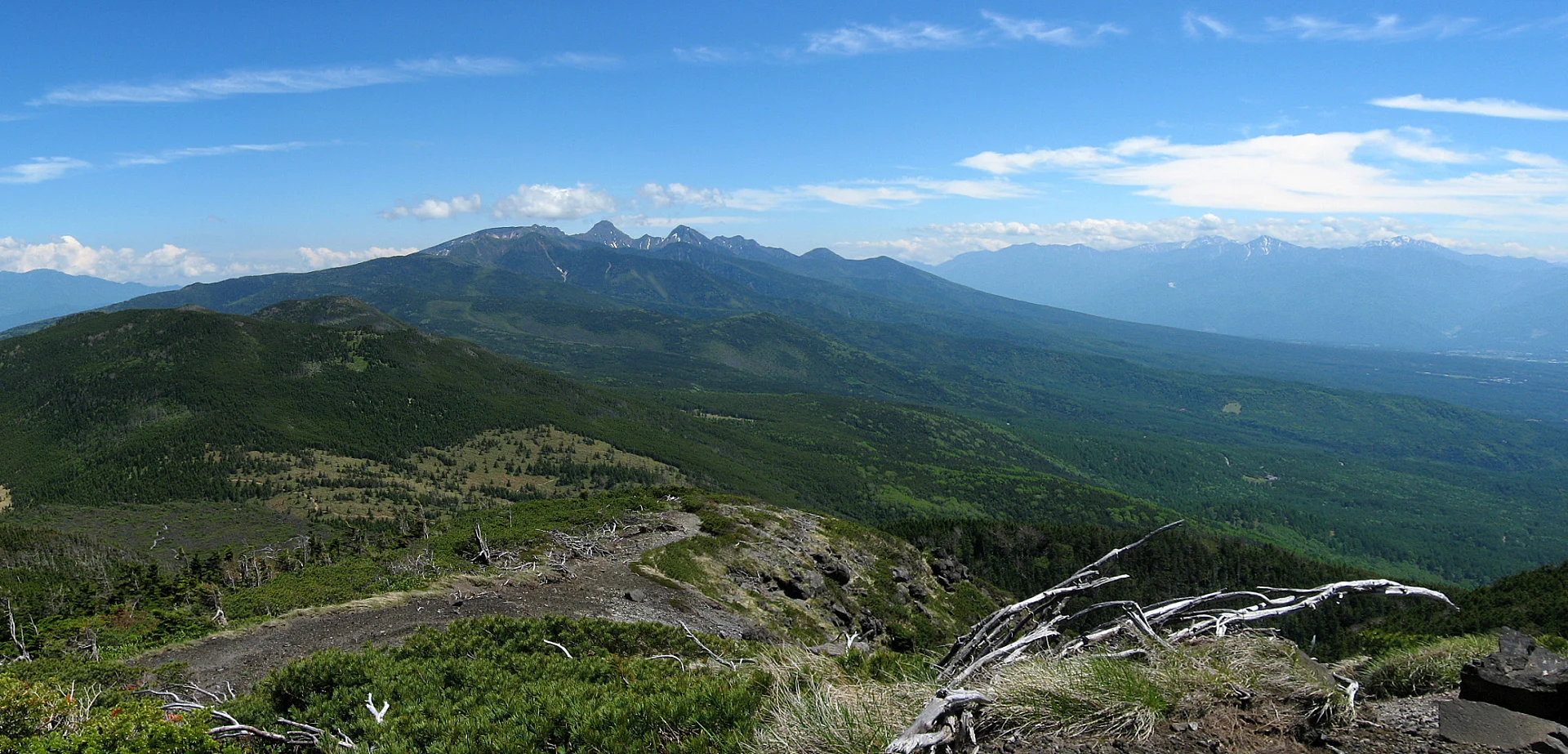
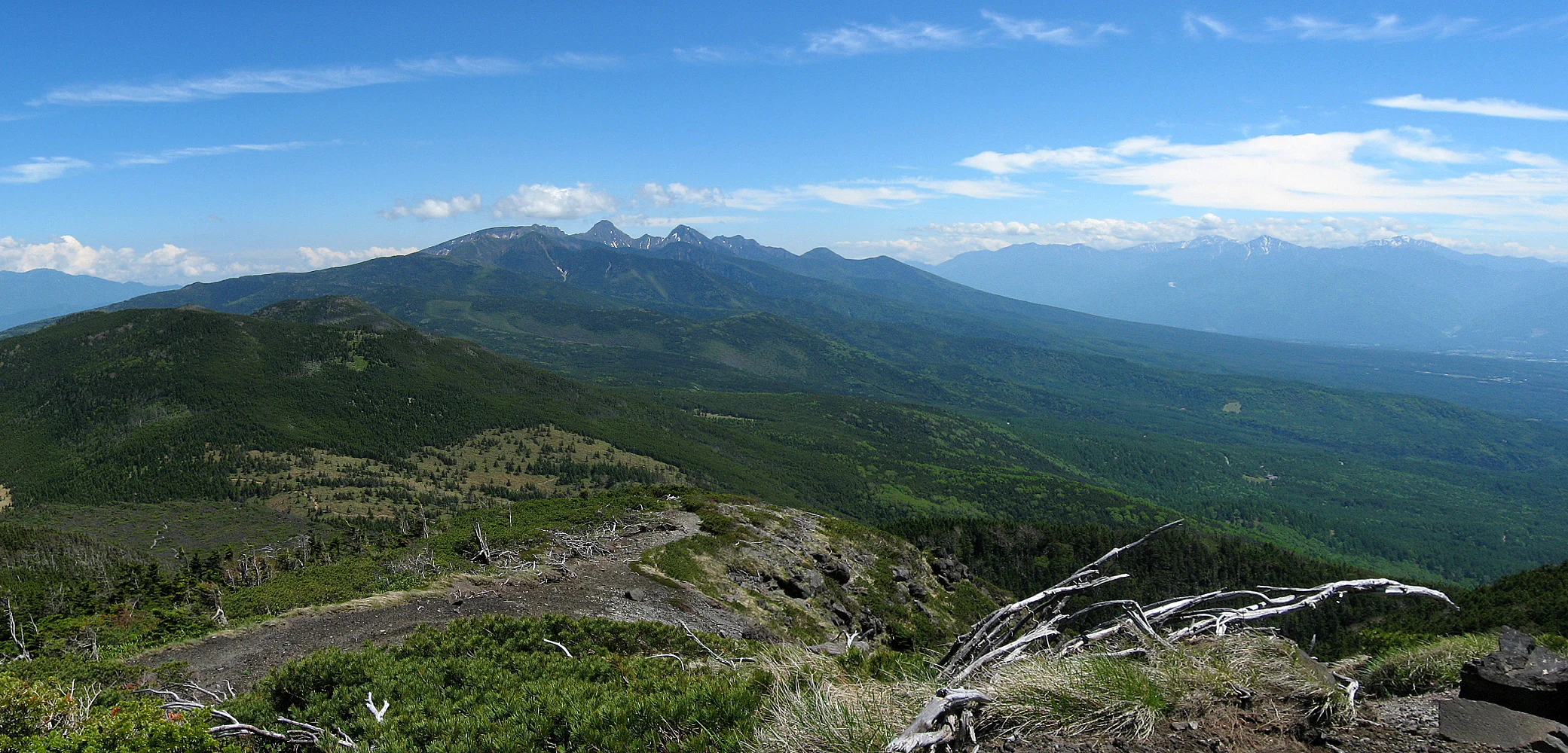
Outside of ski season, these same mountains are made for hiking. The trails around Chubu-Sangaku National Park open up panoramic views of peaks towering over 3,000 meters, far from the crowds down in the valley.
Where to eat and drink in Nagano?
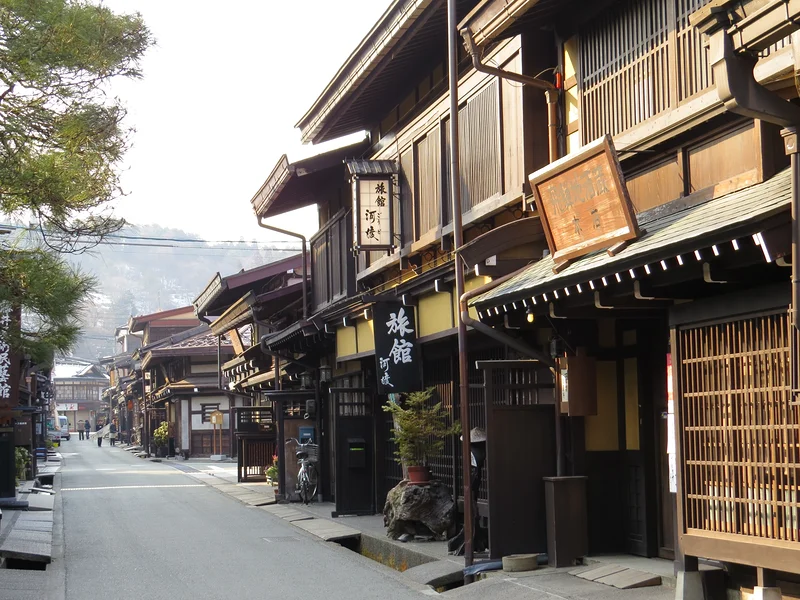
The region is famous for soba, buckwheat noodles grown in the surrounding fields thanks to the cool climate. The neighborhoods around Zenko-ji pack in several traditional houses that still serve handmade noodles.
Another local specialty includes Nagano apples, particularly the Shinshu variety sold at autumn markets, along with oyaki, a buckwheat turnover stuffed with fermented vegetables that makes for an ideal hiking snack.
Where to stay in Nagano and the surrounding area?
Downtown, clustered around the station and the avenue leading up to Zenko-ji, concentrates most of the convenient hotels for exploring the city on foot. For a more authentic immersion, hot spring towns like Shibu Onsen near Jigokudani offer traditional ryokans with open-air public baths.
How to get to Nagano?
From Tokyo, the Hokuriku Shinkansen connects to Nagano Station in about 1 hour and 30 minutes. For US travelers flying out, there are no direct flights to Nagano; most travelers touch down at Tokyo-Narita or Haneda airport before continuing by train.
How to get around Nagano?
Downtown is easy to navigate on foot, with the main avenue connecting the station to Zenko-ji temple holding most of the points of interest. Local buses run out to outlying attractions like Jigokudani, though frequencies drop off outside the peak tourist season.
For ski resorts and more isolated hot spring villages, car rental is the most flexible option, especially in winter when the mountain roads are frequently blanketed in snow.
When to go?
Winter, from December to March, remains the most sought-after season for skiing and snow monkeys. Spring and autumn offer milder weather, ideal for hiking and leaf-peeping, especially in October and November around the temples.