
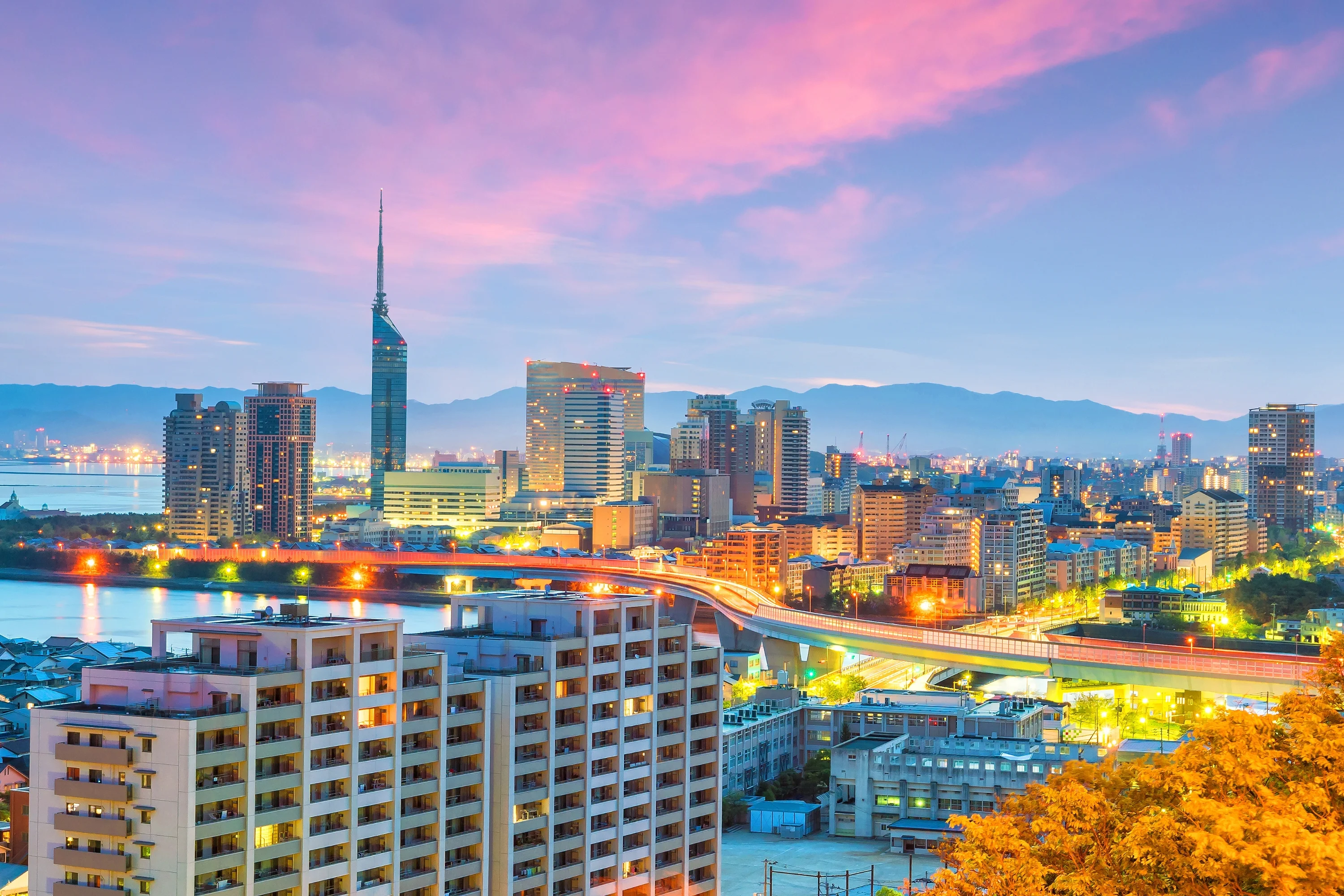
The ramen capital where Japan slows down
It is 8pm on an October evening. Along the Naka River, about thirty yatai food stalls light up the night. Behind their miniature counters, chefs grill yakitori skewers while patrons sit on wobbly stools, slurping their tonkotsu ramen and chatting with strangers. Welcome to Fukuoka, the major Japanese city that refuses to stress out.
Fukuoka: Is it right for you?
This capital of Kyushu suits travelers who want to experience Japan without the weight of tourist crowds. Here, you will not find endless lines at temples or elbowing through transit turnstiles. The city is easily walkable in the center, residents take their time, and the culinary scene rivals Osaka at half the price. Are you looking for authentic Japan with modern comforts? Head right over.
On the flip side, if you are after spectacular attractions like Tokyo or temples on every corner like Kyoto, Fukuoka might disappoint you. The city focuses on quality of life rather than a dense concentration of UNESCO sites. The climate is worth noting as well: summers hit hard with temperatures around 30°C and heavy humidity, while winters stay mild but windy. Locals themselves do not speak much English here, even compared to other major cities.
Budget expectations
Plan for $68 to $90* per day all-in for a mid-range traveler. A bowl of tonkotsu ramen costs between 600 and 900 yen ($3.90 to $5.80*), hostels run around $29-$34* a night, and a 3-star hotel near Hakata Station starts at $79*. The subway is your friend at 260 yen a ride, or 640 yen for a day pass. The yatai stalls stay reasonable if you stick to one dish and a beer, otherwise the tab climbs quickly.
Hakata and the center: Urban energy
The Hakata neighborhood centers around the station of the same name, which serves as the Shinkansen bullet train terminus. It is the economic hub, but there is more to it. Canal City Hakata is worth a stop for its wild architecture, pop culture shops, and Ramen Stadium on the fifth floor, which brings together eight different ramen shops. It is ideal for comparing styles. Kushida Shrine, founded in 757, guards the entrance to old Hakata. Its annual Yamakasa festival in July features one-ton floats carried at a run by men in traditional attire.
A ten-minute walk away, Tenjin takes over for shopping and nightlife. The Tenjin Chikagai, a 600-meter underground labyrinth, houses 150 shops and cafes beneath rather kitschy neo-European architecture. It is especially practical on rainy or scorching days. Ohori Park, just to the north, offers a welcome breather. Its massive central pond is crossed by three bridges connecting small islets. Locals come here for morning jogs or weekend picnics.
Friendly tip: grab the Fukuoka Tourist City Pass for 2500 yen, reserved for foreign visitors. It gives you unlimited subway and bus access for the day, plus discounts at several attractions. There is also a Dazaifu version for 2800 yen if you are planning that trip.
Nakasu: The kingdom of yatai
This mini-island squeezed between two river branches concentrates the nightlife. Around twenty yatai stalls set up shop every evening starting at 6pm along the quay. These mobile wheeled stands serve ramen, gyoza, yakitori, and oden in a uniquely friendly atmosphere. The concept? You sit at the counter (eight seats max), order, and end up chatting with your neighbors. The vibe peaks around 9pm when local office workers pour in.
Keep in mind that yatai stalls are not a budget-free attraction. A bowl of ramen costs 800-1000 yen, but the experience is worth doing once. Skip the ones displaying laminated English menus and photos, as those target tourists. Look for the lines of local Japanese diners instead. Yatai Yamanaka near Tenjin Bridge earns its reputation for rich, creamy ramen.
Dazaifu: The essential day trip
Located 16 kilometres from the center, this small town served as the administrative hub for all of Kyushu for five centuries. Dazaifu Tenmangu Shrine draws students praying to pass their exams. The deity honored here, Sugawara no Michizane, was a 9th-century scholar. The estate's 6,000 plum trees bloom in February and March in a pink and white display that rivals the cherry blossoms. The shopping street leading to the shrine sells umegae mochi, grilled rice cakes stuffed with sweet red bean paste.
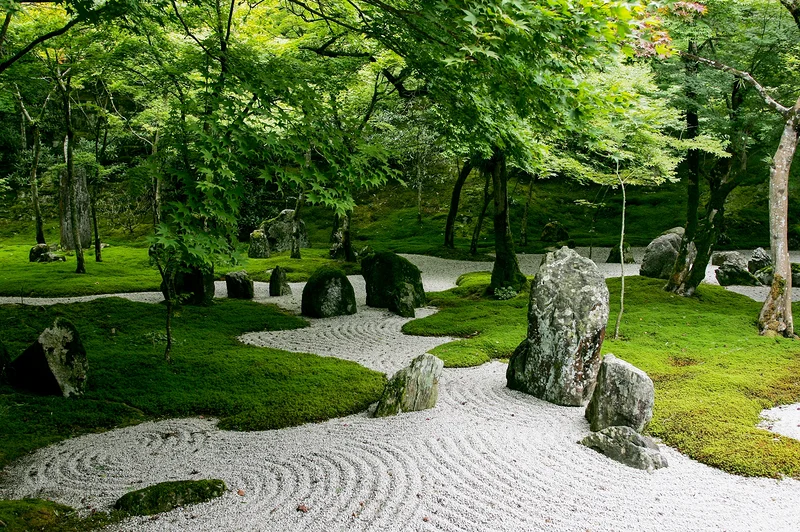
Right next door, Komyozen-ji Temple showcases two rare stone Zen gardens. In the front garden, fifteen rocks form the kanji character for "light." Twenty minutes is plenty to tour it, but the atmosphere invites you to sit in silence. Plan for a 45-minute train ride from Hakata via the Nishitetsu line with a transfer at Futsukaichi.
Nature and beach trips
Nanzoin Temple in Sasaguri houses a bronze reclining Buddha measuring 41 metres long. It is one of the largest statues of its kind in the world, weighing nearly 300 tonnes. The complex spreads across a wooded hill dotted with secondary shrines. It is accessible in 25 minutes by JR train from Hakata.
To the west, the Itoshima peninsula offers decent beaches and Sakurai Futamigaura shrine, which has become highly Instagrammable with its two sacred rocks linked by a rope. Sunset between the rocks draws photographers. There is a direct bus from Hakata taking 50 minutes.
Where to eat and drink in Fukuoka?
The city takes its food seriously. Local tonkotsu ramen is recognizable by its milky broth made by boiling pork bones for hours. Ichiran in Nakasu remains the most famous spot with its individual solo-dining booths. Hakata Issou near Canal City offers an even richer broth.
Yanagibashi Market, nicknamed the kitchen of Fukuoka, opens early in the morning. Fish stalls sit right next to produce stands. Several small eateries at the back of the market serve ultra-fresh sashimi for lunch. Do not miss goma saba, a local specialty of sesame-marinated mackerel. Huge and sweet Amaou strawberries are sold from January to May.
How to get to and around Fukuoka?
Fukuoka Airport sits just six minutes by subway from the center. From North American hubs, expect at least one connection in Tokyo, Osaka, or Seoul. The Shinkansen bullet train from Tokyo takes 5.5 hours (18,000 yen without a JR Pass), and 2.5 hours from Osaka.
Around town, the subway has three lines covering the essentials. Buses handle outlying neighborhoods. Skip the JR Pass for getting around Fukuoka itself, as the local Nishitetsu company is not included. A rechargeable IC card like Suica or Pasmo makes paying straightforward.
When to go?
The ideal times are spring (late March to May) for cherry blossoms and mild temperatures, and autumn (October to November) for vibrant foliage and dry weather. Avoid June and July, which bring the rainy season and potential typhoons, and August when heat regularly pushes past 35°C. Winter stays mild but windy, with occasional snow on the higher ground.
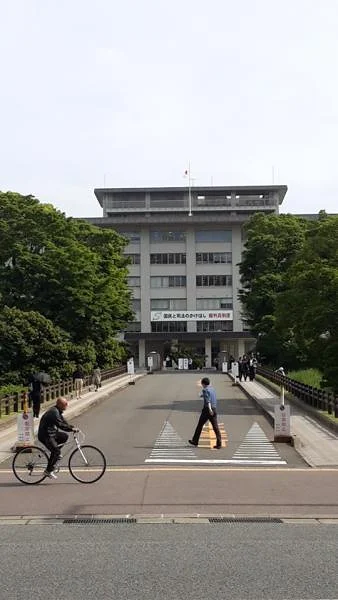
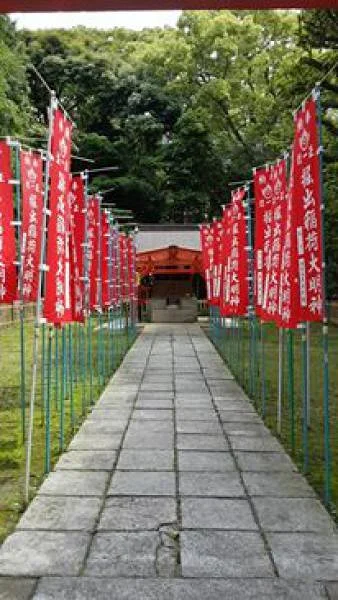
If you are visiting Kyushu, you will most certainly pass through the city of Fukuoka! A very nice discovery for me, much less crowded than Tokyo or Osaka. The Tenjin neighborhood is really nice to walk around in the evening, as well as the Yatai (the little food stalls) where you can have a blast!! A stop by Canal City with its pretty fountains, definitely nothing to be bored about! Do not miss the Japanese garden at Ohori Park, which is absolutely sublime, especially at night!