Visiting Seoul, a Megacity of Contrasts
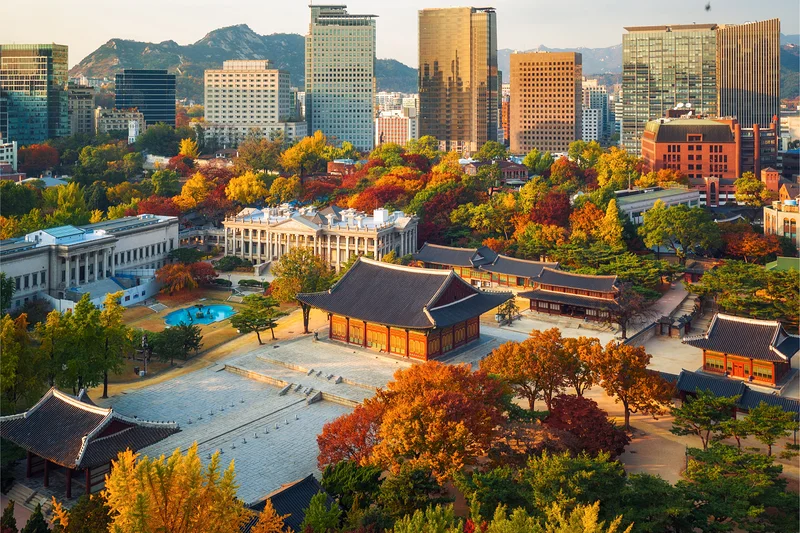
As the high-energy capital of South Korea, Seoul pairs gleaming skyscrapers with centuries-old royal palaces. Between the buzzing commercial districts, quiet temple grounds, and a fast-paced food scene, the city delivers an intense urban rhythm. Whether you are after historic preservation, fashion, or green space, Seoul keeps you on your toes.
The Royal Palaces: Relics of the Past
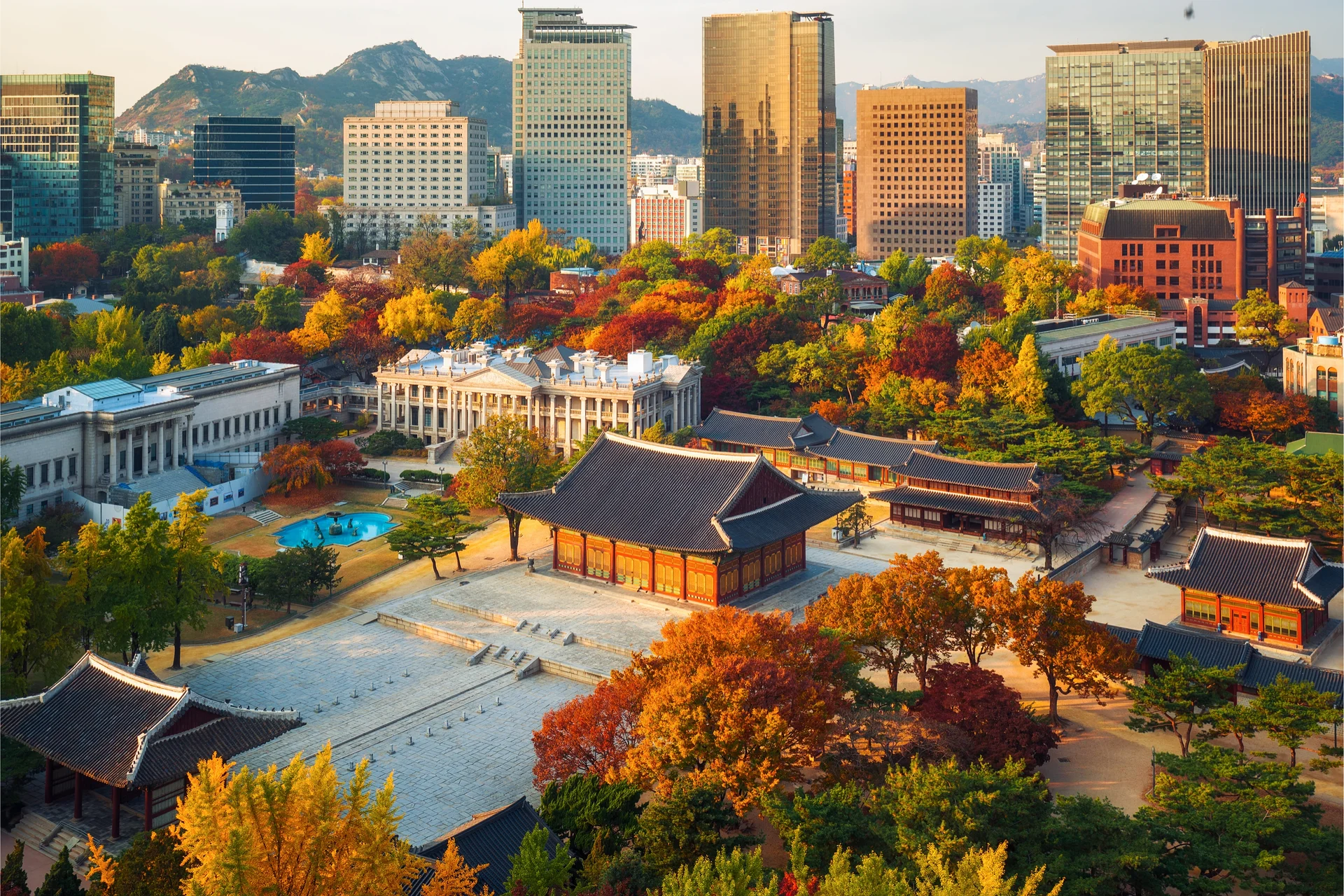
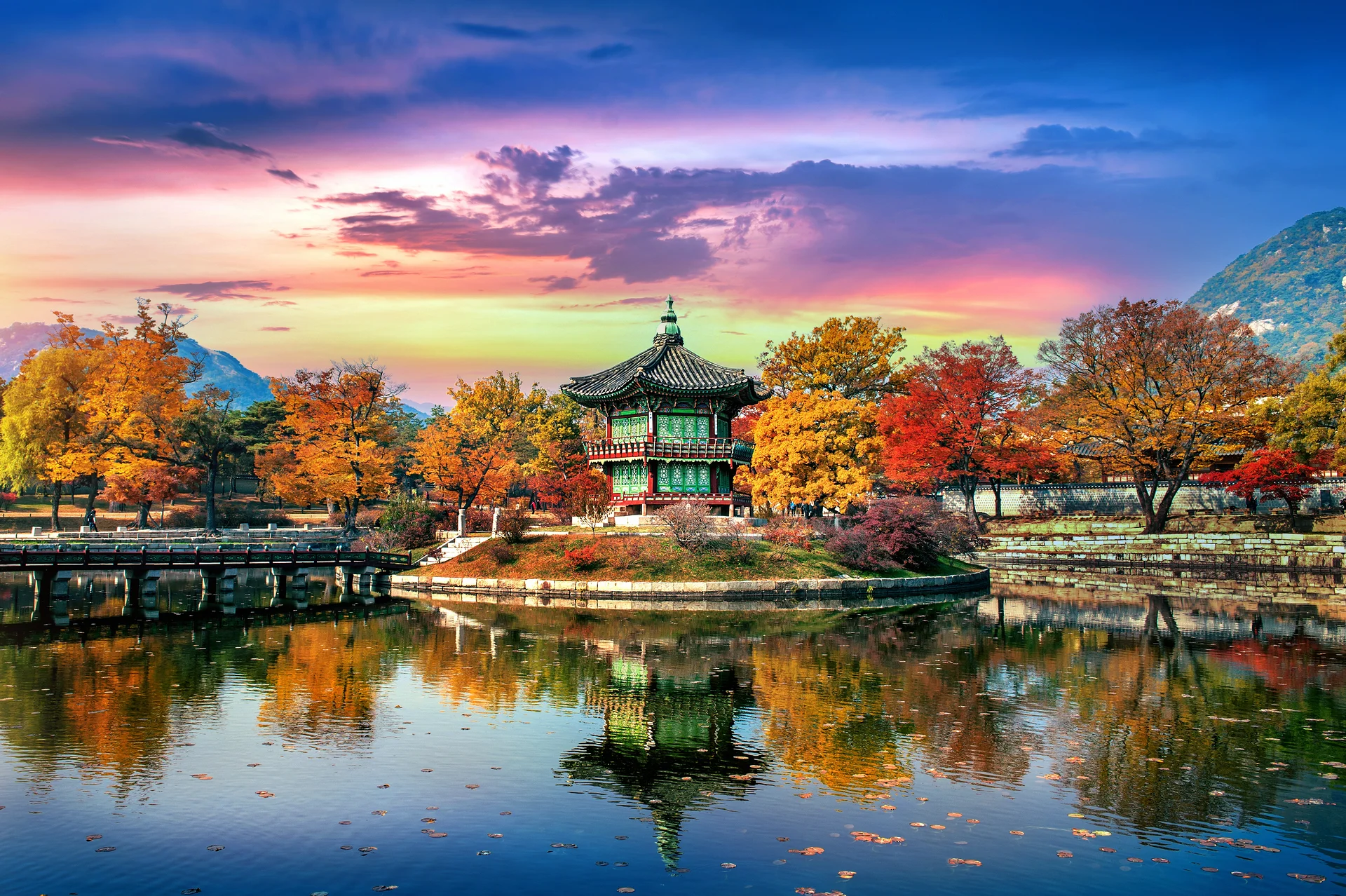
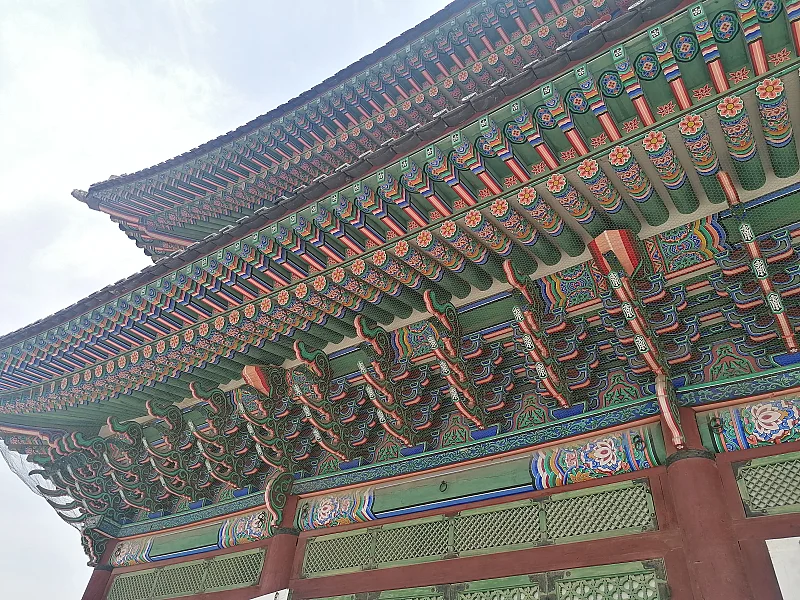
Seoul preserves several historic compounds that trace back through the royal dynasties. The most recognized is Gyeongbokgung Palace, the primary residence of the Joseon kings, where you can watch the royal guard changing ceremony in period dress. Nearby, Changdeokgung Palace features a secluded rear garden tucked into the hills. Further south, Deoksugung Palace mixes traditional Korean architecture with Western-influenced stone buildings.
The Neighborhoods of Seoul
Every district in Seoul operates on its own frequency. Insadong serves as the traditional arts hub, packed with galleries and old-school teahouses. Across town, Hongdae caters to a younger creative crowd with independent cafes and impromptu street performances. For retail and neon lights, head to Myeongdong and Gangnam, where high-end flagships sit next to multi-story cosmetics stores.
Nature Within the Concrete
Despite heavy development, Seoul integrates green escapes directly into the city layout. Hiking up Mount Namsan gives you a view spanning the entire urban grid. Bukhansan National Park sits a short subway ride from the center, offering serious granite peak hiking just outside the center. For a flatter route, the banks of the Han River draw cyclists and evening strollers.
Culture and Modern Tech
Seoul leans hard into both sides of its identity. The Bukchon Hanok Village preserves alleyways lined with traditional wooden courtyard houses. On the contemporary side, the curving aluminum facade of the Dongdaemun Design Plaza showcases the city's appetite for avant-garde architecture.
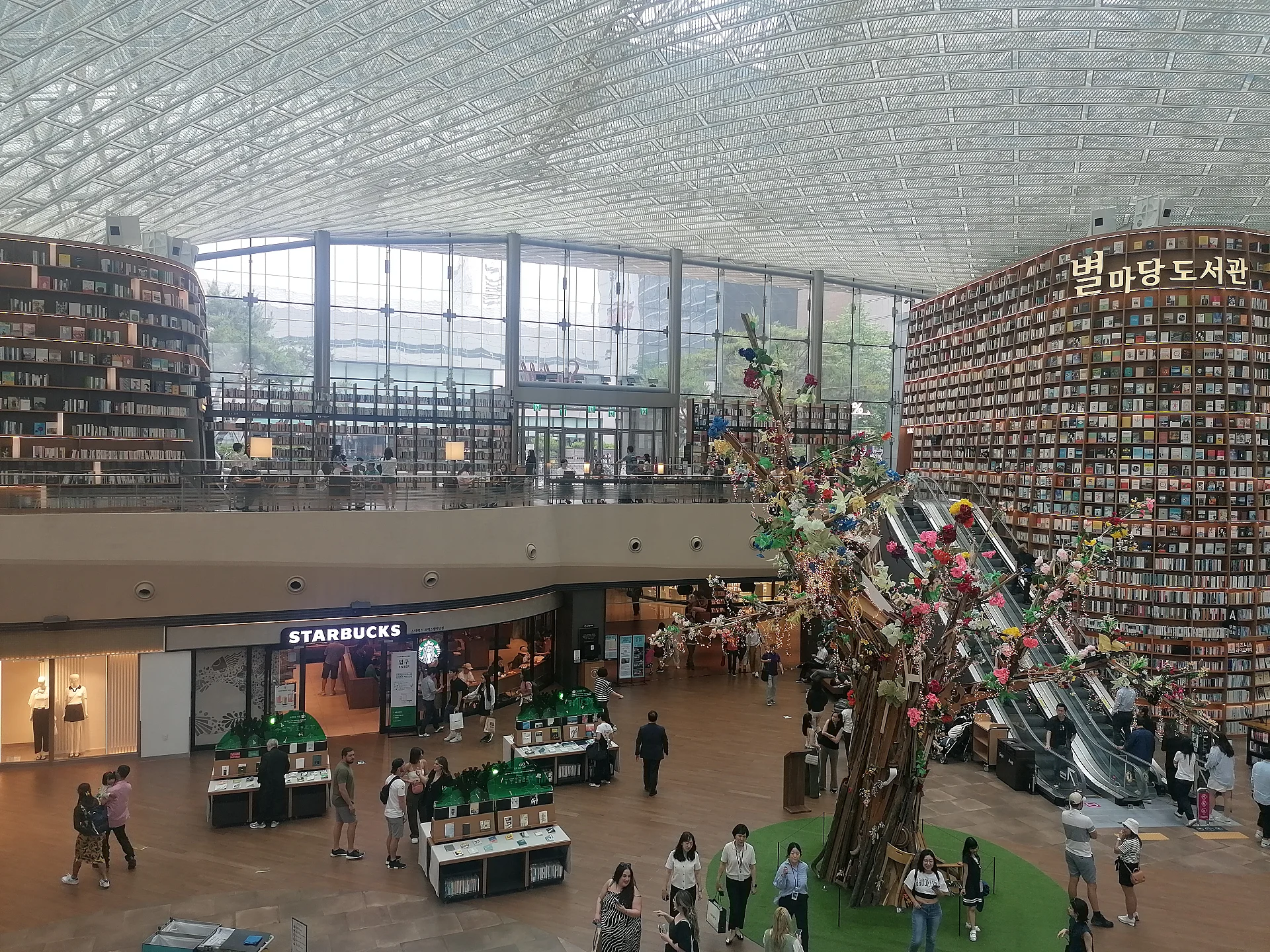
Pop culture fans will find plenty to explore, from the towering bookshelves inside the COEX Starfield Library to the studio lots in the Digital Media City district, where major TV series are filmed.
Hearty and Spicy Flavors
Seoulite cooking relies on bold seasonings and shared plates. Bibimbap, a bowl of rice topped with seasoned vegetables, meat, and a fried egg, is a staple. Meat lovers will lean toward samgyeopsal, grilled pork belly served with a lineup of dipping sauces and side dishes.
When it comes to street food, markets like Gwangjang turn out plates of tteokbokki, chewy rice cakes in a fiery red paste, and hotteok, griddled pancakes filled with brown sugar and chopped nuts.
Where to eat?
- Gwangjang Market (Jongno). A traditional market hall where you eat standing up at crowded food stalls.
- Tosokchon (Jongno). Famous for samgyetang, a whole young chicken stuffed with ginseng, jujubes, and sticky rice.
- Mapo Jeong Daepo (Mapo). A loud, smoky spot dedicated to classic Korean barbecue.
- Mingles (Gangnam). A high-end restaurant updating traditional fermentation and dining techniques with modern execution.
Where to stay?
- Signiel Seoul (Songpa). A five-star hotel occupying the upper floors of the Lotte World Tower with views over the river.
- Ryse Hotel (Hongdae). A design-forward boutique hotel geared toward creative travelers.
- Orakai Insadong Suites (Insadong). Apartment-style accommodations right in the historic center.
- Bunk Guesthouse (Hongdae). A straightforward, social hostel setup that keeps costs down.
When to go?
Spring and autumn bring the most comfortable weather, with cherry blossoms peaking in April and fall foliage turning the surrounding hills orange and red in October. Summers run hot and humid with monsoon rains, while winters drop below freezing, covering the parks in snow.
How to get there?
International flights land at Incheon International Airport, which connects to downtown via an express train line and limousine buses. Round-trip fares vary seasonally between $680 and $1,350* from European hubs, while travelers coming from the US typically connect through major West Coast or East Coast hubs.
How to get around?
The Seoul subway system runs cleanly and covers every neighborhood with English signage at every stop. Taxis are widely available, though keeping your destination written in Korean characters helps avoid miscommunication. Picking up a T-money transit card makes tapping in and out of buses and subways straightforward.