South Korea: Where Tradition Meets Modernity
Picture a country where futuristic skyscrapers stand next to ancient palaces, and rugged wilderness meets non-stop urban growth. South Korea is a land of sharp contrasts that turns every street corner into a new adventure.
You will catch the scent of cherry blossoms in Seoul, hear the wind through the Seoraksan mountains, and taste the sharp kick of spicy kimchi on your tongue.
Is this the right destination for you?
If you love total immersion, South Korea is your playground. The high-tech pulse of Seoul and the deep roots of Gyeongju create a unique mix for curious travelers. Get ready for a fast-paced trip where every single day brings a fresh discovery.
Best suited for:
- Tech fans and pop culture followers
- History buffs and heritage explorers
- Hikers and nature lovers
Not recommended for:
- Those seeking complete quiet and slow pacing
- Travelers on tight shoestring budgets
Trip budgets by travel style
| Type | Location | Duration | Budget |
|---|---|---|---|
| History tour | Gyeongju | 3 days | $340* |
| Nature and hiking trip | Seoraksan | 5 days | $570* |
| City getaway | Seoul | 4 days | $680* |
Practical realities
South Korea runs on reliable, modern infrastructure. Getting around is straightforward, and the KTX high-speed train connects major cities in no time. The weather shifts a lot by region, but expect hot, humid summers and cold, dry winters. Aim for April through June or September through November if you want mild, comfortable weather.
Is South Korea safe for travelers?
South Korea is exceptionally safe for visitors. Crime rates are low, though standard street smarts apply in heavy tourist zones. Medical care is top-tier, but always grab travel insurance before you fly to cover any unexpected medical bills.
Friendly tip: Download translation and navigation apps before you leave home. They make daily life much easier, especially if you do not speak Korean.
Grand landscapes: From Jeju to Seoraksan
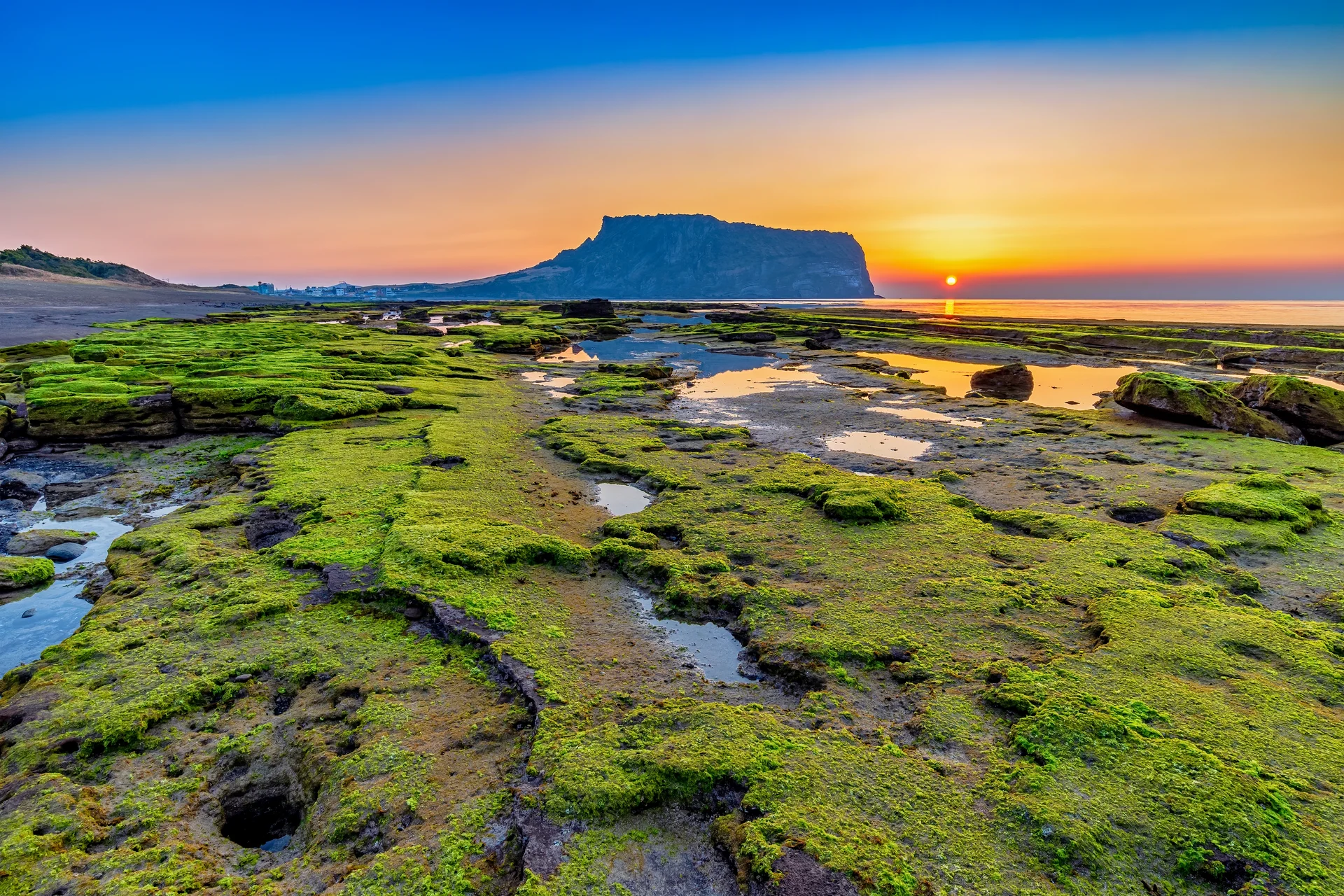
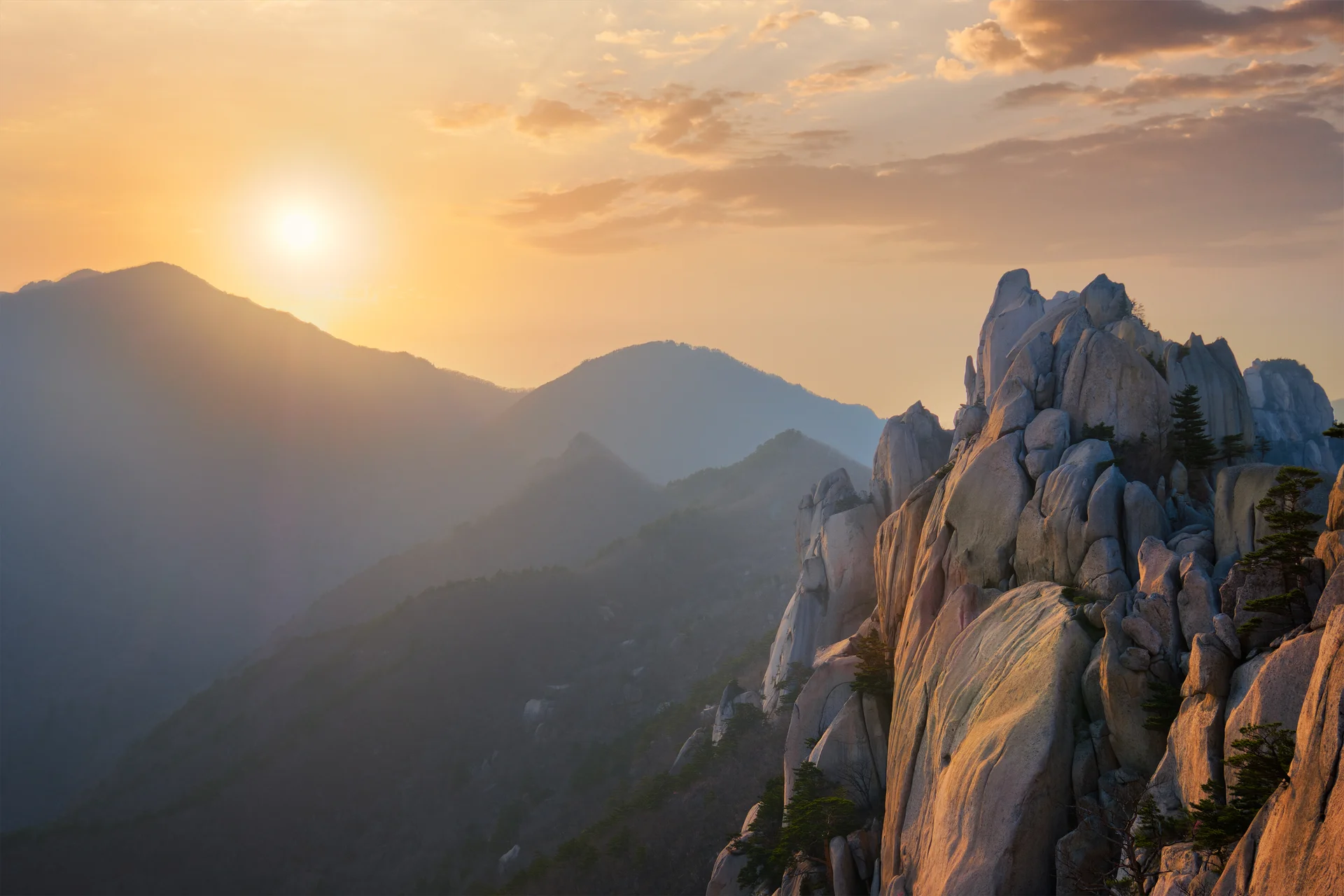
The Korean countryside reads like a living painting. Jeju Island pairs sandy beaches with the Hallasan volcano, making it a natural haven. On the flip side, Seoraksan National Park delivers serious hikes across jagged granite peaks and thick forests.

Tracing history: Seoul and its royal palaces
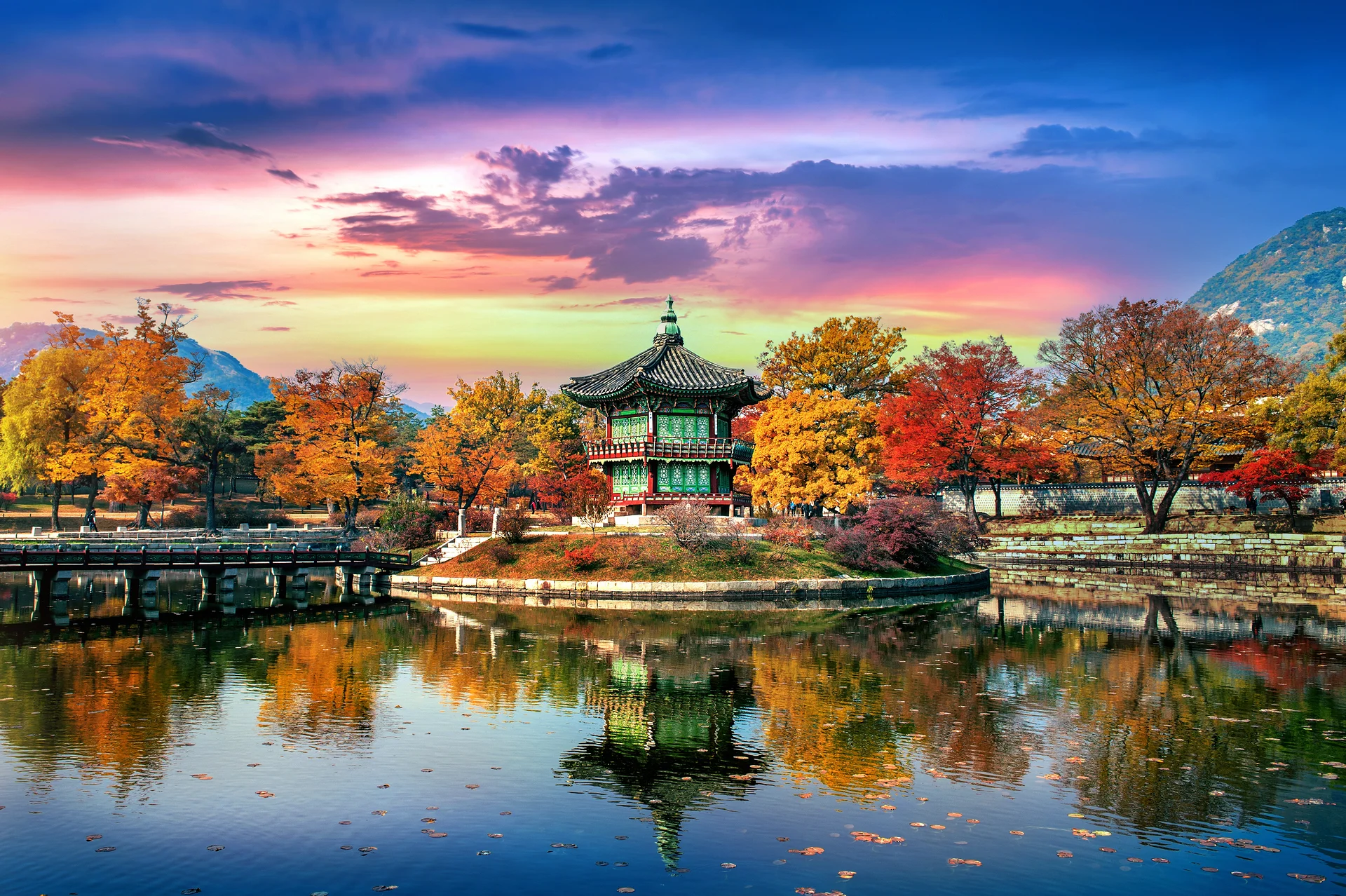
Seoul acts as a bridge between past and present. Walk through the five royal palaces, including Gyeongbokgung, which still holds the atmosphere of past dynasties. Every pavilion offers a clear look at a bygone era. Stick around for the changing of the guard ceremony to step right into royal history.
Friendly tip: Hit the palaces early in the morning to beat the crowds and catch the soft light hitting the ornate tile roofs.

High-energy city life: Seoul and Busan
Seoul stays awake around the clock. Check out the trendy neighborhoods of Hongdae and Gangnam, where cutting-edge tech meets youth culture. Down in Busan, mix beach time with culture in the colorful Gamcheon Culture Village. After dark, the neon-lit streets put on a serious show.
South Korean cuisine: An explosion of flavor
Korean food takes your taste buds on a ride. From staples like kimchi and bulgogi to punchy regional specialties, every bite packs a kick. Grab a bowl of samgyetang, a nourishing ginseng chicken soup, at a local neighborhood spot for a genuine taste of the country.
When to visit South Korea
Plan your trip for spring to catch the cherry blossoms, or autumn for blazing red and orange foliage. Summer brings major outdoor festivals, but prepare for heavy humidity. Winter opens up ski resorts across the mountains for a cold-weather getaway.
How to get to South Korea
Flights land at Incheon Airport daily from major hubs, with nonstop flights taking about 11 hours depending on your departure point. Prices swing based on the season, so book well ahead for better rates. Check entry rules and any current visa or electronic travel auth requirements before booking.
How to get around South Korea
The transit network is remarkably well-developed. The KTX handles fast intercity trips, while city subways and buses are cheap and efficient. Renting a car can be useful if you plan to explore rural areas outside the main rail lines.