
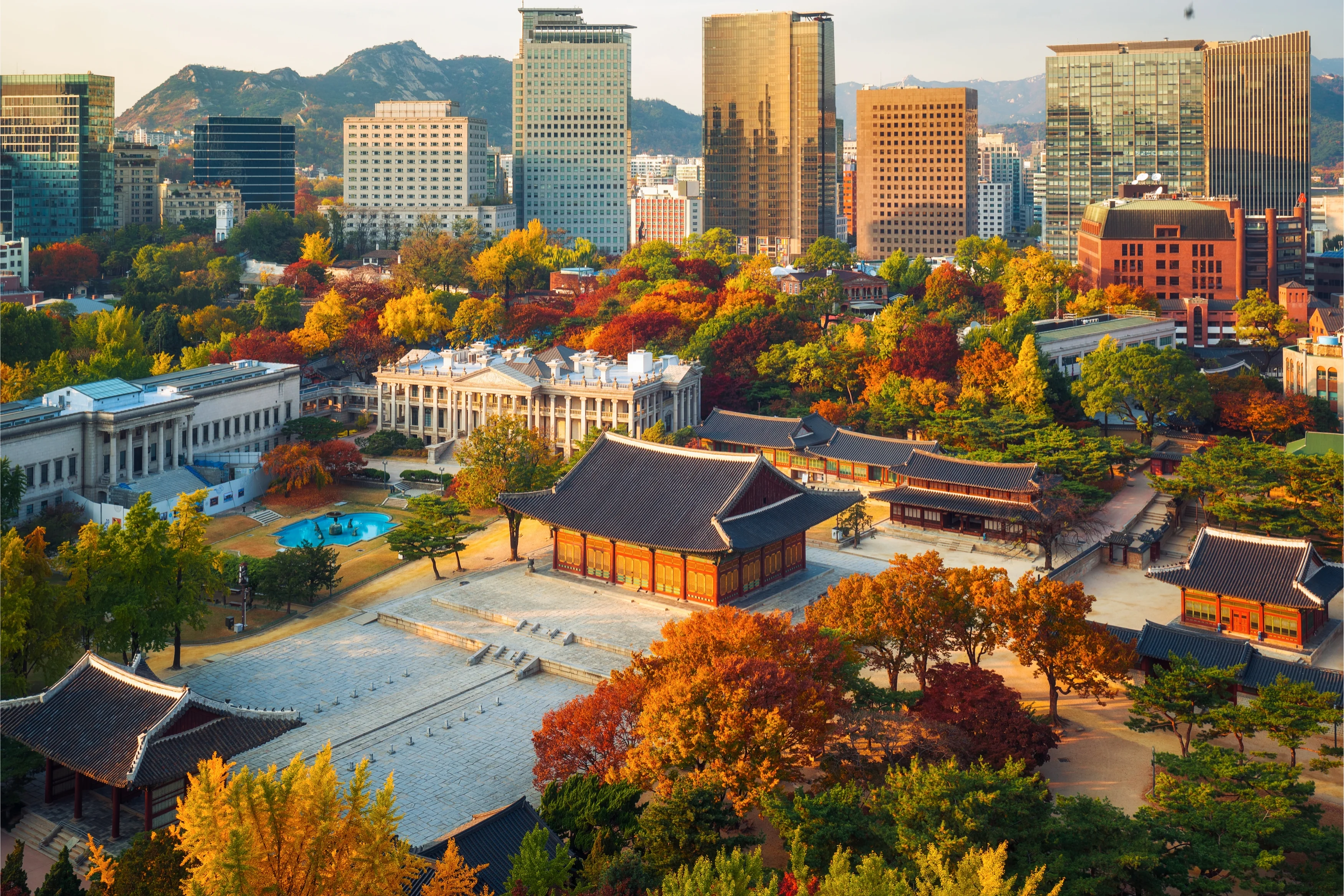
Where to stay in Seoul: the 5 neighborhoods to know in 2026
In Seoul, you choose your neighbourhood by the hour you come home. The city does not close: the convenience stores and cafés stay up, the restaurants of Hongdae serve until dawn, and the last metro leaves before midnight. Sleeping in Jongno to be at the palaces when they open, or in Hongdae to walk home at three, is not the same trip.
A dorm bed costs $17 to $45*, a well-rated 3-star somewhere between $79 and $124*; the palaces of Gwanghwamun and Gangnam start at $260*. Five neighbourhoods, on both sides of the Han, with their places, three addresses with a verified listing, and the single review a member has left about the city, quoted where it is useful.
Compare hotel prices in Seoul
In a hurry? Find the best accommodation deals in 3 clicks.
Compare live deals from Booking, Expedia, Agoda and other partners.
At a glance: our picks by traveller type
Pick the profile that suits you to head straight to the recommended neighborhood.
The neighborhood map in Seoul
Get your bearings on the neighborhoods and must-see sights before choosing where to drop your bags. Click a name to jump to its description.
Jongno, the palaces and Bukchon Jongno-gu: Gyeongbokgung, Bukchon, Insadong, Dongdaemun
for the palaces when you wake up and a night in a hanok
Old Seoul sits between two palaces: Gyeongbokgung to the west, Changdeokgung to the east, and between them the sloping lanes of Bukchon, where the courtyard houses, the hanoks, rent out their rooms on heated ondol floors. To the south, Insadong lines up brush shops and tea houses; further east, Gwangjang market and Dongdaemun never quite close. You sleep ten minutes' walk from the palace gates, which the groups reach around ten. The downside: hanoks have small rooms, and the area is quiet after ten at night.
You can rent a hanbok, the traditional outfit, at one of the many shops nearby. Entry to the palace is free if you do.
What to see & do in the neighborhood
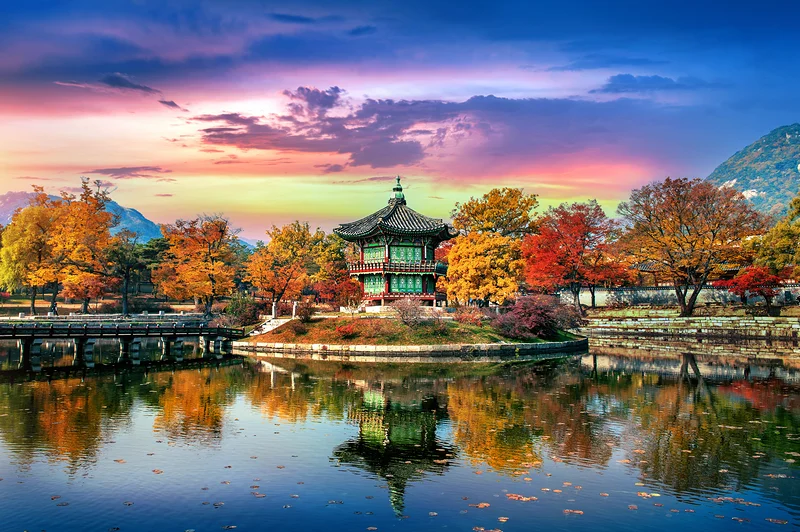
Where to stay in this neighborhood
Four Seasons Hotel Seoul Luxury
Steps from Gwanghwamun square, on Saemunan-ro: five restaurants, an indoor pool, Korean saunas and rooms that look over the palace roofs.
Nine Tree Insadong Mid-range
Facing Jogyesa temple, between Anguk (line 3) and Jonggak (line 1) stations: neat rooms, a shared lounge, and Insadong starting right behind the hotel.
Insadong Hostel Budget
Two minutes from exit 6 of Anguk, on the gallery street of Insadong: dorms and private rooms, a lounge, a kitchen and a simple breakfast served every morning.
Pros
- The two great palaces, Bukchon and Insadong on foot
- The hanoks: a night on ondol in a courtyard house
Cons
- Small rooms in the hanoks, often with a shared bathroom
- The area falls asleep early, far from the nights of Hongdae
Myeongdong and Namsan Jung-gu: Myeongdong, Namdaemun, Deoksugung, N Tower
for the shops, the cosmetics and the exact centre
Myeongdong is the shopping street visitors see first: cosmetics brands on four floors, skewer stalls in the evening, and the cathedral at the end. Namdaemun market opens before dawn, Deoksugung palace and City Hall are five minutes away, and Namsan hill climbs to N Tower by a path that starts in the neighbourhood. This is the exact centre, with the most rooms per square metre. The downside: the area empties when the shops pull down their shutters, and charm is not its business.
Where to stay in this neighborhood
Lotte Hotel Seoul Luxury
The historic grand hotel of Sogong-dong, next to the department store: indoor pool, sauna, an international buffet and a lounge for afternoon tea.
Nine Tree Myeongdong Mid-range
In Myeong-dong 10-gil, in the heart of the pedestrian streets: functional rooms, a restaurant, and an 11th-floor lounge where tea and coffee are free.
57 Myeongdong Hostel Budget
A hundred and fifty metres from exit 5 of Myeongdong station (line 4): a hostel that nearly two thousand reviews place in the right spot, rooms and dorms.
Pros
- Lines 2 and 4 and the airport shuttle at the door
- The widest choice of hotels in the city, at every price
Cons
- The crowds of the pedestrian streets, from noon to ten at night
- Few local restaurants: mostly places for visitors
Hongdae and Sinchon Mapo-gu and Seodaemun-gu: Hongik, Yonsei, Ewha, Hapjeong
for going out until dawn and walking home
Three universities touch in the west: Hongik, Yonsei and Ewha. Around them, the lanes of Hongdae live on concerts, karaoke rooms and restaurants still serving at four in the morning; street musicians play outside exit 9 of the metro. Hongik University station is also where the direct train from Incheon airport stops, which makes the area the first night of many trips. The downside: the palaces are twenty minutes away by metro, and the noise lasts until morning at weekends.
Where to stay in this neighborhood
RYSE Hongdae Luxury
Three hundred metres from exit 9 of Hongik University: the design hotel of the area, with its galleries, its bars and its artists' rooms, at the price of a palace downtown.
L7 Hongdae Mid-range
The Lotte tower of Hongdae, with two restaurants, a gym and a rooftop pool open in summer, at an extra charge. Check-in is only possible from the age of nineteen.
Able Guesthouse Hongdae Budget
Five minutes from Hongik University station (line 2 and the airport train): dorms and private rooms, among the cheapest beds in the city.
Pros
- The direct train from Incheon airport stops here
- Restaurants and bars open until dawn
Cons
- No palace or museum on foot: everything is twenty minutes away by metro
- The noise of the lanes until the early hours, Thursday to Saturday
Itaewon and Yongsan Yongsan-gu: Itaewon, Hannam, the National Museum, Yongsan station
for the world's tables and the museums south of Namsan
South of Namsan, Itaewon remains the neighbourhood where Seoul eats foreign: Turkish, Mexican and Indian restaurants, and the bars of Hannam a little further east. Below, the National Museum of Korea and the War Memorial fill a whole day, and Yongsan station sends trains across the whole country. You are between the old centre and Gangnam, on line 6. The downside: Itaewon has neither palaces nor old lanes, and its sloping streets are tiring with a suitcase.
Where to stay in this neighborhood
Grand Hyatt Seoul Luxury
On the flank of Namsan, above Itaewon: six restaurants, pools, three tennis courts and an ice rink in winter, with the Han below.
Nine Tree ROKAUS Yongsan Mid-range
Near Yongsan station and its trains: a recent hotel from the same chain as those of Insadong and Myeongdong, handy for trips out of Seoul.
H Hostel Itaewon Budget
Five minutes from exit 4 of Itaewon, on Bogwang-ro: four-bed dorms with wide beds, a terrace, a shared kitchen and a breakfast.
Pros
- World cuisines and the bars of Hannam on foot
- The trains from Yongsan station to the south of the country
Cons
- Nothing old to see on the spot, apart from the museums
- Steep streets between the metro and the hotels
Gangnam and Jamsil South of the Han: COEX, Apgujeong, Seolleung, Lotte World
for the towers, the malls and the children
Across the Han, Seoul built its new city: the avenues of Gangnam, the boutiques of Apgujeong, the COEX centre with its aquarium and its library, and, further east, the tower and theme park of Lotte World in Jamsil. Between two towers, Bongeunsa temple and the royal tombs of Seolleung remind you that the south bank is not only glass. The hotels are big and recent, families find connecting rooms. The downside: the palaces and the hanoks are thirty minutes away by metro, and the streets are not for strolling.
Where to stay in this neighborhood
Park Hyatt Seoul Luxury
One minute from Samseong station (line 2) and five from COEX: floor-to-ceiling glass rooms in oak and stone, with big bathtubs and three restaurants.
GLAD Gangnam COEX Center Mid-range
At exit 1 of Samseong, opposite COEX: rooms with a seating area and a kettle, two restaurants, a gym and a reception open through the night.
Gangnam Best Dormitory Budget
Six hundred metres from Gangnam station: dorms, a garden and a bar, rare on the south bank where hostels are few.
Pros
- The aquarium, Lotte World and the big hotels for families
- Line 2 to Hongdae and the centre, the direct bus to the airport
Cons
- Thirty minutes by metro to the palaces
- Office avenues, with no lanes or markets
Our tips for booking the right place
- A transport card from the airport: Buy a T-money card in the airport convenience store: it pays for the metro, the bus and the taxi, and tops up anywhere. The direct train from Incheon stops at Hongik University and Seoul station; the last metro leaves around midnight, then taxis take over at a fare that stays low.
- The weeks to book early: The cherry blossoms of April and the maples of October fill Jongno and Namsan; Chuseok, the harvest festival, closes many restaurants for three days. The rest of the year, three weeks ahead is enough, except in Hongdae at weekends.
- Ondol, shoes and lifts: In a hanok you sleep on a mattress laid on the heated floor, the ondol, and leave your shoes at the entrance: ask for a bed if your knees prefer one. The lanes of Bukchon have no lifts and no taxi at the door: with a big suitcase, aim for a house close to Anguk station.
- A hotel near Incheon airport or in Songdo to save money: you would sleep an hour by train from everything you came to see.
- The towers of Yeouido, the island of the banks: a pleasant park on the Han, but empty streets from eight in the evening and no neighbourhood on foot.
- A room over a bar lane in Hongdae if you sleep early: the area only goes quiet at daybreak.
FAQ: where to stay in Seoul
Which neighbourhood should I stay in for a first time in Seoul?
Where can I stay cheaply in Seoul?
Where should I stay in Seoul with children?
Which neighbourhood for going out at night in Seoul?
Do I need a car in Seoul?
How much does a night in Seoul cost?
 Keep exploring
Things to do in Seoul
Keep exploring
Things to do in Seoul
Comments (0)
No comments yet. Be the first!