
Dazaifu, Kyushu's Forgotten Ancient Capital
Picture a sleepy small town that once served as the beating heart of imperial power in Japan. Dazaifu operated as the administrative hub for all of Kyushu island for over 500 years, dating back to its founding in the late 7th century. Today, stepping off the train gives away none of that glorious past, with souvenir shops and grilled mochi stands having long since replaced the vermilion government offices. That contrast makes day trips from Fukuoka worth every minute.
Dazaifu, an Ideal Cultural Stop for History Buffs
Dazaifu suits travelers chasing cultural authenticity without the chaos of major metropolises. It fits the bill if you appreciate majestic shrines, traditional architecture, and quality museums. The town is easy to cover in half a day, making it the perfect excursion from Fukuoka. On the flip side, skip it if you are hunting for lively nightlife or trendy neighborhoods, as Dazaifu hums with activity during the day but turns very quiet after dark.
The ground reality: expect to run into groups of Asian tourists, especially near the main shrine. Chinese and Korean visitors arrive in droves by tour bus. My advice? Arrive early in the morning or late in the afternoon to catch a more serene atmosphere. The language barrier is practically nonexistent since the main signs feature English translations.
Reasonable Budget for a Japanese Excursion
The ride from Fukuoka runs 420 yen and takes about 30 minutes. Once there, figure on 130 yen per umegae mochi, the local specialty, and 200 yen for admission to the garden at Komyozenji temple. Entry to the main shrine is free. If you stay overnight, rates range from 52 dollars for a basic room to over 300 dollars for the high-end experience at Hotel Cultia.
Dazaifu Tenmangu Shrine and Its 6,000 Plum Trees
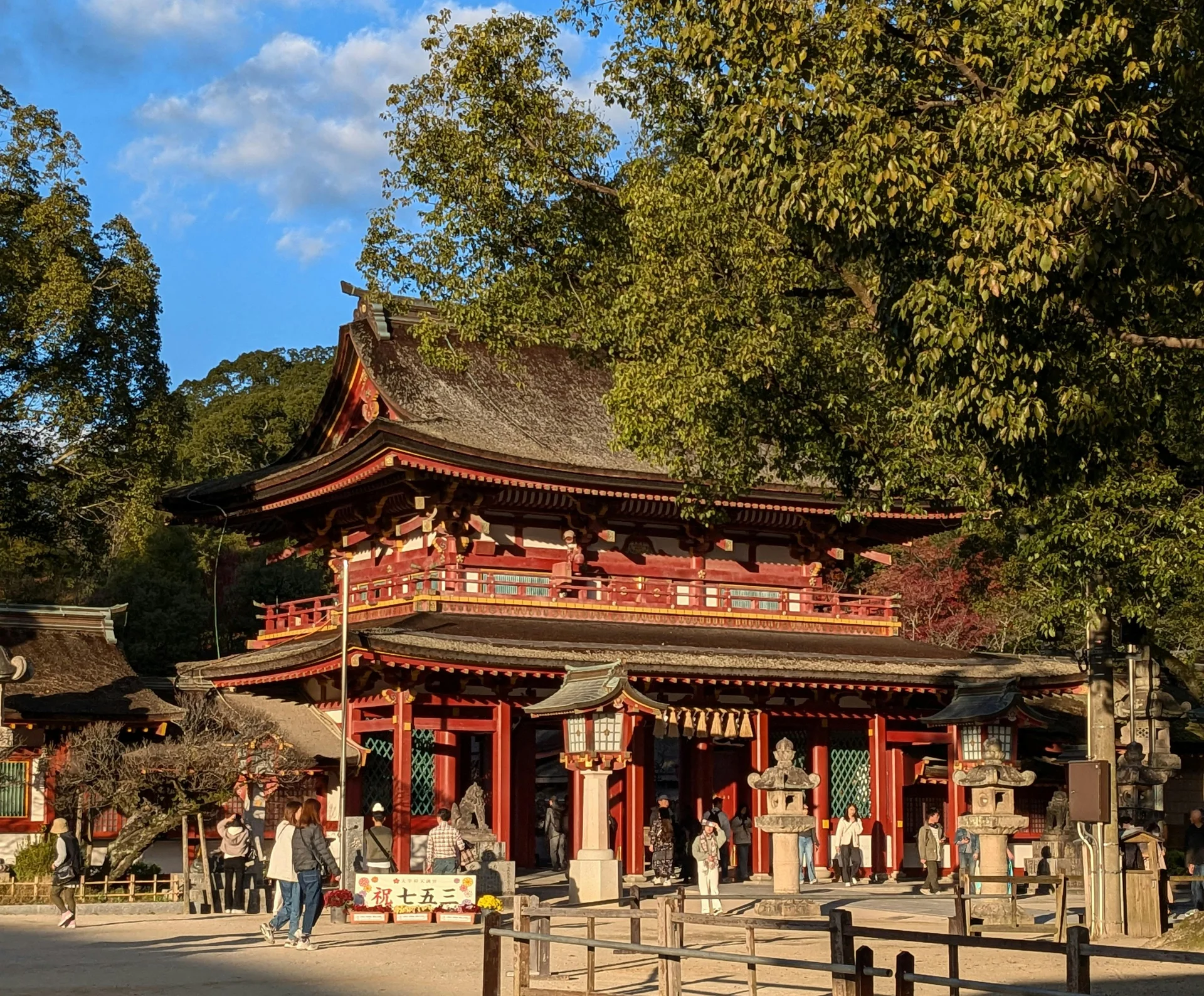
Tenmangu shrine covers about a dozen hectares and shelters more than 6,000 Japanese plum trees alongside massive camphor trees, some roughly 1,500 years old. The site is dedicated to Sugawara no Michizane, a 9th-century scholar turned deity of education. Consequently, high school and college students come here to pray before exams, creating a touching atmosphere of studious devotion.
The prime window? Early March, when the plum trees burst into pink and white blossoms, turning the grounds into a fragrant sea of green and floral color. Even outside the bloom season, the centuries-old tree-lined paths and vermilion pavilions are worth the trip. The main building is currently undergoing major renovations slated to run through 2026, complete with a modern temporary structure featuring a planted green roof. Far from a disappointment, this contemporary pavilion creates an interesting dialogue with traditional architecture.
Friendly tip: do not miss the hidden inari shrine tucked right behind the main building. This leafy area with its red torii gates and fox statues delivers a much quieter vibe than the tourist-packed main thoroughfare.
Monzenmachi Street and the Mochi Wars
Monzenmachi street connects the station to the shrine, lined with teahouses, cafes, and shops selling traditional snacks and souvenirs. You will spot dozens of vendors grilling umegae mochi, those rice cakes stuffed with sweet red bean paste. Despite the name translating to plum tree rice cake, umegae mochi contains zero plums, the moniker stemming from a legend about a plum tree that supposedly flew to Dazaifu to join Sugawara no Michizane.
More than 20 shops dish out this specialty along the street, each claiming to hold the ultimate recipe. At Kasanoya, the lines speak to the quality, with the mochi arriving piping hot in its box, boasting a skin that is simultaneously chewy and crisp. The move is to eat it fresh right at the counter, washed down with free green tea.
Friendly tip: the Starbucks designed by architect Kengo Kuma is worth a detour even if you do not drink coffee. Its structure of traditional cedar intertwined with an airy, modern layout makes it a wildly popular photo spot.
Kyushu National Museum, the Glass Giant
Opened in 2005, this massive museum stands just on the other side of the shrine. The museum concept interprets the formation of Japanese culture through the lens of broader Asian history, reflecting Dazaifu's historic role as a gateway to the continent. The collections of swords, folding screens, and ceramics deserve a close look, as does the ground-floor Ajippa room featuring games and hands-on activities inspired by various Asian cultures, making it ideal for kids.
Mount Homan, for Seasoned Hikers
Looking to log some elevation? Mount Homan tops out at 829 meters and offers a demanding but rewarding hike featuring hundreds of stone steps leading to stunning views. The well-maintained trail starts at Kamado shrine and takes about two and a half hours to the summit for someone with average fitness. Along the way, you pass Kamado shrine nestled on the mountainside, which juxtaposes traditional architecture with modern design touches. The forest atmosphere contrasts sharply with the buzz of the main shrine.
Mount Homan has remained a sacred mountain since antiquity. The deity worshipped at Kamado is Tamayorihime, mother of Japan's first emperor, reputed for her power in bringing people together, which pulls in plenty of visitors seeking help with matters of the heart. Pack proper hiking boots and maintain a decent fitness level.
Remnants of Imperial Power
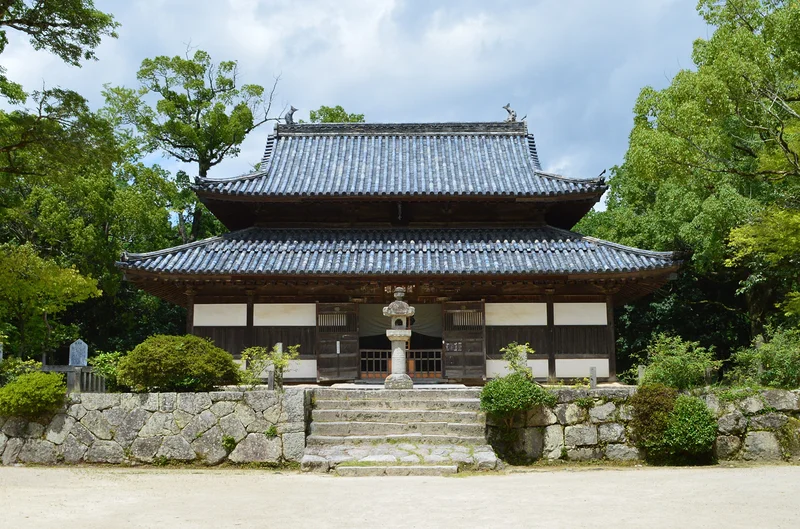
Back in the Nara and Heian periods, Dazaifu supervised Japan's maritime frontier and governed nine provinces. A grand complex with vermilion columns and a tiled roof once stood at the foot of Mount Ono, but today only a park remains containing the massive foundation stones of the original building. The government ruins themselves might let down visitors expecting towering structures. The appeal lies more in the imagination, visualizing this vanished center of power while gazing at millennial stones.
Nearby, the small exhibition museum makes up for that emptiness with scale models of reconstructions and explanations of the ancient administrative system. Admission costs 200 yen for adults, and enthusiastic volunteer guides explain Dazaifu's history.
Komyozenji Temple and Its Zen Garden
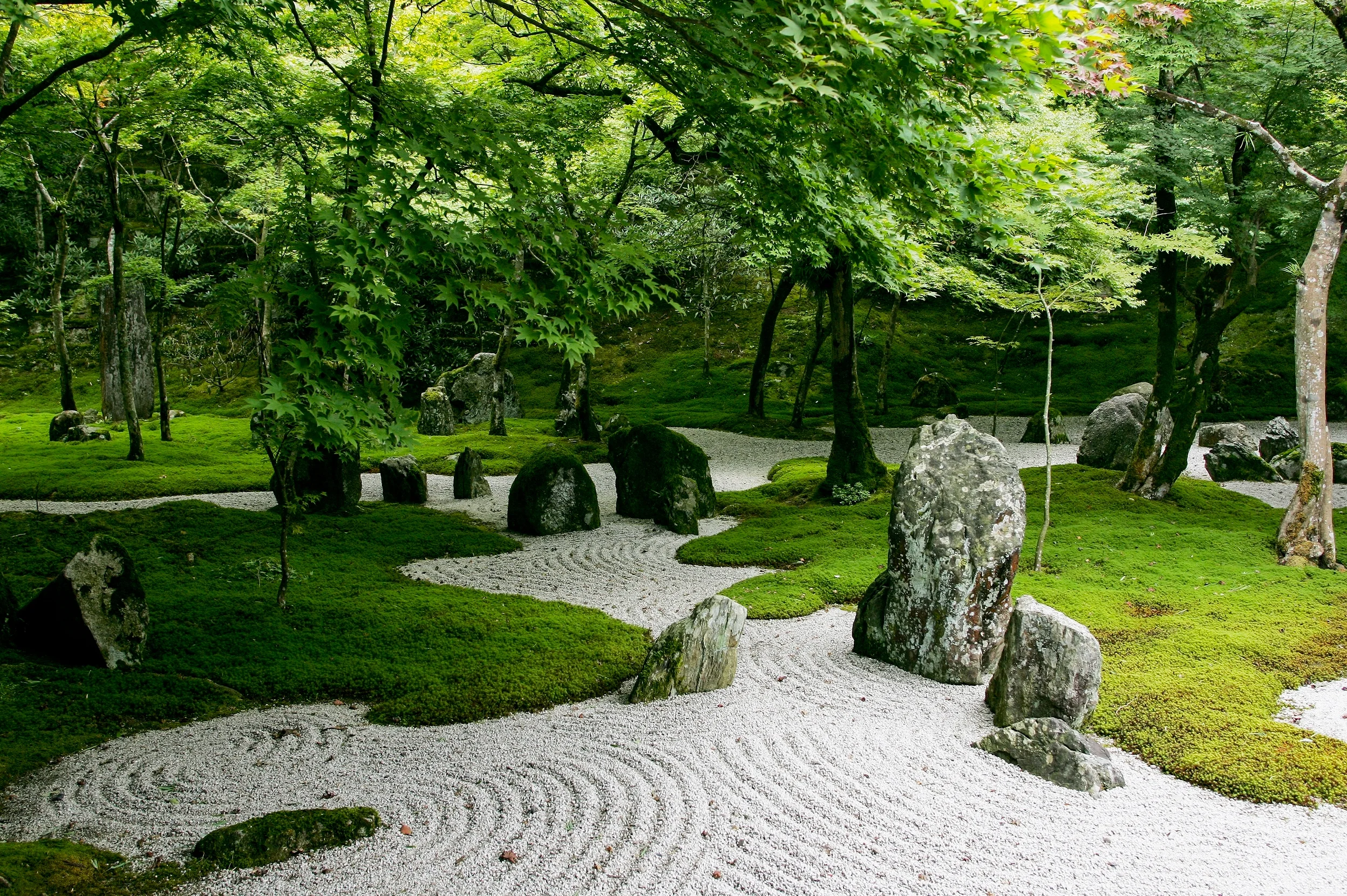
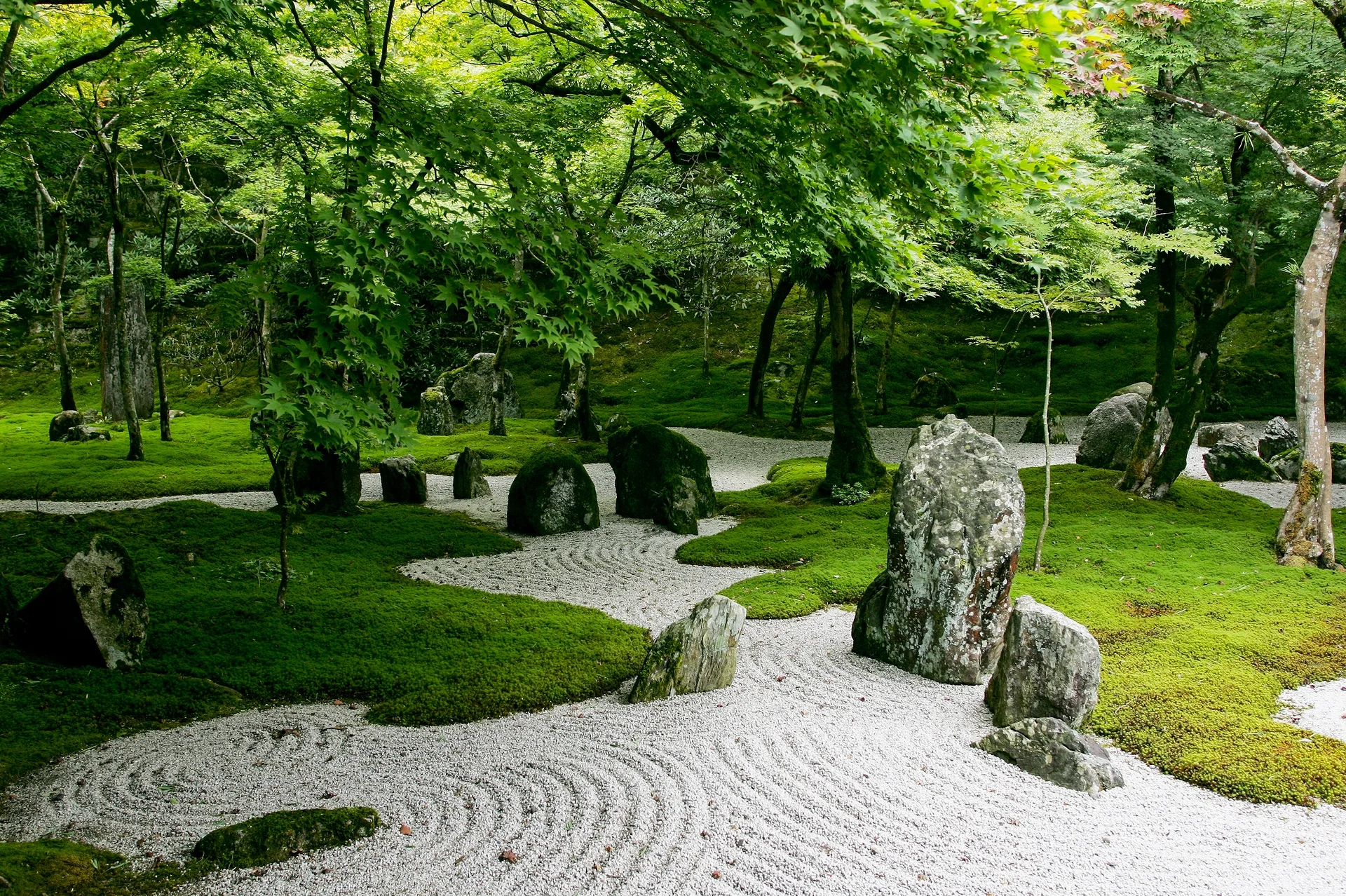
This zen temple celebrated for its stunning rock garden was built during the Kamakura period, right next to Dazaifu Tenmangu shrine. The moss garden provides a peaceful haven after the tourist rush, with raked patterns in white gravel inviting meditation. Small and easy to tour in 20 minutes, it makes a welcome pause in the itinerary.
Where to Eat and Drink in Dazaifu
Dazaifu's food scene revolves around umegae mochi and traditional teahouses. The matcha set running 650 yen at certain shops lets you sample the mochi alongside a bowl of ceremonial green tea. For a more substantial meal, Le Un restaurant at Hotel Cultia serves refined French cuisine utilizing regional ingredients, including fresh fish from northern Kyushu coasts, local meats, and seasonal produce sourced across Kyushu. Expect a sophisticated ambiance overlooking a traditional garden.
Along the main street, several small eateries serve noodle soups and bentos. Ice cream stands feature distinctly Japanese flavors like matcha green tea or black sesame. To track down real Fukuoka gastronomy, head back into the city to track down the famous tonkotsu ramen and yatai street food stalls.
How to Get to and Around Dazaifu?
From Nishitetsu Fukuoka station (directly linked to Tenjin subway station), catch frequent trains toward Nishitetsu Futsukaichi (15-25 minutes), then transfer to the Dazaifu line heading to Dazaifu station (5 minutes, departures every 10-15 minutes). The total trip from Nishitetsu Fukuoka takes 25-40 minutes and costs 420 yen. A direct bus also connects Hakata bus center to Dazaifu every 15-30 minutes.
On site, everything is walkable, with the station sitting minutes away from the shopping street leading to the shrine. To reach farther sites like the government ruins or Kanzeonji temple, local "Mahoroba" community buses run about three times an hour for 100 yen a ride or 300 yen for a day pass. Bikes are available for rent at the station for 500 yen a day, making an ideal option for relaxed exploring.
Coming from abroad: Fukuoka airport welcomes international flights from several Asian cities and a few European destinations via connections. Once in Fukuoka, the subway reaches the city center in 15 minutes. From Paris, count on at least one layover, frequently in Tokyo or Seoul, and 14-16 hours of total travel time.
When to Go?
Spring (March to May) and autumn (September to November) deliver the best conditions, bringing pleasant temperatures and natural landscapes at their peak. Early March marks the peak of the plum blossom season, turning the shrine into a pink and white spectacle, though crowds surge during this magical period.
Skip weekends and Japanese holidays if possible, when tour buses descend en masse. Summer brings typical Kyushu heat and humidity alongside smaller crowds. January, June, and September stand out as the most affordable months for lodging if you choose to sleep over. Winter can surprise visitors with occasional snowfalls, adding a fairy-tale charm to the shrines.
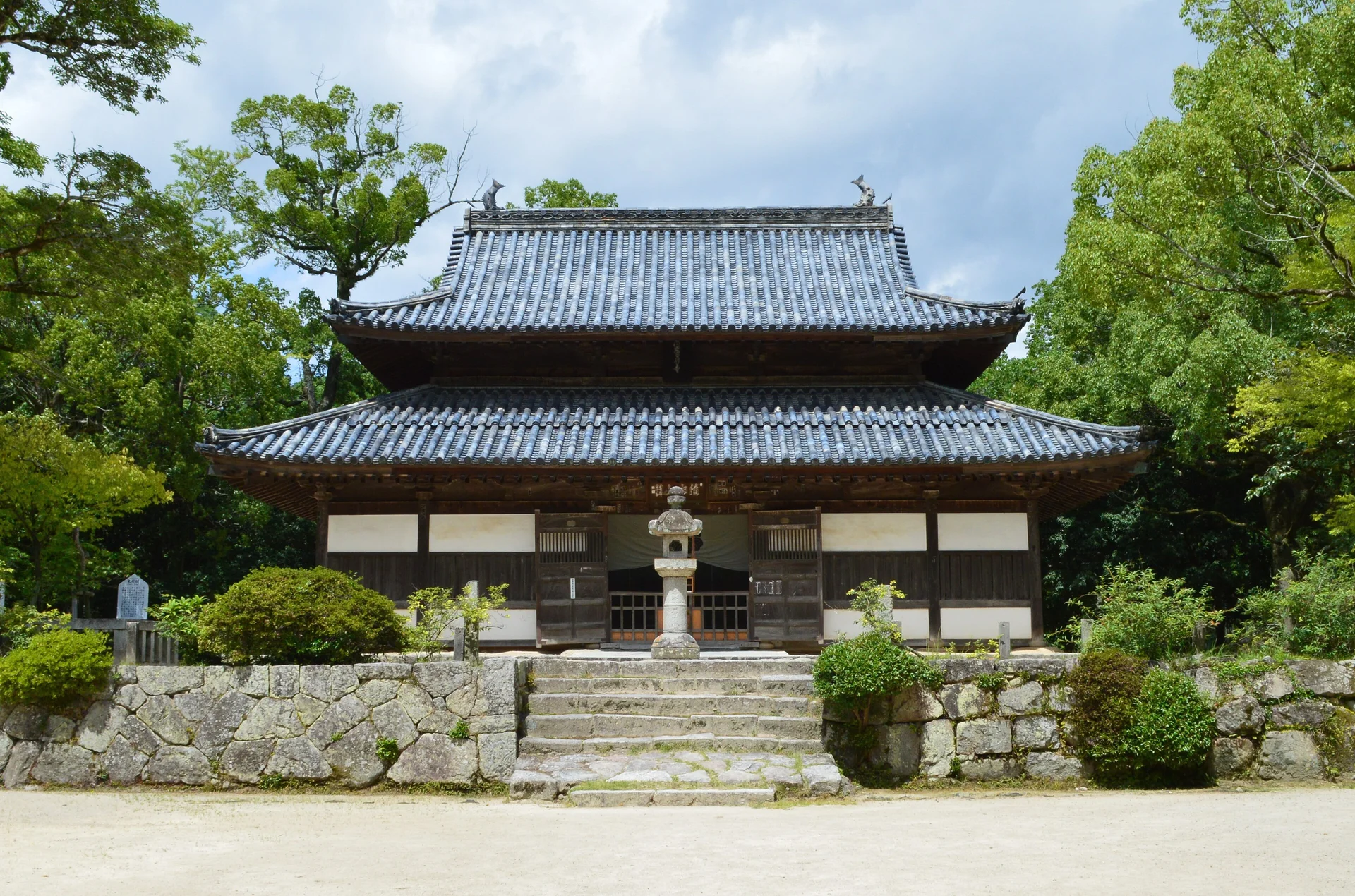
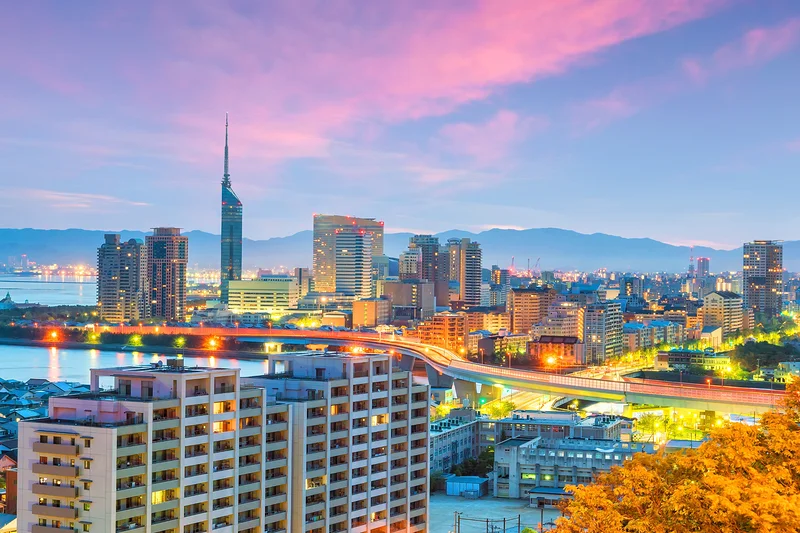
A quiet little town in Kyushu. It might not look like much at first glance, but I really recommend visiting Dazaifu Tenmangu. I loved the atmosphere of this very lush shrine (it is even better if you visit during the plum blossom season!). You can also find some interesting historical ruins there that taught me more about the history of Kyushu!