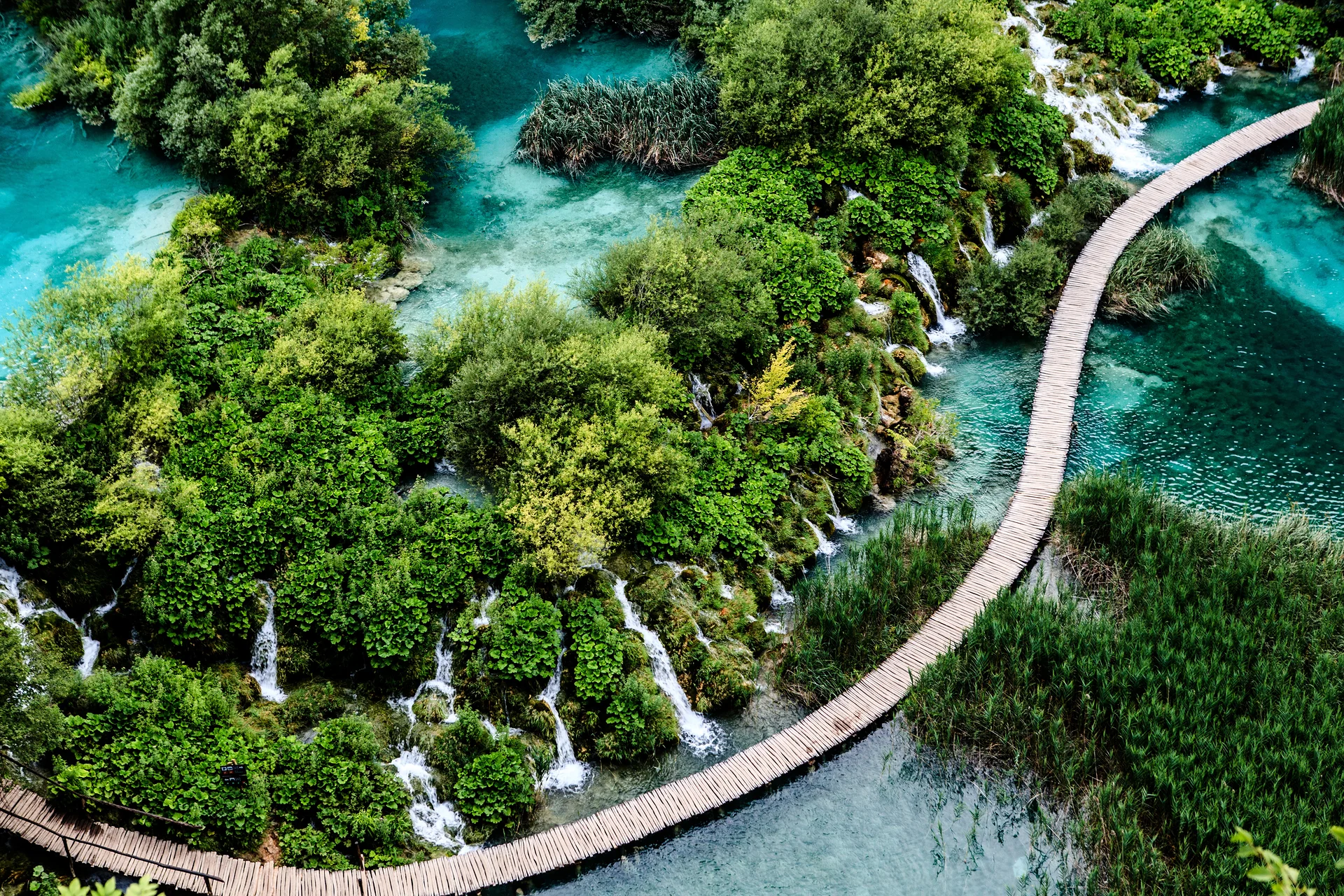
Lacs de Plitvice

Things to do in Croatia: 20 must-see attractions in 2026

Discover our members' favorite destinations in Croatia, plus reviews, practical info, and traveler photos...

Our members' favourite places in Croatia

Ranked on recommendations from travellers who went there

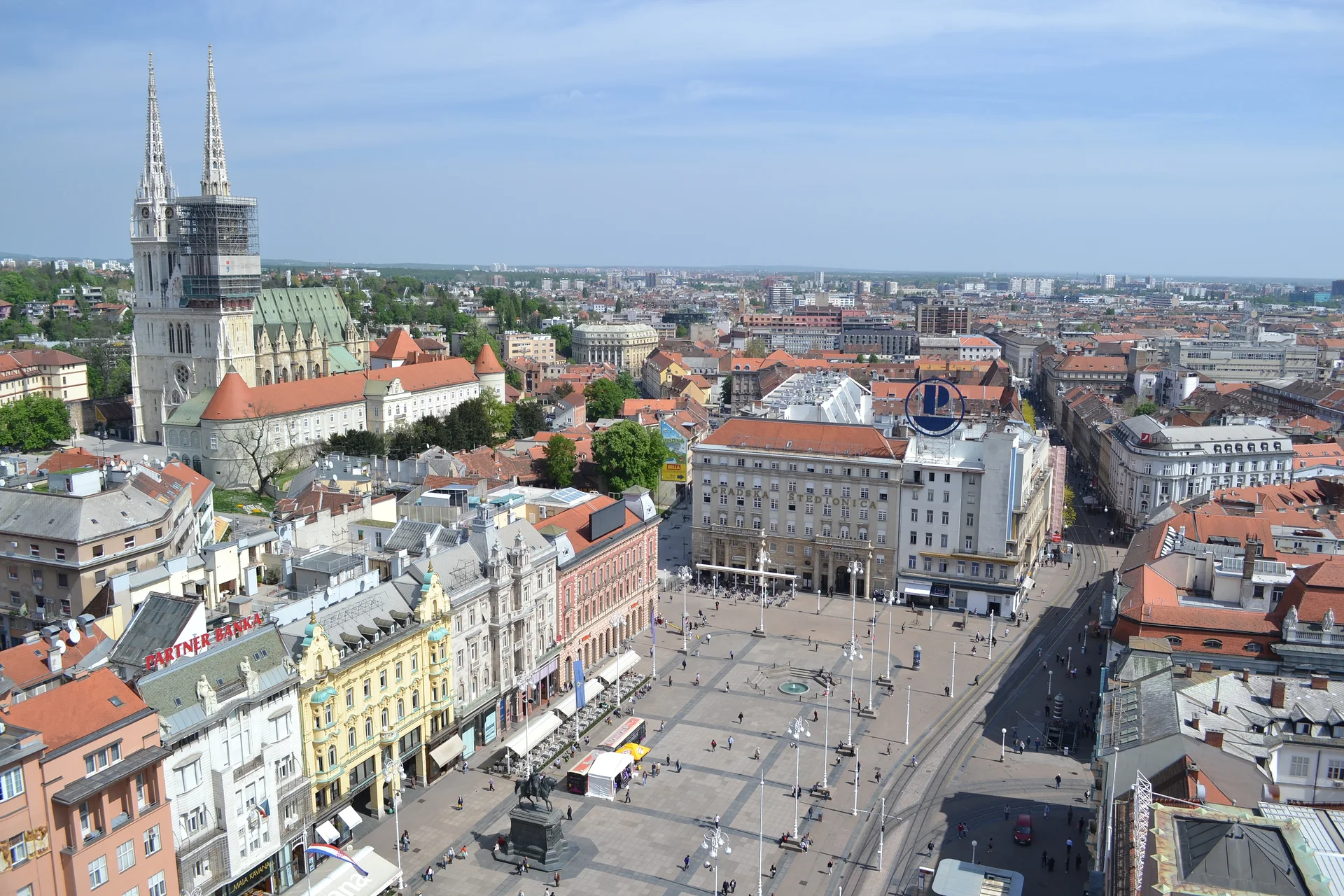
#1 Zagreb +138 recs

Zagreb has a low-key appeal that rewards those who linger. Between the medieval Upper Town with its cobblestone alleys, the green parks lined with Austro-Hungarian facades, and a sidewalk cafe culture that forces you to slow down, the Croatian capital feels refreshingly authentic. With quirky museums, hearty comfort food, and prices that often run 30-50 EUR for a solid dinner for two, it is a smart pick for travelers looking to avoid the crushing crowds of Western Europe.

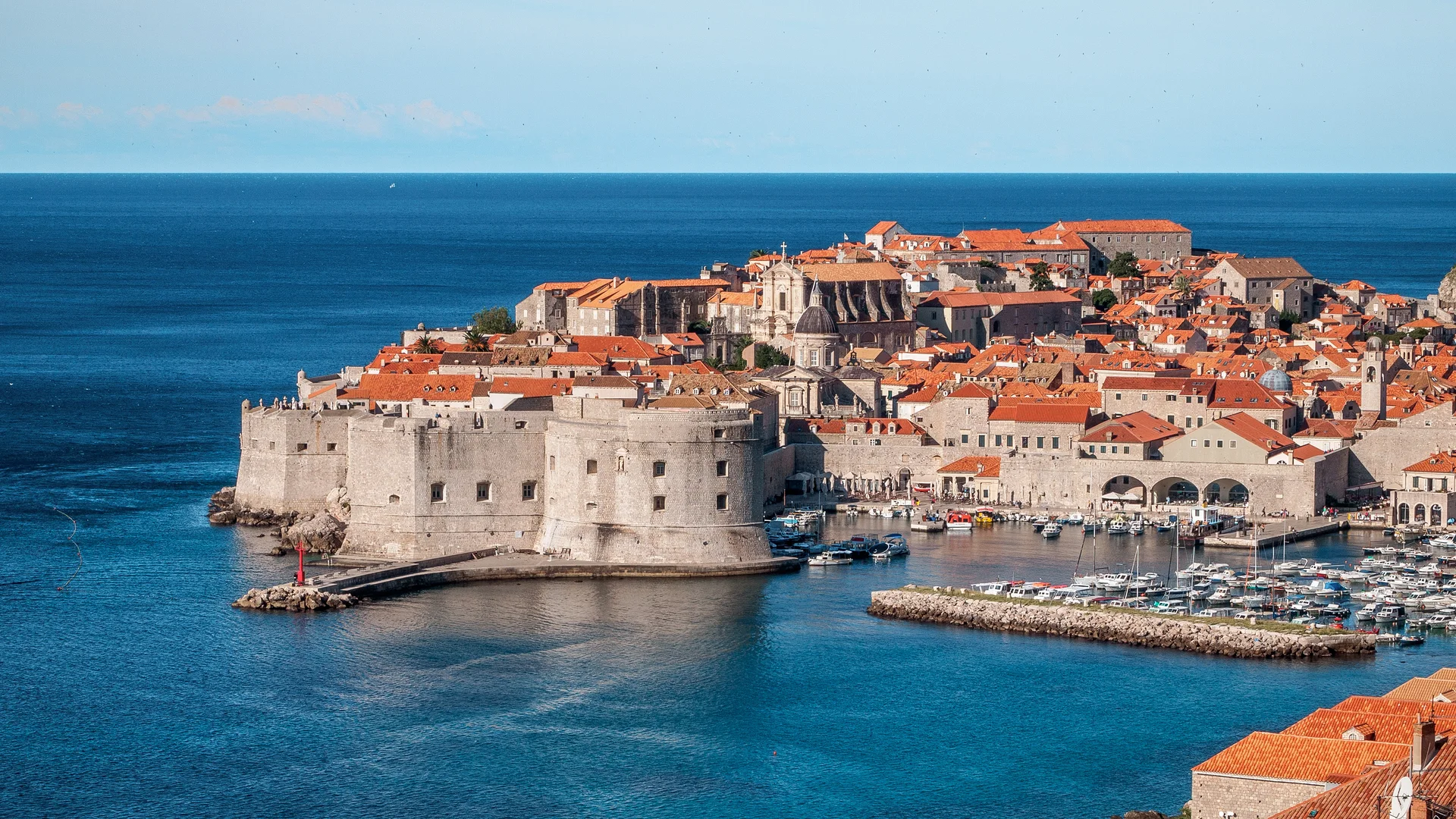
#2 Dubrovnik +102 recs

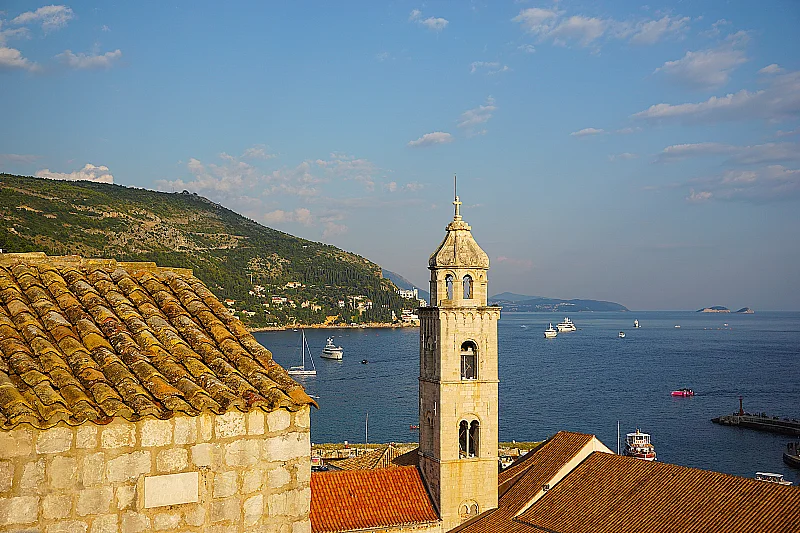
Enclosed by massive stone walls, the historic heart of this former maritime republic is a UNESCO World Heritage site where every block reflects a history of fierce independence. The contrast between deep turquoise Adriatic waters and orange-tiled rooftops is iconic, though the heavy crowds and high prices can be a reality check. Seek out quiet beaches, nearby islands, and sunset views from Mount Srđ to escape the intensity of the main thoroughfares.

#3 Cavtat +31 recs

Located 20 km south of Dubrovnik, Cavtat is a quiet coastal town known for its deep history and relaxed atmosphere. Founded by the Greeks and built up by the Romans, it preserves an old town of cobbled streets and landmarks like the Račić Mausoleum. Surrounded by beaches, hidden coves, and walking paths, the town suits both easy strolls and longer hikes. The Vlaho Bukovac Museum highlights the area's strong ties to Croatian art.

#4 Mljet +27 recs

A tangle of deep green forests and brilliant blue water, the island of Mljet is the southernmost of the major islands in Croatia. Since 1960, more than one third of the island has been protected as a national park. Its landscape is defined by five distinct forest ecosystems. According to The Odyssey, this is where the nymph Calypso lived and kept Ulysses captive for seven long years.

An island of myths and legends

Your trip begins at the docks in the villages of Pomena and Polače. You will find remnants of Illyrian fortifications here, alongside the ruins of one of the largest Roman palaces in Croatia. These villages serve as the trailheads for the Mljet National Park. During peak season, entry to the reserve costs about $20*. Within these woods, nature created two saltwater lakes, Veliko Jezero (the large lake) and Malo Jezero (the small lake), which are connected to each other and the open sea by narrow channels.

In the middle of the larger lake, you can explore a 12th-century Benedictine monastery perched on the islet of Saint Mary. The boat shuttle to reach the islet is included in your park entrance fee. Local lore credits the monks with the early preservation of the island's natural heritage. You can circle the lakes on foot or by bike, and swimming is permitted.

Near the village of Babino Polje, visit Ulysses' Cave. It is a natural karst formation with a collapsed ceiling, creating a deep pool filled with seawater. It is said to be the very spot where Ulysses took refuge after battling the rough currents of the Adriatic.

Immersing in nature

Mljet is well-suited for hiking. From the small village of Pristaniste, you can take a trail that climbs for about forty minutes to the top of the Montokuc viewpoint. From there, you get a clear view of the island, the surrounding coastline, and the deep blue sea.

If you have a car, head to the eastern half of the island to find sandy beaches, which are rare enough in Croatia to be notable. Saplunara beach offers several amenities, while for those seeking quiet, Blace beach is a solid spot to relax.

When to go

Mljet has a Mediterranean climate with hot, dry summers and plenty of sunshine from March through October. Be aware that July can see intense heat waves. Winters can be rainy.

How to get there

Numerous tourist boats and catamarans serve the island, docking in Pomena and Polače. You can make the crossing from Dubrovnik, the Peljesac peninsula, and the neighboring islands of Hvar and Korcula.

There are also car ferry connections from Dubrovnik to the island's ferry port of Sobra, operated by Jadrolinija. These trips take about two hours and allow you to bring your own vehicle.

#5 Split +25 recs

Split is built directly into and around a 4th-century Roman palace, making ancient history a part of your daily routine. You can dine inside imperial cellars, hike the narrow lanes of the Varoš neighborhood up to the pine forests of Marjan Hill, or catch a morning ferry to the islands of Hvar, Brač, or Vis. This is where Dalmatia begins.

#6 Bol +18 recs

Picture a beach that pokes into the Adriatic like a white-pebble finger, shifting shape with the wind and tides. That's Bol, one of the most charming stops on the island of Brač during a trip to Croatia. This Dalmatian island packs much of what makes Croatia special into one place, and Bol is its showpiece on the shores of the Adriatic Sea. One look at the panorama of Golden Horn Beach, known locally as Zlatni Rat, with its V-shaped tip, and you'll be convinced.

Easy living on the Adriatic

Start with a walk along the town's small fishing harbor, which has kept the traditional feel of its earlier days. If you like old stone, head to the Church of Our Lady of Carmel, then take in the little Chapel of St. Anthony and the town's fortified palace, which houses a contemporary art gallery, the Branislav Dešković gallery. For lunch, you won't be far from the town market, which sells a huge range of local products.

The wild country around Bol is a hiking paradise for all ages and abilities. Wander its many walking paths at your own pace. The most popular route, the Zlatnog Rata trail, runs past a string of coves. You can also climb Mount Vidova Gora, which looms over the town. Spectacular views of the island and its archipelago are guaranteed.

If you want something off the beaten path, visit the Blaca Hermitage, built in the 16th century. For about $5.60*, you can take a guided tour of the complex and see its period buildings: the church, library, school, armory, and astronomical observatory. The monastery also has a worthwhile museum with a collection of furniture and Venetian paintings.

Classic Balkan experiences in one stop

Thrill seekers won't be left out. A few steps from Zlatni Rat beach, you'll find the center of nightlife on Brač. A cluster of hotels, bars, and clubs will keep you dancing until dawn. Water sports are plentiful and varied in Bol too: windsurfing and kitesurfing in particular have a devoted following, thanks to favorable wind conditions.

For the more adventurous, a range of excursions can be booked through local tour agencies. The Dragon's Cave trip takes you to a remarkable carved cave that Glagolitic priests occupied in the 15th century. Or head out by boat to the famous Blue Cave, with its hypnotic blue light, on the neighboring island of Biševo.

When to go

Bol has a pleasant Mediterranean climate, with plenty of sunshine from March through November. Heads up: in July, the town can see a few heat waves.

Getting there

In high season, the island is easy to reach by air with Croatia Airlines, through its small airport, which has flights to and from Zagreb in 50 minutes.

The best way to reach Bol is still the ferry. You can sail from Split to Supetar, the island's largest town, then take a bus or rent a car, or you can ride a ferry from Split directly to Bol.

#7 Pula +14 recs

Pula, located at the southern tip of the Istrian Peninsula, holds one of the best-preserved Roman amphitheaters in existence. This port city pairs ancient ruins with clear Adriatic waters, offering a laid-back alternative to the country's more crowded coastal hubs. Expect a mix of secluded swimming coves, historical sites, and regional cuisine featuring local truffles and wine.

#8 Jezerce +13 recs

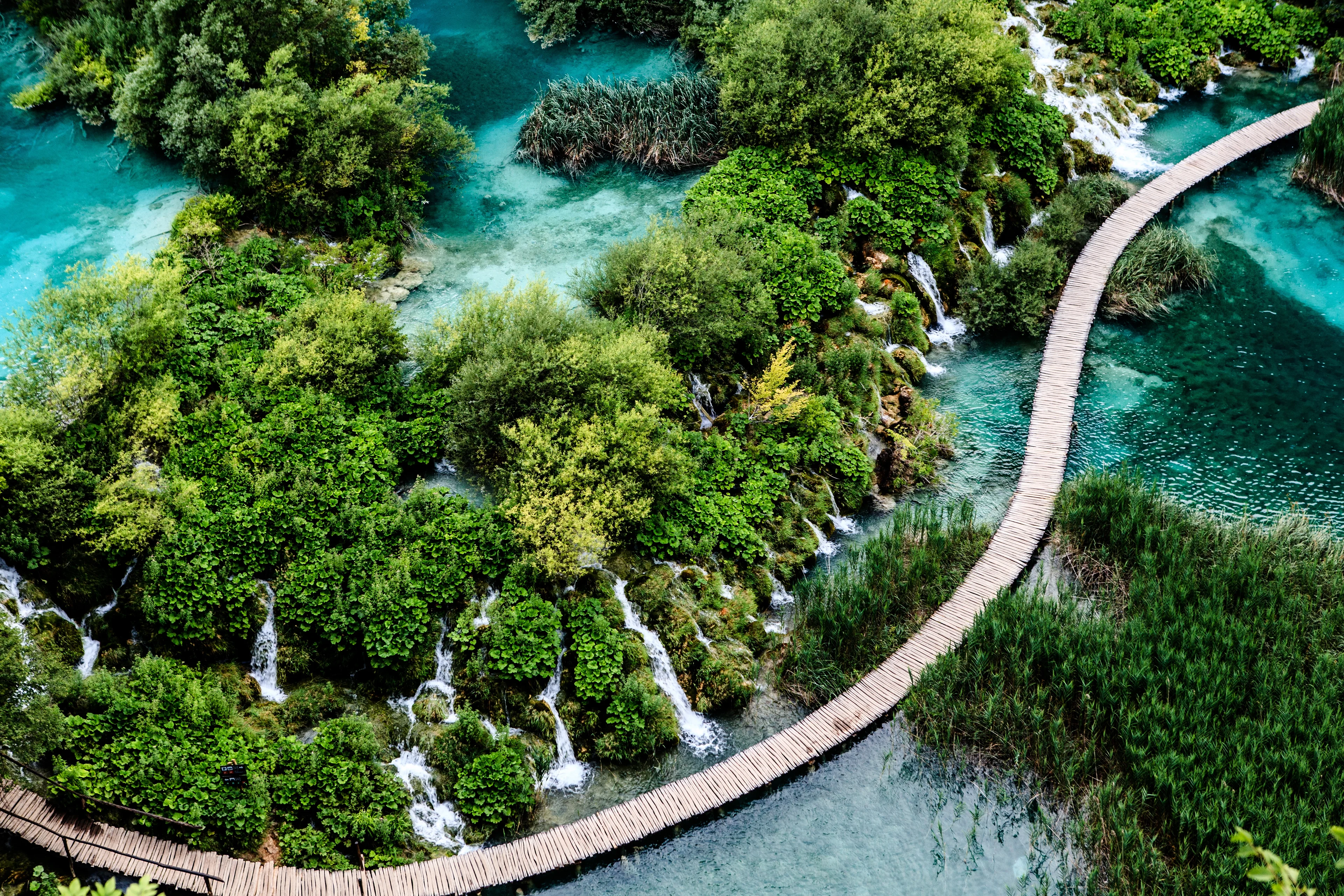
You might not recognize the name Jezerce right away, but you definitely know the reason for its fame: the iconic Plitvice Lakes National Park. Located within the Plitvička Jezera municipality, Jezerce is a practical home base if you are planning to spend time in the park. While the village itself has only a few hundred permanent residents, that number is dwarfed by the daily influx of travelers arriving to explore the 16 lakes, which have been a UNESCO World Heritage site since 1979.

Trails for every hiker

Jezerce is just a five-minute drive from the two main entrances of the Plitvice Lakes National Park. It is worth booking a hotel, guesthouse, or campsite for the night before your visit. Getting an early start allows you to explore the park before the peak crowds arrive. Plus, the morning light hitting the water is spectacular, and the forest trails feel far more peaceful. The park spans a karst plateau of nearly 30,000 hectares. Over a distance of more than 8 kilometers, the 16 lakes connect via 92 waterfalls and a network of subterranean channels.

The park is well-organized, offering eight different routes starting from either Entrance 1 or Entrance 2. There is no single best path, as the right choice depends on your fitness level and how much time you have. You can opt for easy two-hour walks that are perfect for younger children, or choose more strenuous routes that involve some elevation gain through the woods. Regardless of your choice, you will inevitably end up walking on the 18 kilometers of wooden boardwalks that wind around the lakes.

Upper and lower lakes

Plitvice is a case study for geologists. The sedimentation process between the water and the karst landscape creates massive travertine barriers, which are visible between every pool. The lake system is split into two sections. The lower section, near Entrance 1, is narrower and features smaller lakes set in a canyon. The upper lakes, closer to Entrance 2, are more spacious and surrounded by gentle, sloping paths.

Your park admission includes access to a boat crossing and a panoramic train ride to help you navigate the terrain.

When to go

Spring and fall are the best times to visit the Plitvice Lakes National Park. Summer can be extremely crowded and prone to heatwaves. In winter, park hours are significantly restricted and the landscape is less vibrant.

How to get there

Most North American travelers connect through Frankfurt, Munich, or Vienna into Zagreb, about 130 kilometers north of the park. Renting a car there is the most efficient way to reach Jezerce and gives you total flexibility to get to the Plitvice Lakes National Park gates. Alternatively, taking a bus to Plitvička Jezera is a solid option: private carriers such as Flixbus and Arriva make the trip from the capital in just over two hours.

#9 Starigrad +12 recs

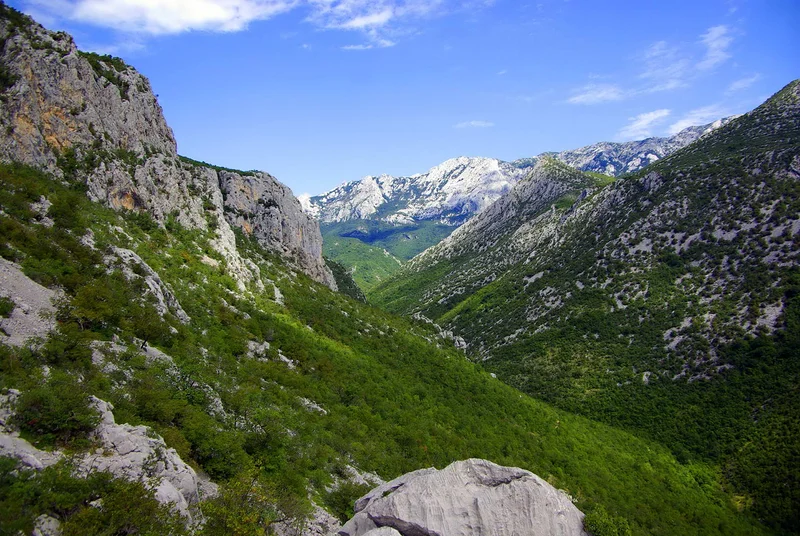
Starigrad offers a quiet pace, sitting right at the base of Paklenica National Park with a rugged, undeveloped coastline. It is a solid pick if you want to swap crowded tourist hubs for a more grounded side of Dalmatia, where your day shifts from mountain canyon hikes to secluded Adriatic swims. Expect a straightforward, balanced stop that lets you decompress without missing the main draw of the region.

#10 Zadar +12 recs

On the Dalmatian coast, Zadar balances Roman ruins and Venetian walls with modern installations like the Sea Organ and the Greeting to the Sun. The city serves as a base for exploring the surrounding archipelago and the limestone canyons of Paklenica National Park, which feel like a more rugged version of the trails in Zion. Beyond the coast, you will find a local calendar packed with museums, festivals, and concerts that lean into the city's artistic side.

Our members' favourite things to do in Croatia

Ranked on recommendations from travellers who did them

#1 Mount Srd (Dubrovnik) +24 recs 4.8/5

Mount Srd rises 412 meters above Dubrovnik, providing views of the city walls and the Adriatic Sea. Reach the summit by foot, cable car, or car to explore Fort Imperial, a site shaped by the Croatian War of Independence. It combines panoramic vistas, a history museum, and rugged trails for visitors.

See the guide See deals

#2 City Walls of Dubrovnik (Dubrovnik) +23 recs 5/5

The City Walls of Dubrovnik, a medieval masterpiece, stretch nearly two kilometers around the old town. These perfectly preserved fortifications offer sweeping views of red rooftops and the Adriatic Sea. Walk past bastions and towers like Minceta to explore the defensive history of this former republic. Game of Thrones fans will recognize King's Landing here.

See the guide See deals

#3 Mljet National Park (Mljet) +19 recs 4.8/5

With forests covering much of its terrain, Mljet is known as the Green Island. Over a third of its area is protected as Mljet National Park, one of the oldest nature reserves in the Mediterranean. It features two saltwater lakes connected to the sea, plus landmarks like the Monastery of Saint Mary on its islet.

See the guide See deals

#4 Museum of the City of Zagreb (Zagreb) +17 recs 4.3/5

The Museum of the City of Zagreb is a premier institution in Croatia. Located in the Upper Town, it occupies the former Poor Clares Convent, a massive building featuring unique trompe l'oeil windows. Explore thousands of artifacts and archaeological finds documenting local life from prehistory to today, alongside detailed architectural models of Zagreb.

#5 Maksimir Park (Zagreb) +16 recs 4.7/5

Maksimir Park is the oldest and largest public park in Zagreb. This green space covers 316 hectares of oak forests, meadows, and lakes designed in the English landscape style. It features historic monuments, walking trails, and the city's popular Zoološki vrt grada Zagreba (Zagreb Zoo), making it a top spot for nature lovers, families, and runners.

#6 Zrinjevac Park (Zagreb) +16 recs 3.7/5

Located in the heart of the Lower Town in Zagreb, Zrinjevac Park is the flagship of the Green Horseshoe. This relaxing cultural hub features a music pavilion from 1891, historic fountains, and elegant architecture. With year-round events like the Advent market, it serves as a sophisticated meeting spot for locals and visitors alike.

See the guide See deals

#7 Zagreb Cathedral (Zagreb) +15 recs 4/5

The tallest cathedral in Croatia has towered over Zagreb since the 11th century. Following the 2020 earthquake, it partially reopened in late 2025 for worshippers. Its neogothic spires sculpted by Hermann Bollé, an organ ranked among the world's top ten, and an Albrecht Dürer triptych make this landmark a key stop in Zagreb.

#8 Zlatni Rat Beach (Bol) +10 recs 4/5

Designated a geomorphological monument, Zlatni Rat Beach extends 500 meters into the Adriatic Sea from the island of Brač. Its V-shaped tip shifts with the currents, creating a rare natural spectacle. Fine pebbles, crystal-clear water, watersports, and shaded pine groves define the landscape. Access is free, just a 20-minute walk from Bol.

See the guide See deals

#9 Diocletian's Palace (Split) +9 recs 5/5

Built as a retirement villa for the Roman emperor, this 4th-century fortress now forms half of the Split old town. This UNESCO site remains home to 3,000 residents living among ancient ruins and cafes. Visit the cathedral inside an imperial mausoleum, intact cellars, and the Temple of Jupiter. Access to the palace is free, with fees only for specific monuments.

See the guide See deals

#10 Medvednica Nature Park (Zagreb) +8 recs 5/5

Towering over the north of Zagreb, Medvednica Nature Park features a mountain range webbed with hiking trails for all levels, offering expansive views from the Sljeme summit. The Veternica cave captivates with prehistoric remains, while the medieval Medvedgrad fortress provides a historic look at restored ramparts overlooking the city.

See the best activities in Croatia

Map of Croatia

Croatia, a country that spills well past its coastline

More than 1,200 islands. A Dalmatian coast so ragged it looks like lace on the Adriatic from space. And yet most visitors see only Dubrovnik, Hvar and the lakes of Plitvice. Despite its massive tourist success, Croatia is still a country where you can disappear, as long as you know where to look.

Gorgeous, but let's be honest: beware the high-season mirage

Croatia is a victim of its own success. In July and August, Dubrovnik feels like an open-air theme park, with hundreds of cruise passengers pouring off the ships every morning. Prices spike, and tables are hard to come by without a reservation. Outside those peak weeks, though, the country shows a completely different face.

A great fit for:

  • Beach lovers and fans of crystal-clear water (the Adriatic)
  • Travelers who want to combine beaches with medieval heritage
  • Hikers and anyone who loves national parks
  • Families with kids: a safe, well-equipped, easy country
  • Sailors and coastal cruisers
  • Travelers after affordable Mediterranean food
  • City-trippers who want to pair sea and culture

Not a great fit for:

  • Anyone avoiding crowds: in July and August, the major sites are packed
  • Travelers on a very tight budget: Dubrovnik is as expensive as Western Europe in high season
  • Fans of fine sandy beaches: the Croatian coast is mostly rock and pebbles
  • Those looking for an undiscovered country: Croatia is one of the most visited destinations in the Mediterranean

A European budget, with big differences by region

The cost of living in Croatia runs roughly 16% below France overall, but that average hides significant gaps. Dubrovnik in peak summer charges prices comparable to Western Europe, and sometimes higher in the most touristy areas. Split, Zadar and the inland regions stay far more reasonable.

Sample trips in Croatia and estimated budgets, not including international flights
What Where Length Budget (excluding flights)
Beach vacation on the Dalmatian coast Split, islands of Brač or Vis 1 week $680 to $1,350* per person
Coastal road trip Zagreb, Plitvice, Split, Dubrovnik 10 to 14 days $1,010 to $2,020* per person
Island hopping Hvar, Korčula, Mljet, Vis 10 days $900 to $1,680* per person
Cultural city break Zagreb 3-4 days $340 to $680* per person
Nature and hiking Plitvice, Krka, Velebit massif 1 week $560 to $1,010* per person
Food and truffles Istria (Rovinj, Motovun, Pula) 4-5 days $510 to $1,010* per person

Logistics, language and a few practical warnings

Croatia joined the eurozone in January 2023, which simplifies things a lot. English is widely spoken in tourist areas. In inland villages or on small islands, a few words of Croatian are always appreciated. The ferry network is dense and well run, the coastal roads are good, and overall safety is excellent.

One thing to know before you hike off marked trails: parts of the interior, especially around the Velebit massif and in some areas of Slavonia, still contain land mines left over from the wars of the 1990s. This doesn't affect tourist areas, but it deserves attention from anyone planning wild routes away from signposted paths.

Dubrovnik, Split, Zadar: the cities that have it all

  • Dubrovnik lives up to its reputation. Its medieval walls running along the sea, its alleys paved in white limestone, its tiny old harbor: the city is stunning. What gets mentioned less is that cruise passengers land by the thousands every morning between May and September. The fix: arrive late in the evening, and walk the walls at opening time or late in the afternoon after the ships have sailed. Admission to the fortifications runs around $40*.
  • Split is a city like no other: Diocletian's Palace, built in the 4th century, isn't a frozen museum but a living neighborhood where locals live, sleep and do their grocery shopping. It's one of the strangest urban curiosities in the Mediterranean.

Zadar is often overlooked by travelers in a hurry. Its Sea Organ, a sound installation that turns waves into music, and its "Greeting to the Sun" light installation on the waterfront make it a stop apart, less crowded and more surprising.

Friendly tip: In Dubrovnik, explore the Lapad neighborhood, a few kilometers from the historic center. Less touristy and more residential, it has restaurants where locals actually eat, with prices up to 40% lower than in the old town.

The islands: pick your own instead of following the crowd

Hvar is beautiful, but it has also become the destination for British bachelor parties and luxury yachts. If you want to party until dawn, this is your address. For everything else, look elsewhere.

Brač is worth the detour for its Zlatni Rat beach, a tongue of sand whose shape shifts with the sea currents. Mljet, in the south, holds a national park with two saltwater lakes and a 14th-century monastery on an island in the lake. A rare kind of calm.

Vis, a former Yugoslav military base closed to foreigners until 1989, has kept the feel of an unspoiled island. Little concrete, coves reachable only by boat, and a local wine tradition that residents kept alive for decades far from mass tourism.

  • Cres island: one of Croatia's largest islands and one of its least developed. Wild beaches, hilltop villages and griffon vultures soaring free.
  • Korčula island: often compared to a miniature Dubrovnik, with far fewer people and an old town ringed by walls.
  • Lastovo island: the farthest from the mainland, a nature reserve with almost no mass tourism.

The national parks: much more than Plitvice

Plitvice Lakes National Park is spectacular: sixteen turquoise lakes linked by waterfalls, set in dense forest. Admission runs between $12 and $45* depending on the season. In midsummer, the park gets thousands of visitors a day. Arrive at opening time to recover some of the silence that makes the place magical.

Krka National Park, with waterfalls you can reach on foot from the village of Skradin, is easier to get to from Split. It's less crowded than Plitvice, though swimming at the base of the falls, long allowed, is now regulated. Plan on a full day there.

For hikers, the Velebit massif offers views between sea and mountains that rank among the best in the country. Few guidebooks mention it. That's exactly why you should go.

Istria and Zagreb: Austria and Italy in a single country

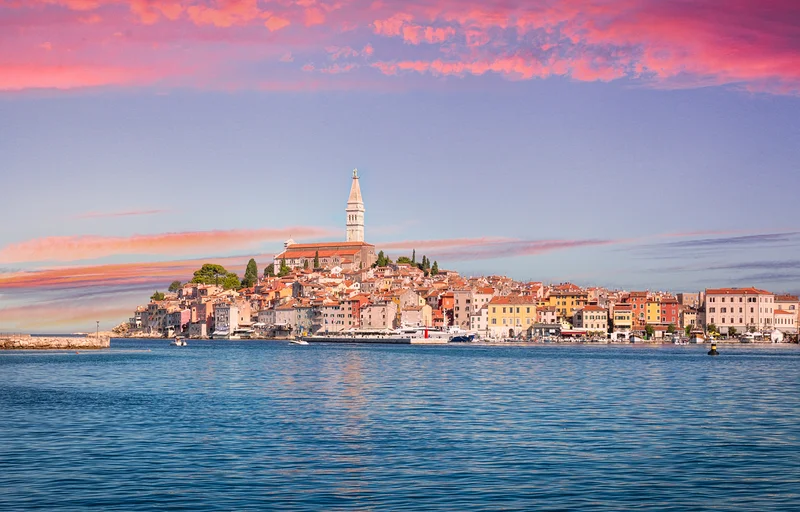
Rovinj, on the Istrian peninsula, was Venetian for centuries. You hear it in the street names, taste it in the truffle and olive oil cooking, and see it in the bell towers rising over the old town. It's one of the most beautiful towns in the country, and we think it's still underrated by travelers who head straight for the Dalmatian coast.

In the Istrian hinterland, the villages of Motovun and Grožnjan have towered over their vineyard hills since the Middle Ages. The region produces white and black truffles, local wines like Malvazija and Istrian Teran, and an olive oil often better than the Spanish or Greek versions you find on market stalls.

Zagreb, the capital, gets far fewer foreign visitors than Split or Dubrovnik. That's a mistake. Its Dolac market, its Museum of Broken Relationships (which displays objects from failed romances along with their stories: the idea is as absurd as it is touching), and its Austro-Hungarian architecture make it a top-tier urban stop.

Friendly tip: If you visit Istria, don't leave without cheese from the island of Pag. The island is linked to the mainland by a bridge, and its sheep's-milk cheese, aged in sea air laden with minerals blown down from the Velebit, is one of the best cheeses in Europe. You'll find it in markets across the region.

Croatia on the plate: from embers to black risotto

On the coast, peka is the dish that best captures Dalmatian cooking: meat (lamb, veal) or a whole octopus, cooked over a wood fire under a metal bell covered in embers, with potatoes and herbs. It takes a long time to prepare (often 2 hours, so order ahead) and is often unforgettable. Crni rižoto, a cuttlefish-ink risotto with squid, is another emblem of the coast, with an uncommonly intense taste of the sea.

Brudet, a spicy fish stew cooked slowly, varies from port to port. Inland, Slavonia offers more rustic flavors: paprika, smoked sausages, stuffed cabbage rolls (sarmas). Ćevapi, small grilled sausages served with bread and onion, are found across the Balkans and remain a quick, cheap meal.

For wine, the Pelješac peninsula produces Dingač, a dense red from the Plavac Mali grape, considered among the best in Croatia. Istria offers Malvazija, a fruity white with salty notes. And rakija, a brandy flavored with herbs or honey, is the country's universal digestif: you'll be offered it everywhere, and it would be a shame to say no.

When to go to Croatia

June and September are the ideal months: the sea is warm, prices are reasonable, and crowds are far thinner than in midsummer. July and August draw millions of tourists, coastal lodging is booked solid months ahead, and the major sites feel like permanent open houses.

Spring (April-May) is perfect for hiking and the national parks, especially for seeing the snowmelt at Plitvice and in the Velebit alpine meadows. Fall brings the grape harvest in October, still-mild temperatures on the coast, and a very local atmosphere on the islands, where residents finally take their villages back.

Winter has its appeal too: Zagreb puts on one of the best Christmas markets in Central Europe, with multiple awards. The coast is cold and hit by the bora, a violent wind that comes down from the mountains. The islands are almost deserted, an experience in itself for anyone who likes off-season travel.

How to get to Croatia

From the US, there are no nonstop flights to Croatia, so you'll connect through a European hub. From there, Dubrovnik, Split, Zagreb and Zadar are served by several carriers: Croatia Airlines, easyJet, Ryanair and Transavia. A round-trip Paris-Split ticket runs between $90 and $280* depending on the season and how far ahead you book.

From Italy, several sea routes are possible: ferries from Ancona or Bari to Split or Dubrovnik, with the option to bring a vehicle. Budget around $230 to $400* for two people with a car. The overnight crossing from Ancona (about 9 hours) is a very pleasant way to arrive directly on the coast.

Entry rules depend on your passport. Croatia has been in the Schengen area since 2023, and European Union citizens need only a national ID card. Check what applies to your own passport before you book.

How to get around Croatia

The ferry network run by Jadrolinija is the backbone of coastal travel in Croatia. Regular sailings from Split, Dubrovnik and Zadar serve the main islands. The shortest crossings (Split-Brač, for example) cost a few euros; longer routes climb to $17-$34*. In high season, book your crossings in advance.

A rental car is the best way to explore the interior, Istria and areas off the tourist circuit. Roads are generally good, and the toll highways let you cross the country quickly. On the islands, local buses cover the main routes at moderate prices, but schedules can be limited off-season.

The rail network is poorly suited to coastal travel: inland lines link Zagreb to Split and a few continental towns, but they don't cover coastal Dalmatia. The bus is the most widespread and practical intercity transport: comfortable, on time on the major routes, and far cheaper than a rental car for simple trips.
Find the best travel deals in Croatia

Hotels and stays Flights Car rentals Custom trips

Our regional guides

Dalmatia

Dalmatia

+227 recs

Top photos posted by members

Plitvice Lakes
Ban Jelačić Square in Zagreb
Dubrovnik Harbor

Articles about Croatia

Albums curated by the editors

Traveler reviews

Very relaxing

I stayed in Zadar for a few days and I really loved the atmosphere. The city is pretty calm and peaceful. It is located right by the sea, which is super nice. The historic center is really pretty and…

136

Great home base

This village is cute and typical. What makes it so interesting is its proximity to the national park located right next door. You can find everything you need before heading into the park. I still rec…

111

For the national park

Jezerce is a pretty nice little village, but what makes it worth it is its proximity to the national park. The park is truly magnificent and offers breathtaking natural scenery. If possible, do not co…

83

Beautiful beach but very crowded

This beach is a must-see in Croatia, and it is even considered one of the most beautiful beaches in the world. It is true that it is magnificent. However, its fame makes it a super touristy spot. Duri…

54

Gorgeous beach

Bol is a pleasant island with plenty of things to discover. It is impossible to miss its beach, which is one of the most famous in the country. You have to admit it is dreamy with its white sand and t…

97