
Visiting Dubrovnik: When Ancient Stone Confronts the Adriatic
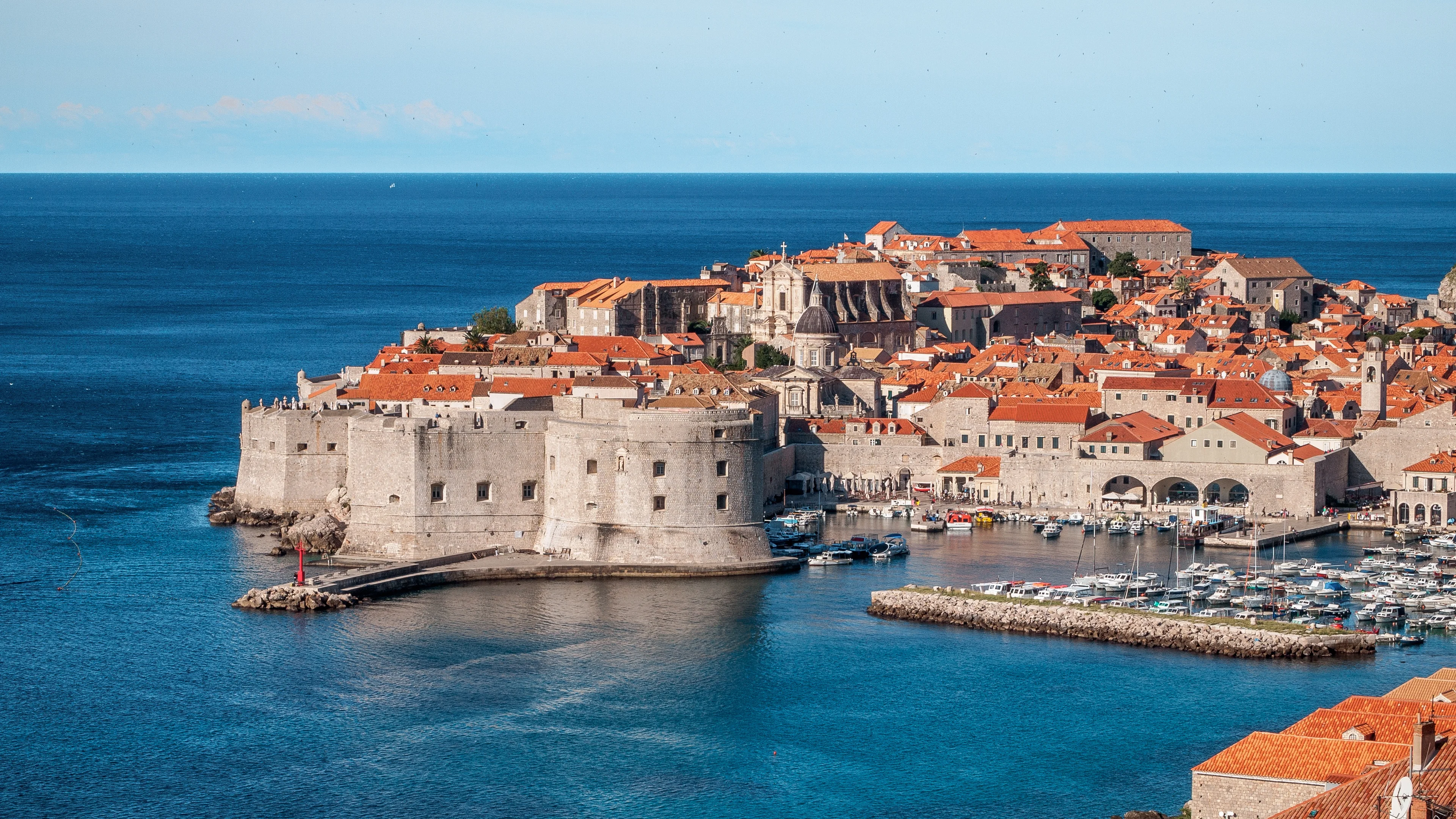
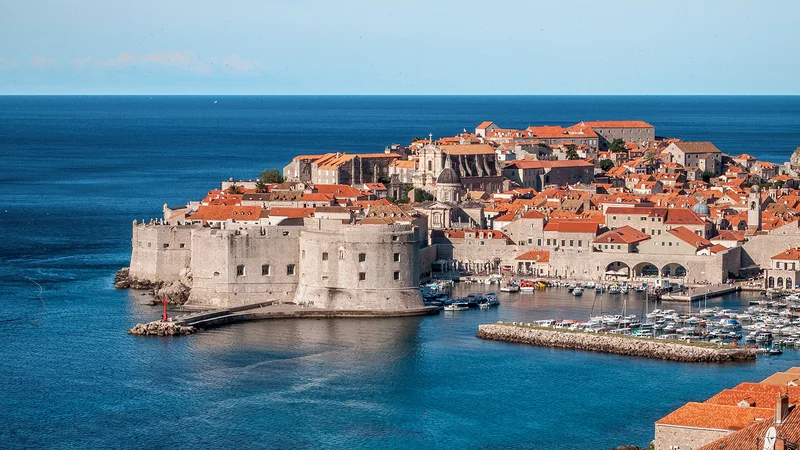
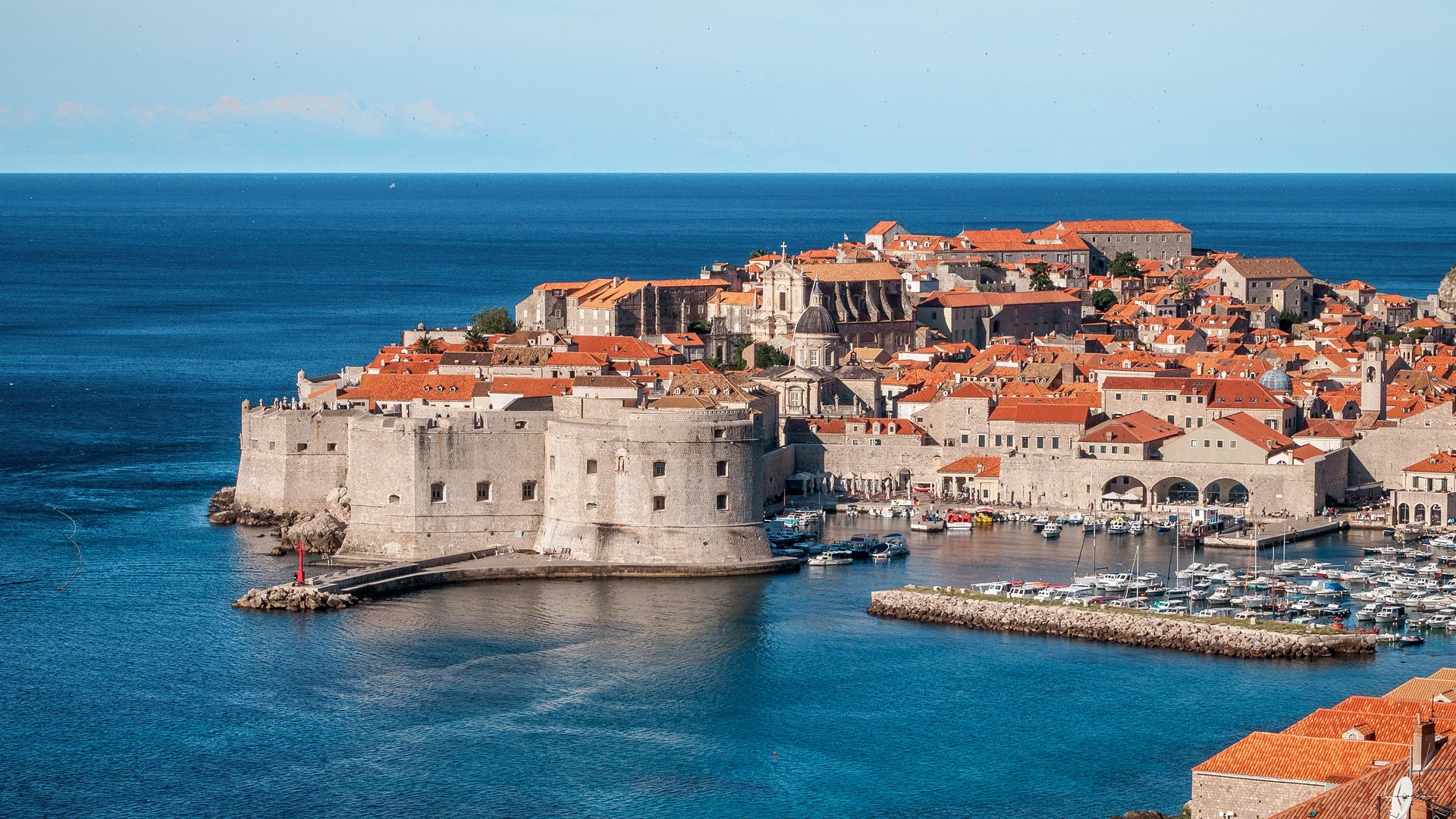
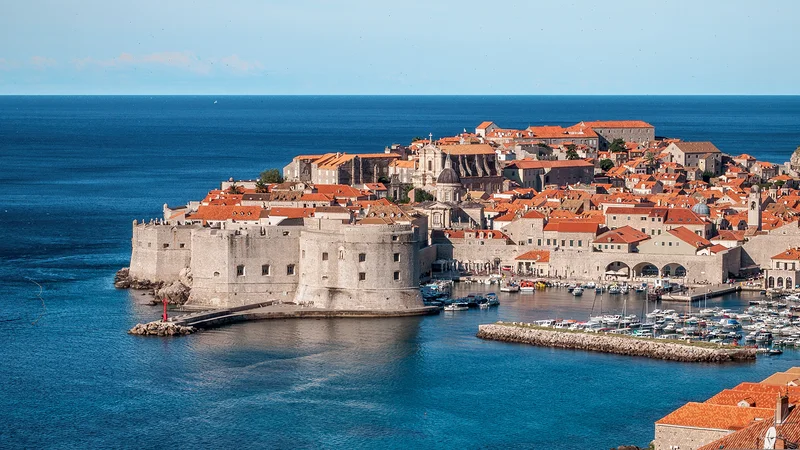
Picture a medieval city suspended between sky and sea, where every cobblestone alley opens up to a view straight out of a postcard. Blonde limestone ramparts circle the old town like a protective case, while terracotta roofs stretch out toward turquoise waters.
Yet this pearl of the Croatian coast is far from a well-kept secret. In the dead of summer, it buckles under the weight of millions of visitors checking to see if reality really surpasses the legend of Game of Thrones. Caught between architectural splendor and tourist price gouging, it fascinates as much as it frustrates.
A Postcard Destination with a Heavy Price Tag
This city speaks primarily to lovers of history and medieval architecture, to those who dream of walking along millennium-old walls with the Mediterranean as a backdrop. Couples seeking romance and TV show fans will find plenty to love in this life-sized movie set.
On the flip side, if you avoid crowds at all costs, if inflated prices drive you crazy, or if you are looking for the quiet authenticity of an untouched Croatian village, skip this destination between June and September. The city is compact, and everything in the historic center is walkable, but that convenience comes with a high price tag.
A Budget That Stings, Especially Inside the Walls
Expect a minimum of $96 to $130* per day per person on a budget: $45 to $68* for lodging, at least $29* for a restaurant meal, and $40* for the rampart entry fee. Inside the old town, prices skyrocket. A beer can climb to $9* on the Stradun, and restaurants rarely drop below $34* per head. In July and August, rates practically double. Sleeping outside the walls or exploring neighborhoods like Lapad gives your wallet some breathing room.
The Old Town, a UNESCO-Listed Stone Labyrinth
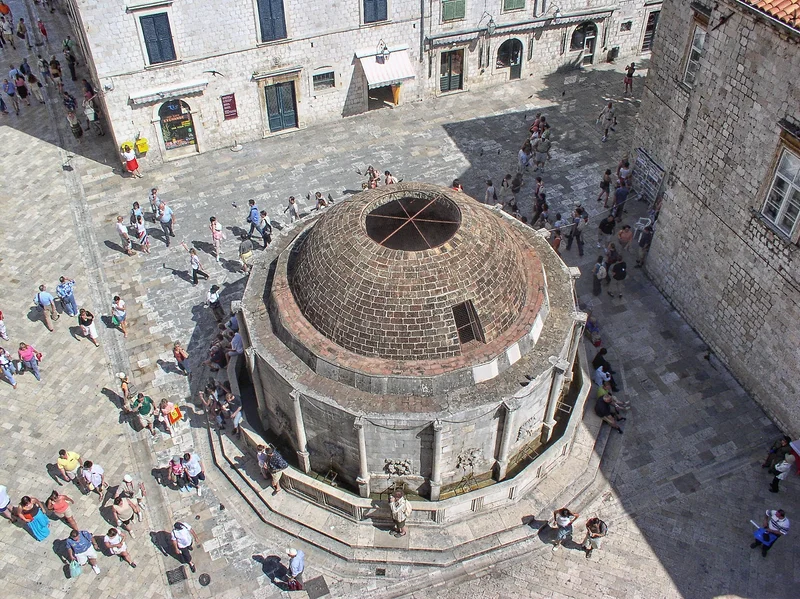
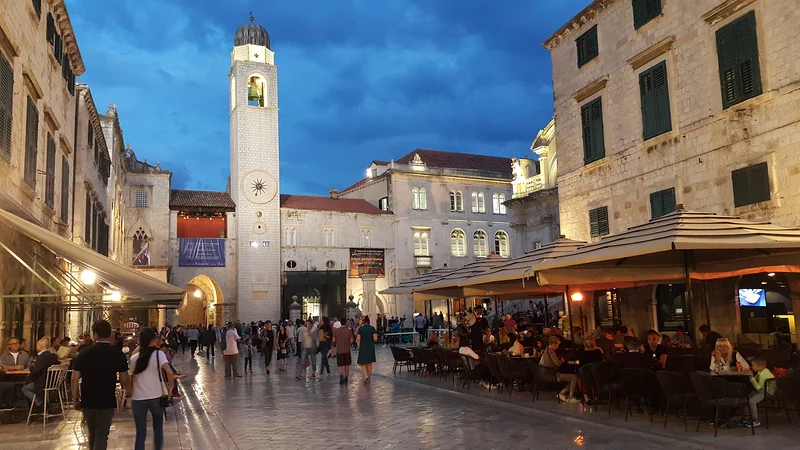
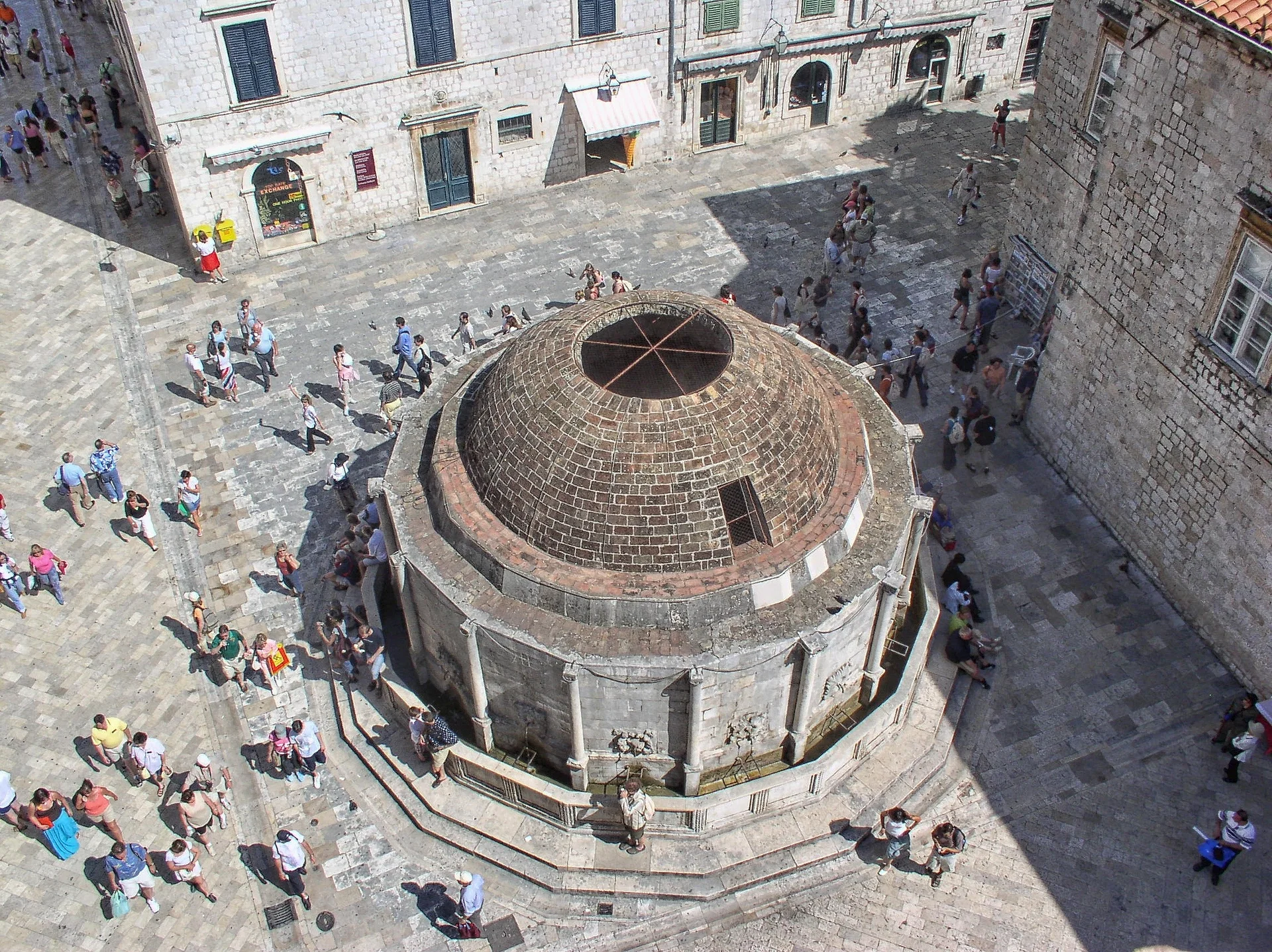
Crossing the Pile Gate on the west side feels like stepping back in time. The Stradun, the main thoroughfare of limestone slabs polished by centuries of footsteps, runs straight toward the port, cutting through baroque palaces, churches, and shady little squares. The Onofrio Fountain welcomes you right at the entrance, massive and moss-covered. On your left, the Franciscan monastery houses a 14th-century pharmacy that is still active today, making it one of the oldest in Europe.
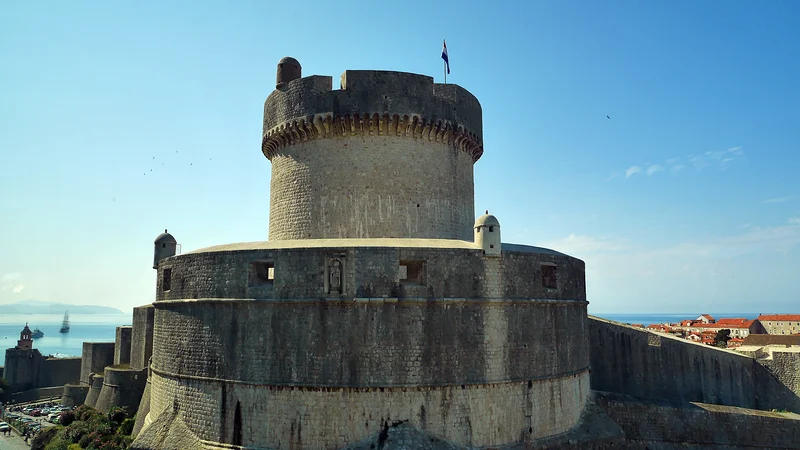
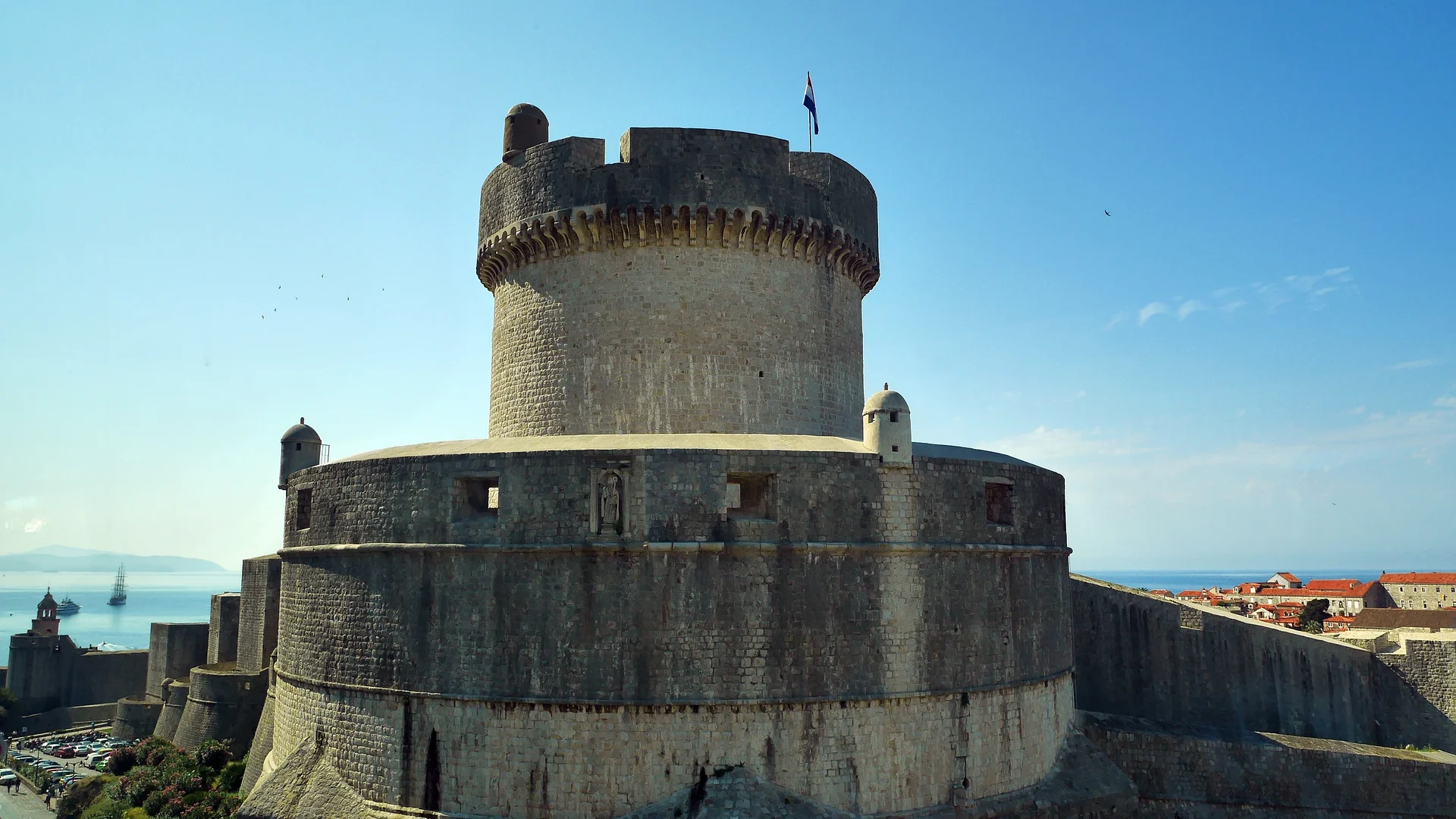
The real showstopper, though, is the complete walk around the ramparts. You will cover 2 kilometers of walls in a solid two hours, tackling unforgiving staircases that climb all the way to Minceta Tower to the north and Bokar Fort to the south. On one side, you look down over red roofs and interior courtyards. On the other, the sea spreads its blue all the way to the Elafiti Islands. Be careful under the midday summer sun, as the experience turns into an endurance test. Pack a baseball cap and a water bottle because shade is hard to come by up there.
Friendly tip: To dodge the crowds, hit the ramparts right at 8:00 AM or after 5:00 PM. The golden late-afternoon light flatters the stone, and you will encounter a fraction of the people.
Beyond the Ramparts: Beaches and Marine Getaways
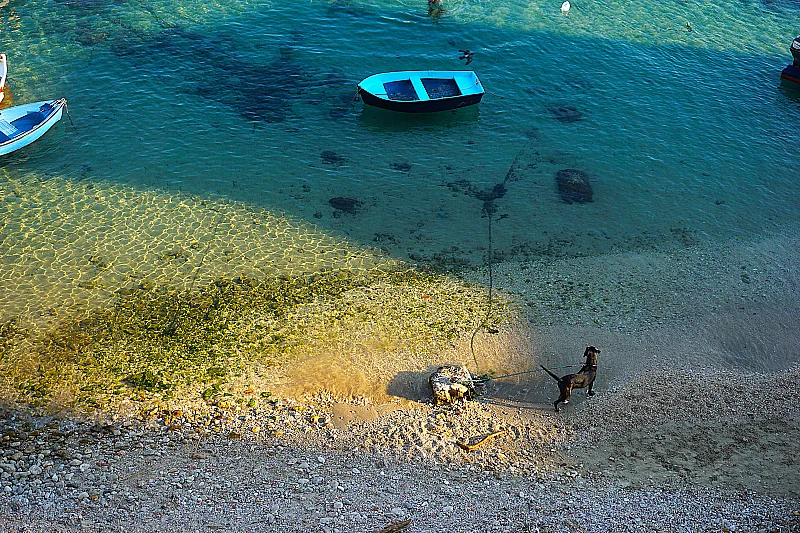
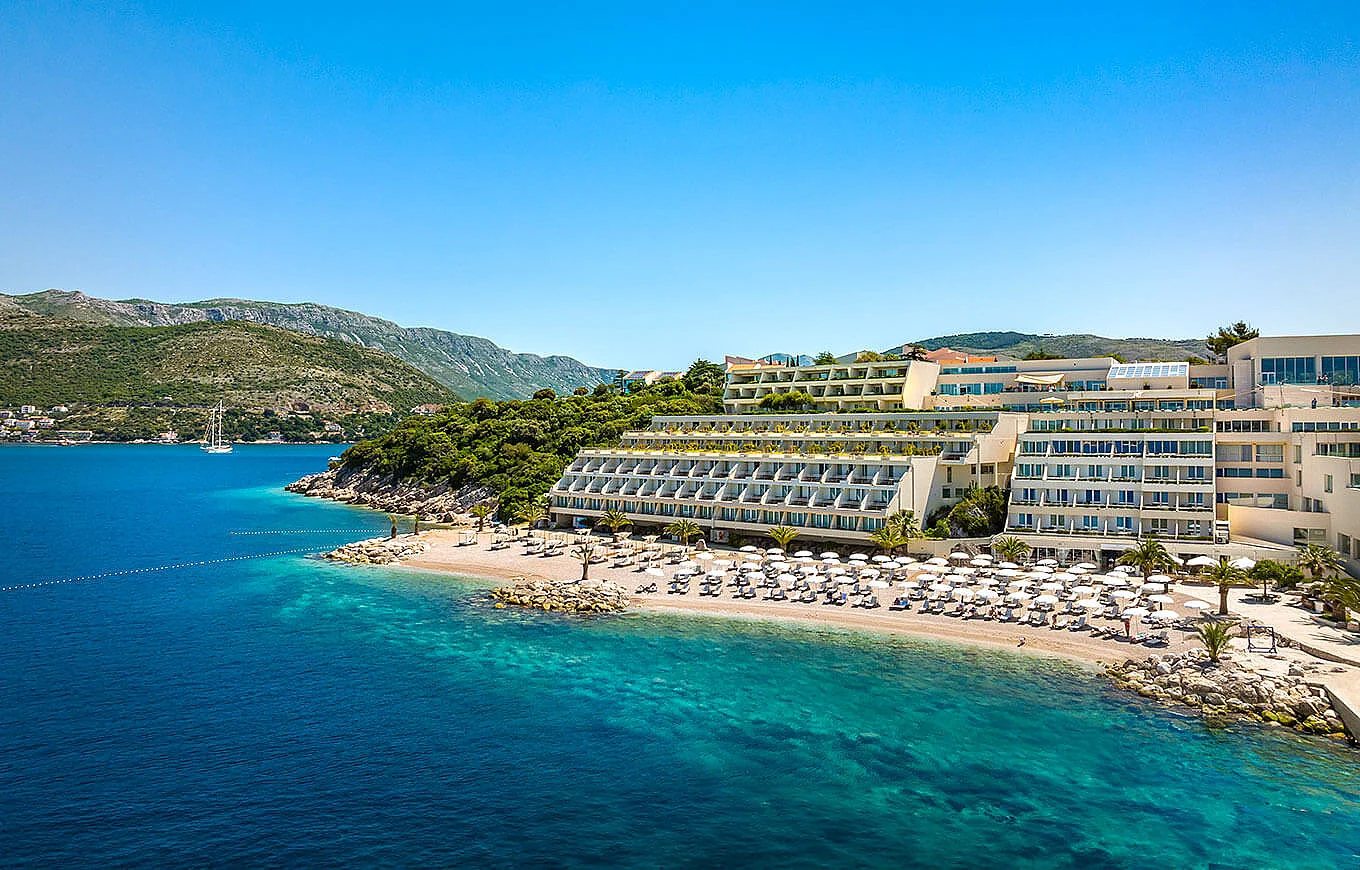
Contrary to popular belief, you can actually sunbathe and swim here. Banje Beach, just east of the old town, delivers an unobstructed view of the fortifications and Lokrum Island in the background. With pebble shores, paid lounge chairs, and a trendy bar, the vibe leans more jet-set than wild. For something more secluded, head down the steep staircase leading to Sveti Jakov, a small cove about a 20-minute walk to the south. The view from the path alone makes the detour worthwhile.
If you have a full day, head to Lapad and Copacabana Beach, which works well for families thanks to calm water and water sports. The real standout, though, is Sunj Beach on Lopud Island in the Elafiti archipelago. Think fine sand (a rarity in Croatia), crystal-clear water, and a laid-back attitude. Ferries from the port of Gruž take about an hour.
Friendly tip: For an unconventional spot to sunbathe, look for the discreet entrance in the southern ramparts leading to Buza Beach. You get stone platforms right at water level, a cocktail bar, and zero sand in your swimsuit.
Mount Srđ, the Balcony Overlooking It All
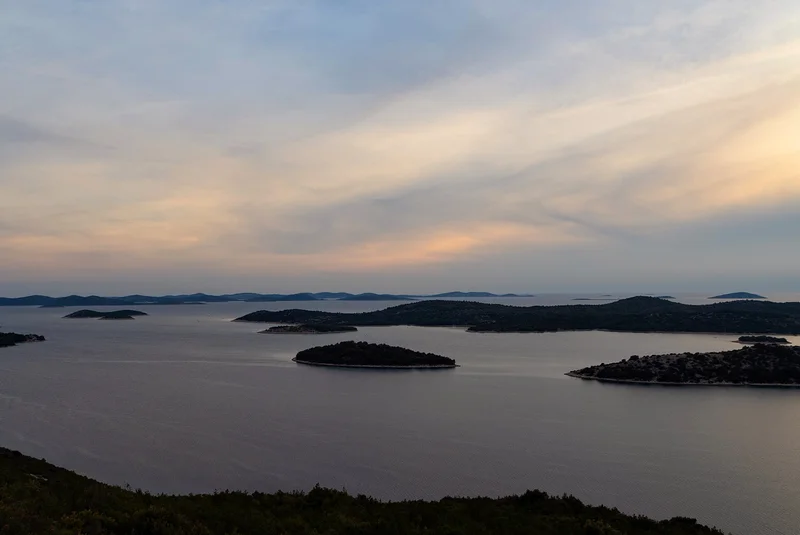
Sitting at 412 meters of elevation, Mount Srđ delivers the quintessential postcard view with the entire city at your feet, islands dotting the horizon, and the Adriatic stretching out endlessly. You have two choices to get up there: a four-minute cable car ride (with seasonal pricing) or a hiking trail for seasoned legs. At the summit, the 19th-century Imperial Fort houses a museum dedicated to the Croatian War of Independence from the 1990s, serving as a reminder that recent history left deep scars.
Sunset from the top is legendary, but you will not be alone. Arrive a little early to lock down a strategic viewing spot. The small restaurant at the peak serves decent food without reinventing gastronomy, but with a panorama like that, you easily forgive a slightly touristy menu.
Lokrum and the Elafiti Islands, Green Oases Against an Azure Backdrop
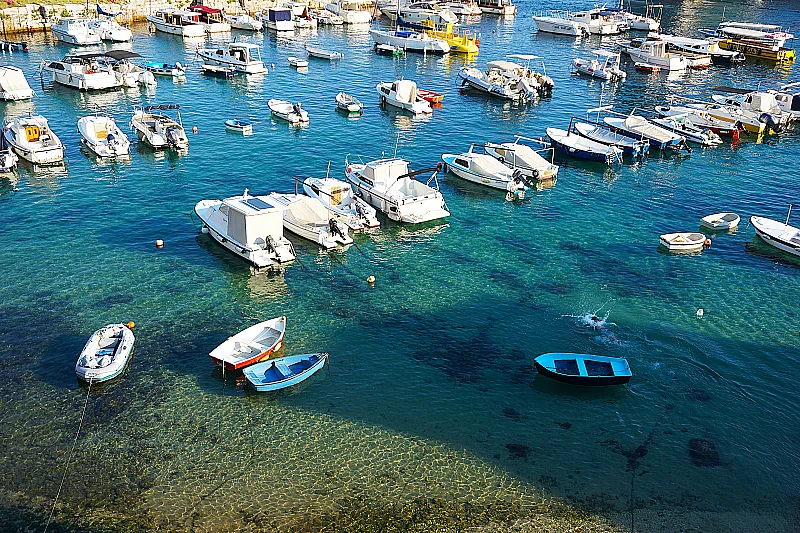
A fifteen-minute boat ride from the old port brings you to Lokrum, which plays the part of a mysterious island. Designated as a nature reserve, it features shaded pine walking paths, a lush botanical garden, and a ruined Benedictine monastery. Peacocks roam free, adding a surreal touch. A saltwater lake known as the Dead Sea makes for a fun floating swim, while several rocky coves invite you into unsettlingly clear water. Note that the island closes in the late afternoon, and overnight stays are prohibited.
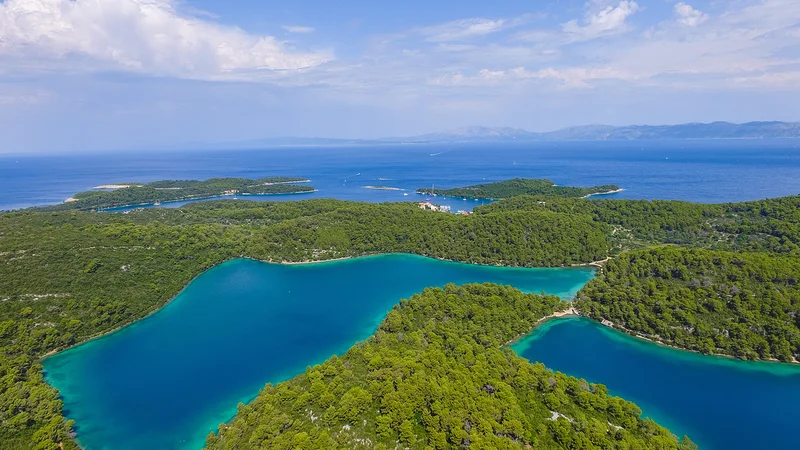
Farther out, the Elafiti Islands consist of three inhabited islands: green Koločep with its secret coves, Lopud with its famous sandy beach, and rural Šipan with olive groves and Roman ruins. Public ferries depart from Gruž several times a day, though organized boat tours hitting all three islands in a single day are very popular. It is a chance to see a more relaxed side of Croatia where locals still make a living from fishing and farming.
Friendly tip: If you have the time and budget, spend a night on Lopud. Once the day-trippers head back, the island recovers its quiet soul, and you will have the beaches to yourself at sunrise.
Where to Eat and Drink in Dubrovnik?
Dalmatian cuisine highlights freshly caught Adriatic fish and seafood. Make sure to try brudet, a fish stew simmered in a spiced tomato sauce, or black risotto colored with cuttlefish ink. Ston oysters, located an hour's drive away, rank among the best in the world, and certain spots serve them raw with a squeeze of lemon. On the land side, pasticada (beef slowly marinated in a wine and prune sauce, served with gnocchi) warms you right up. For dessert, rožata, a type of flan flavored with rose liqueur, wraps up the meal on a sweet note.
In the old town, Restaurant 360° boasts a Michelin star, dizzying views of the ramparts, and prices to match (expect $210* for the tasting menu). To spare your budget, step outside the walls. Konoba Dubrava offers honest traditional cooking, and Lady Pi-Pi, perched high above the city, grills meats over open flame on a packed terrace (no reservations, so expect a wait). Morning shopping at Gundulić Market lets you bite into sun-ripened fruit and pick up local honey.
How to Get There and Get Around Dubrovnik?
The airport sits in Čilipi, 20 kilometers to the southeast. The Platanus shuttle bus gets you to the old town in 30 minutes for $6.80* one way, with departures coordinated around flight arrivals. City buses (lines 11, 27, and 38) run the same route for $4.50 to $5.70* but take longer. Taxis cost between $40 and $51*, which makes sense if you are loaded down with luggage or arrive late.
Once you arrive, ditch the car. The historic center is entirely pedestrian, and parking around the ramparts is an absolute nightmare that costs a fortune. The Libertas municipal bus network handles beaches and outer neighborhoods efficiently ($2.30* per ticket, $4.50* for a 24-hour pass). For Lokrum, boats leave every half hour from the old port ($34* includes park entry). Ferries to the Elafiti Islands depart from the port of Gruž.
When to go?
The months of May, June, and September strike the best balance with pleasant temperatures (68 to 77°F), a sea that is already warm, and manageable crowds. Prices stay reasonable, and you can enjoy outdoor cafe terraces without fighting for a table. July and August bring peak rush hour: the city swelters under tourists and cruise passengers, prices explode, but it is also the season for the Summer Festival (featuring theater, music, and folklore from July 10 to August 25) which brings the city to life.
Autumn in October stays mild and bright, making it ideal for rampart walks under golden light. Winter from November through March brings crashing prices and quiet streets, but many businesses close down, and rain can settle in for days at a time. November is best avoided unless you enjoy ghost towns under a drizzle.
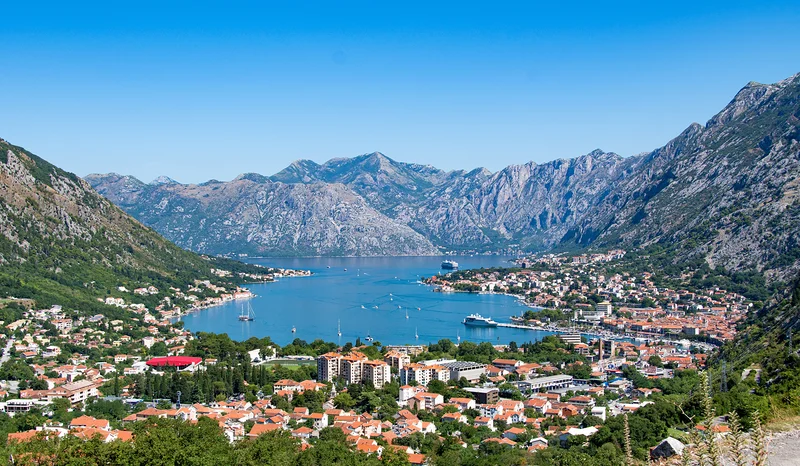
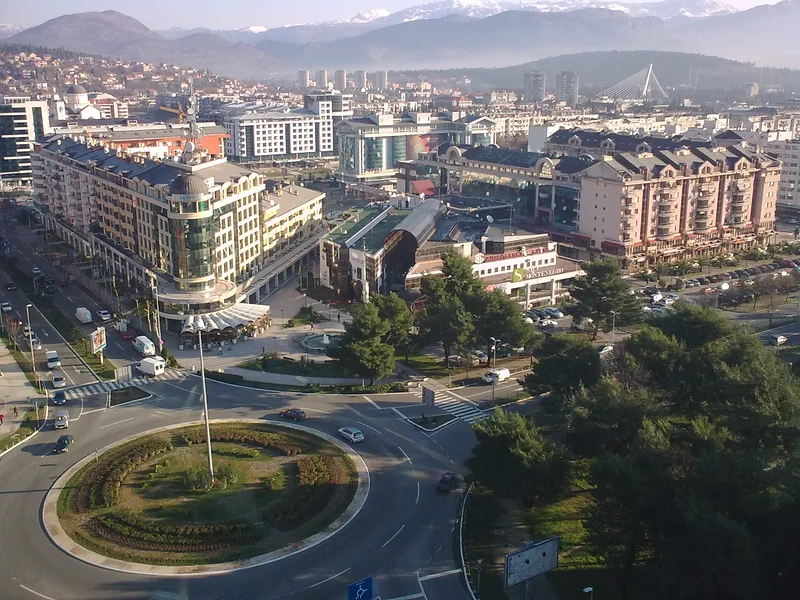
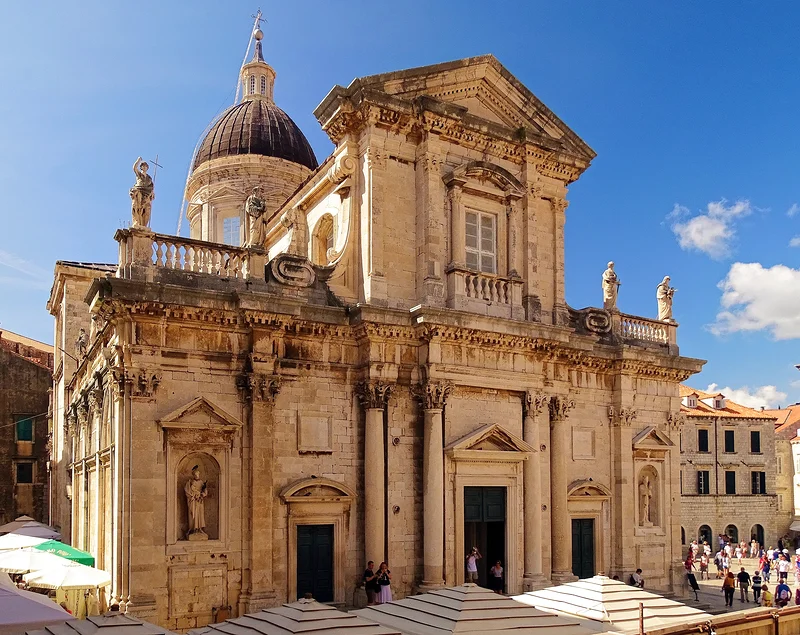
I spent a week in Dubrovnik in September and I really loved it. The city was a little bit quieter during that time. If possible, avoid the months of July and August. The center is perfectly preserved and features many medieval buildings. The walk along the city walls is very pleasant. Also, do not miss the many churches and monasteries.