
Visiting Kotor
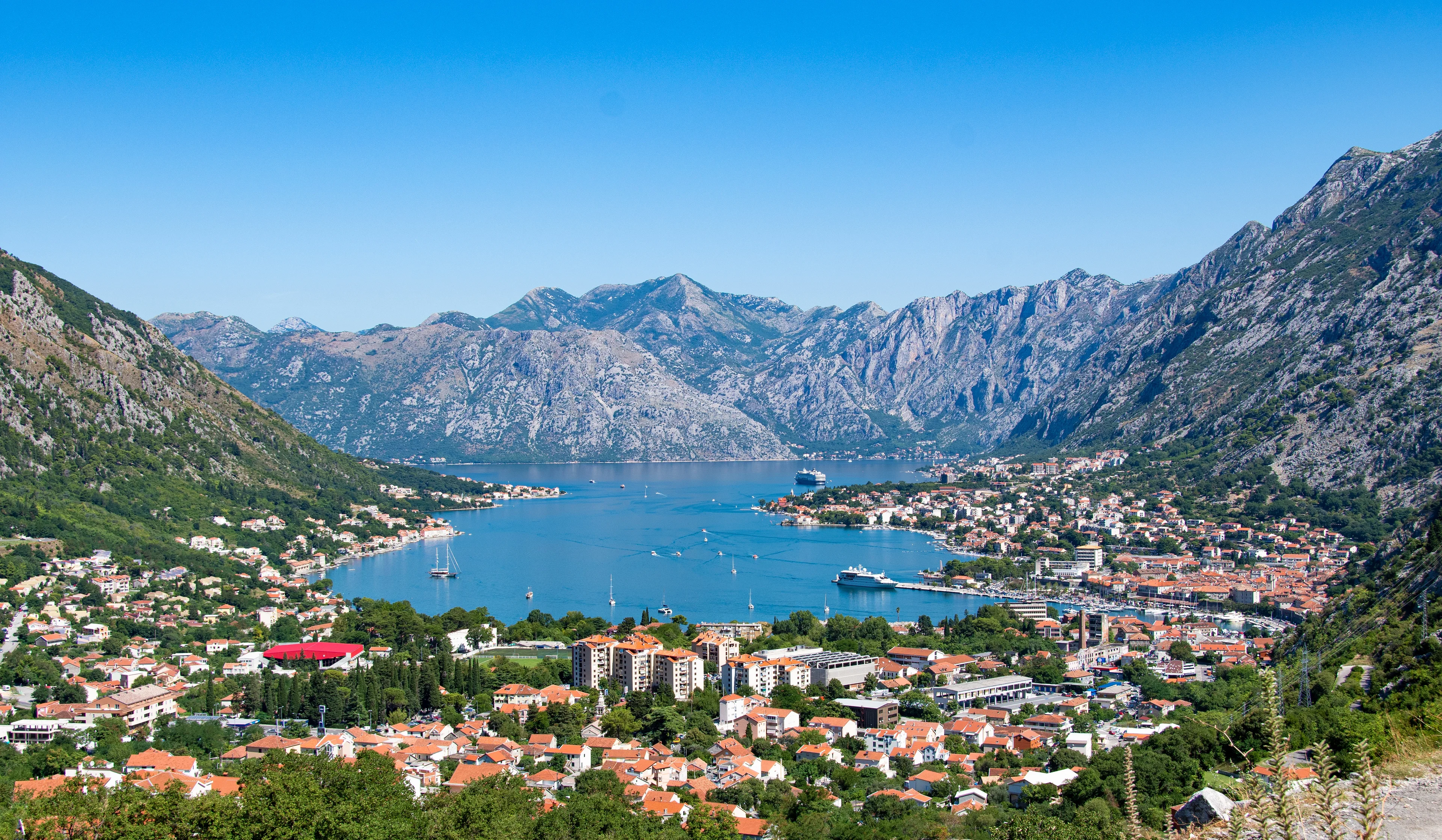
As the flagship destination of Montenegro, Kotor and its bay look like a Norwegian fjord at first glance. Yet glaciers never carved this stretch of the Adriatic coast. The dramatic landscape of the Bay of Kotor was formed when the sea flooded a deep river canyon, a geological feature known as a ria or drowned valley. The entire natural and historical region of Kotor is listed as a UNESCO World Heritage Site.
A Crossroad of Cultures
Through a turbulent history, Kotor passed through Roman and Serbian hands before falling under the control of the Republic of Venice, much like many coastal Adriatic towns. The 19th century brought rivalries between the Austrian and French empires, followed by annexation by Yugoslavia in 1918, and finally integration into the Socialist Republic of Montenegro in 1945. Massive defensive walls encircle the town: tradition credits the first stronghold to Byzantine Emperor Justinian in the 6th century, though the ramparts you climb today are largely Venetian, lasting proof of centuries of regional conflict.
Tackling the city walls is a must when visiting the bay. They stretch for three miles, climbing up to the San Giovanni fortress towering 280 metres (920 feet) above the water. Reaching the top requires climbing more than 1,000 stone steps, but the roughly 30-minute hike pays off. From the summit, you get a sweeping panorama of sheer mountain walls dropping straight into the calm waters of the Adriatic. Access to the fortress costs $9*.
After the workout, head back down into the old town, known locally as Stari Grad, and grab a bite to eat in the maze of stone alleys or on the main square, the Square of Arms. This central plaza features notable landmarks including the Clock Tower. Other highlights inside the historic center include the baroque Maritime Museum, Saint Tryphon Cathedral, and the many churches representing both Catholic and Orthodox traditions.
Balkans Treasure
Beyond the gates of Kotor, take time to explore the winding bay and its four smaller gulfs. Local operators offer catamaran, speedboat, and kayak excursions. Look for a tour that stops at Our Lady of the Rocks, a church built on an artificial islet in the middle of the water right across from the village of Perast.
While Kotor once operated independently from its mountainous interior, the hinterland is now easily accessible from the coast. Numerous hiking trails lead into Lovćen National Park or the Orjen massif. Most of these routes are demanding and suited only for experienced hikers, though you can opt for a downhill route instead, such as the scenic and hairpin-curved road coming down from Cetinje toward Kotor.
When to go
Plan your trip to Kotor between April and October for comfortable weather. The rest of the year tends to bring heavy rainfall to this part of Montenegro.
How to get there
The old town is entirely car-free, so you leave the vehicle outside the walls. There are no direct flights from North America, so you will connect through a European hub. Once in the region, the nearest airport is Tivat, less than ten kilometres (six miles) away, followed by the capital's airport in Podgorica, about an hour and a half out; Dubrovnik, just across the border in Croatia, means clearing a frontier post. Regular bus connections serve Kotor from all three.
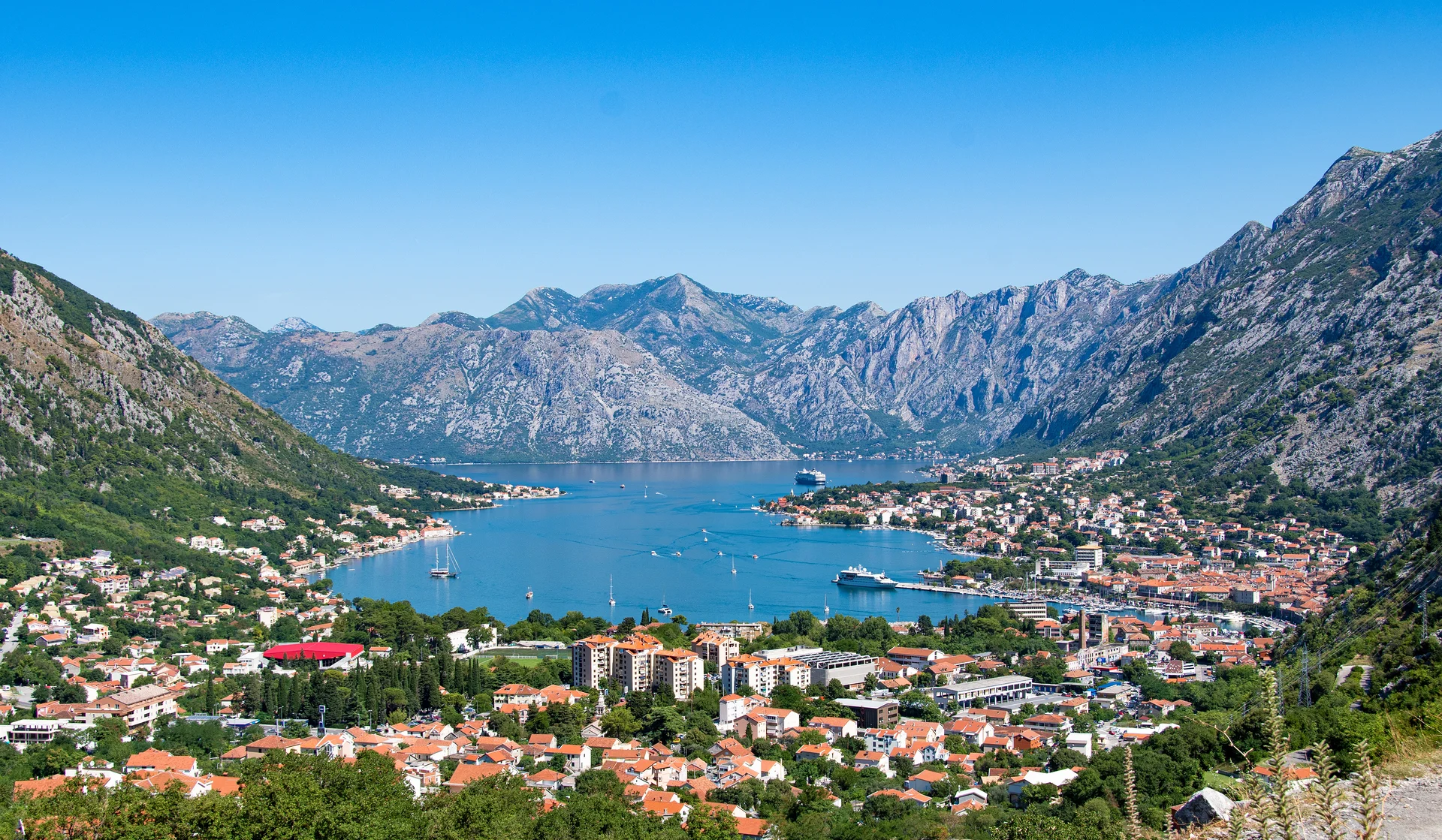
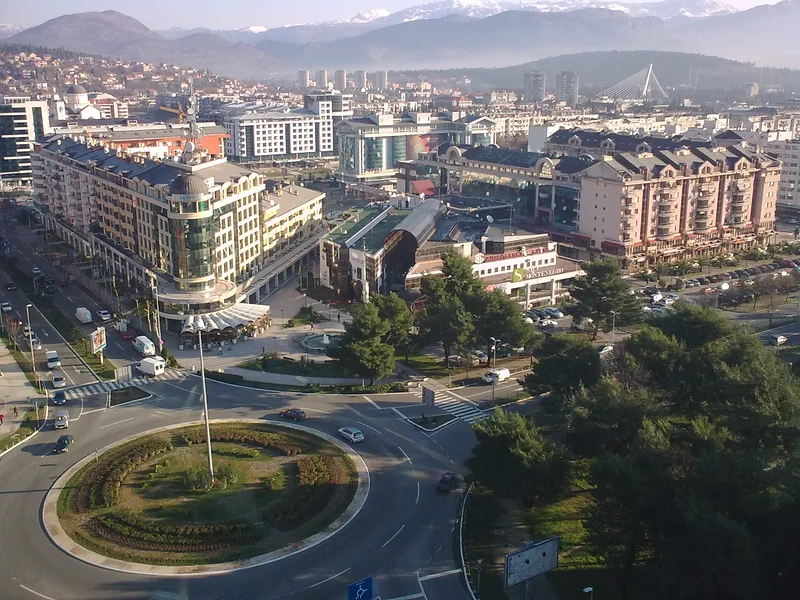
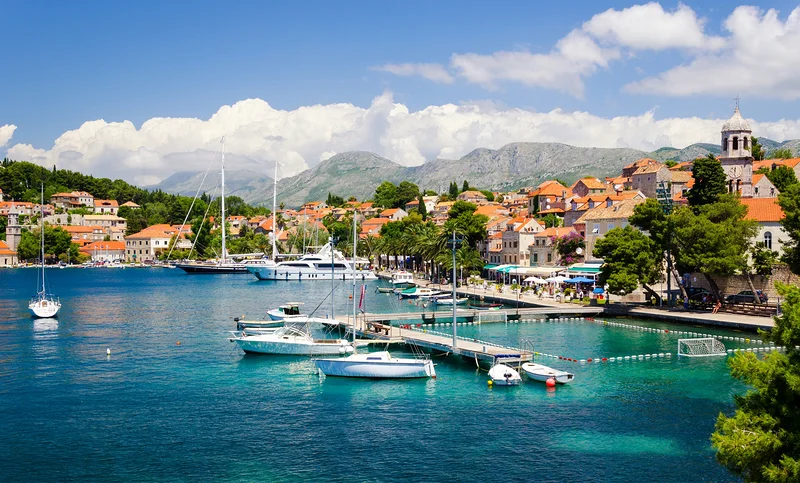
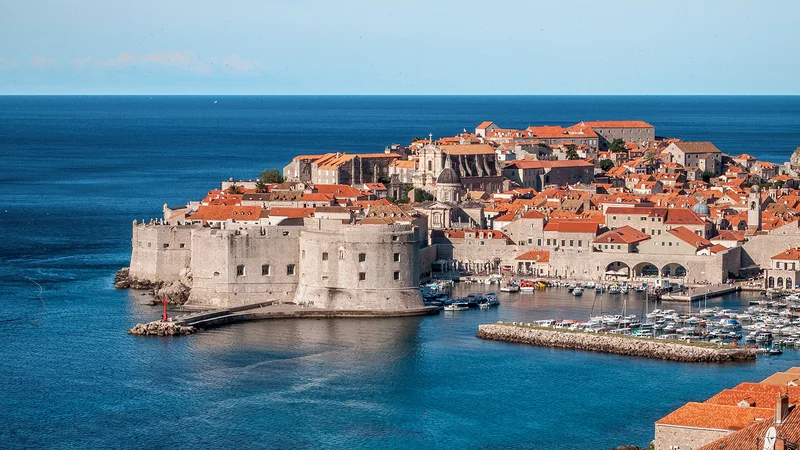
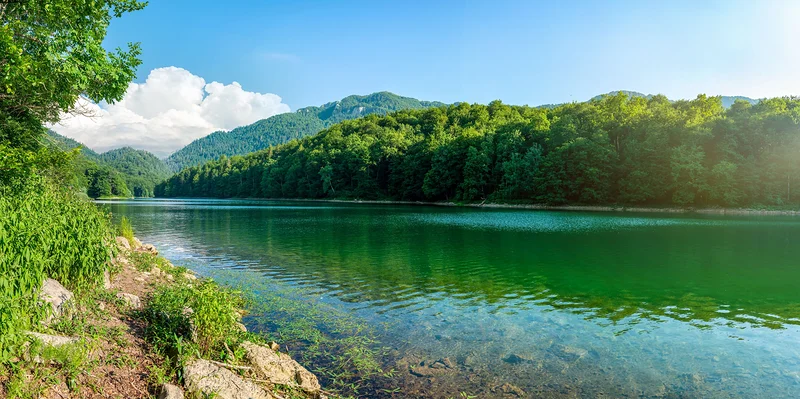
Kotor, a bay full of surprises. You discover the sea, the mountains, the plains. Kotor is also an important part of Balkan history, a gateway to history, its conquests, its religions, and its cultures.
Kotor will offer you the gentle touch of a swim in the sea, miles of hiking, sunsets, and delicious seafood dishes.
I invite you to discover its fortress, its cathedrals, its medieval museum, its bay, and its islands.