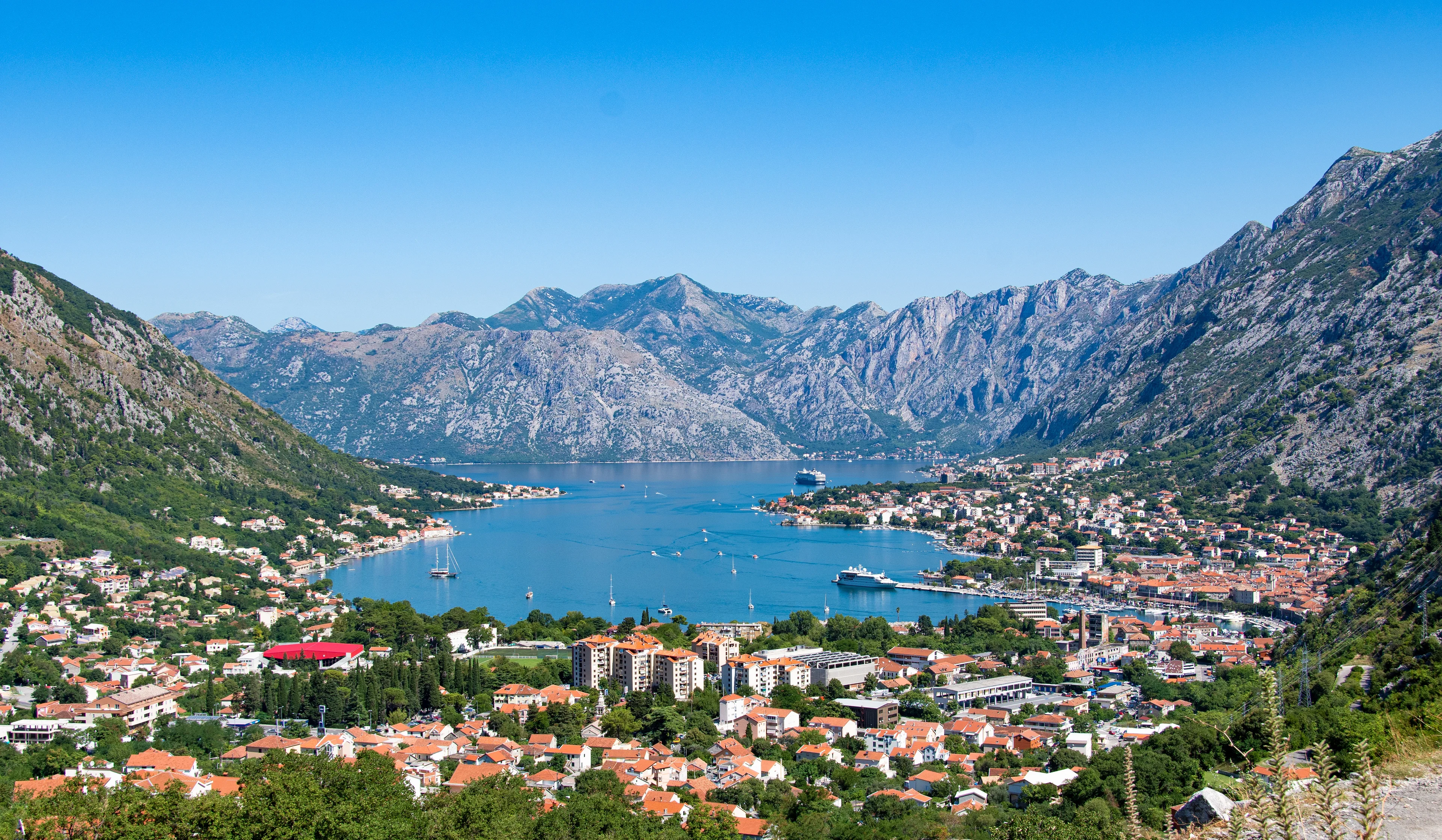
Bouches de Kotor

Things to do in Montenegro: 4 must-see attractions in 2026

Discover our members' favorite destinations in Montenegro, plus reviews, practical info, and traveler photos...

The 3 most beautiful cities to visit in Montenegro

Kolasin

#1 Kolasin +4

As the gateway to Biogradska Gora National Park, Kolasin is a hub for outdoor enthusiasts. Summer serves as the prime season for hiking. Explore the rugged Bjelasica massif and its collection of glacial lakes. When winter hits, the area draws skiers to the Kolasin 1450 and Kolasin 1600 resorts.

A protected natural sanctuary

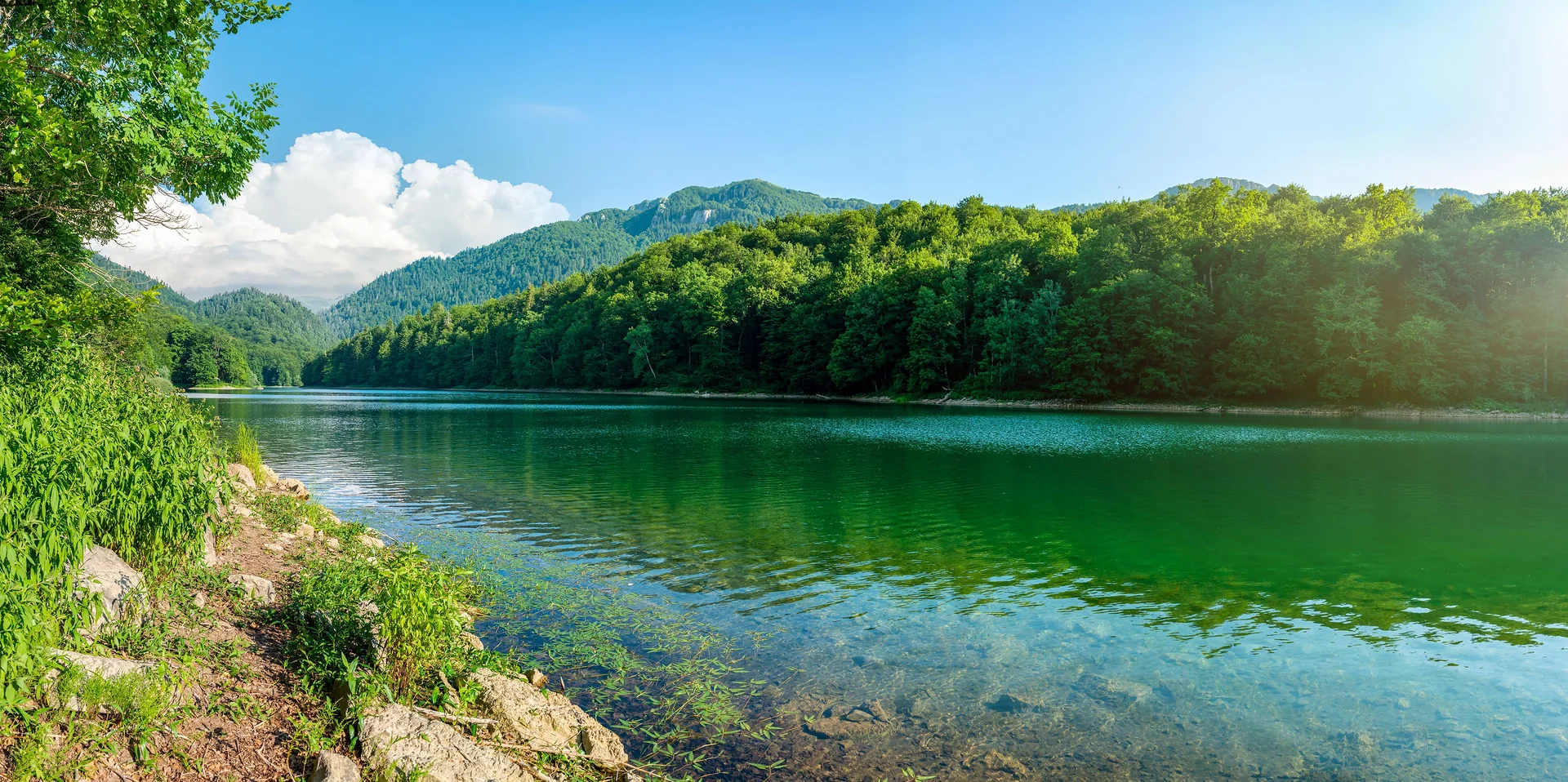
The Biogradska Gora National Park is a biodiversity hotspot and a designated Unesco Biosphere Reserve. It protects one of Europe's last primary forests, where the landscape has remained untouched by human activity. According to Unesco, the reserve is home to 86 endemic tree and shrub species, over 700 types of mushrooms, 200 bird species, and roughly 38 mammal varieties. For an entry fee of 3 EUR (about $3.25), you can hike the perimeter of the scenic Biograd Lake or rent a boat to row across its calm waters.

Back in town, head to the main square, Trg Boraca, which is lined with traditional restaurants. Try a local staple called Kačamak, a hearty dish designed for cold weather. It consists of a thick mash of potatoes and cereal flour mixed with kajmak, a rich, tangy cream cheese. You can also take a quiet walk through the Dulovine Botanical Garden to see its collection of local flora and medicinal plants. The region's history is shaped by past conflicts between Ottoman forces and the Montenegrin Christian community, a legacy visible at the Moraca Monastery, founded in 1252 by the Serbian king Stefan Nemanjic.

An adrenaline-filled destination

Northern Montenegro is built for adventure. If hiking isn't enough, you can find local agencies offering bike rentals or tours by jeep and quad bike. Rafting and canyoning are also available in the Moraca River, which flows right past town.

Following the river is also the best way to reach the Mrtvica Canyon. You can traverse the 8-kilometer canyon via a trail carved directly into the rock by the Yugoslav army, leading you up to 1,100 meters deep into the gorge. During the spring, the river swells with runoff from numerous waterfalls, and small beaches emerge along the banks.

When to go

The best time depends on your goals. Northern Montenegro is a year-round destination, whether you are looking for winter sports or summer trekking. Because Kolasin sits at an altitude of 900 meters, the weather stays relatively cool even in the middle of summer.

How to get there

Most travelers arrive by plane at the airport in Podgorica, the country's capital. From there, Kolasin is an hour and a half drive away via a highway that offers excellent mountain views. The Kolasin train station is also a stop on the rail line connecting Belgrade in Serbia to the coastal city of Bar in southern Montenegro.

Kotor

#2 Kotor +2

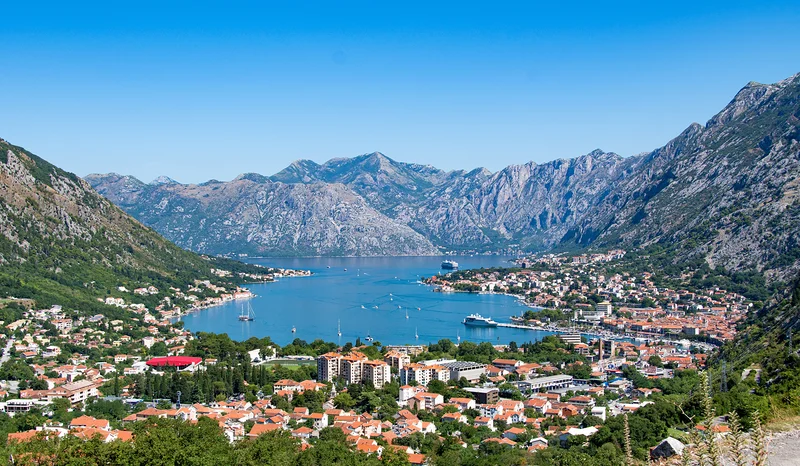
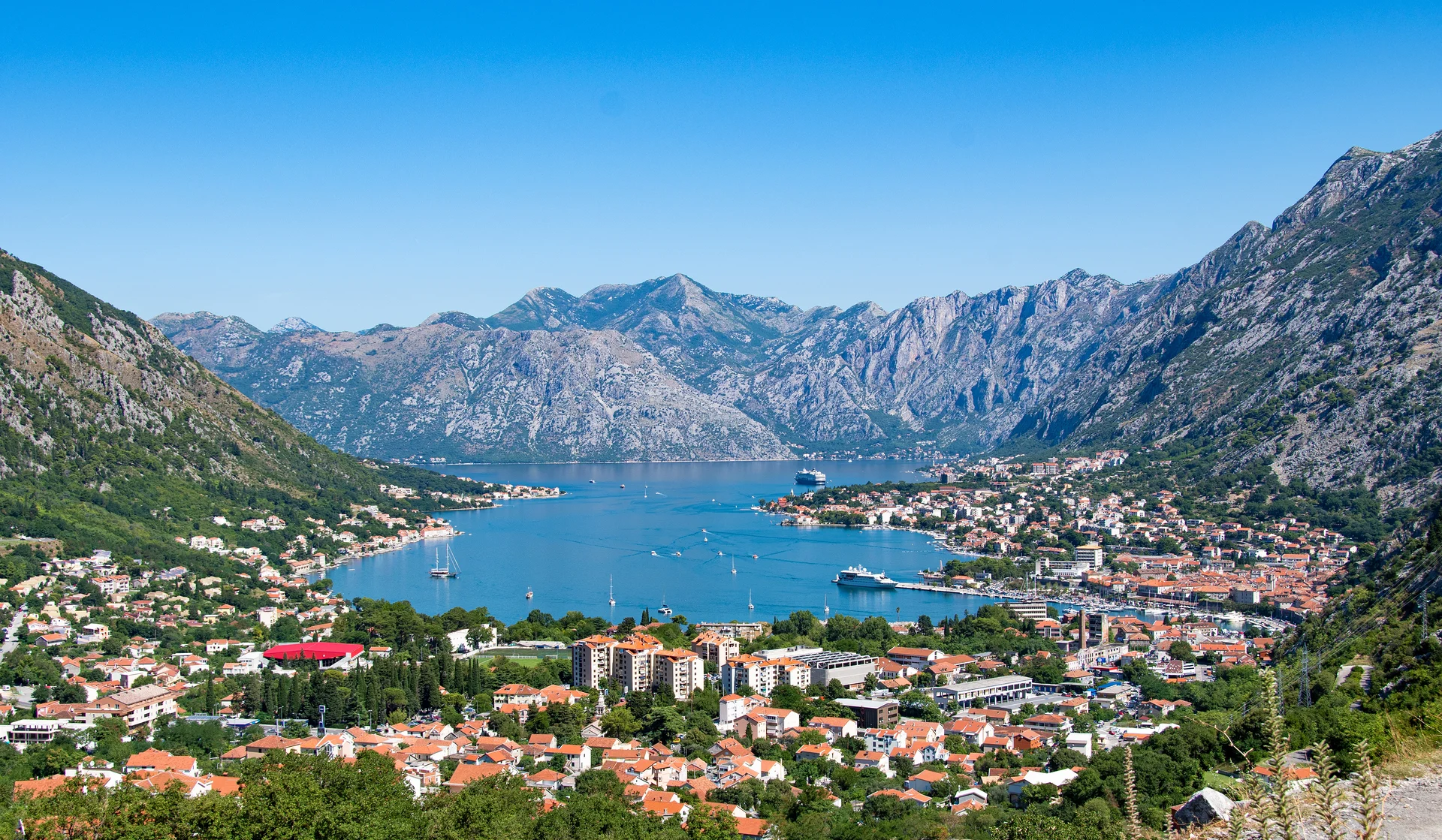
The crown jewel of Montenegro, Kotor and its bay look like a Norwegian fjord. Yet, no glacier ever carved this section of the Adriatic coast. The dramatic landscape of the Bay of Kotor is actually a submerged river canyon, a geological feature known as a ria. The entire region is recognized as a UNESCO World Heritage site.

A city of many influences

Kotor has a turbulent history, having shifted between Roman and Serbian control before falling under the authority of the Republic of Venice, much like many other coastal Adriatic towns. By the 19th century, it was a point of contention between the Austro-Hungarian and French empires, followed by annexation into Yugoslavia in 1918, and finally becoming part of the Socialist Republic of Montenegro in 1945. Massive stone ramparts, originally built by the Byzantine Emperor Justinian during the Middle Ages, still wrap around the city as a testament to centuries of regional conflict.

Hiking the city walls is a highlight of any trip to the bay. The fortifications stretch for three miles and climb all the way to San Giovanni fortress, which looms over the bay at an elevation of 918 feet. You will need to climb over 1,000 steps to reach it, but the 30-minute trek is worth the effort. From the top, you get a view of mountains that drop directly into the calm waters of the Adriatic. Access to the fortress costs 8 EUR (about $9).

After the climb, head back down into the old town, or Stari Grad, to grab lunch in the maze of narrow streets or on the central square, Square of Arms. This area is home to several notable buildings, including the Clock Tower. While you are in the old town, make time for the baroque-style Maritime Museum, the Saint Tryphon Cathedral, and the many churches that reflect the city's mix of Catholic and Orthodox traditions.

A Balkan treasure

Beyond the walls of Kotor, explore the bay and its four smaller gulfs. Numerous local agencies offer excursions by catamaran, motorboat, or kayak. Book a tour to visit Our Lady of the Rocks, a church built on an artificial islet in the middle of the water, sitting right across from the picturesque village of Perast.

While Kotor was historically separate from its interior, the hinterland is now well-connected to the coast. You can find plenty of hiking trails leading into Lovćen National Park or the Orjen massif. Be aware that most of these are strenuous and meant for experienced hikers. If you prefer a less grueling route, try the descent from Cetinje to Kotor along the beautiful and winding Ladder of Kotor road.

When to go

The best time to visit Kotor is between April and October to take advantage of the warm weather. The rest of the year can be quite rainy in this part of Montenegro.

Getting there

Vehicle traffic is prohibited inside the old town from June 1 to September 30. If you are flying in, you will be close to the airport in Dubrovnik, Croatia, and about an hour and a half away from the airport in Podgorica. Frequent bus connections to Kotor are available from both cities.

Podgorica

#3 Podgorica -1

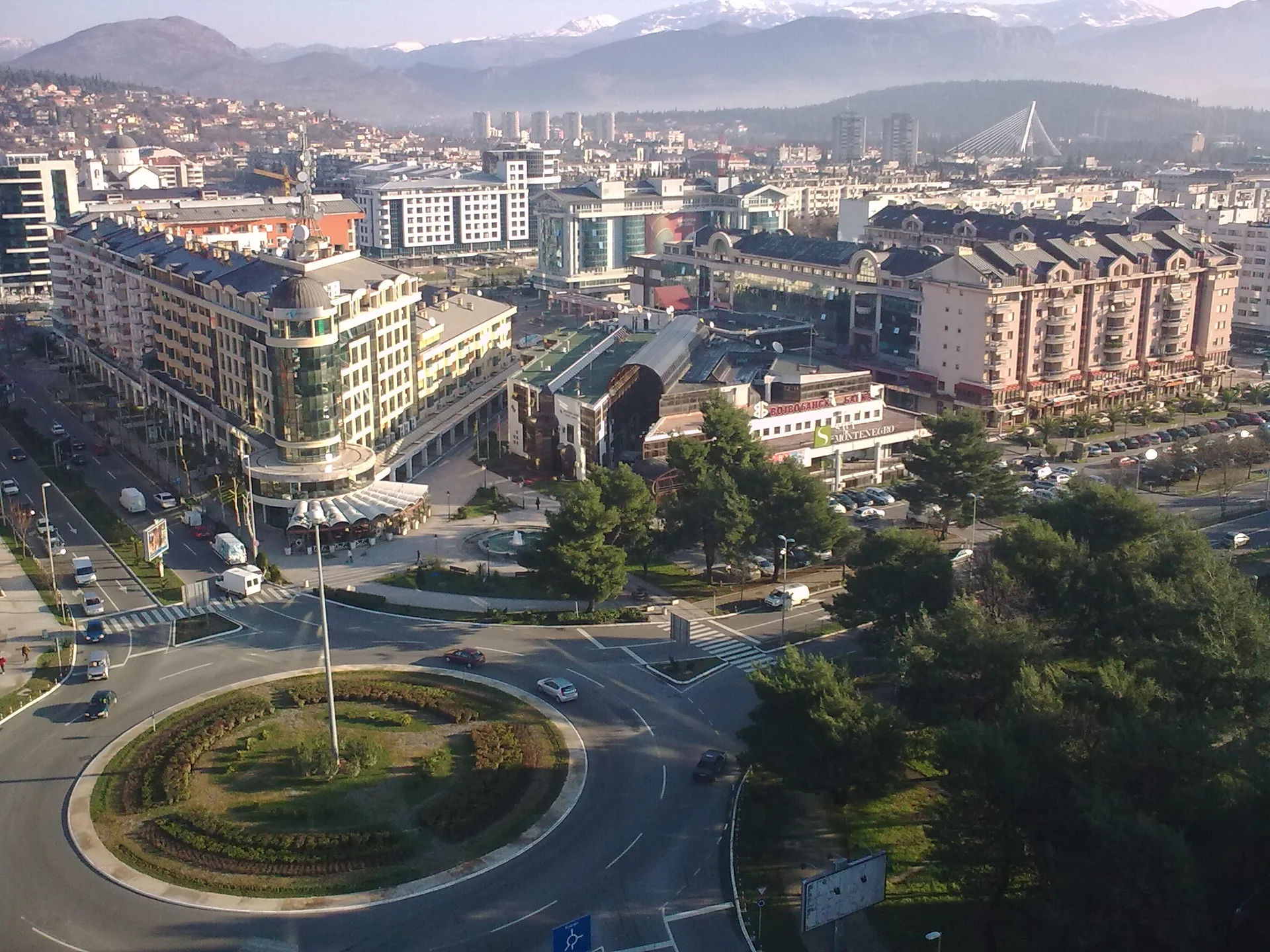
Occupied since antiquity, Podgorica gained international prominence in 2006 when it became the capital of Montenegro following the country's independence, taking the title from its historic rival, Cetinje. The city holds a strategic position at the confluence of the Morača and Ribnica rivers and sits at the crossroads of major roads leading to other regions of the country. It was under the Yugoslav era, when it was renamed Titograd, that the city underwent its most significant urban development, marked by the construction of vast, brutalist-style residential neighborhoods typical of communist regimes.

A city in transition

Ever since the destruction caused by World War II, Podgorica has been a city in a constant state of construction. Around the Cathedral of the Resurrection of Christ, built in 1993, the new city, or Nova Varoš, continues to expand. It is a decent area for shopping, but do not spend too much time there, as the real heart of Podgorica beats on the other side of the Morača river. Cross the Millennium Bridge, a symbol of the Montenegrin capital erected in 2005, to reach the Stara Varoš, or old town.

Constructed and occupied by the Turks for nearly four centuries, the old town retains its original architecture, two mosques, and a fortress. Take a break at the Clock Tower square, where the dial has been ticking for nearly 300 years. Here, you can enjoy a Turkish coffee or dine on typical Balkan dishes. Afterward, stroll along the banks of the Morača river to the exact point where it meets the Ribnica stream. At this confluence, you will find the oldest structure in the city, the old Adži-pašin bridge, built during the Ottoman Empire.

A preserved natural setting

Podgorica features several beautiful parks, including Njegošev park, which overlooks the river. Further north, Gorica park is worth a visit. It offers numerous adventure courses, tree-climbing, and ziplines that appeal to both kids and adults. Petrovica park houses a former royal residence that has been converted into a contemporary art center.

The lush landscapes surrounding Podgorica hold many wonders. Just a few dozen minutes by car from the capital, along the Cievna river, you can admire impressive waterfalls. A bit further south, the best of Montenegrin nature awaits. Lake Skadar spreads its calm waters through a green landscape rich in biodiversity, designated as a national park in 1983. The bird sanctuary protects numerous species, most notably the Dalmatian pelican, the park's emblem. You can explore it on foot or by boat by booking one of many excursions departing from Virpazar.

When to go

Podgorica is a pleasant city to visit during the warmer months, from May to September. Be aware, however, that heat waves can occur during the summer.

How to get there

There are no direct flights from the US, but several airlines serve Podgorica with a connection in cities like Vienna, Warsaw, Belgrade, or Istanbul. US citizens do not need a visa for short stays, provided their passport is valid for at least three months beyond their planned date of departure from the Schengen area or Montenegro.

You can also take a train from the neighboring Serbian capital, Belgrade. The trip takes about 10-12 hours and passes through memorable mountain landscapes.

The activity selected by our editors in Montenegro

#1 Biogradska Gora National Park (Kolasin) +2 5

Biogradska Gora National Park is the perfect spot to connect with nature in the heart of Montenegro. To fully explore the reserve and its trails, book a stay in a Katun. These rustic wooden huts once housed shepherds during grazing season. Expect an off-grid experience, as many shelters lack running water and electricity.

See the guide See deals

Montenegro: A Full Mediterranean Experience Packed Into a Tiny Country

Mountains drop straight into impossibly blue water. Medieval fortresses cling to cliff faces. The switchback road into the bay will leave you white-knuckling the wheel before you even reach your destination. Montenegro takes its name from the dark black-pine forests blanketing its peaks. This small Balkan country, roughly the size of Connecticut and New Jersey combined, squeezes five national parks, nearly 300 miles of coastline, and Europe's deepest canyon into about 5,000 square miles.

The Best Entry Point Into the Balkans

Montenegro is a great fit if you want Croatia's scenery without the cruise-ship crowds, if you want to mix serious mountain hiking with swimming in clear Adriatic water, or if Venetian and Ottoman history is your thing. The coastal tourist infrastructure is solid, English is widely spoken in tourist areas, and safety is not a concern for US travelers.

Montenegro will disappoint you if you're after miles of powdery sand beaches or a nightlife scene on par with Croatia's Dalmatian coast. Most beaches here are pebble coves, and they pack out in summer. Beach resorts are less polished than what you'd find in Greece or Italy. The interior, which is genuinely spectacular, requires a car. Without one, you'll miss the best of the country.

Reasonable Costs by Southern European Standards

Budget roughly €50 to €80 per day ($55-$88) for a mid-range trip including accommodation and meals. An apartment rental runs €30 to €60 per night ($33-$66), a sit-down restaurant meal €8 to €15 ($9-$17). Car rentals start at €25/day ($28). Activities like whitewater rafting or boat excursions run €20 to €50 ($22-$55).

The Bay of Kotor and Its Clifftop Villages

Kotor stops everyone in their tracks. This walled city tucked at the end of a bay that looks more like a Norwegian fjord than the Adriatic has been a UNESCO World Heritage Site since 1979. Its cobblestone lanes, the 12th-century Cathedral of Saint Tryphon, and the ramparts climbing up to the San Giovanni Fortress are worth a full day. Climb all 1,350 steps to the top for a view that puts the whole landscape in perspective.

The downside of Kotor is the cruise ships. At peak season, up to four ships can dock simultaneously, flooding the narrow lanes with thousands of day-trippers. The fix is simple: stay overnight and explore before 9 a.m. or after 5 p.m., when the passengers have returned to their ships.

Perast and Our Lady of the Rocks

Perast is the postcard shot everyone is chasing. This village of 300 residents lines its Venetian palaces along the waterfront facing two small islands. One of them, Our Lady of the Rocks, is an artificial island church built by local sailors in the 15th century. You get there by rowboat from the quay for a few euros. The quiet of Perast is a real contrast to Kotor, which is only 7 miles away.

Insider tip: Drive down from Lovćen National Park into Kotor via the road with 25 hairpin turns. The views over the bay from those switchbacks are genuinely vertiginous. Leave early to avoid the tour buses.

Durmitor: The Canyon and the Mountain Lakes

The northern part of the country is home to Durmitor, a UNESCO-listed mountain massif. The Tara Canyon, the second deepest canyon in the world after the Grand Canyon, reaches 4,265 feet deep over 51 miles. The river running through it is called the "Tear of Europe" for how clean and turquoise the water is.

Žabljak, the highest town in the Balkans at 4,757 feet, is the base camp for the area. Black Lake, a glacial lake ringed by pine forest with dark, still water, is a 3-km walk from the town center and takes about an hour to loop on foot. For serious hikers, the summit of Bobotov Kuk tops out at 8,278 feet.

Whitewater rafting on the Tara is the signature activity here. Two- or three-day trips take you through gorges that are otherwise completely inaccessible. The rapids are beginner-friendly in summer when water levels drop. A full-day trip with transport from the coast runs €60 to €100 ($66-$110).

The Adriatic Coast: Yacht Clubs and Hidden Coves

Budva is the center of the country's beach scene. Its walled old town looks like a smaller version of Dubrovnik. Nearby beaches like Mogren, reached through a tunnel cut directly into the rock, have clear water. The town draws a younger crowd for its beach clubs and summer nightlife.

Six kilometers south, the village of Sveti Stefan sits on a small island connected to the mainland by a narrow sandbar. The former fishing village is now a luxury hotel, so you can only photograph it from the outside. The public beach right next to it lets you enjoy the setting without paying for a room.

The Less-Crowded Beaches

Ulcinj, down near the Albanian border, has the country's longest sandy beach, Velika Plaža, stretching 8 miles. The town has a majority Albanian population and a noticeably different atmosphere from the rest of the coast. Ada Bojana, a river island at the mouth of the Bojana River, is the go-to spot for kitesurfers and nudists.

The Luštica Peninsula, between Tivat and Herceg Novi, hides coves that are only reachable by sea or on foot. Dobrec and Rose are among the preserved spots where olive trees grow right down to the water's edge.

The Overlooked Interior: Lake Skadar and Ostrog Monastery

Lake Skadar, the largest lake in the Balkans, shared with Albania, covers 154 square miles. Its calm waters support colonies of Dalmatian pelicans and 280 bird species. The village of Virpazar is the departure point for boat excursions through water lilies and winding channels.

The Crmnica wine region borders the lake. The local grape varieties Vranac and Krstač produce wines that are virtually unknown outside the Balkans. Family estates in Godinje offer tastings with local cheese and smoked ham for €15 to €30 ($17-$33).

Ostrog Monastery, built into a cliff face at 2,950 feet, is the most visited Orthodox pilgrimage site in the Balkans. The switchback road up to it is as impressive as the site itself. The cave chapels date to the 17th century. Entry is free, but shoulders must be covered.

Insider tip: If you want real solitude, head to Biogradska Gora National Park. Its old-growth forest, one of the last in Europe with trees over 500 years old, surrounds a quiet lake. The trails stay uncrowded even in August.

Eating in Montenegro: Mountain Flavors and Adriatic Seafood

Montenegrin food splits into two distinct traditions. On the coast, menus center on grilled fish, crni rižot (squid ink risotto), and seafood cooked buzara-style, a preparation where shellfish simmer in a broth of garlic, white wine, and parsley. You'll want bread to soak up every last drop.

Inland, the food gets heavier and smokier. Njeguški pršut, a dry-cured ham air-dried in the mountain air and smoked over beech wood, holds its own against the best Italian prosciutto. It comes exclusively from the village of Njeguši in the Lovćen highlands. Eat it with kajmak, a thick clotted cream, and local cheese.

Kačamak, a mountain-style polenta mixed with potato and topped with kajmak, is the classic side for lamb roasted under an iron bell. Ćevapi, small grilled sausages served in flatbread, are the national fast food. Burek, cheese-filled phyllo pastry, turns up in every bakery for under €2 ($2.20).

When to Go to Montenegro

The sweet spot runs from May through September. May gives you the best overall conditions: comfortable temperatures, lower prices, and manageable crowds. June and September let you swim without fighting for space on the beach.

July and August pack the coast. Popular beaches get crowded, accommodation prices roughly double, and temperatures hit 86 to 95°F (30-35°C). If you're visiting in midsummer, the mountains are actually the better call, temperatures stay reasonable up there. Rafting runs from May through October, with the most powerful water in spring after snowmelt.

Winter turns the north into ski country. Kolašin and Žabljak have slopes open from December through March. The coast stays mild but many businesses close between November and March. Winter festivals, including the Kotor Carnival in February, give the low season some life.

Getting to Montenegro

The country has two international airports. Podgorica, the capital, receives flights from several European hubs via Turkish Airlines and Air Serbia, among others. Tivat, on the coast near Kotor, has seasonal service from a handful of European cities including London.

From the US, there are no direct flights. You'll connect through Vienna, Belgrade, Istanbul, or Rome. Round-trip tickets run roughly €150 to €350 ($165-$385) depending on the season and how far in advance you book, though from the US you should expect to add transatlantic fares on top. Total travel time varies from 4 to 7 hours from the connection point.

A solid alternative is flying into Dubrovnik in Croatia, which has better international connections. The Montenegrin border is only 19 miles away. Budget an extra hour for the border crossing on summer weekends, lines can be long in July and August. US passport holders do not need a visa for stays under 90 days. A standard US driver's license is accepted for car rentals.

Getting Around Montenegro

A rental car is the only way to properly see the country. Coastal roads are in good shape; mountain roads are winding but manageable. Expect to pay €25 to €40 per day ($28-$44) for a standard vehicle. Book ahead in high season. Local agencies tend to have lower security deposits than the international chains.

The bus network covers the main tourist destinations. Coastal city connections are frequent and cheap. A Kotor-to-Budva ticket costs about €3 ($3.30) for a 30-minute ride. Service to the north is thinner. The Podgorica-to-Žabljak bus takes 3 hours and costs around €10 ($11).

A single train line runs the length of the country from the port city of Bar north to the Serbian border. The route to Belgrade is one of the most spectacular rail journeys in Europe, passing through 254 tunnels and crossing the Mala Rijeka Viaduct, the continent's highest railway bridge. The rolling stock is dated, but the ride is worth it. In summer, water taxis operate along the coast and are the practical way to reach coves that have no road access.

Find the best deals to travel to Montenegro

Hotels and stays Flights Car rentals Custom trips

Top photos posted by members

Bouches de Kotor
Podgorica
Parc national de Biogradska Gora

Latest reviews

A lake and some hikes

Biogradska Gora is a lake that will delight walkers, photographers, and amateur videographers. It is also the starting point for many hikes through this national park, which is magnificent in terms of…

6 0

Kolasin, mountains and hiking

A few steps from the historic town of Kolasin, you will discover beautiful mountains and hikes overlooking pristine lakes. So yes, get lost in its vast mountainous expanses that give rise to blueberry…

13 0

Podgorica, the unloved one

People have said Podgorica is boring, soulless, and should be avoided... I disagree! First off, I invite you to check out the Cathedral of the Resurrection of Christ. This cathedral is incredible, bo…

6 0

Kotor, a bay with a thousand faces

Kotor, a bay full of surprises. You discover the sea, the mountains, the plains. Kotor is also an important part of Balkan history, a gateway to history, its conquests, its religions, and its cultures…

7 0

In Montenegro, stick to nature

Except for a few buildings, bridges, and the statues erected during the communist period, there is relatively little for tourists to do in the capital. You are better off choosing the splendor of the…

4 0