
Exploring Podgorica
Inhabited since antiquity, Podgorica stepped onto the international stage in 2006 when Montenegro gained independence and named it the capital, supplanting its historical rival, Cetinje. The city sits strategically at the confluence of the Morača and Ribnica rivers, right at the intersection of major roads leading to the rest of the country. During the socialist era under Yugoslavia, when it was renamed Titograd, the city experienced its most significant urban expansion with the construction of vast residential neighborhoods in the brutalist architectural style typical of communist regimes.
A City in Transition
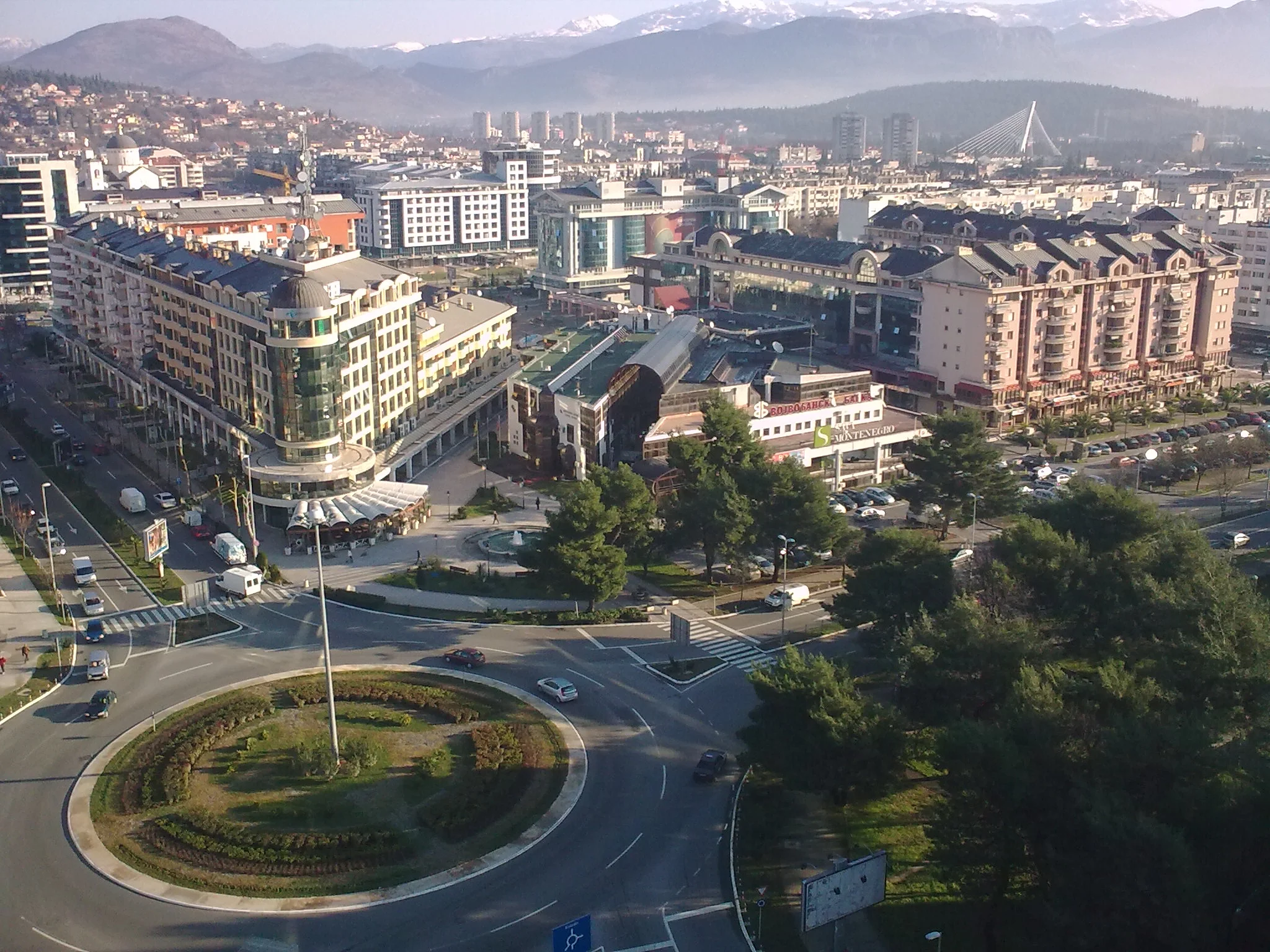
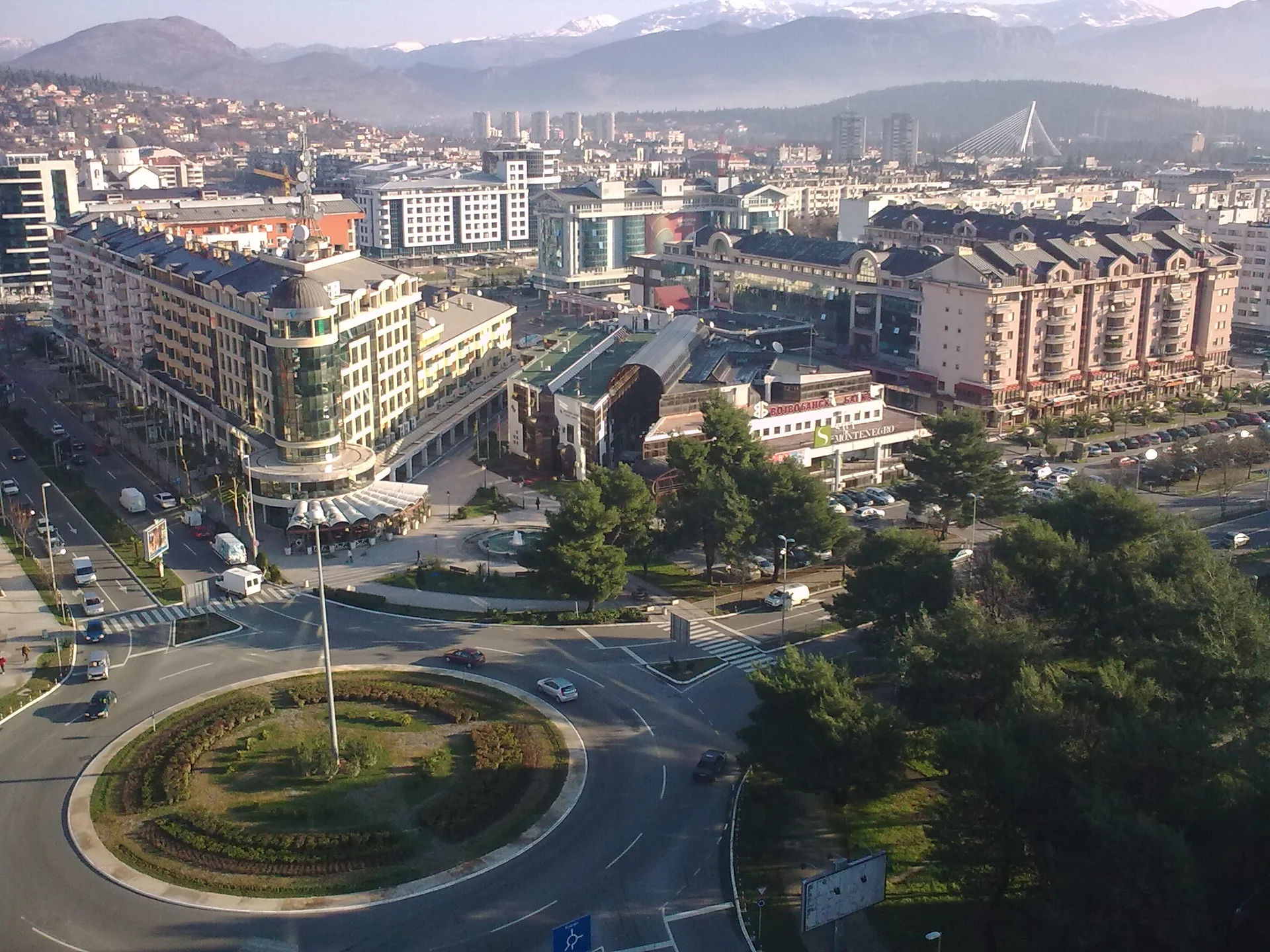
Marked by the destruction of World War II, Podgorica remains a city constantly under construction. Radiating outward from the Cathedral of the Resurrection of Christ, begun in 1993, the new city district known as Nova Varoš continues to grow. It is a convenient area for shopping, but do not linger too long because the real pulse of Podgorica beats across the Morača river. Cross the Millennium Bridge, a symbol of the Montenegrin capital built in 2005, to reach Stara Varoš, the old town.
Built and occupied by the Turks for nearly four centuries, the old town retains its Ottoman-era layout, two mosques, and a fortress. Pause at the Clock Tower square, where the clock face has been ticking for nearly 300 years. Here, you can grab a Turkish coffee or sample traditional dishes from the Balkans. Afterward, stroll along the banks of the Morača river down to the exact spot where it meets the Ribnica stream. At the confluence stands the oldest structure in the city, the old Adži-pašina bridge, built during the Ottoman Empire.
A Preserved Natural Sanctuary
Podgorica features several lovely parks, including Njegošev park, which overlooks the river. Further north, Gorica park is worth the trip with its adventure courses, rope parks, and ziplines that appeal to all ages. Meanwhile, Petrovica park houses a former royal residence that now serves as a contemporary art center.
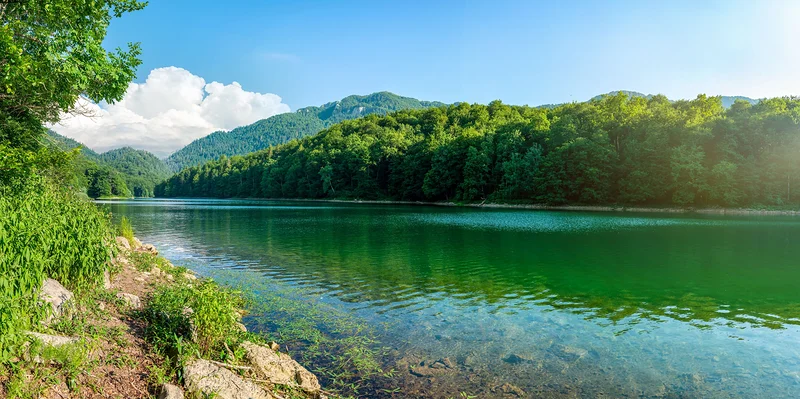
The lush landscapes surrounding Podgorica hold plenty of surprises. Just a short drive from the capital along the Cijevna river, you can see impressive waterfalls. Head further south to find the highlight of Montenegrin nature. Lake Skadar spreads its calm waters across a remarkably biodiverse green landscape, protected as a national park since 1983. The bird sanctuary safeguards numerous avian species, most notably the Dalmatian pelican, the park mascot. You can explore the area on foot or by boat by picking one of the many excursions departing from Virpazar.
When to Go
Podgorica is at its best during the warmer months from May through September. Keep in mind that intense heatwaves can occasionally hit during the peak of summer.
How to Get There
There are no direct flights from major US hubs, but several airlines serve Podgorica with a single stopover in cities like Vienna, Warsaw, Belgrade, or Istanbul.
You can also take a train from the neighboring Serbian capital of Belgrade. The journey takes about twelve hours and winds through dramatic mountain scenery.
People have said Podgorica is boring, soulless, and should be avoided... I disagree!
First off, I invite you to check out the Cathedral of the Resurrection of Christ. This cathedral is incredible, both inside and out with its "atypical" architecture. Believer or not, I promise you a magical moment.
Next, take the time to discover the main bridge in the city and the small parks where you can find statues of the famous figures who shaped the destiny of Montenegro.
So yes, 1 or 2 days will be more than enough... But Podgorica is worth a quick detour. :)