
Visiting Dubrovnik: when ancient stone meets the Adriatic
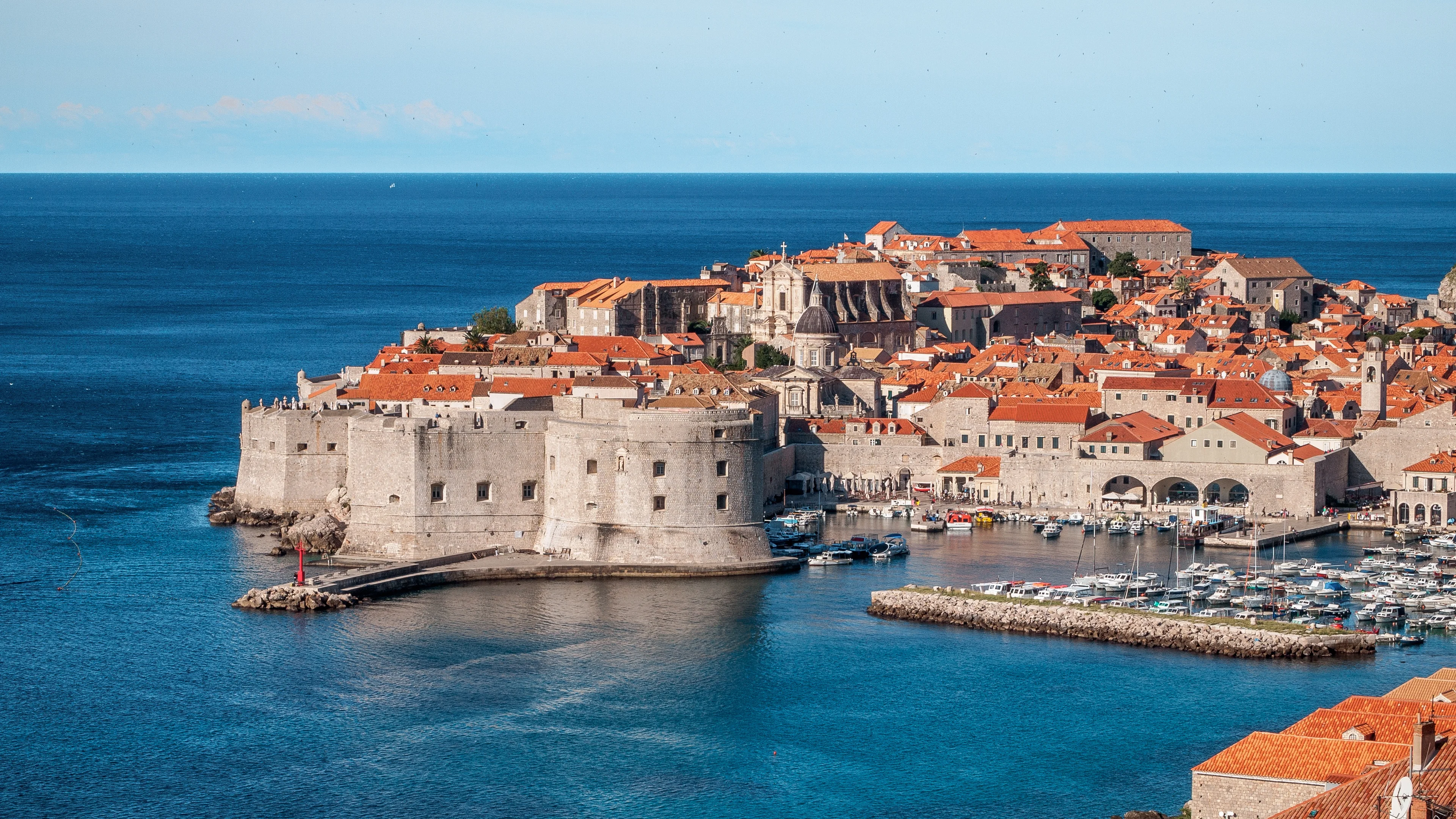
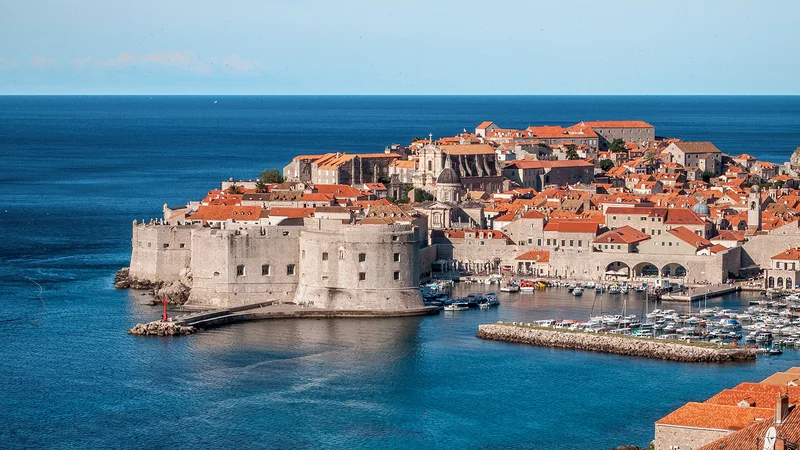
Imagine a medieval city suspended between sea and sky, where every cobblestone alley leads to a view that looks like a postcard. Limestone walls wrap around the old town like a protective shell, while orange-tiled roofs spill down toward turquoise waters.
Keep in mind that this jewel of the Croatian coast is no well-kept secret. In the heat of summer, it buckles under the weight of millions of visitors checking if the reality lives up to the Game of Thrones legend. Between its architectural grandeur and the effects of mass tourism, the city is as fascinating as it is overwhelming.
A postcard destination with a high price tag
This city is primarily for history and medieval architecture buffs, people who dream of walking along thousand-year-old ramparts with the Mediterranean as a backdrop. Couples seeking romance and fans of television series will find what they are looking for in this life-sized movie set.
However, if you avoid crowds at all costs, if inflated prices frustrate you, or if you are looking for the quiet authenticity of a preserved Croatian village, avoid this destination between June and September. The city is compact and everything in the historic center is done on foot, but that convenience comes at a cost.
A steep budget, especially within the walls
Expect to spend a minimum of 85 to 115 EUR (about $90 to $125) per day per person on a budget-friendly trip: 40 to 60 EUR ($45 to $65) for lodging, 25 EUR ($27) minimum per restaurant meal, and 35 EUR ($38) for entry to the city walls. In the old town, prices skyrocket: a beer can climb to 8 EUR ($9) on the Stradun, and restaurants rarely charge less than 30 EUR ($33) per head. In July and August, rates often double. Sleeping outside the walls or exploring neighborhoods like Lapad will give your wallet some breathing room.
The old town, a UNESCO-listed stone labyrinth
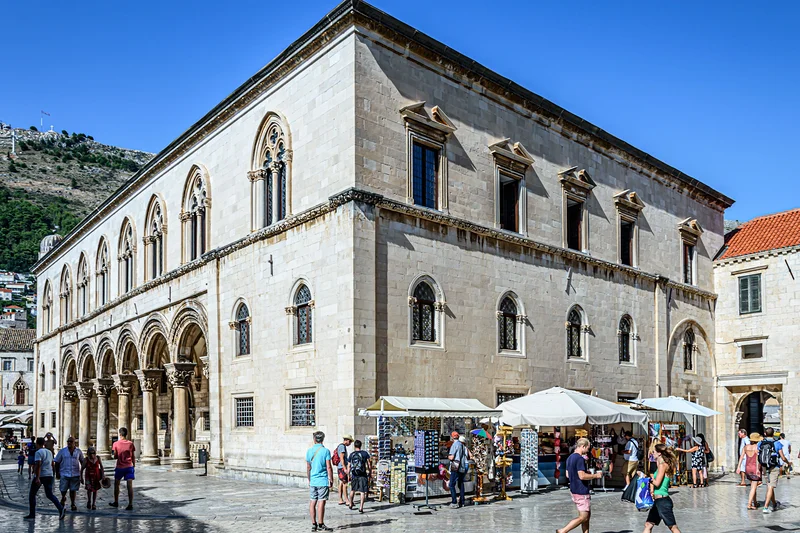
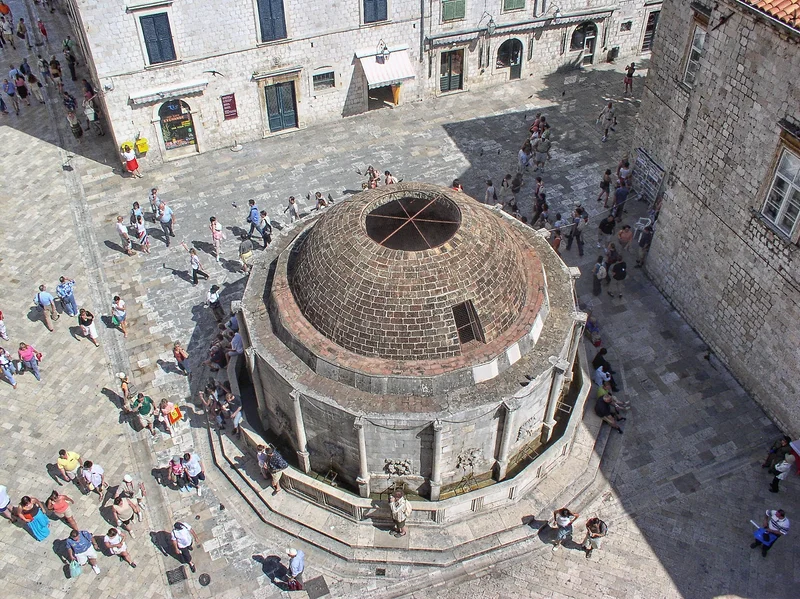
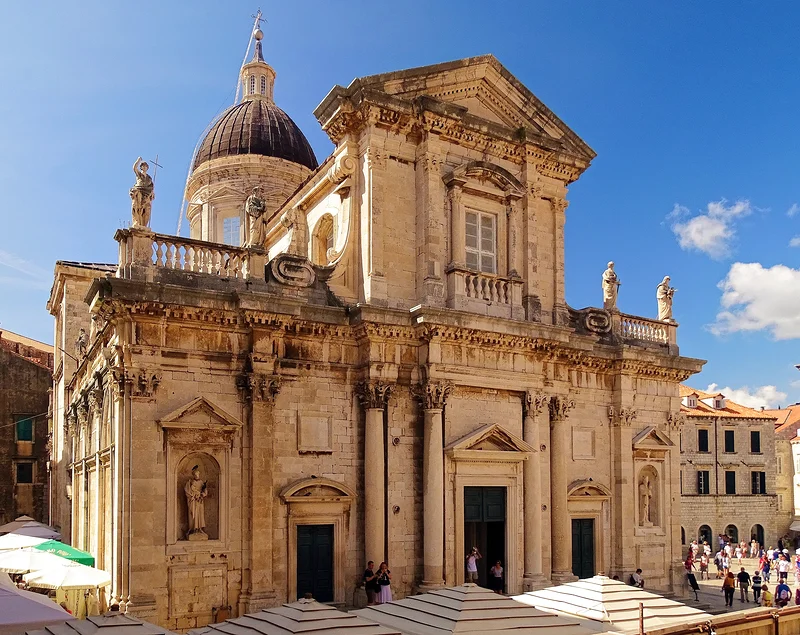
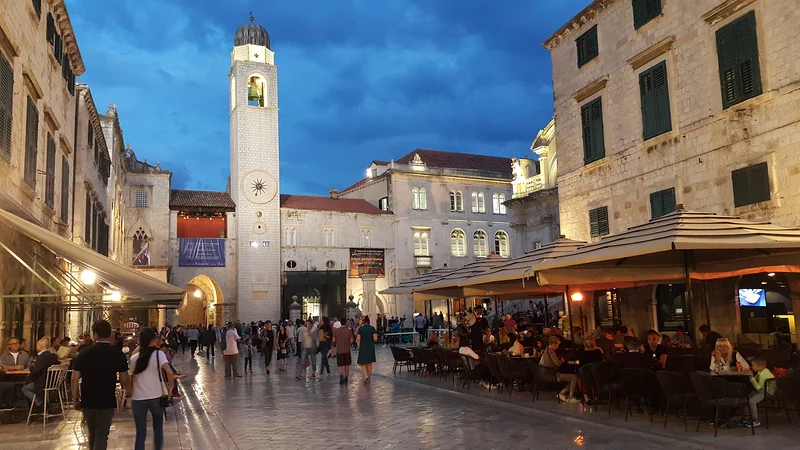
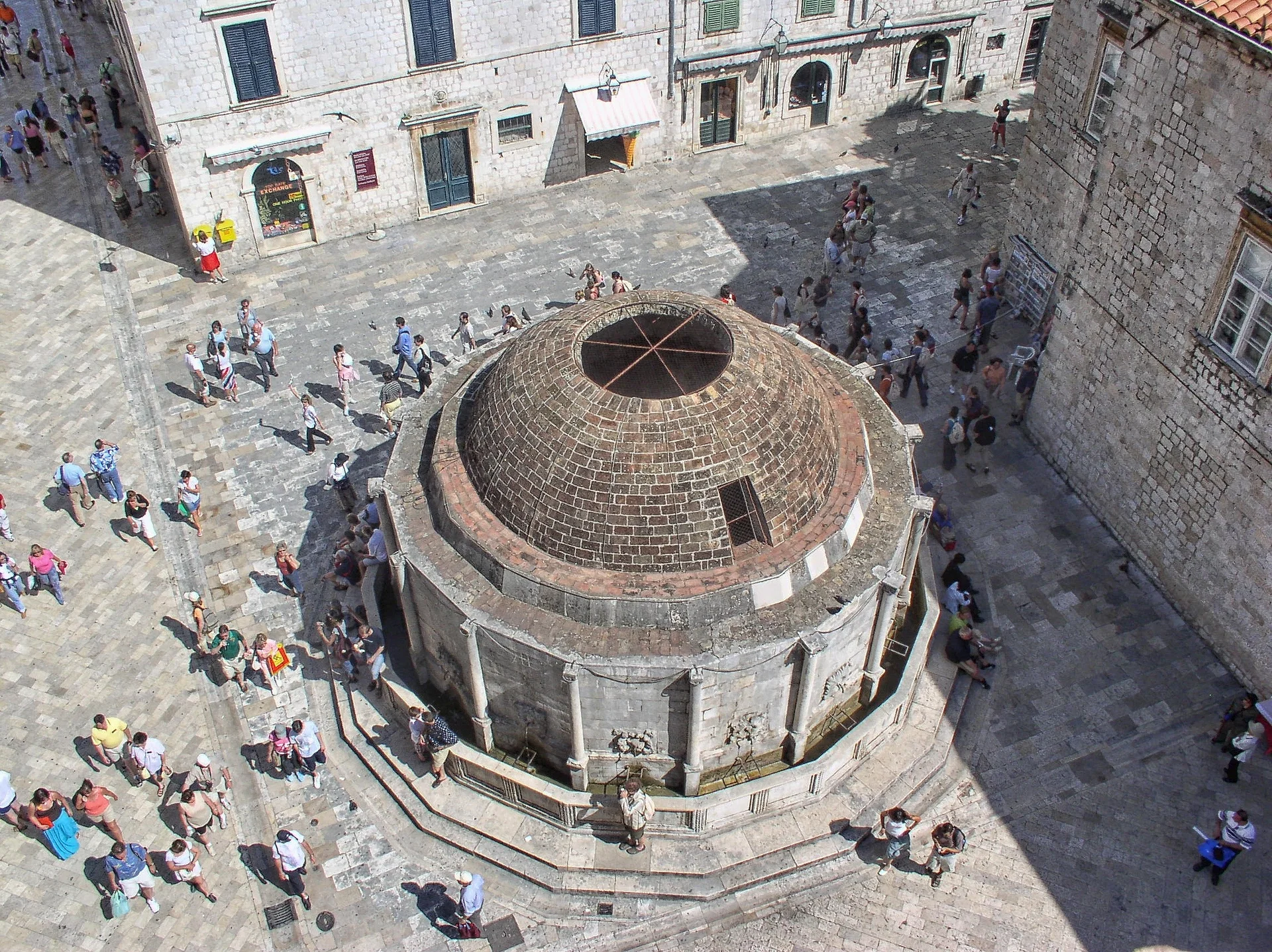
Stepping through the Pile Gate to the west is like traveling back in time. The Stradun, the main thoroughfare with stones polished smooth by centuries of foot traffic, runs straight toward the port, passing baroque palaces, churches, and shaded squares. The Onofrio Fountain greets you at the entrance, massive and moss-covered. To your left, the Franciscan Monastery houses a 14th-century pharmacy that is still in operation, making it one of the oldest in Europe.
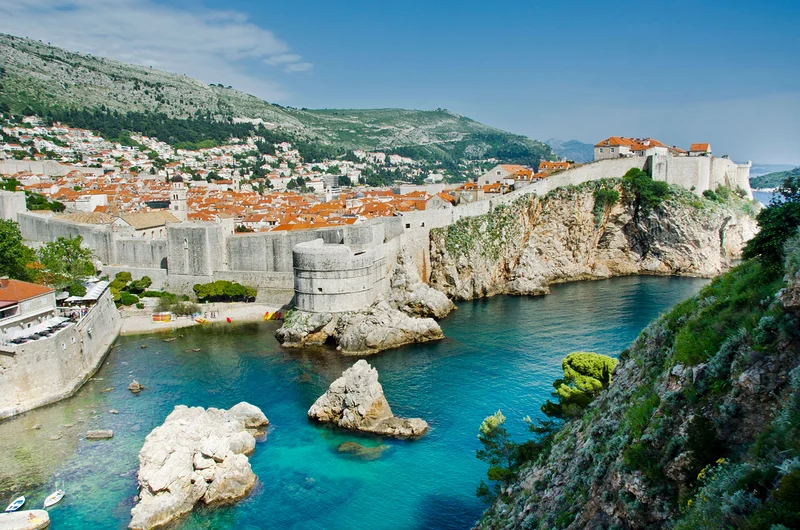
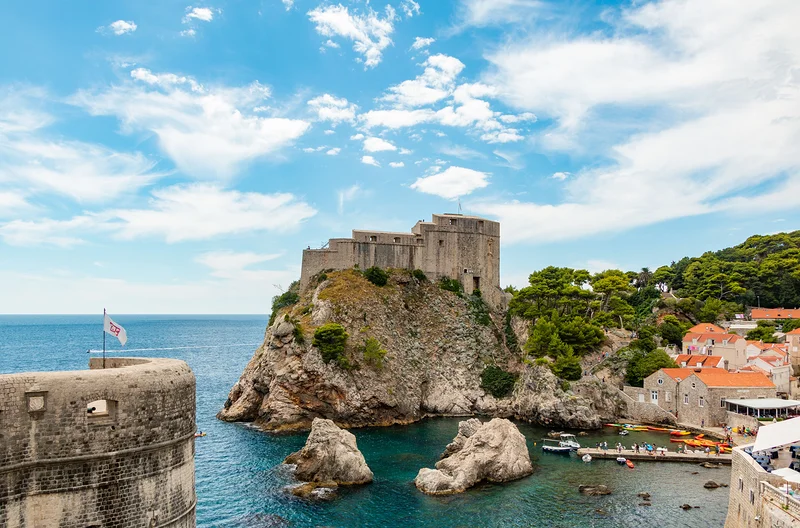
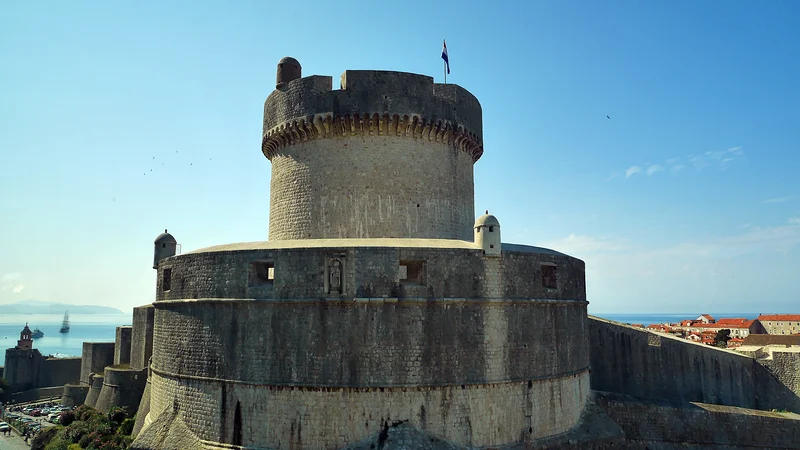
The real show, however, is the complete tour of the city walls. It is two kilometers of wall to cover in a good two hours, with staircases that climb relentlessly up to the Minceta Tower in the north and Bokar Fort in the south. On one side, you look down over red roofs and courtyards. On the other, the sea stretches its blue expanse all the way to the Elafiti Islands. Be careful, as the midday summer sun turns this into an endurance test. Bring a hat and a bottle of water, because shade is scarce up there.
Friendly advice: To avoid the crush, hit the walls as soon as they open at 8 AM or after 5 PM. The golden light at the end of the day makes the stones glow, and you will encounter a fraction of the crowds.
Beyond the walls: beaches and marine getaways
Contrary to popular belief, you can definitely sunbathe and swim here. Banje Beach, just east of the old town, offers a view of the fortifications with the island of Lokrum in the background. With pebbles, lounge chairs for rent, and a trendy bar, the vibe is more jet-set than secluded. For something more isolated, head down the steep stairs leading to Sveti Jakov, a small cove about a 20-minute walk to the south. The panoramic view from the path is worth the detour alone.
If you have a full day, head to Lapad and its Copacabana beach, which is ideal for families with its calm water and water sports. But the real gem is Sunj Beach on the island of Lopud in the Elafiti archipelago: fine sand (a rarity in Croatia), translucent water, and a relaxed atmosphere. Expect a one-hour ferry ride from the port of Gruž.
Friendly advice: For an unconventional sunbathing spot, look for the discreet entrance in the southern walls that leads to Buža beach. It features stone platforms right at the water's edge, a cocktail bar, and zero sand in your swimsuit.
Mount Srđ, the balcony overlooking everything
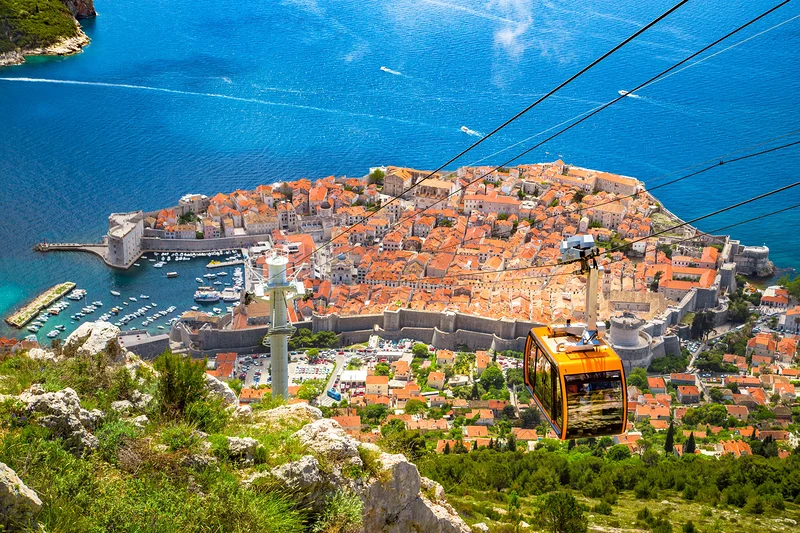
At 412 meters in altitude, Mount Srđ offers the ultimate postcard view: the entire city at your feet, islands dotting the horizon, and the Adriatic stretching out of sight. There are two ways to get up there: the four-minute cable car ride (prices vary by season), or the hiking trail for those with strong legs. At the summit, the 19th-century Imperial Fort houses a museum dedicated to the Croatian War of Independence in the 90s, a reminder that recent history has left deep scars.
The sunset from the top is legendary, but you will not be alone in admiring it. Arrive a bit early to snag a strategic spot. The small restaurant at the summit serves decent food that does not reinvent the wheel, but with a view like that, it is easy to forgive a slightly touristy menu.
Lokrum and the Elafiti, green retreats against an azure backdrop
A fifteen-minute boat ride from the old port, Lokrum acts like a mysterious island. Classified as a nature reserve, it unfurls shaded paths under pine trees, a lush botanical garden, and the ruins of a Benedictine monastery. Peacocks roam freely, adding a surreal touch. The salt lake nicknamed the Dead Sea offers a fun, buoyant swimming experience. Several rocky coves invite you to take a dip in water of startling clarity. Note that the island closes in the late afternoon and overnight stays are prohibited.
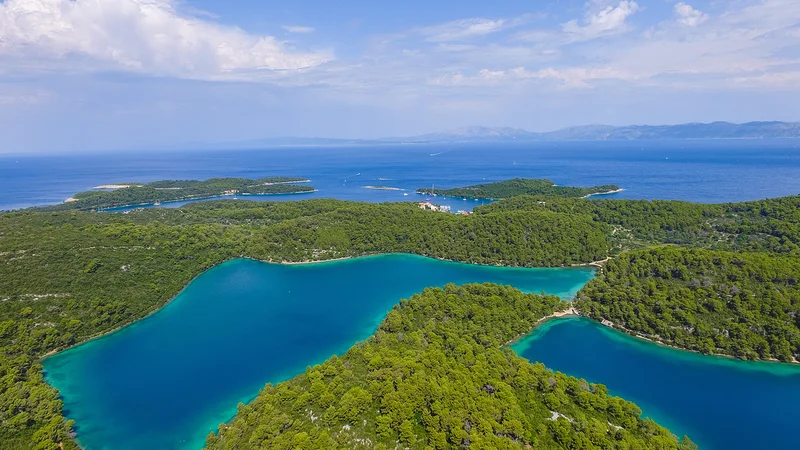
Further out, the Elafiti archipelago consists of three inhabited islands: Koločep, the greenest with its secret coves; Lopud, with its famous sandy beach; and Šipan, the rural one with olive groves and Roman ruins. Public ferries depart from Gruž several times a day, but organized excursions that hit all three islands in one day are popular. It is a chance to see a more laid-back Croatia, where locals still live off fishing and agriculture.
Friendly advice: If you have the time and budget, spend a night on Lopud. Once the day-trippers leave, the island regains its quiet soul, and you will have the beaches to yourself at sunrise.
Where to eat and drink in Dubrovnik?
Dalmatian cuisine highlights fish and seafood freshly caught in the Adriatic. You must try brudet, a fish stew simmered in a spicy tomato sauce, or black risotto tinted with cuttlefish ink. The Ston oysters, an hour's drive away, are considered among the best in the world; some tables serve them raw with a squeeze of lemon. On the land side, pasticada (veal long-marinated in a wine and plum sauce, served with gnocchi) warms the heart. For dessert, rožata, a type of crème caramel scented with rose liqueur, ends the meal on a sweet note.
In the old town, Restaurant 360° boasts a Michelin star, a dizzying view of the walls, and prices to match (expect 180 EUR or $195 for the tasting menu). To avoid breaking your budget, head outside the walls. Konoba Dubrava offers honest traditional cooking, and Lady Pi-Pi, perched above the city, serves smoked grilled dishes on its crowded terrace (no reservations, plan to wait). The Gundulić market in the morning is the place to bite into sun-drenched fruit and buy local honey.
Where to sleep in Dubrovnik and the surrounding area?
Sleeping inside the old town has undeniable charm, but you pay for it. Expect a minimum of 100 to 150 EUR ($110 to $165) per night for a double room in high season, often double that in July and August. In return, you are at the heart of the action and can walk home after a night out. Private rooms (sobe) and apartments (apartman) offer better value for money, provided you book well in advance.
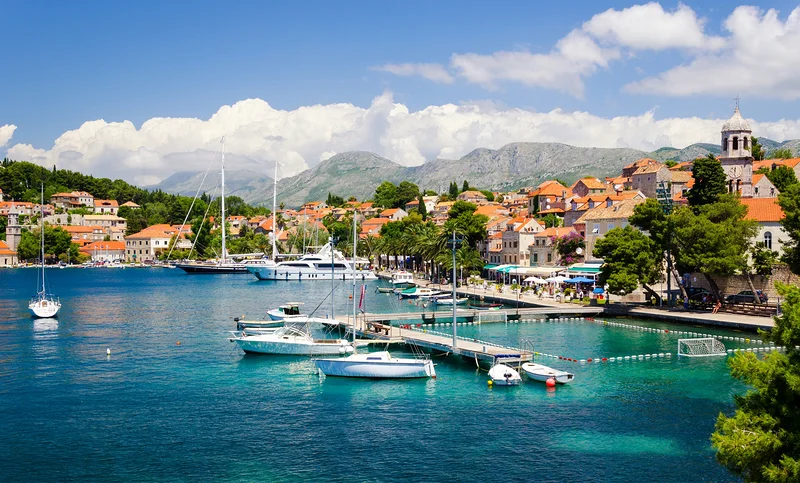
For more breathable rates, explore Lapad and Babin Kuk. These seaside neighborhoods group together hotels, hostels, and vacation rentals, with easy bus access to the center (lines 4, 5, 6). Gruž, near the port and the bus station, is local and practical. Finally, Cavtat, a charming coastal village 20 km to the south, appeals to those who want to escape the hustle while remaining within reach of a shuttle.
How to get to and around Dubrovnik?
The airport is in Čilipi, 20 km to the southeast. The Platanus shuttle reaches the old town in 30 minutes for 6 EUR ($7) one-way, with departures timed to flight arrivals. City buses (lines 11, 27, 38) make the same trip for 4 to 5 EUR ($4 to $5) but take longer. A taxi costs between 35 and 45 EUR ($38 to $50), which is practical if you have luggage or arrive late.
Once there, forget the car. The historic center is entirely pedestrian, and parking around the walls is an obstacle course that costs a fortune. The Libertas city bus network is efficient for reaching the beaches and peripheral neighborhoods (2 EUR or $2 per ticket, 4 EUR or $4 for a 24-hour pass). For Lokrum, boats leave every half hour from the old port (30 EUR or $33 with entry included). Ferries to the Elafiti islands depart from the port of Gruž.
When to go?
The months of May, June, and September offer the best compromise with pleasant temperatures (20 to 25°C or 68 to 77°F), a sea that is already warm, and manageable crowds. Prices remain reasonable, and you will enjoy the terraces without elbowing your way through. July and August are the peak rush. The city suffocates under the weight of tourists and cruise ship passengers and prices explode, but this is also the period of the Summer Festival (theater, music, and folklore from July 10 to August 25) which lights up the city.
Autumn (October) remains mild and bright, perfect for walks on the walls in golden light. Winter (November to March) sees prices drop and the city return to its quiet state, but many establishments close, and rain can settle in for several days in a row. November is clearly to be avoided unless you like ghost towns in the drizzle.
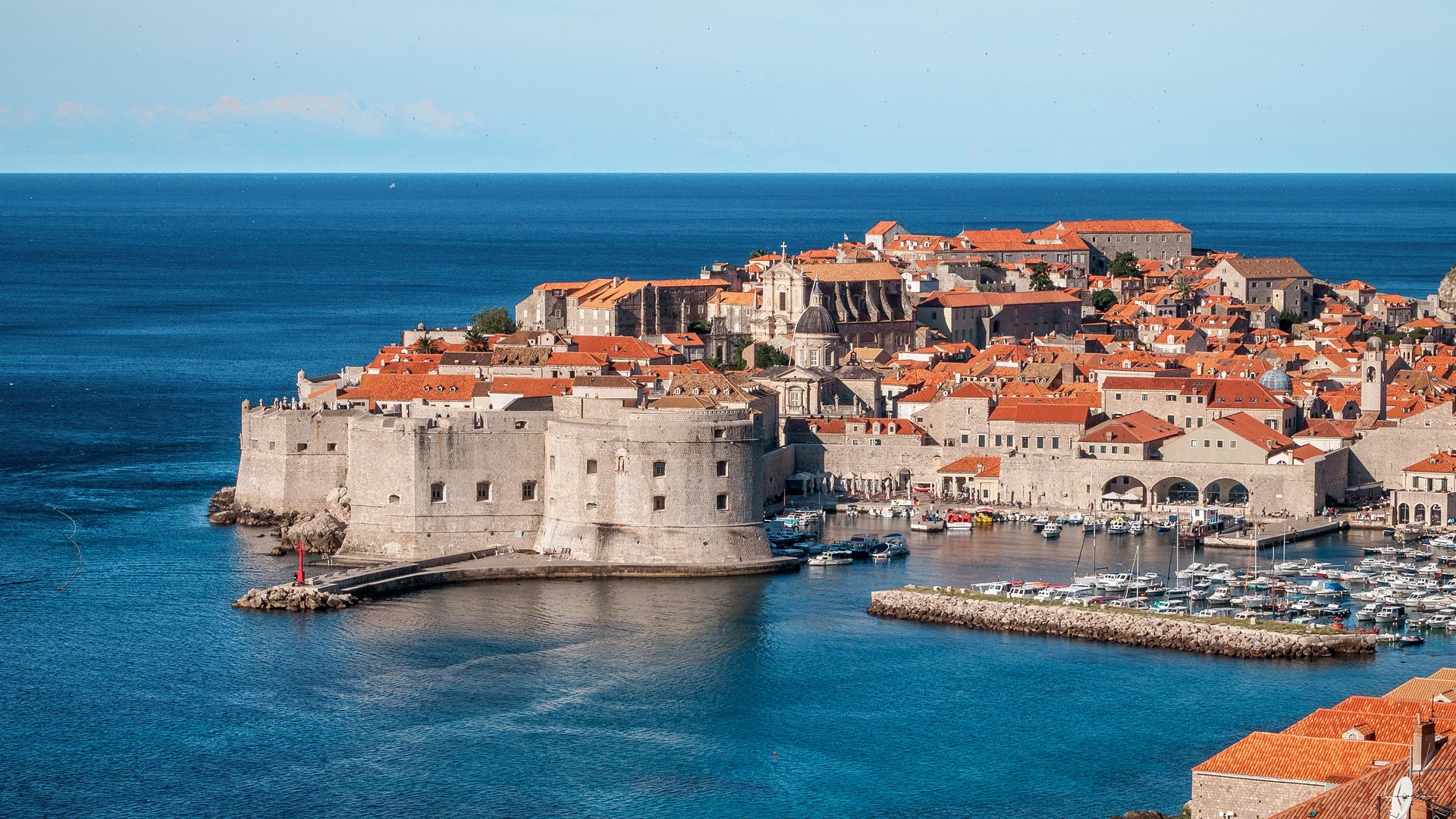
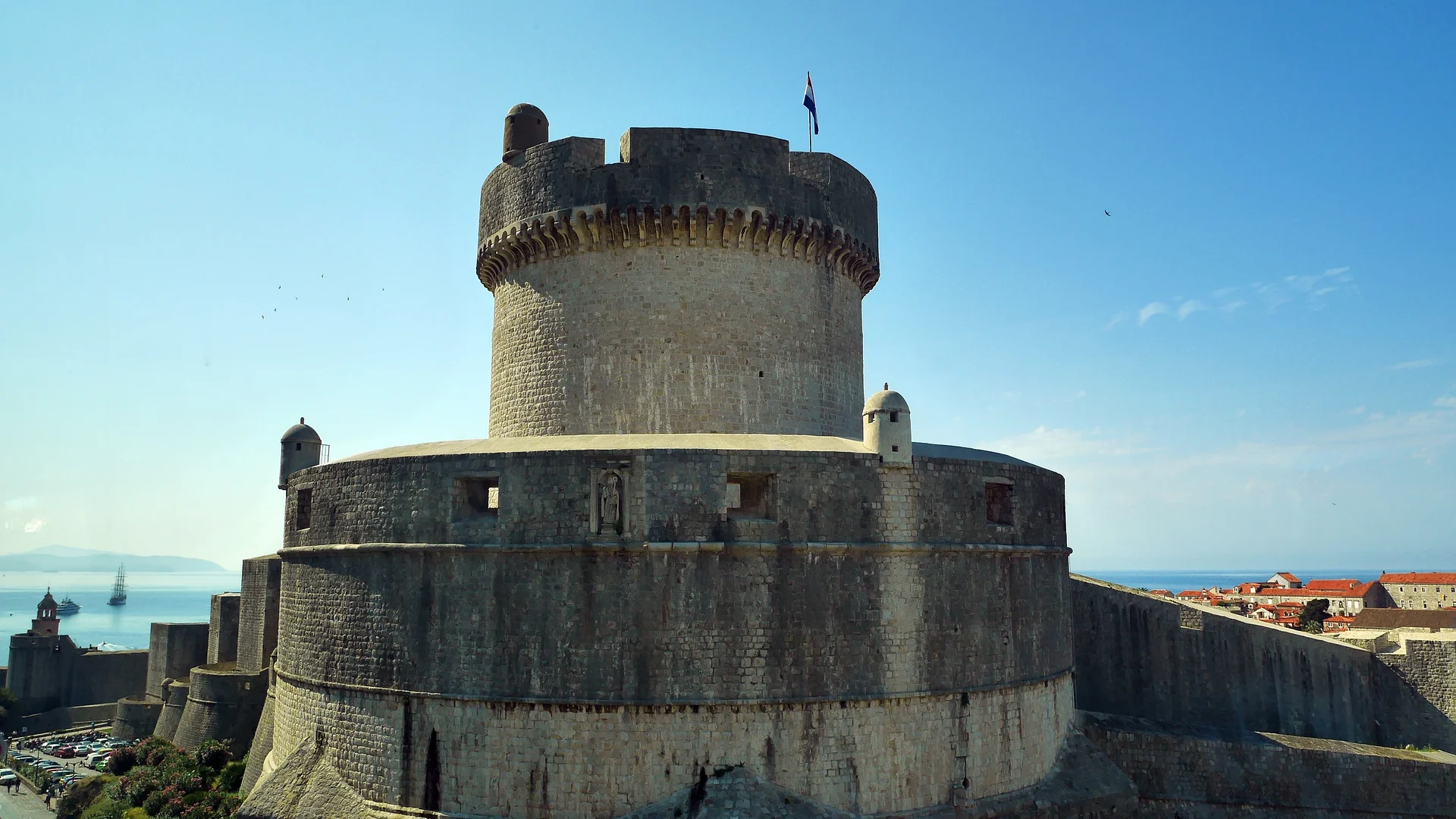
I spent a week in Dubrovnik in September and I really loved it. The city was a little bit quieter during that time. If possible, avoid the months of July and August. The center is perfectly preserved and features many medieval buildings. The walk along the city walls is very pleasant. Also, do not miss the many churches and monasteries.