
Visiting Mljet
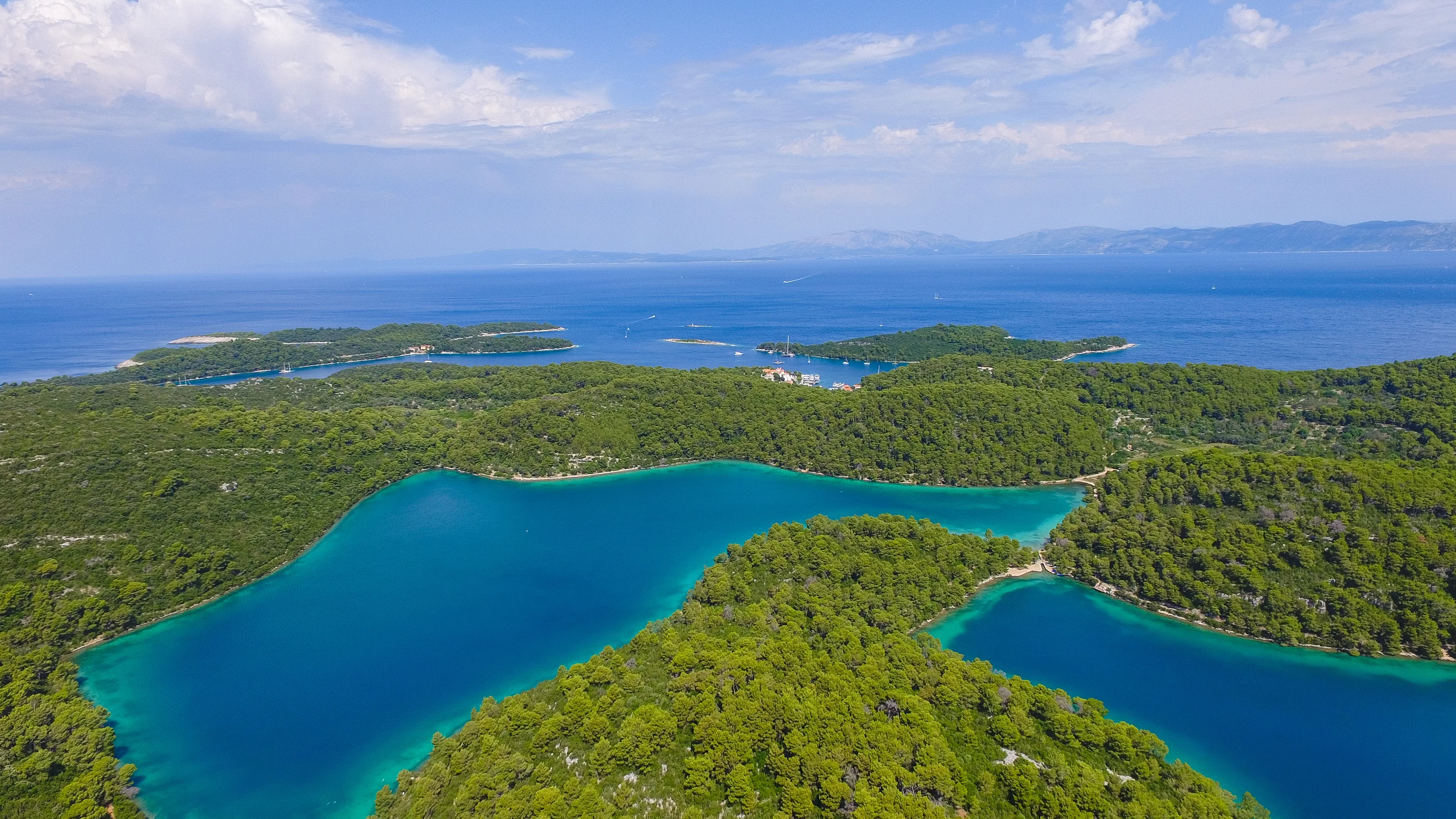
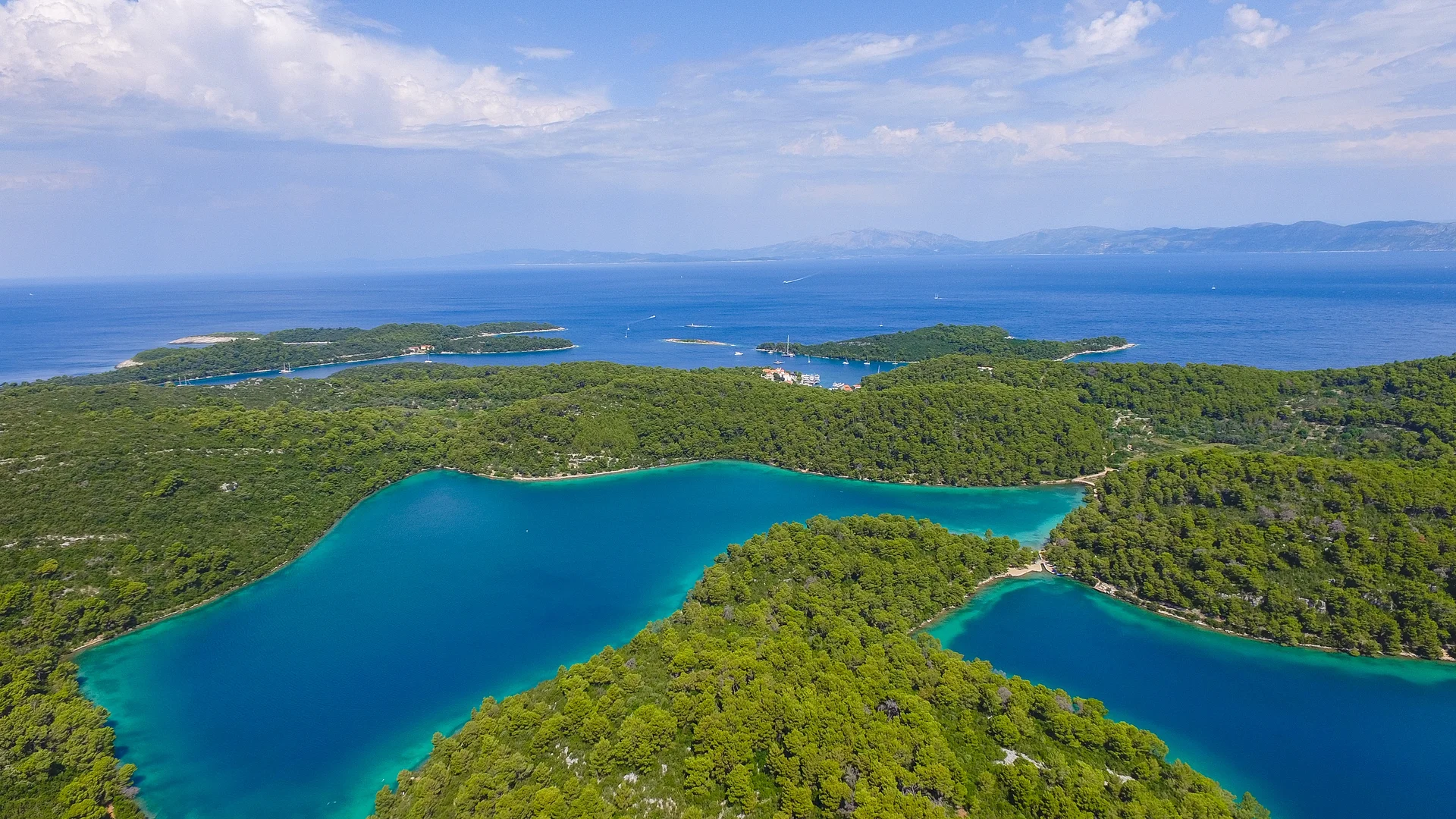
A tangle of deep green forests and brilliant blue water, the island of Mljet is the southernmost of the major islands in Croatia. Since 1960, more than one third of the island has been protected as a national park. Its landscape is defined by five distinct forest ecosystems. According to The Odyssey, this is where the nymph Calypso lived and kept Ulysses captive for seven long years.
An island of myths and legends
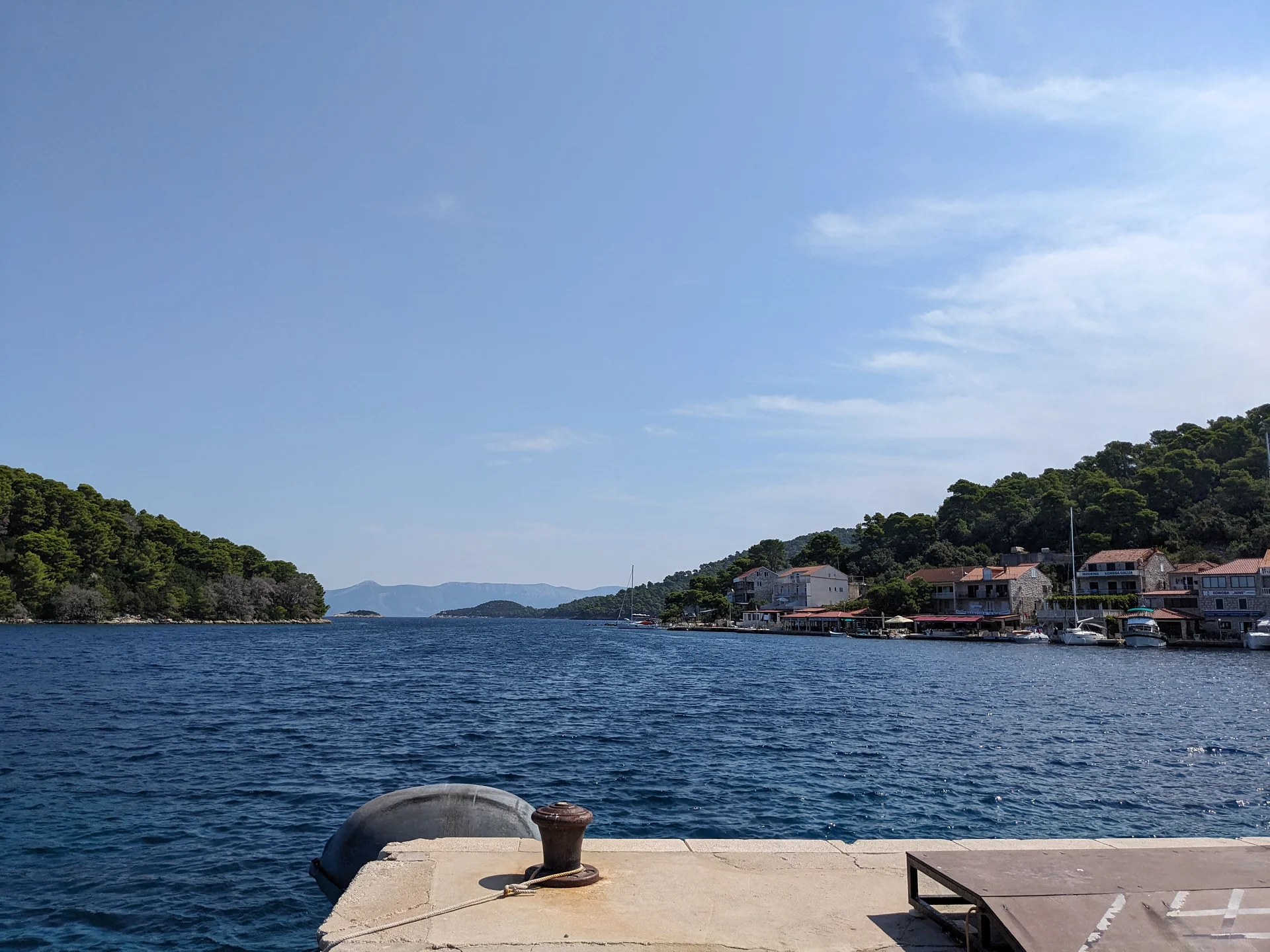
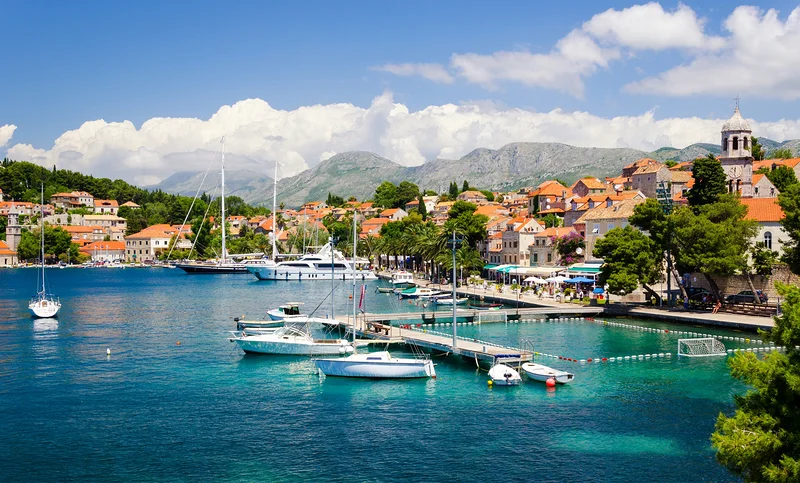
Your trip begins at the docks in the villages of Pomena and Polače. You will find remnants of Illyrian fortifications here, alongside the ruins of one of the largest Roman palaces in Croatia. These villages serve as the trailheads for the Mljet National Park. During peak season, entry to the reserve costs 125 EUR (about $135). Within these woods, nature created two saltwater lakes, Veliko Jezero (the large lake) and Malo Jezero (the small lake), which are connected to each other and the open sea by narrow channels.
In the middle of the larger lake, you can explore a 12th-century Benedictine monastery perched on the islet of Saint Mary. The boat shuttle to reach the islet is included in your park entrance fee. Local lore credits the monks with the early preservation of the island's natural heritage. You can circle the lakes on foot or by bike, and swimming is permitted.
Near the village of Babino Polje, visit Ulysses' Cave. It is a natural karst formation with a collapsed ceiling, creating a deep pool filled with seawater. It is said to be the very spot where Ulysses took refuge after battling the rough currents of the Adriatic.
Immersing in nature
Mljet is well-suited for hiking. From the small village of Pristaniste, you can take a trail that climbs for about forty minutes to the top of the Montokuc viewpoint. From there, you get a clear view of the island, the surrounding coastline, and the deep blue sea.
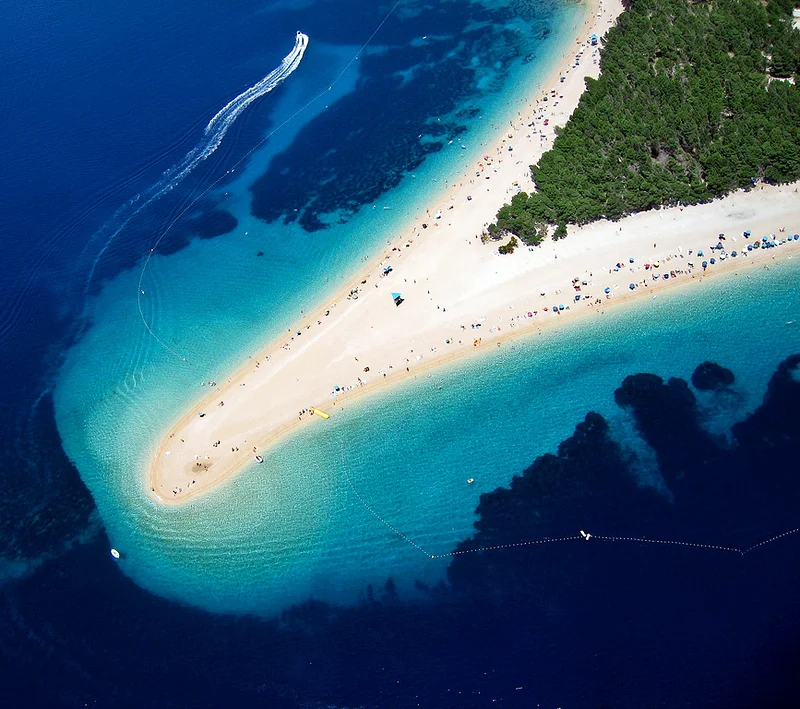
If you have a car, head to the eastern half of the island to find sandy beaches, which are rare enough in Croatia to be notable. Sablunara beach offers several amenities, while for those seeking quiet, Blace beach is a solid spot to relax.
When to go
Mljet has a Mediterranean climate with hot, dry summers and plenty of sunshine from March through October. Be aware that July can see intense heat waves. Winters can be rainy.
How to get there
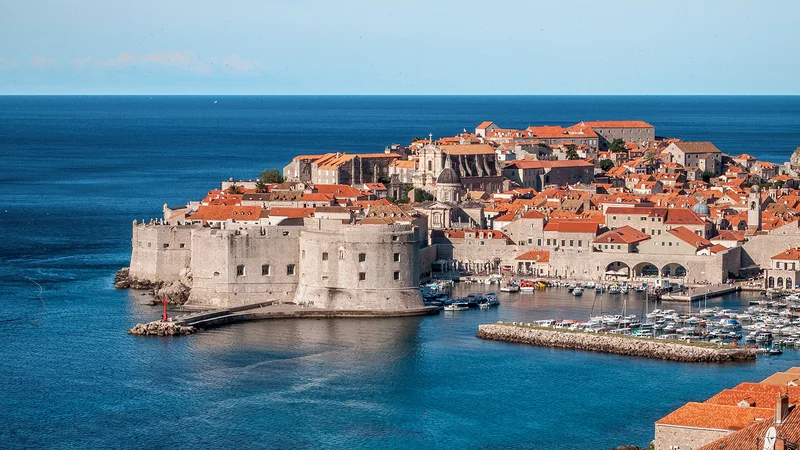
Numerous tourist boats and catamarans serve the island, docking in Pomena and Polače. You can make the crossing from Dubrovnik, the Peljesac peninsula, and the neighboring islands of Hvar and Korcula.
There are also car ferry connections from Dubrovnik to the island's largest town, Sobra, operated by Jadrolinija. These trips take about two hours and allow you to bring your own vehicle.
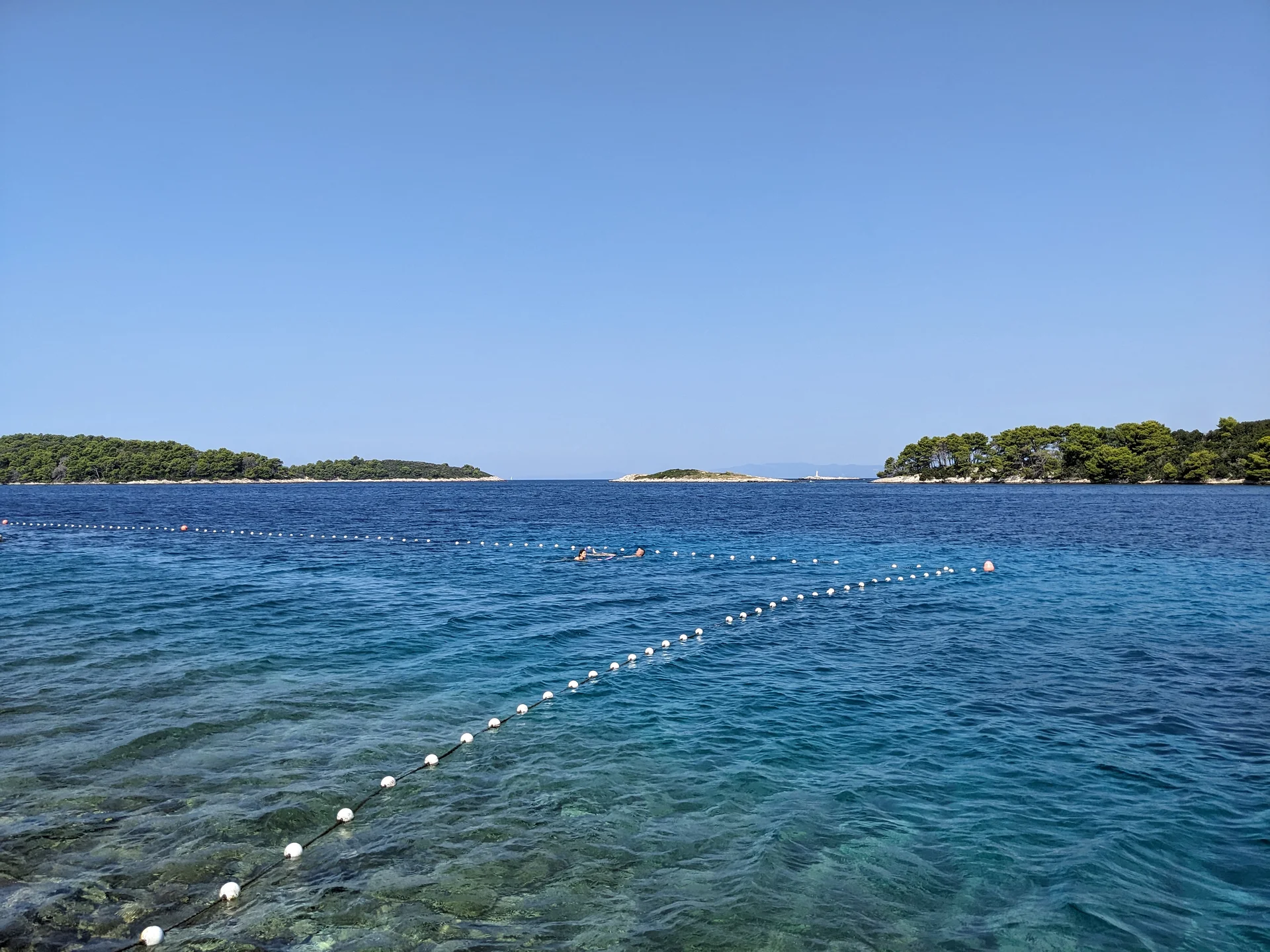
This island is truly beautiful, I spent a few days there surrounded by nature. If you love natural spaces and hiking, then it is ideal. There are plenty of outdoor activities to do. The island also has a rich history to discover with many ancient ruins.